
Echinopla tritschleri
- Sci. Name
- Echinopla tritschleri
- Tribe
- Camponotini
- Subfamily
- Formicinae
- Author
- Forel, 1901
- Distribution
- Found in 2 countries
Introduction
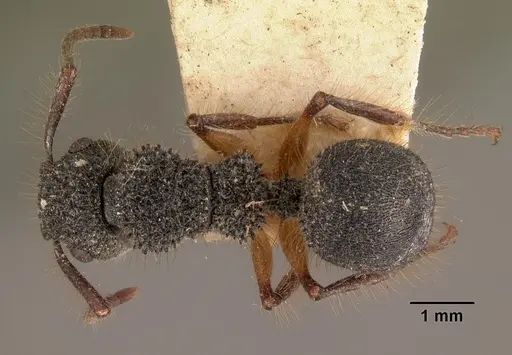
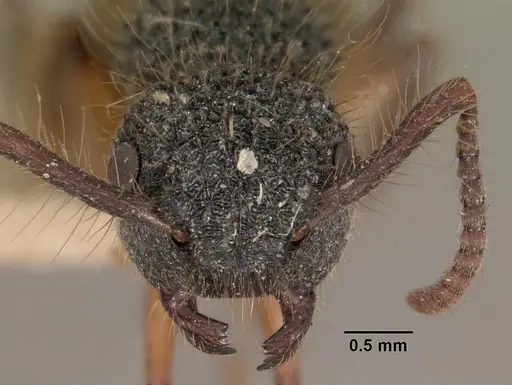
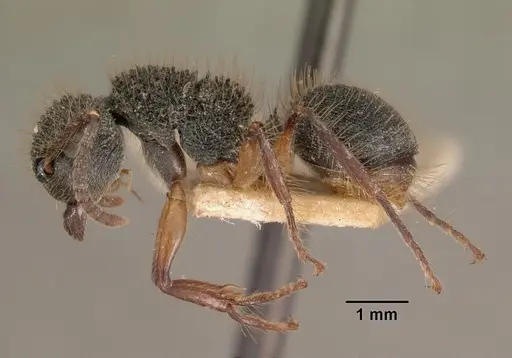
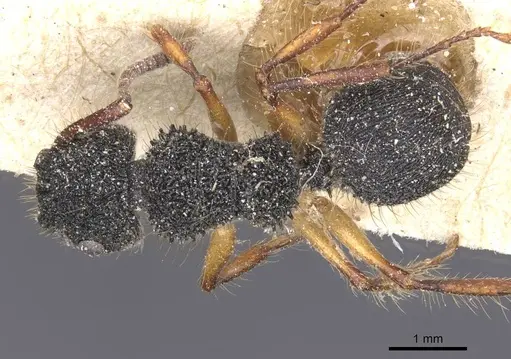
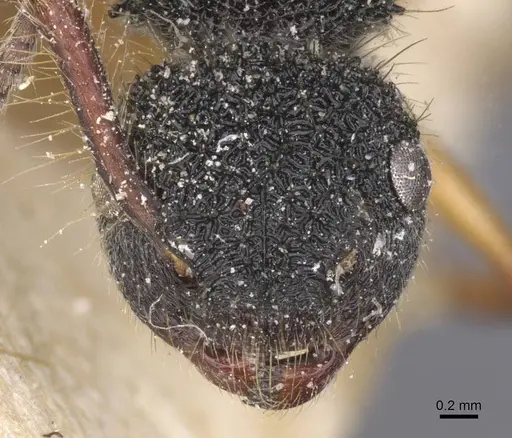
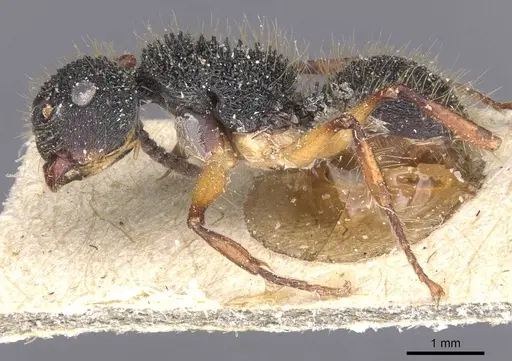
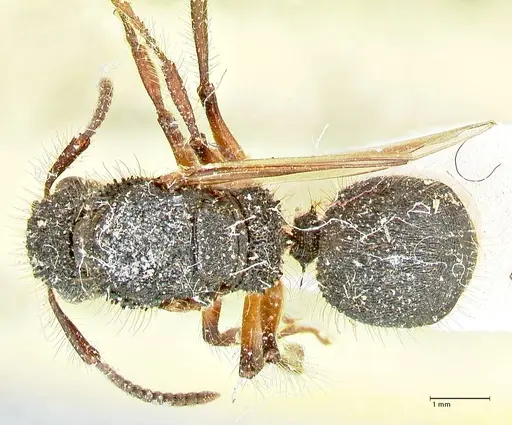
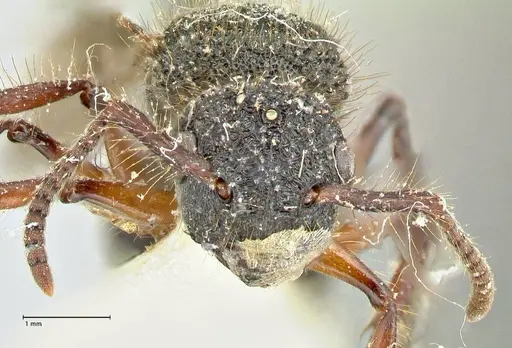
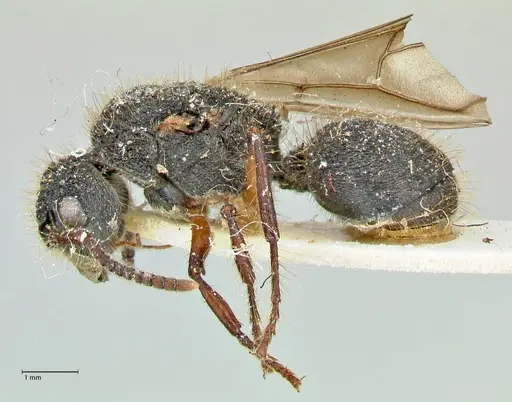
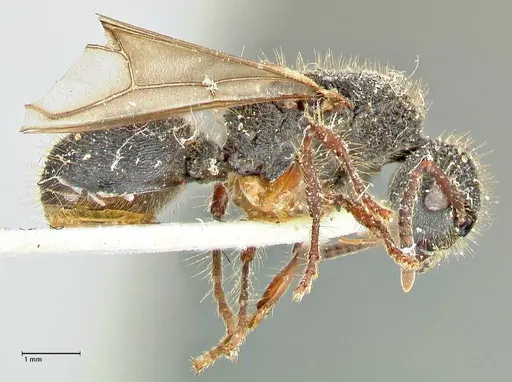
Echinopla tritschleri is a small to medium-sized ant found in the rainforests of Southeast Asia, specifically Borneo, Sumatra, and West Malaysia . Workers measure 6.1-6.8mm in total length with a distinctive black body, reddish-brown mandibles and antennae, and yellowish-brown legs . The species is identified by its moderately convex eyes positioned near the mid-length of the head, blunt spines on the head and mesosoma, and the unique sculpture of the first gastral segment featuring tubercles anteriorly and punctures that form longitudinal and transverse lines . Queens are significantly larger at 8.4-8.7mm and possess ocelli and broader antennae . This species belongs to the melanarctos-group and has been collected from highland localities around 800 meters elevation in the Peninjau Mountains of West Malaysia .
Quick Summary
- Difficulty: Medium
- Origin & Habitat: Tropical rainforests of Southeast Asia including Borneo, Sumatra, and West Malaysia (Kelantan and Perak). Specimens have been collected from elevations around 800 meters in the Peninjau Mountains of West Malaysia [1][2][4].
- Colony Type: Colony structure is unconfirmed.
- Size & Growth:
- Antkeeping:
- Temperature: Keep at 24-28°C. Being a tropical rainforest species from Southeast Asia, they require warm conditions. A gentle gradient allowing workers to self-regulate is recommended.
- Humidity: High humidity is essential. These ants inhabit humid tropical forests, so the nest should be kept consistently moist but not waterlogged. Provide a water tube for drinking access.
- Diapause: No, being a tropical species, they do not require hibernation.
- Nesting: In nature, they likely nest in rotting wood or under bark in humid forest settings. In captivity, a Y-tong (AAC) nest or plaster nest works well. Keep the nest material moist and provide a humid outworld.
- Behavior: Behavior is not directly documented for this species. Echinopla species are generally less aggressive than many Formicinae. Workers are moderately active foragers. Their small size means escape prevention is important, use fine mesh and tight-fitting lids. They likely forage for honeydew and small insects in the wild. As Formicinae, they lack a functional sting and instead may bite and spray formic acid as defense.
- Common Issues: high humidity requirements can lead to mold if ventilation is poor, balance is essential, tropical species may struggle with temperature drops below 22°C, escape prevention is important given their small worker size, limited availability in the antkeeping hobby means established colonies are hard to find, lack of species-specific care data makes keeping more challenging
Housing and Nest Setup
Echinopla tritschleri requires a humid nest environment that mimics their natural rainforest habitat. Y-tong (AAC) nests or plaster nests work well for this species. The nest chambers should be kept consistently moist, these ants are not tolerant of dry conditions. A water tube attached to the outworld provides essential drinking access. The outworld should also maintain humidity, and you can achieve this by misting occasionally or using a moist substrate. Good ventilation is important to prevent mold, but avoid excessive airflow that dries out the nest. Foraging areas should be simple and easy to clean. Given their small worker size, use fluon on the rim of the outworld and ensure all connections are tight to prevent escapes.
Feeding and Diet
Like other Formicinae, Echinopla tritschleri likely has a mixed diet. In the wild, they probably tend aphids for honeydew and hunt small insects. In captivity, offer sugar water or honey as a constant energy source. For protein, provide small insects such as fruit flies, small crickets, or mealworms. Given their small worker size, prey items should be appropriately sized. Feed protein regularly, and keep sugar water available at all times. Remove uneaten prey after 24-48 hours to prevent mold issues in the humid setup they require.
Temperature and Seasonal Care
As a tropical species from Southeast Asia, Echinopla tritschleri requires warm temperatures. Keep the nest area between 24-28°C for optimal colony health and brood development. A heating cable on one side of the nest can create a gentle gradient, allowing workers to self-regulate their temperature preference. Avoid temperatures below 22°C for extended periods, as this species is not adapted to cool conditions. Since they come from a tropical environment with minimal seasonal variation, they do not require a true diapause or hibernation period. Always monitor colony behavior, if workers become sluggish and cluster together, the temperature may be too low.
Colony Establishment and Growth
When acquiring Echinopla tritschleri, you may start with a founding queen or a small established colony. The queen measures 8.4-8.7mm and is significantly larger than workers, making her easy to identify. During founding, the queen will likely seal herself in a chamber and live off stored fat reserves until her first workers emerge. First workers may be smaller than normal workers but should quickly grow as the colony expands. Be patient, Echinopla species tend to have smaller colony sizes than many common Formicinae. Avoid disturbing the nest during the founding stage, as this can cause the queen to abandon or consume her brood. [3]
Behavior and Temperament
Echinopla tritschleri workers are moderately sized and likely exhibit typical Formicinae behavior. They are probably not particularly aggressive but will defend their nest if threatened. Workers are active foragers, searching for honeydew and small prey. The species has distinctive blunt spines on the head and mesosoma, which may serve a defensive function. Their small size means they can squeeze through small gaps, so escape prevention is important. In the outworld, they will likely establish foraging trails and may tend aphids if available. [3]
Frequently Asked Questions
How long does it take for Echinopla tritschleri to produce first workers?
The exact timeline is unconfirmed for this species. Development time will depend on temperature, warmer temperatures generally speed up development. Be patient during the founding stage and avoid disturbing the queen.
What do Echinopla tritschleri ants eat?
Like other Formicinae, they likely accept a mixed diet of sugar sources (honey, sugar water) and protein (small insects like fruit flies, pinhead crickets, mealworms). Offer sugar water constantly and protein prey regularly.
Are Echinopla tritschleri ants aggressive?
They are not considered particularly aggressive. Like most forest-dwelling ants, they will defend their nest if threatened but are not known for aggressive swarming. Their small size also limits their defensive capability compared to larger ants.
Do Echinopla tritschleri ants need hibernation?
No, hibernation is not required. As a tropical species from Southeast Asia, they do not experience cold winters in their natural habitat. Maintain temperatures between 24-28°C year-round.
What size colony does Echinopla tritschleri reach?
Colony size data is unavailable for this species. Based on typical Echinopla species, colonies likely reach several hundred workers at maximum.
Can I keep multiple Echinopla tritschleri queens together?
This has not been documented. They are likely single-queen colonies. Combining unrelated queens is not recommended without evidence they can coexist.
What humidity level do Echinopla tritschleri need?
High humidity is essential. These are rainforest ants from humid tropical forests. Keep the nest substrate consistently moist but not waterlogged, and provide a water tube for drinking access.
What temperature is best for Echinopla tritschleri?
Keep them warm at 24-28°C. This tropical species requires warm conditions and may struggle below 22°C. A gentle temperature gradient allows workers to self-regulate.
Are Echinopla tritschleri good for beginners?
This species is rated as medium difficulty. While not the hardest ant to keep, their high humidity requirements and need for warm temperatures make them better suited for keepers who already have some experience with tropical species.
How do I prevent Echinopla tritschleri from escaping?
Use excellent escape prevention due to their small worker size. Apply fluon to outworld rims, use tight-fitting lids, and ensure all tubing connections are secure. Check for tiny gaps regularly.
Report an Issue
The current care sheet is based fully on literature. See inconsistencies, or something that's incorrect? Please , it will be resolved after review from an admin. Contributing to the blogs tab also helps providing information, to make us be able to further improve the caresheets. Thank you for your support!
References

This caresheet is licensed under CC BY-SA 4.0 .
Community Blogs
Literature
Loading distribution map...Loading products...