
Dorymyrmex tener
- Sci. Name
- Dorymyrmex tener
- Tribe
- Leptomyrmecini
- Subfamily
- Dolichoderinae
- Author
- Mayr, 1868
- Distribution
- Found in 2 countries
Introduction
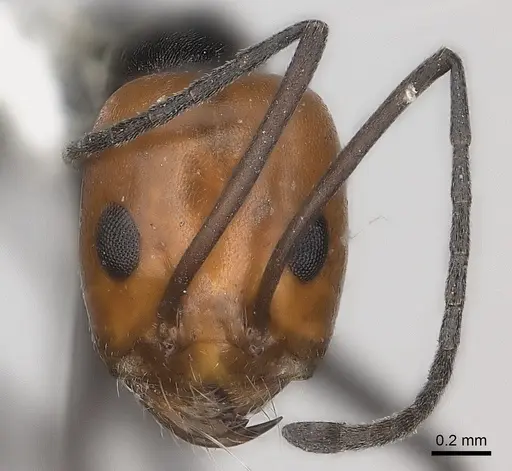
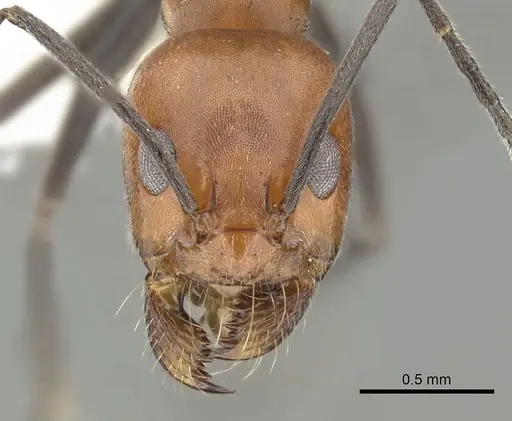
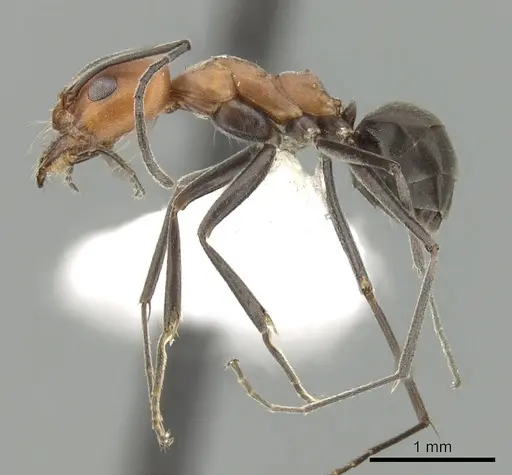
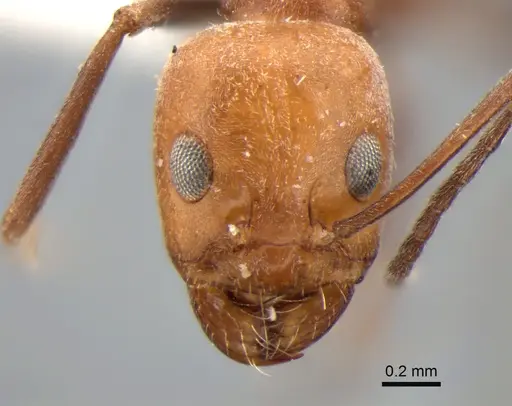
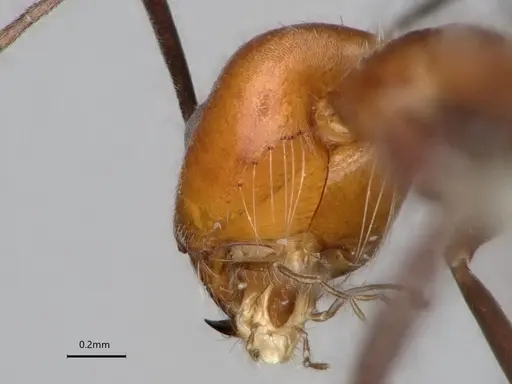
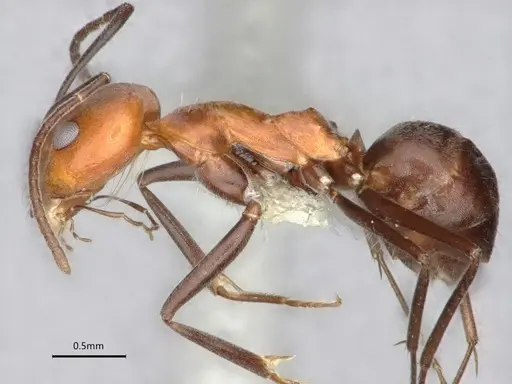
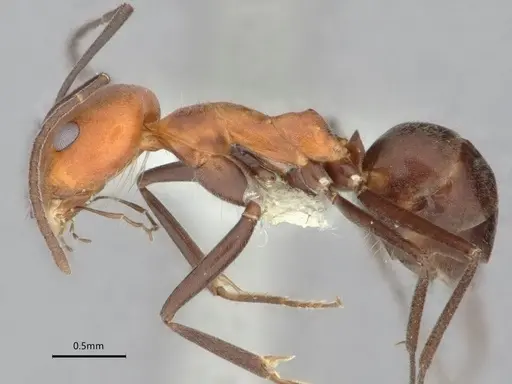
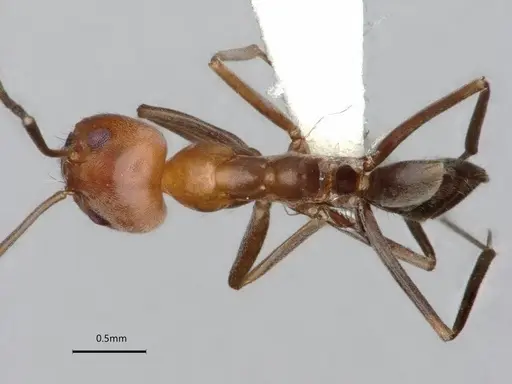
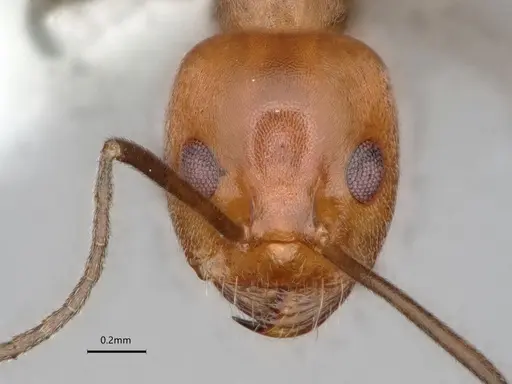
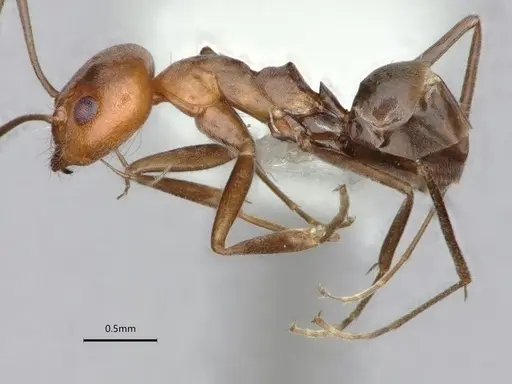
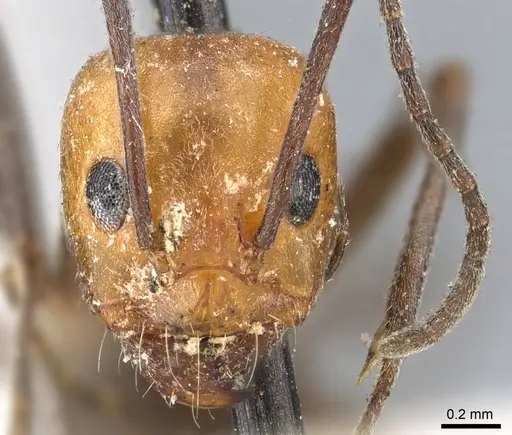
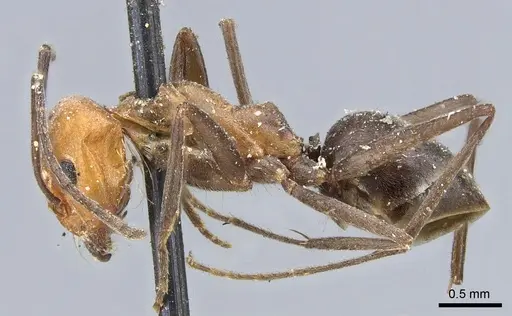
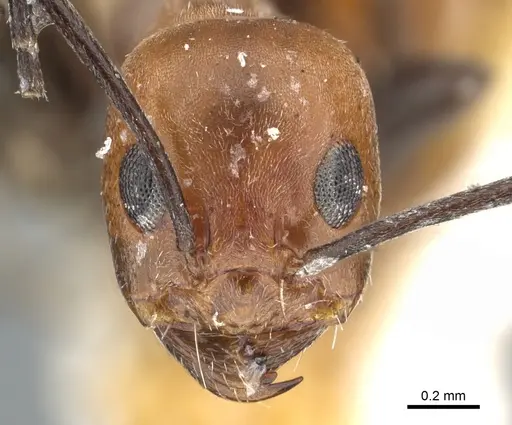
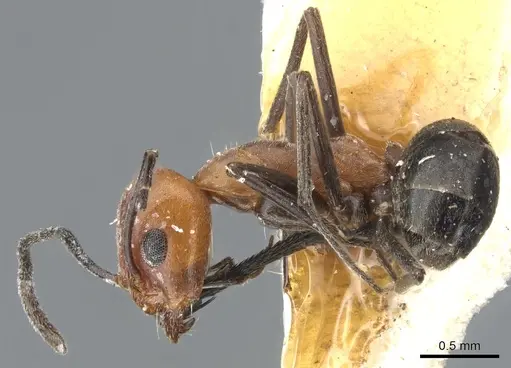
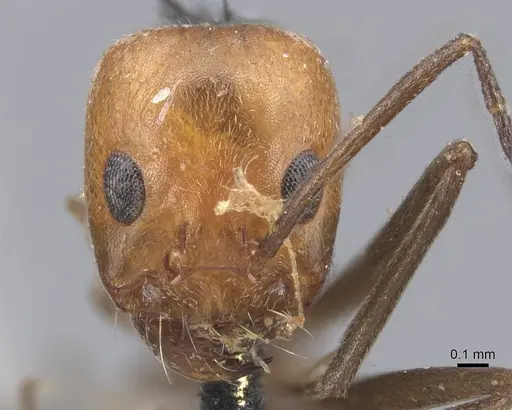
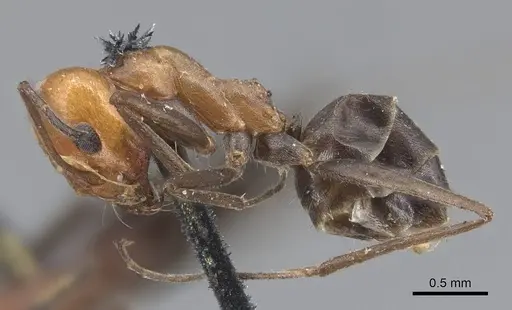
Dorymyrmex tener is a small ant native to Chile and Argentina, found throughout the Patagonian region. Workers have a distinctive psammophore – a basket-like arrangement of hairs under the head used for carrying sand while excavating nests . They inhabit open steppe environments, often nesting under rocks or in soil . This species is one of the most abundant and aggressive ants in its range, frequently observed patrolling thistles and tending aphids. It is an opportunistic generalist that aggressively defends its food sources, actively expelling other insects from plants .
Quick Summary
- Difficulty: Easy
- Origin & Habitat: Native to Chile and Argentina, specifically the Patagonian region from Argentina (Neuquén to Chubut provinces) across to Chile. They are found in open steppe, roadside areas, and even at high altitudes up to 2000-3000 m in Mendoza [4]. They typically nest under rocks or in soil [2][1].
- Colony Type: Unconfirmed from available research.
- Size & Growth:
- Queen: Size data unavailable from available literature.
- Worker: Size data unavailable from available literature.
- Colony: Colony size unknown from published research, however, field observations note it is numerically dominant and abundant in its range [3].
- Growth: Unknown – likely moderate based on typical Dolichoderinae development.
- Development: Unconfirmed. (No specific data available for this species.)
- Antkeeping:
- Temperature: As a Patagonian species adapted to cool climates, room temperature (18-24°C) is recommended. Provide a temperature gradient so workers can choose their preferred zone [2].
- Humidity: Low to moderate – they originate from dry steppe environments. Allow the nest substrate to dry partially between waterings to avoid overhumidification.
- Diapause: Unknown but likely – as a temperate Patagonian species, a winter rest period is advisable. Reduce temperature to around 10-15°C for 3-4 months during the southern hemisphere winter if possible (exact requirements not studied).
- Nesting: Soil nests under rocks or in open ground. Use a Y-tong or plaster nest with dry to semi-dry substrate, or a naturalistic soil setup. Avoid high humidity.
- Behavior: Aggressive, opportunistic forager. Known for defensive tending of aphids, actively expelling other insects from plants [3]. Defends food sources vigorously. Subfamily defense: secretes chemical compounds from a slit-like abdominal opening (smear defense) – no functional sting. Can bite if handled. Escape risk is moderate, standard barrier methods suffice.
- Common Issues: overhumidification causes stress and mold – they prefer dry conditions., lack of proper hibernation may lead to colony decline., aggressive foraging may deplete food sources quickly – ensure consistent feeding., as a ground-nesting species, provide sufficient depth for tunneling behavior.
Natural History and Distribution
Dorymyrmex tener is native to southern South America, ranging from central Argentina (Neuquén,38°S) to Chubut (42.5°S) and across the Andes into Chile [2]. It has been recorded at elevations up to 2000-3000 m in Mendoza [4]. This species is one of the most ubiquitous and numerically dominant ants in the Patagonian steppe [3]. It belongs to the D. tener species group and was formerly classified under the genus Araucomyrmex [1]. Workers possess a characteristic psammophore, a basket of hairs under the head used for carrying sand when excavating nests [1].
Feeding and Diet
Dorymyrmex tener is an opportunistic generalist. In the wild, it primarily feeds on honeydew from aphids (especially Brachycaudus cardui on thistles) and will also take small insects, spiders, and other arthropods [5][6][3]. It actively tends aphids, protecting them from predators in exchange for honeydew [3]. In captivity, provide sugar water or honey as a honeydew substitute, along with small live or frozen insects (fruit flies, small crickets, mealworms). Their aggressive nature means they will readily defend protein baits.
Temperature and Seasonal Care
As a Patagonian species, Dorymyrmex tener is adapted to cool, seasonal conditions. Room temperature (18-24°C) is suitable for active growth, with a temperature gradient recommended [2]. Diapause has not been specifically studied, but given its temperate origin, a winter resting period is likely. During the southern hemisphere winter (approximately May–August), reduce the temperature to 10-15°C for 3-4 months. Avoid keeping colonies warm year-round, as this may shorten their lifespan.
Nesting and Habitat
In the wild, Dorymyrmex tener nests in soil, often under rocks or in open ground [2]. Workers use their psammophore to carry sand while excavating [1]. For captive care, provide a dry to semi-dry substrate in a Y-tong, plaster, or soil nest. Avoid high humidity – these ants prefer conditions similar to their native steppe environment. A layer of sand or soil in the outworld will encourage natural foraging and tunneling behavior.
Behavior and Colony Dynamics
Dorymyrmex tener is an aggressive and active forager. It is one of the most frequent aphid-tending ants in its range and will aggressively defend aphid colonies from predators, expelling other insects from plants [3]. Workers show a strong preference for high-quality honeydew sources and will patrol plants vigorously [3]. They are also generalist predators and will defend food resources. As a member of Dolichoderinae, they lack a functional sting but secrete defensive chemicals from the abdomen. Colonies are likely moderate in size, but exact numbers are unknown from literature.
Frequently Asked Questions
How long does it take for Dorymyrmex tener to raise their first workers?
The exact timeline is unconfirmed. Based on typical Dolichoderinae development, expect several weeks, but no specific data is available.
Do Dorymyrmex tener ants need hibernation?
Hibernation has not been studied explicitly for this species. However, because it comes from a temperate Patagonian climate, a winter rest period is recommended. Reduce temperature to 10-15°C for 3-4 months during the southern hemisphere winter.
What do Dorymyrmex tener ants eat?
They are opportunistic generalists. Provide sugar water or honey as a honeydew substitute, small insects (fruit flies, small crickets, mealworms), and occasionally other protein sources. They readily accept protein baits and defend food resources [3].
Are Dorymyrmex tener ants good for beginners?
Yes, they are considered easy to keep. They are hardy, tolerate a range of conditions, and are not aggressive toward keepers (though they can bite). Their main requirements are proper hibernation and avoiding overly humid setups.
How big do Dorymyrmex tener colonies get?
Colony size has not been reported in the literature, but field observations suggest they can be numerically dominant in their habitat, implying moderate-sized colonies [3].
What temperature should I keep Dorymyrmex tener at?
30°C) temperatures.
Can I keep multiple Dorymyrmex tener queens together?
Colony structure is unconfirmed, so keeping multiple queens is not recommended. Single-queen colonies are most likely.
What humidity level do Dorymyrmex tener ants need?
Low to moderate humidity. Allow the nest substrate to dry partially between waterings. They are adapted to dry steppe environments, so avoid wet conditions.
When should I move Dorymyrmex tener to a formicarium?
Wait until the colony has a stable worker force of at least 20-30 workers. They prefer naturalistic setups with dry to semi-dry soil, so a Y-tong or plaster nest is suitable.
What is a psammophore and why is it important?
A psammophore is a basket-like arrangement of hairs on the underside of the head used for carrying sand or soil particles. In Dorymyrmex tener, it helps workers excavate and maintain their nests, especially in sandy or loose soil [1].
Report an Issue
The current care sheet is based fully on literature. See inconsistencies, or something that's incorrect? Please , it will be resolved after review from an admin. Contributing to the blogs tab also helps providing information, to make us be able to further improve the caresheets. Thank you for your support!
References

This caresheet is licensed under CC BY-SA 4.0 .
Community Blogs
CASENT0217411
View on AntWeb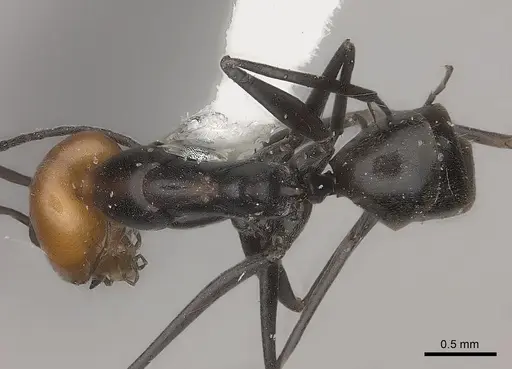
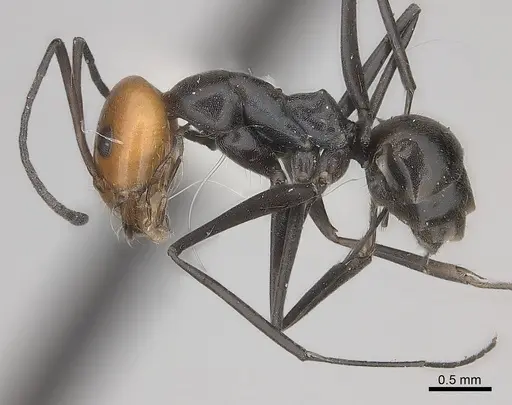
CASENT0249683
View on AntWeb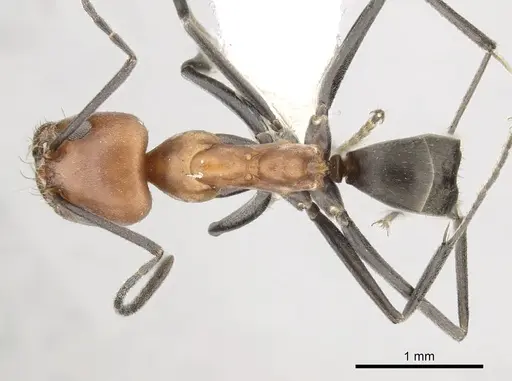
CASENT0841181
View on AntWeb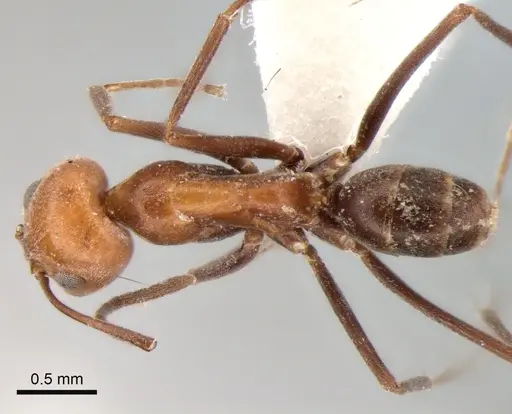
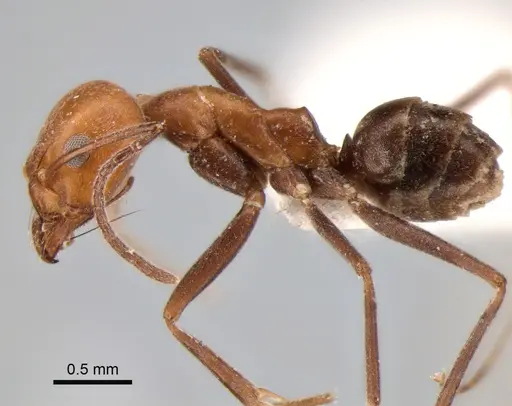
CASENT0841205
View on AntWeb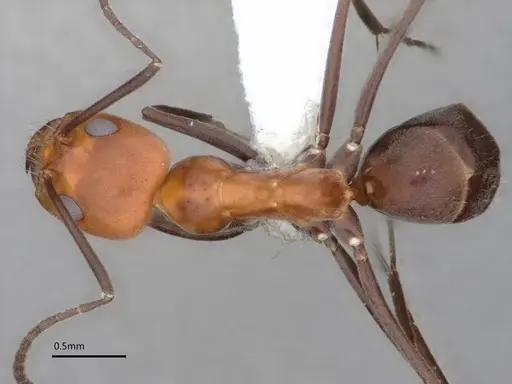
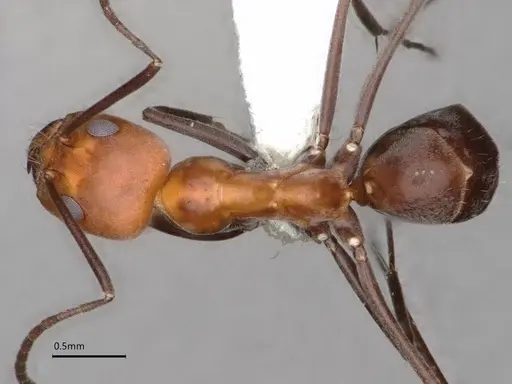
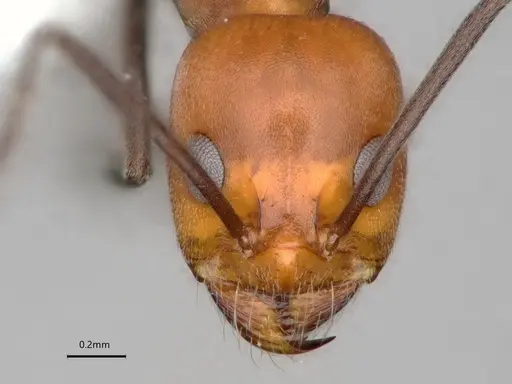
CASENT0841518
View on AntWeb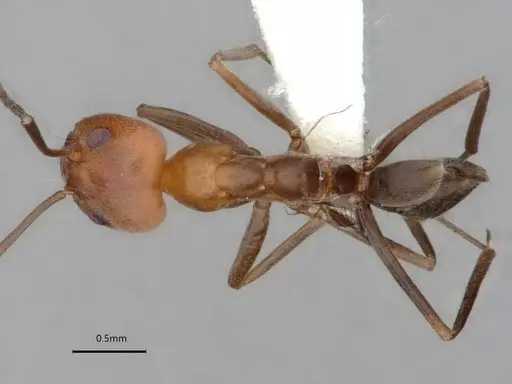
CASENT0902987
View on AntWeb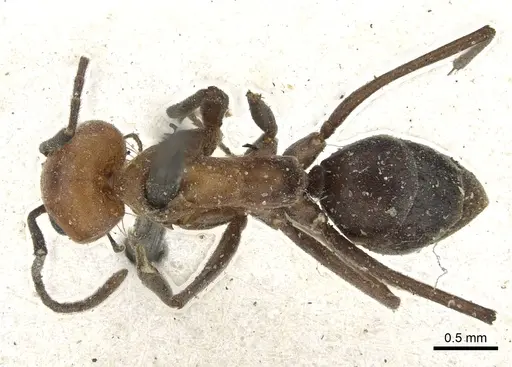
CASENT0902988
View on AntWeb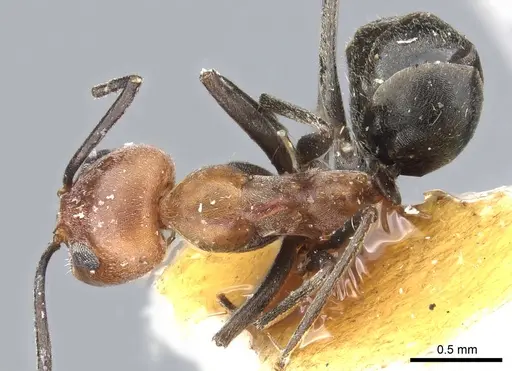
CASENT0915586
View on AntWeb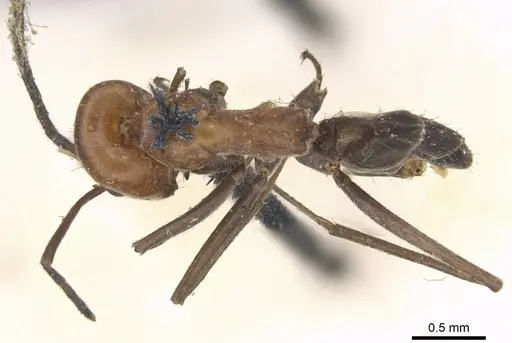
Literature
Loading distribution map...Loading products...