
Dorymyrmex richteri
- Sci. Name
- Dorymyrmex richteri
- Tribe
- Leptomyrmecini
- Subfamily
- Dolichoderinae
- Author
- Forel, 1911
- Distribution
- Found in 1 countries
Introduction
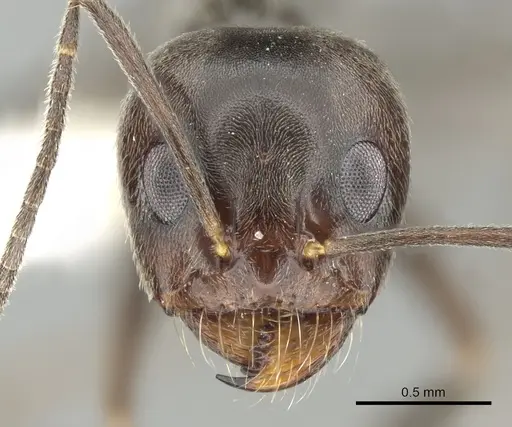
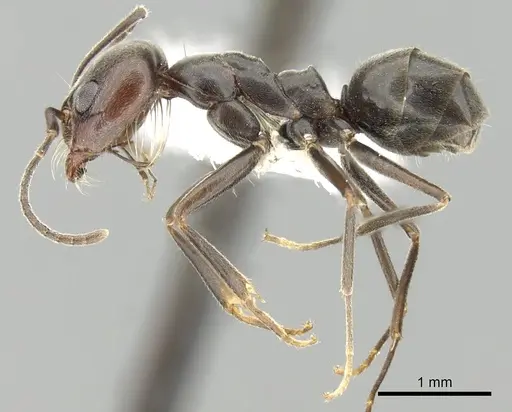
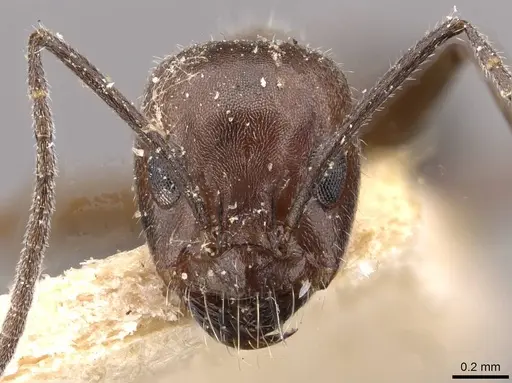
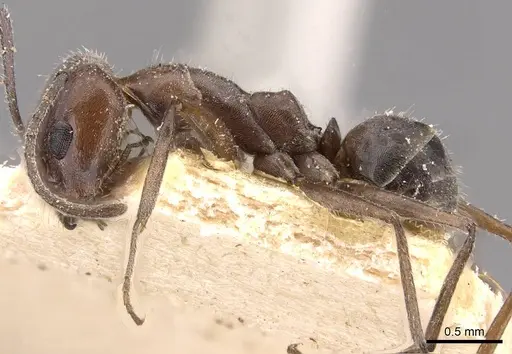
Dorymyrmex richteri is a small ant native to southern South America, specifically Argentina and Chile. Workers belong to the Dolichoderinae subfamily and are part of a clade closely related to Dorymyrmex tener. In the wild, these ants inhabit the Patagonia region of Argentina, particularly the northern Patagonian steppe areas around Nahuel Huapi National Park. They are known for their mutualistic relationship with aphids, tending them to collect honeydew in exchange for protection - a behavior called trophobiosis .
Quick Summary
- Difficulty: Medium
- Origin & Habitat: Native to northern Patagonia, Argentina and southern Chile. Found in roadside steppe and forest edge habitats in the Nahuel Huapi National Park region [1]. Both sides of the Andes mountains [2].
- Colony Type: Colony structure is unconfirmed for this specific species.
- Size & Growth:
- Queen: Size data unavailable, inferred from Dorymyrmex genus (~5-8mm)
- Worker: Size data unavailable, inferred from Dorymyrmex genus (~3-5mm)
- Colony: Up to several hundred workers, estimated from related species
- Growth: Moderate
- Development: Estimated 6-10 weeks at optimal temperature based on genus patterns (Timeline not directly studied for this species)
- Antkeeping:
- Temperature: Keep at room temperature around 18-24°C. As a Patagonian species from southern South America, they prefer cooler conditions than tropical ants.
- Humidity: Moderate humidity around 50-70%. They inhabit steppe and forest edge areas, so provide some moisture but avoid overly damp conditions.
- Diapause: Yes, as a Patagonian species, they require a winter dormancy period. Reduce temperature to around 10-15°C for 2-3 months during winter (roughly November-February in the Southern Hemisphere).
- Nesting: In the wild, they nest in soil under stones or in small ground cavities. In captivity, a standard test tube setup works well for founding colonies. Once established, they can be moved to a formicarium with soil or plaster nesting medium.
- Behavior: These ants are relatively docile and not aggressive toward keepers. They are active foragers that readily search for food. Their small size means they can escape through tiny gaps, use fine mesh and barrier gel on edges. They are known to tend aphids in the wild, so they will readily accept sugar sources. They do not have a functional stinger, so they pose no sting risk to humans.
- Common Issues: limited research data means care requirements are estimated from genus patterns, monitor colony response and adjust accordingly, small size makes escape prevention critical, use fine mesh barriers and seal all gaps, Patagonian origin means they need cooler temperatures than typical tropical ants, avoid overheating, winter dormancy is required, skipping diapause may stress or weaken colonies over time, honeydew-feeding behavior means sugar sources are readily accepted
Natural History and Distribution
Dorymyrmex richteri is native to the Patagonia region of southern South America, specifically Argentina and Chile. The species was originally described by Forel in 1911 as a subspecies of Dorymyrmex tener, later was synonymized with D. antarcticus, and then revived as a separate species in 1976 [3]. They are found on both sides of the Andes mountains, in habitats ranging from roadside steppe to forest edges. The species is part of a clade that includes Dorymyrmex tener and is closely related to D. goetschi and D. hunti [2]. In their natural habitat, they play a role in the local ecosystem by tending aphids and participating in trophic chains [1].
Feeding and Diet
In the wild, Dorymyrmex richteri exhibits trophobiotic behavior, meaning they tend aphids to collect honeydew. They attend the aphid Brachycaudus cardui on thistle plants (Carduus nutans and Onopordum acanthium), protecting the aphids in exchange for the sweet honeydew the aphids excrete [1]. This makes them readily accepting of sugar sources in captivity, offer sugar water, honey water, or diluted maple syrup. They will also accept protein sources like small insects (fruit flies, pinhead crickets, mealworms). Feed protein prey 2-3 times per week and keep a sugar source constantly available. Remove uneaten prey after 24-48 hours to prevent mold.
Temperature and Seasonal Care
As a Patagonian species from southern South America, Dorymyrmex richteri prefers cooler temperatures than many common tropical ant pets. Keep the nest area at room temperature, ideally between 18-24°C. They can tolerate brief periods outside this range but avoid prolonged heat exposure. During winter (roughly November-February in their native Southern Hemisphere), they benefit from a diapause period where temperatures are reduced to around 10-15°C. This rest period is important for colony health and may trigger reproductive behavior in the following season.
Housing and Nesting
For founding colonies, a standard test tube setup works well. Fill a test tube with water, plug the end with cotton, and place the queen in the tube. Keep it in a dark, quiet location at room temperature. Once the first workers (nanitics) have hatched and the colony has grown to 20-30 workers, you can consider moving them to a formicarium. They do well in naturalistic setups with soil or plaster as nesting medium, which helps maintain moderate humidity. Provide a shallow water foraging area and ensure the outworld has good access to the nest. Because of their small size, check that any connections between nest and outworld have no gaps larger than 2mm.
Behavior and Temperament
Dorymyrmex richteri workers are relatively docile and not prone to aggression. They are active foragers that will readily explore their enclosure searching for food. They lack a functional stinger, so they pose no danger to keepers. Their small size means they are excellent escape artists, always use fine mesh on any ventilation holes and apply barrier gel or fluon around the edges of the enclosure. They are social ants that benefit from having a queen and will form cohesive colonies. In the wild, they can be found tending aphids alongside other ant species, showing they can coexist with other insects in their territory [1].
Frequently Asked Questions
How long does it take for Dorymyrmex richteri to produce first workers?
The exact timeline is not documented in scientific literature. Based on related Dorymyrmex species and Dolichoderinae development patterns, expect first workers (nanitics) approximately 6-10 weeks after the queen lays eggs, assuming temperatures around 20-24°C. The first batch of workers will typically be smaller than mature workers.
What do Dorymyrmex richteri eat?
They are omnivorous with a preference for sugar. In captivity, they readily accept sugar water, honey water, or maple syrup. They also eat small insects like fruit flies, pinhead crickets, and mealworms. Their wild diet includes honeydew from aphids they tend, so sugar sources are particularly important [1].
Can I keep multiple Dorymyrmex richteri queens together?
The colony structure for this specific species is not documented in research. Based on typical Dorymyrmex genus patterns, they likely form single-queen colonies. Combining unrelated foundress queens is not recommended as it may result in aggression.
Do Dorymyrmex richteri need hibernation?
Yes, as a Patagonian species from southern South America, they require a winter dormancy period. Reduce temperatures to around 10-15°C for 2-3 months during winter. This diapause period is important for colony health and may be necessary for reproductive cycles. Simulate their natural Southern Hemisphere seasons (winter roughly November-February) or adjust to your local winter timing.
Are Dorymyrmex richteri good for beginners?
They are moderate difficulty. They are more challenging than common species like Lasius or Camponotus because less is known about their specific care requirements and they come from a cooler climate requiring careful temperature management. However, they are docile, do not sting, and accept a wide variety of foods. Their small size does require attention to escape prevention.
How big do Dorymyrmex richteri colonies get?
Colony size is not directly documented for this species. Based on related Dorymyrmex species, colonies likely reach up to several hundred workers. They are not among the largest ant species, but established colonies can be quite active and impressive.
What temperature is best for Dorymyrmex richteri?
Keep them at room temperature, ideally between 18-24°C. As a Patagonian species, they prefer cooler conditions than many tropical ants. Avoid placing their enclosure in direct sunlight or near heat sources that would push temperatures above 26°C.
When should I move Dorymyrmex richteri to a formicarium?
Keep them in a test tube setup for the founding stage. Once the colony has 20-30 workers and the test tube is becoming crowded, or if the water reservoir is running low, it is time to move them to a formicarium. A naturalistic setup with soil or plaster works well for this species.
Why are my Dorymyrmex richteri escaping?
Their small size makes them excellent escape artists. Check all ventilation holes, use fine mesh (at least 0.5mm gaps or smaller). Apply barrier gel or fluon around the upper edges of the enclosure. Inspect all connection points between the nest and outworld for any gaps larger than 1-2mm. Sealing all potential escape routes is essential.
Report an Issue
The current care sheet is based fully on literature. See inconsistencies, or something that's incorrect? Please , it will be resolved after review from an admin. Contributing to the blogs tab also helps providing information, to make us be able to further improve the caresheets. Thank you for your support!
References

This caresheet is licensed under CC BY-SA 4.0 .
Community Blogs
CASENT0249680
View on AntWeb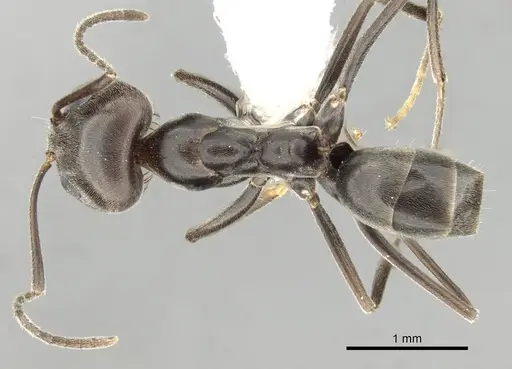
CASENT0909749
View on AntWeb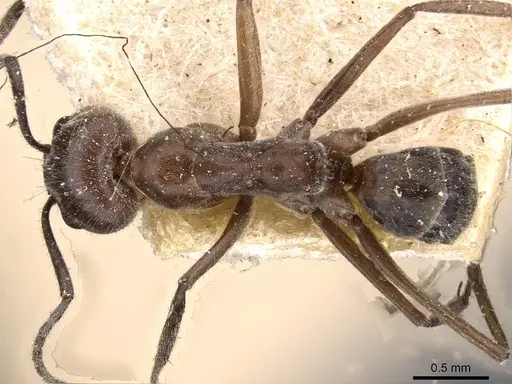
Literature
Loading distribution map...Loading products...