
Dorymyrmex morenoi
- Sci. Name
- Dorymyrmex morenoi
- Tribe
- Leptomyrmecini
- Subfamily
- Dolichoderinae
- Author
- Bruch, 1921
- Distribution
- Found in 1 countries
Introduction
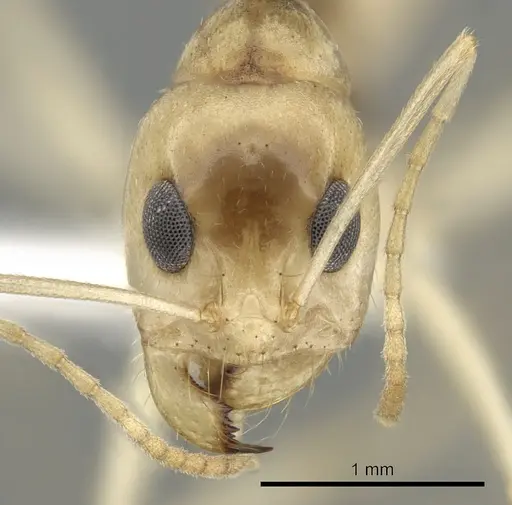
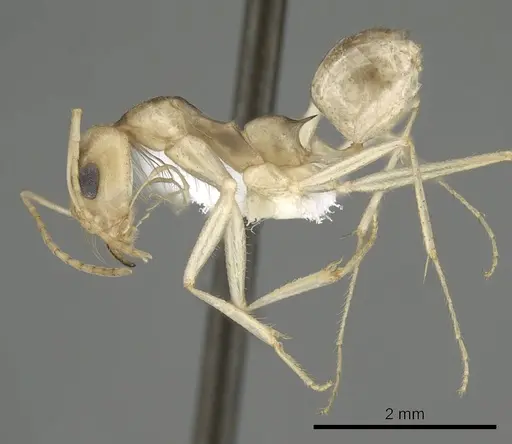
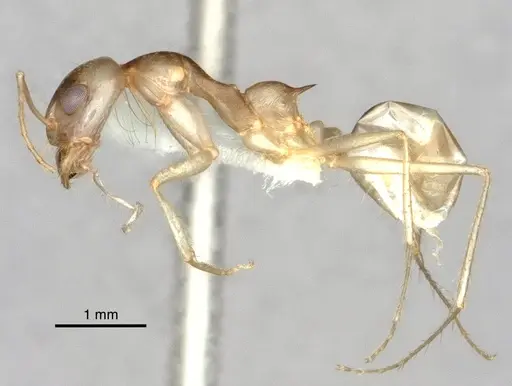
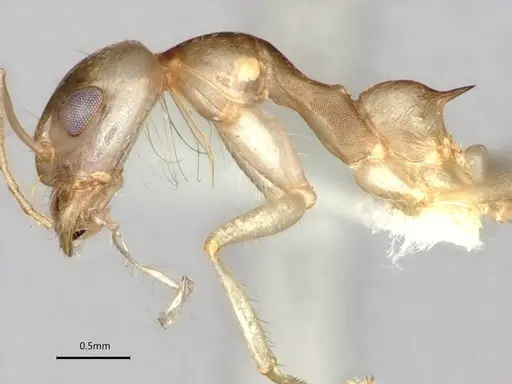
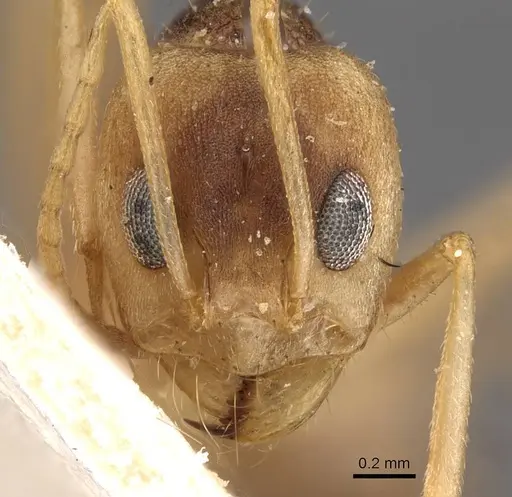
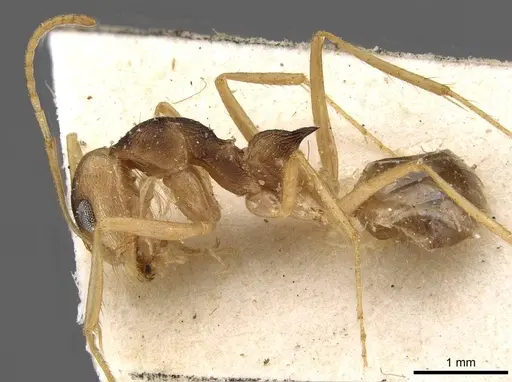
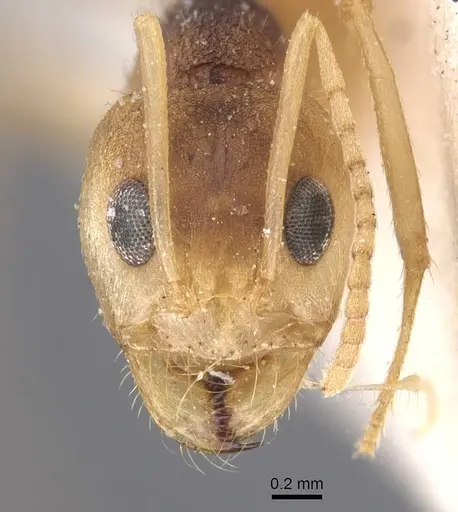
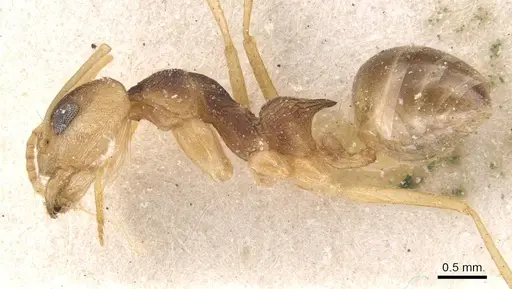
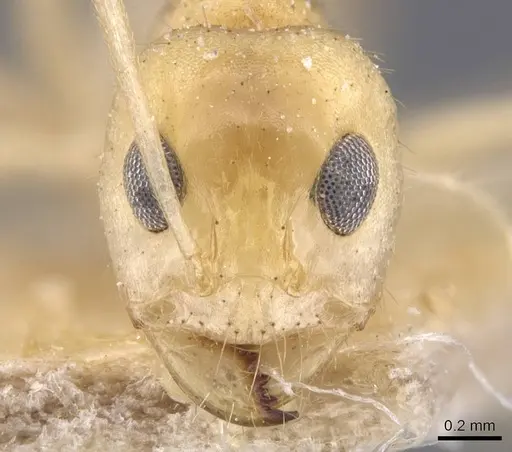
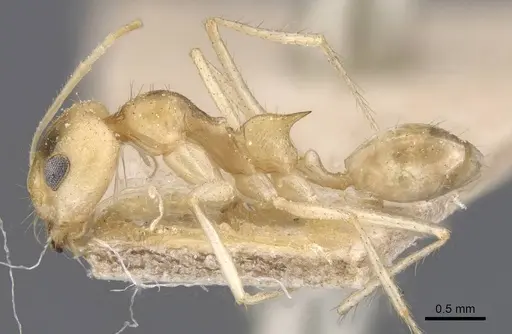
Dorymyrmex morenoi is a small ant species native to Argentina in the Neotropical region. Workers are notably pale in color with a brightness value of 85.3,making this one of the lighter Dorymyrmex species . This species has notably enlarged eyes (relative eye size 0.0344), which is an adaptation for low-light activity such as dawn, dusk, or nighttime . The genus gets its common name 'pyramid ants' from the characteristic cone-shaped mounds they build at nest entrances. Workers lack a functional sting and instead use a smear defense mechanism, secreting defensive chemical compounds from a slit-like opening at the tip of the abdomen.
Quick Summary
- Difficulty: Easy
- Origin & Habitat: Native to Argentina in the Neotropical region. Type locality is Ampachango, Catamarca [2]. They nest in the ground in open areas where they construct their characteristic pyramid-shaped mound entrances.
- Colony Type: Colony structure is unconfirmed. Most Dorymyrmex species are single-queen colonies, but specific data for D. morenoi is lacking.
- Size & Growth:
- Queen: Size data unavailable, no direct measurements exist for this species
- Worker: Size data unavailable, no direct measurements exist for this species
- Colony: Unknown for this species
- Growth: Unknown, no development data available for this species
- Development: Unknown for this species (No specific development data is available. Related Dolichoderinae species typically take several weeks to months for complete development.)
- Antkeeping:
- Temperature: Keep at room temperature, roughly 18-24°C. Being from Argentina, they can tolerate a range of conditions. Provide a gentle heat gradient if your room is cool.
- Humidity: Moderate humidity is suitable. Keep the nest substrate slightly moist but not waterlogged. These ants handle average household humidity well.
- Diapause: Unclear, Argentina has subtropical to tropical climates in the native range. Some activity reduction during cooler months may occur, but true winter diapause may not be required.
- Nesting: Standard test tube setups work well for founding colonies. For established colonies, a Y-tong or plaster nest with narrow chambers suits their small size. They prefer dark, enclosed spaces.
- Behavior: Generally calm and non-aggressive. Workers are small but active foragers. Their enlarged eyes suggest they may be more active during cooler parts of the day or in low-light conditions. They likely forage for honeydew and small insects. Escape risk is moderate due to their small size, use fine mesh and tight-fitting barriers.
- Common Issues: small size makes escape likely without proper barriers, limited specific care information means keepers must rely on genus-level knowledge, wild-caught colonies may have parasites or diseases that cause problems in captivity, no functional sting, they use smear defense instead, which may surprise keepers expecting stinging behavior
Housing and Nest Setup
Dorymyrmex morenoi can be kept in standard test tube setups for founding colonies. Use a test tube with a water reservoir plugged with cotton, this provides humidity without flooding. For established colonies, a Y-tong or plaster nest with appropriately sized chambers works well. These ants prefer dark conditions, so cover the nest with a red film or keep it in a dark area. A small outworld for foraging allows you to observe their activity and offer food.
Feeding and Diet
Like other Dorymyrmex species, these ants likely have a mixed diet. They probably collect honeydew from aphids and scale insects in the wild, so offering sugar water or honey water is recommended. They also likely accept small protein sources like fruit flies, small crickets, or mealworm pieces. Feed protein a few times per week and keep a sugar source available at all times. Remove uneaten food promptly to prevent mold.
Temperature and Seasonal Care
Being from Argentina, this species can tolerate a range of temperatures. Room temperature (18-24°C) is suitable for active colonies. The native range has subtropical to tropical climates, so true winter diapause may not be required. Some reduction in activity during cooler months may occur naturally. Observe your colony's behavior and adjust care accordingly.
Defense Mechanism
Dorymyrmex morenoi belongs to the subfamily Dolichoderinae, which lacks a functional sting. Instead, these ants defend themselves by secreting defensive chemical compounds from a slit-like opening at the tip of the abdomen. This is a smear defense mechanism. Workers are not aggressive and rarely bother keepers.
Behavior and Activity Patterns
The notably enlarged eyes of Dorymyrmex morenoi (relative eye size 0.0344) suggest this species may be more active during dawn, dusk, or even nighttime compared to typical diurnal ants [1]. This is supported by the pale coloration (brightness value 85.3), which is another indicator of low-light activity in ants [1]. Workers are active foragers that build the characteristic pyramid-shaped mounds at nest entrances. They are generally not aggressive.
Frequently Asked Questions
How long does it take for Dorymyrmex morenoi to produce first workers?
Exact timing is unknown for this species. Be patient, founding colonies can take several months. Related Dolichoderinae species typically take 6-10 weeks from egg to worker at warm temperatures, but this is unconfirmed for D. morenoi.
What temperature is best for Dorymyrmex morenoi?
Room temperature (18-24°C) is ideal. They can tolerate cooler conditions being from Argentina, but avoid temperatures below 15°C except during any seasonal rest period.
Can I keep multiple queens together?
This has not been documented for this specific species. Most Dorymyrmex are single-queen colonies, so it is not recommended to house multiple unrelated queens together.
Do Dorymyrmex morenoi need hibernation?
Unclear. This species is from Argentina, which has subtropical to tropical climates in the native range. True winter diapause may not be required. Some reduction in activity during cooler months may occur naturally.
What do Dorymyrmex morenoi eat?
They likely accept sugar water or honey as a carbohydrate source and small protein like fruit flies, small crickets, or mealworm pieces. This is based on typical Dorymyrmex diet preferences.
Are Dorymyrmex morenoi good for beginners?
Yes, they are considered easy to keep. They are calm, do not sting, and tolerate a range of conditions. Their small size and potential low-light activity make them interesting to observe.
How big do Dorymyrmex morenoi colonies get?
Exact colony size is unknown for this species. Dorymyrmex colonies can reach several hundred to a few thousand workers, but this is unconfirmed for D. morenoi.
When should I move them to a formicarium?
You can keep them in test tubes for the founding stage. Once the colony reaches a decent size and the test tube water reservoir needs frequent refilling, consider moving them to a proper nest.
Why are my Dorymyrmex morenoi dying?
Common causes include: improper humidity (too wet or too dry), temperature stress, lack of food, or stress from too much light. Check that the nest is dark, food is being offered, and conditions are stable.
Report an Issue
The current care sheet is based fully on literature. See inconsistencies, or something that's incorrect? Please , it will be resolved after review from an admin. Contributing to the blogs tab also helps providing information, to make us be able to further improve the caresheets. Thank you for your support!
References

This caresheet is licensed under CC BY-SA 4.0 .
Community Blogs
CASENT0249687
View on AntWeb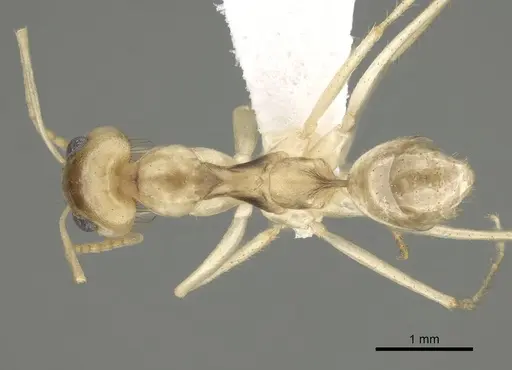
CASENT0841495
View on AntWeb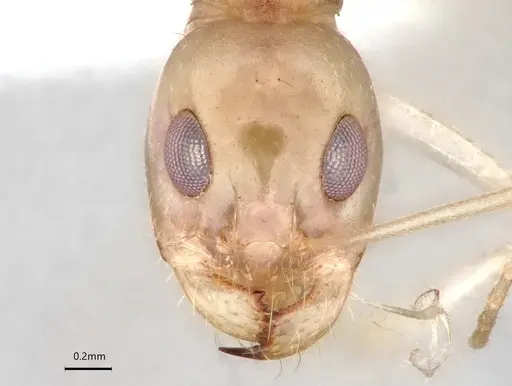
CASENT0909728
View on AntWeb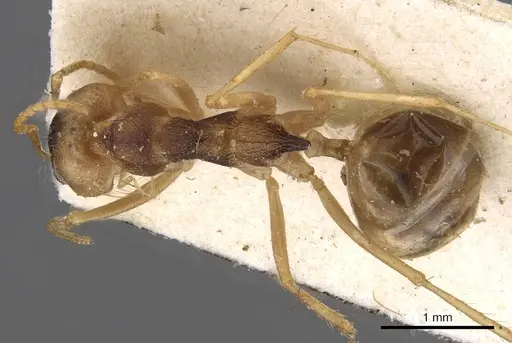
CASENT0911544
View on AntWeb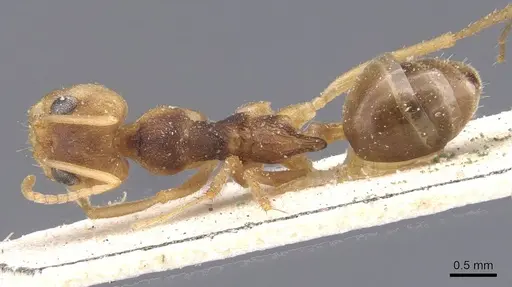
CASENT0911545
View on AntWeb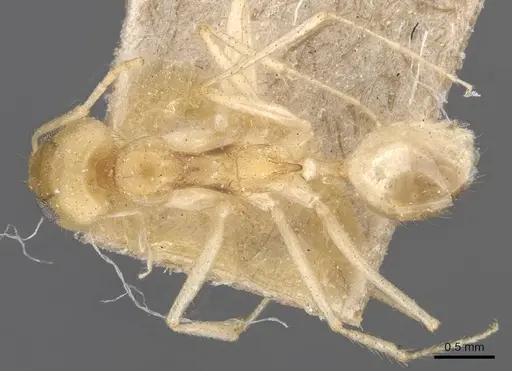
Literature
Loading distribution map...Loading products...