
Dorymyrmex goeldii
- Sci. Name
- Dorymyrmex goeldii
- Tribe
- Leptomyrmecini
- Subfamily
- Dolichoderinae
- Author
- Forel, 1904
- Distribution
- Found in 2 countries
Introduction
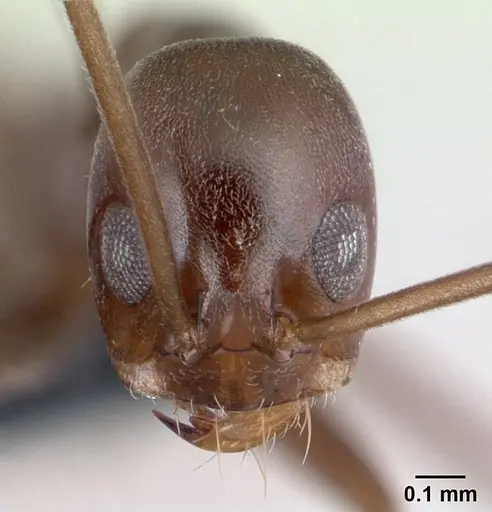
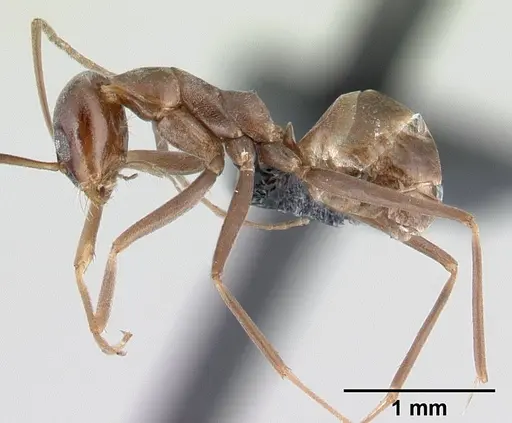
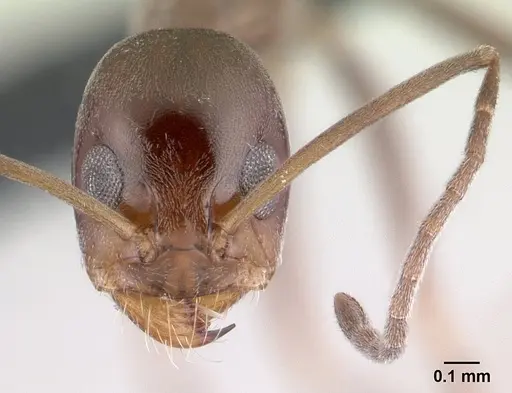
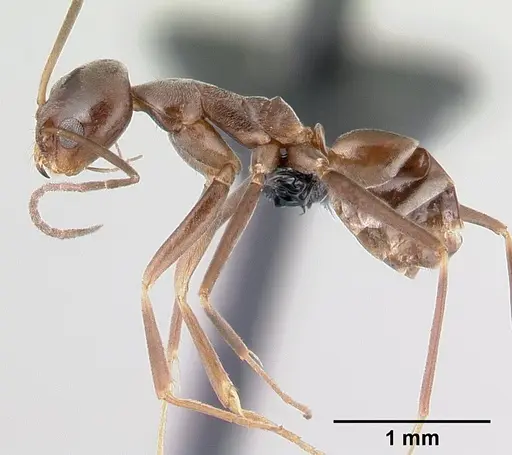
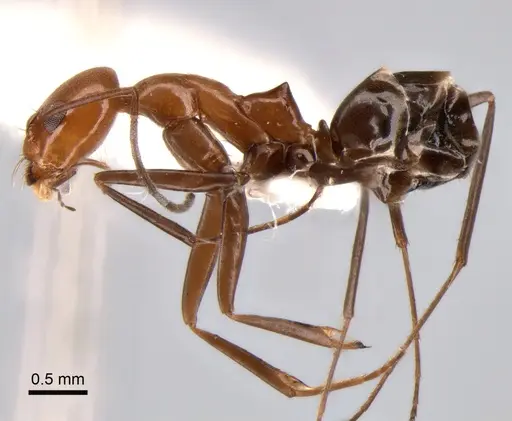
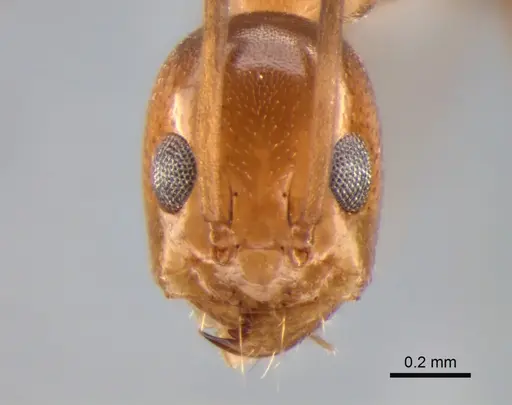
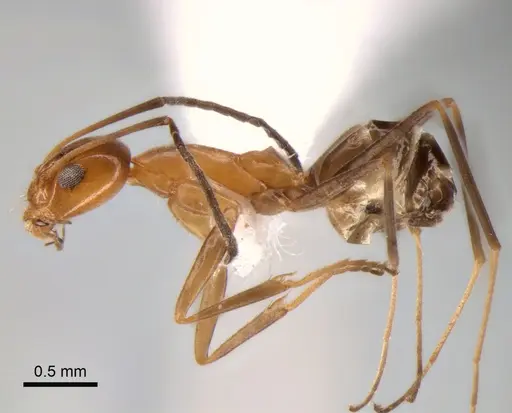
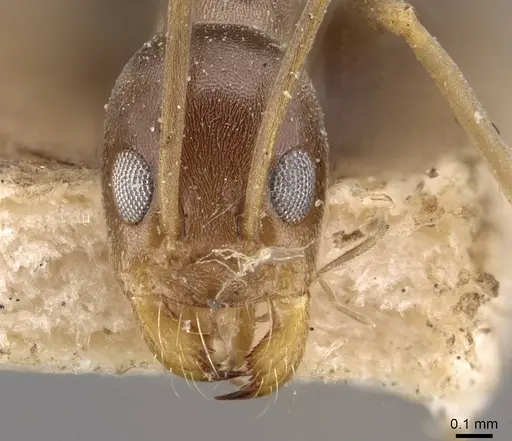
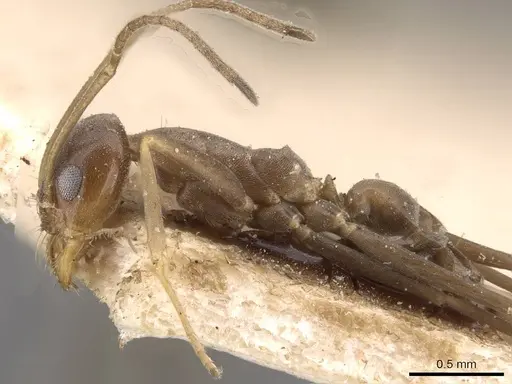
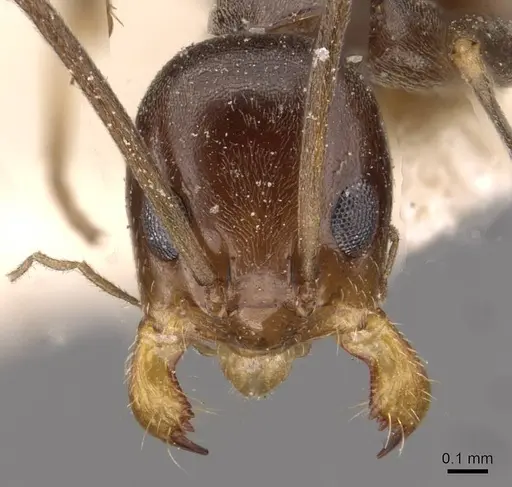
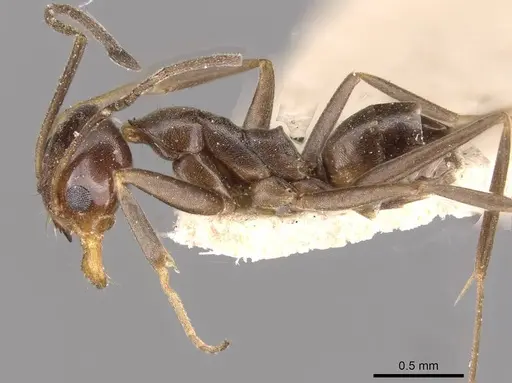
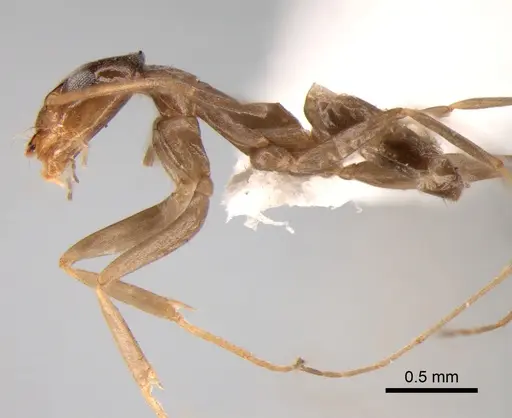
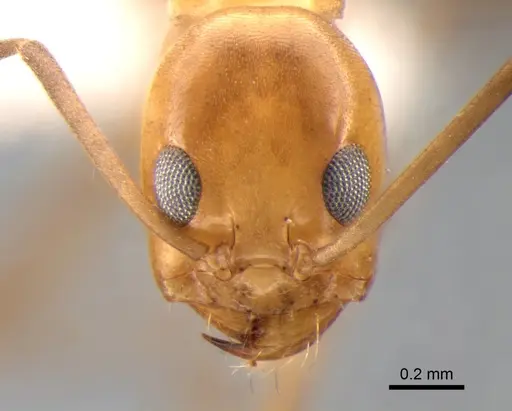
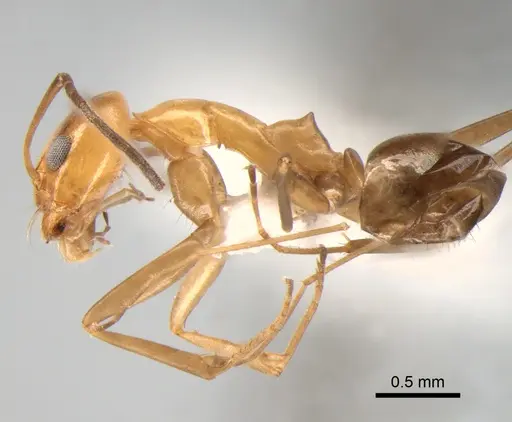
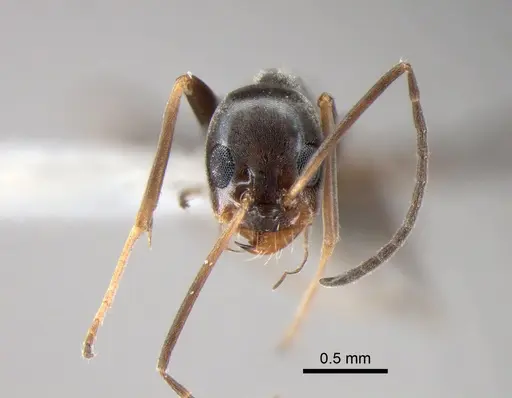
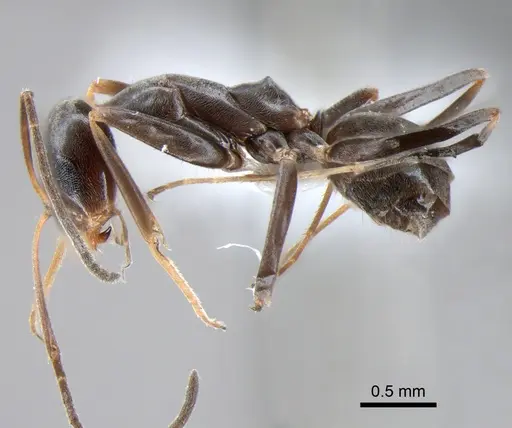
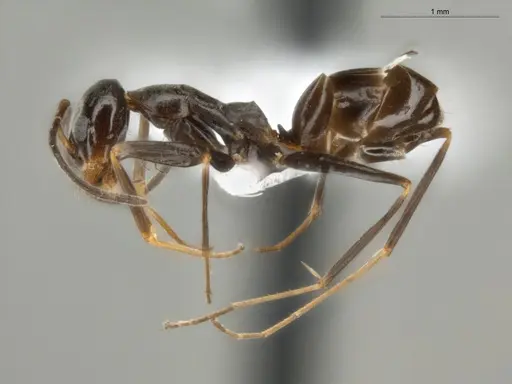
Dorymyrmex goeldii is a small ant species native to the Neotropical region. Workers have a distinctive light brown coloration with notably long antennae scapes that extend well beyond the back of the head. The head is longer than wide with a strongly convex posterior margin, and the body is covered in dense whitish pubescence with brownish pilosity. The species gets its common name 'pyramid ant' from the distinctive rounded tubercle on the propodeum . This species has an unusual distribution pattern in Colombia: populations exist in the Andean region at high elevations of 1700-1900m, but they are more commonly found in open areas of La Macarena National Park at around 500m elevation . The species is named in honor of Emilio Goeldi, the Swiss-Brazilian naturalist who founded the Goeldi Museum in Pará, Brazil .
Quick Summary
- Difficulty: Medium
- Origin & Habitat: Native to the Neotropical region, found in Bolivia, Brazil, and Colombia. In Colombia, populations are disjunct: high-altitude Andean regions (1700-1900m in Santander and Nariño departments) and lower elevation open areas in La Macarena National Park (~500m in Meta department) [1]. This species prefers secondary forest habitats and is absent from primary forest and rubber plantations [2]. Present in areas with 4+ years of regeneration [3].
- Colony Type: Colony structure is unconfirmed. No specific study has examined queen number or colony organization for this species.
- Size & Growth:
- Queen: Size data unavailable, no queen measurements exist in the literature
- Worker: ~2.5-3.5 mm, inferred from Dorymyrmex genus typical size range
- Colony: Unknown, no colony size data available
- Growth: Unknown, no development timing data available for this species
- Development: Unconfirmed, no direct development data exists for this species (Development timeline is unconfirmed. Monitor your colony for natural development patterns.)
- Antkeeping:
- Temperature: Based on their presence in warm Neotropical lowlands (500m) and high-altitude Andean regions, they likely tolerate a range from 20-28°C. Start around 24-26°C and observe colony activity.
- Humidity: Found in secondary forest and savanna habitats, moderate humidity around 50-70% is likely appropriate. Ensure the nest has some moisture but allow drying periods.
- Diapause: Unknown, no data on overwintering requirements. Neotropical species may not require true hibernation but may have reduced activity periods.
- Nesting: In the wild, they nest in soil in open areas and secondary forest clearings. A naturalistic setup with soil substrate or a Y-tong/plaster nest with moisture provision works well. They are ground-dwelling ants that forage across multiple strata [4].
- Behavior: Dorymyrmex ants are known for their fast, erratic movement and are typically ground-foragers. They are not aggressive and generally flee when disturbed. Workers are small but active, foraging for honeydew and small prey. Their small size means escape prevention requires fine mesh barriers. They lack a functional sting and use chemical defense instead, typical for Dolichoderinae ants.
- Common Issues: small size makes escape likely without fine mesh barriers, no development data available makes timing predictions uncertain, wild-caught colonies may have parasites or health issues, humidity requirements are not well-documented, monitor for mold or desiccation, secondary forest specialist may not adapt well to fully artificial nests
Natural History and Distribution
Dorymyrmex goeldii is a Neotropical species found across Bolivia, Brazil, and Colombia. The species has a particularly interesting distribution in Colombia: high-altitude populations in the Andean departments of Santander and Nariño (1700-1900m elevation) are separated from lowland populations in Meta department's La Macarena National Park (~500m elevation) [1]. This disjunction suggests the species has adapted to varied ecological conditions across its range.
Research indicates this is a habitat specialist that prefers secondary forest environments. Studies in Brazil found D. goeldii present in secondary forest but absent from primary forest and rubber plantations [2]. The species has been recorded in areas with as little as 4 years of regeneration and in mature areas exceeding 40 years [3], suggesting some tolerance for disturbed habitats. In Brazilian Savanna ecosystems, they occupy all three strata (soil, shrubs, and trees) [4], indicating flexible foraging behavior.
Identification and Morphology
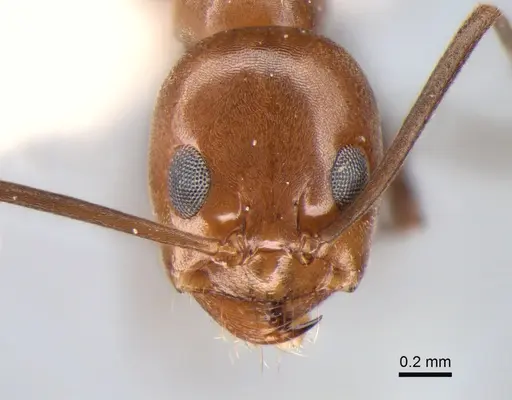
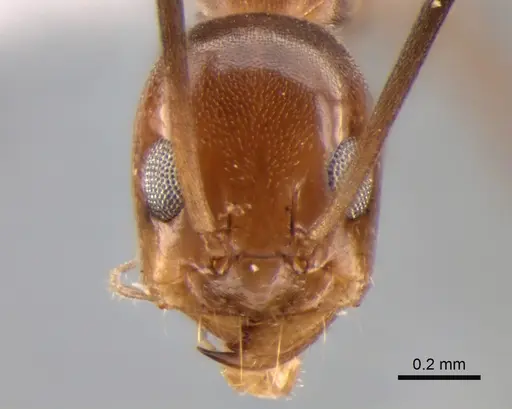
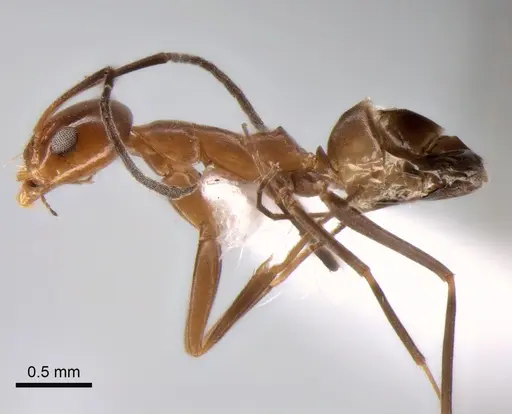
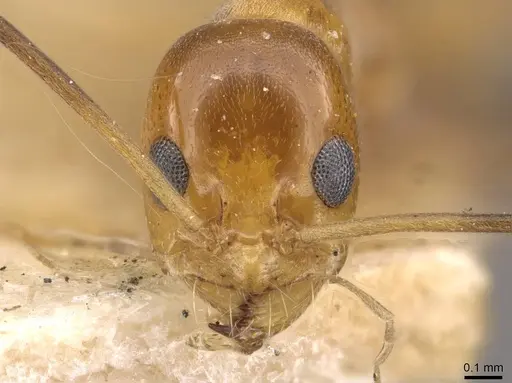
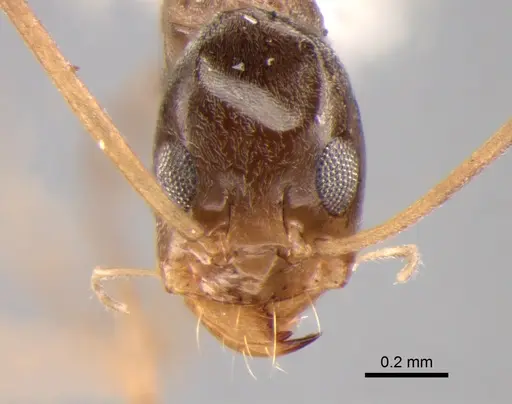
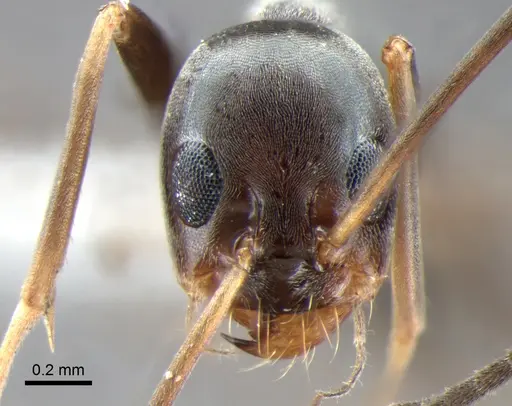
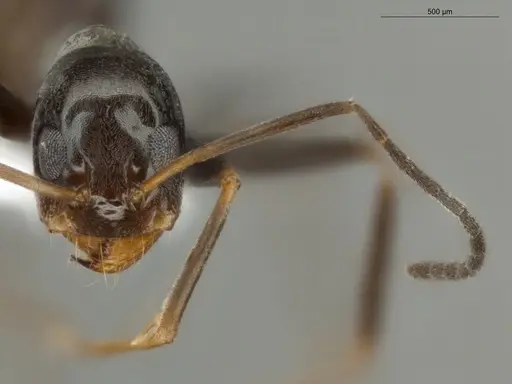
Workers of Dorymyrmex goeldii are small ants with distinctive morphological features. The head is longer than wide with a strongly convex posterior margin. The antennae scapes are notably long, extending well beyond the occipital margin by more than twice the apical width, this is reflected in the high Scape Index [1].
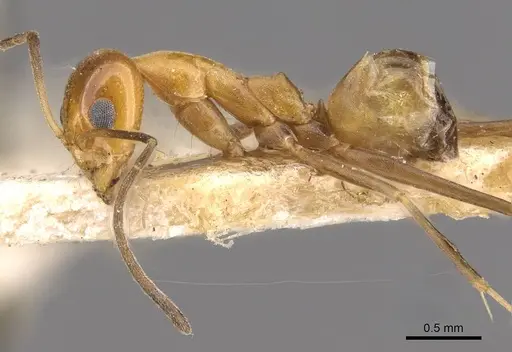
The body is uniformly light brown (concolorous) throughout. The surface has reticulated sculpture that is widely spaced, covered with dense whitish pubescence and brownish pilosity. The propodeum has a distinctive rounded, short tubercle directed dorsally, which gives pyramid ants their common name. The declivitous face of the propodeum is straight to slightly convex. Workers have 0-2 erect setae on the pronotum [1].
These morphological features help distinguish D. goeldii from other Dorymyrmex species in Colombia, particularly the long scapes and the shape of the propodeal tubercle.
Housing and Nest Setup
Based on the species' natural history, a naturalistic setup with soil substrate works best. They are ground-dwelling ants that nest in soil in open and secondary forest areas. A formicarium with a soil chamber or a Y-tong/plaster nest with moisture provision would be appropriate.
Since they forage across all strata in their natural habitat (soil, shrubs, trees) [4], providing some vertical space or multiple foraging areas may benefit the colony. However, they are not arboreal nesters, the foraging likely reflects their search for honeydew and prey across the environment.
Given their small size, escape prevention is critical. Use fine mesh barriers and ensure all connections are sealed. These ants can easily slip through standard gaps in formicarium equipment.
Feeding and Diet
Like other Dorymyrmex species, they likely have an omnivorous diet typical of Dolichoderinae ants. They probably forage for honeydew from aphids and scale insects, and supplement this with small insects and nectar.
In captivity, offer sugar water or honey as a constant energy source. For protein, provide small prey items such as fruit flies, pinhead crickets, or other appropriately-sized insects. Since workers are very small, prey items should be appropriately sized, flightless fruit flies and small springtails are good options.
Feed sugar sources continuously and offer protein prey 2-3 times per week. Remove uneaten prey after 24-48 hours to prevent mold.
Temperature and Seasonal Care
Dorymyrmex goeldii occupies a wide thermal range in the wild, from warm lowland areas (~500m elevation, typical tropical temperatures) to cooler Andean highlands (1700-1900m). This suggests they can tolerate temperatures from roughly 20-28°C.
For captive care, aim for 24-26°C as a starting point. This is warm enough for activity and development but not so hot that it stresses the colony. You can create a slight temperature gradient in the setup so ants can choose their preferred zone.
Diapause requirements are unknown for this species. As a Neotropical species from varied elevations, they may not require true hibernation but could have seasonal activity patterns. Monitor for natural slowing of activity in winter months and reduce feeding accordingly, but maintain temperatures above 18°C.
Challenges and Considerations
This species is poorly documented in both scientific literature and antkeeping resources. Many aspects of their captive care remain uncertain, including exact humidity requirements, development timeline, and colony structure. Keepers should be prepared to experiment and observe their colony closely.
The primary challenges include: escape prevention due to their very small size, uncertainty around development timing making it difficult to assess colony health, and potential difficulty adapting to fully artificial nest setups given their preference for secondary forest soil environments.
When acquiring this species, wild-caught colonies are the most likely source. Be aware that wild colonies may carry parasites or have health issues that can cause colony failure in captivity. Quarantine and monitor new colonies carefully before introducing them to established setups.
Frequently Asked Questions
How long does it take for Dorymyrmex goeldii to produce first workers?
The development timeline is unconfirmed for this species. No specific data exists for D. goeldii, so exact timing is unknown. Monitor your colony for natural development patterns.
What do Dorymyrmex goeldii ants eat?
Like other Dorymyrmex species, they are omnivorous. Offer sugar water or honey as a constant energy source. For protein, provide small prey such as fruit flies, pinhead crickets, or small springtails.
What temperature and humidity do Dorymyrmex goeldii need?
Based on their Neotropical distribution, keep them at 24-26°C with moderate humidity around 50-70%. They occupy varied elevations in the wild, suggesting tolerance to a range of conditions. Provide a moisture gradient so ants can choose their preferred zone.
Can I keep Dorymyrmex goeldii in a test tube setup?
A test tube setup can work for founding colonies, but given their preference for soil nesting in secondary forest habitats, a naturalistic setup with soil substrate is more appropriate for established colonies. If using test tubes, ensure excellent escape prevention due to their very small size.
How big do Dorymyrmex goeldii colonies get?
Colony size data is not available for this species. Based on related Dorymyrmex species, colonies likely reach several hundred workers. Growth rate is unknown.
Do Dorymyrmex goeldii ants need hibernation?
Diapause requirements are unknown for this species. As a Neotropical species from varied elevations, they may not require true hibernation but could have reduced activity periods. Monitor your colony and reduce feeding if activity naturally decreases.
Why are my Dorymyrmex goeldii dying?
Common causes include: escape-related losses due to their tiny size, stress from incorrect humidity (too dry or too wet), poor nutrition, or parasites from wild-caught colonies. Review your setup parameters and ensure escape prevention is adequate.
Is Dorymyrmex goeldii a good species for beginners?
This species is not ideal for beginners due to limited documented care information and their very small size requiring excellent escape prevention. The lack of development data also makes it harder to assess colony health. Experienced antkeepers interested in unusual species may have better success.
Where does Dorymyrmex goeldii naturally live?
They are found in Bolivia, Brazil, and Colombia. In Colombia, populations exist at high elevations in the Andes (1700-1900m) and in lower elevation open areas (~500m). They prefer secondary forest habitats and are absent from primary forest.
Report an Issue
The current care sheet is based fully on literature. See inconsistencies, or something that's incorrect? Please , it will be resolved after review from an admin. Contributing to the blogs tab also helps providing information, to make us be able to further improve the caresheets. Thank you for your support!
References

This caresheet is licensed under CC BY-SA 4.0 .
Community Blogs
CASENT0192699
View on AntWeb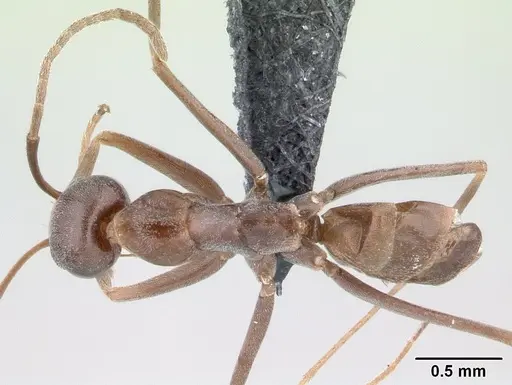
CASENT0192702
View on AntWeb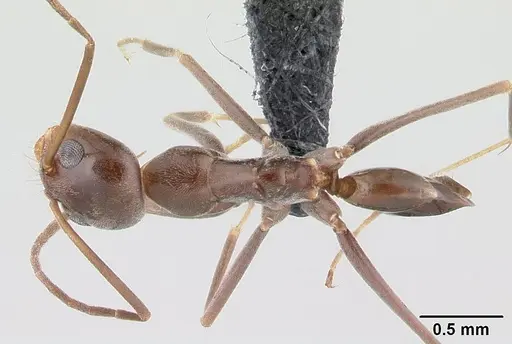
CASENT0841148
View on AntWeb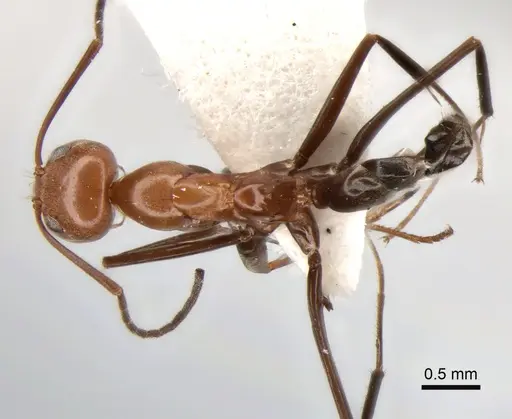
CASENT0841174
View on AntWeb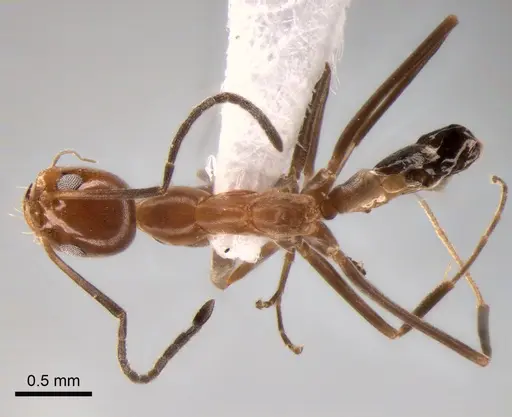
CASENT0841175
View on AntWeb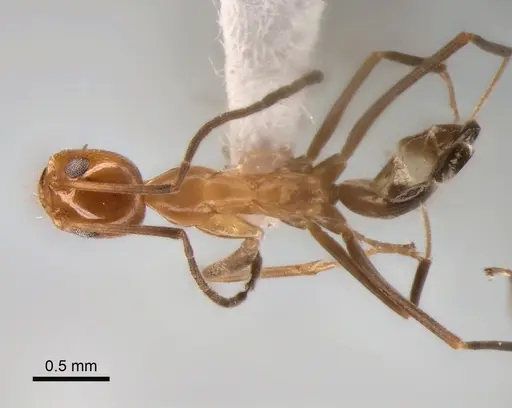
CASENT0909735
View on AntWeb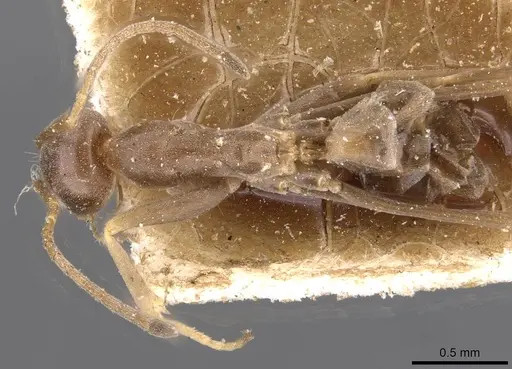
CASENT0909736
View on AntWeb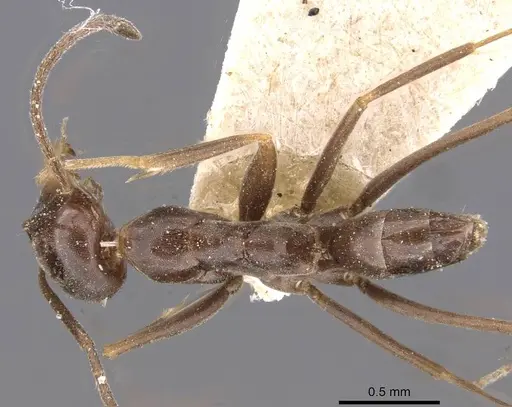
CASENT0909737
View on AntWeb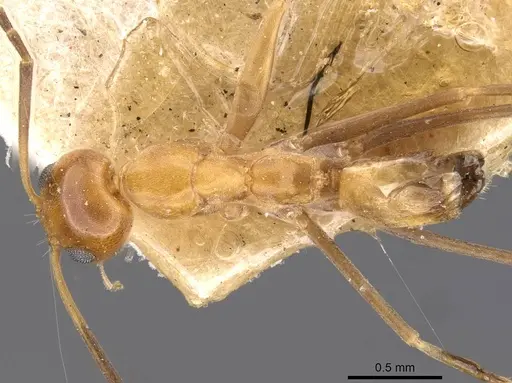
DZUP518118
View on AntWeb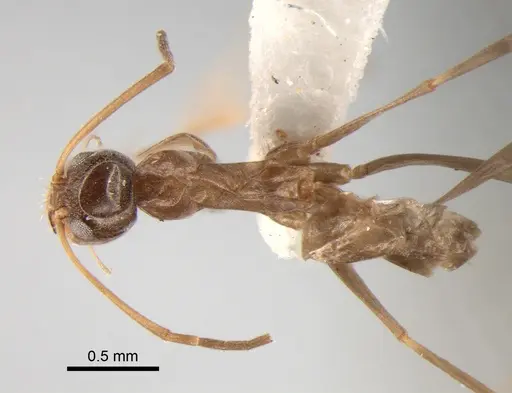
DZUP518126
View on AntWeb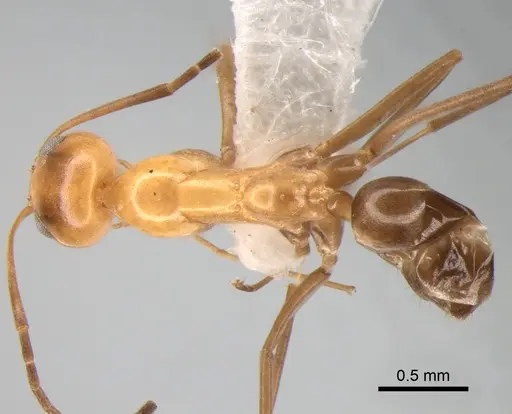
DZUP518161
View on AntWeb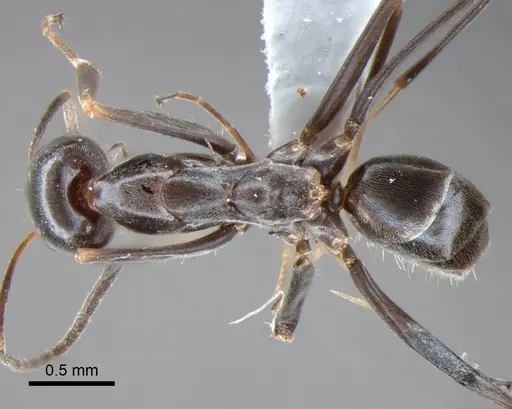
ECOFOG-OI17-0011-05
View on AntWeb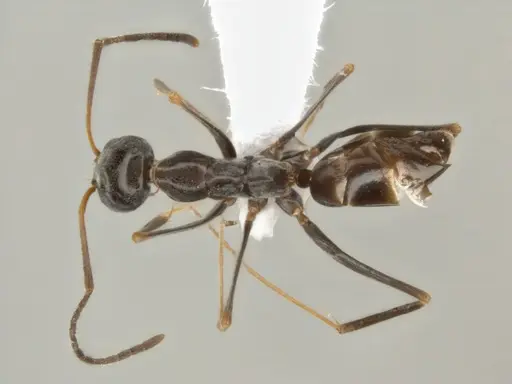
Literature
Loading distribution map...Loading products...