
Dorymyrmex fusculus
- Sci. Name
- Dorymyrmex fusculus
- Tribe
- Leptomyrmecini
- Subfamily
- Dolichoderinae
- Author
- Santschi, 1922
- Distribution
- Found in 0 countries
Introduction
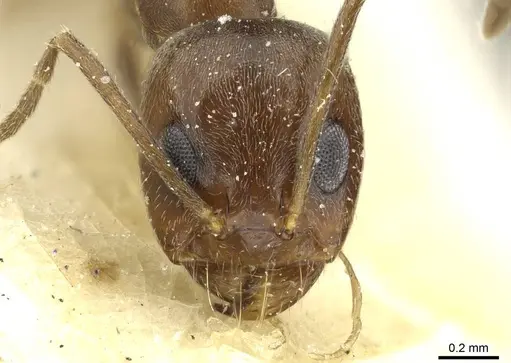
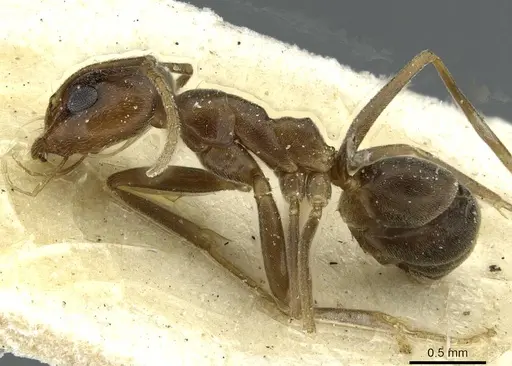
Dorymyrmex fusculus is a small ant species native to Argentina, first described by Santschi in 1922. These ants belong to the subfamily Dolichoderinae. Workers display the dark coloration typical of the genus. The species has been documented in the Mendoza province of Argentina, particularly around Vega del Loro . Dorymyrmex ants are active foragers that prefer open, sunny habitats where they establish ground nests.
Quick Summary
- Difficulty: Easy
- Origin & Habitat: Native to Argentina in the Neotropical Region. Found in the Mendoza province, particularly around Vega del Loro [1]. Typical open habitat specialist.
- Colony Type: Colony structure is unconfirmed for this species. Based on Dorymyrmex genus patterns, single-queen colonies are typical.
- Size & Growth:
- Queen: Size data unavailable, inferred from Dorymyrmex genus patterns (~5-7mm)
- Worker: Size data unavailable, inferred from Dorymyrmex genus patterns (~3-4mm)
- Colony: Colonies likely reach several hundred workers based on typical Dorymyrmex development
- Growth: Moderate
- Development: Estimated 6-8 weeks based on typical Dolichoderinae development (Development time depends on temperature, warmer conditions within safe ranges speed up development.)
- Antkeeping:
- Temperature: Keep at 22-26°C. These are warm-climate ants from Argentina that prefer stable temperatures. A heating cable on one side of the nest can create a gradient if room temperature falls below this range.
- Humidity: Moderate humidity around 50-60%. Dorymyrmex species prefer drier conditions compared to many tropical ants. Allow the nest substrate to dry partially between waterings.
- Diapause: Yes, a mild winter rest period is recommended. Reduce temperatures to 15-18°C for 2-3 months during winter, mimicking their natural seasonal cycle in temperate Argentina.
- Nesting: Naturalistic setups with dry to moderately moist substrate work well. They nest in soil in the wild and often prefer areas under stones or in open ground. Y-tong nests or plaster nests with chambers scaled to their small size are suitable options.
- Behavior: Active foragers that readily search for food both in the nest and outworld. They are not aggressive but will defend the colony if threatened. Workers are diligent and will establish foraging trails. They do not have a painful sting but may bite and spray formic acid as a defense, this is typical for Dolichoderinae ants which lack a functional sting.
- Common Issues: colonies may fail if kept too wet, these ants prefer drier conditions, winter dormancy is often mishandled, too warm and they remain active and deplete resources, too cold and they may die, slow initial founding can lead to impatience, queens may take months before first workers emerge, wild-caught colonies may contain parasites that affect captive survival, test tube setups can be too humid, monitor for condensation buildup
Nest Preferences
In the wild, Dorymyrmex fusculus nests in soil, often under stones or in open sunny areas. They prefer well-drained substrates and avoid overly wet conditions. For captive care, naturalistic setups with a soil mixture work well. You can also use a Y-tong nest with appropriately sized chambers. The key is providing a nest that stays relatively dry, these ants are not humidity-dependent like some tropical species. A thin layer of substrate that can dry between waterings is ideal.
Feeding and Diet
Dorymyrmex ants are omnivorous, feeding on honeydew from aphids and scale insects, small insects, and nectar. In captivity, offer a mix of sugar water or honey as a constant energy source, and protein-rich foods like small crickets, mealworms, or fruit flies every few days. They are active foragers, so place food in the outworld where they can easily access it. Remove uneaten protein within 24 hours to prevent mold. A varied diet supports colony growth and queen egg-laying.
Temperature and Seasonal Care
As ants from Argentina, Dorymyrmex fusculus prefers warm conditions around 22-26°C. They can tolerate brief temperature fluctuations but perform best with stable warmth. During summer active months, room temperature is often sufficient. In cooler climates, a small heating cable placed on one side of the nest creates a comfortable gradient. Winter requires a diapause period, reduce temperatures to 15-18°C for 2-3 months. This rest period supports colony health and prepares the queen for spring egg-laying. Do not skip hibernation as it can weaken the colony over time.
Defense Mechanism
Dorymyrmex fusculus belongs to the subfamily Dolichoderinae, which lacks a functional sting. Instead, these ants defend by biting and spraying formic acid from a slit-like opening at the tip of the abdomen. This defense is not harmful to humans beyond mild irritation.
Behavior and Colony Dynamics
Workers of Dorymyrmex fusculus are active and industrious, establishing clear foraging patterns. They are not particularly aggressive toward humans but will defend their nest if disturbed. The genus is known for the distinctive cone-shaped abdomen. Colonies grow steadily once established, with the queen producing eggs continuously during warm months. Workers vary in size slightly as the colony develops, with nanitics (first workers) being smaller than later generations. The colony will expand to several hundred workers over time.
Frequently Asked Questions
How long does it take for Dorymyrmex fusculus to produce first workers?
Expect first workers (nanitics) to emerge in 6-8 weeks after the queen lays eggs, assuming temperatures around 24-26°C. The exact timing depends on temperature and colony health. Some founding colonies may take slightly longer, so be patient, queens can survive for months before first workers appear.
Can I keep multiple Dorymyrmex fusculus queens together?
This species likely forms single-queen colonies based on typical Dorymyrmex patterns. Combining unrelated queens is not recommended as they will likely fight. Only one queen should be kept per colony.
What temperature range is best for Dorymyrmex fusculus?
Keep them at 22-26°C during the active season. A slight gradient allowing workers to choose their preferred temperature is ideal. During winter diapause, reduce to 15-18°C.
Do Dorymyrmex fusculus need hibernation?
Yes, a mild winter rest period of 2-3 months at 15-18°C is recommended. This mimics their natural seasonal cycle in Argentina and supports long-term colony health.
How often should I feed Dorymyrmex fusculus?
Provide sugar water or honey constantly as an energy source. Offer protein (insects) 2-3 times per week. Remove uneaten food within 24 hours to prevent mold and pest issues.
What humidity level do Dorymyrmex fusculus prefer?
They prefer moderate, relatively dry conditions around 50-60% humidity. Avoid overly humid setups, these ants do better with drier nesting areas compared to many tropical species.
Are Dorymyrmex fusculus good for beginners?
Yes, this species is considered easy to keep. They are forgiving of minor care mistakes, don't require high humidity, and have straightforward temperature needs. Their moderate growth rate also makes them manageable for new antkeepers.
When should I move Dorymyrmex fusculus to a formicarium?
Wait until the colony has at least 20-30 workers before moving to a formicarium. Test tube setups work well for founding colonies. Once the colony outgrows the test tube or has established a strong worker population, you can transition to a larger naturalistic setup.
How big do Dorymyrmex fusculus colonies get?
Mature colonies typically reach several hundred workers. Growth is moderate, expect 1-2 years to reach significant colony size under good care conditions.
Report an Issue
The current care sheet is based fully on literature. See inconsistencies, or something that's incorrect? Please , it will be resolved after review from an admin. Contributing to the blogs tab also helps providing information, to make us be able to further improve the caresheets. Thank you for your support!
References

This caresheet is licensed under CC BY-SA 4.0 .
Community Blogs
CASENT0911521
View on AntWeb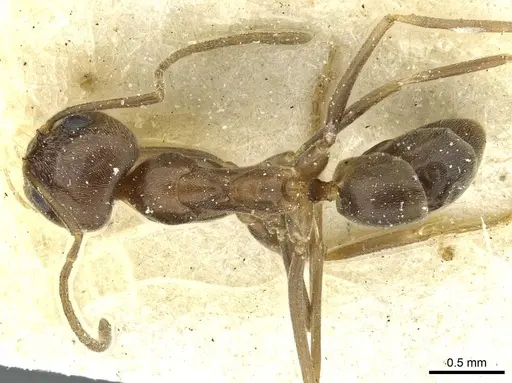
Literature
Loading distribution map...Loading products...