
Dorymyrmex brunneus
- Sci. Name
- Dorymyrmex brunneus
- Tribe
- Leptomyrmecini
- Subfamily
- Dolichoderinae
- Author
- Forel, 1908
- Distribution
- Found in 6 countries
Introduction
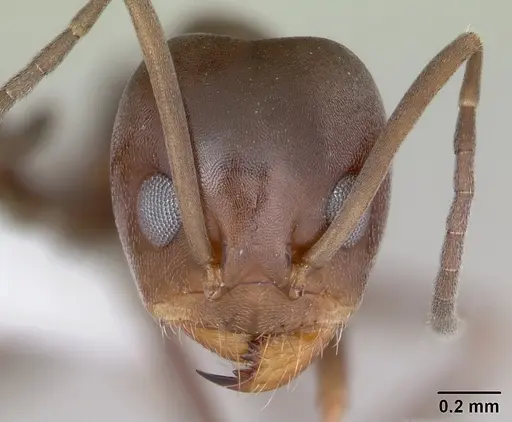
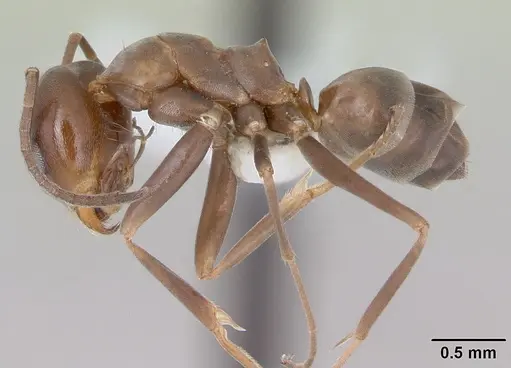
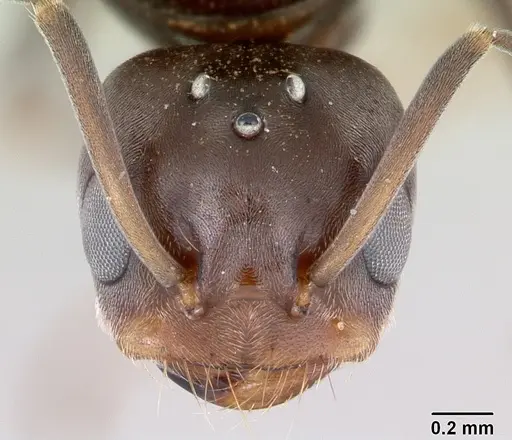
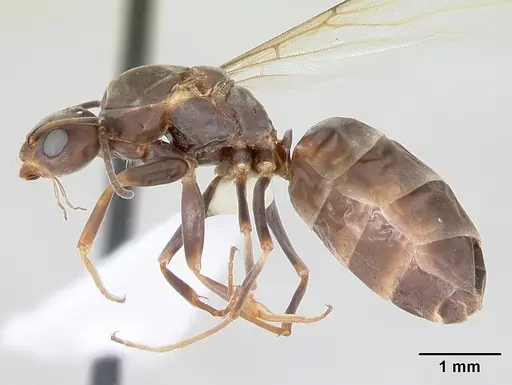
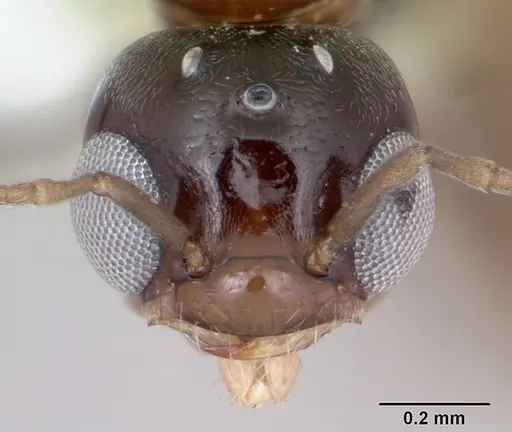
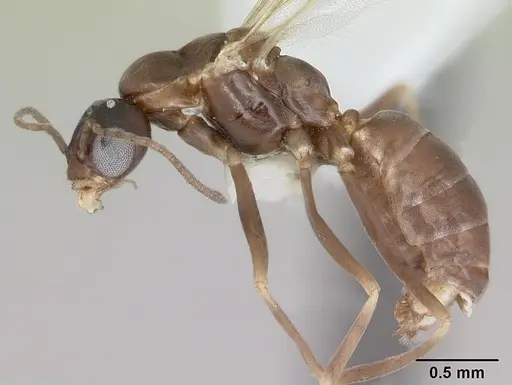
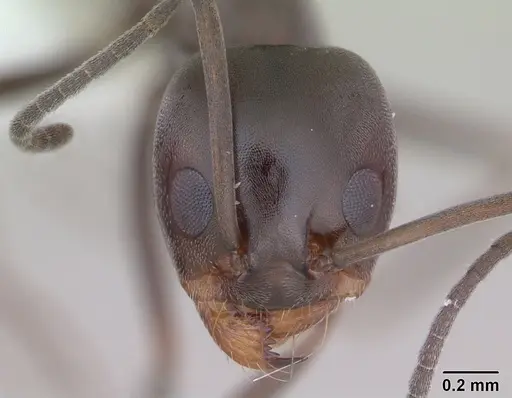
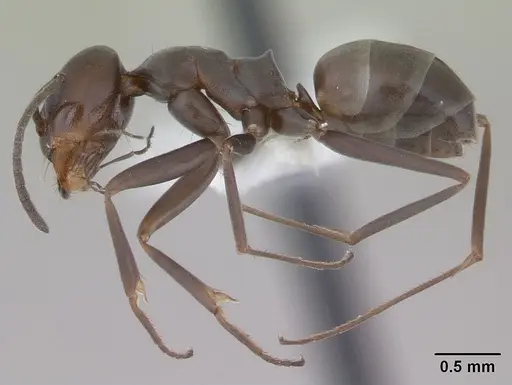
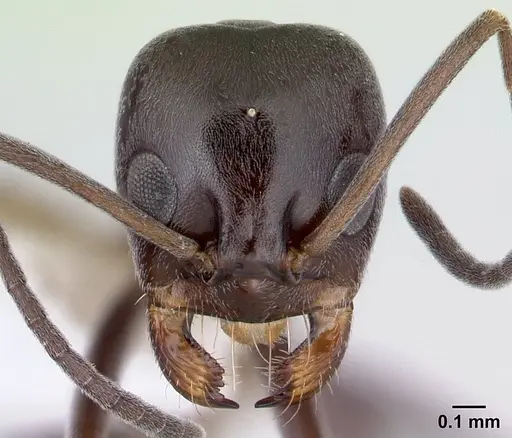
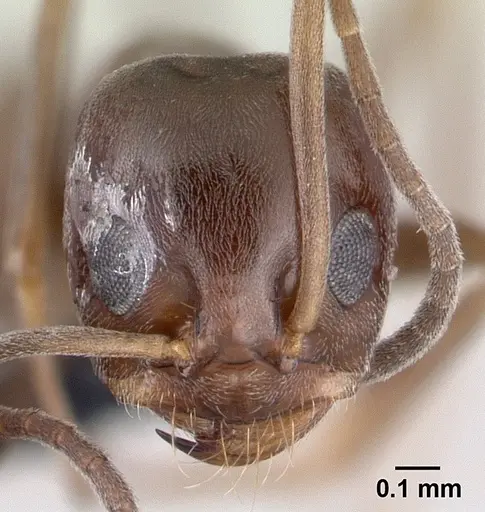
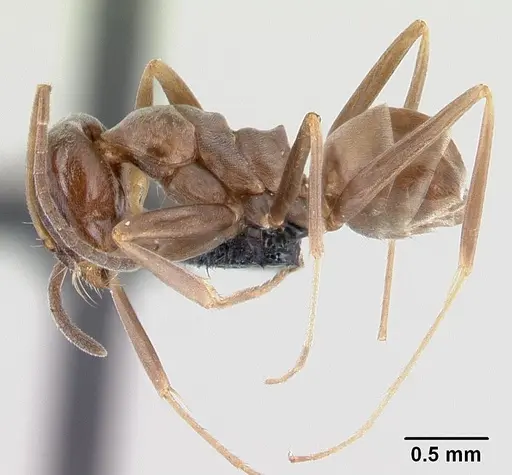
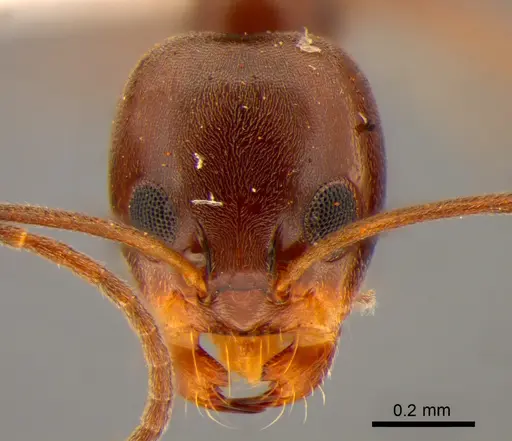
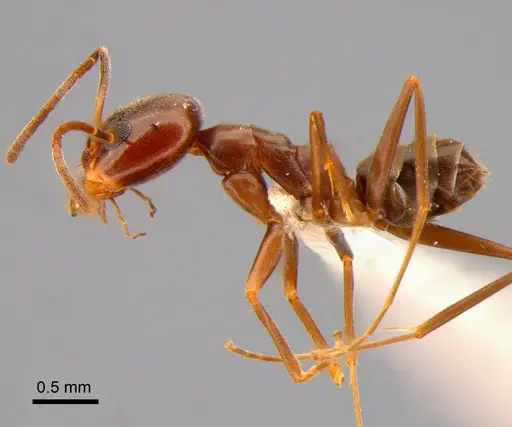
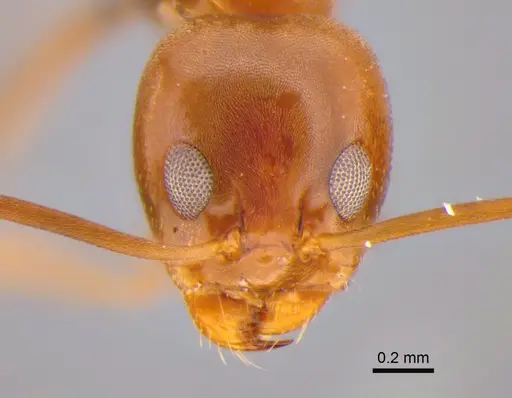
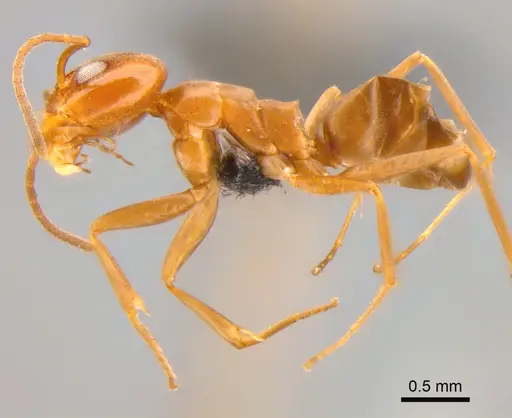
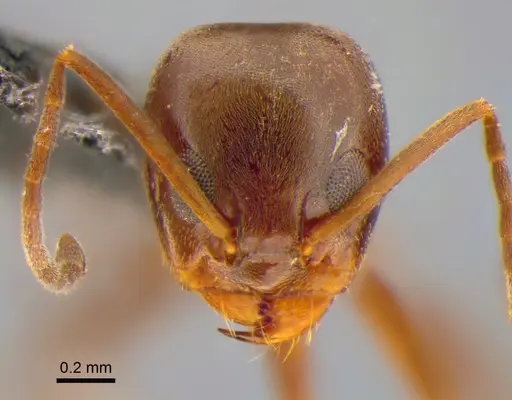
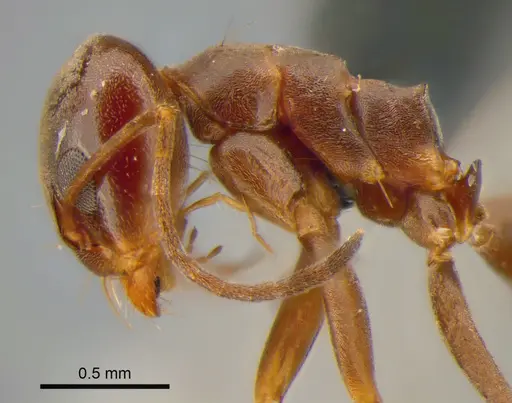
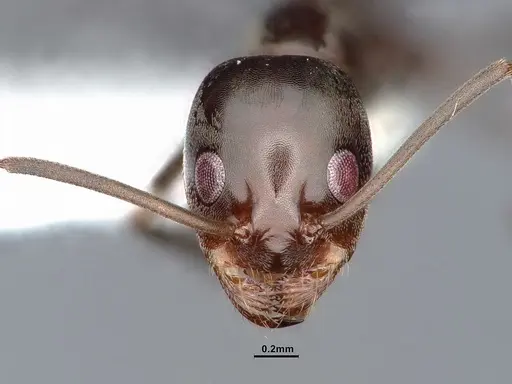
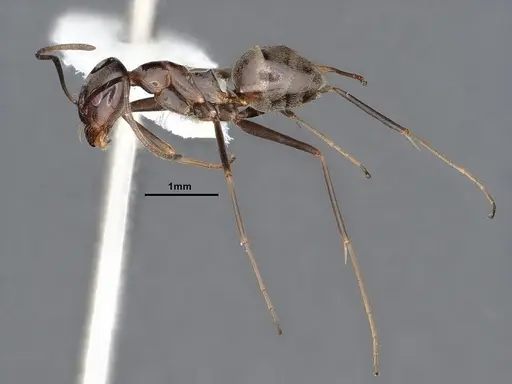
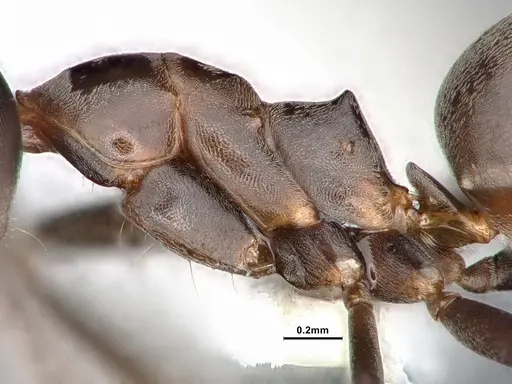
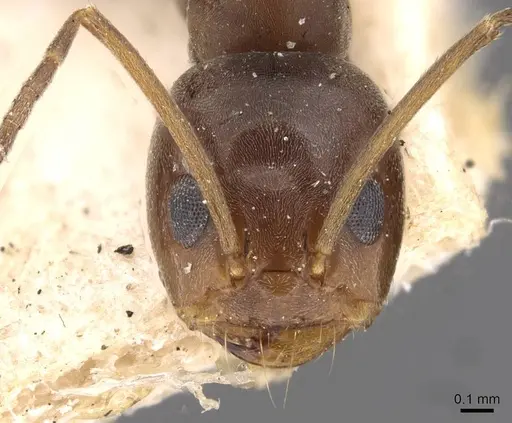
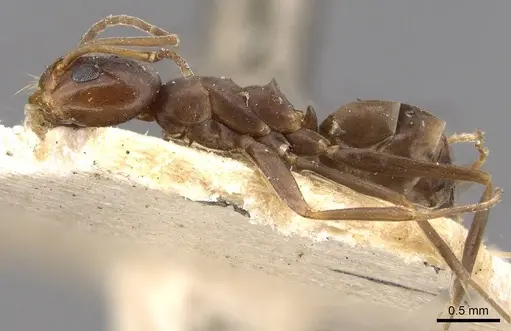
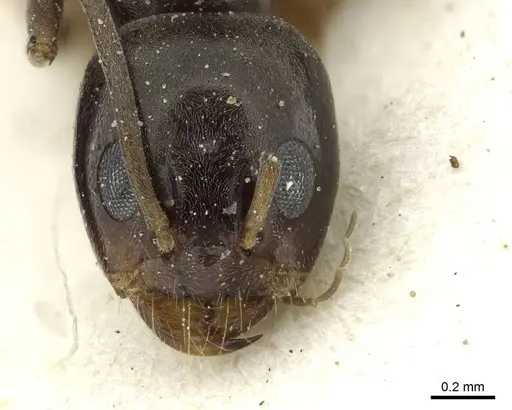
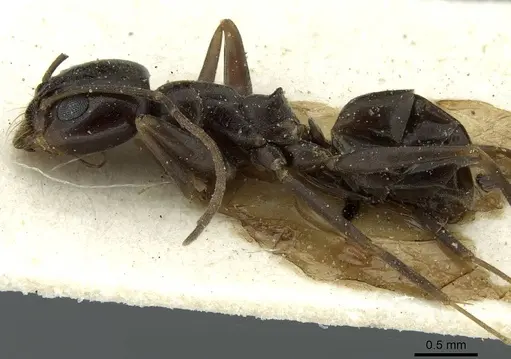
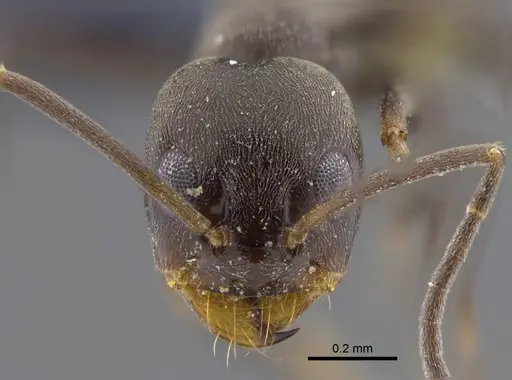
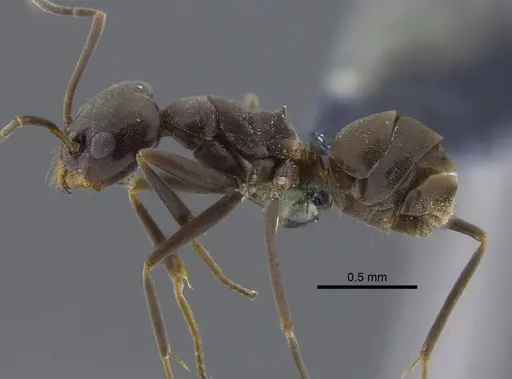
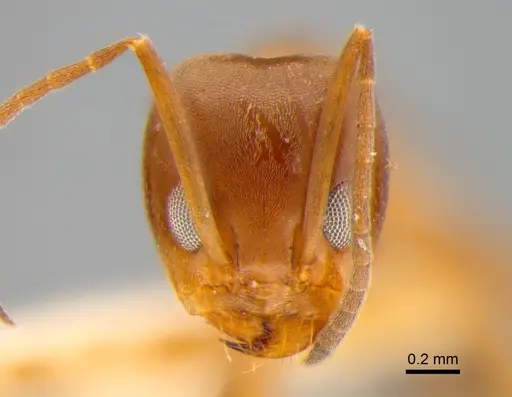
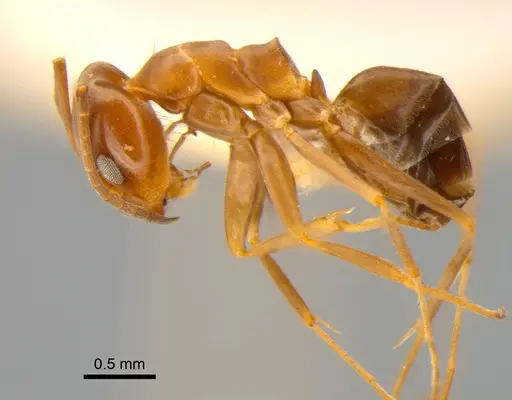
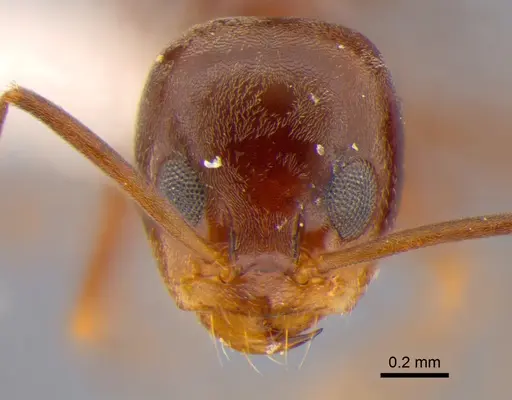
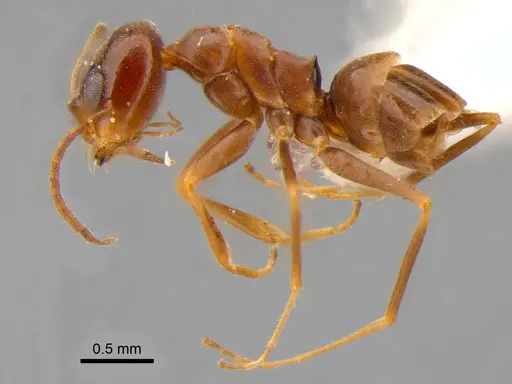
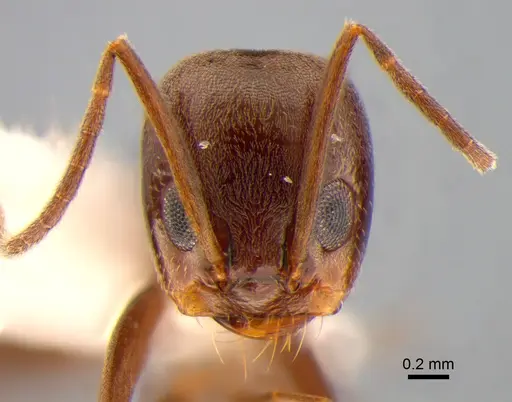
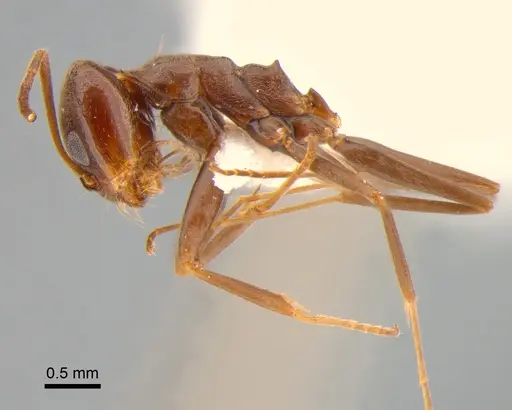
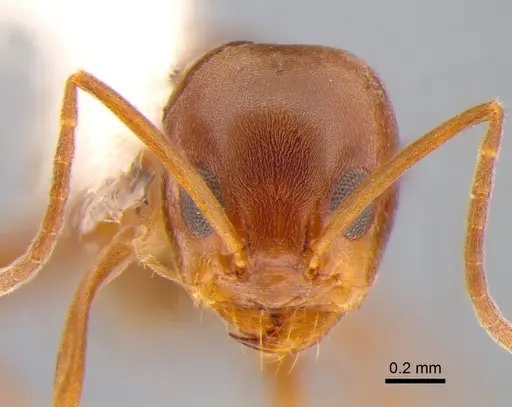
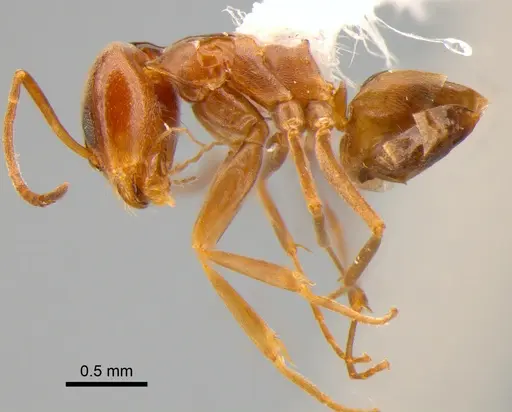
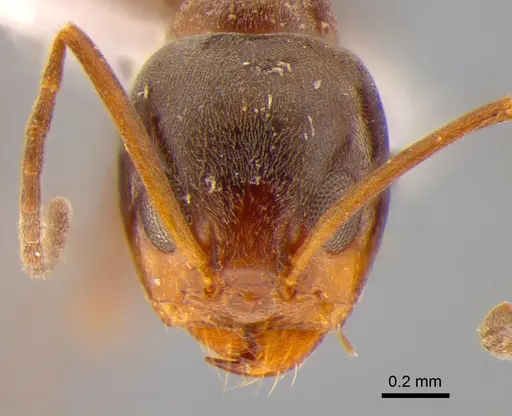
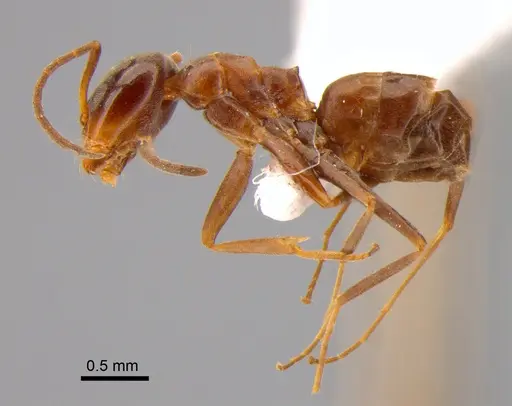
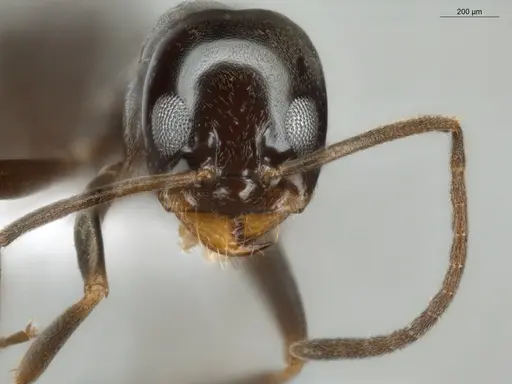
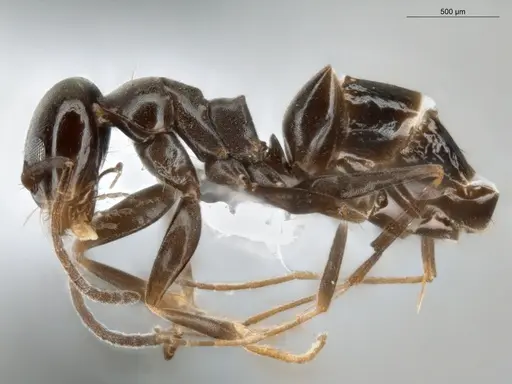
Dorymyrmex brunneus is a small ant native to the Neotropics, ranging from Guatemala south to Argentina. Workers are uniformly dark brown with a characteristic propodeal tubercle on the mesosoma. This species is highly variable and may actually be a complex of multiple closely related species. While primarily found in arid Andean regions above 1000m elevation, populations also thrive in lowland dry forests, savannas, and Amazon basin areas. D. brunneus is well adapted to human-modified landscapes and is commonly found in coffee plantations, pastures, and urban areas across its range .
Quick Summary
- Difficulty: Easy
- Origin & Habitat: Neotropical region, Guatemala south to Argentina, including Brazil, Colombia, Paraguay, Bolivia, Panama, and surrounding countries. Found from sea level up to 1000m+ in Andean regions, in arid environments, dry forests, savannas, and Amazon basin [1][2].
- Colony Type: Colony structure is not well documented in scientific literature. Based on genus patterns, likely single-queen colonies typical of Dorymyrmex.
- Size & Growth:
- Queen: ~5-6 mm inferred from Dorymyrmex genus, size data unavailable for this species
- Worker: ~2-3 mm inferred from Dorymyrmex genus, size data unavailable for this species
- Colony: Colony size not documented in research. Based on urban abundance patterns, likely moderate colonies of several hundred workers.
- Growth: Moderate
- Development: Development time not directly studied for this species. Based on typical Dolichoderinae patterns, expect 6-8 weeks. (Temperature-dependent, warmer conditions will speed development.)
- Antkeeping:
- Temperature: Keep at room temperature, roughly 20-26°C. This species tolerates a wide range given its distribution from tropical lowlands to Andean highlands.
- Humidity: Moderate humidity. Provide a water tube and allow them to self-regulate within the nest. They adapt to various conditions in the wild from dry forests to more humid areas.
- Diapause: Diapause requirements unclear. Given the tropical to subtropical distribution, they likely do not require true hibernation but may slow down during cooler months.
- Nesting: Soil-nesting species. In captivity, a standard test tube setup works well for founding colonies. For established colonies, provide a Y-tong or plaster nest with appropriately sized chambers.
- Behavior: Dorymyrmex brunneus is an opportunist species that forages both day and night. Workers are active foragers that respond quickly to food sources, particularly sweet baits and protein. They are not aggressive and typically flee when disturbed. They are excellent escape artists due to their small size, use fine mesh barriers. This species visits extrafloral nectaries and interacts with seeds, making them interesting to observe. They are dominant in urban environments and agricultural areas [3][4].
- Common Issues: escape prevention is critical, their small size means they can squeeze through tiny gaps, colonies may be stressed if collected from the wild due to disturbance, limited captive breeding information makes colony establishment uncertain, rapid worker death may occur if humidity is wrong, too wet or too dry, founding behavior is unconfirmed, some Dorymyrmex queens may need to forage during founding
Housing and Nest Setup
Dorymyrmex brunneus is a versatile soil-nesting ant that adapts well to captivity. A standard test tube setup works perfectly for founding colonies, fill a test tube with water, push a cotton plug to create a water reservoir, and place the queen in the open end. The tube should be horizontal or slightly tilted so the queen can retreat to the humid end. For established colonies with 50+ workers, consider a Y-tong or plaster nest with chambers scaled to their small size. These ants do well in naturalistic setups too, a container with moist soil allows them to create their own tunnels. Because they are small, ensure all connections between the nest and outworld are sealed with cotton or fine mesh to prevent escapes. They prefer dark nests and will typically nest in the shaded, humid areas of their enclosure [1][3].
Feeding and Diet
In the wild, D. brunneus is an opportunist that feeds on nectar, honeydew, and small insects. Studies show they are attracted to both sweet baits (honey) and protein sources (sardine) in field surveys. They are known predators of the sugarcane borer moth and will scavenge on carcasses [5]. For captive colonies, offer a mix of sugar water or honey as a constant energy source, and protein foods like small crickets, mealworms, or fruit flies 2-3 times per week. They also visit extrafloral nectaries on plants, so providing live plants or artificial flowers with sugar water can enrich their environment. Remove uneaten protein within 24 hours to prevent mold. This species forages actively both day and night, so food should be available during their active periods [6][7].
Temperature and Seasonal Care
Dorymyrmex brunneus tolerates a wide temperature range given its distribution from tropical lowlands to Andean highlands. Room temperature (20-26°C) is appropriate for most of the year. In their natural range, temperatures vary from warm tropical conditions in lowland areas to cooler temperatures at higher elevations. There is no documented diapause requirement for this species, but colonies may slow activity during cooler months if your room temperature drops. If you keep them in a heated room year-round, they will remain active. A simple approach is to keep them at normal room temperature and avoid extreme fluctuations. A heating cable on one side of the nest can create a temperature gradient if your room runs cool, but it is not necessary in most homes [1][2].
Behavior and Observation
This species is active to watch due to its foraging behavior and adaptability. Workers forage both during the day and at night, quickly discovering and recruiting nestmates to food sources. They are not aggressive and will typically run away when disturbed. One interesting behavior is their interaction with plants, they visit extrafloral nectaries and have been observed dispersing seeds of plants like castor beans, carrying the seeds to their nest mounds where the elaiosomes are removed [7]. In urban environments, they are often among the most common ants, nesting in disturbed soils, under stones, and in cracks in pavement. Their small size and dark coloration make them easy to observe, and their colonies can thrive in surprisingly small spaces [3][6].
Colony Establishment
Starting a colony with a wild-caught queen is the most common approach for this species. After nuptial flights, mated queens dig small chambers in soil and found colonies alone. For captive founding, place a freshly caught queen in a test tube setup with a water reservoir. The queen will likely seal herself in a chamber if given soil, or remain in the tube's open end if using a simple setup. She will lay eggs and raise the first workers on her stored energy reserves. Once the first workers emerge (typically after 1-2 months), you can connect the tube to an outworld for foraging. Growth is moderate, expect several months to reach 20-30 workers, and over a year to reach 100+. Patience is key, as this species is not a fast grower.
Defense Mechanism
Dorymyrmex brunneus belongs to the subfamily Dolichoderinae, which lacks a functional sting. Instead, these ants defend themselves by secreting defensive chemical compounds from a slit-like opening at the tip of the abdomen. This is a smear defense, the chemicals can be rubbed onto attackers or used to mark territory. When disturbed, workers will typically flee rather than engage in confrontation.
Common Problems
The main challenges with Dorymyrmex brunneus are escape prevention and colony stress. Their small size means they can escape through gaps that would hold larger ants, use tight-fitting lids, cotton barriers, and fine mesh on any connections. Wild-caught colonies may arrive with parasites or stress from collection, so quarantine and observe before combining with other colonies. Overfeeding can lead to mold issues, remove uneaten food promptly. Humidity management is important: too wet causes fungal growth, too dry causes brood death. If your queen dies during founding, it is common, some queens fail to establish colonies even in ideal conditions. Finally, be aware that this species may be misidentified, as Dorymyrmex taxonomy is complex and specimens are frequently misidentified even in scientific collections [8][9].
Frequently Asked Questions
How long does it take for Dorymyrmex brunneus to have first workers?
Based on typical Dorymyrmex development, expect first workers in about 6-8 weeks after the queen lays eggs, assuming room temperature around 24°C. This is an estimate, actual timing may vary based on temperature and individual queen health.
Can I keep Dorymyrmex brunneus in a test tube?
Yes, test tubes work well for founding colonies. Use a standard test tube setup with a water reservoir and cotton plug. Make sure to use escape prevention, these tiny ants can squeeze through small gaps.
What do Dorymyrmex brunneus ants eat?
They are opportunists that accept both sugar sources (honey, sugar water) and protein (small insects like fruit flies, crickets, mealworms). They also scavenge on dead insects and will visit extrafloral nectaries [4][5].
Are Dorymyrmex brunneus good for beginners?
Yes, they are considered a good beginner species due to their adaptability, small size, and tolerance of various conditions. They are easy to house and feed, though escape prevention requires attention due to their small size [3].
Do Dorymyrmex brunneus need hibernation?
Diapause is not clearly required for this species given its tropical to subtropical distribution. They may slow down during cooler months, but true hibernation is not necessary. Simply reduce feeding if colony activity decreases in winter.
How big do Dorymyrmex brunneus colonies get?
Colony size is not well documented, but based on similar species and their abundance in urban areas, colonies likely reach several hundred workers. They are not among the largest ant species.
Why are my Dorymyrmex brunneus dying?
Common causes include: escape from the nest (check all gaps), improper humidity (too wet causes mold, too dry kills brood), stress from wild collection, or overfeeding leading to mold. Ensure proper ventilation and remove uneaten food promptly.
When should I move my colony to a formicarium?
Move to a larger nest (Y-tong, plaster, or naturalistic setup) when the test tube becomes crowded or the colony reaches 50+ workers. Make sure the new nest has appropriately sized chambers for their small worker size.
Can I keep multiple Dorymyrmex brunneus queens together?
Combining unrelated queens is not recommended, there is no documented pleometrosis for this species. Keep one queen per colony for best success.
What temperature is best for Dorymyrmex brunneus?
Room temperature (20-26°C) is appropriate. They tolerate a wide range given their distribution from tropical lowlands to Andean highlands. Avoid extreme temperatures, keep away from direct heat sources and cold drafts [1][2].
Is Dorymyrmex brunneus invasive?
No, this is a native Neotropical species found naturally from Guatemala to Argentina. It is not considered invasive outside its native range [1][2].
Report an Issue
The current care sheet is based fully on literature. See inconsistencies, or something that's incorrect? Please , it will be resolved after review from an admin. Contributing to the blogs tab also helps providing information, to make us be able to further improve the caresheets. Thank you for your support!
References

This caresheet is licensed under CC BY-SA 4.0 .
Community Blogs
CASENT0173843
View on AntWeb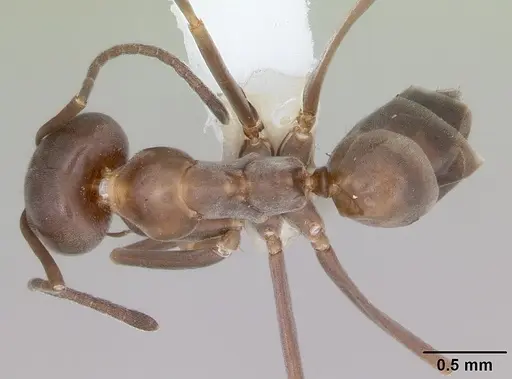
CASENT0173844
View on AntWeb
CASENT0173845
View on AntWeb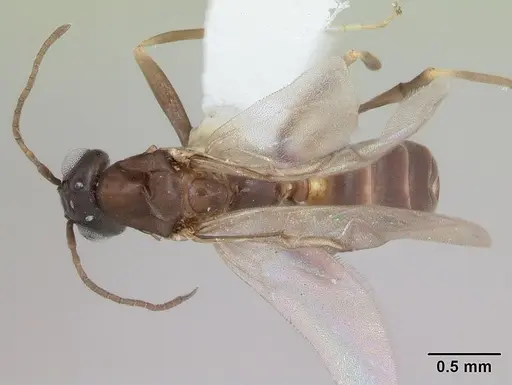
CASENT0173846
View on AntWeb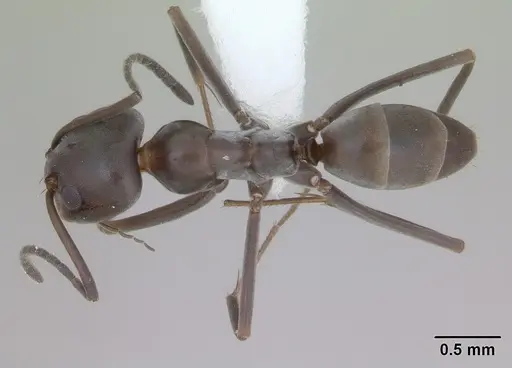
CASENT0179523
View on AntWeb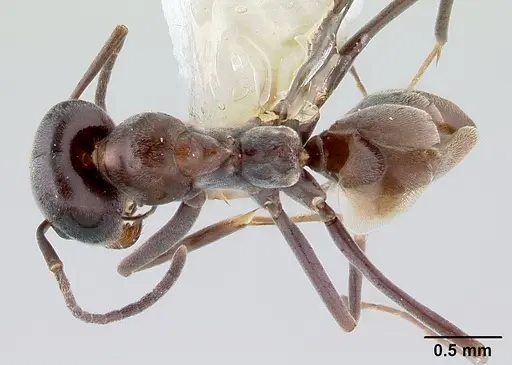
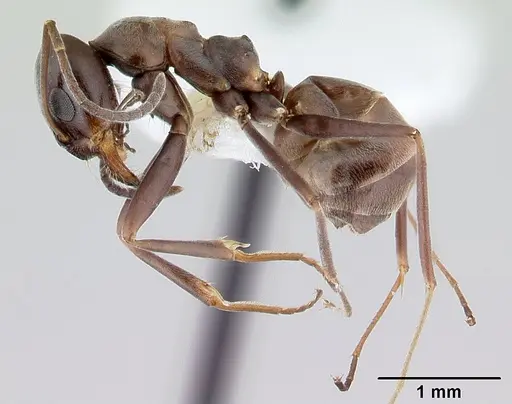
CASENT0192698
View on AntWeb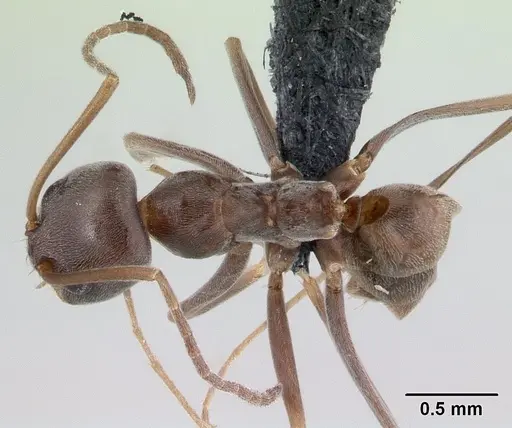
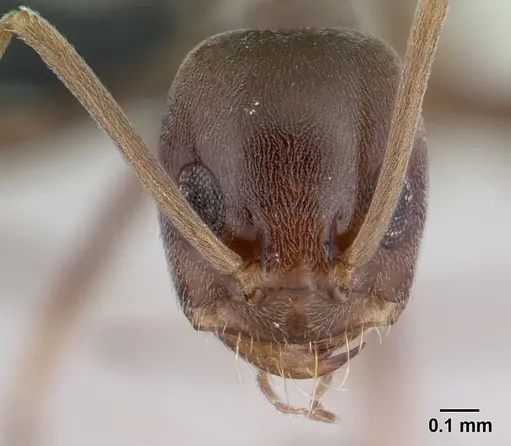
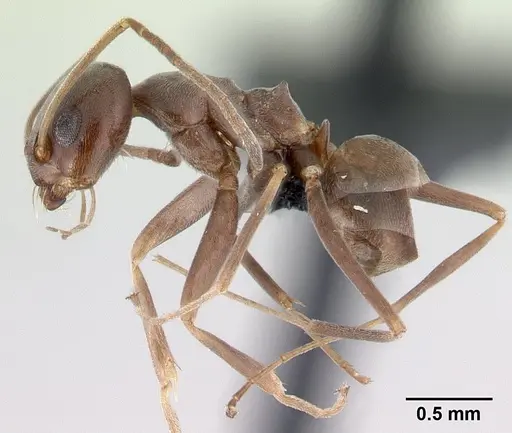
CASENT0192705
View on AntWeb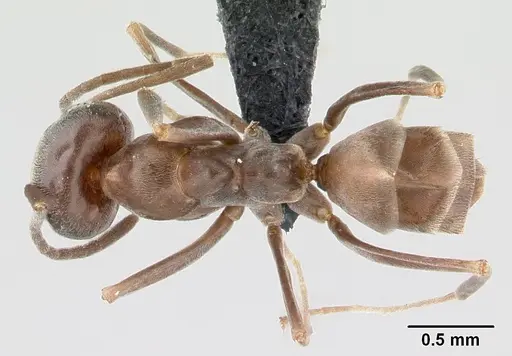
CASENT0841140
View on AntWeb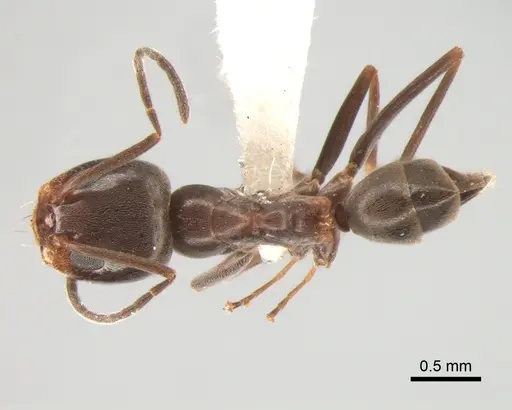
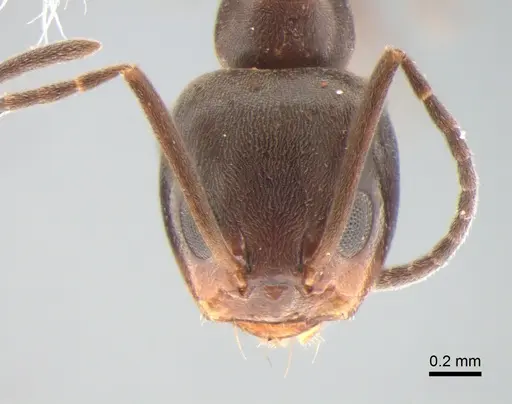
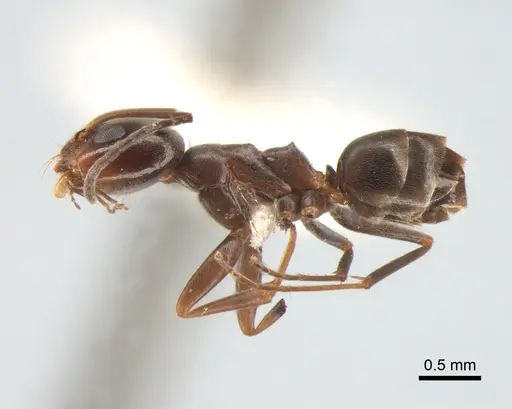
CASENT0841142
View on AntWeb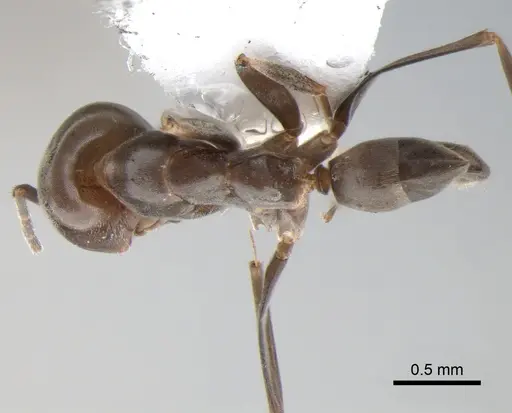
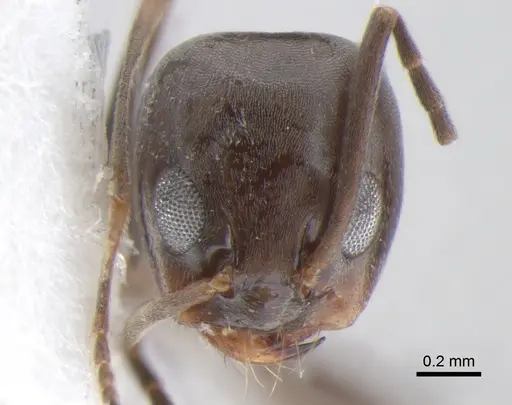
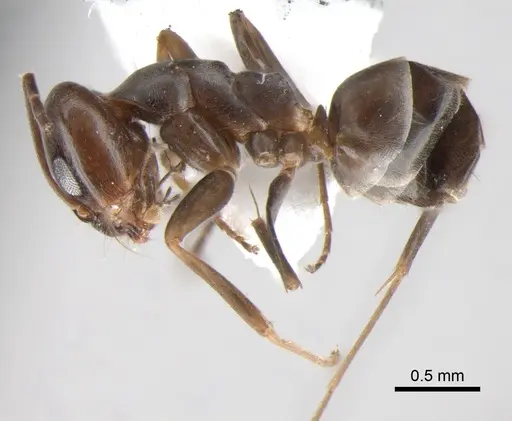
CASENT0841165
View on AntWeb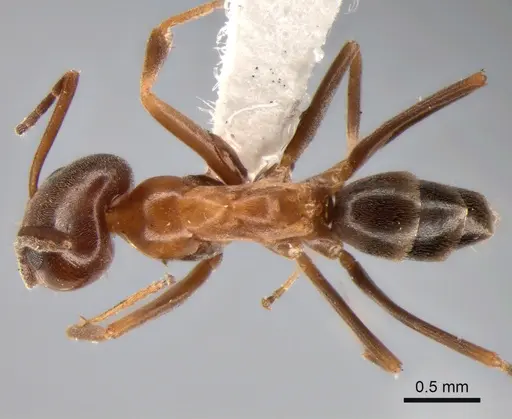
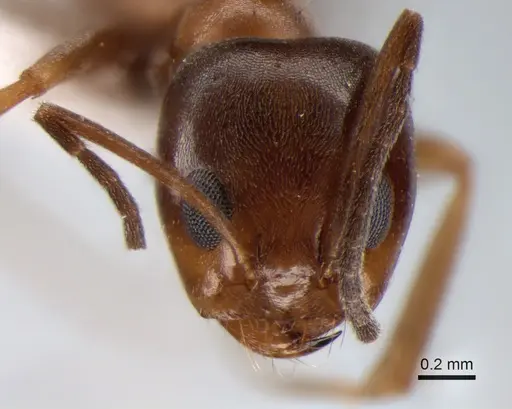
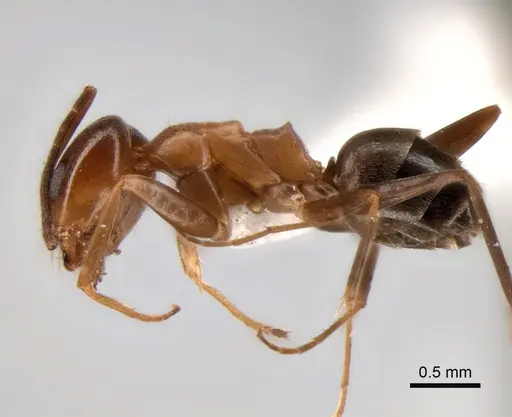
CASENT0841186
View on AntWeb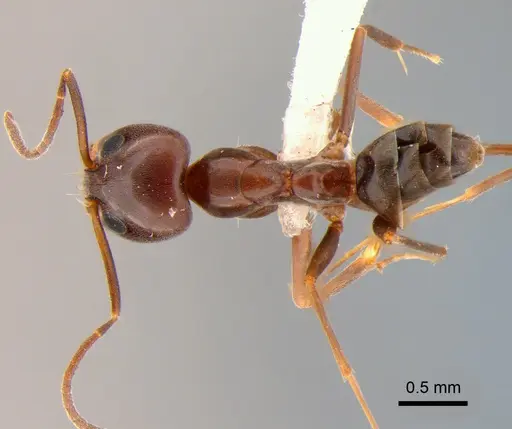
CASENT0841198
View on AntWeb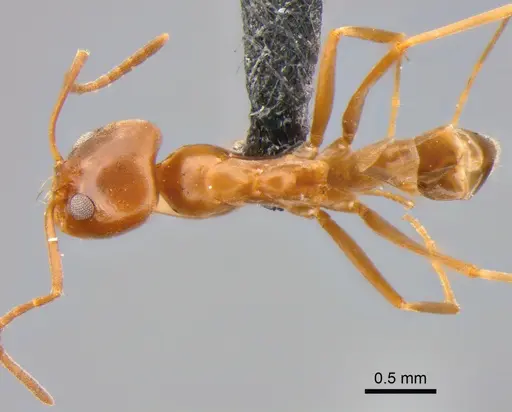
CASENT0841201
View on AntWeb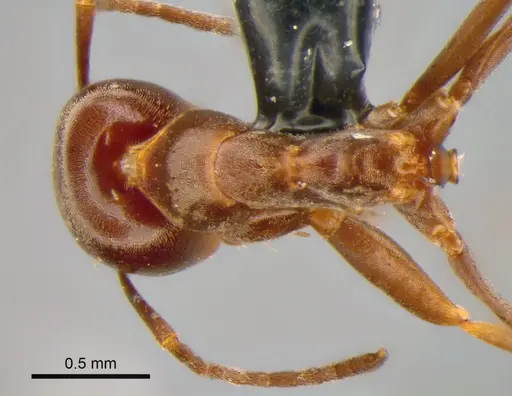
CASENT0884389
View on AntWeb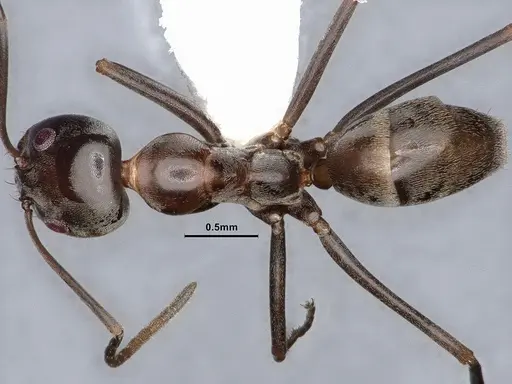
CASENT0909742
View on AntWeb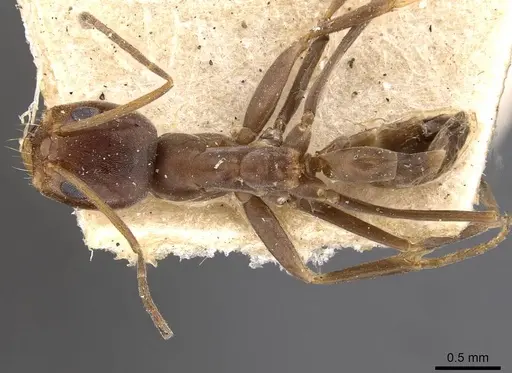
CASENT0911528
View on AntWeb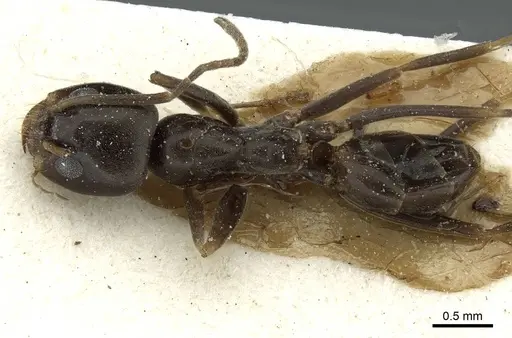
CBUMAGENT41852
View on AntWeb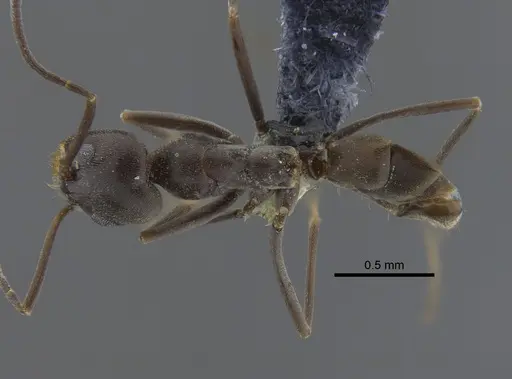
DZUP517872
View on AntWeb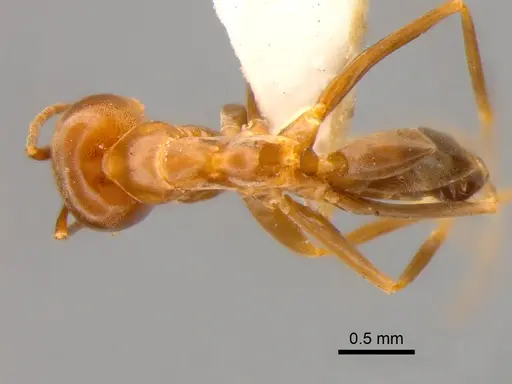
DZUP518043
View on AntWeb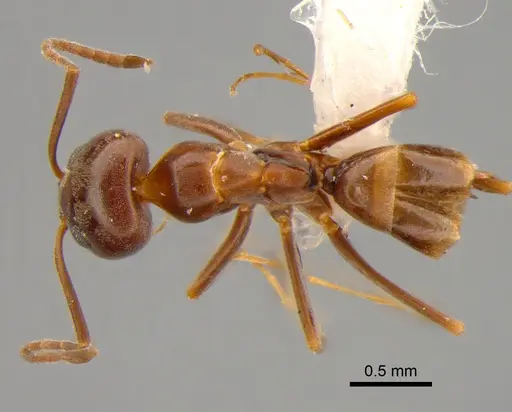
DZUP518082
View on AntWeb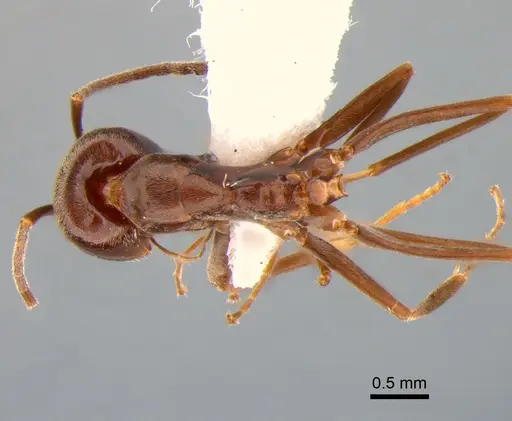
DZUP518155
View on AntWeb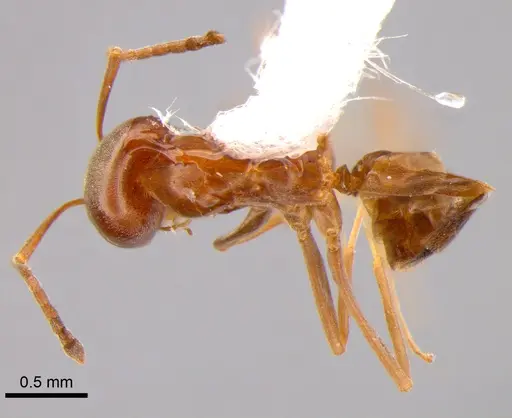
DZUP518157
View on AntWeb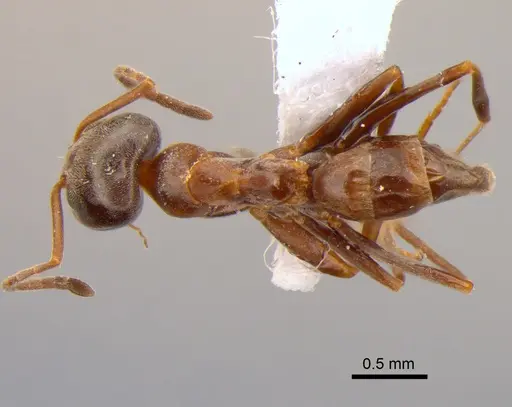
ECOFOG-OI17-0036-08
View on AntWeb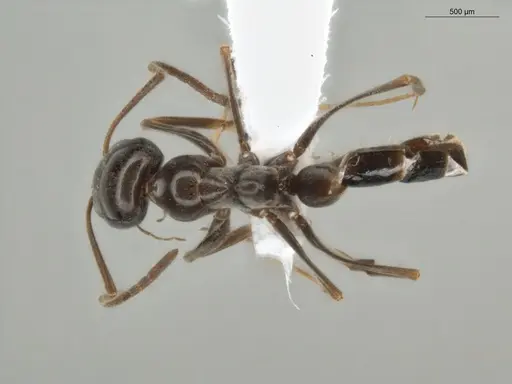
Literature
Loading distribution map...Loading products...