
Dorylus montanus
- Sci. Name
- Dorylus montanus
- Subfamily
- Dorylinae
- Author
- Santschi, 1910
- Distribution
- Found in 0 countries
Introduction
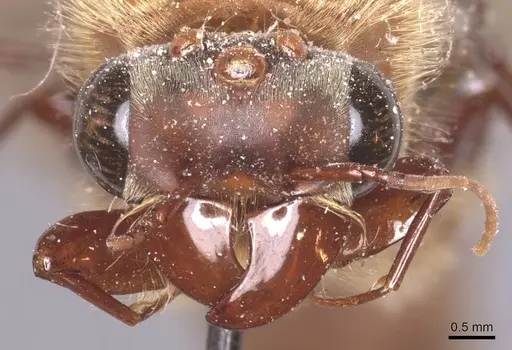
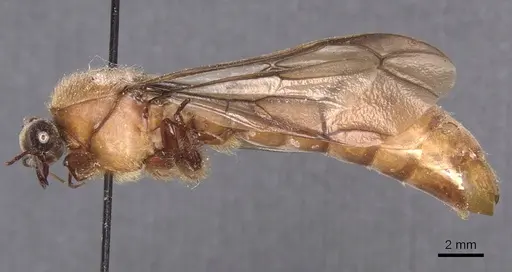
Dorylus montanus is a species of army ant from the Dorylinae subfamily, found exclusively in the Kilimanjaro region of Tanzania at elevations around 1400m . This species belongs to the Dorylus orientalis species group . Like other Dorylus species, workers are polymorphic, meaning they come in different sizes within the same colony - a trait that allows different workers to specialize in different tasks. Dorylus army ants are known for their nomadic lifestyle and predatory behavior. Unlike typical ants that build permanent nests, Dorylus colonies move periodically and establish temporary bivouacs while raiding other ant colonies and arthropods for food. This species is known only from the Kiboscho and Kiléma areas of Mount Kilimanjaro, making it one of the more geographically restricted Dorylus species .
Quick Summary
- Difficulty: Expert
- Origin & Habitat: Mount Kilimanjaro region in Tanzania, East Africa. Found at elevations around 1400-1440m in the Kilimanjaro area [1][2]. This is a highland species.
- Colony Type: Army ant colony structure, large colonies with nomadic behavior. Dorylus colonies typically contain multiple functional queens and do not have a permanent nest but form temporary bivouacs. Based on genus patterns, this species likely follows similar colony structure.
- Size & Growth:
- Queen: size data unavailable, Dorylus queens are among the largest ants, but specific measurements for D. montanus are not documented
- Worker: size data unavailable, workers are polymorphic but specific size ranges for D. montanus are not recorded
- Colony: Extremely large, Dorylus colonies can reach millions of individuals in some species. D. montanus colony size is unconfirmed.
- Growth: Fast, based on genus patterns, army ant colonies grow rapidly due to high queen fecundity
- Development: Approximately 2-4 weeks at optimal temperature, based on related Dorylus species (Development is temperature-dependent. Army ant queens can lay thousands of eggs per day, enabling rapid colony growth.)
- Antkeeping:
- Temperature: Keep at 22-26°C. As a highland East African species, they may prefer cooler conditions than lowland tropical ants. Provide a temperature gradient allowing workers to self-regulate.
- Humidity: Moderate humidity. Provide access to moisture and keep nest substrate lightly damp.
- Diapause: Likely reduced activity during cooler/drier seasons in their highland habitat. Consider a slight cooling period during winter months to simulate natural seasonal patterns.
- Nesting: Army ants do not nest in traditional ant nests. In captivity, they require a naturalistic setup with a large foraging area and a dark retreat space for the bivouac. Provide soil or other substrate for them to form temporary clusters.
- Behavior: Aggressive and predatory. Dorylus montanus is a raiding army ant that hunts other ant colonies and arthropods. Workers are polymorphic with major workers capable of delivering painful bites. Escape prevention is critical. Based on genus patterns, they are primarily nocturnal or crepuscular in their raiding behavior.
- Common Issues: massive space requirements, army ant colonies need much larger setups than typical ants, difficulty establishing, new colonies often fail to adapt to captive conditions, aggressive predation can decimate any other arthropods in the same enclosure, escape prevention is essential, they will find and exploit any gap, extreme colony size can become unmanageable in captivity, nomadic behavior makes it difficult to maintain a stable setup
Understanding Army Ant Colony Structure
Dorylus montanus belongs to a genus with complex social structures. Unlike typical ant colonies with one queen and a permanent nest, army ant colonies are nomadic and typically contain multiple functional queens. The colony functions as a superorganism, queens specialize in egg production while workers specialize in different tasks based on their size. Major workers defend the colony and process large prey, while minor workers handle most foraging and brood care. This polymorphism is essential to their raiding lifestyle. In captivity, these ants need space to express their natural raiding and nomadic behaviors.
Housing Requirements for Army Ants
Keeping Dorylus montanus is different from keeping typical ants. Standard formicariums are not suitable. Create a naturalistic setup with a large foraging area connected to a dark retreat space where the colony can form its bivouac. The foraging area should have a deep substrate layer of soil or sand. Provide multiple water sources. The key is creating conditions that allow the colony to behave as they would in nature: forming temporary camps and launching raiding expeditions. Lighting should be dim, army ants prefer darkness and are most active at night or during twilight.
Feeding and Predation
Dorylus montanus is an obligate predator that raids other ant colonies and catches arthropods. In captivity, their diet should consist primarily of other insects, crickets, mealworms, roaches, and other live prey are ideal. They will also accept dead insects. Unlike many ants, they do not rely heavily on sugar sources, their nutrition comes primarily from protein. Feed generously, a raiding army ant colony consumes enormous quantities of food. Offer prey items in the foraging area. Remove uneaten prey after 24-48 hours to prevent mold.
Temperature and Seasonal Care
As a highland species from Mount Kilimanjaro, Dorylus montanus likely prefers cooler conditions than many tropical army ants. Maintain temperatures between 22-26°C in the foraging area with a slight gradient toward cooler areas. During winter, you can reduce temperatures slightly to simulate their natural seasonal pattern. Avoid temperatures below 15°C or above 30°C. Use a low-wattage heating mat under one end of the setup to create a gradient, but ensure there's always a cool zone available.
Managing Colony Growth and Behavior
Army ant colonies grow exponentially and can quickly become overwhelming. A healthy Dorylus colony can grow to hundreds of thousands of workers within a year. Be prepared for this growth and have additional space ready. The colony will go through nomadic and stationary phases, during nomadic phases, they will be highly active and constantly on the move within their enclosure. During stationary phases, they remain in their bivouac while the queen lays eggs and brood develops. Expect the colony to be most active at night. Major workers will emerge as the colony grows, these larger workers can deliver painful bites and should be handled with extreme caution.
Frequently Asked Questions
Can I keep Dorylus montanus in a test tube setup?
No. Dorylus montanus cannot be kept in test tubes or standard formicariums. They are nomadic army ants that require a naturalistic setup with a large foraging area and a dark retreat space for their bivouac. A test tube would cause the colony to rapidly decline and die.
How long does it take for Dorylus montanus to produce first workers?
Dorylus queens lay eggs rapidly, and brood develops quickly, typically 2-4 weeks from egg to worker at optimal temperatures. However, establishing a new colony is extremely difficult and most captive attempts fail. If successful, you should see workers within a month.
Are Dorylus montanus ants dangerous?
Dorylus montanus workers can deliver painful bites, and major workers have powerful mandibles. While not venomous like some stinging ants, their bites can break skin and cause irritation. The real danger is their aggressive swarming behavior, they will attack anything that threatens the colony en masse.
Can I keep multiple Dorylus montanus queens together?
Multiple queens is normal for many Dorylus species. Army ant colonies are often polygynous, with multiple functional queens coexisting. However, combining unrelated foundress queens in captivity is risky and rarely successful. If you acquire a colony, it will already have its queen structure established.
What do Dorylus montanus eat?
They are predatory and eat other insects, primarily other ants, crickets, mealworms, roaches, and various arthropods. They do not rely on sugar sources like honeydew. Feed them live or freshly killed insects several times per week, with generous portions as the colony grows.
How big do Dorylus montanus colonies get?
Extremely large. Dorylus colonies can reach millions of workers in the wild. In captivity, they can grow to hundreds of thousands if properly cared for. Be prepared for exponential growth and have additional space ready.
Do Dorylus montanus need hibernation?
As a highland East African species, they likely experience reduced activity during cooler seasons. Provide a slight cooling period during winter months rather than full hibernation. This mimics their natural seasonal pattern at 1400m elevation.
Why is Dorylus montanus considered an expert-level ant?
Dorylus montanus requires specialized care that most antkeepers cannot provide. They need massive space, specific humidity gradients, constant access to prey, and understanding of their unique nomadic behavior. They are aggressive, can deliver painful bites, and can quickly overrun any enclosure. They are not suitable for beginners or even most intermediate antkeepers.
When should I move Dorylus montanus to a larger setup?
Army ants do not need traditional moves, they need adequate space from the start. Begin with a large naturalistic setup from the beginning. As the colony grows, simply expand the enclosure rather than moving them. They will naturally organize their bivouac in the retreat area.
Report an Issue
The current care sheet is based fully on literature. See inconsistencies, or something that's incorrect? Please , it will be resolved after review from an admin. Contributing to the blogs tab also helps providing information, to make us be able to further improve the caresheets. Thank you for your support!
References

This caresheet is licensed under CC BY-SA 4.0 .
Community Blogs
CASENT0911282
View on AntWeb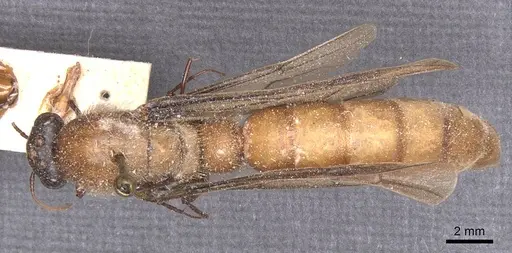
Literature
Loading distribution map...Loading products...