
Dorylus mandibularis
- Sci. Name
- Dorylus mandibularis
- Subfamily
- Dorylinae
- Author
- Mayr, 1896
- Distribution
- Found in 0 countries
Introduction
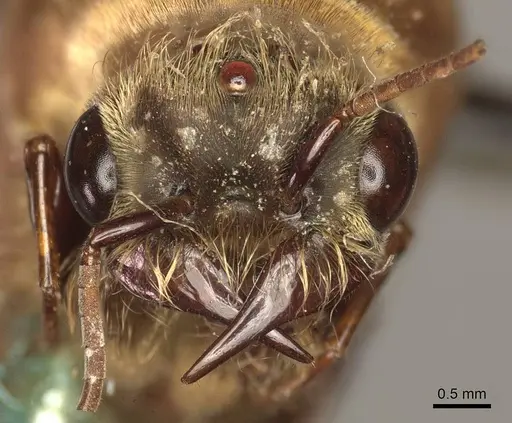
Dorylus mandibularis is an army ant species native to West and Central Africa, documented in Côte d'Ivoire and the Democratic Republic of Congo . These ants form massive colonies that can contain hundreds of thousands of workers and are famous for their coordinated swarming raids where thousands of workers hunt prey in organized columns. Workers are highly polymorphic, ranging from tiny minors to large soldiers with distinctive mandibles. The queen is significantly larger than workers and can lay thousands of eggs per day. Unlike most ants, army ants are nomadic and do not build permanent nests - they create temporary bivouacs (living structures made of linked worker bodies) and relocate every few weeks.
Quick Summary
- Difficulty: Expert
- Origin & Habitat: West and Central Africa, Côte d'Ivoire and Democratic Republic of Congo. Inhabits tropical rainforests and savanna regions where they conduct predatory raids.
- Colony Type: Single-queen colony. Army ant queens are highly specialized and can produce thousands of eggs daily, supporting colonies that can reach into the hundreds of thousands of workers.
- Size & Growth:
- Queen: ~25-30mm, inferred from Dorylus genus
- Worker: Polymorphic: ~3-15mm, inferred from Dorylus genus
- Colony: Can reach hundreds of thousands to over a million workers [3]
- Growth: Very fast, queens can lay thousands of eggs daily
- Development: Approximately 3-5 weeks at optimal temperature, inferred from related Dorylus species (Development is rapid to support the colony's massive size. Nanitics (first workers) appear quickly.)
- Antkeeping:
- Temperature: Keep at 24-28°C (warm tropical conditions). A heating cable on one side creates a gentle gradient [3].
- Humidity: High humidity, 70-85%. These ants come from tropical regions with consistent moisture. Keep the outworld damp but provide dry areas for the colony to self-regulate.
- Diapause: No, they are tropical ants that remain active year-round [3]
- Nesting: Non-traditional for army ants. In captivity, they need a large outworld space for raiding and a damp nesting area for the bivouac. They will form bivouacs in dark, humid spaces. Large plastic containers with connected tubing work well.
- Behavior: Extremely aggressive and predatory. They hunt in massive swarms that can overwhelm prey many times their individual size. Workers have powerful mandibles and can deliver painful bites. They are highly active and constantly on the move, this is not a species for observation-only keepers. Escape prevention is critical, they will exploit any gap and can squeeze through surprisingly small openings when motivated. They are not suitable for beginners due to their specialized needs and aggressive nature.
- Common Issues: massive space requirements, colonies can reach hundreds of thousands of workers requiring large enclosures, escape risk, they will find and exploit any gap in enclosure, difficult to feed, require large amounts of live prey regularly, nomadic nature, they will constantly try to relocate their bivouac, aggressive biting, handling is not recommended, hard to establish, founding colonies are fragile and require specific conditions
Housing and Enclosure Setup
Dorylus mandibularis requires significantly more space than typical ant species. A standard formicarium will not suffice, you will need to create a large outworld space where raids can occur. Many keepers use modified plastic storage bins (50+ liters) with connected tubing to multiple feeding areas. The enclosure must have excellent escape prevention, army ants are notorious for finding the smallest gaps. Apply fluon or similar barriers to all edges. Provide a dark, humid area for the bivouac (where the colony clusters) and keep the rest of the outworld slightly damp. Multiple feeding stations allow you to observe raiding behavior without disturbing the main colony. [3]
Feeding and Diet
Army ants are obligate predators, they do not eat seeds or plant matter. They require a constant supply of live prey items. In the wild, they hunt insects, arthropods, and occasionally small vertebrates. In captivity, you must be prepared to provide large quantities of live food regularly. Suitable prey includes crickets, mealworms, roaches, and other insects. Some keepers report success with pre-killed prey, but live prey triggers natural hunting behavior. Feed small prey to minor workers and larger prey (or pre-cut pieces) to major workers. A well-established colony will consume remarkable quantities of food, budget accordingly. [3]
Temperature and Climate Control
As tropical ants from Central and West Africa, Dorylus mandibularis requires warm, stable temperatures. Keep the nesting area at 24-28°C with minimal fluctuation. A heating cable placed on top of the nest area (never under, as it can dry out the substrate too quickly) helps maintain warmth. Monitor with a digital thermometer. They do not tolerate temperatures below 20°C for extended periods. High humidity is essential, aim for 70-85% in the nesting area. Use a substrate moisture approach rather than misting on a schedule, checking daily and rehydrating as needed. [3]
Colony Behavior and Raiding
The most spectacular aspect of keeping army ants is observing their raids. Unlike most ants that forage individually or in small groups, Dorylus conduct coordinated mass raids where thousands of workers move in columns. This raiding behavior is triggered by hunger and can be fascinating to watch. The colony operates on a nomadic cycle, they will remain in one bivouac location for a period, then become restless and relocate. This is natural behavior. Major workers (soldiers) have enlarged mandibles used for defense and crushing prey, they can deliver a painful bite. The queen remains deep within the bivouac and is rarely seen except during colony relocation. [3]
Growth and Development
Dorylus queens are among the most prolific egg-layers in the insect world, capable of producing thousands of eggs per day once established. Development from egg to worker is relatively rapid compared to many ant species, estimated at 3-5 weeks under optimal conditions. The first workers (nanitics) are smaller but the colony quickly produces normal-sized workers. Growth is exponential, a healthy founding colony can reach thousands of workers within months. The colony will continue growing as long as food is abundant and conditions are optimal. Unlike most ants, army ant colonies do not have a defined maximum size, they can grow indefinitely given sufficient resources. [3]
Frequently Asked Questions
Can I keep Dorylus mandibularis in a test tube?
No, test tubes are completely inadequate for this species. They require large enclosures with space for massive raids and bivouac formation. You would need at minimum a 50+ liter setup with multiple connected areas.
How long does it take for first workers to appear?
Based on related Dorylus species, expect first workers (nanitics) within 3-5 weeks after the queen lays her first eggs, assuming optimal temperature and humidity.
Are army ants dangerous to humans?
They are not dangerous in the sense of venom, but their bites can be painful and they are extremely persistent if threatened. For most people, their bite is comparable to a bee sting. They are not aggressive toward humans but will defend themselves if handled or disturbed.
Can I keep multiple queens together?
No, Dorylus colonies are strictly monogyne (single queen). Introducing multiple unrelated queens will result in fighting. The colony structure is built around one highly specialized queen.
How big do colonies get?
Dorylus mandibularis can form colonies of hundreds of thousands to over a million workers. This is one of the most significant commitments in ant keeping, you must be prepared for an exponentially growing colony that will require increasingly large amounts of food and space.
Do they need hibernation?
No, as tropical African ants, they do not require hibernation or diapause. Keep them warm and active year-round.
Why are my ants dying?
Common causes include: temperature too low (below 20°C), humidity too low or too high, insufficient food (they need large quantities of live prey), poor escape prevention allowing escapes, or stress from too-frequent disturbance. Army ants are sensitive to environmental changes.
What do I feed Dorylus mandibularis?
They are obligate predators requiring live prey. Offer crickets, mealworms, roaches, and other insects. Feed prey in small pieces for minor workers and larger pieces or whole prey for major workers. They need to hunt, scatter prey in the outworld to trigger raiding behavior.
Is Dorylus mandibularis good for beginners?
No, this is an expert-level species requiring significant experience, large space, and constant attention to maintain proper conditions. They have specialized needs that most beginners cannot meet. Start with easier species like Lasius or Messor before attempting army ants.
When should I move them to a formicarium?
Army ants do not use traditional formicaria. Instead, create a naturalistic setup with a large outworld for raiding and a dark, humid chamber for the bivouac. Many keepers use modified plastic bins with connected tubing and multiple feeding stations.
Report an Issue
The current care sheet is based fully on literature. See inconsistencies, or something that's incorrect? Please , it will be resolved after review from an admin. Contributing to the blogs tab also helps providing information, to make us be able to further improve the caresheets. Thank you for your support!
References

This caresheet is licensed under CC BY-SA 4.0 .
Community Blogs
CASENT0911338
View on AntWeb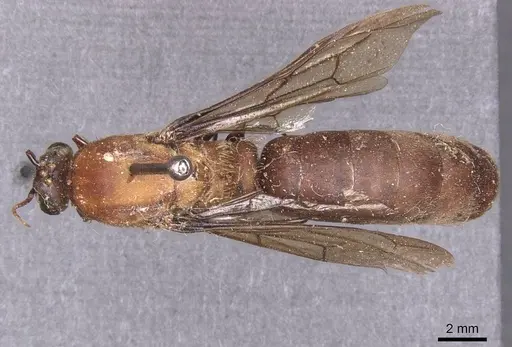
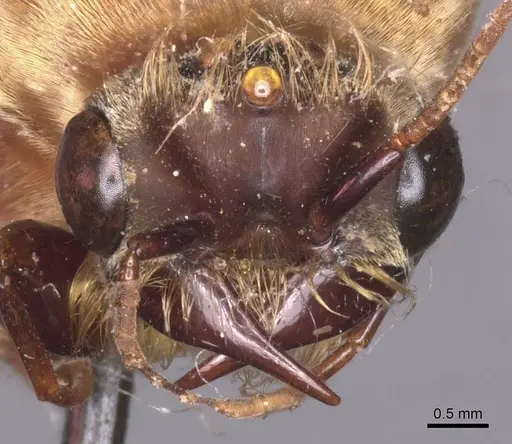
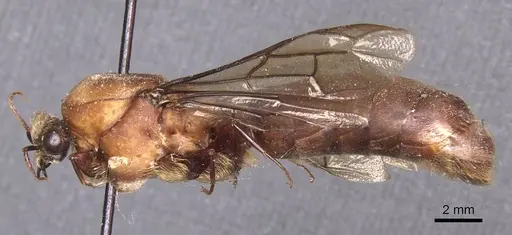
CASENT0915644
View on AntWeb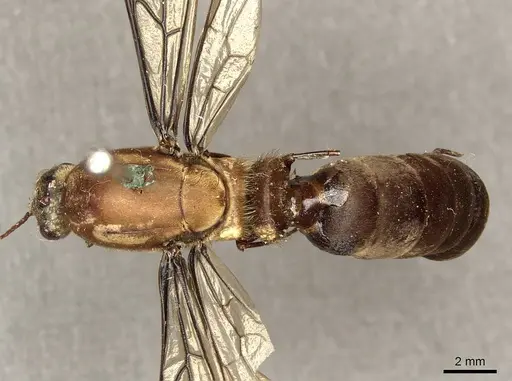
Literature
Loading distribution map...Loading products...