
Dorylus leo
- Sci. Name
- Dorylus leo
- Subfamily
- Dorylinae
- Author
- Santschi, 1919
- Distribution
- Found in 0 countries
Introduction
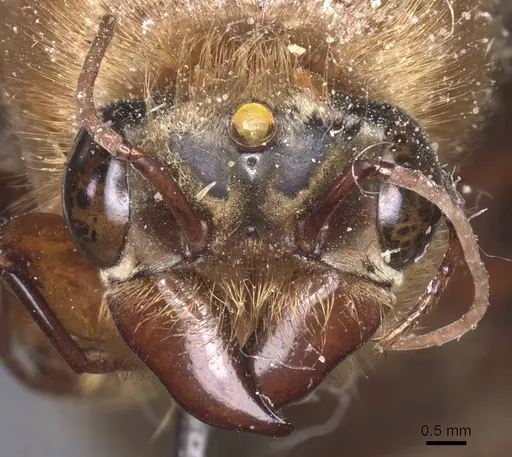
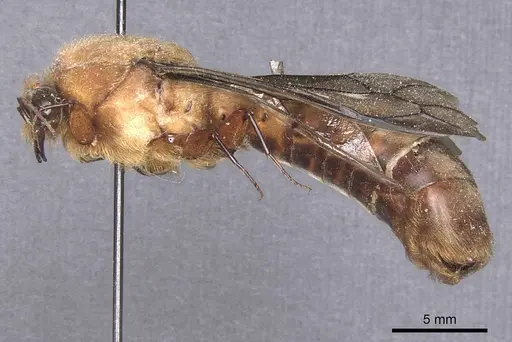
Dorylus leo is a species of army ant in the subfamily Dorylinae, found in West Africa (Ivory Coast and Mali) [AntWiki]. Army ants are known for their massive colonies and predatory raiding behavior where thousands of workers swarm across the forest floor to capture prey. This species was described by Santschi in 1919 from male specimens collected in Dimbroko, Ivory Coast . Like all Dorylus species, these ants are predatory and form large colonies that do not maintain permanent nests - instead they create temporary bivouacs by linking their bodies together.
Quick Summary
- Difficulty: Expert
- Origin & Habitat: West Africa, Ivory Coast and Mali. Found in tropical forest habitats [1].
- Colony Type: Single-queen army ant colonies with enormous worker populations. Army ants are known for their nomadic lifestyle, constantly moving and establishing new bivouacs.
- Size & Growth:
- Queen: size data unavailable
- Worker: size data unavailable
- Colony: Colonies can reach millions of workers, Dorylus colonies are among the largest of any ant genus [1].
- Growth: Fast, army ant colonies grow rapidly once established due to continuous egg production [1].
- Development: Development is relatively rapid for army ants, approximately 4-6 weeks from egg to worker at tropical temperatures [1]. (Army ants have continuous brood development, they do not have seasonal diapause patterns.)
- Antkeeping:
- Temperature: Keep at tropical temperatures: 24-28°C. Army ants are strictly tropical and cannot tolerate cool conditions [1].
- Humidity: High humidity (70-90%) is essential. These ants come from humid tropical forests and need consistently moist conditions [1].
- Diapause: No, army ants do not enter diapause. They remain active year-round in their tropical habitats [1].
- Nesting: Army ants do not use traditional nests. In captivity, they require a large outworld space for raiding and a humid chamber for the queen and brood. They form bivouacs by clustering together, provide structures they can cling to.
- Behavior: Extremely aggressive and predatory. Army ants are famous for their massive raiding swarms that can overwhelm prey many times their individual size. They are primarily nocturnal or crepuscular raiders. Workers have powerful mandibles and can deliver painful bites. Escape prevention is critical, they are excellent climbers and will exploit any gap. Their nomadic nature means they are constantly on the move, which must be accommodated in captivity.
- Common Issues: Massive space requirements, army ant colonies need enormous enclosures that most hobbyists cannot accommodate, Difficult to establish, wild-caught colonies often fail due to stress, parasites, or improper conditions, Escape risk is extreme, they will find and exploit any gap or seam in their enclosure, Continuous feeding requirements, colonies this size need constant prey availability, Not suitable for beginners, requires expert-level knowledge of army ant biology and substantial resources
Understanding Army Ant Biology
Dorylus leo belongs to the army ant tribe Dorylini, a group of ants famous for their predatory swarming behavior and nomadic lifestyle. Unlike most ants that maintain permanent nests, army ants create temporary bivouacs, living structures formed by workers linking their bodies together. These colonies are constantly on the move, sometimes traveling kilometers in a single night during their nomadic phase. The colony cycle alternates between a statary phase (staying in one place for several weeks while the queen lays eggs) and a nomadic phase (moving and raiding intensively). This species is found in West African tropical forests where the climate is warm and humid year-round. The genus Dorylus is the African equivalent of the Neotropical army ants (Eciton), and like their American cousins, they are top predators in their ecosystems, capable of bringing down large prey through sheer numbers. [1]
Housing Requirements
Keeping Dorylus leo is an expert-level undertaking that requires substantial space and resources. These ants cannot be kept in typical formicariums, they need large outworld spaces to conduct their raids. A setup with multiple interconnected chambers totaling several liters in volume is the minimum for a starting colony. The queen and brood should be in a humid, dark chamber while workers need access to a larger foraging area. Provide structures like cork, cardboard tubes, or leaf litter that workers can use to form bivouacs. Temperature must be maintained at 24-28°C using heating equipment if room temperature is insufficient. Humidity should be high (70-90%) with consistent moisture in the brood chamber. Lighting should be dim, army ants prefer dark conditions and are primarily active at night. [1]
Feeding and Nutrition
Army ants are obligate predators that rely entirely on animal protein for nutrition. In captivity, they need a constant supply of live prey, typically other insects (beetles, cockroaches, crickets, caterpillars) but they can also take small vertebrates if the colony is large enough. Unlike many ants, they do not collect honeydew or nectar as a primary food source, though they may opportunistically consume sugary substances. The feeding schedule depends on colony size, larger colonies need daily feeding during active raiding periods. Prey should be offered in the foraging area, and the ants will swarm over it in their characteristic raiding formation. A colony of this size can consume hundreds of insects per day once established. [1]
Colony Lifecycle and Reproduction
The Dorylus leo colony centers on a single physogastric queen, her abdomen becomes massively distended with eggs as she reaches full reproductive capacity. She can lay thousands of eggs per day, sustaining the massive worker population. Males are produced seasonally and are large, winged individuals that leave the colony to mate. New colonies are founded by single queens who seal themselves in a chamber (claustral founding) and raise the first workers, called nanitics, on stored body fat. These initial workers are smaller than normal workers but quickly begin raiding to support colony growth. The colony will alternate between statary periods (stationary while queen lays eggs) and nomadic periods (constantly moving and raiding) in a cycle that can last weeks to months. [1]
Frequently Asked Questions
Is Dorylus leo suitable for beginners?
No. Dorylus leo is absolutely not suitable for beginners. This is an expert-level species that requires extensive knowledge of army ant biology, massive enclosures, and constant attention. Most antkeepers should start with easier species like Lasius, Tetramorium, or Camponotus.
How big do Dorylus leo colonies get?
Dorylus colonies can reach into the millions of workers. This is one of the most significant commitments in antkeeping, you are essentially committing to maintaining a predator swarm that requires enormous amounts of space and food.
What do Dorylus leo ants eat?
They are obligate predators that need live insect prey. They do not collect honeydew or accept sugar water as a primary food source. Offer beetles, cockroaches, crickets, and other insects regularly, larger colonies need daily feeding.
Can I keep Dorylus leo in a test tube?
No. Test tubes are completely unsuitable for this species. Army ants need large spaces to conduct their characteristic raids. A small enclosure will result in colony collapse and death.
Do Dorylus leo need hibernation?
No. As tropical ants, they do not enter diapause or hibernation. They remain active year-round and need consistent tropical conditions (24-28°C) to thrive.
How long does it take for first workers to emerge?
Based on related Dorylus species, expect approximately 4-6 weeks from egg to first worker at optimal tropical temperatures. The founding queen seals herself in and raises the first brood alone.
Why are my Dorylus leo dying?
Common causes include: temperature too low (below 24°C), humidity too low, insufficient prey, stress from disturbance, or inadequate space for raiding. Army ants are extremely sensitive to environmental conditions and require precise care.
How do I set up a nest for army ants?
Army ants do not nest in traditional formicariums. Create a humid brood chamber with structures they can cling to for bivouac formation, connected to a large foraging area. Use substrates like damp soil or peat in the brood chamber. Provide darkness and minimal disturbance.
Report an Issue
The current care sheet is based fully on literature. See inconsistencies, or something that's incorrect? Please , it will be resolved after review from an admin. Contributing to the blogs tab also helps providing information, to make us be able to further improve the caresheets. Thank you for your support!
References

This caresheet is licensed under CC BY-SA 4.0 .
Community Blogs
CASENT0911353
View on AntWeb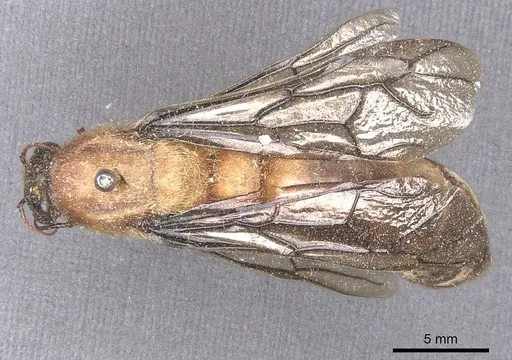
Literature
Loading distribution map...Loading products...