
Dorylus kohli
- Sci. Name
- Dorylus kohli
- Subfamily
- Dorylinae
- Author
- Wasmann, 1904
- Distribution
- Found in 6 countries
Introduction
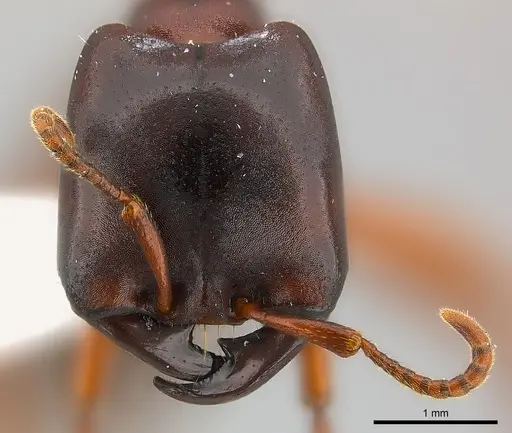
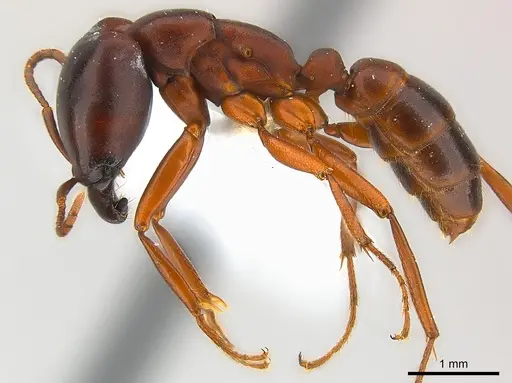
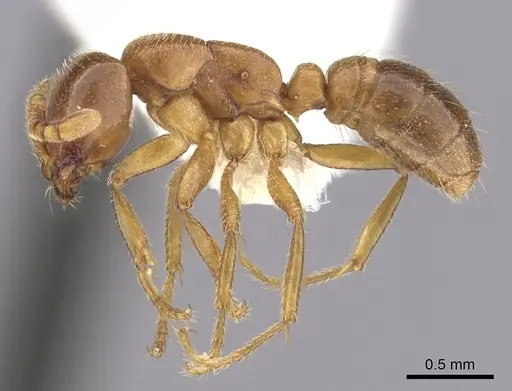
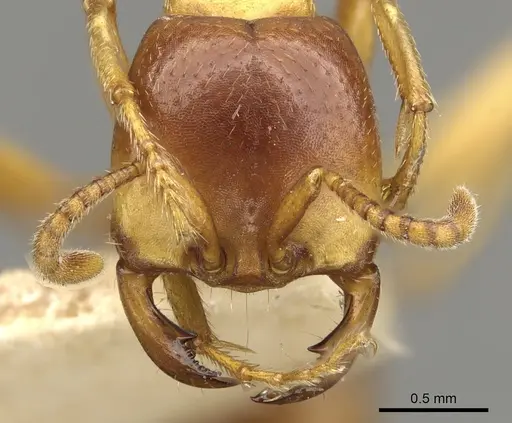
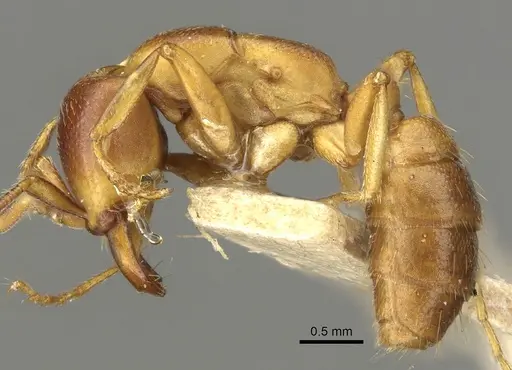
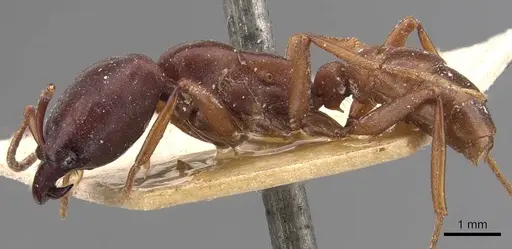
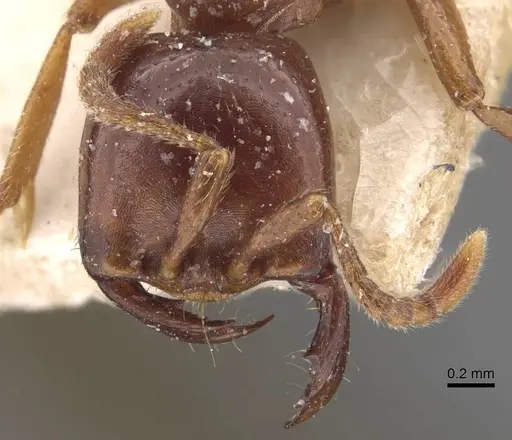
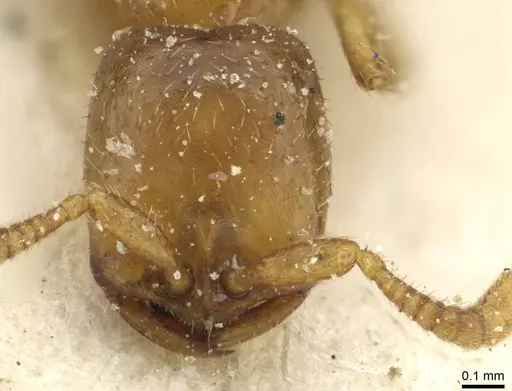
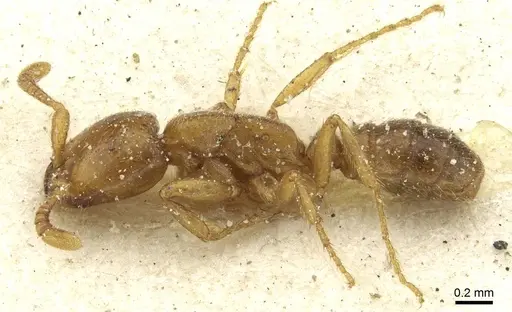
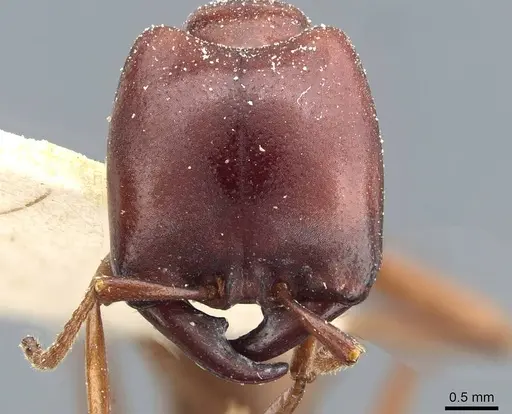
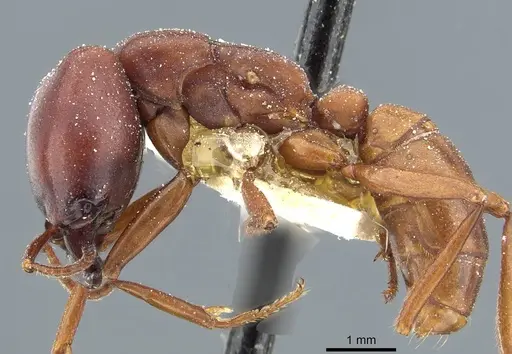
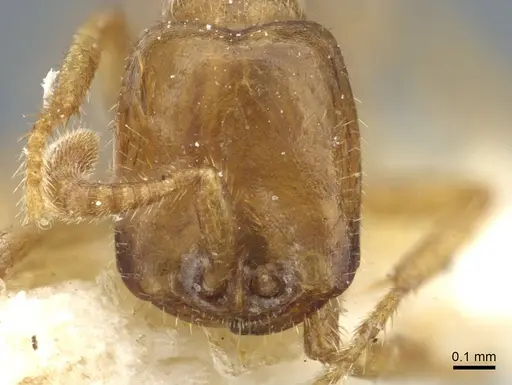
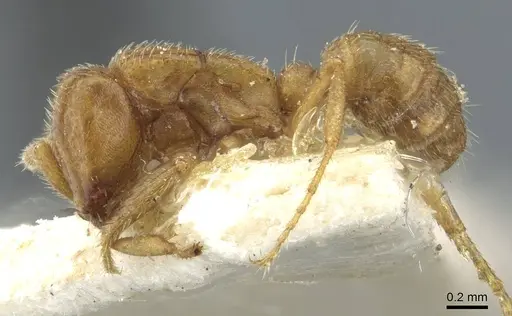
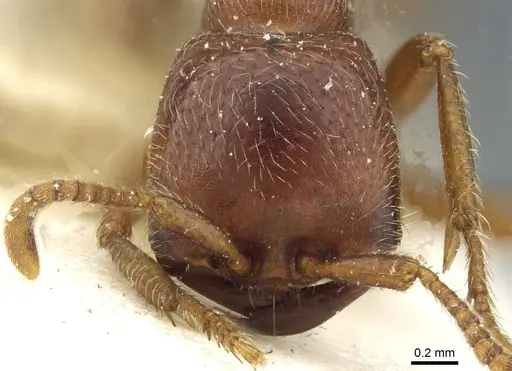
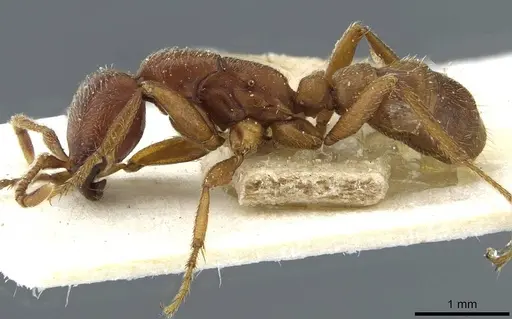
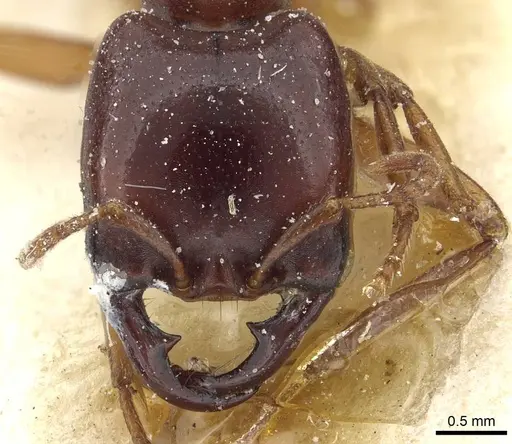
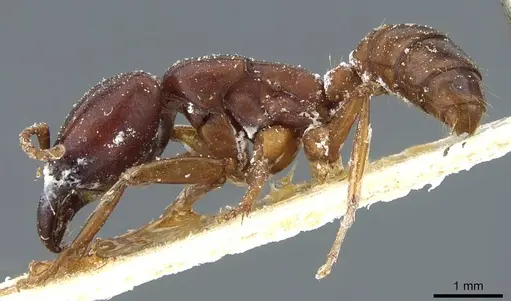
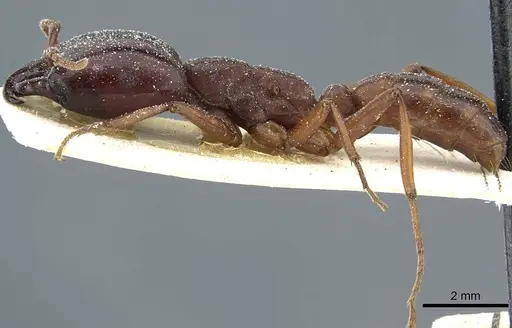
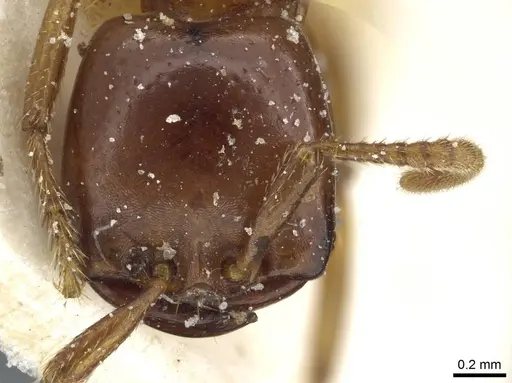
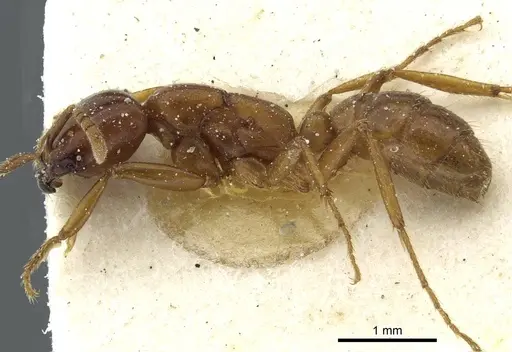
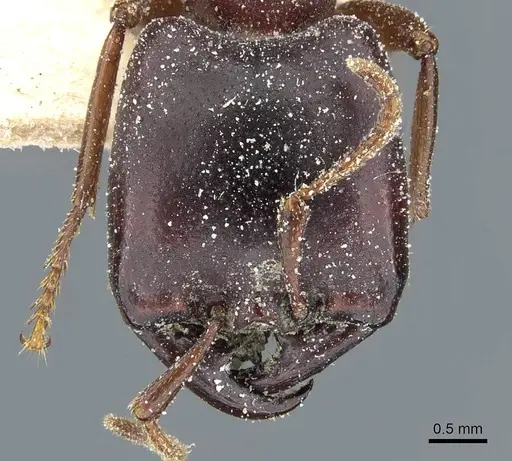
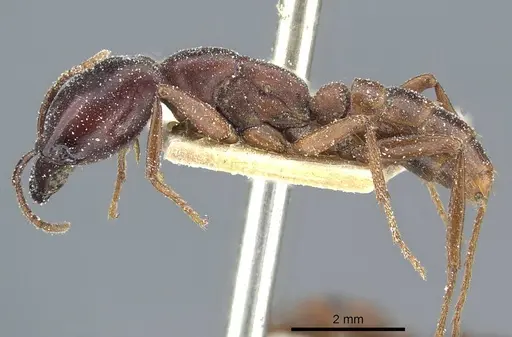
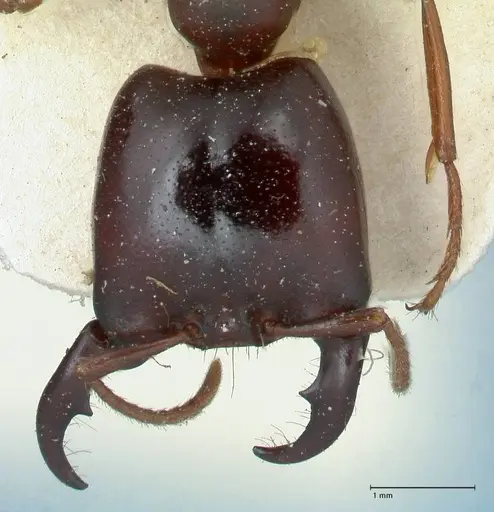
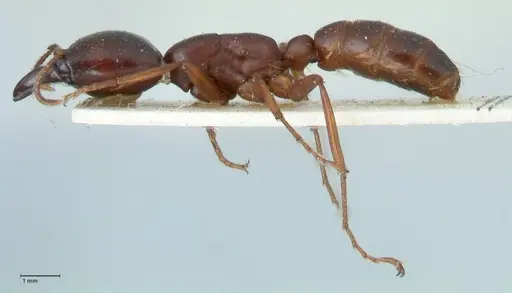
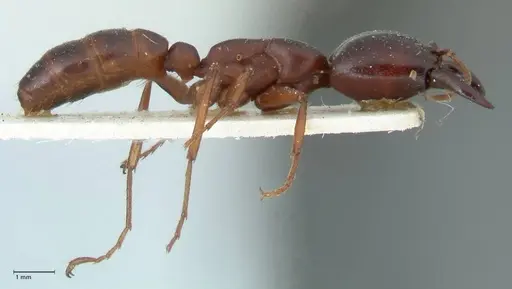
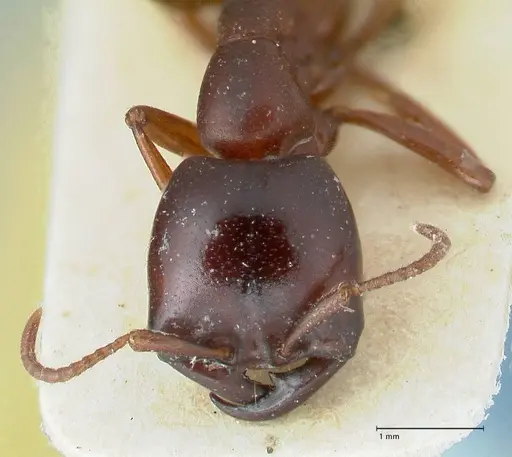
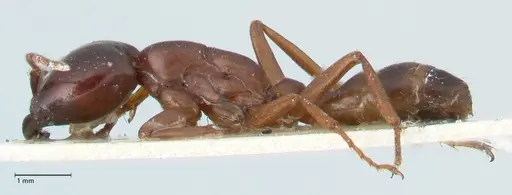
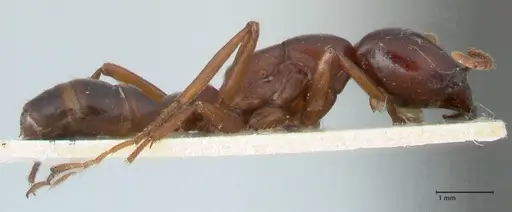
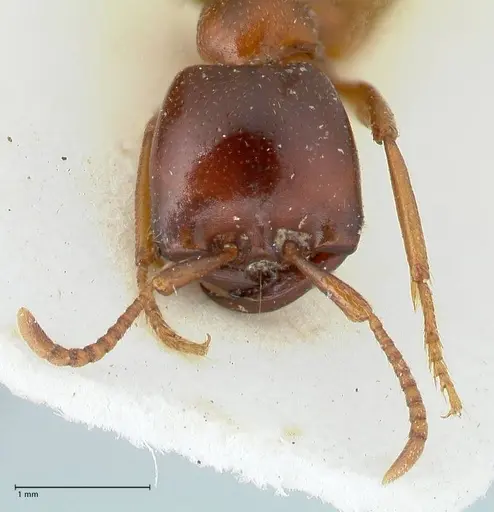
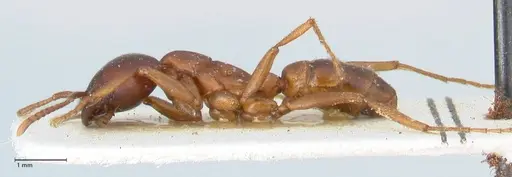
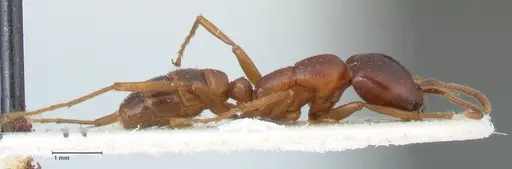
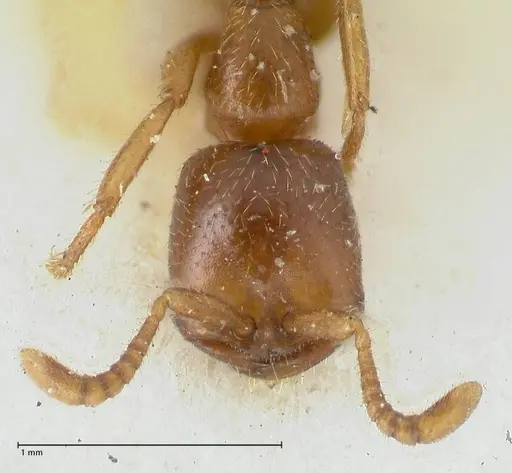
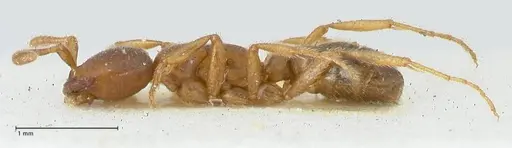
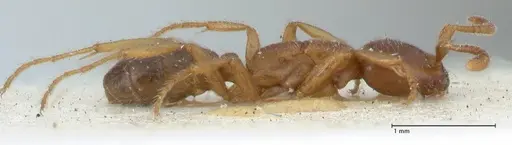
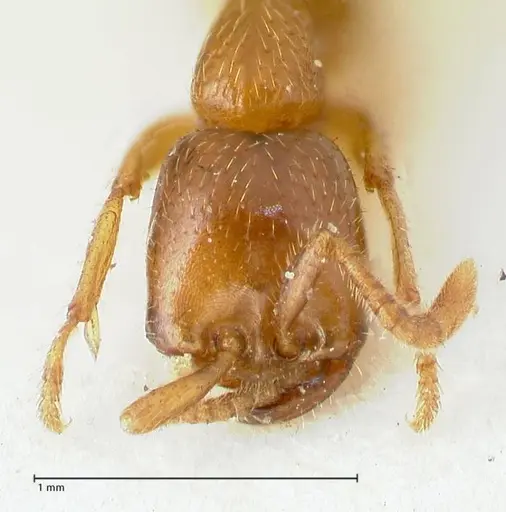
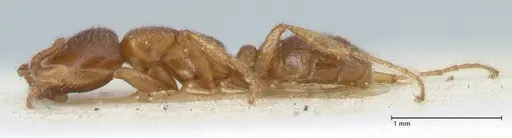
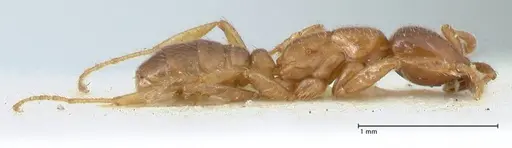
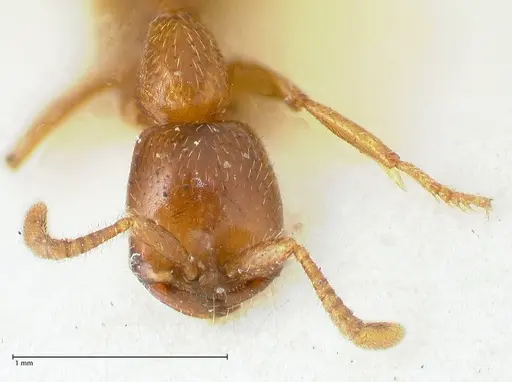
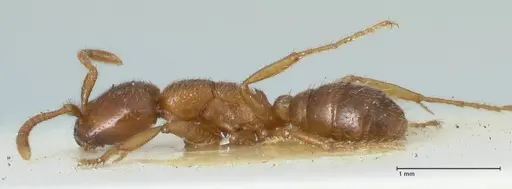
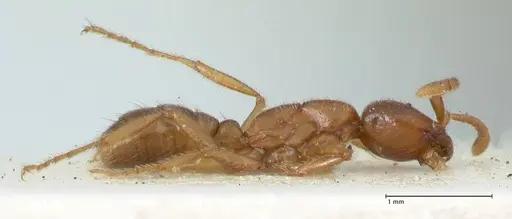
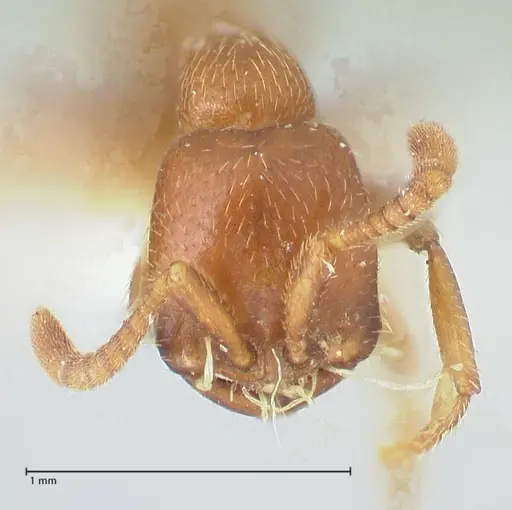
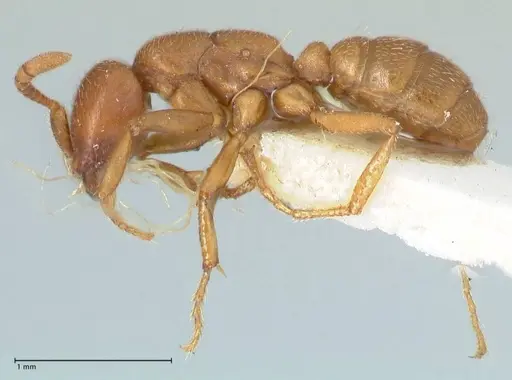
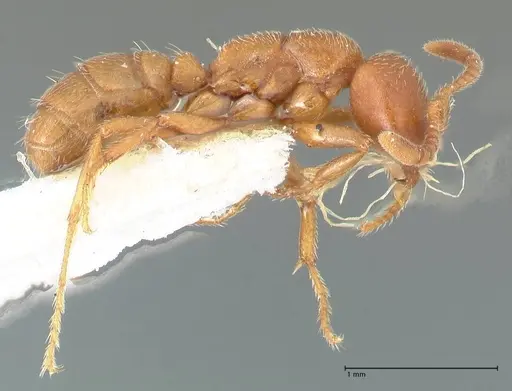
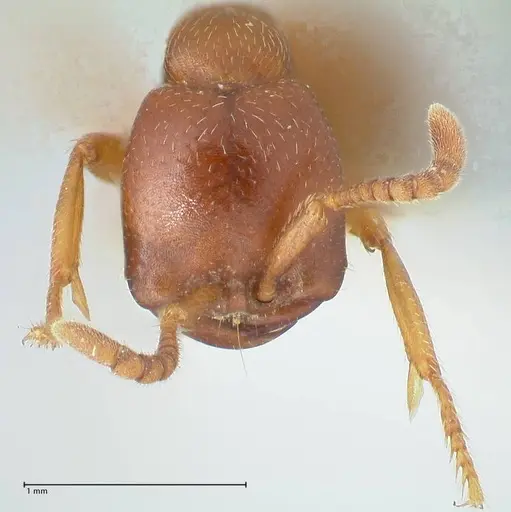
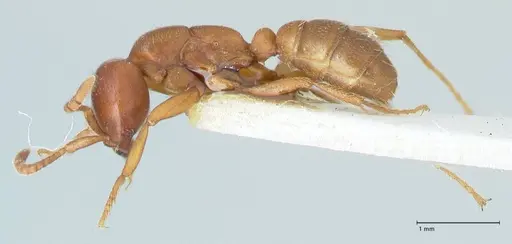
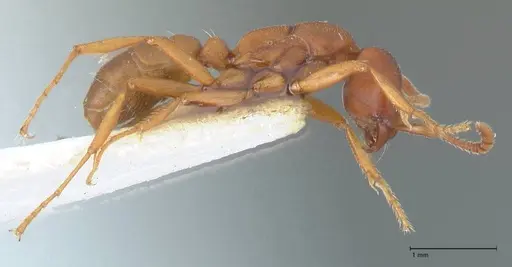
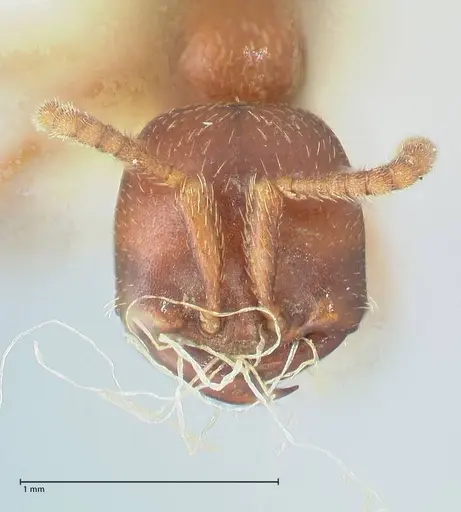
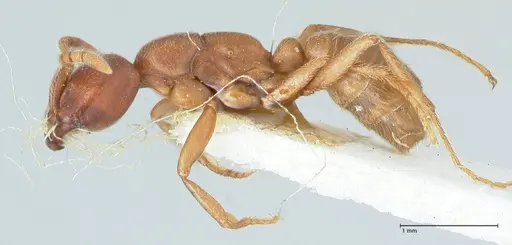
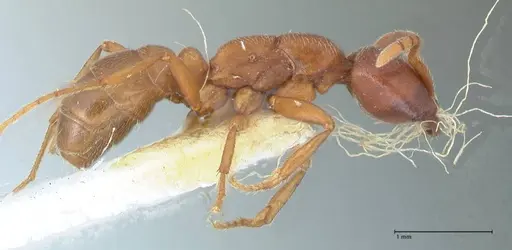
Dorylus kohli is a polymorphic army ant species native to West and Central Africa, including Benin, Cameroon, Democratic Republic of Congo, Guinea-Bissau, Kenya, Nigeria, Uganda, and Tanzania . Workers are polymorphic, with majors and minors, but specific size data is unavailable; queens are large, inferred from Dorylus genus patterns. Colonies can reach up to 3 million workers . This species belongs to the subgenus Anomma and hunts in leaf litter strata . They nest in the ground and forage widely on the surface, adapting to agricultural areas like cocoa farms and mango orchards .
Quick Summary
- Difficulty: Expert
- Origin & Habitat: West and Central Africa (Benin, Cameroon, DRC, Guinea-Bissau, Kenya, Nigeria, Uganda, Tanzania). Found in forest zones and agricultural areas, nesting in ground and foraging in leaf litter [1].
- Colony Type: Colony structure is unconfirmed, but army ants often have multiple queens, nomadic behavior with temporary bivouacs.
- Size & Growth:
- Queen: Size data unavailable, inferred from Dorylus genus to be large
- Worker: Polymorphic, but specific size data unavailable
- Colony: Up to 3 million workers [2]
- Growth: Fast, inferred from army ant patterns
- Development: Unknown, no data available in research context (Development likely rapid due to army ant colony dynamics)
- Antkeeping:
- Temperature: Keep warm, roughly 24-28°C, based on tropical range inference, specific needs unconfirmed
- Humidity: Maintain a humidity gradient with moist substrate in outworld, based on ground-nesting habitat
- Diapause: No, tropical species do not require hibernation
- Nesting: Not suitable for conventional ant keeping, army ants are nomadic and require large, complex setups with multiple connected spaces for temporary bivouacs [3]
- Behavior: Extremely aggressive predatory behavior, raids in columns to overwhelm prey. Workers are polymorphic with distinct soldier caste. Nomadic lifestyle means they constantly relocate. Escape risk is high due to climbing ability and large colony size.
- Common Issues: massive colony size makes housing nearly impossible for hobbyists., nomadic behavior requires constant relocation, standard nests are inadequate., extremely aggressive and will attack any moving prey., nearly impossible to contain long-term due to size and behavior., predatory nature means they can escape from poorly sealed enclosures.
Why Dorylus kohli Is Not a Beginner Species
Dorylus kohli is one of the most challenging ant species to keep in captivity and should not be attempted by hobbyists. These are true army ants with colony sizes reaching 3 million workers [2]. Unlike typical ants, army ants are nomadic, they form temporary bivouacs and relocate every few weeks as they exhaust food sources [3]. This nomadic lifestyle is fundamental to their biology and cannot be replicated in captivity. Their aggressive predatory behavior and massive numbers make them nearly impossible to contain. Even professional antkeepers struggle with army ants. This species is best appreciated in the wild or through observation of wild colonies.
Natural History and Behavior
Dorylus kohli belongs to the subgenus Anomma, specialized for hunting in leaf litter strata [3]. Workers show intermediate traits between underground and surface-active species, meaning they hunt both underground and on the surface [3]. Workers are highly polymorphic, small minors handle foraging and brood care, while large majors defend the colony and process prey. The species is documented across West Africa in cocoa farms and mango orchards, showing adaptation to agricultural landscapes [1]. Their predatory nature is extreme, they form raiding columns that overwhelm invertebrate prey. Even vertebrates like frogs have been documented preying on them [4].
Housing and Containment - Why It's Nearly Impossible
Housing Dorylus kohli in captivity presents insurmountable challenges. The colony size alone, up to 3 million workers, requires enormous space [2]. Their nomadic nature means they need to move regularly, static enclosures cause stress and colony decline. They are exceptional climbers and will exploit any gap in an enclosure. They require constant access to large quantities of live prey. Professional facilities use dedicated rooms with special barriers and multiple connected enclosures, which is beyond hobbyist capability.
Legal and Ethical Considerations
Before considering keeping this species, verify local regulations. Dorylus kohli is native to multiple African countries, and capturing or keeping them may require permits. Removing colonies from the wild can have ecological impacts, as army ants are important predators. In many countries, keeping native army ants without authorization is illegal. For interest in army ant behavior, observe wild colonies or support conservation efforts in range countries. [1]
Frequently Asked Questions
Can I keep Dorylus kohli as a pet ant?
No. This species is not suitable for captive keeping due to colony sizes reaching 3 million workers and a nomadic lifestyle that requires constant movement [2]. It requires facility-level setups that hobbyists cannot provide.
What do Dorylus kohli ants eat?
They are aggressive predators that raid invertebrate prey in leaf litter [3]. A colony requires thousands of prey items daily, typically insects, spiders, and other arthropods.
How big do Dorylus kohli colonies get?
Colonies can reach up to 3 million polymorphic workers [2]. Workers come in various sizes, from tiny foragers to large soldiers.
Are Dorylus kohli good for beginners?
Absolutely not. This is an expert-only species due to its size, nomadic behavior, and aggressive nature.
Where does Dorylus kohli live?
They are found across West and Central Africa including Nigeria, Cameroon, Democratic Republic of Congo, Kenya, Uganda, and Tanzania. They nest in the ground and forage in leaf litter [1].
How long do Dorylus kohli workers live?
Worker lifespan is unknown in the research context.
Can I catch a queen and start a colony?
Not recommended. Army ant colonies are complex, and capturing wild colonies is ecologically harmful and may be illegal. Observing wild colonies is a better approach.
Report an Issue
The current care sheet is based fully on literature. See inconsistencies, or something that's incorrect? Please , it will be resolved after review from an admin. Contributing to the blogs tab also helps providing information, to make us be able to further improve the caresheets. Thank you for your support!
References

This caresheet is licensed under CC BY-SA 4.0 .
Community Blogs
CASENT0217150
View on AntWeb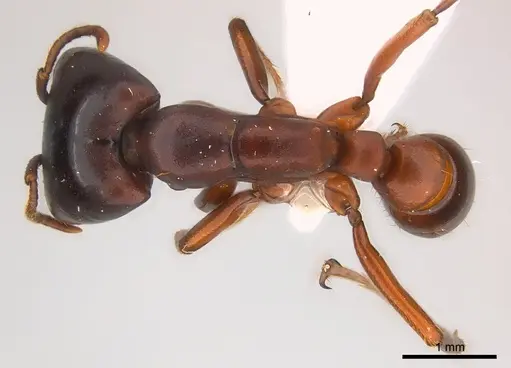
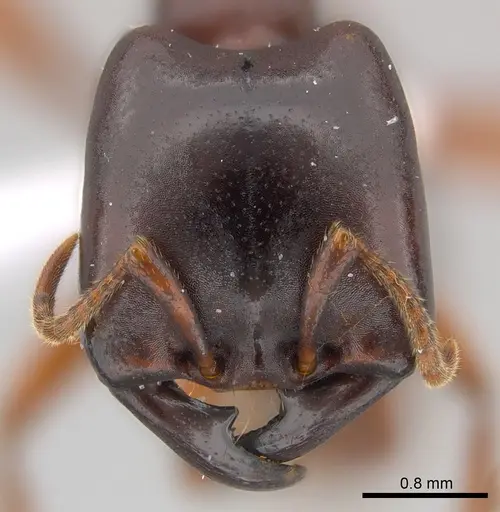
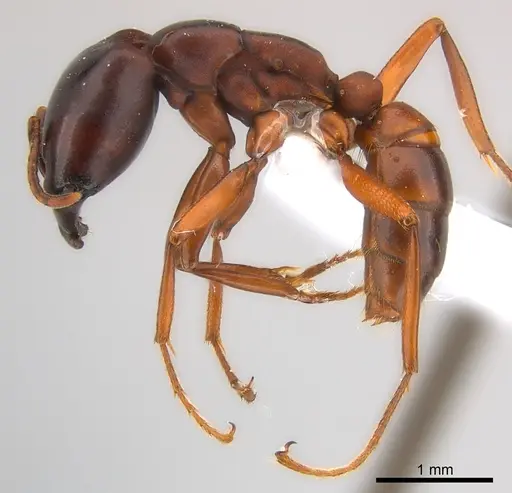
CASENT0217151
View on AntWeb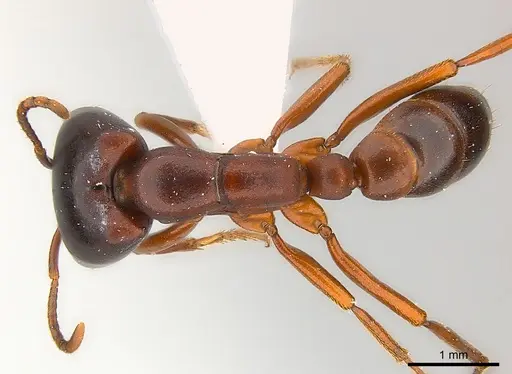
CASENT0249433
View on AntWeb
CASENT0902698
View on AntWeb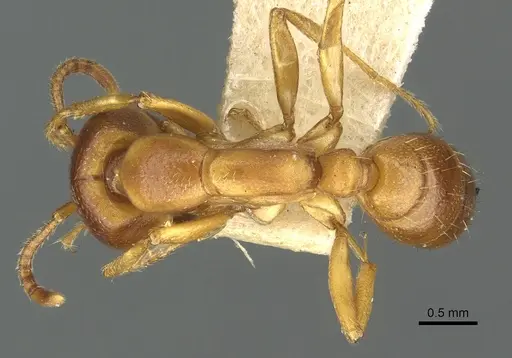
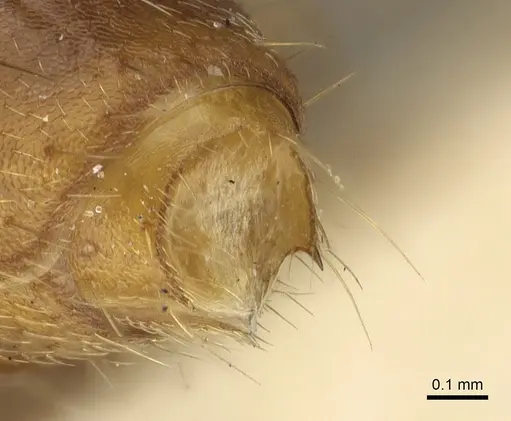
CASENT0902699
View on AntWeb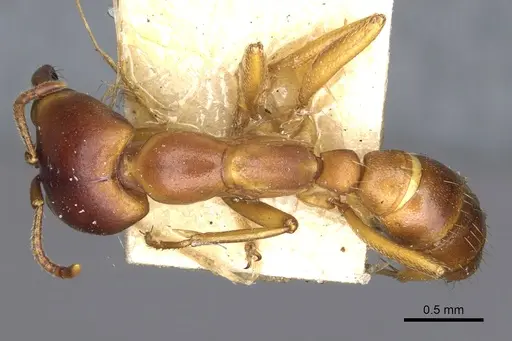
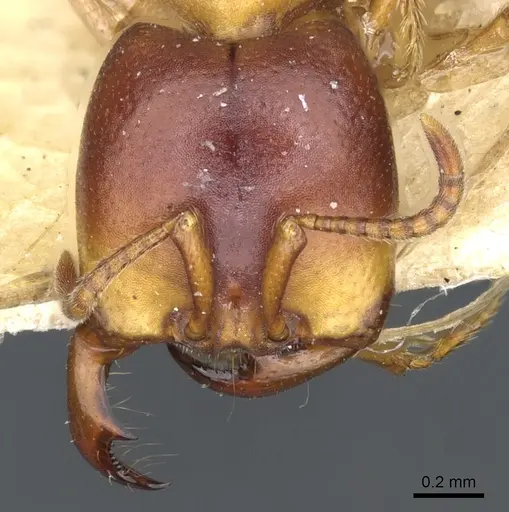
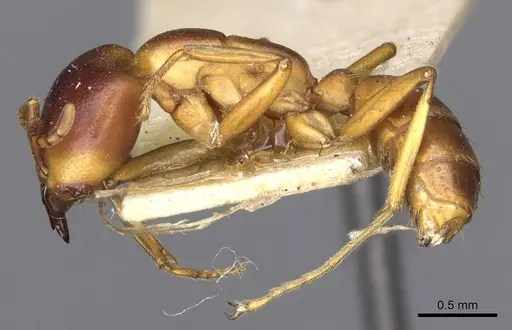
CASENT0905925
View on AntWeb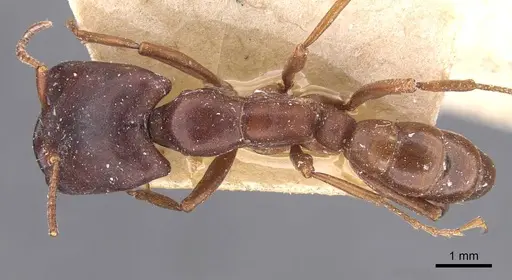

CASENT0907604
View on AntWeb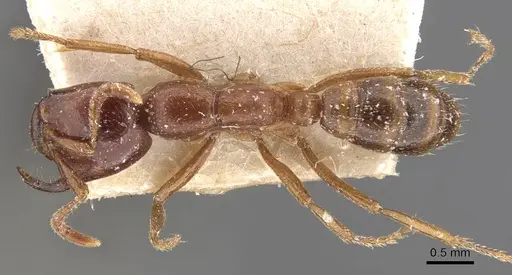
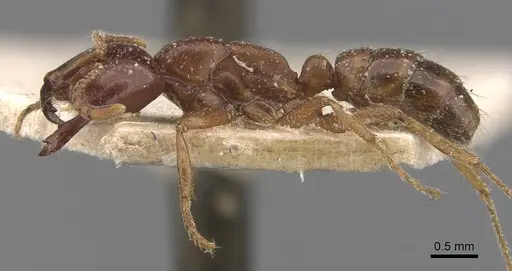
CASENT0911289
View on AntWeb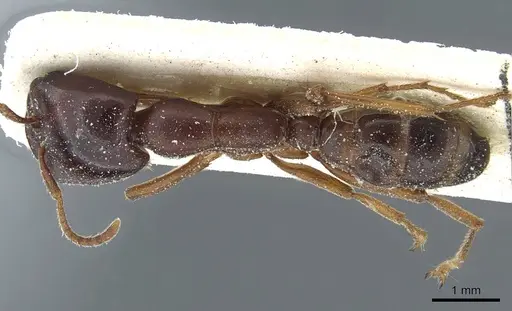
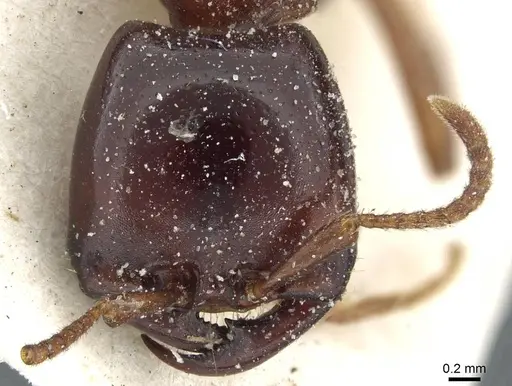
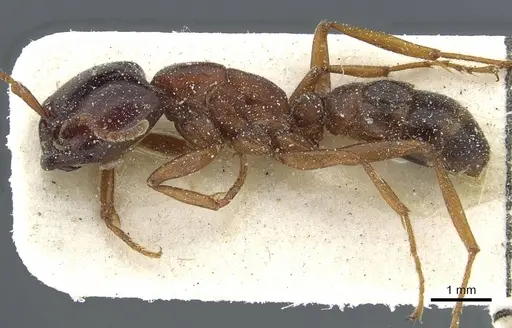
CASENT0911290
View on AntWeb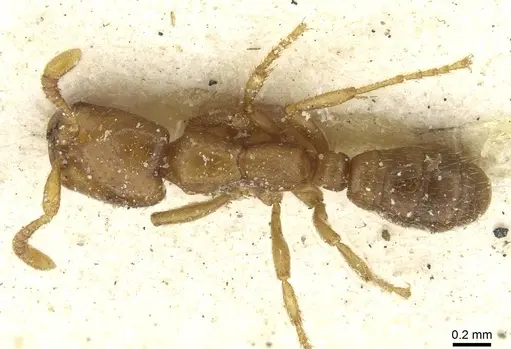
CASENT0911293
View on AntWeb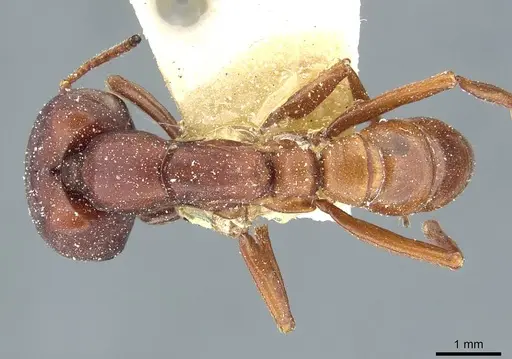
CASENT0911294
View on AntWeb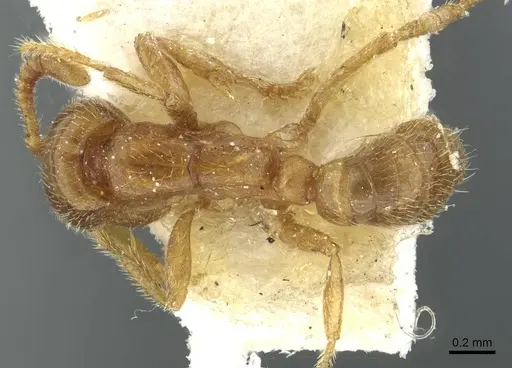
CASENT0911295
View on AntWeb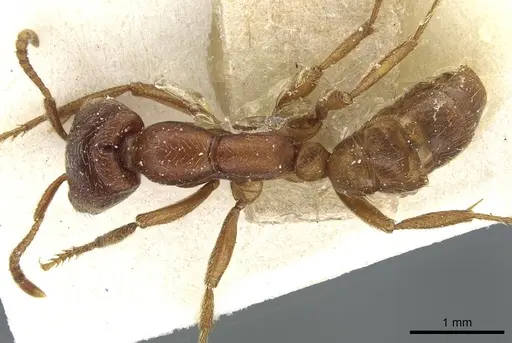
CASENT0911296
View on AntWeb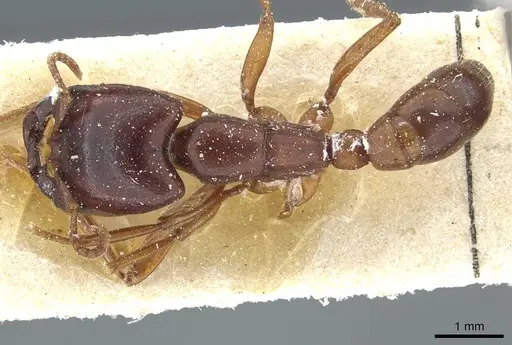
CASENT0911297
View on AntWeb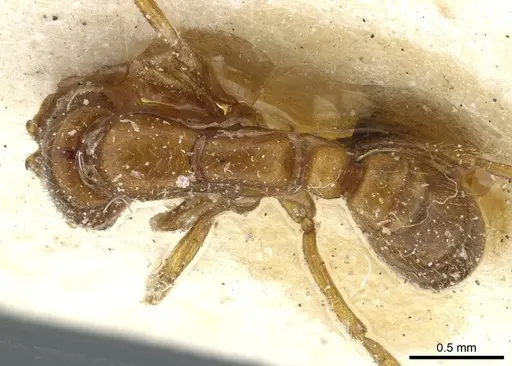
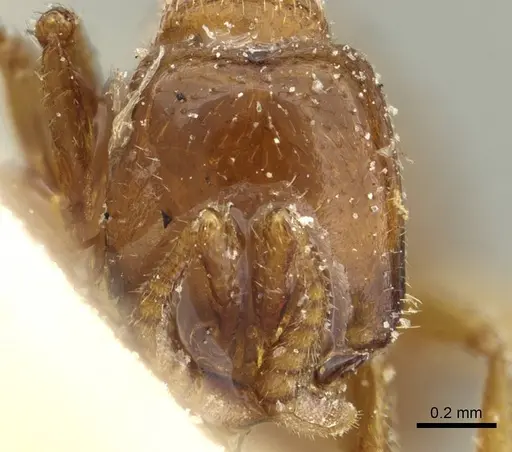
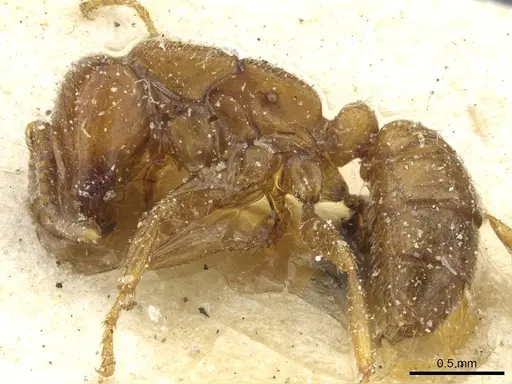
CASENT0911298
View on AntWeb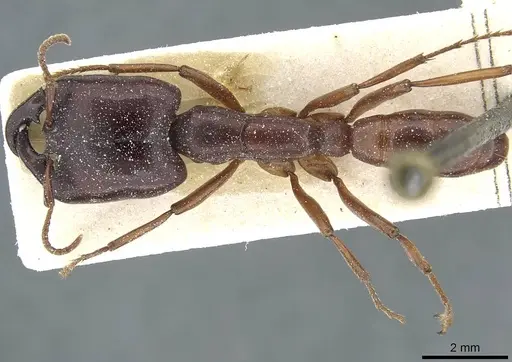
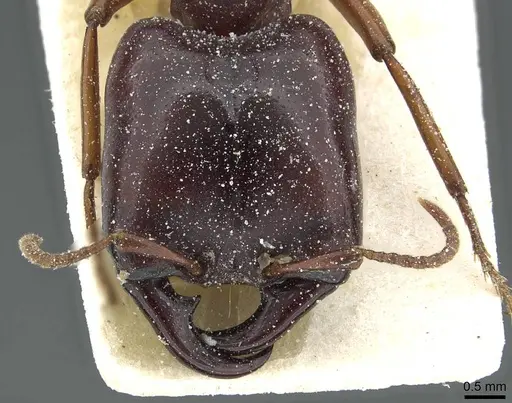
CASENT0911299
View on AntWeb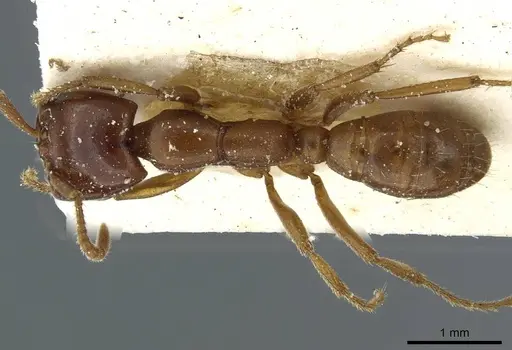
CASENT0911300
View on AntWeb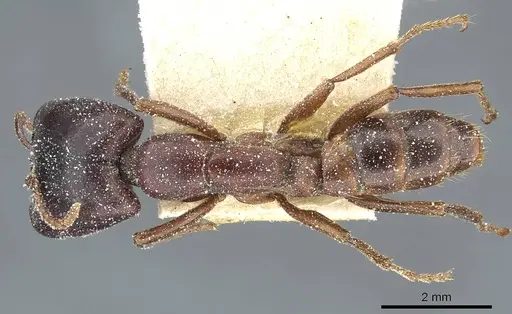
CASENT0911301
View on AntWeb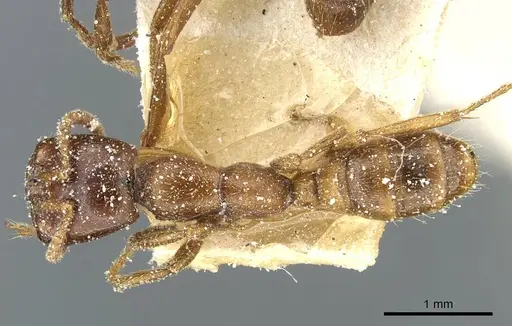
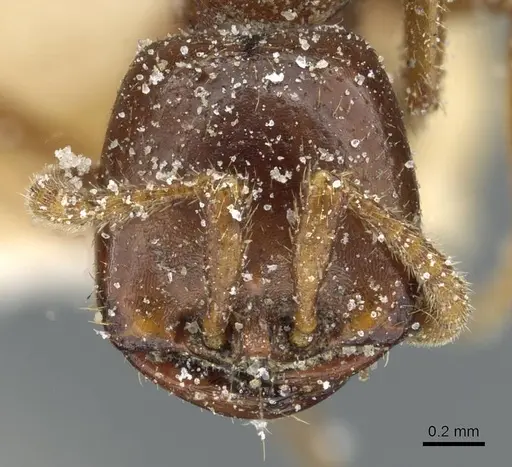
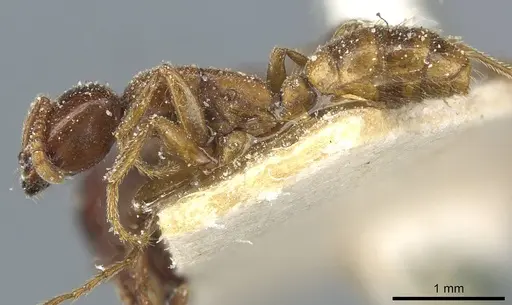
CASENT0911302
View on AntWeb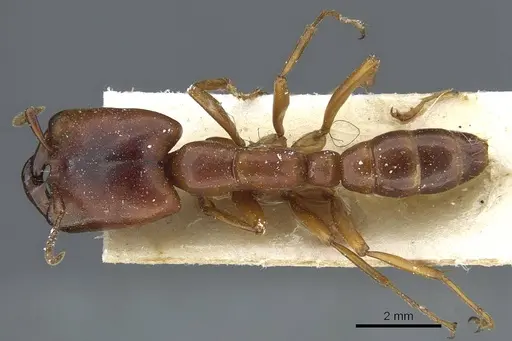
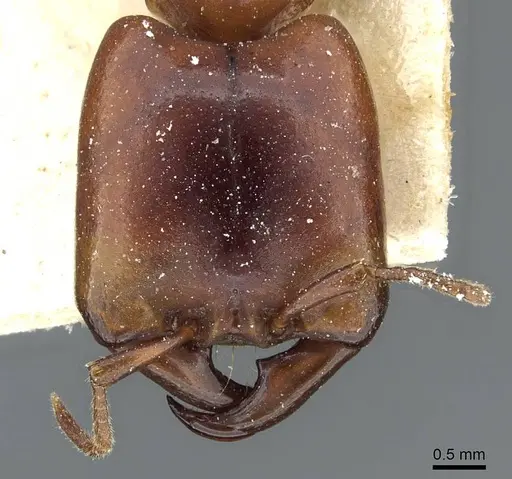
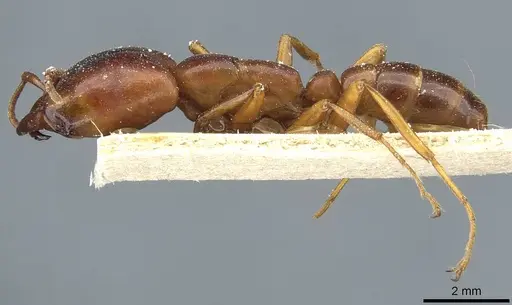
CASENT0911303
View on AntWeb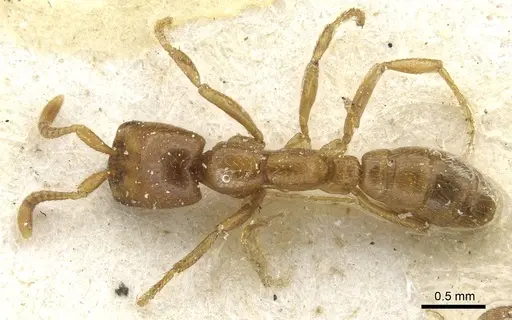
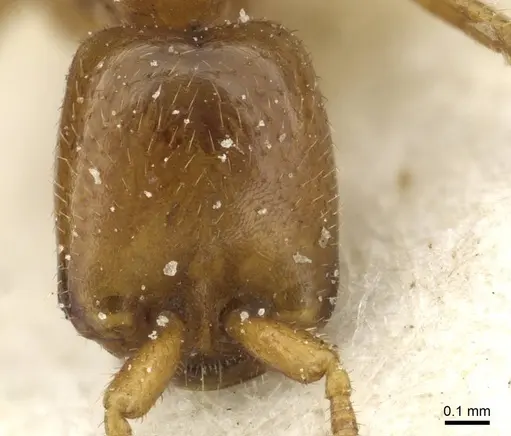
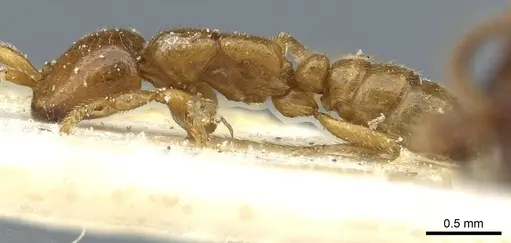
FOCOL1100
View on AntWeb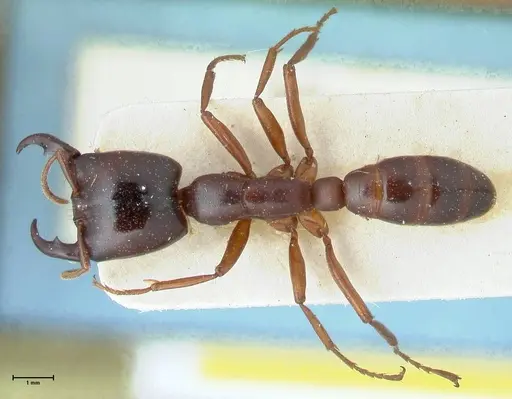
FOCOL1101
View on AntWeb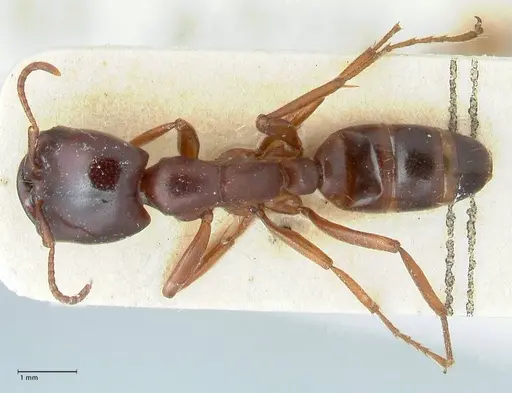
FOCOL1102
View on AntWeb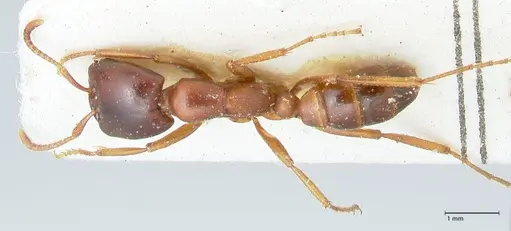
FOCOL1103-1
View on AntWeb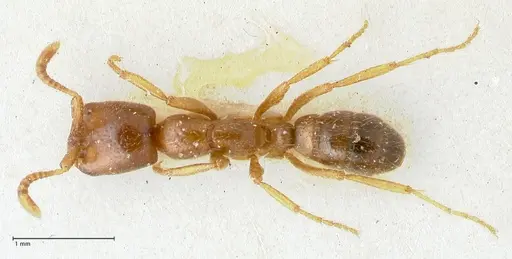
FOCOL1103-2
View on AntWeb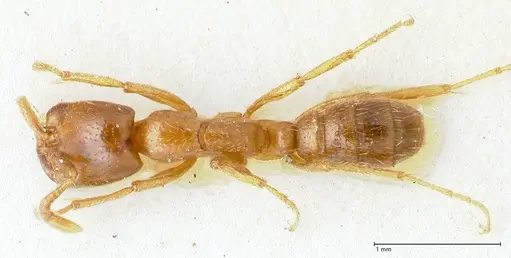
FOCOL1103-3
View on AntWeb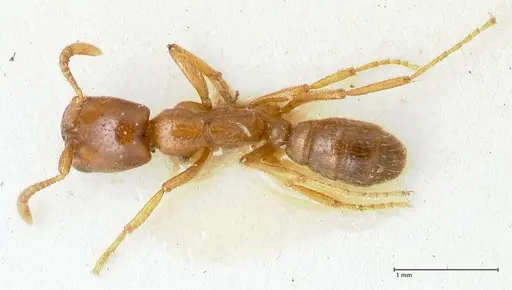
FOCOL1104
View on AntWeb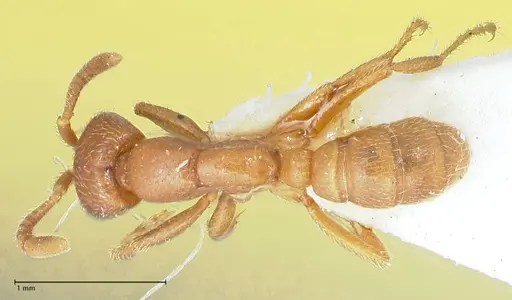
FOCOL1105
View on AntWeb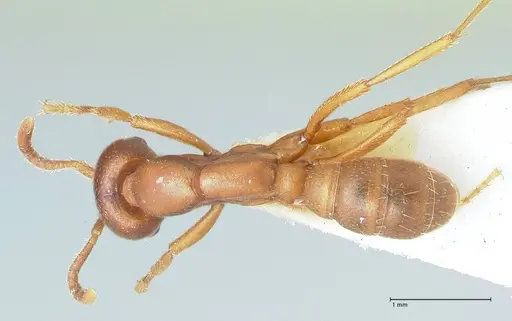
FOCOL1106
View on AntWeb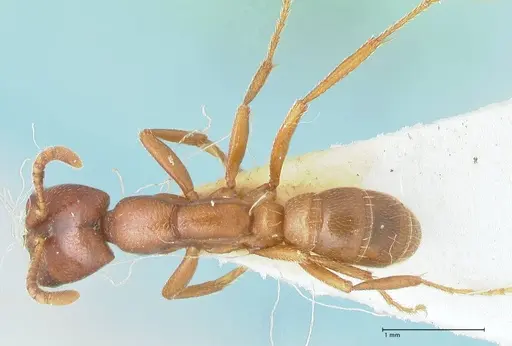
Literature
Loading distribution map...Loading products...