
Dorylus gribodoi
- Sci. Name
- Dorylus gribodoi
- Subfamily
- Dorylinae
- Author
- Emery, 1892
- Distribution
- Found in 5 countries
Introduction
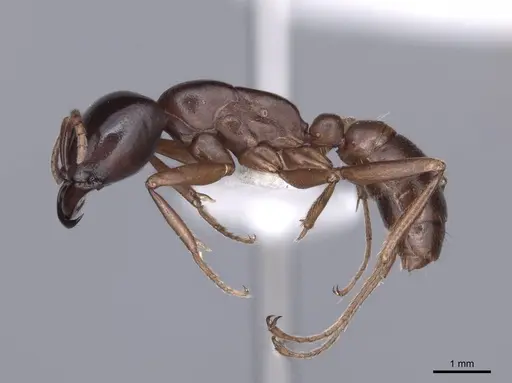
Dorylus gribodoi is a polymorphic army ant species found across West Africa from Guinea to Cameroon. Workers show remarkable size variation, ranging from tiny minors to major workers, making them one of the more size-variable Dorylus species . The species is restricted to humid rainforest and gallery forest habitats, typically occurring at elevations up to 1600 meters . Unlike the famous driver ants that conduct massive surface raids, D. gribodoi hunts primarily in the leaf-litter layer and retreats to underground tunnels when disturbed . This species is notable for its nearly exclusive diet of earthworms, an unusual specialization among army ants, and its extremely cryptic nesting habits make it one of the hardest Dorylus species to find in the wild .
Quick Summary
- Difficulty: Expert
- Origin & Habitat: West Africa (Guinea to Cameroon), found in humid rainforest and gallery forest in mixed savanna-forest landscapes at elevations up to 1600m [1][2]
- Colony Type: Colony structure is unconfirmed.
- Size & Growth:
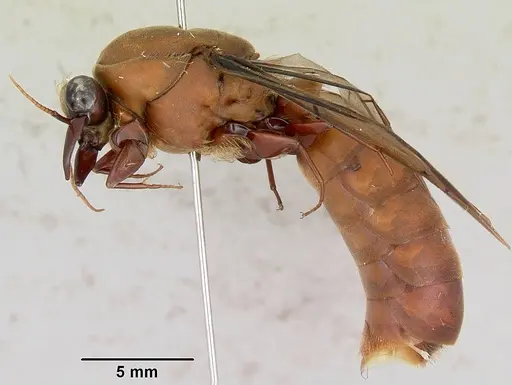
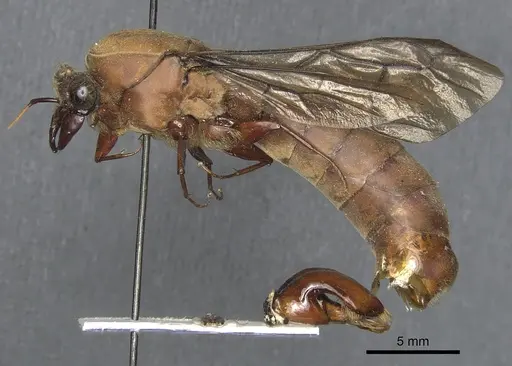
- Queen: Approximately 40 mm total length [1]
- Worker: Highly polymorphic, size data unavailable (workers range from small to large based on head measurements) [1]
- Colony: Unknown, nests are extremely difficult to locate in the wild [1]
- Growth: Unknown
- Development: Unknown, no direct development studies exist for this species (Development timeline has not been studied.)
- Antkeeping:
- Temperature: Keep at 24-28°C based on their West African rainforest origin. Provide a temperature gradient allowing workers to self-regulate.
- Humidity: High humidity required, their natural habitat is humid rainforest. Keep nest substrate consistently moist but not waterlogged.
- Diapause: Unknown, West African species may have reduced activity periods rather than true hibernation
- Nesting: In captivity, provide a deep, naturalistic setup with multiple chambers connected by tunnels. They prefer to nest underground and will retreat when exposed to light. A plaster or soil nest with narrow passages scaled to their polymorphic workers works well.
- Behavior: These are cryptic army ants that raid in the leaf-litter layer rather than conducting massive surface raids. Workers move at approximately 2 cm/s and will retreat into tunnels when disturbed or exposed to sun [3][1]. They are specialized earthworm predators, this is their primary prey in the wild [1]. Workers are not aggressive toward humans and rarely sting. Escape prevention is important due to their small worker size, use fine mesh barriers.
- Common Issues: specialized diet makes feeding difficult, they primarily eat earthworms, which most antkeepers cannot reliably provide, cryptic nesting habits mean colonies are extremely hard to establish and maintain in captivity, high humidity requirements can lead to mold problems if ventilation is inadequate, nomadic colony movement may cause stress when kept in fixed formicaria, wild-caught colonies may have parasites or fail to adapt to captive conditions
Understanding Dorylus gribodoi
Dorylus gribodoi is a West African army ant species that stands out from its more famous relatives like the driver ants. While most people think of army ants as massive raiding columns that swarm across the forest floor, this species takes a more subtle approach. They conduct their raids in the leaf-litter layer, the thin zone of decaying leaves and soil on the forest floor, rather than emerging onto open ground [1].
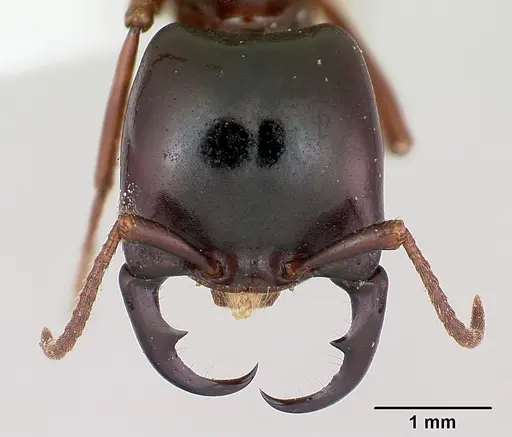
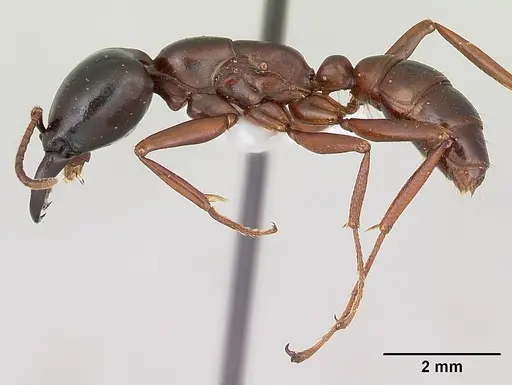
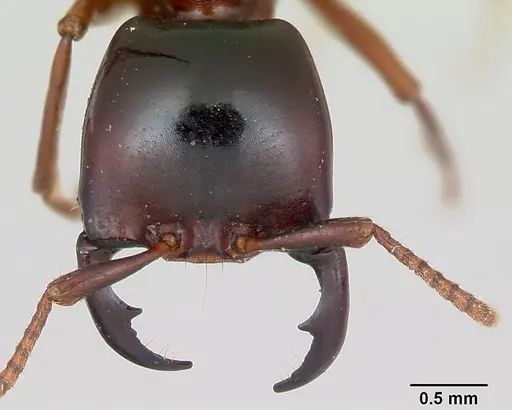
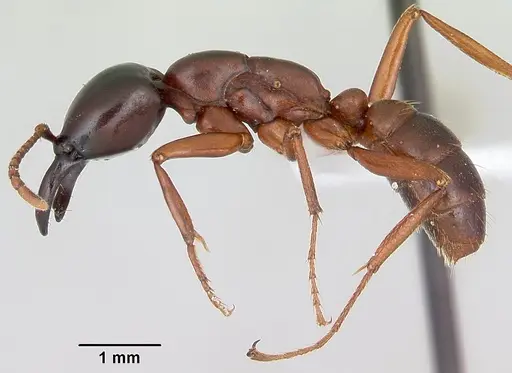
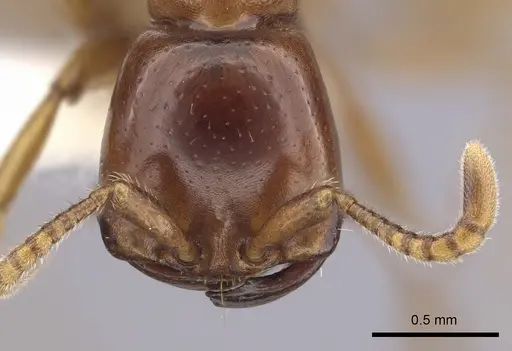
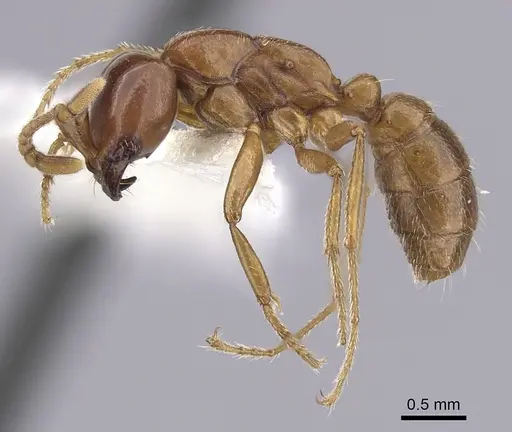
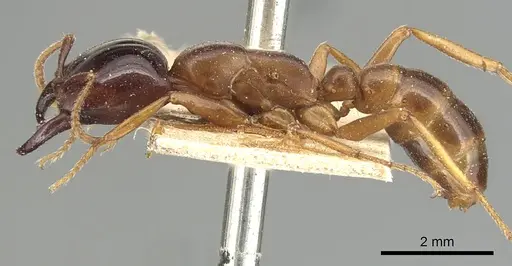
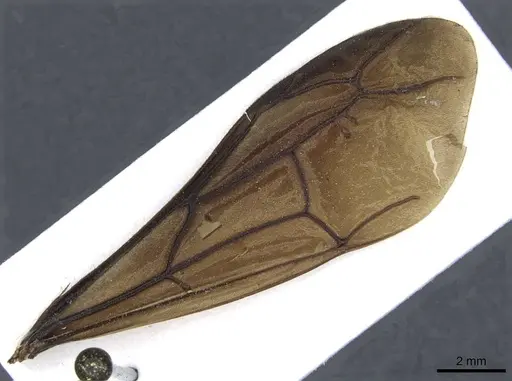
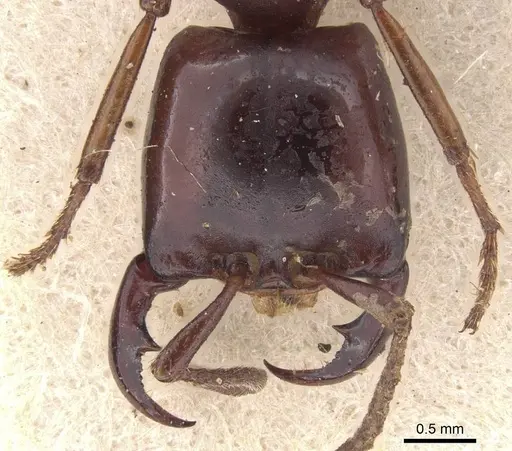
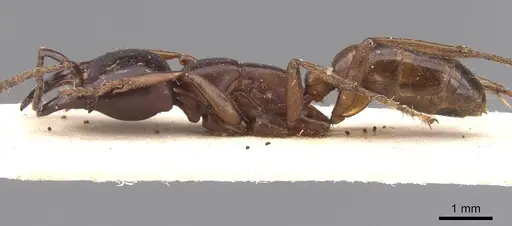
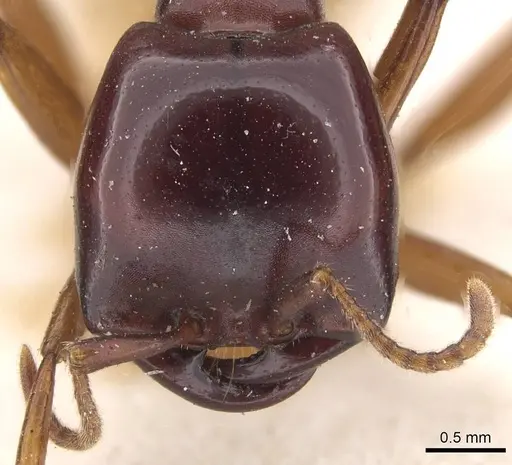
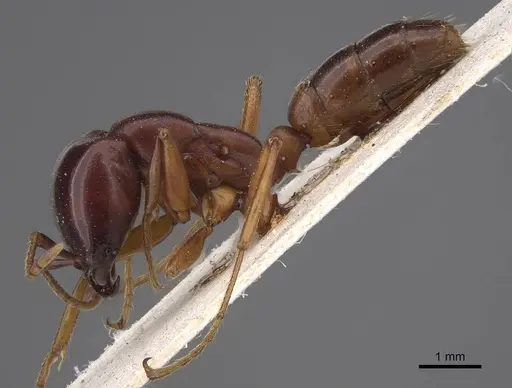
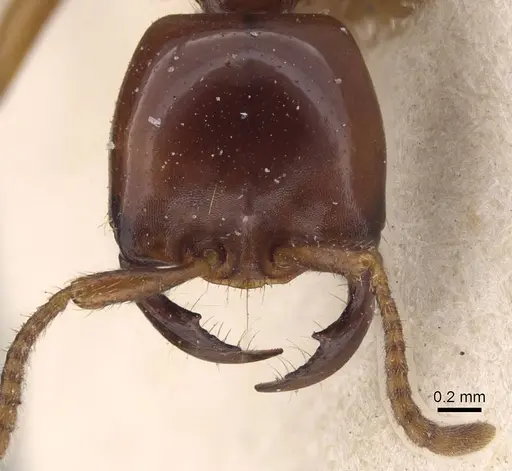
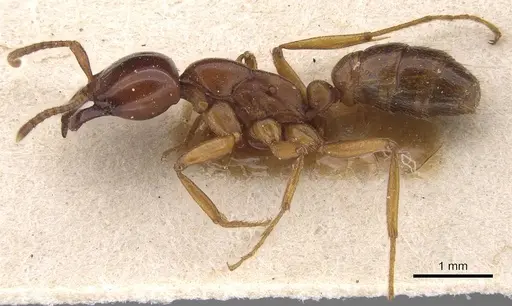
One of the most striking features of this species is worker polymorphism. Workers range from very small minors to large majors [1]. This size variation is among the highest in the Dorylus genus. The workers have distinctive features including a nearly round petiole when viewed from above and small horns on the posterior head margin in larger specimens [1].
Perhaps most remarkably, these ants appear to prey almost exclusively on earthworms [1]. This is highly unusual among army ants, which typically target a wide variety of invertebrates. Their specialized diet and cryptic habits make them one of the most difficult Dorylus species to study in the wild, their nests are described as much less conspicuous than driver ant species and extremely difficult to find [1].
Natural History and Ecology
In the wild, Dorylus gribodoi occupies a narrow ecological niche across West Africa. Their distribution spans from Guinea and Liberia in the west through Ivory Coast, Ghana, Nigeria, Cameroon, and into the Congo Basin [1][2]. They are strictly tied to humid habitats, think rainforest understories and gallery forests threading through savanna landscapes. They have been recorded at elevations up to 1600 meters above sea level [1].
Their behavior sets them apart from typical army ants. When disturbed or exposed to sunlight, workers quickly retreat into tunnels rather than swarming defensively [1]. They move at a moderate pace of about 2 cm/s, which researchers classify as an intermediate lifestyle compared to more sedentary and more nomadic Dorylus species [3].
Interestingly, these ants have a unique relationship with chimpanzees. At Bossou in Guinea and Taï National Park in Ivory Coast, chimpanzees have been observed feeding on D. gribodoi workers. They use sticks to dip into trails and collect workers, or they dig into nests to harvest brood and adults [1]. This behavior has been passed down through generations of chimpanzees, making it a form of cultural tradition.
Housing and Nest Setup
Keeping Dorylus gribodoi in captivity presents significant challenges. These ants are adapted to underground life and will not thrive in exposed, brightly lit setups. You will need to create a dark, humid environment that mimics their natural leaf-litter hunting grounds.
A naturalistic setup works best, think deep substrate with multiple connected chambers. The chambers should be connected by narrow tunnels that allow workers to move between areas. Use a moisture-retaining substrate like a mix of soil and sand that stays damp but never waterlogged. Provide a water reservoir connected to the nest area to maintain humidity without flooding.
Because they are polymorphic, include chambers and passages of varying sizes. The tiny minors can squeeze through very small gaps, while the majors need larger spaces. This means escape prevention must be excellent, use fine mesh on any openings.
Lighting should be minimal. These ants retreat from light aggressively, so cover the nest with multiple layers of dark material and only observe under dim red light. [1]
Feeding and Diet
This is the biggest challenge in keeping Dorylus gribodoi. In the wild, they appear to prey almost exclusively on earthworms [1]. This is one of the most specialized diets known among army ants. Providing this in captivity is extremely difficult.
Earthworms or enchytraeids should be the primary food source. You may be able to culture small earthworms or purchase them regularly, but this requires significant effort and expense. Other soft-bodied invertebrates may be accepted experimentally, but success is uncertain.
Do not rely on sugar sources or typical ant foods. While some Dorylus species will accept honey or sugar water, this species' specialized earthworm diet suggests they may not. Offer small live prey items and remove any uneaten food within 24 hours to prevent mold.
Feeding frequency should be based on colony activity, provide prey when the outworld activity increases or when previous prey has been consumed.
Temperature and Humidity
As a West African rainforest species, Dorylus gribodoi requires warm, humid conditions. Aim for temperatures in the range of 24-28°C, with a slight gradient allowing workers to self-regulate. Room temperature may be adequate if your home stays in this range, otherwise use a heating cable on one side of the nest.
Humidity is critical. Their natural habitat is perpetually humid rainforest. Keep the nest substrate consistently moist, it should feel damp to the touch but not have standing water. Check regularly and rehydrate as needed rather than on a fixed schedule. A water reservoir connected to the nest helps maintain stable humidity through evaporation.
Good ventilation is also important to prevent mold. However, avoid excessive airflow that dries out the nest. The goal is stagnant but moist air, not moving dry air. [1]
Behavior and Colony Dynamics
Dorylus gribodoi exhibits behavior typical of army ants, though less dramatic than surface-raiding species. Colonies may move periodically as they deplete prey in their hunting grounds. In captivity, this can be stressful as they may attempt to escape or become stressed in fixed enclosures.
Workers are fast-moving and alert. When threatened or exposed to bright light, they immediately retreat into tunnels rather than attacking [1]. They are not particularly aggressive toward humans and rarely sting.
The caste system is fascinating, the extreme polymorphism means you will see workers of dramatically different sizes in the same colony. The majors serve as defensive and prey-processing specialists, while the numerous minors handle most foraging and brood care.
Observing their hunting behavior can be rewarding if you can provide appropriate prey. They hunt cooperatively in the leaf-litter layer, searching for earthworms and other soft-bodied invertebrates.
Frequently Asked Questions
Is Dorylus gribodoi suitable for beginners?
No. This is an expert-level species due to its specialized earthworm diet, high humidity requirements, and cryptic nesting behavior. Most antkeepers cannot reliably provide the earthworm prey they need.
What do Dorylus gribodoi eat in captivity?
Their primary food should be earthworms or small soft-bodied invertebrates. They appear to prey almost exclusively on earthworms in the wild, making this the most critical aspect of their care [1].
How big do Dorylus gribodoi colonies get?
The maximum colony size is unknown. Their nests are extremely difficult to find in the wild, and no colony size data exists in the scientific literature [1].
What temperature do Dorylus gribodoi need?
Keep them at 24-28°C based on their West African rainforest origin. Provide a temperature gradient so workers can self-regulate.
Do Dorylus gribodoi need hibernation?
This is unknown. As a West African species, they likely do not require true hibernation but may have reduced activity periods. Monitor your colony and reduce feeding if activity decreases.
Can I keep multiple queens together?
Colony structure is unconfirmed for this species. Combining unrelated queens is not recommended as it has not been documented.
How long does it take for first workers to emerge?
The egg-to-worker development timeline is unknown, no direct studies exist for this species.
Why are my Dorylus gribodoi dying?
Common causes include: inability to provide earthworm prey, incorrect humidity (too dry or too wet), stress from excessive light or disturbance, and parasites from wild-caught colonies. This species is extremely difficult to maintain long-term.
What size are Dorylus gribodoi workers?
They are highly polymorphic, workers range from small minors to large majors [1]. This is one of the most size-variable Dorylus species.
Where is Dorylus gribodoi found?
They are found across West Africa from Guinea and Liberia to Cameroon, in humid rainforest and gallery forest habitats [1][2].
Report an Issue
The current care sheet is based fully on literature. See inconsistencies, or something that's incorrect? Please , it will be resolved after review from an admin. Contributing to the blogs tab also helps providing information, to make us be able to further improve the caresheets. Thank you for your support!
References

This caresheet is licensed under CC BY-SA 4.0 .
Community Blogs
CASENT0172625
View on AntWeb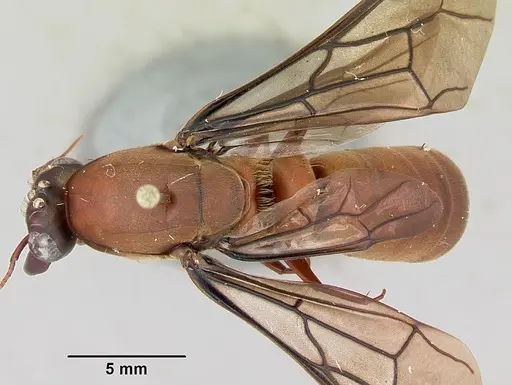
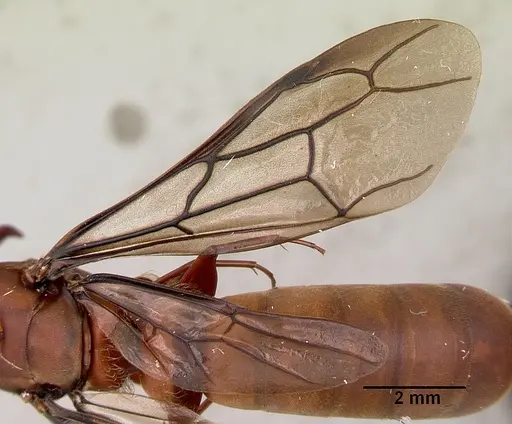
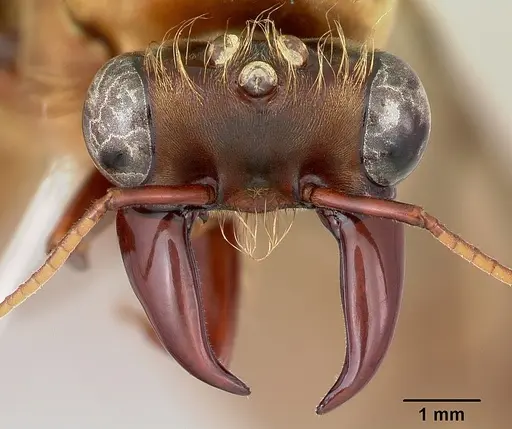
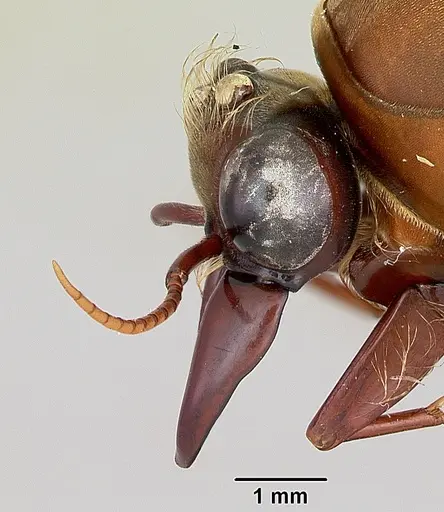
CASENT0172626
View on AntWeb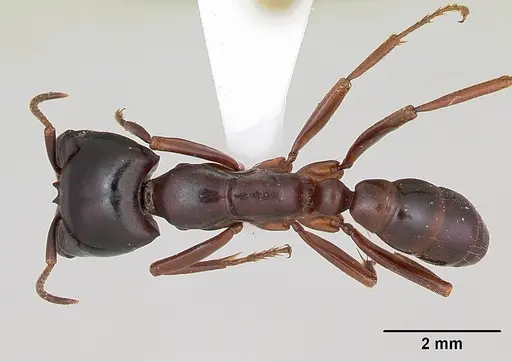
CASENT0172627
View on AntWeb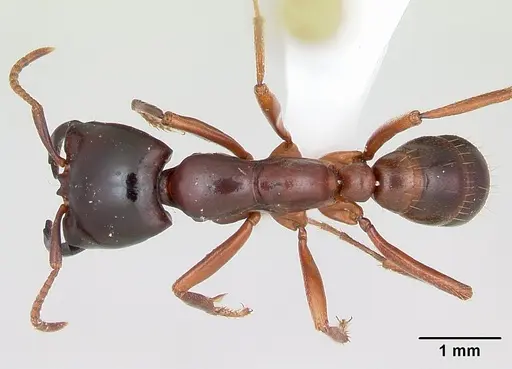
CASENT0249431
View on AntWeb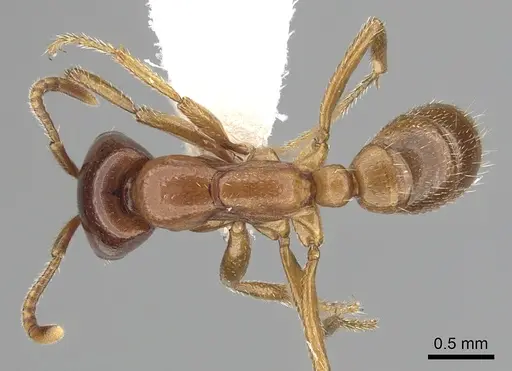
CASENT0249432
View on AntWeb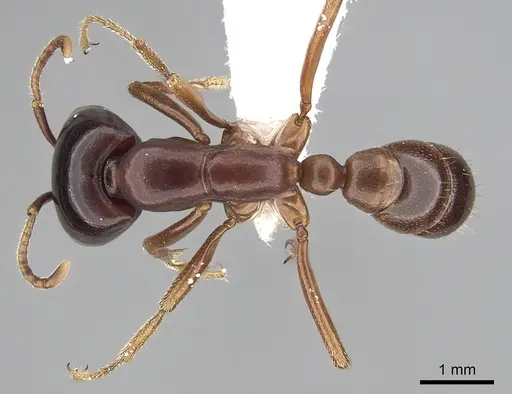
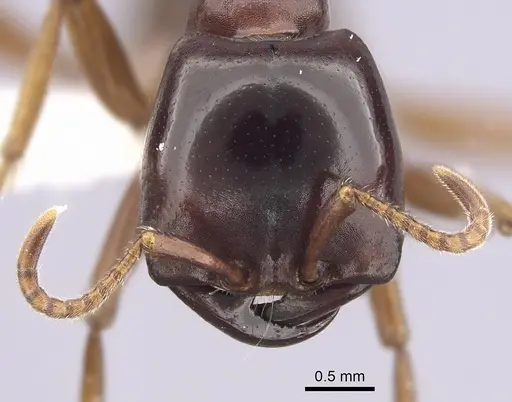
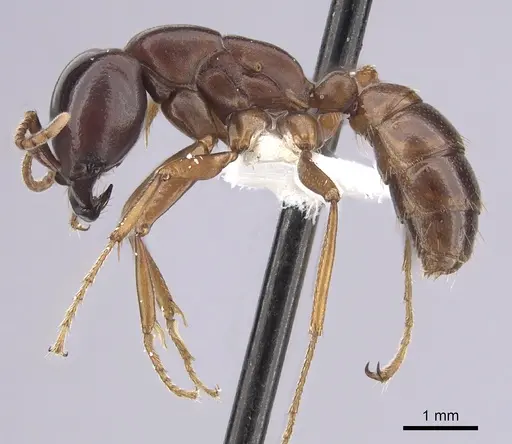
CASENT0903694
View on AntWeb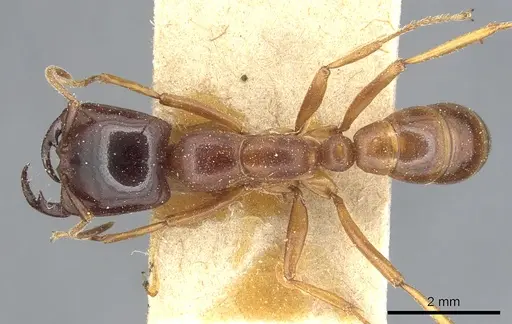
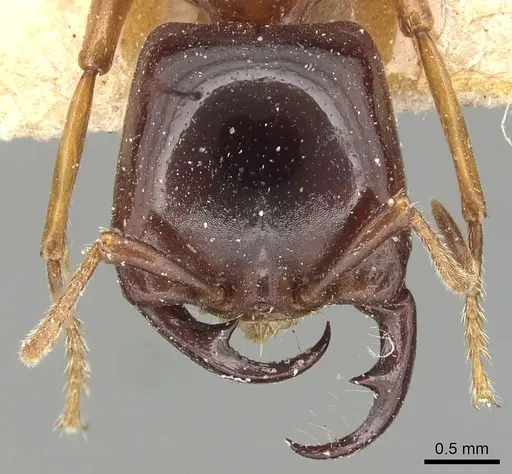
CASENT0903706
View on AntWeb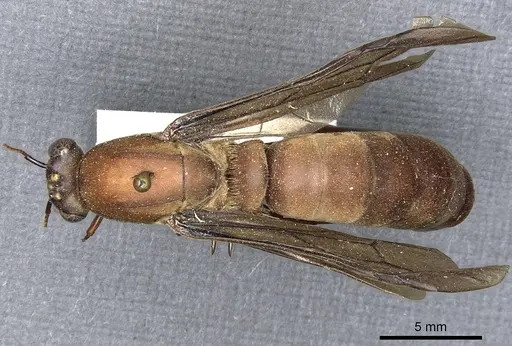
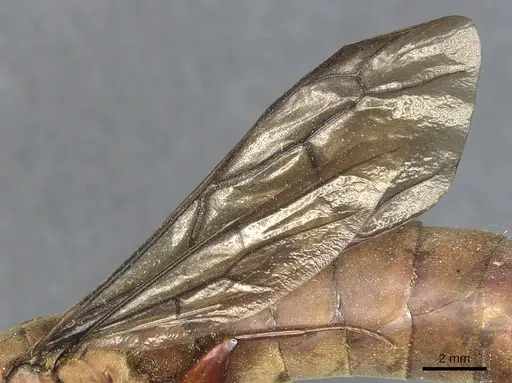
CASENT0911291
View on AntWeb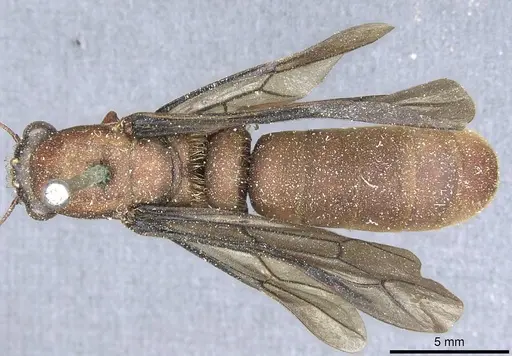
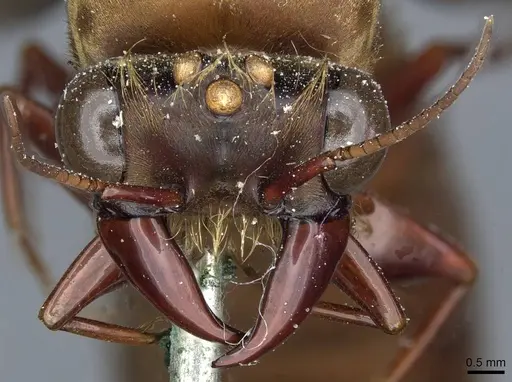
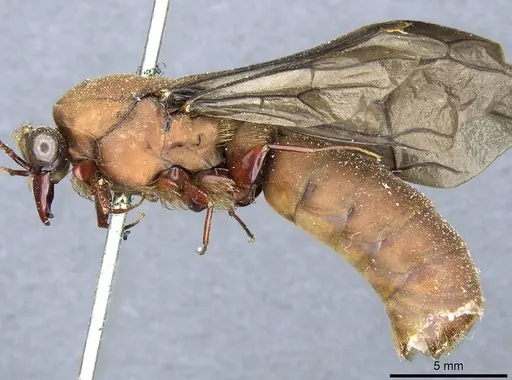
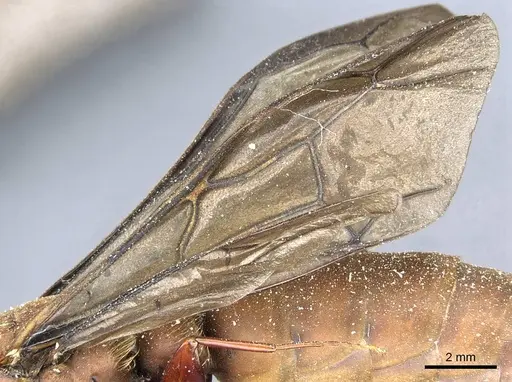
CASENT0911292
View on AntWeb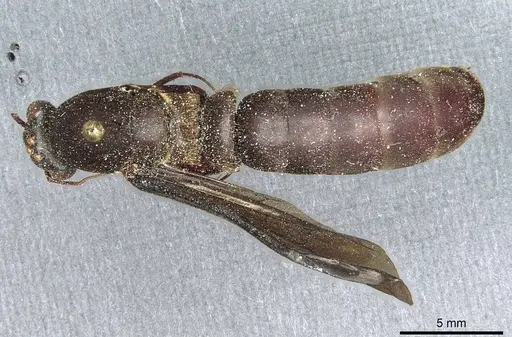
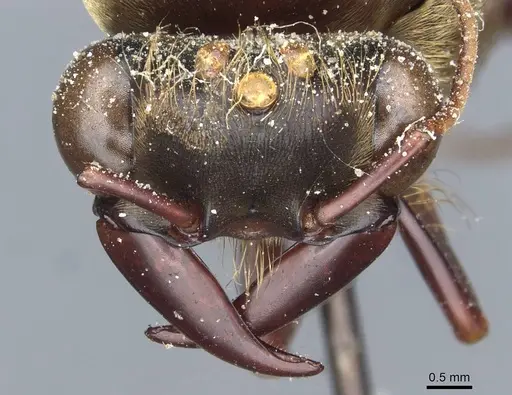
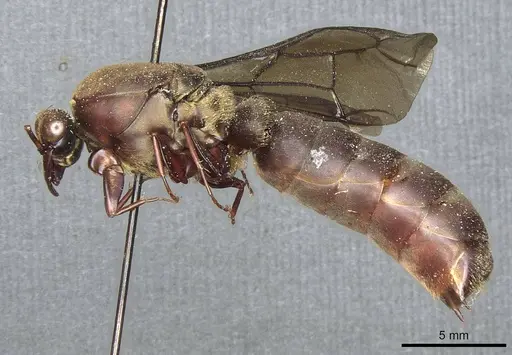
CASENT0913745
View on AntWeb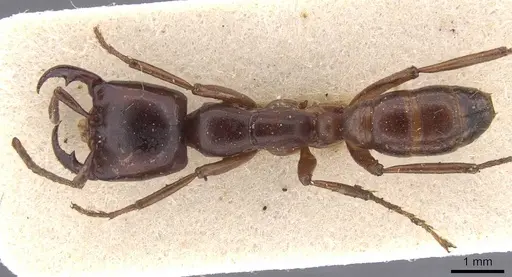
CASENT0915344
View on AntWeb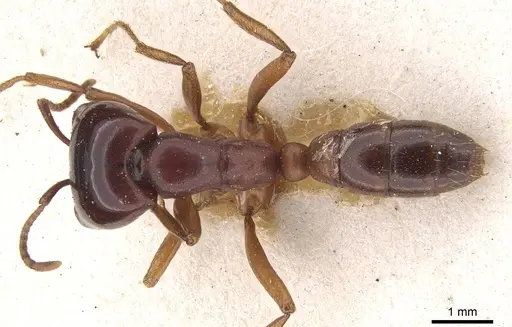
CASENT0915345
View on AntWeb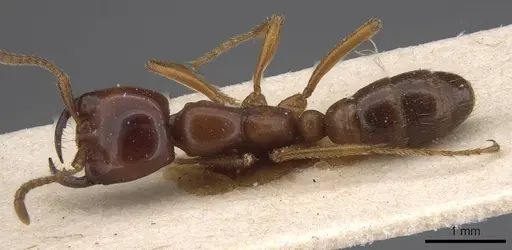
FMNHINS0000045250
View on AntWeb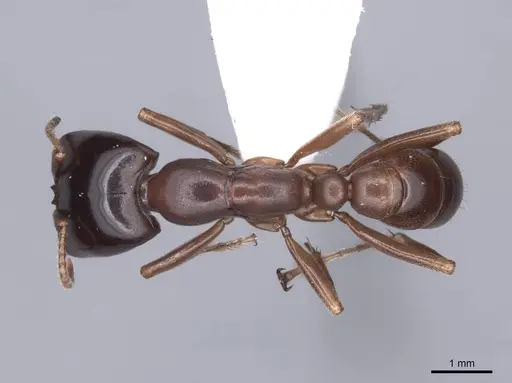
Literature
Loading distribution map...Loading products...