
Dorylus fimbriatus
- Sci. Name
- Dorylus fimbriatus
- Subfamily
- Dorylinae
- Author
- Shuckard, 1840
- Distribution
- Found in 5 countries
Introduction
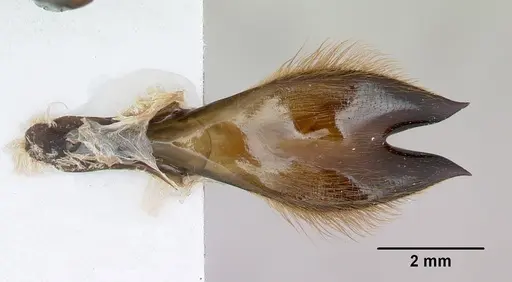
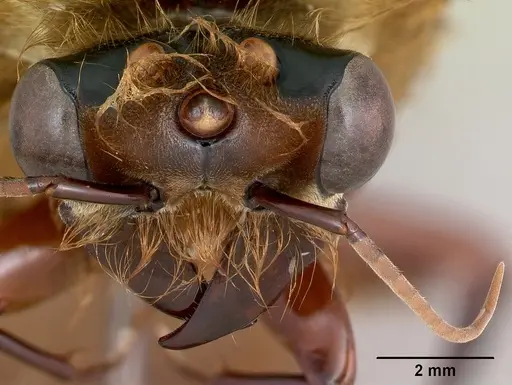
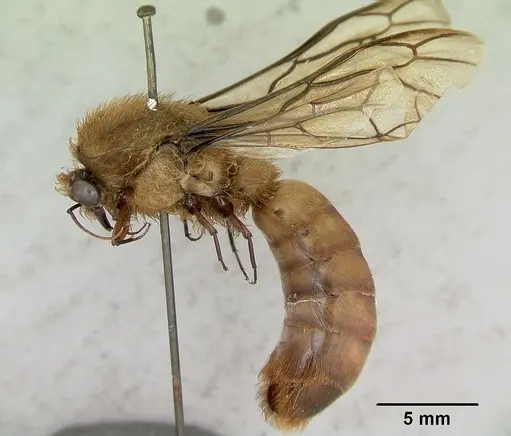
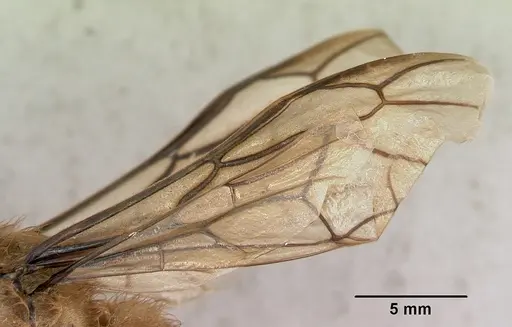
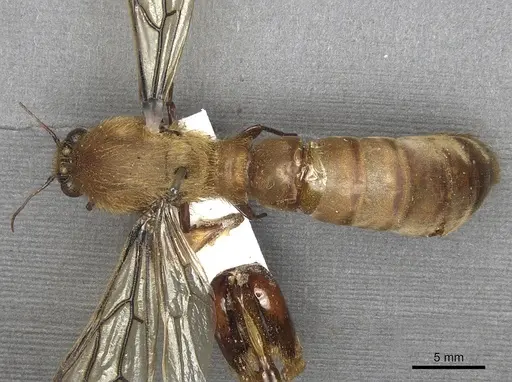
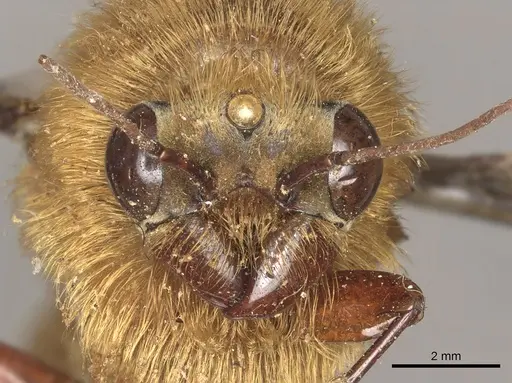
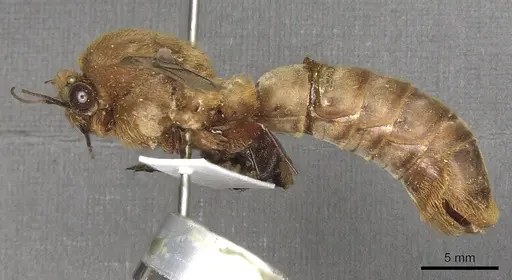
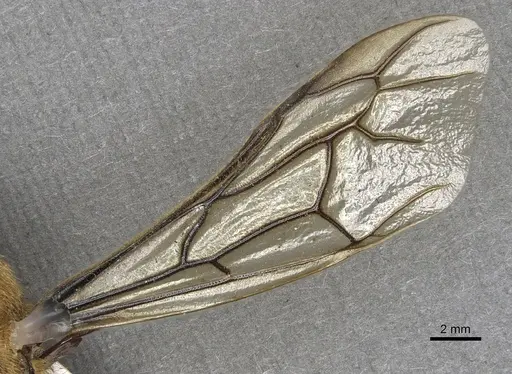
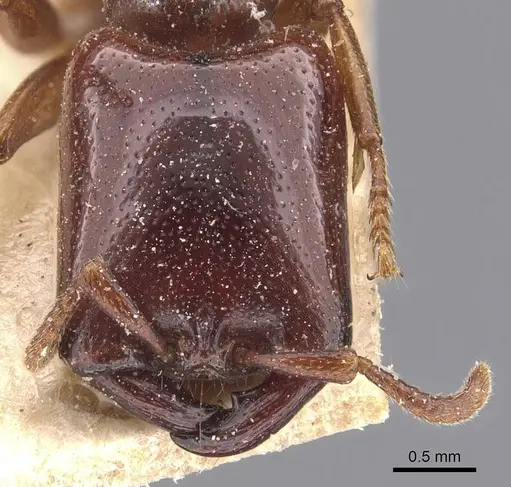
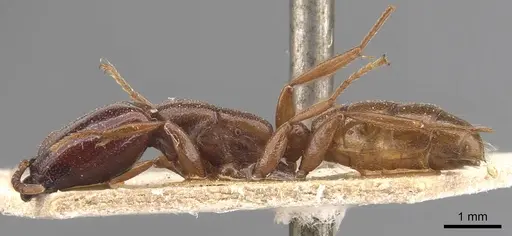
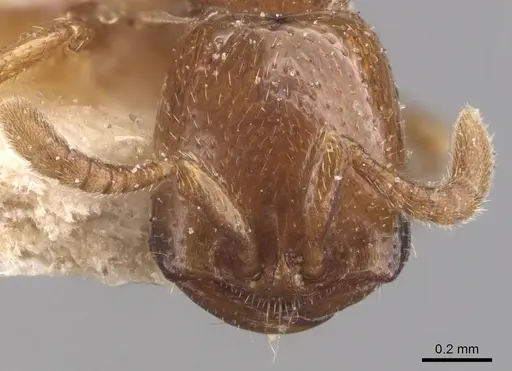
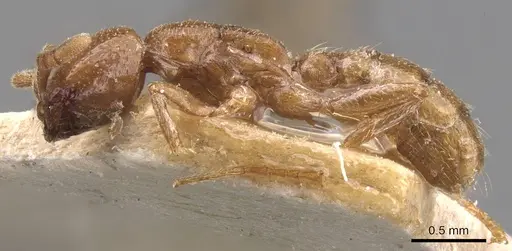
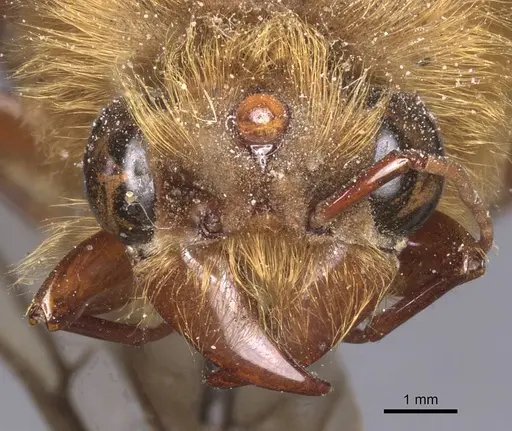
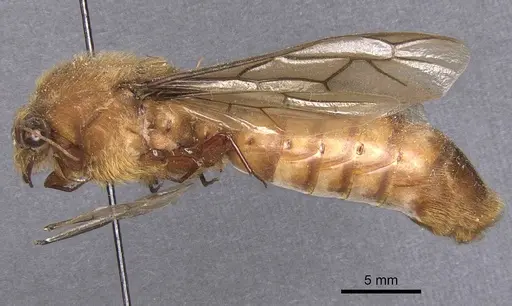
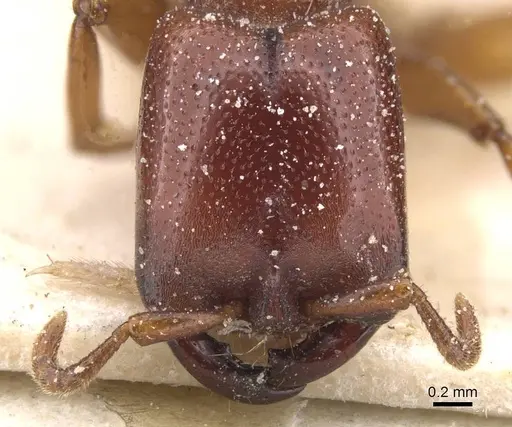
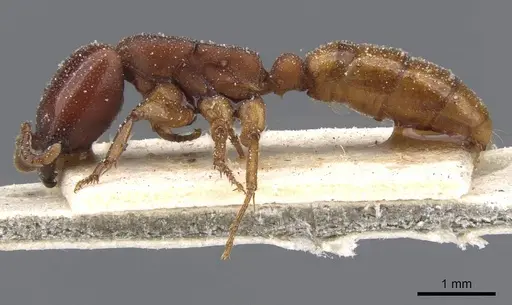
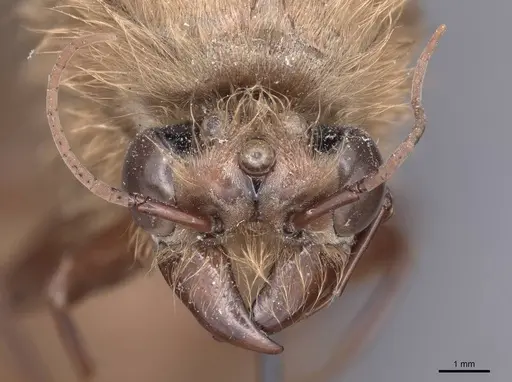
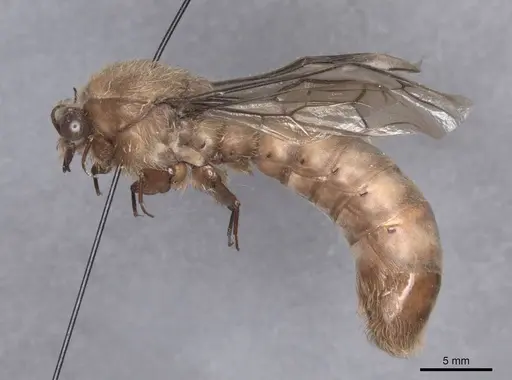
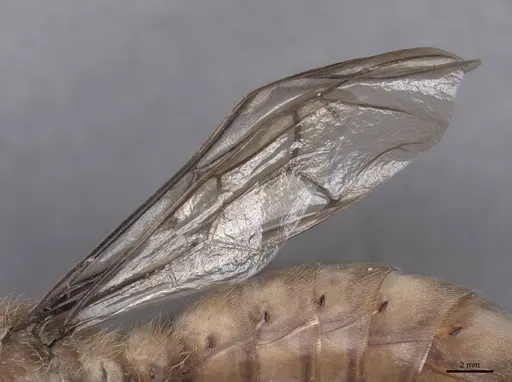
Dorylus fimbriatus is a small army ant species native to tropical Africa, ranging from West Africa (Gambia, Guinea, Sierra Leone, Nigeria) across to East Africa (Kenya, Tanzania, Uganda, Zimbabwe) and down to the Congo region [AntWiki]. Workers are tiny at just 2-2.25 mm, making them among the smallest army ant workers . The species gets its name from the fringed (fimbriated) appearance of certain body parts. Males have distinctive light-colored wings and a split pygidium that helps distinguish them from related species . As an army ant, this species exhibits the classic army ant syndrome: colonies are nomadic, moving between temporary bivouac sites every few weeks, and they conduct coordinated mass raids to capture prey. Unlike most ants, army ant queens never develop wings and remain permanently underground after mating - they are wingless queens that cannot fly. Colony reproduction occurs through budding rather than nuptial flights. These ants are primarily predatory, hunting insects and other arthropods in massive swarms.
Quick Summary
- Difficulty: Expert
- Origin & Habitat: Tropical Africa, found across the Afrotropical region from West Africa (Gambia, Guinea, Sierra Leone, Nigeria) through Central Africa (Cameroon, Congo, Democratic Republic of Congo, Ghana, Ivory Coast) to East Africa (Kenya, Tanzania, Uganda, Zimbabwe, Ethiopia, Somalia, Sudan, Malawi, Angola) and Zanzibar [1][2]. Inhabits forest edges and savanna habitats where they can conduct large-scale raids.
- Colony Type: Nomadic army ant colonies, colonies are large and mobile with a single permanently wingless queen. Reproduction occurs through colony budding rather than nuptial flights. Queens are permanently subterranean and cannot fly.
- Size & Growth:
- Queen: Size data unavailable, queens are permanently wingless and significantly larger than workers, typical for Dorylus genus [2]
- Worker: 2-2.25 mm [1]
- Colony: Large colonies typical of army ants, up to several hundred thousand workers based on genus patterns [2]
- Growth: Fast, army ant colonies grow rapidly when well-fed
- Development: Exact timeline unconfirmed for this species (Army ant development is typically fast to support their nomadic lifestyle.)
- Antkeeping:
- Temperature: Warm tropical conditions, aim for 24-28°C. These are strict tropical ants that cannot tolerate cool temperatures [2]
- Humidity: Moderate to high humidity (60-80%). Army ants prefer humid underground environments but raids occur across varying conditions [2]
- Diapause: No, this is a tropical species that does not hibernate. Activity continues year-round in their native range [2]
- Nesting: Nomadic, they do not build permanent nests. In captivity, they require a large outworld space with minimal nest structure. Provide a dark retreat area that can be moved as the colony relocates. They need to be able to form bivouacs (temporary nests made of their own bodies) [2]
- Behavior: Extremely aggressive predators with mass raiding behavior. Workers are small but numerous and will overwhelm prey through sheer numbers. They can squeeze through small gaps due to their tiny size. These ants are diurnal raiders, conducting organized raids across the forest floor. They are not defensive toward humans but their bites can be irritating due to their numbers. Colonies are nomadic and will relocate frequently, this is not a sign of stress but normal behavior [2].
- Common Issues: nomadic nature makes them extremely difficult to house, they need constant space to move and raid, requiring massive amounts of live prey daily, feeding costs and effort are prohibitive for most keepers, colonies cannot be contained in standard formicariums, they need large outworld spaces, queens are permanently subterranean and cannot be found via nuptial flight catching, colonies must be acquired through splitting, stress from captivity often leads to colony collapse, they are not suited for closed artificial environments, tiny worker size means escape prevention is critical despite their nomadic nature
Why Dorylus fimbriatus Is an Advanced Species
Dorylus fimbriatus and other army ants represent one of the most challenging ant species to keep in captivity. Unlike most ant species that establish permanent nests, army ants are nomadic by nature, they move their entire colony every few days, forming temporary bivouacs from their own bodies. This fundamental behavior makes them poorly suited for standard ant keeping setups. Additionally, they require massive quantities of live prey to sustain large colonies, making them expensive and time-consuming to maintain. The permanently wingless queens cannot be caught during nuptial flights, meaning colonies must be obtained through wild colony splitting or specialized suppliers. For these reasons, Dorylus fimbriatus is recommended only for expert antkeepers with significant resources and space. Most ant enthusiasts should consider more manageable species like Messor, Camponotus, or Formica first [2].
Housing and Enclosure Requirements
Standard formicariums are completely unsuitable for army ants. You will need a large outworld setup, think multiple square feet of floor space rather than a compact nest. The enclosure should have multiple retreat areas (cardboard boxes, PVC pipes, or small containers) that can be rotated to simulate their nomadic behavior. Provide a dark, humid chamber for the bivouac area where the colony clusters together. The rest of the space should allow for raiding behavior. Use a deep substrate layer (at least 2-3 inches) to allow for tunneling if they choose to dig. All surfaces must be smooth and escape-proof, while workers are small at 2-2.25 mm, they are army ants and will explore every seam and gap. Fluon barriers on smooth surfaces can help prevent escapes. Temperature should be maintained at 24-28°C using a heating cable or mat [2].
Feeding and Nutrition
Army ants are obligate predators, they do not collect honeydew or eat seeds. Dorylus fimbriatus requires large quantities of live insects and other arthropods to survive. A typical colony needs to be fed every day or every other day with prey items totaling roughly the mass of the colony's daily consumption. Suitable prey includes: crickets, mealworms, roaches, waxworms, and other insects. Prey should be appropriately sized, since workers are only 2-2.25 mm, they can tackle prey much larger than themselves through swarm behavior. Colonies will typically ignore sugar water or honey. Some keepers report success with occasional protein jelly or canned insects, but live prey should form the majority of their diet. The feeding challenge alone makes this species unsuitable for most hobbyists [2].
Colony Structure and Reproduction
Dorylus colonies differ fundamentally from most ant species in how they reproduce. Queens are permanently wingless, they never develop wings and cannot fly. After mating (which occurs underground with winged males that disperse from the colony), the queen remains subterranean for life. Colony reproduction happens through budding: when a colony reaches sufficient size, a portion of workers and a queen leave to establish a new colony elsewhere. This means you cannot catch a queen during a nuptial flight, wild colonies must be split to create new colonies. Colonies are monogyne with a single reproductive queen, though the colony itself can contain hundreds of thousands of workers. The tiny workers you receive (2-2.25 mm) will be among the smallest in the colony, larger workers develop later as the colony grows [1][2].
Behavior and Temperament
Dorylus fimbriatus exhibits classic army ant raiding behavior. Workers organize into raiding columns or swarms that sweep across the forest floor, overwhelming any arthropods they encounter. Despite their small size, they are formidable predators due to sheer numbers. They are not particularly aggressive toward humans, their bites are minor due to their tiny size. However, they will defend their bivouac if threatened. The most notable behavior is their nomadic nature: colonies do not stay in one place. Every few days to weeks, the entire colony will relocate, forming a new bivouac elsewhere. This is not a sign of stress but normal behavior that must be accommodated in captivity. They are primarily diurnal but can raid at any time [2].
Frequently Asked Questions
Can I keep Dorylus fimbriatus in a test tube?
No. Standard test tube setups are completely unsuitable for Dorylus fimbriatus. These are nomadic army ants that need to move frequently and conduct mass raids. They require a large outworld space with multiple retreat areas. A test tube would cause the colony to stress and likely collapse.
How long does it take for the first workers in Dorylus fimbriatus?
The exact timeline for this species is unconfirmed. Army ant development is typically fast at tropical temperatures (24-28°C), which supports their nomadic lifestyle where colonies need to become mobile quickly. Larger workers develop as the colony grows, with the smallest workers (2-2.25 mm) appearing first.
Can I keep multiple Dorylus fimbriatus queens together?
No. Dorylus fimbriatus is monogyne, colonies have a single queen. Unlike some ant species that can have multiple queens, army ant colonies function with one reproductive queen. Attempting to combine unrelated queens would result in fighting.
Are Dorylus fimbriatus good for beginners?
No. Dorylus fimbriatus is absolutely not suitable for beginners. These are expert-level ants that require massive amounts of live prey, large housing spaces, and accommodation of their nomadic lifestyle. Most antkeepers should start with species like Messor, Camponotus, or Lasius before considering army ants.
Do Dorylus fimbriatus need hibernation?
No. As a tropical African species, Dorylus fimbriatus does not hibernate. They require year-round warm temperatures (24-28°C) and constant food availability. Attempting to hibernate them would likely kill the colony.
What do Dorylus fimbriatus eat?
They are obligate predators that require live insects. They do not eat sugar sources, seeds, or honeydew. You will need to provide large quantities of live crickets, mealworms, roaches, or other insects daily. This makes them one of the most expensive and time-consuming ant species to keep.
How big do Dorylus fimbriatus colonies get?
Army ant colonies are among the largest of any ant species, potentially reaching hundreds of thousands of workers. However, in captivity, colonies typically remain much smaller due to space and food constraints. A healthy captive colony might reach several thousand workers with optimal care.
Why do my Dorylus fimbriatus keep moving?
This is completely normal behavior. Dorylus fimbriatus is nomadic, they naturally relocate their bivouac every few days to weeks. This is not a sign of stress but fundamental army ant behavior. In captivity, you should accommodate this by providing multiple retreat areas and rotating them.
Report an Issue
The current care sheet is based fully on literature. See inconsistencies, or something that's incorrect? Please , it will be resolved after review from an admin. Contributing to the blogs tab also helps providing information, to make us be able to further improve the caresheets. Thank you for your support!
References

This caresheet is licensed under CC BY-SA 4.0 .
Community Blogs
CASENT0172638
View on AntWeb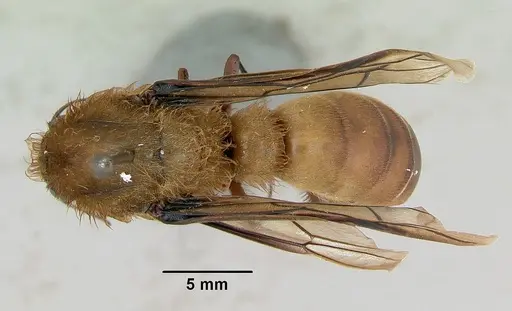
CASENT0901943
View on AntWeb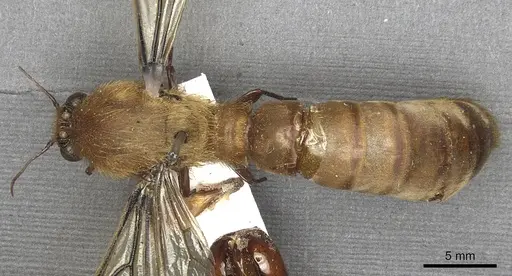
CASENT0905930
View on AntWeb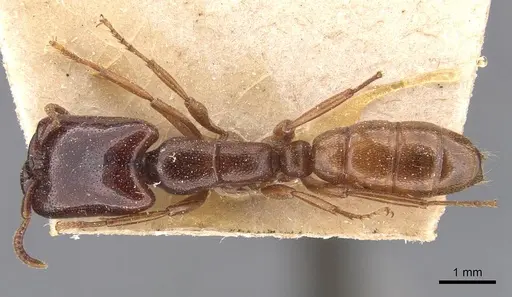
CASENT0905931
View on AntWeb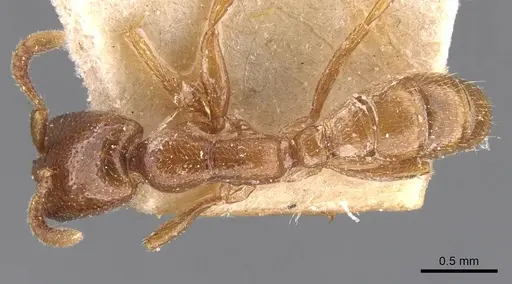
CASENT0911346
View on AntWeb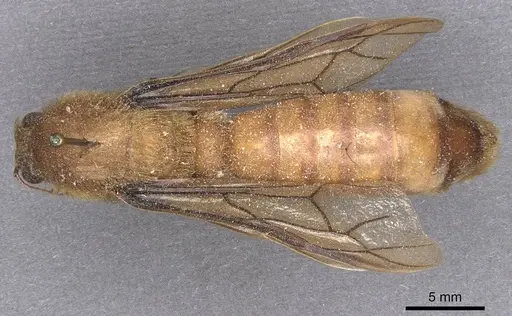
CASENT0911347
View on AntWeb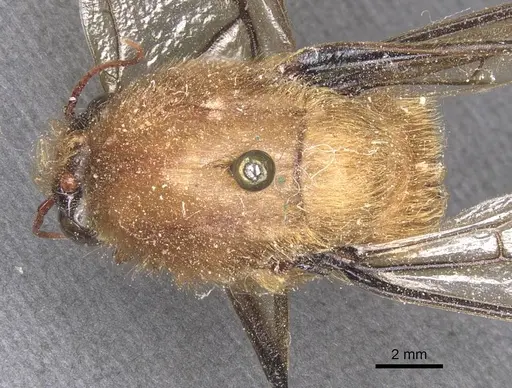
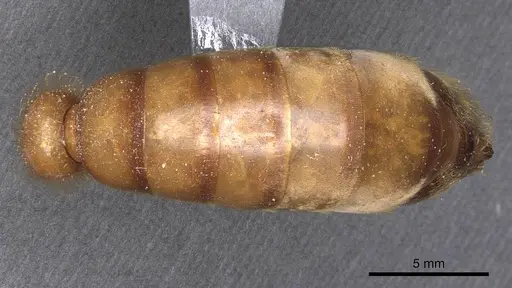
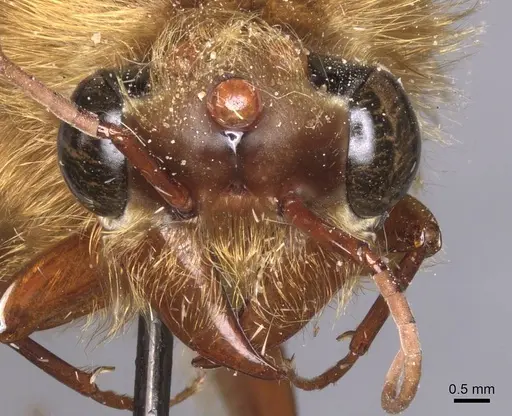
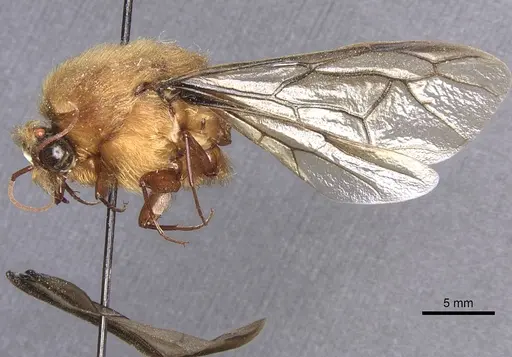
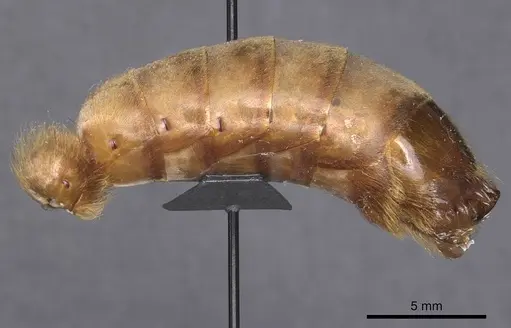
CASENT0911348
View on AntWeb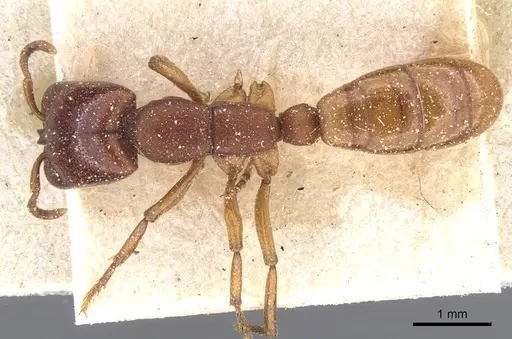
CASENT0911349
View on AntWeb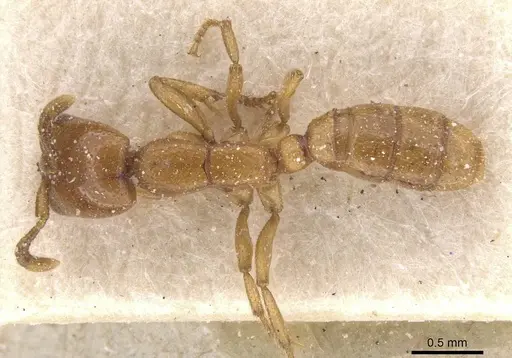
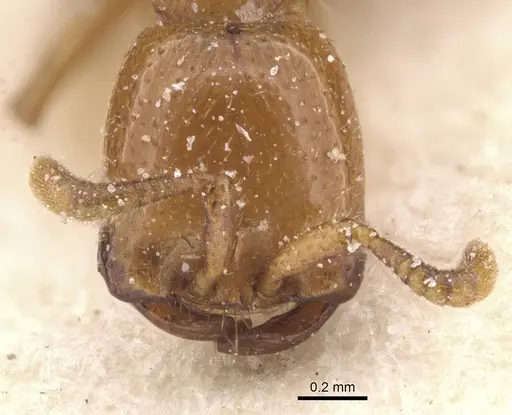
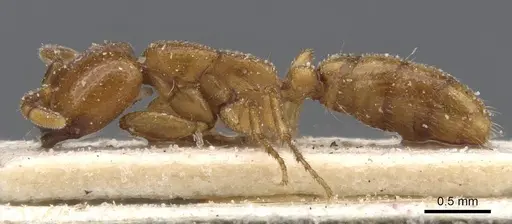
CASENT0914041
View on AntWeb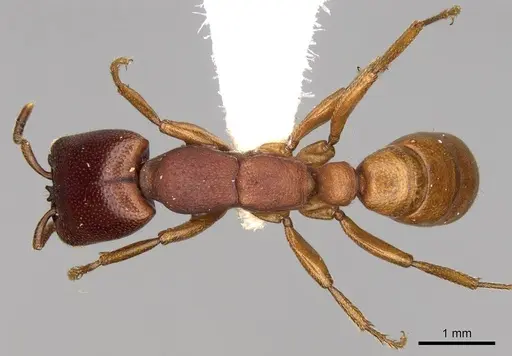
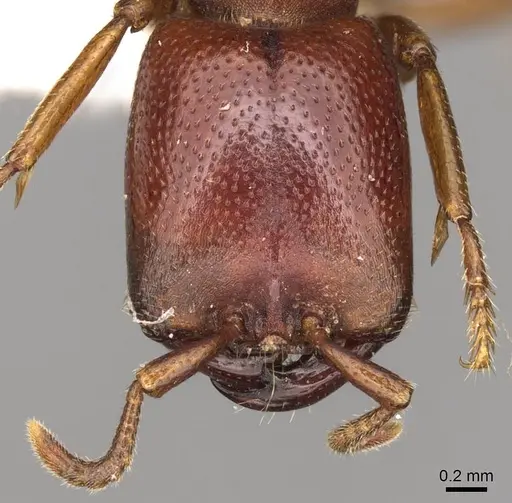
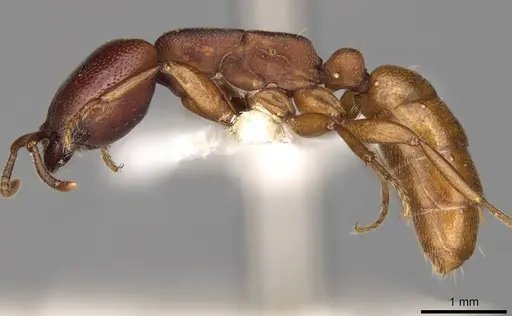
CASENT0914042
View on AntWeb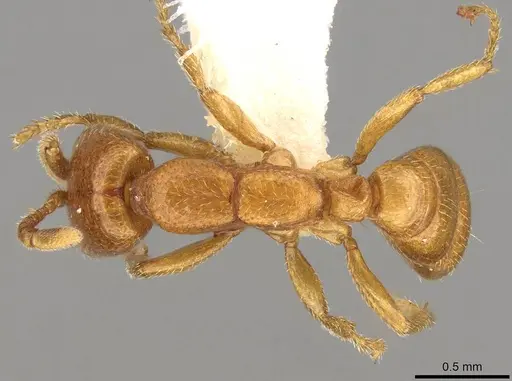
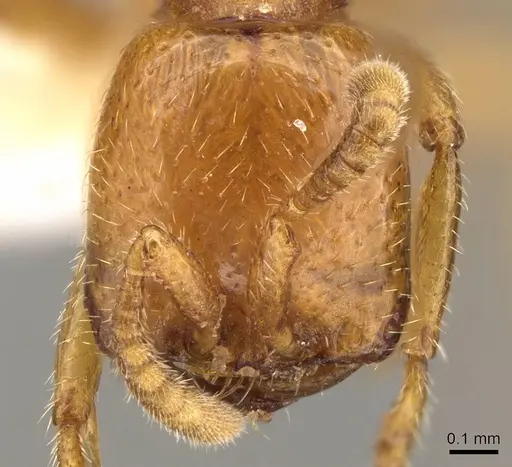
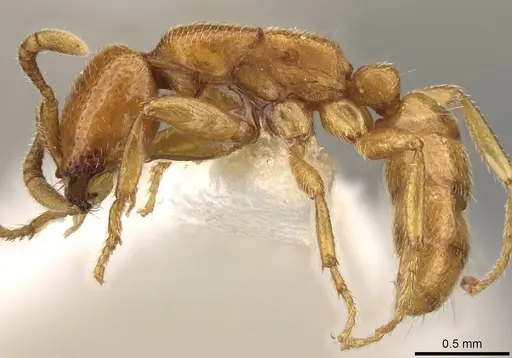
FMNHINS0000045248
View on AntWeb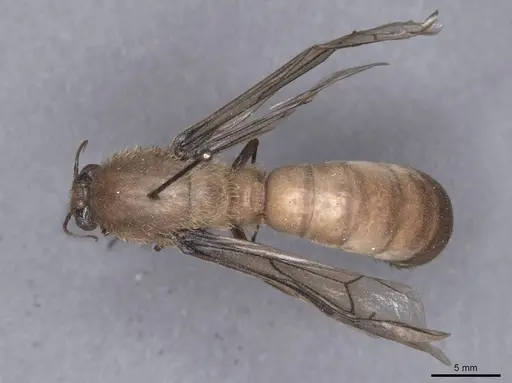
Literature
Loading distribution map...Loading products...