
Dorylus ductor
- Sci. Name
- Dorylus ductor
- Subfamily
- Dorylinae
- Author
- Santschi, 1939
- Distribution
- Found in 0 countries
Introduction
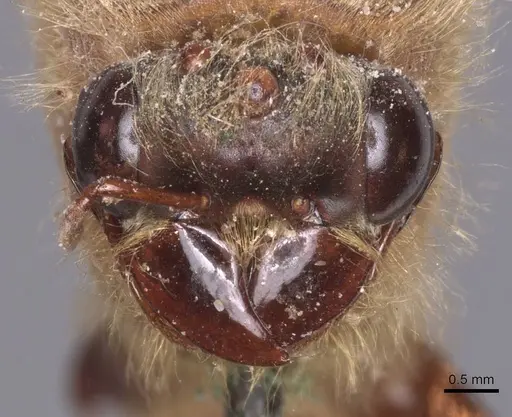
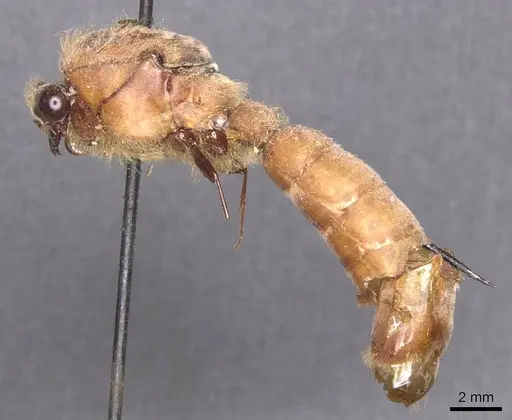
Dorylus ductor is an army ant species known only from a single male specimen collected in Congo, Central Africa. Described by Santschi in 1939,this species belongs to the Dorylus orientalis-group. Neither workers nor queens have been scientifically described, which is not uncommon for rarely collected army ant species. The genus Dorylus contains approximately 60 species found throughout Africa, commonly called driver ants or army ants for their predatory raiding behavior. These ants form massive colonies that conduct coordinated raids on other ant colonies and arthropods, marching in columns across the forest floor . Specific biological details for Dorylus ductor remain unknown due to the limited type material. However, genus-level information suggests typical army ant behavior: obligate predation on other ant species and arthropods, large colony sizes, and a nomadic lifestyle involving regular colony relocation to access fresh hunting grounds .
Quick Summary
- Difficulty: Expert, this species has never been kept in captivity and only the male has been described
- Origin & Habitat: Congo basin in Central Africa. The type locality is simply recorded as 'Congo' without further specification. The genus Dorylus inhabits forests and savannas throughout tropical Africa, typically nesting in soil or creating temporary bivouacs on the forest floor [1][2].
- Colony Type: Unconfirmed, likely monogyne based on typical Dorylus patterns. Most Dorylus species studied have single-queen colonies.
- Size & Growth:
- Queen: Not described for this species. Dorylus queens are among the largest ants in the world, often exceeding 20mm when fully physogastric, inferred from genus [2].
- Worker: Not described for this species. Dorylus workers typically range from 3-12mm depending on caste, inferred from genus [2].
- Colony: Unknown for this species. Dorylus colonies commonly reach 50,000-200,000 workers, inferred from genus [2].
- Growth: Unknown, likely fast during nomadic phases when queen produces eggs continuously
- Development: Unknown, estimated 3-5 weeks based on related army ant patterns [2]. (Development timeline is unconfirmed for this specific species)
- Antkeeping:
- Temperature: Inferred: 24-28°C based on Congo tropical habitat. Provide a warm gradient allowing workers to select their preferred temperature zone.
- Humidity: Inferred: 60-80% humidity. Congo basin is humid, keep substrate moderately moist but not waterlogged.
- Diapause: No, being a tropical species from Congo, they likely do not require hibernation. Maintain warm conditions year-round.
- Nesting: No captive data exists for this species. Based on genus behavior, they would need space for large colonies and frequent relocation opportunities. A naturalistic setup with multiple chambers and easy access to hunting areas would be essential.
- Behavior: No species-specific data exists. Based on genus knowledge: Dorylus are famous for their predatory army ant behavior, they form columns and raid other ant colonies and arthropods. Workers are aggressive predators and will tackle prey much larger than themselves through sheer numbers. They are highly active and nomadic, with colonies moving to new hunting grounds regularly. Escape risk is significant given their small to medium worker size and tendency to explore. Workers have a functional sting used defensively, though Dorylus stings are not typically dangerous to humans beyond localized pain [2].
- Common Issues: no captive husbandry data exists, this species has never been kept in captivity, colony size requirements are extreme, most hobbyists cannot provide adequate space for army ant colonies, nomadic lifestyle is difficult to replicate, they require constant hunting grounds and regular colony relocation, predatory diet needs are demanding, require constant access to live prey in large quantities, only male described, obtaining a colony would require finding a queen in the wild, which is extremely difficult, this species should not be kept by hobbyists due to complete lack of captive data and extreme requirements
Species Identification and Taxonomic Context
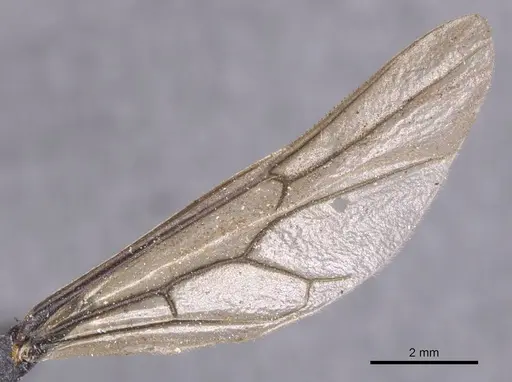
Dorylus ductor was described by Santschi in 1939 based on a single male specimen collected in Congo. The species belongs to the Dorylus orientalis-group, a classification based on morphological characteristics of the male caste. The holotype is a wingless male (ergatoid) housed in the Natural History Museum Basel. Neither workers nor queens have been described for this species, which is not uncommon for rarely collected army ant species. The genus Dorylus contains approximately 60 described species all restricted to the Afrotropical region. These ants are commonly called driver ants or army ants due to their predatory behavior and the way they drive prey before them in massive raids [1][2].
Natural History and Ecology
While specific ecological data for Dorylus ductor is lacking, the genus Dorylus provides excellent context. These are obligate predators that form some of the largest and most organized ant colonies in Africa. Unlike many ants that have fixed nests, army ants are nomadic, they establish temporary bivouacs and move every few weeks to access new hunting grounds. Colonies conduct regular raids, with columns of thousands of workers marching to overwhelm prey colonies, typically other ant species or large arthropods. The queen remains in the bivouac and continuously produces eggs, sometimes thousands per day during peak reproduction. This creates a cyclic pattern where the colony alternates between nomadic phases (raiding and moving) and stationary phases (brood development) [2].
Challenges of Keeping This Species in Captivity
Dorylus ductor has never been documented in the antkeeping hobby, and there are significant reasons for this. First, only the male caste has been described, obtaining a founding queen would require field collection in Congo, which is logistically challenging. Second, army ants have some of the most demanding care requirements of any ant species. They need massive amounts of live prey, space for large colonies to form raiding columns, and the ability to relocate their bivouac regularly. Most hobbyists cannot meet these requirements, a typical Dorylus colony contains 50,000-200,000 workers. Additionally, their predatory nature means they will attack and consume any arthropods in their enclosure, making them unsuitable for mixed-species setups. The nomadic lifestyle also requires frequent rehousing, which is stressful for both the ants and the keeper [2].
Comparison to Related Species in Antkeeping
No Dorylus species are commonly kept in captivity due to their extreme requirements. However, the closely related New World army ants in the genus Eciton are occasionally kept by expert antkeepers, providing some context for what Dorylus care might involve. Eciton colonies require large outworlds, constant access to live prey, and space for colony movement. These colonies can be fascinating to observe as they conduct coordinated raids, but they are considered expert-level species. Dorylus ductor would likely be even more challenging given the larger colony sizes typical of African army ants and the lack of any captive husbandry data for this specific species. For antkeepers interested in army ant behavior, starting with more documented species like Eciton burchellii or exploring the extensive literature on Dorylus in the wild would be more practical approaches [2].
Frequently Asked Questions
Can I keep Dorylus ductor as a pet ant?
No, this species has never been documented in the antkeeping hobby and has never been scientifically described beyond a single male specimen. Even if you could obtain a queen from Congo, the care requirements for army ants (massive colony size, constant live prey, nomadic lifestyle) make them essentially impossible for hobbyists to keep successfully.
What does Dorylus ductor eat?
Specific data does not exist for this species, but all Dorylus are obligate predators. They would require constant access to live prey, primarily other ants and arthropods. A single colony would consume thousands of insects over time, making them prohibitively expensive and time-consuming to feed.
How big do Dorylus ductor colonies get?
The species has not been studied enough to know specific colony sizes. However, Dorylus colonies are among the largest of any ant genus, typically reaching 50,000 to over 200,000 workers. This makes them one of the most colony-intensive species to keep.
Where does Dorylus ductor live?
The species is known only from the Congo region in Central Africa. The exact locality is not specified beyond 'Congo' on the type specimen. The genus Dorylus is found throughout African forests and savannas.
Is Dorylus ductor a good species for beginners?
Absolutely not. This species is not recommended for any level of antkeeping, it has never been kept in captivity, only the male has been described, and army ants in general have the most demanding care requirements of any ant species. Even experienced antkeepers struggle with army ant species.
Do Dorylus ductor queens need hibernation?
No, being a tropical species from the Congo basin, they would not require hibernation. They should be kept warm year-round at tropical temperatures.
How long does it take for Dorylus ductor eggs to become workers?
This has not been studied for this specific species. However, army ants typically have rapid development compared to other ants, likely 3-5 weeks from egg to worker at optimal temperatures, though this is an estimate based on related species.
Report an Issue
The current care sheet is based fully on literature. See inconsistencies, or something that's incorrect? Please , it will be resolved after review from an admin. Contributing to the blogs tab also helps providing information, to make us be able to further improve the caresheets. Thank you for your support!
References

This caresheet is licensed under CC BY-SA 4.0 .
Community Blogs
CASENT0911281
View on AntWeb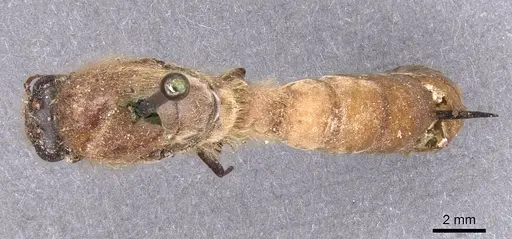
Literature
Loading distribution map...Loading products...