
Dorylus brevipennis
- Sci. Name
- Dorylus brevipennis
- Subfamily
- Dorylinae
- Author
- Emery, 1895
- Distribution
- Found in 2 countries
Introduction
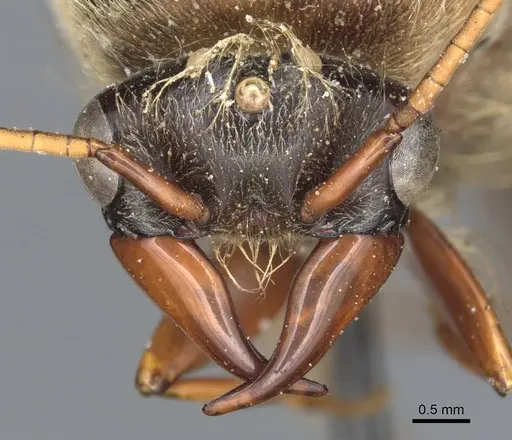
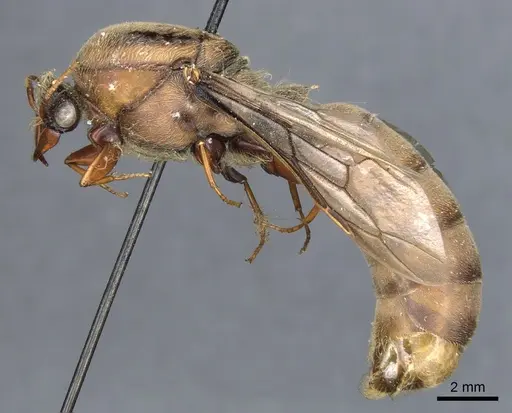
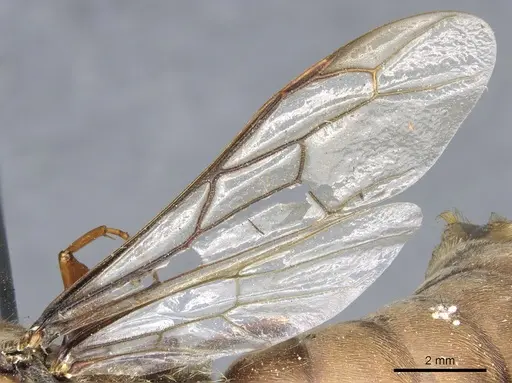
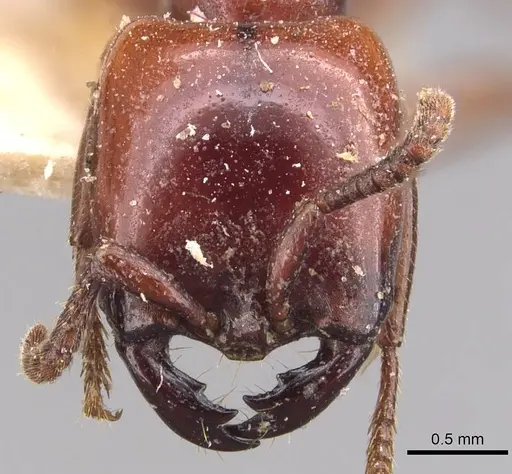
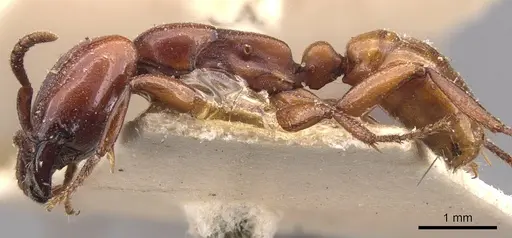
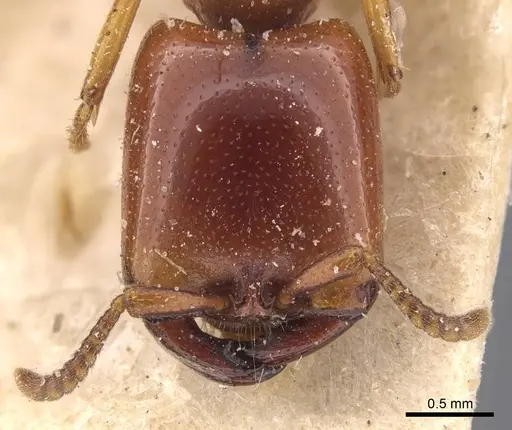
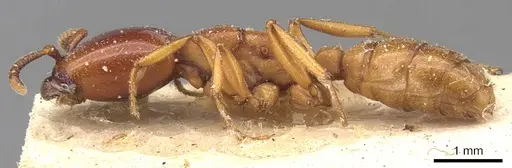
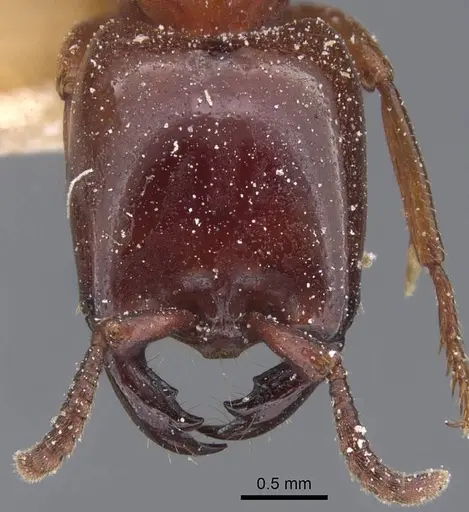
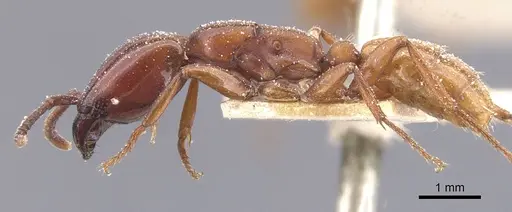
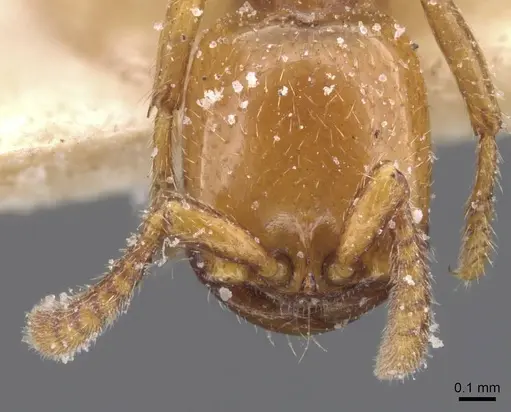
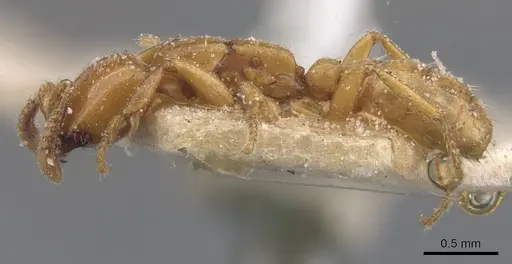
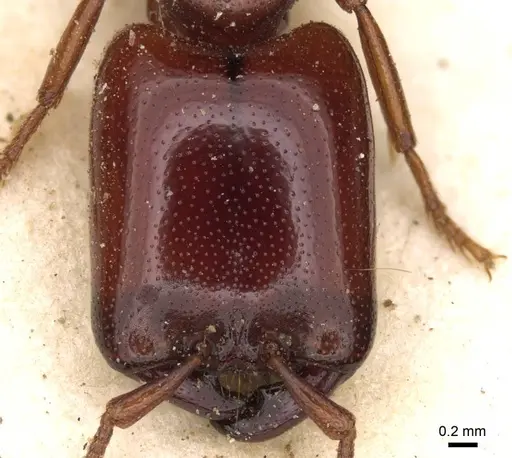
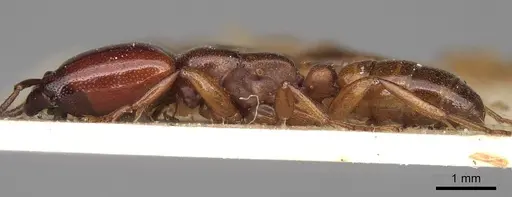
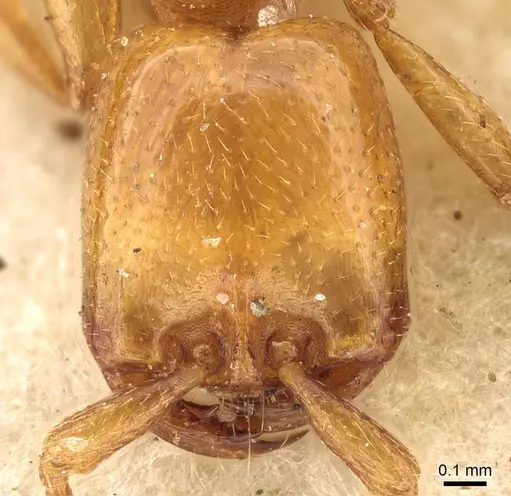
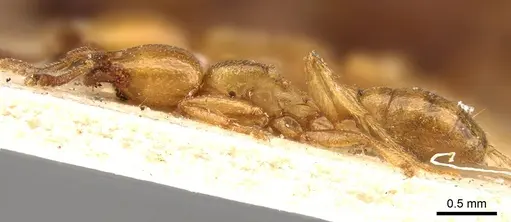
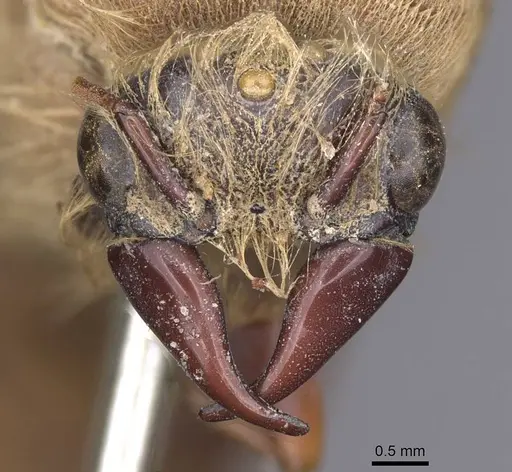
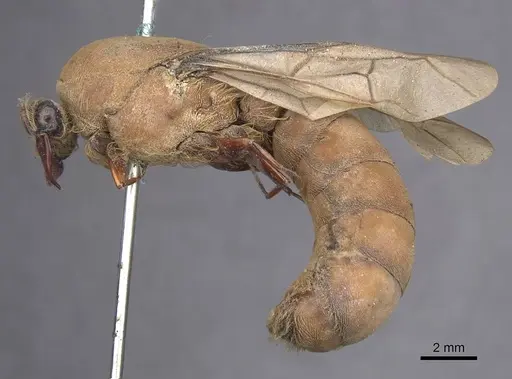
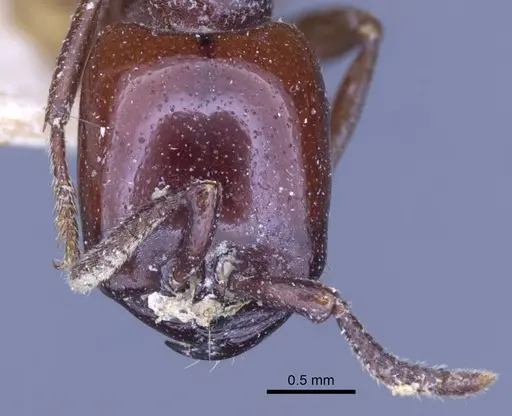
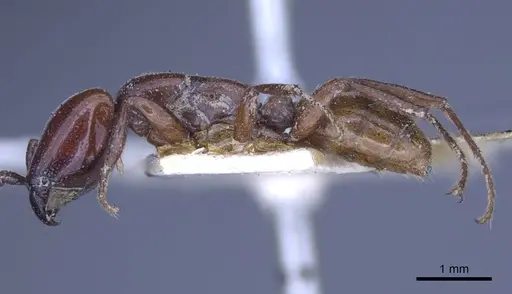
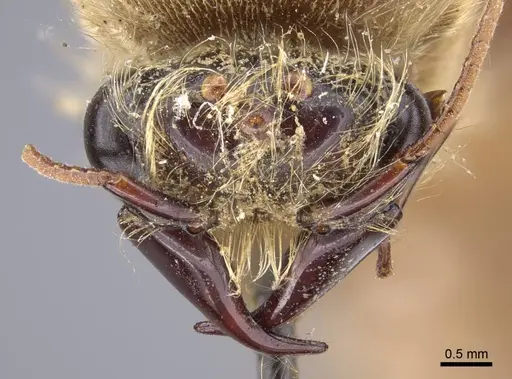
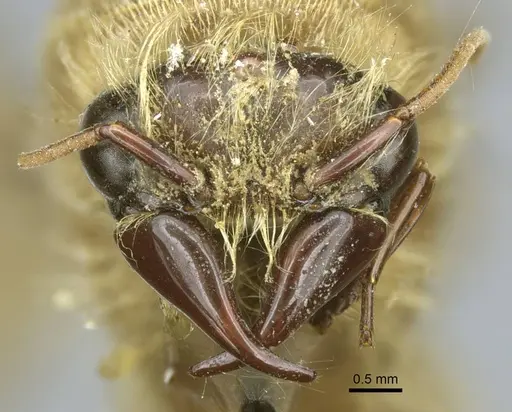
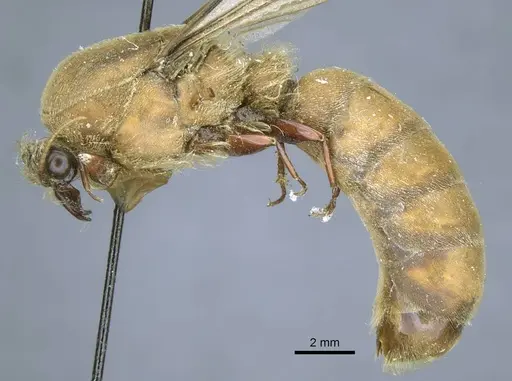
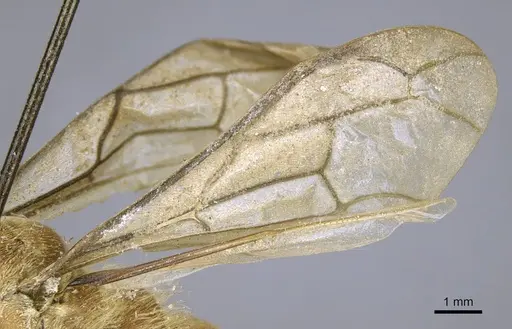
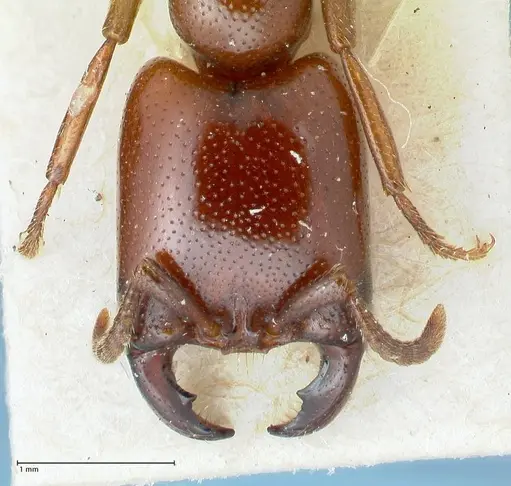
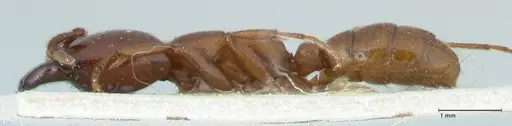
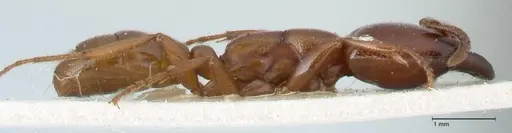
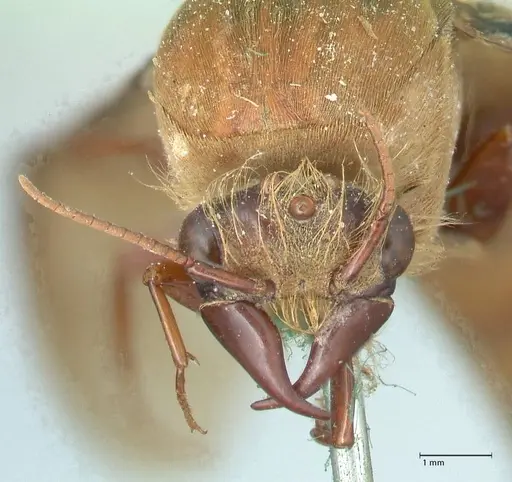
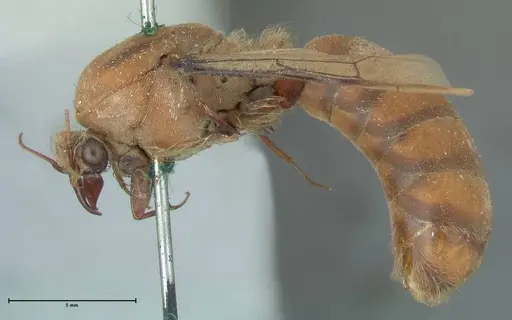
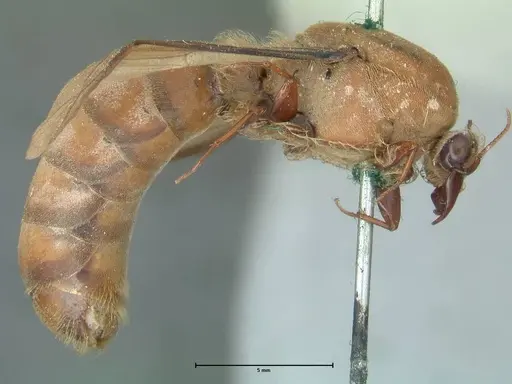
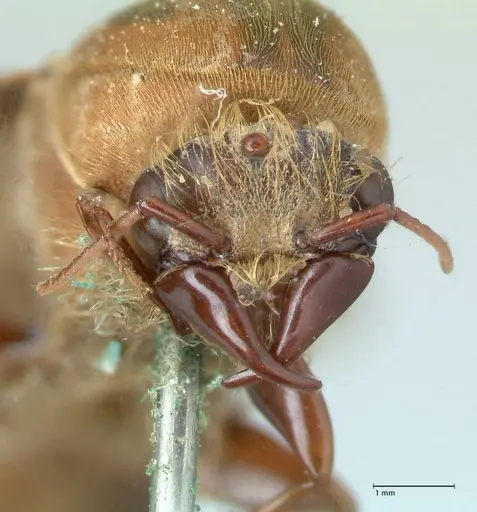
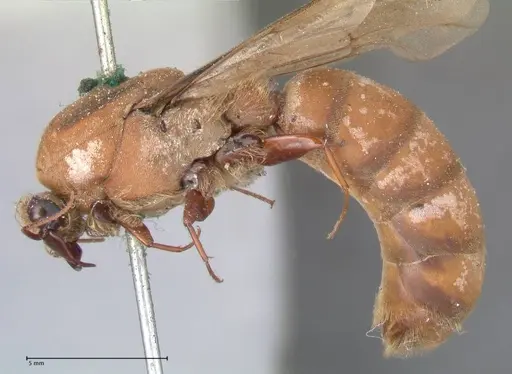
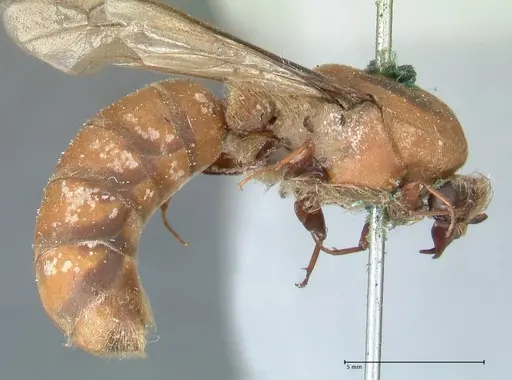
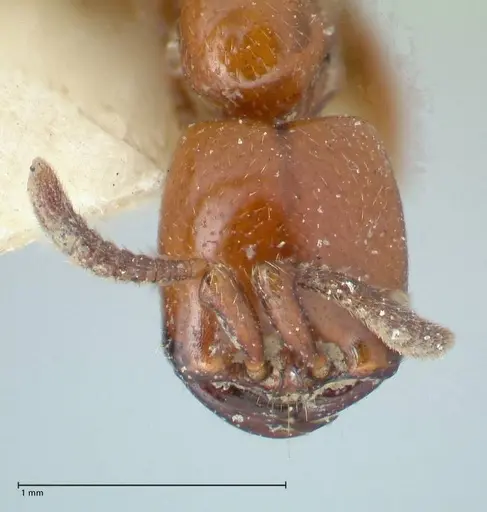
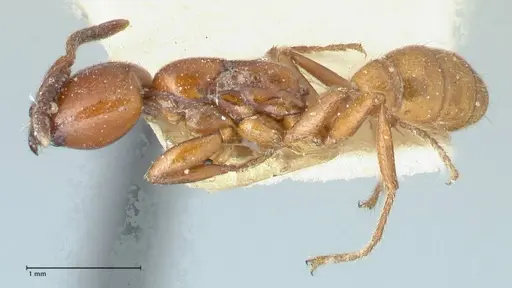
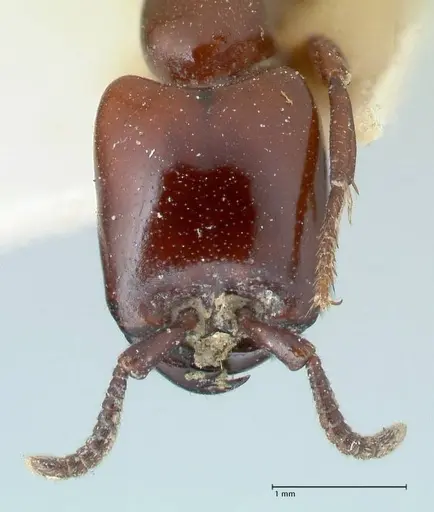
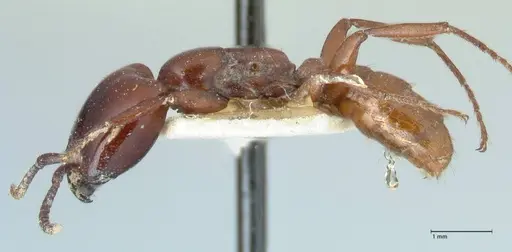
Dorylus brevipennis is a polymorphic army ant species from tropical Africa. Workers come in two distinct sizes: major workers reach about 8mm and are reddish-brown with a dark patch extending from the front of the head toward the rear, while minor workers are tiny at just 2mm and yellow . Queens are large at 19-20mm with a yellow-brown coloration and distinctive brownish bands across the thorax and abdomen . Males measure 20-21mm and have characteristically short wings, which is how this species got its name 'brevipennis' meaning 'short wings' . This species is found across West and East Africa including Guinea, Ivory Coast, Kenya, Tanzania, Uganda, Rwanda, Zambia, and Zimbabwe . Army ants are famous for their nomadic lifestyle and massive raids where thousands of workers coordinate to flush out and overwhelm prey insects. Dorylus brevipennis follows this pattern, with colonies containing multiple size-caste workers that specialize in different tasks.
Quick Summary
- Difficulty: Hard
- Origin & Habitat: Tropical Africa, found in Guinea, Ivory Coast, Kenya, Rwanda, South Africa, Sudan, Tanzania, Uganda, Zambia, and Zimbabwe. Inhabits savanna and forest edge environments at elevations ranging from near sea level to around 2000m [4][5].
- Colony Type: Colony structure is not documented for this species. Dorylus colonies typically contain multiple queens with permanent reproductive females that remain winged.
- Size & Growth:
- Antkeeping:
- Temperature: Keep at 24-28°C, army ants are tropical and need warm, stable conditions.
- Humidity: Maintain moderate to high humidity. Keep the substrate consistently moist but not waterlogged.
- Diapause: Unlikely, as a tropical species, they do not require true hibernation.
- Nesting: Army ants do not build permanent nests, they form bivouacs (temporary nests) from living workers. Provide a formicarium with interconnected chambers and a large outworld for raiding.
- Behavior: Army ants are highly aggressive predators that conduct coordinated raids. Workers are very active and will aggressively defend the colony. Major workers can deliver a painful sting. Escape prevention is critical, they are excellent climbers and will exploit any gap.
- Common Issues: army ants require constant prey access, colonies can decline rapidly without regular protein, they are escape artists and need excellent barrier systems, nomadic behavior means they may abandon a poorly designed setup, colonies can become aggressive during raids, handle with caution, they produce formic acid which can irritate eyes and skin
Housing and Setup
Dorylus brevipennis requires a setup that accommodates their nomadic army ant lifestyle. Unlike most ants that settle in permanent nests, army ants form bivouacs, temporary structures made of living workers holding onto each other. Provide a formicarium with multiple connected chambers that the colony can use as a bivouac site, connected to a spacious outworld where raids can occur. The outworld should be large enough to accommodate the entire colony during active raiding. Use a substrate that workers can grip easily. Escape prevention is critical: apply fluon or similar barriers to all rim edges, as army ants are exceptional climbers and will find any gap.
Feeding and Diet
Dorylus brevipennis is a predatory army ant that requires a constant supply of live prey. In the wild, they conduct massive raids to overwhelm insects and other arthropods. In captivity, offer live insects such as crickets, mealworms, cockroach nymphs, and other small invertebrates. Feed generously, a hungry army ant colony can decline rapidly. The frequency depends on colony size: larger colonies need daily feeding during active periods, while smaller colonies can be fed every 2-3 days. Remove uneaten prey after 24 hours to prevent mold. Unlike some ants, they are primarily predatory and do not rely heavily on sugar sources.
Temperature and Seasonal Care
As a tropical African species, Dorylus brevipennis needs warm conditions. Maintain temperatures between 24-28°C in the nest area. A heating cable placed on one side of the formicarium creates a gradient that allows the colony to regulate their temperature by moving between areas. Avoid temperatures below 20°C as this can stress the colony and slow development. Since they come from tropical regions, they do not require true hibernation. However, they may naturally reduce activity during what would be the dry season in their native habitat, reduce feeding and slightly lower temperatures if the colony becomes less active.
Behavior and Colony Dynamics
Army ants are famous for their coordinated raiding behavior, where hundreds or thousands of workers fan out across the terrain to flush prey. This species exhibits the classic army ant raid pattern with major workers leading and minor workers following. Queens are permanently winged and remain in the bivouac rather than founding colonies independently. The colony will be most active during what would be the wet season in their habitat, expect increased raiding activity and brood production during these periods. Workers can deliver a painful sting and produce formic acid as a defense, handle with care.
Frequently Asked Questions
How long does it take for Dorylus brevipennis to produce first workers?
The exact egg-to-worker timeline is unknown for this species. Army ant development is generally faster than many other ant genera, but specific data for this species is unavailable.
Can I keep Dorylus brevipennis in a test tube?
No, test tubes are completely unsuitable for army ants. Dorylus brevipennis requires a large setup with interconnected chambers for bivouac formation and a spacious outworld for raiding.
Do Dorylus brevipennis ants sting?
Yes, major workers can deliver a painful sting. They also produce formic acid as a defense. Handle with care and wear eye protection when working with the colony.
How often should I feed Dorylus brevipennis?
Feed every 1-2 days during active periods. Army ants are voracious predators and need constant protein to sustain the colony. Larger colonies may need daily feeding. Always provide fresh prey and remove uneaten food within 24 hours.
Are Dorylus brevipennis good for beginners?
No, Dorylus brevipennis is not recommended for beginners. Army ants require specialized setups, constant prey availability, and careful temperature and humidity management. They are also aggressive and can deliver painful stings.
Will Dorylus brevipennis escape from my formicarium?
Yes, army ants are excellent climbers and notorious escape artists. You must use excellent escape prevention including fluon barriers on all rim edges, tight-fitting lids, and fine mesh on any ventilation.
Do Dorylus brevipennis need hibernation?
No, as a tropical African species, they do not require true hibernation. They may naturally reduce activity during cooler or drier periods, but temperatures should not drop below 20°C.
How big do Dorylus brevipennis colonies get?
The maximum colony size for this specific species is unknown. However, typical Dorylus colonies contain thousands of workers.
Can I keep multiple queens together in one colony?
Colony structure data is unavailable for this species. Many Dorylus species have multiple queens, but this is not confirmed for Dorylus brevipennis.
What should I do if my Dorylus brevipennis colony is not raiding?
Check that temperature is in the optimal range (24-28°C), humidity is adequate, and the colony has enough space. Army ants may reduce raiding if conditions are suboptimal or if the colony is stressed. Ensure a constant supply of live prey is available in the outworld.
Report an Issue
The current care sheet is based fully on literature. See inconsistencies, or something that's incorrect? Please , it will be resolved after review from an admin. Contributing to the blogs tab also helps providing information, to make us be able to further improve the caresheets. Thank you for your support!
References

This caresheet is licensed under CC BY-SA 4.0 .
Community Blogs
CASENT0903704
View on AntWeb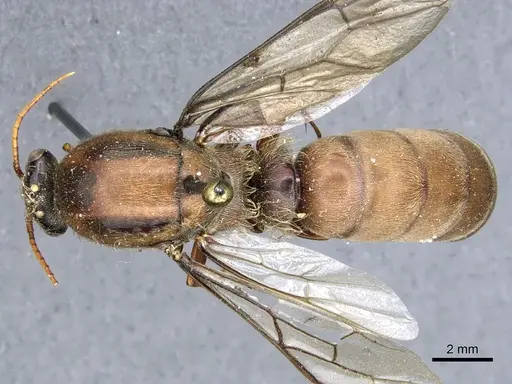
CASENT0905919
View on AntWeb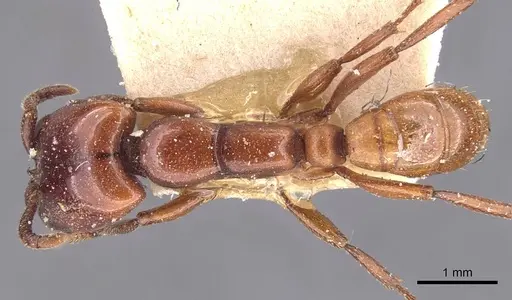
CASENT0905920
View on AntWeb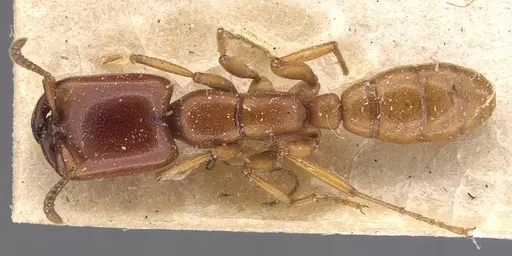
CASENT0911335
View on AntWeb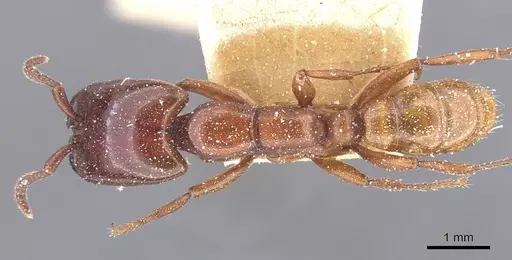
CASENT0911336
View on AntWeb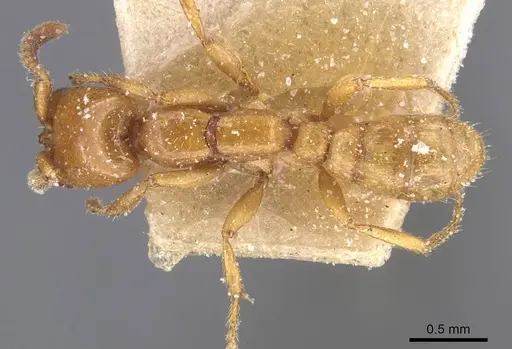
CASENT0914044
View on AntWeb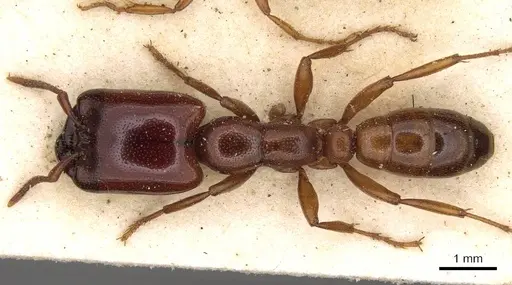
CASENT0914045
View on AntWeb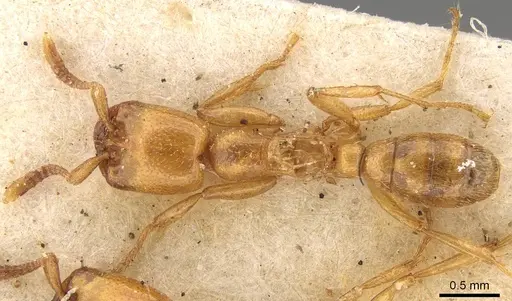
CASENT0915341
View on AntWeb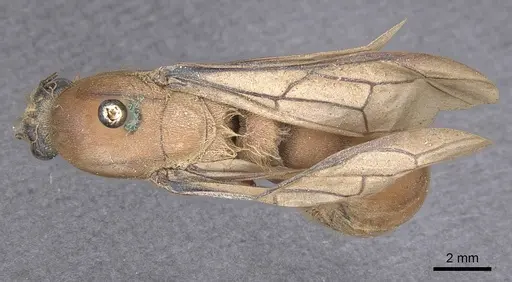
CASENT0916852
View on AntWeb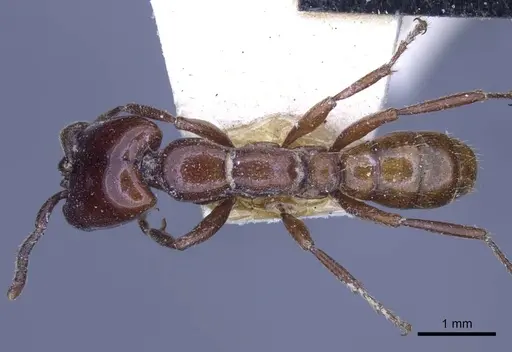
CASENT0916853
View on AntWeb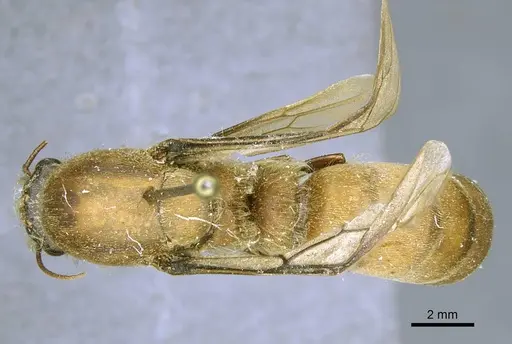
FOCOL1095
View on AntWeb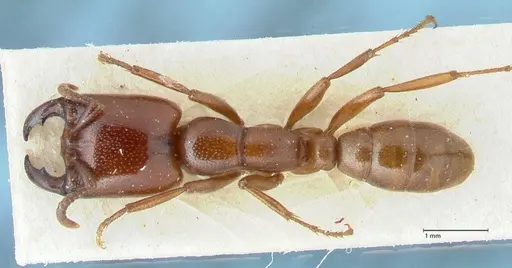
FOCOL1096
View on AntWeb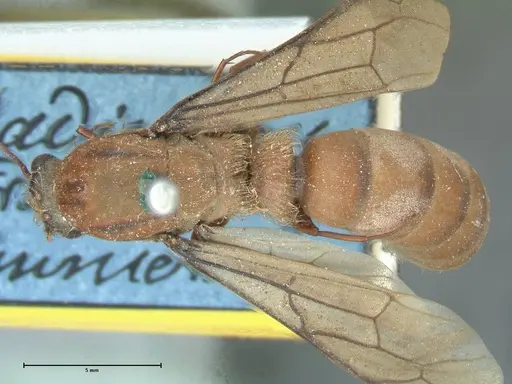
FOCOL1097
View on AntWeb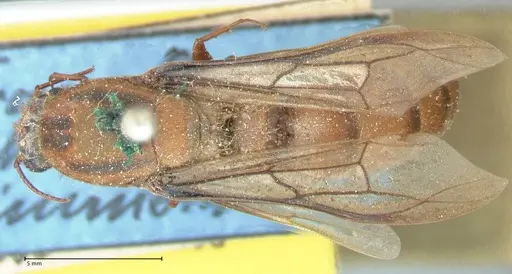
FOCOL1098
View on AntWeb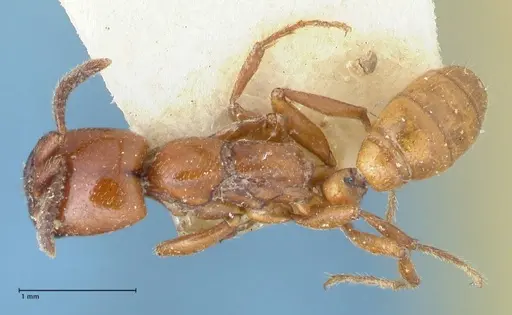
FOCOL1099
View on AntWeb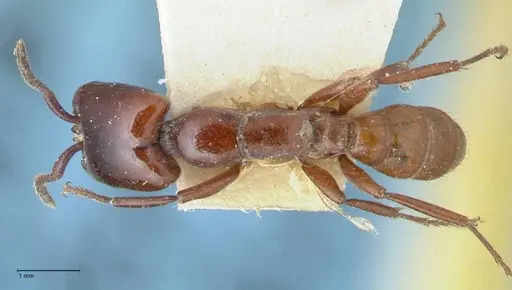
Literature
Loading distribution map...Loading products...