
Dorylus braunsi
- Sci. Name
- Dorylus braunsi
- Subfamily
- Dorylinae
- Author
- Emery, 1895
- Distribution
- Found in 5 countries
Introduction
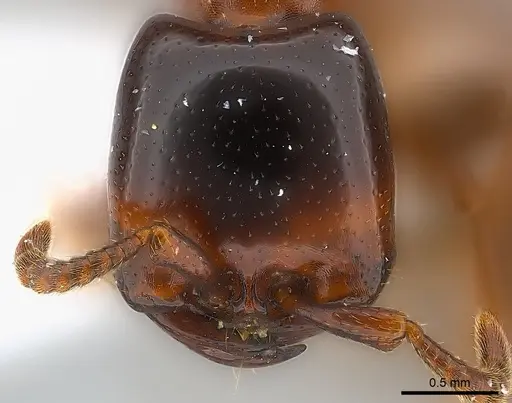
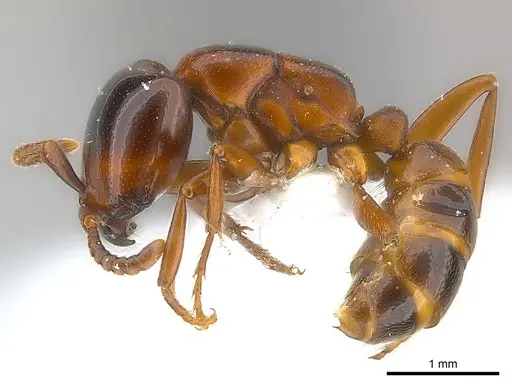
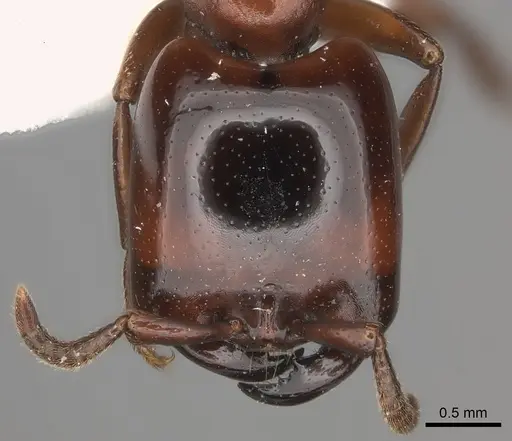
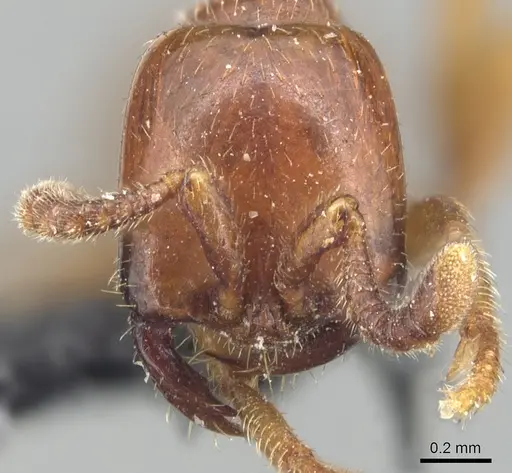
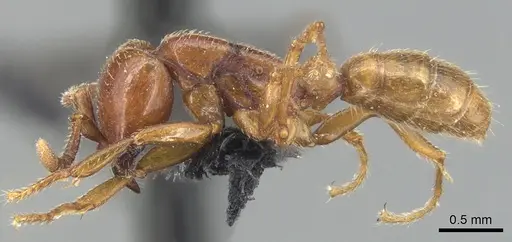
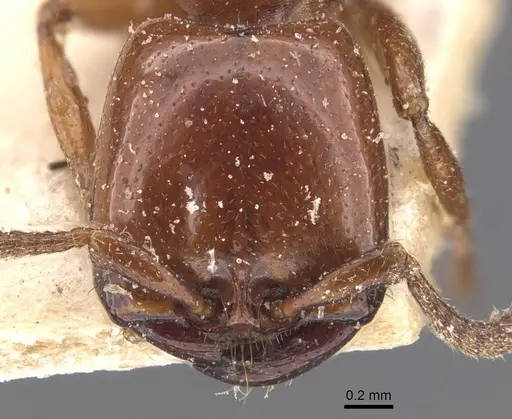
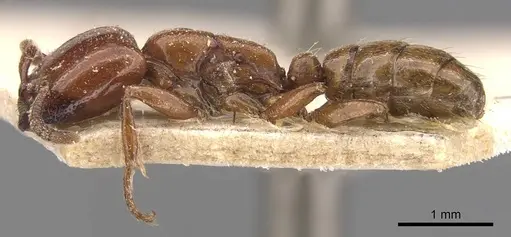
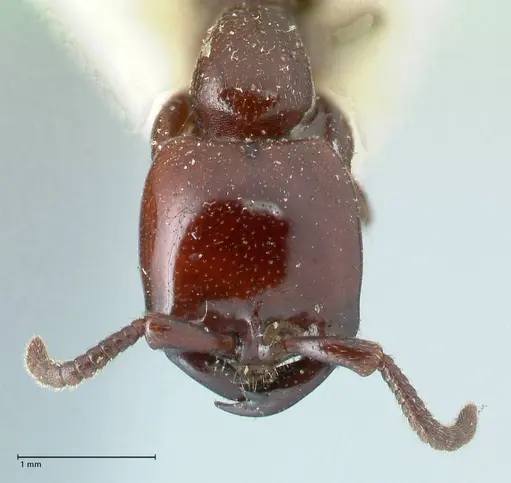
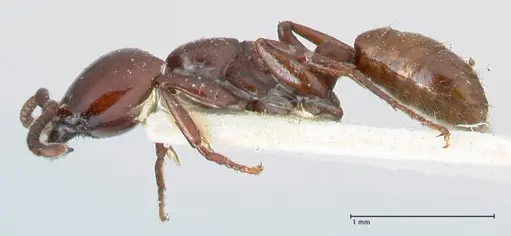
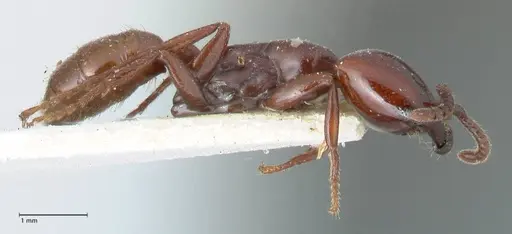
Dorylus braunsi is an army ant species found across West and Central Africa, from Liberia through the Congo basin to Kenya and Zimbabwe . Workers reach up to 8mm in length, with a distinctive dark rusty brown to almost black coloration on the head and thorax, while the abdomen and legs are lighter rusty red . The species is distinguished from related Dorylus helvolus and D. brevinodosus by its finer and sparser punctation on the head, with punctures almost disappearing entirely on the vertex in smaller workers . Like other Dorylus species, D. braunsi is a predatory army ant that conducts coordinated group raids. However, specific behavioral data for this species is limited in available research. The genus Dorylus is known for nomadic behavior and large colony structures, but these traits have not been specifically documented for D. braunsi.
Quick Summary
- Difficulty: Expert
- Origin & Habitat: West and Central Africa including Liberia, Congo (Boma Sundi), Nigeria, Kenya, and Zimbabwe. Found in tropical forest habitats [1][2][3].
- Colony Type: Colony structure is unconfirmed for this species. Dorylus genus typically forms large colonies with complex social organization, but specific colony type data for D. braunsi is unavailable.
- Size & Growth:
- Antkeeping:
- Temperature: Temperature requirements unconfirmed for this species. As a tropical African ant, likely requires warm conditions but specific ranges are not documented.
- Humidity: Humidity requirements unconfirmed for this species.
- Diapause: Unknown, no specific data on diapause requirements for D. braunsi. Tropical species may not require diapause but this is unconfirmed.
- Nesting: Nesting preferences unconfirmed for this species. Dorylus genus typically creates temporary nests in sheltered locations but specific requirements for D. braunsi are undocumented.
- Behavior: Behavior is unconfirmed for D. braunsi specifically. Dorylus genus workers are predatory and may exhibit raiding behavior, but species-specific temperament, aggression levels, and escape risk have not been documented in research.
- Common Issues: Colony collapse from inadequate space, large ant species require significant enclosure space, Prey shortage leading to starvation, predatory ants need live invertebrate prey, Escape due to persistent foraging behavior, Stress from disturbance, colonies may be sensitive to vibration and light exposure, Difficulty maintaining proper conditions in captivity
Housing and Space Requirements
Dorylus braunsi is a large ant species that would require substantial enclosure space in captivity. While specific space requirements are not documented for this species, the genus Dorylus is known to form large colonies that need room for colony expansion. Any captive setup should include multiple chambers connected by wide passages and deep substrate for nesting. Escape prevention is critical, ants will exploit any gap or seam in the enclosure. Custom naturalistic setups with secure barriers are recommended for large Dorylus species.
Feeding and Nutrition
Feeding requirements are unconfirmed for D. braunsi specifically. Dorylus genus members are predatory, but the specific prey preferences and quantities required for D. braunsi have not been documented. In captivity, providing a variety of live invertebrate prey would be necessary. Some colonies may accept pre-killed prey if fresh and moving. Sugar sources may not be accepted by this predatory species.
Colony Structure and Social Organization
Colony structure is unconfirmed for D. braunsi. Dorylus genus colonies typically have a queen that remains deep within the nest chamber, becoming physogastric during reproduction. The colony operates through division of labor with different worker castes. Unlike typical ants, Dorylus species may exhibit nomadic behavior, relocating periodically. However, these genus-level observations have not been specifically documented for D. braunsi.
Legal and Ethical Considerations
Before considering Dorylus braunsi as a captive species, verify the legal status in your jurisdiction. Many African ant species require permits for collection and export. D. braunsi is native to multiple African nations, and international trade may be regulated under national wildlife laws. Consider whether you can ethically provide appropriate conditions for this species given the limited documented care requirements. For most antkeepers, this species is not a viable choice due to limited available care information.
Frequently Asked Questions
Can I keep Dorylus braunsi in a test tube?
No. Dorylus braunsi is a large ant species that would require a substantial naturalistic setup. A test tube would be completely inadequate and the colony would die.
How long does it take for the first workers to emerge?
Development timeline is unconfirmed for Dorylus braunsi. No specific data on egg-to-worker development time is available for this species.
Can I keep multiple Dorylus braunsi queens together?
Colony type is unconfirmed for this species. Combining unrelated foundress queens is not recommended without documented evidence that the species can establish multi-queen colonies.
Are Dorylus braunsi good for beginners?
No. Due to limited documented care information and large size requirements, this species is not recommended for beginners. Even experienced antkeepers may struggle with species lacking specific care data.
What do Dorylus braunsi eat?
Diet is unconfirmed for this species. Dorylus genus members are predatory, but specific prey preferences and quantities for D. braunsi have not been documented. Live invertebrate prey would likely be required.
Do Dorylus braunsi need hibernation?
Diapause requirements are unconfirmed for this species. As a tropical African species, it likely does not require hibernation but this has not been specifically documented.
Why are my Dorylus braunsi dying?
Without documented care requirements, troubleshooting is difficult. Potential causes include inadequate space, insufficient prey, incorrect humidity, temperatures outside acceptable ranges, and escape. More species-specific research is needed to provide accurate care guidelines.
When should I move Dorylus braunsi to a formicarium?
This species is not suitable for standard formicaria. Large naturalistic enclosures would be needed from the start, but specific requirements are unconfirmed.
Report an Issue
The current care sheet is based fully on literature. See inconsistencies, or something that's incorrect? Please , it will be resolved after review from an admin. Contributing to the blogs tab also helps providing information, to make us be able to further improve the caresheets. Thank you for your support!
References

This caresheet is licensed under CC BY-SA 4.0 .
Community Blogs
CASENT0217158
View on AntWeb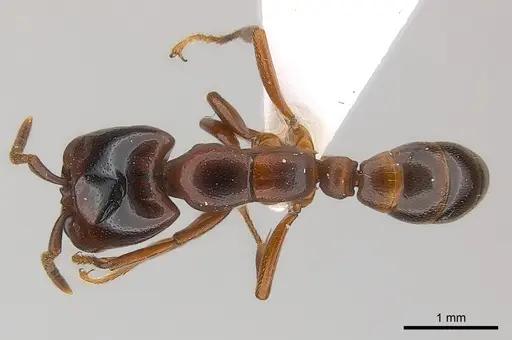
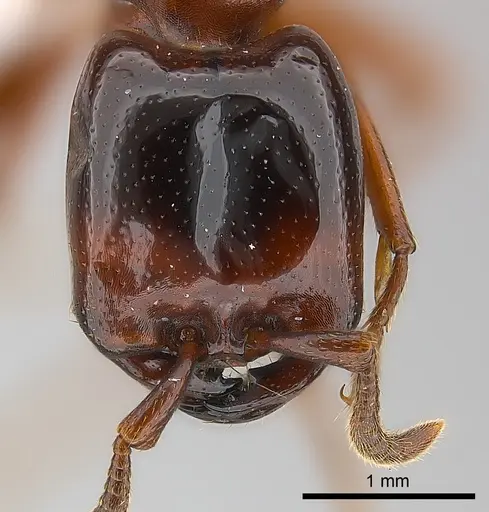
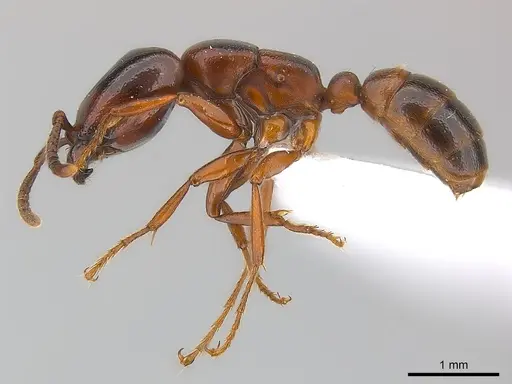
CASENT0217159
View on AntWeb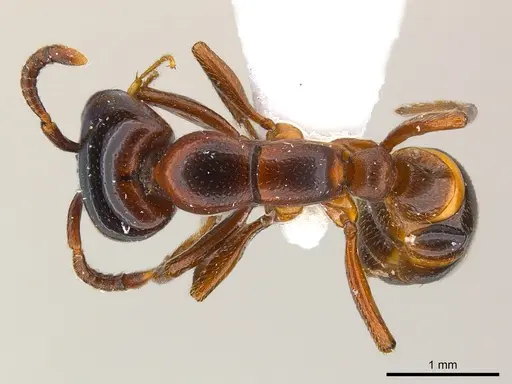
CASENT0217463
View on AntWeb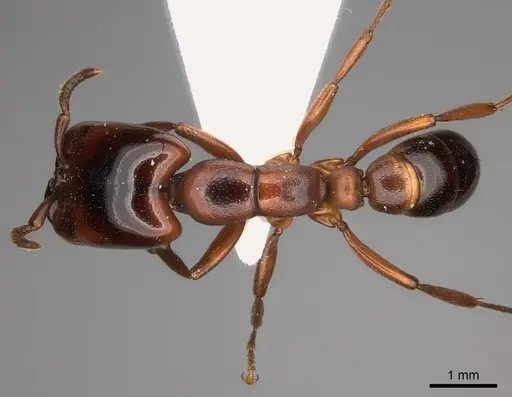
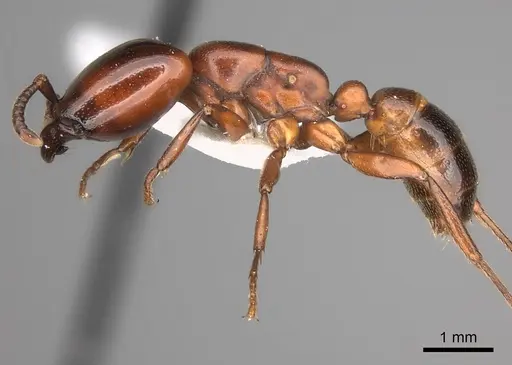
CASENT0903700
View on AntWeb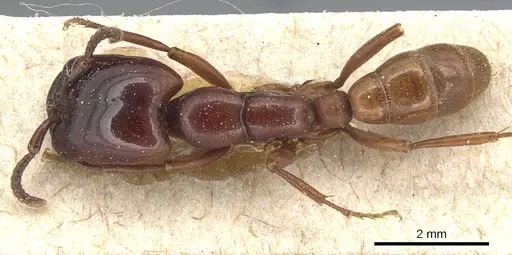
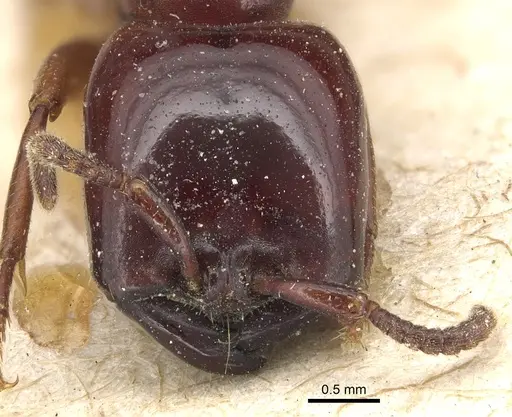
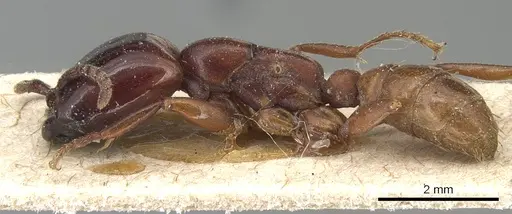
CASENT0903701
View on AntWeb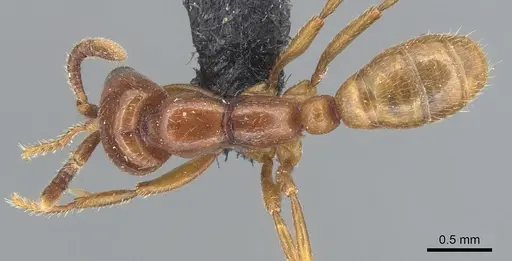
CASENT0905918
View on AntWeb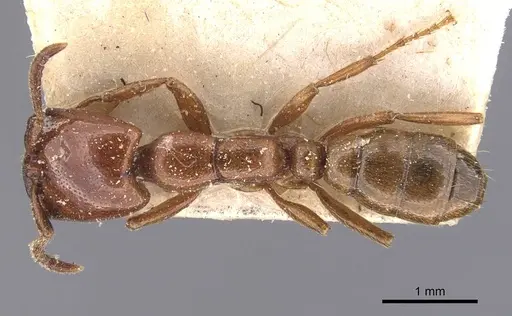
FOCOL1087
View on AntWeb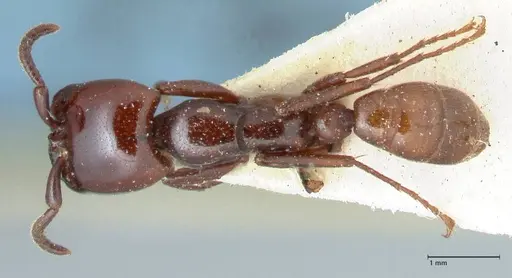
Literature
Loading distribution map...Loading products...