
Dolichoderus shattucki
- Sci. Name
- Dolichoderus shattucki
- Tribe
- Dolichoderini
- Subfamily
- Dolichoderinae
- Author
- MacKay, 1993
- Distribution
- Found in 1 countries
Introduction
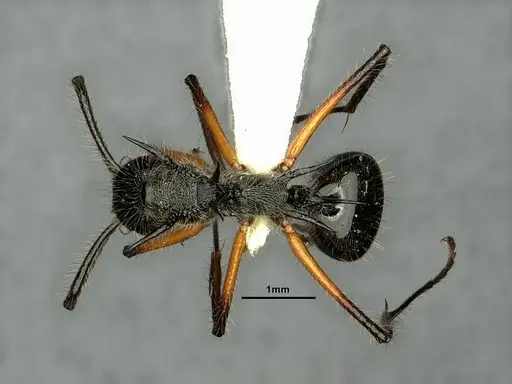
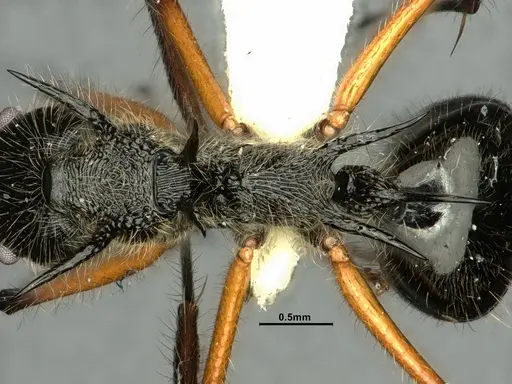
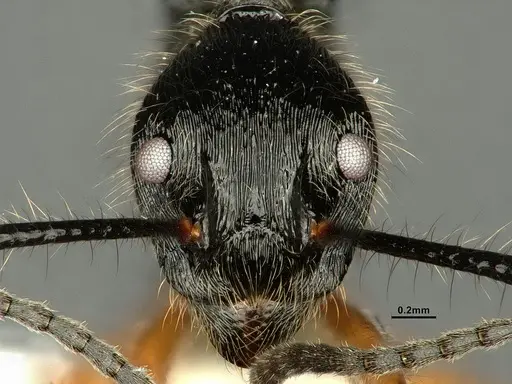
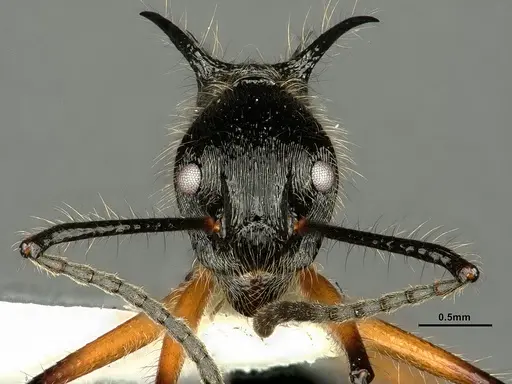
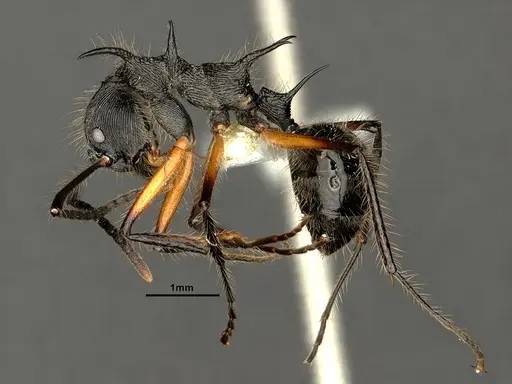
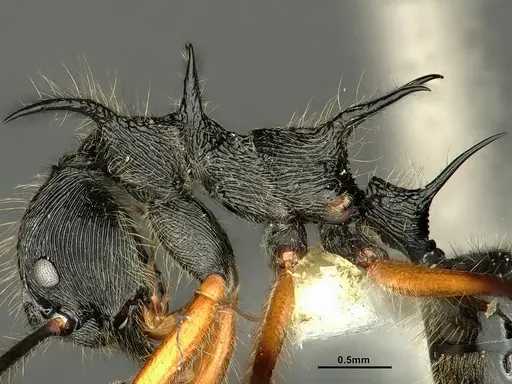
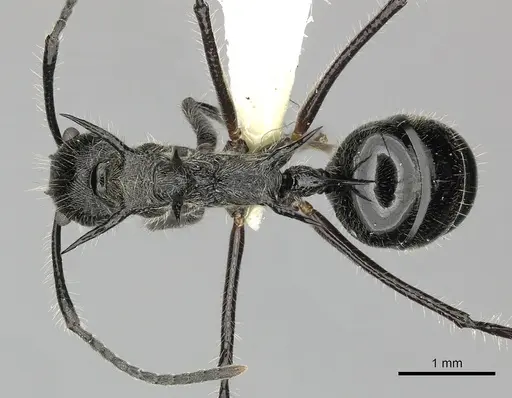
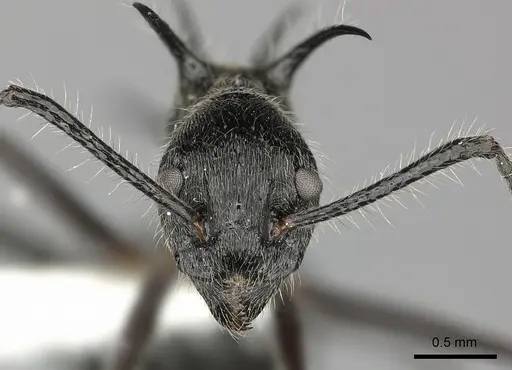
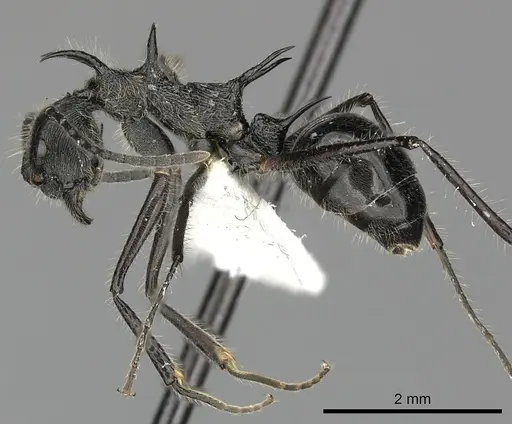
Dolichoderus shattucki is a Neotropical ant from Panama, Colombia, and Ecuador . Workers have a distinctive look: very long maxillary palpi, eyes that stick out past the head, long spines on the pronotum, mesonotum, propodeum, and petiole, and a body covered in erect hairs . These ants live in mature, minimally disturbed forests . They belong to the Dolichoderinae subfamily, which means they don't have a stinger but can spray formic acid for defense.
Quick Summary
- Difficulty: Medium
- Origin & Habitat: Neotropical forests of Panama, Colombia (Nariño, Valle del Cauca), and Ecuador (Pichincha). Found in mature forest habitats and considered an indicator of undisturbed forest [3][1][2].
- Colony Type: Unconfirmed – no data available on social structure.
- Size & Growth:
- Queen: Size data unavailable – no measurements recorded.
- Worker: Size data unavailable – no measurements recorded.
- Colony: Unknown.
- Growth: Unknown – no data.
- Development: Unknown – no data. (No development timeline data exists for this species.)
- Antkeeping:
- Temperature: Unknown – as a Neotropical species, likely warm (24–28°C) but not confirmed. Provide a gradient if possible. Avoid drops below 20°C.
- Humidity: Keep the nest substrate consistently moist but not waterlogged – based on forest habitat. Provide a water source for drinking.
- Diapause: Likely no diapause due to tropical origin, but not confirmed. Observe activity through the year.
- Nesting: Unknown – typical Dolichoderus nest in rotting wood or arboreal cavities. In captivity, try Y-tong (AAC), plaster, or soil nests with good moisture retention.
- Behavior: No specific behavior data available. Dolichoderus species are generally calm and use formic acid defense rather than stinging. Escape risk is low to moderate for this size.
- Common Issues: high humidity maintenance is critical – drying out causes colony decline., temperature drops below 20°C can stress the colony., limited data means much care is guesswork – be prepared to adjust., wild-caught colonies may struggle to adapt to captive conditions.
Identification and Distribution
Workers are easy to recognize by their very long maxillary palpi, eyes that bulge beyond the head sides, and long spines on the pronotum, mesonotum, propodeum, and petiole. The whole body is covered in erect or suberect hairs [1]. This species is known from Panama (type locality), Colombia (Nariño and Valle del Cauca departments), and Ecuador (Pichincha) [1][2]. It lives in mature, minimally disturbed forests and is considered a good indicator of forest quality [3].
General Care Considerations
Because almost nothing is known about the specific care needs of Dolichoderus shattucki, you must rely on general guidelines for tropical Dolichoderus ants. Keep the setup warm and humid. Avoid dry conditions. Provide a varied diet of sugars and proteins. Monitor closely and adjust based on colony response. Be prepared for the possibility that the colony may not thrive – this species has rarely been kept in captivity.
Housing and Nest Setup
Use a nest that holds moisture well, like Y-tong (AAC), plaster, or a soil nest. Keep the substrate damp – think rainforest floor. Add a water tube so workers can drink. Because their natural nesting habits are unknown, provide options: a test tube with a darkened chamber for founding, and later a more permanent nest. Avoid acrylic nests that dry out quickly. Make sure there is good ventilation to prevent mold.
Feeding and Diet
No diet data exists for this species. As typical for tropical Dolichoderus, offer a constant sugar source (sugar water, honey, diluted maple syrup) and protein sources like small insects (fruit flies, mealworms, cricket bits) 2–3 times a week. Remove leftover prey after 24 hours to prevent mold. Start with small portions and adjust as the colony grows.
Temperature and Seasonal Care
Given their tropical origin, keep the nest warm – aim for 24–28°C if possible. Provide a temperature gradient with a heating cable. Avoid sustained temperatures below 20°C. They likely do not need a winter diapause, but if you see a natural slowdown in activity during cooler months, reduce feeding and let them rest. More observations are needed. [2]
Behavior and Colony Dynamics
Virtually nothing is known about the behavior of this species. Dolichoderus ants in general are fairly calm, non‑aggressive, and use formic acid spray instead of a sting. Workers forage in the open. Establish standard escape barriers (fluon, oil) just in case. Note that wild‑caught colonies may behave differently than lab‑reared ones.
Frequently Asked Questions
How long does it take for Dolichoderus shattucki to raise their first workers?
Unknown – no data exists. Development likely depends on temperature and humidity.
What do Dolichoderus shattucki ants eat?
No specific data. Offer sugars and small insects – typical omnivorous diet for Dolichoderus. Observe what they accept.
What temperature do Dolichoderus shattucki ants need?
Unknown, but aim for 24–28°C based on tropical habitat. Avoid prolonged temperatures below 20°C.
Do Dolichoderus shattucki ants need hibernation?
Probably not. As a tropical species, they likely do not need a cold diapause. They may slow down in cooler months but should be kept warm year‑round.
How big do Dolichoderus shattucki colonies get?
Unknown. No colony size data is available. Based on related Dolichoderus, possibly a few hundred workers, but this is speculation.
Can I keep multiple queens together?
Unknown. No data on colony queen number. It's safest to assume single‑queen colonies unless proven otherwise.
Is Dolichoderus shattucki good for beginners?
Rated Medium difficulty. The main challenges are maintaining high humidity and warm temperatures, plus the general lack of care information. Not recommended for absolute beginners.
What humidity level do they need?
High – keep the nest substrate consistently moist but not waterlogged. Provide a water tube. Exact levels are not established.
Where does Dolichoderus shattucki come from?
Panama, Colombia (Nariño, Valle del Cauca), and Ecuador (Pichincha). Found in mature, minimally disturbed forests [3][1][2].
When will my queen lay eggs?
Unknown. Founding behavior has not been documented. If she is claustral (based on typical Dolichoderus), she will seal herself in and lay after a settling period.
Why is my colony declining?
Possible causes: nest too dry, temperature too low, mold from excess moisture, stress from disturbance, or parasites. Because little is known, troubleshooting is difficult. Check humidity and temperature first.
Report an Issue
The current care sheet is based fully on literature. See inconsistencies, or something that's incorrect? Please , it will be resolved after review from an admin. Contributing to the blogs tab also helps providing information, to make us be able to further improve the caresheets. Thank you for your support!
References

This caresheet is licensed under CC BY-SA 4.0 .
Community Blogs
Literature
Loading distribution map...Loading products...