
Dolichoderus semirugosus
- Sci. Name
- Dolichoderus semirugosus
- Tribe
- Dolichoderini
- Subfamily
- Dolichoderinae
- Author
- Mayr, 1870
- Distribution
- Found in 2 countries
Introduction
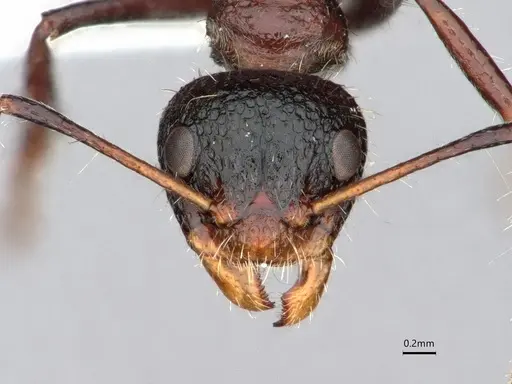
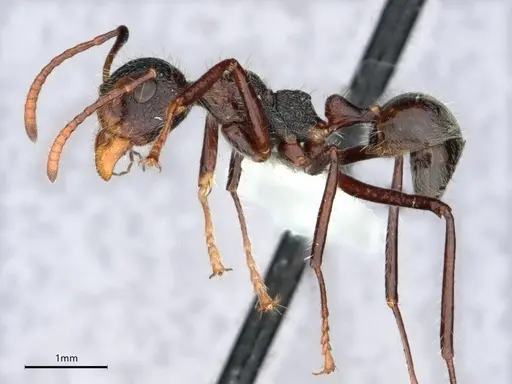
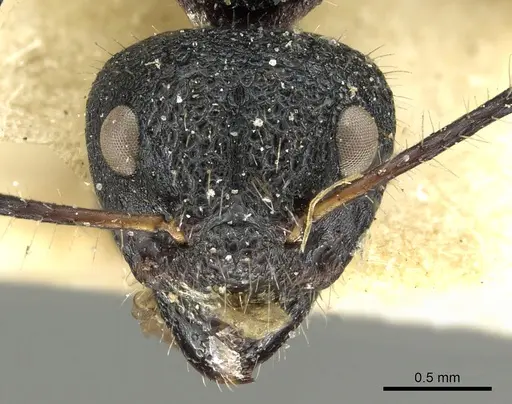
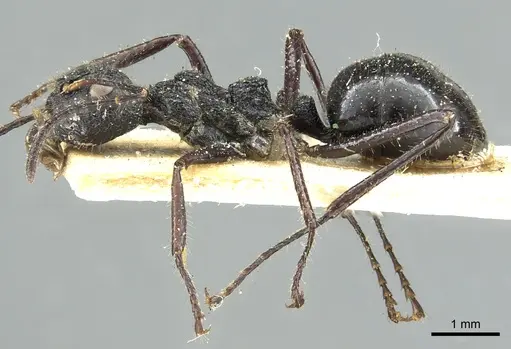
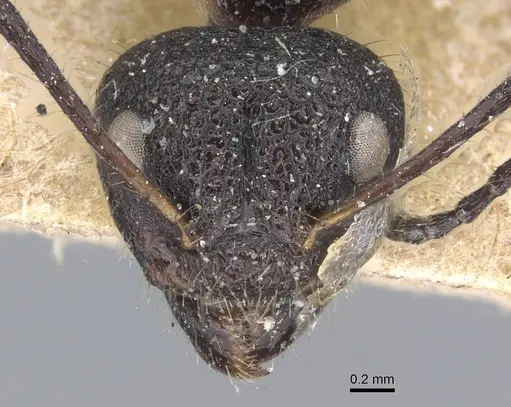
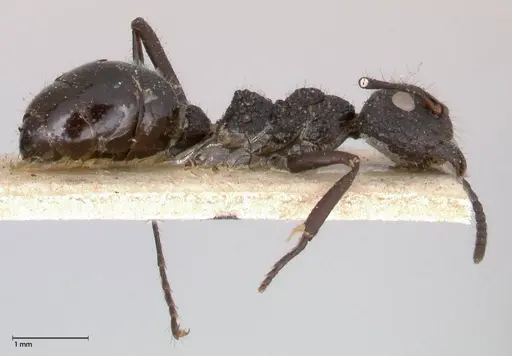
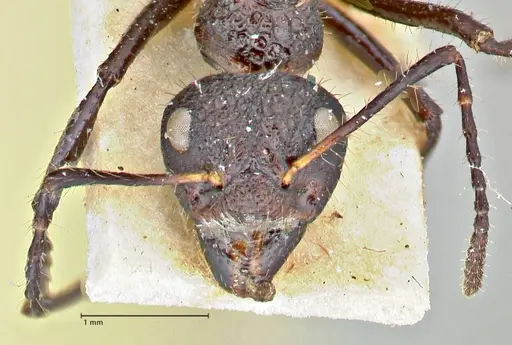
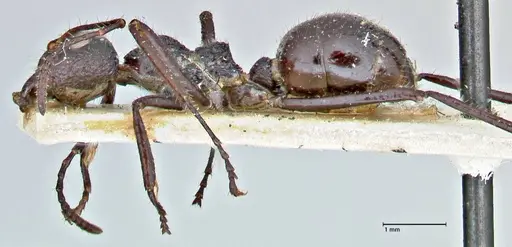
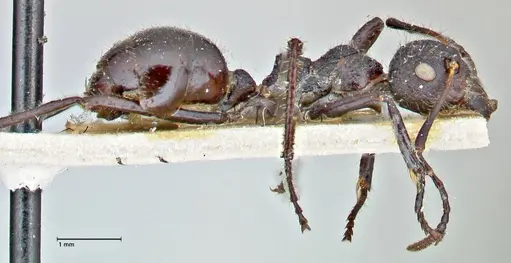
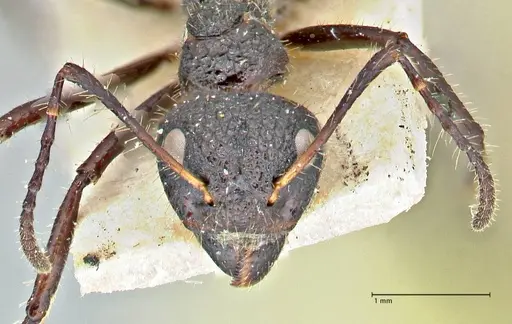
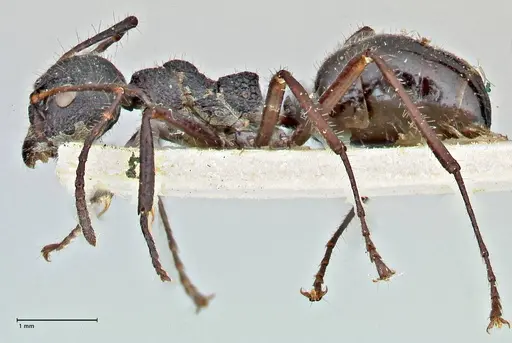
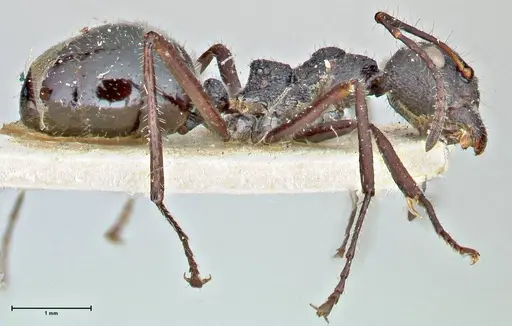
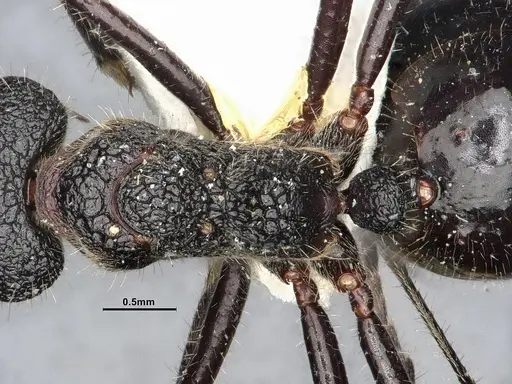
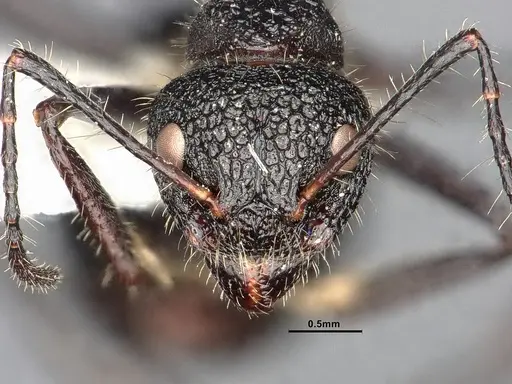
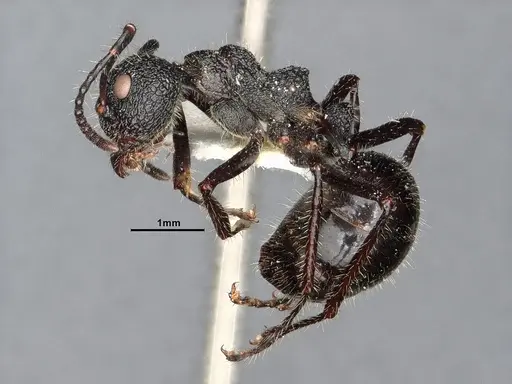
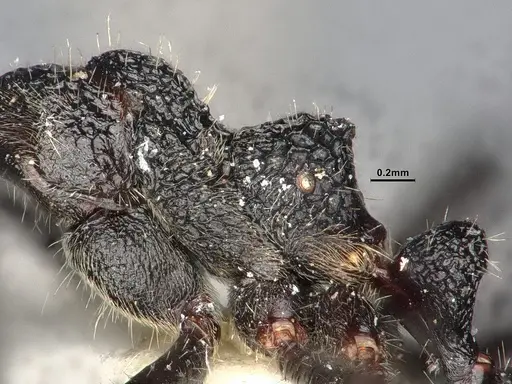
Dolichoderus semirugosus is a medium-sized tropical ant found in Southeast Asia, specifically Borneo (Sarawak), Peninsular Malaysia, and Thailand . Workers have a distinctive dark brown to black coloration with a matt (non-shiny) finish, but their most striking feature is the very coarse surface sculpturing - their head, alitrunk, and petiolus are deeply wrinkled and roughened, giving them a uniquely textured appearance that sets them apart from other Dolichoderus species in the sulcaticeps group . This species belongs to the Dolichoderus genus, which is known for associations with sap-sucking insects like mealybugs, though specific mutualistic relationships for this species are not well documented.
Quick Summary
- Difficulty: Medium
- Origin & Habitat: Southeast Asia, found in Borneo (Sarawak), Peninsular Malaysia, and Thailand (Khao Yai in eastern Thailand). They inhabit tropical forest environments in the Indomalaya region [1][2].
- Colony Type: Colony structure is not well documented in scientific literature. Based on typical Dolichoderus patterns, they likely form single-queen colonies, but this requires confirmation through species-specific research.
- Size & Growth:
- Queen: Size data unavailable, no specific measurements exist for this species
- Worker: Size data unavailable, no specific measurements exist for this species
- Colony: Unknown, no documented colony sizes for this species
- Growth: Unknown, specific growth rate data does not exist
- Development: Unknown, development time has not been directly studied (Development timing is unconfirmed for this species. Estimates based on related species may not be accurate.)
- Antkeeping:
- Temperature: Keep at 24-28°C. As a tropical Southeast Asian species, they prefer warm, stable conditions. A heating cable on one side of the nest can create a gentle gradient if room temperature is below this range.
- Humidity: Moderate to high humidity (60-80%). These forest-dwelling ants prefer damp substrate but not waterlogged conditions. Keep the nest substrate consistently moist but allow some drying between waterings.
- Diapause: No, being a tropical species, they do not require hibernation.
- Nesting: In captivity, they do well in Y-tong (AAC) nests, plaster nests, or naturalistic setups with damp substrate. They prefer enclosed nests with chambers scaled to their size. Avoid very dry conditions.
- Behavior: Dolichoderus semirugosus workers are relatively active and alert. They are not particularly aggressive toward keepers but will defend their nest if threatened. Like other Dolichoderus ants, they may have a defensive secretion that gives them a distinctive odor when disturbed. They are moderate escape artists, ensure their enclosure has secure barriers. Workers likely forage for honeydew from mealybugs and may hunt small insects.
- Common Issues: tropical species requires warm conditions, temperatures below 20°C for extended periods can weaken or kill colonies, humidity must be maintained, too-dry conditions will cause colony decline, wild-caught colonies may carry parasites or diseases that can wipe out captive colonies, slow founding means patience is required, queens may take months to raise first workers, escape prevention should be maintained, they are agile and will explore gaps
Housing and Nest Setup
For Dolichoderus semirugosus, use a nest that maintains humidity while providing adequate ventilation. Y-tong (AAC) nests work well because they hold moisture without becoming waterlogged. Plaster nests are another good option, simply keep the water reservoir filled to maintain moderate humidity inside the chambers. Naturalistic setups with a dirt chamber also work, but monitor moisture levels carefully. Connect the nest to an outworld (foraging area) that is escape-proof. Use a test tube setup for the founding queen, and transition to a larger nest once the colony reaches 30-50 workers. [2]
Feeding and Diet
In the wild, Dolichoderus semirugosus likely tends mealybugs and other sap-sucking insects for honeydew, while also hunting small insects for protein. In captivity, offer a varied diet: sugar water or honey should be available constantly for energy. For protein, offer small insects like fruit flies, small crickets, or mealworms. You can also experiment with commercial ant foods, but live prey is always appreciated. Feed protein sources 2-3 times per week, and remove any uneaten prey after 24 hours to prevent mold. The mealybug association suggests they prefer sweet liquids, a cotton ball soaked in diluted honey or sugar water makes an excellent supplementary food source.
Temperature and Humidity
As a tropical species from Southeast Asia, Dolichoderus semirugosus needs warm conditions. Keep the nest area at 24-28°C. Room temperature may be sufficient in warm climates, but in cooler environments, use a heating cable placed on top of the nest (never underneath, as it can dry out the nest too quickly). For humidity, aim for 60-80% relative humidity inside the nest. The substrate should feel damp to the touch but not have standing water. Rehydrate by adding water to the nest's reservoir or misting the substrate when it begins to dry out, check every few days rather than on a fixed schedule. Good ventilation is important to prevent mold while maintaining humidity. [1]
Colony Development and Growth
A newly mated queen will seal herself into a small chamber and lay eggs. She will not leave to forage, she lives entirely on her stored fat reserves while raising the first brood. This is called claustral founding and is typical for many ant species. The first workers (called nanitics) are usually smaller than normal workers and emerge within several weeks under warm conditions. After the nanitics hatch, the queen stops caring for the brood directly and focuses on laying more eggs. The colony then grows as workers forage for food to feed more larvae. Growth is moderate, expect several months to reach 50 workers, and potentially a year or more to reach several hundred. Patience is key with this species.
Behavior and Temperament
Dolichoderus semirugosus workers are active foragers and will explore their outworld in search of food. When threatened, they may release a defensive secretion that produces a distinctive odor, this is a characteristic shared by many Dolichoderus ants. They are not particularly aggressive toward humans and rarely sting, making them manageable for antkeepers. Workers are moderately alert and will investigate disturbances. They are good climbers and may attempt to explore any gaps in their enclosure, so check that lid connections and barrier edges are secure. Their dark coloration and coarse sculpturing make them visually distinctive in the ant collection. [2]
Frequently Asked Questions
How long does it take for Dolichoderus semirugosus to raise first workers?
Unknown, development time has not been directly studied for this species. Estimates from related species suggest several weeks to a couple of months at tropical temperatures.
What do Dolichoderus semirugosus ants eat?
They need a balanced diet of sugar and protein. Offer sugar water or honey constantly, and feed small insects (fruit flies, small crickets, mealworms) 2-3 times per week. They likely also accept honeydew from mealybugs if available.
What temperature do Dolichoderus semirugosus need?
Keep them warm at 24-28°C. As a tropical Southeast Asian species, they do not tolerate cool temperatures well.
Do Dolichoderus semirugosus need hibernation?
No, being a tropical species, they do not require hibernation or winter rest. Simply maintain warm temperatures year-round.
How big do Dolichoderus semirugosus colonies get?
Colony size is not well documented for this species. Based on related species, they may reach several hundred workers.
Can I keep multiple Dolichoderus semirugosus queens together?
Colony structure is unconfirmed for this species. Combining unrelated queens is not recommended as they would likely fight. Only keep one queen per colony.
What makes Dolichoderus semirugosus different from other ants?
Their most distinctive feature is the very coarse surface sculpturing, their body has a rough, wrinkled texture that sets them apart from most other ants. They also belong to a genus known for tending mealybugs for honeydew.
When should I move my colony to a larger nest?
Move to a larger nest when the colony reaches 30-50 workers and the current nest feels crowded. Dolichoderus ants appreciate having extra chambers for brood storage.
Are Dolichoderus semirugosus good for beginners?
They are rated as medium difficulty. They require warm, humid conditions and have slower founding than some species. They are a good choice if you have experience with basic antkeeping and want to try a less common genus.
Report an Issue
The current care sheet is based fully on literature. See inconsistencies, or something that's incorrect? Please , it will be resolved after review from an admin. Contributing to the blogs tab also helps providing information, to make us be able to further improve the caresheets. Thank you for your support!
References

This caresheet is licensed under CC BY-SA 4.0 .
Community Blogs
CASENT0842692
View on AntWeb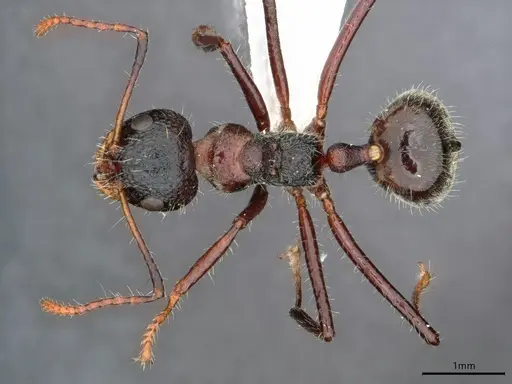
CASENT0902968
View on AntWeb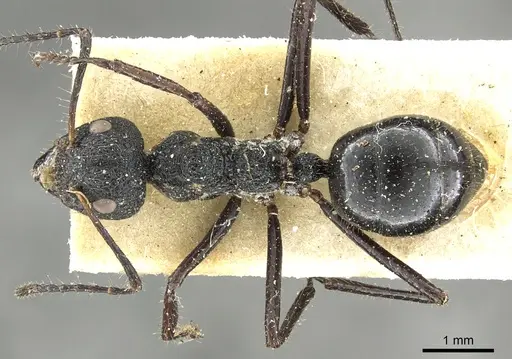
CASENT0915555
View on AntWeb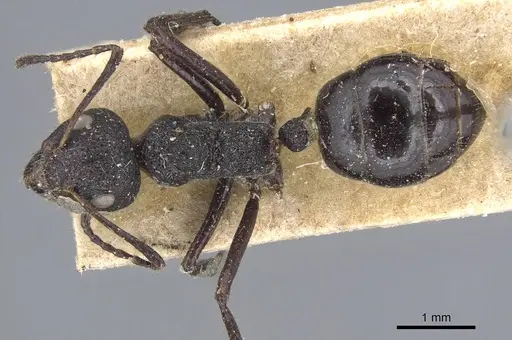
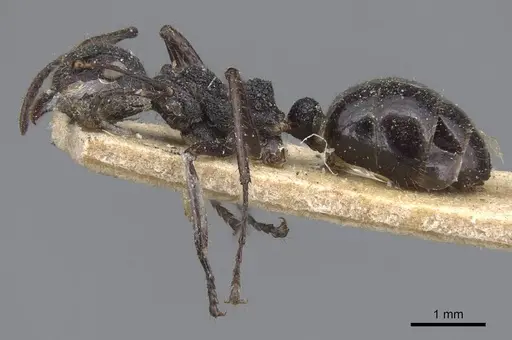
FOCOL0544
View on AntWeb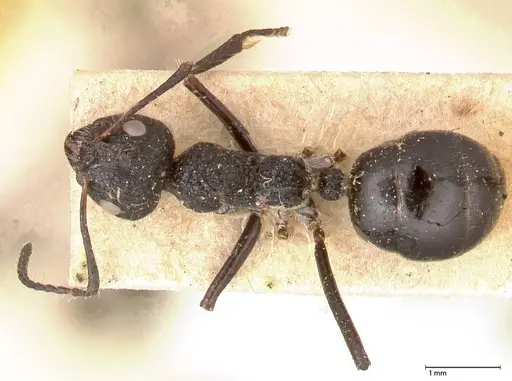
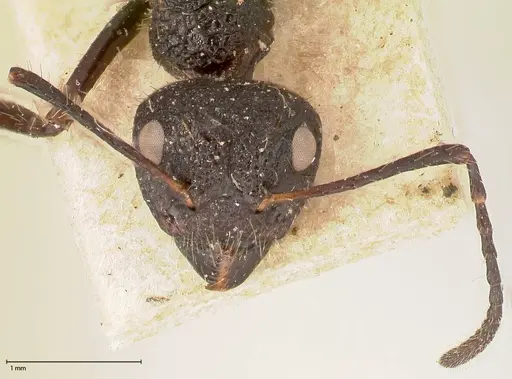
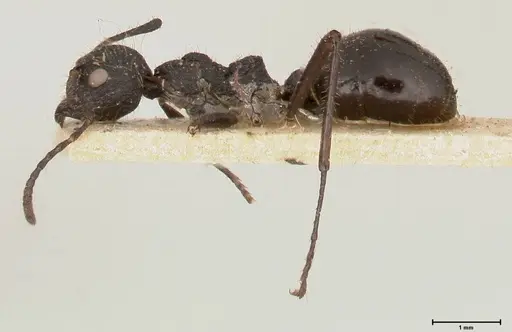
FOCOL2778
View on AntWeb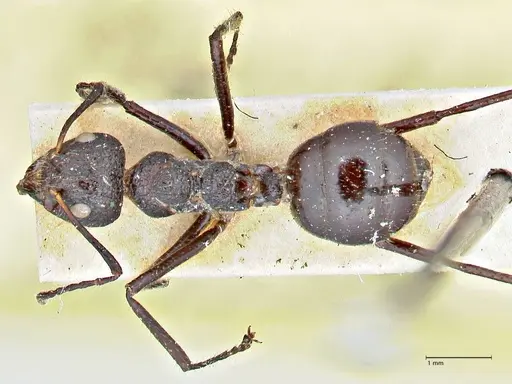
FOCOL2779
View on AntWeb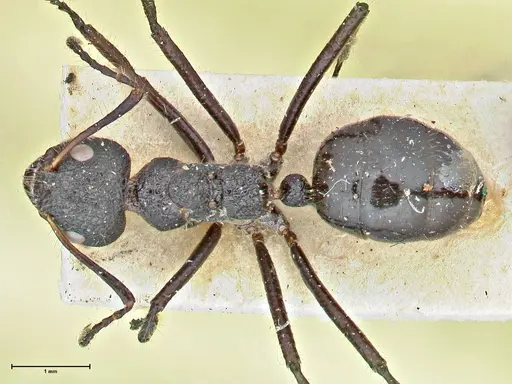
SMFHYM0008904
View on AntWeb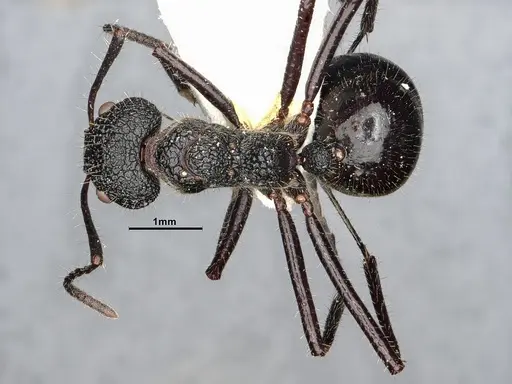
Literature
Loading distribution map...Loading products...