
Dolichoderus sagmanotus
- Sci. Name
- Dolichoderus sagmanotus
- Tribe
- Dolichoderini
- Subfamily
- Dolichoderinae
- Author
- Xu, 2001
- Distribution
- Found in 0 countries
Introduction
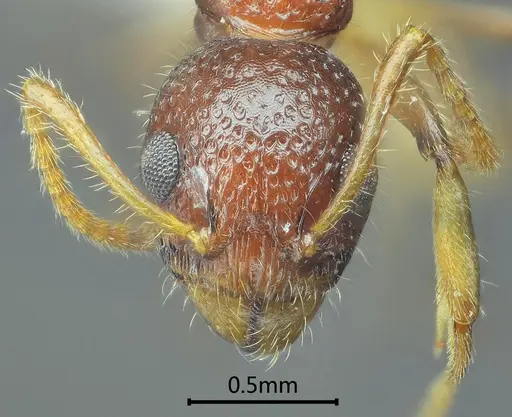
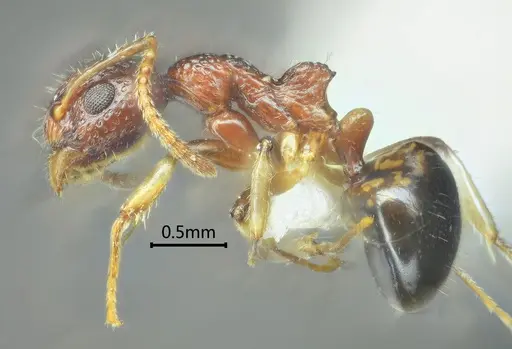
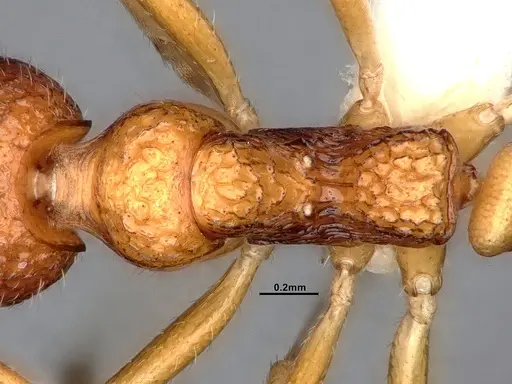
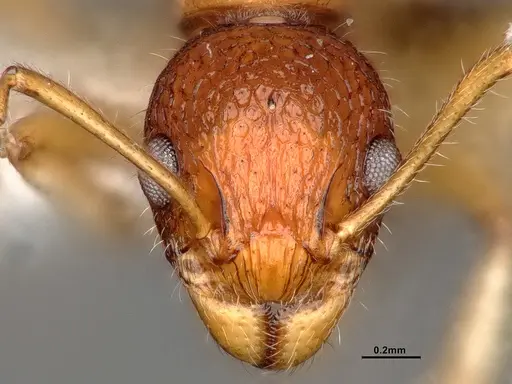
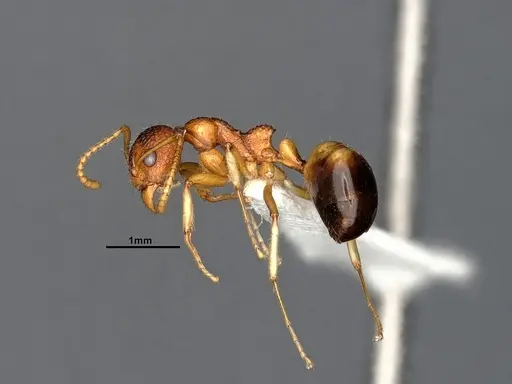
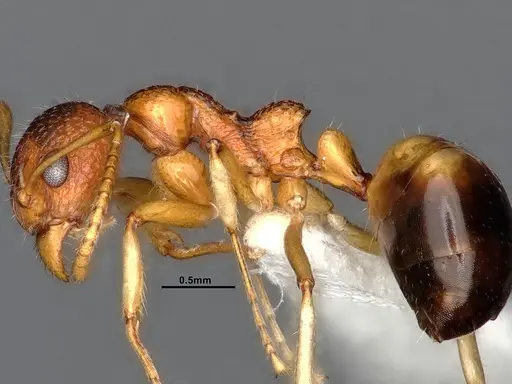
Dolichoderus sagmanotus is a small ant species native to Yunnan Province, China. Workers measure 3.7mm in total length and have a distinctive appearance with a reddish-brown head, thorax, and petiole contrasting against a black gaster. The antennae and legs are yellowish brown. This species was described by Xu in 2001 and is closely related to Dolichoderus siggii from Thailand and Dolichoderus sibiricus. In profile, the dorsal surface of the thorax and gaster features sparse erect hairs. The species nests in semi-evergreen monsoon forests at approximately 900 meters elevation . Very little is known about the specific biology of this species in captivity. As a Dolichoderus species, they likely share general genus traits including a preference for moist, shaded environments and a diet based on honeydew and small arthropods. The black gaster with reddish-brown thorax gives these ants an attractive appearance that appeals to collectors interested in less common Asian species.
Quick Summary
- Difficulty: Unknown, likely Medium based on genus patterns
- Origin & Habitat: Yunnan Province, China. Found in semi-evergreen monsoon forest at 900m elevation [1]. This is a China-endemic species known only from southwestern Yunnan.
- Colony Type: Colony structure is unconfirmed. Most Dolichoderus species form moderate-sized colonies with single queens, but this has not been documented for D. sagmanotus specifically.
- Size & Growth:
- Queen: Undescribed, estimated 6-8mm based on genus patterns
- Worker: 3.7mm total length [2]
- Colony: Unknown, estimated several hundred workers based on typical Dolichoderus colony sizes
- Growth: Unknown, estimated Moderate based on genus patterns
- Development: Unconfirmed, estimated 6-10 weeks based on related Dolichoderus species at optimal temperature (Development timeline has not been directly studied for this species. Estimates based on typical Dolichoderus genus patterns.)
- Antkeeping:
- Temperature: Aim for roughly 20-24°C based on the cool, moist montane forest habitat of their native Yunnan range. Avoid overheating.
- Humidity: Keep substrate consistently moist but not waterlogged. Semi-evergreen monsoon forests experience high humidity, target 60-80% range with good ventilation to prevent mold.
- Diapause: Likely yes, Yunnan experiences cool winters. Expect a winter rest period around 10-15°C for 2-3 months, but this is inferred from habitat, not directly studied.
- Nesting: In nature they nest in soil or under stones in forest floor habitats. In captivity, a naturalistic setup with moist substrate or a Y-tong/plaster nest works well. They likely prefer dark, humid nest chambers.
- Behavior: Dolichoderus ants are generally not aggressive and lack a painful sting. They may raise their gasters as a defensive display when disturbed, similar to other Dolichoderus species. Workers forage for honeydew and small arthropods. Escape prevention should be moderate, these are small ants but not extremely tiny.
- Common Issues: limited availability, this is a rarely kept species with few export specimens, lack of specific care information means keepers must rely on genus-level guidance, humidity control is critical, too dry causes colony decline, too wet causes mold, winter cooling must be provided or colony health may suffer over time, wild-caught colonies may have parasites or diseases that kill them in captivity
Housing and Nest Preferences
In their natural habitat of semi-evergreen monsoon forest, these ants nest in soil or under stones on the forest floor. For captivity, a naturalistic setup with a deep layer of moist substrate (a mix of soil and sand works well) allows them to create galleries. Alternatively, a Y-tong or plaster nest with chambers scaled to their 3.7mm worker size provides a more controlled environment. They prefer dark, humid nest areas and will likely avoid brightly lit sections of the formicarium. Provide a water tube for humidity and ensure the nest material stays moist but never saturated. A small outworld for foraging completes the setup. [1][2]
Feeding and Diet
Like most Dolichoderus species, D. sagmanotus likely feeds primarily on honeydew collected from aphids and scale insects, supplemented by small arthropods. In captivity, offer sugar water or honey water as a constant energy source. For protein, provide small live prey such as fruit flies, pinhead crickets, or mealworm pieces. They are not large ants, so prey items should be appropriately sized. Observe feeding behavior, if they ignore certain foods, try alternatives. Fresh fruit can sometimes be accepted as a sugar source. Feed protein 2-3 times per week and ensure sugar sources are always available. [2]
Temperature and Seasonal Care
Based on their Yunnan origin at 900m elevation, these ants prefer cooler temperatures than many tropical species. Aim for 20-24°C in the nest area, with a slight gradient if possible. Avoid temperatures above 28°C, which can stress the colony. During winter, provide a cool period around 10-15°C for 2-3 months, this mimics the seasonal cooling of their native habitat and supports colony health. Do not cool suddenly, reduce temperature gradually over several weeks. Monitor colony activity, if they become sluggish well before winter, the temperature may already be too low. Heating may not be needed in most room-temperature homes, but a heating cable on one side of the nest can help maintain optimal range. [1]
Behavior and Colony Dynamics
Dolichoderus ants are generally calm and not prone to aggressive biting or stinging. When threatened, they may raise their abdomen in a defensive posture, this is a warning signal rather than a serious threat. Workers are active foragers that will search the outworld for food. The colony will likely establish a clear foraging pattern once they settle in. Unlike some ants, they do not form supercolonies and typically maintain moderate population sizes. Queens are larger than workers and should be protected during the founding stage. The first workers (nanitics) will be smaller than mature workers, this is normal. [2]
Acquisition and Legal Considerations
Dolichoderus sagmanotus is a China-endemic species with limited distribution in Yunnan Province. It is rarely available in the antkeeping hobby outside of China. If available, wild-caught colonies are the most likely source. Exercise caution when purchasing, ensure the seller has legal authority to export the species. Never release this species or any non-native ant into the wild in North America, Europe, or other regions where they could become invasive. This is particularly important for species with limited known distributions, as their ecological impact is poorly understood. [1]
Frequently Asked Questions
How long does it take for Dolichoderus sagmanotus to produce first workers?
The exact timeline is unconfirmed for this species. Based on typical Dolichoderus genus patterns, expect 6-10 weeks from egg to worker at optimal temperature (around 22°C). The queen will remain sealed in her founding chamber until the first nanitic workers emerge.
What do Dolichoderus sagmanotus ants eat?
Like most Dolichoderus species, they likely feed on honeydew and small arthropods. In captivity, provide sugar water or honey water constantly, and offer small protein sources like fruit flies, pinhead crickets, or mealworm pieces 2-3 times per week.
What temperature do Dolichoderus sagmanotus ants need?
Keep them in the 20-24°C range based on their cool montane forest origin in Yunnan. Avoid temperatures above 28°C. A heating cable on part of the nest can help maintain optimal temperature if your room is cooler.
Do Dolichoderus sagmanotus need hibernation?
Likely yes, their native habitat in Yunnan experiences cool winters. Provide a winter rest period around 10-15°C for 2-3 months. Reduce temperature gradually over several weeks in autumn.
How big do Dolichoderus sagmanotus colonies get?
The maximum colony size is unknown for this species. Based on typical Dolichoderus patterns, colonies likely reach several hundred workers. They are not among the largest ant species.
Can I keep multiple Dolichoderus sagmanotus queens together?
The colony structure is unconfirmed for this species. Most Dolichoderus species are monogyne (single queen), but polygyny has been documented in some genus members. It is not recommended to combine unrelated queens without evidence they tolerate each other.
Is Dolichoderus sagmanotus a good species for beginners?
This species is not well-suited for beginners due to limited availability and lack of specific captive care information. Keepers should have experience with Dolichoderus or similar ants before attempting this species. Start with more common, well-documented species.
What humidity level do Dolichoderus sagmanotus ants need?
Aim for 60-80% humidity. Their native monsoon forest habitat is consistently moist. Keep the nest substrate damp but not waterlogged, and ensure good ventilation to prevent mold buildup.
When should I move Dolichoderus sagmanotus to a formicarium?
Wait until the colony has at least 20-30 workers and is actively foraging in the outworld. For founding colonies in test tubes, transfer when the water section becomes contaminated or the colony outgrows the space. A small formicarium with appropriate chamber sizes works well.
Report an Issue
The current care sheet is based fully on literature. See inconsistencies, or something that's incorrect? Please , it will be resolved after review from an admin. Contributing to the blogs tab also helps providing information, to make us be able to further improve the caresheets. Thank you for your support!
References

This caresheet is licensed under CC BY-SA 4.0 .
Community Blogs
ANTWEB1060611
View on AntWeb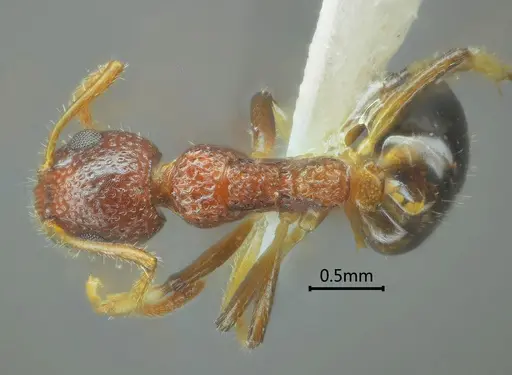
CASENT0886099
View on AntWeb
Literature
Loading distribution map...Loading products...