
Dolichoderus rosenbergi
- Sci. Name
- Dolichoderus rosenbergi
- Tribe
- Dolichoderini
- Subfamily
- Dolichoderinae
- Author
- Forel, 1911
- Distribution
- Found in 2 countries
Introduction
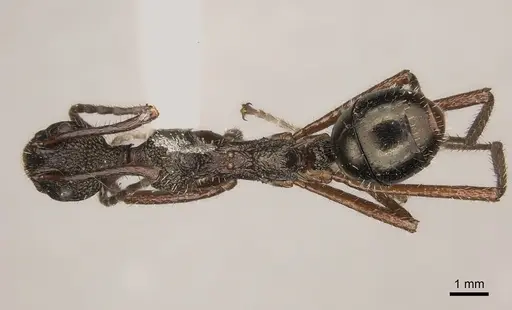
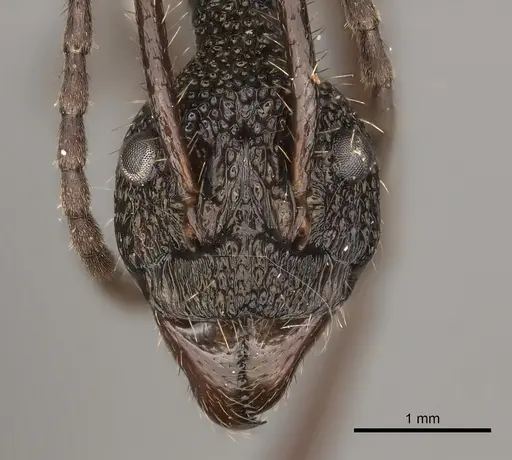
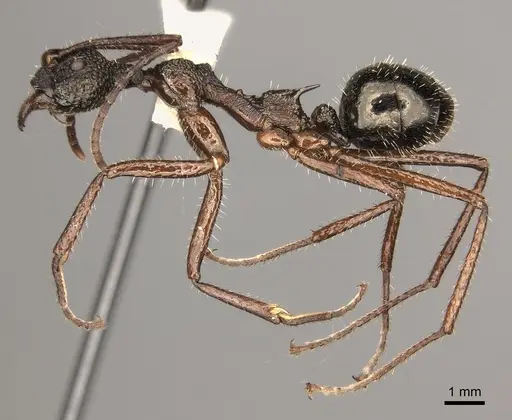
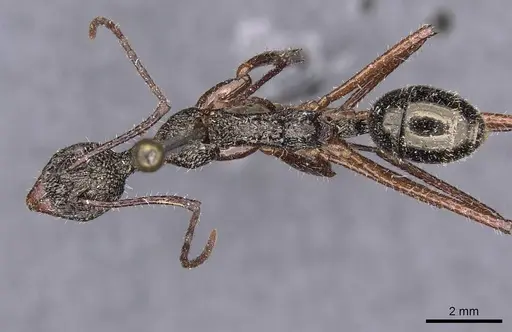
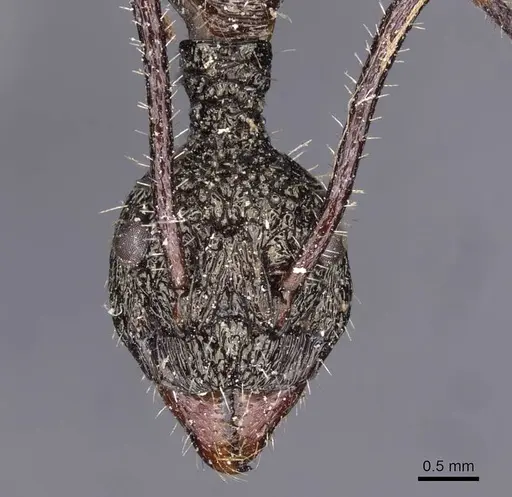
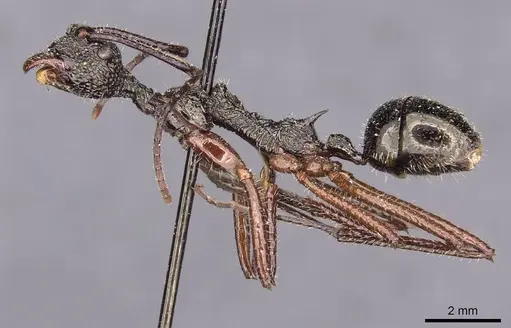
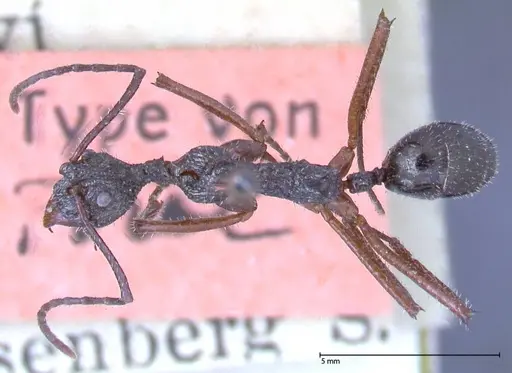
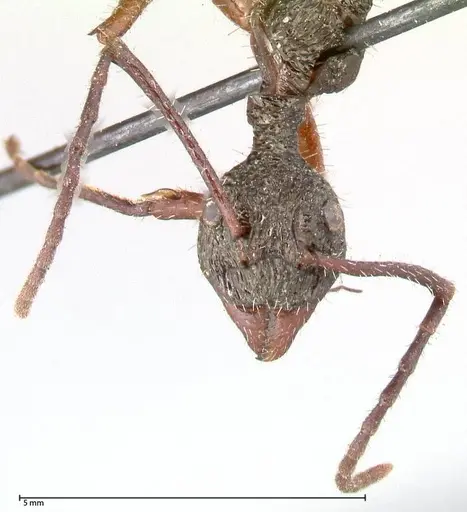
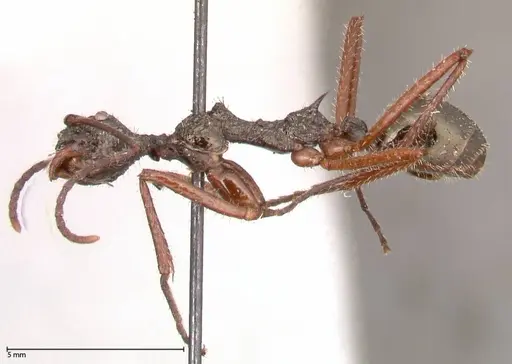
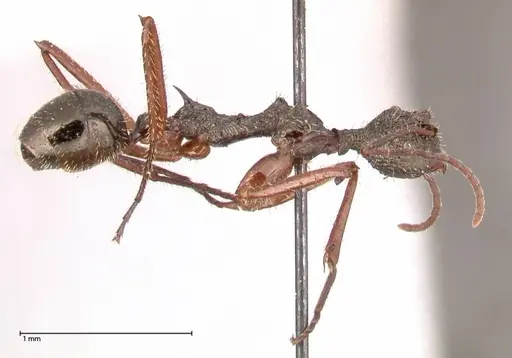
Dolichoderus rosenbergi is a Neotropical ant species native to northwestern South America, found across Colombia, Ecuador, and northern Peru . Workers have eyes that extend beyond the lateral margin of the head in frontal view, a well-developed occipital neck roughly twice as long as wide, prominent propodeal spines, and a smooth, shiny dorsal gaster . They inhabit lowland tropical forests of the Valle del Cauca region in Colombia, including locations like Bajo Calima, PNN Farallones de Cali, and Anchicaya . As a relatively understudied Dolichoderine, this species is uncommon in the antkeeping hobby.
Quick Summary
- Difficulty: Medium
- Origin & Habitat: Native to the Neotropical region: Colombia (Valle del Cauca), Ecuador, and northern Peru [1][2][4]. Found in tropical forest habitats at low to mid elevations in the Chocó biogeographic region.
- Colony Type: Based on typical Dolichoderus patterns, colonies are likely single-queen (monogyne).
- Size & Growth:
- Queen: Estimated 7-9 mm based on Dolichoderus genus patterns, no direct species measurement available.
- Worker: Estimated 4-6 mm based on Dolichoderus genus patterns [1].
- Colony: Likely moderate, up to several hundred workers based on related species.
- Growth: Moderate, inferred from typical Dolichoderus development.
- Development: Estimated 6-10 weeks at optimal tropical temperatures (24-28°C), based on genus-level data for related Dolichoderus species. (Development time is estimated from genus patterns, no species-specific data exists. Tropical species typically develop faster than temperate ants.)
- Antkeeping:
- Temperature: Keep at 24-28°C. As a Neotropical species from lowland forests, they prefer warm, stable conditions. A heating cable on one side of the nest can create a gradient if room temperature falls below this range. Avoid prolonged exposure below 22°C.
- Humidity: Maintain moderate to high humidity (60-80%). These forest-dwelling ants prefer moist conditions but not waterlogged substrate. Keep the nest substrate damp but allow some drying between waterings.
- Diapause: Based on their tropical origin, they likely do not require a true hibernation period. However, a slight reduction in temperature during the dry season may be natural and beneficial.
- Nesting: In captivity, they do well in Y-tong (AAC) nests, plaster nests, or naturalistic setups with moist substrate. They likely nest in rotting wood or moist soil in the wild, so provide damp nest materials.
- Behavior: Workers are active foragers that likely search for honeydew and small insects. Like other Dolichoderinae, they defend themselves by emitting a defensive secretion from the anal gland when threatened, not a stinger. They are not particularly aggressive toward keepers but can be quick-moving. Escape prevention should be good, workers are moderate in size but agile and can squeeze through small gaps.
- Common Issues: tropical species may struggle if temperatures drop below 22°C for extended periods, humidity control is critical, too dry and brood desiccates, too wet and mold becomes a problem, limited availability in the antkeeping hobby makes established colonies hard to find, wild-caught colonies may carry parasites or diseases that can harm captive colonies, colony growth is moderate, which may test the patience of beginners
Nest Preferences and Housing
In their natural habitat along the Colombian Pacific coast and Ecuador, Dolichoderus rosenbergi likely nests in rotting wood and moist soil within tropical forests. Y-tong (AAC) nests work well in captivity because they provide good humidity control while allowing you to observe the colony. Plaster nests with water reservoirs are also excellent, as they maintain consistent moisture. Naturalistic setups with a soil layer can work but need monitoring for mold. The nest chambers should be suitable for workers roughly 4-6 mm in size. Provide a simple outworld for foraging. [1][2]
Feeding and Diet
Based on typical Dolichoderus feeding behavior, these ants are generalist foragers that collect honeydew from aphids and scale insects and also hunt small arthropods. In captivity, offer a constant supply of sugar water or honey for energy, and protein sources like small crickets, mealworms, or fruit flies every few days. They may also accept some plant-based foods or nectar. Remove uneaten prey after 24-48 hours to prevent mold. Provide fresh water at all times. Increase feeding when brood is present.
Temperature and Seasonal Care
As a Neotropical species from the warm, humid Chocó region of Colombia and Ecuador, Dolichoderus rosenbergi requires temperatures of 24-28°C for optimal colony health and brood development. They do not tolerate cool conditions well, avoid keeping them below 22°C for extended periods. Use a heating cable on top of the nest (not underneath, to avoid drying the substrate) if room temperature is lower. They likely do not require hibernation, but you may notice reduced activity during the dry season. Keep conditions stable. [2][3]
Behavior and Defense
Workers are active foragers that will explore their outworld searching for food. Like other Dolichoderinae, they emit a defensive secretion from the anal gland when threatened. This can be irritating to skin or eyes but is not dangerous. They are not especially aggressive but will defend their nest if provoked. Workers are moderately fast-moving. Provide a deep foraging area with some cover so they feel secure. They likely use chemical trails to recruit nestmates, a common behavior in the genus.
Acquiring and Establishing a Colony
Dolichoderus rosenbergi is not common in the antkeeping hobby, so finding an established colony may require contacting specialized breeders or collectors in South America. If you obtain a wild-caught colony, quarantine it and watch for parasites or diseases for the first few weeks. When starting from a queen, use a small test tube setup with a water reservoir kept warm and humid. The queen probably seals herself in (claustral founding) and raises her first workers on stored fat reserves. Be patient, colony growth is moderate, not fast.
Frequently Asked Questions
How long does it take for Dolichoderus rosenbergi to raise their first workers?
Based on genus-level data, expect about 6-10 weeks from egg to first worker at 24-28°C. This is an estimate since species-specific data is unavailable. The queen likely remains claustral during founding.
What temperature do Dolichoderus rosenbergi ants need?
Keep them at 24-28°C. As a Neotropical species from Colombia and Ecuador, they require consistent warmth. Avoid temperatures below 22°C for extended periods.
Can I keep multiple Dolichoderus rosenbergi queens together?
Colony structure is unconfirmed. Based on typical Dolichoderus patterns, they likely form single-queen colonies. Combining unrelated queens is not recommended without evidence that they can coexist.
What do Dolichoderus rosenbergi ants eat?
They are generalist foragers. Offer sugar water or honey as a constant energy source, and protein like small crickets, mealworms, or fruit flies every few days. They likely also collect honeydew in the wild.
Are Dolichoderus rosenbergi good for beginners?
This species is rated medium difficulty. While not the hardest ant to keep, they have specific temperature and humidity requirements as a tropical species, and they are not commonly available. Experience with tropical ants would help.
How big do Dolichoderus rosenbergi colonies get?
Based on related species, colonies likely reach several hundred workers. This is a moderate colony size, neither among the largest nor smallest Dolichoderus species.
Do Dolichoderus rosenbergi need hibernation?
No, they do not require hibernation. As a tropical species from the Chocó region, they are adapted to year-round warm conditions. A slight temperature drop during the dry season may be natural but is not needed.
What humidity level do Dolichoderus rosenbergi need?
Maintain moderate to high humidity around 60-80%. These forest-dwelling ants prefer moist conditions, but avoid waterlogging. The nest substrate should be damp but not soggy.
Report an Issue
The current care sheet is based fully on literature. See inconsistencies, or something that's incorrect? Please , it will be resolved after review from an admin. Contributing to the blogs tab also helps providing information, to make us be able to further improve the caresheets. Thank you for your support!
References

This caresheet is licensed under CC BY-SA 4.0 .
Community Blogs
Literature
Loading distribution map...Loading products...