
Dolichoderus longicollis
- Sci. Name
- Dolichoderus longicollis
- Tribe
- Dolichoderini
- Subfamily
- Dolichoderinae
- Author
- MacKay, 1993
- Distribution
- Found in 3 countries
Introduction
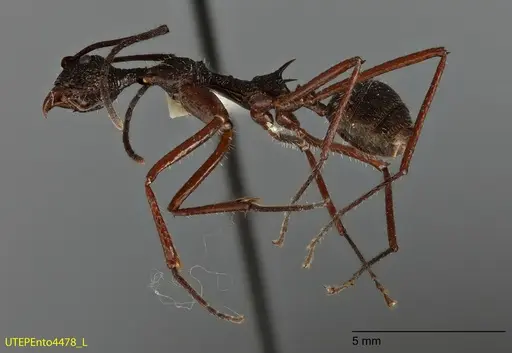
Dolichoderus longicollis is a Neotropical ant species native to Colombia, first described by Mackay in 1993. Workers are dark brown with a notably long occipital neck, well-developed propodeal spines, and a strongly punctured dorsal gaster . The eyes extend beyond the lateral margin of the head in frontal view . This species is known from the Chocó and Valle del Cauca regions of Colombia, and also recorded in Vichada . Size data is unavailable for this species, but based on Dolichoderus genus patterns, they are likely small ants. They are inferred to be arboreal or semi-arboreal in their native rainforest habitat.
Quick Summary
- Difficulty: Medium
- Origin & Habitat: Native to Neotropical rainforests of Colombia, specifically the Chocó and Valle del Cauca regions, with high humidity and warm temperatures [1][2].
- Colony Type: Likely monogyne based on typical Dolichoderus genus patterns, but specific colony structure not documented for this species.
- Size & Growth:
- Queen: Size data unavailable, but inferred from Dolichoderus genus to be approximately 5-8 mm.
- Worker: Size data unavailable, but inferred from Dolichoderus genus to be approximately 3-5 mm.
- Colony: Up to 500 workers estimated based on genus patterns.
- Growth: Moderate, based on genus patterns.
- Development: Estimated 6-8 weeks at optimal temperatures, inferred from related Dolichoderus species. (Development time is inferred since no specific study exists for this species.)
- Antkeeping:
- Temperature: Maintain warm temperatures, ideally low-to-mid 20s°C, as they are from tropical Colombia. No specific data from research, so observe colony activity.
- Humidity: Keep nest substrate consistently moist but not waterlogged, as they are from humid regions [1][2].
- Diapause: No, as tropical ants, they do not require hibernation [2].
- Nesting: Based on Dolichoderus genus patterns, prefer arboreal nests with narrow chambers. Use Y-tong or plaster nests with access to an outworld.
- Behavior: Based on Dolichoderus patterns, they are not aggressive but use defensive secretions when threatened. Active foragers with moderate escape risk due to their size.
- Common Issues: high humidity requirements can lead to mold if ventilation is poor, balance moisture with airflow, arboreal ants may struggle in fully enclosed setups, provide access to an outworld for foraging, maintaining consistent warmth is essential, temperature drops can slow colony activity, this species is not commonly available, making established colonies difficult to obtain
Nest Preferences and Housing
Based on Dolichoderus genus patterns, this species is likely arboreal or semi-arboreal, preferring nests that mimic tree hollows or bark cavities. In captivity, use Y-tong (AAC) or plaster nests with narrow chambers and access to an outworld for foraging. Avoid fully enclosed test tube setups, as these ants need space to move between chambers.
Feeding and Diet
Dolichoderus ants are omnivorous, feeding on sweet liquids like sugar water or honey, and small insects such as fruit flies or mealworms. Offer protein 2-3 times per week and provide a constant sugar source. Remove uneaten prey to prevent mold.
Temperature and Seasonal Care
Maintain warm temperatures around 24-28°C, as they are from tropical Colombia [1][2]. Use a heating cable on one side of the nest to create a gradient. No diapause is required.
Humidity Requirements
Keep the nest substrate consistently moist but not waterlogged, reflecting their humid native habitat [1][2]. Provide a water tube for drinking and ensure adequate ventilation to prevent mold.
Behavior and Colony Dynamics
Workers are active foragers that use chemical trails to recruit nestmates. Their primary defense is releasing pungent secretions from anal glands, not stinging. Colonies grow moderately, with first workers appearing within weeks under optimal conditions.
Frequently Asked Questions
How long does it take for Dolichoderus longicollis to produce first workers?
Estimated 6-8 weeks from egg to worker at optimal temperatures, inferred from related Dolichoderus species.
What temperature do Dolichoderus longicollis need?
Maintain warm temperatures, ideally 24-28°C, as they are from tropical Colombia [1][2].
Can I keep Dolichoderus longicollis in a test tube?
Test tubes are not ideal. Use a Y-tong or plaster nest with access to an outworld, as they are likely arboreal.
Do Dolichoderus longicollis need hibernation?
No, as tropical ants from Colombia, they do not require hibernation [2].
What do Dolichoderus longicollis eat?
They are omnivorous, feeding on sweet liquids and small insects like fruit flies or mealworms.
How big do Dolichoderus longicollis colonies get?
Up to 500 workers estimated based on genus patterns.
Are Dolichoderus longicollis good for beginners?
This species is rated as Medium difficulty. The main challenges are maintaining high humidity and warm temperatures year-round.
Where is Dolichoderus longicollis found in the wild?
This species is known from the Chocó and Valle del Cauca regions of Colombia, and also recorded in Vichada [1][2][3].
How do I set up a nest for Dolichoderus longicollis?
Use a Y-tong or plaster nest with multiple narrow chambers and access to an outworld. Keep the nest material moist and maintain warm temperatures.
Report an Issue
The current care sheet is based fully on literature. See inconsistencies, or something that's incorrect? Please , it will be resolved after review from an admin. Contributing to the blogs tab also helps providing information, to make us be able to further improve the caresheets. Thank you for your support!
References

This caresheet is licensed under CC BY-SA 4.0 .
Community Blogs
CASTYPE16040
View on AntWeb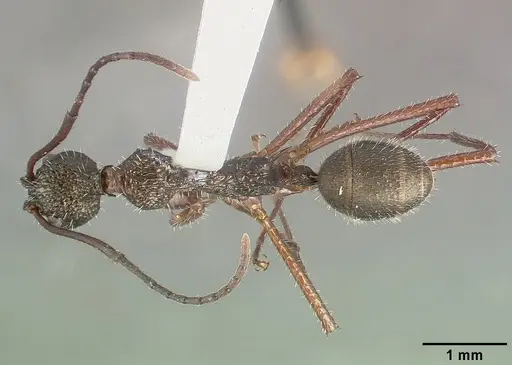
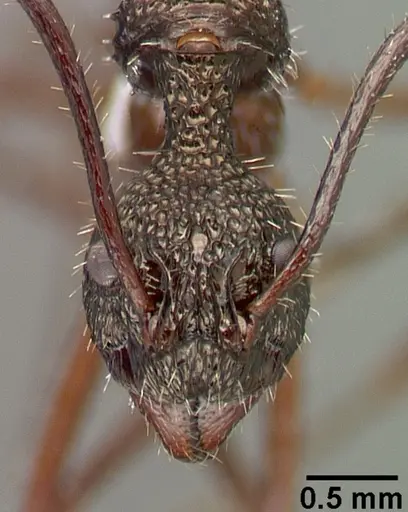
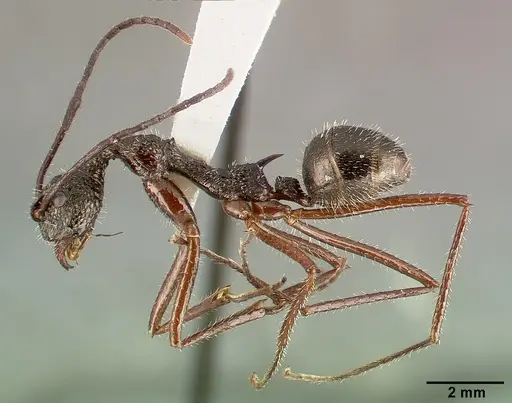
UTEPENTO4478
View on AntWeb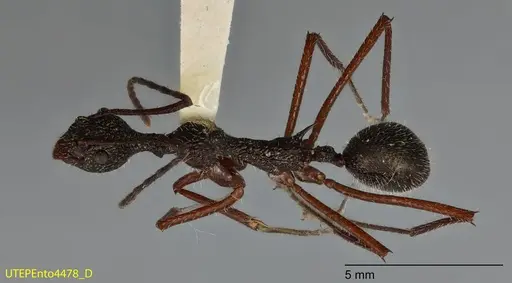
Literature
Loading distribution map...Loading products...