
Dolichoderus laurae
- Sci. Name
- Dolichoderus laurae
- Tribe
- Dolichoderini
- Subfamily
- Dolichoderinae
- Author
- MacKay, 1993
- Distribution
- Found in 2 countries
Introduction
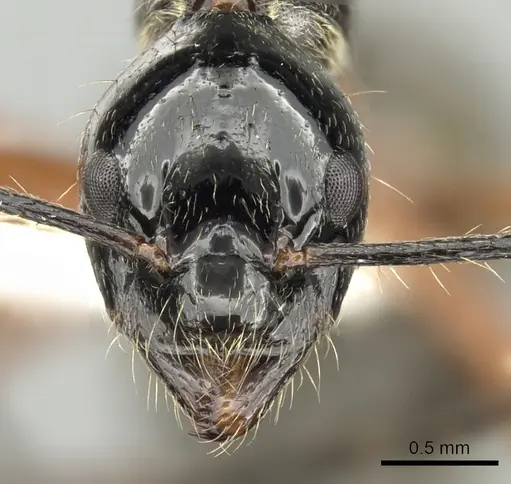
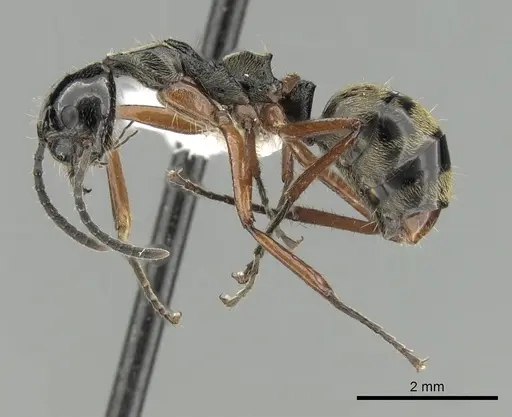
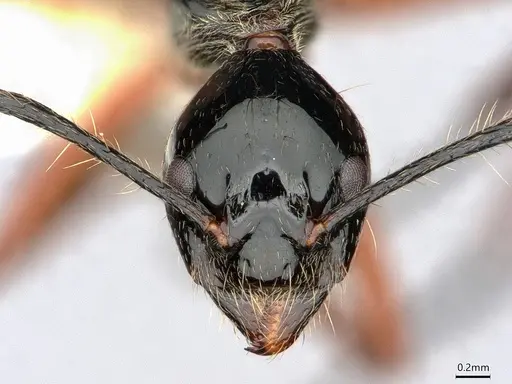
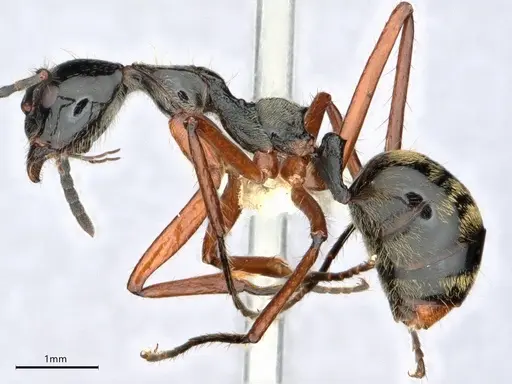
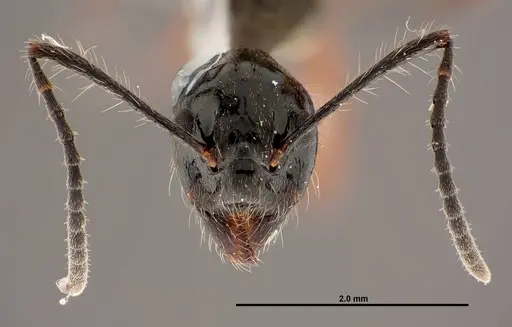
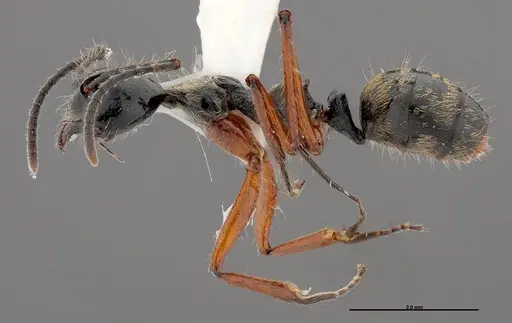
Dolichoderus laurae is a small Neotropical ant native to Colombia, specifically found in the Risaralda region (Mistrató) at approximately 980 meters elevation . Workers are characterized by their rounded head, elongated mesosoma, and distinctive golden or silvery erect hairs on the first abdominal segment . This species is notable for its unique nesting behavior - workers create nests by folding and weaving leaves together, similar to the well-known weaver ants (Oecophylla), using silk or secretions to bind leaf edges . They inhabit mid-altitude tropical areas in Colombia and remain rare in the antkeeping hobby due to their limited known distribution.
Quick Summary
- Difficulty: Medium
- Origin & Habitat: Native to Colombia, specifically the Risaralda region (Mistrató) at approximately 980m elevation. Found in Neotropical forests where they nest in folded leaves of shrubs along roadsides [1][2][3].
- Colony Type: Colony structure is unconfirmed. The species is known only from the Risaralda region of Colombia.
- Size & Growth:
- Queen: Size data unavailable, no specific measurements exist for this species
- Worker: Size data unavailable, no specific measurements exist for this species
- Colony: Unknown, no colony size data available for this species
- Growth: Unknown, no species-specific growth data exists
- Development: Unconfirmed, no species-specific development data exists (Development time is unknown for this species. Tropical origin suggests development may be faster than temperate species, but this is unconfirmed.)
- Antkeeping:
- Temperature: Keep at 24-28°C. This species comes from warm Neotropical forests in Colombia, so maintain consistently warm conditions [1]. A heating cable on one side of the nest creates a suitable gradient.
- Humidity: High humidity (70-85%) is recommended. These ants live in folded leaves in humid forest understories, so keep the nest substrate consistently moist but not waterlogged. Mist the outworld regularly and provide a water tube.
- Diapause: No, this is a tropical species from Colombia that does not experience cold winters. They remain active year-round [1].
- Nesting: Provide a naturalistic setup with live or artificial plants that can hold folded leaves. A Y-tong or plaster nest with high humidity works well. The key is providing materials they can manipulate for nest construction, similar to how they weave leaves in the wild [1].
- Behavior: Dolichoderus laurae is a relatively calm, non-aggressive species. Their distinctive behavior is leaf-weaving, workers manipulate leaf edges with their legs and possibly produce secretions to bind leaves together, creating secure nest chambers. They are arboreal, nesting in vegetation rather than ground-nesting. Workers are active foragers that likely tend hemiptera (aphids) for honeydew and hunt small prey. Escape risk is moderate, use standard barriers but they are not particularly prone to escaping like some tiny species.
- Common Issues: high humidity management is critical, too dry and colonies will fail, too wet causes mold issues, limited availability makes this species difficult to acquire, weaving behavior requires specific setup, standard test tube nests may not suit their natural leaf-folding behavior, tropical species cannot tolerate cool temperatures, keep above 24°C year-round, no captive breeding data means colony establishment success is uncertain, size data is unavailable, no specific measurements exist for this species
Nest Preferences and Housing
Dolichoderus laurae naturally nests in folded leaves, using a weaving technique similar to Oecophylla weaver ants. In captivity, you can provide a naturalistic setup with live potted plants (like pothos or ferns) where workers can create their characteristic leaf nests. Alternatively, a Y-tong or plaster formicarium with high humidity chambers works well. The key is providing materials they can manipulate, some keepers add small leaf pieces or paper strips that workers may attempt to bind together. Keep the nest area humid (70-85%) with a water reservoir or regular misting. A test tube setup can work for founding colonies but may limit their natural weaving behavior as the colony grows [1].
Feeding and Diet
Based on typical Dolichoderus behavior, this species likely has a varied diet including honeydew from hemiptera (aphids, scale insects) and small insects. Offer sugar water or honey as a constant energy source. For protein, provide small insects like fruit flies, pinhead crickets, or mealworms. They are likely opportunistic foragers that will accept most common ant foods. Feed protein 2-3 times per week and keep sugar water available at all times. The exact acceptance of specific foods in captivity has not been documented [1].
Temperature and Seasonal Care
As a Neotropical species from Colombia, Dolichoderus laurae requires warm conditions year-round. Maintain temperatures between 24-28°C in the nest area. A heating cable placed on one side of the nest creates a temperature gradient allowing workers to self-regulate. They do not require hibernation (diapause), in fact, cool temperatures below 20°C can be harmful and slow or stop colony development. Keep them away from air conditioning vents or cold drafts. Consistent warmth is more important than exact temperature precision [1].
Behavior and Colony Dynamics
The most distinctive behavior of Dolichoderus laurae is their leaf-weaving nesting technique. Workers use their legs and possibly mandibular secretions to fold and bind leaf edges together, creating enclosed nest chambers, this is rare among ants and shared only with the weaver ants (Oecophylla) and a few other Dolichoderus species [1]. Workers are relatively calm and not particularly aggressive. They are arboreal, spending more time in vegetation than on the ground. The colony structure (single queen vs multi-queen) remains unconfirmed for this species.
Frequently Asked Questions
How long does it take for Dolichoderus laurae to produce first workers?
Unknown, no species-specific development data exists for this species. Based on typical tropical ant development, expect several months for first workers under optimal conditions.
What temperature do Dolichoderus laurae ants need?
Keep them warm at 24-28°C year-round. This is a tropical species from Colombia that does not tolerate cool temperatures. A heating cable on part of the nest helps maintain these temperatures.
Do Dolichoderus laurae ants need hibernation?
No. This is a tropical species that does not require hibernation. Keep them warm and active throughout the year, maintaining temperatures above 24°C even in winter.
What do Dolichoderus laurae ants eat?
Based on typical Dolichoderus behavior, they likely eat honeydew from aphids and small insects. In captivity, offer sugar water or honey constantly, plus protein sources like fruit flies, small crickets, or mealworms 2-3 times per week.
How do I set up a nest for Dolichoderus laurae?
Provide a naturalistic setup with materials they can weave, live plants, leaf pieces, or paper strips they can manipulate. A Y-tong or plaster nest with high humidity (70-85%) also works well. The key is allowing their natural weaving behavior while maintaining humid conditions.
Are Dolichoderus laurae good for beginners?
This species is considered intermediate difficulty. They require specific conditions (high humidity, warm temperatures) and their leaf-weaving behavior requires a thoughtful setup. They are not commonly available, making them a more advanced species to acquire.
How big do Dolichoderus laurae colonies get?
Colony size is unknown for this species. No wild colony data exists for Dolichoderus laurae.
Report an Issue
The current care sheet is based fully on literature. See inconsistencies, or something that's incorrect? Please , it will be resolved after review from an admin. Contributing to the blogs tab also helps providing information, to make us be able to further improve the caresheets. Thank you for your support!
References

This caresheet is licensed under CC BY-SA 4.0 .
Community Blogs
CASENT0217399
View on AntWeb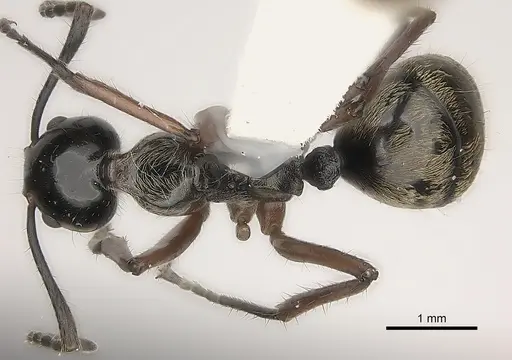
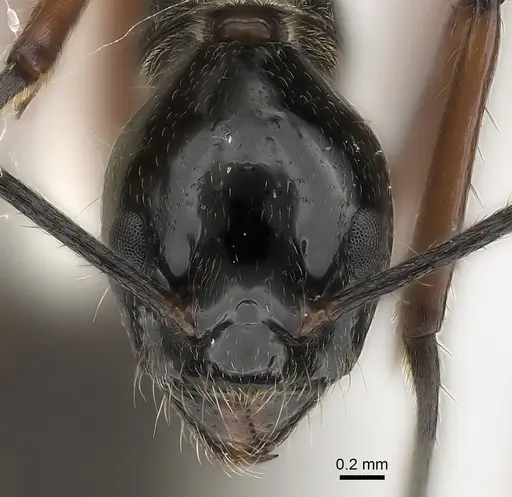
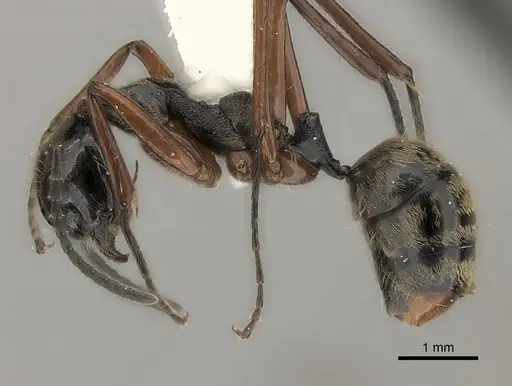
CASENT0249668
View on AntWeb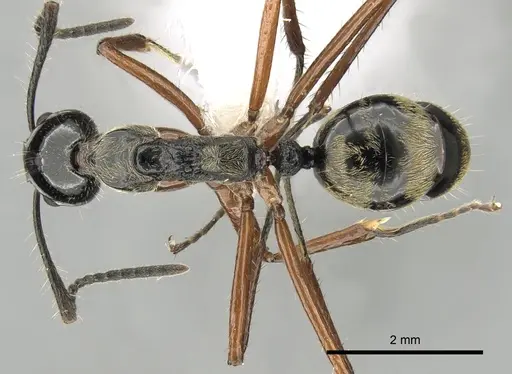
CASENT0883445
View on AntWeb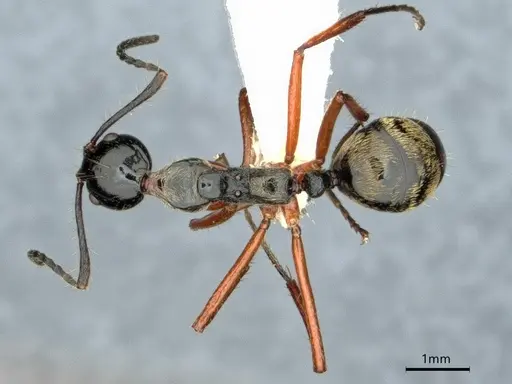
FMNHINS0000047308
View on AntWeb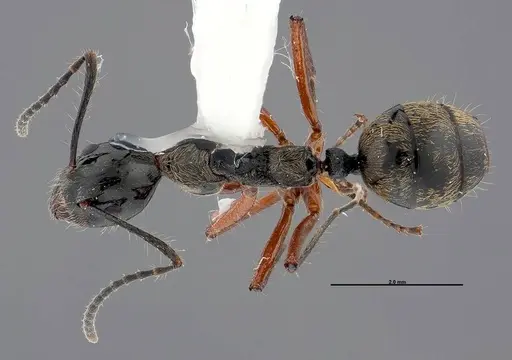
Literature
Loading distribution map...Loading products...