
Dolichoderus indrapurensis
- Sci. Name
- Dolichoderus indrapurensis
- Tribe
- Dolichoderini
- Subfamily
- Dolichoderinae
- Author
- Forel, 1912
- Distribution
- Found in 3 countries
Introduction
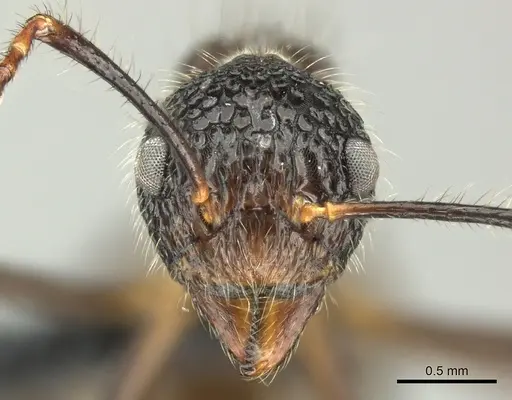
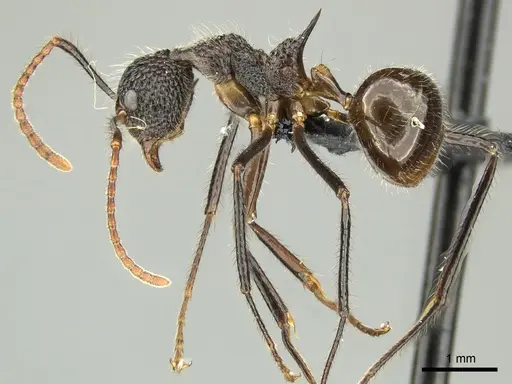
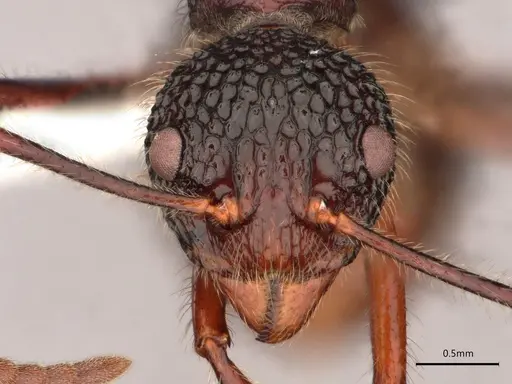
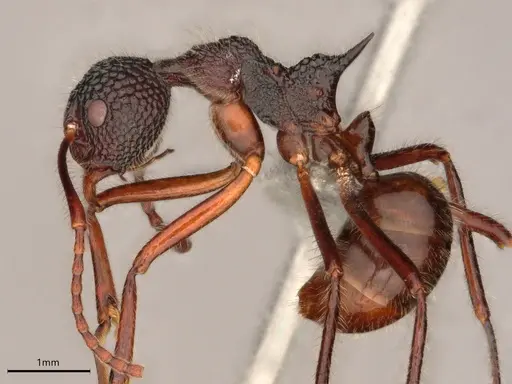
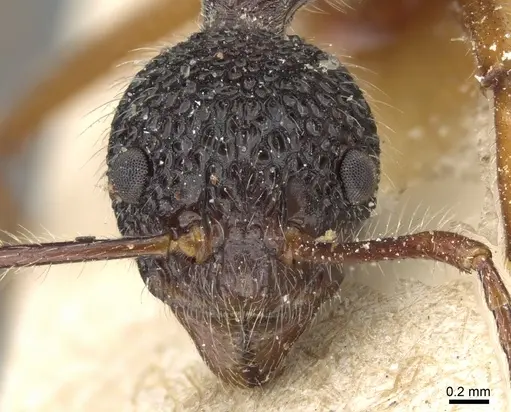
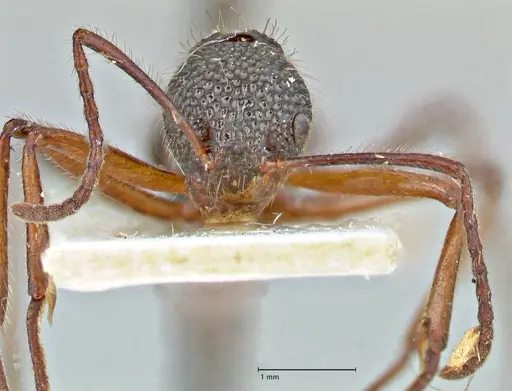
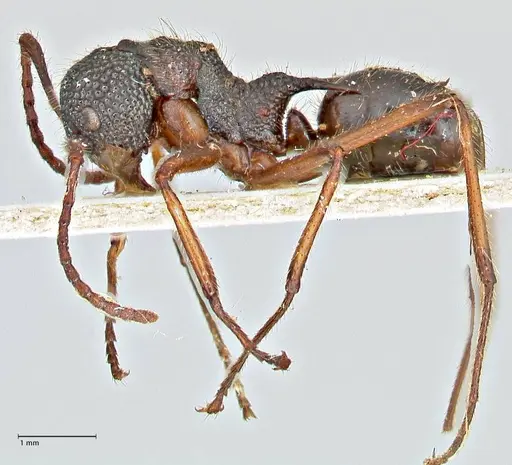
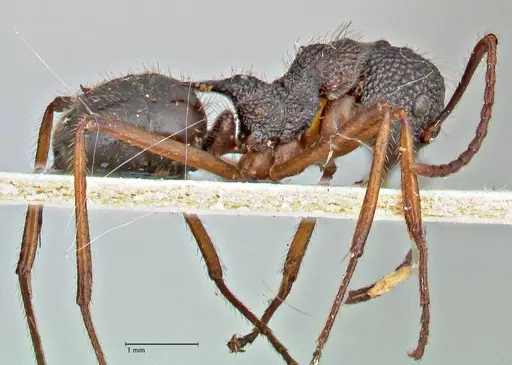
Dolichoderus indrapurensis is a tropical ant from the scabridus group, found across Southeast Asia in Borneo, Sumatra, Malaysia, and Singapore . Workers have the classic Dolichoderus body shape with propodeal spines. These ants are known for their large colonies and close ties with hemipterans (like membracids, mealybugs, and Delphacidae) for honeydew . They're active day and night at these feeding sites, making them interesting to watch .
Quick Summary
- Difficulty: Medium
- Origin & Habitat: Borneo, Sumatra, Malaysia, Singapore [1]. They live in tropical rainforests, especially in leaf litter and alluvial forests, often near climbing bamboo where their hemipteran partners live [2][3][4].
- Colony Type: Forms large colonies, but whether they are monogyne or polygyne is not confirmed from available research [1].
- Size & Growth:
- Queen: Size data unavailable – inferred from Dolichoderus genus may be around 8–10 mm.
- Worker: Size data unavailable – inferred from Dolichoderus genus may be around 4–6 mm.
- Colony: Documented as forming large colonies in the wild, but precise worker numbers aren't recorded [1].
- Growth: Moderate – tropical species, likely steady growth under good conditions.
- Development: Unknown – estimated 6–8 weeks at warm temperatures (25–28°C) based on typical tropical Dolichoderus patterns. (Development times depend on stable warmth and humidity.)
- Antkeeping:
- Temperature: Keep warm: 24–28°C is a common target for tropical species. A gradient is fine, but avoid drops below 20°C.
- Humidity: High humidity. Keep the nest substrate consistently moist but not waterlogged, mirroring rainforest leaf litter conditions.
- Diapause: No – as a tropical ant, it doesn't need a winter dormancy period. Keep conditions stable year-round [1].
- Nesting: Best kept in a naturalistic setup: a Y‑tong, plaster, or soil nest with dark, humid chambers. Include rotting wood, leaf litter, and places to hide.
- Behavior: Generally peaceful, but they defend their hemipteran partners and nest vigorously. Workers form clear foraging trails and are active both day and night. Like other Dolichoderines, they lack a stinger and rely on chemical sprays. They're strong climbers, so secure escape prevention is needed.
- Common Issues: tropical species struggle in cool or dry conditions – always keep warmth and humidity high., they need a constant sugar source (honey, sugar water) because they're adapted to honeydew from hemipterans., large colony size means you'll need plenty of space as it grows., wild‑caught colonies could carry unwanted hitchhikers (mites, parasites)., avoid overheating above 30°C.
Housing and Nest Setup
Mimic their rainforest leaf litter habitat. Use a mix of soil and peat as substrate, plus pieces of rotting wood, dried leaves, and small stones. Dark, humid nest chambers are a must – these ants avoid open spaces. A Y‑tong or plaster nest works well if you can keep the substrate damp. Plan for growth because colonies get large. An outworld with easy food access is fine, but seal all openings tightly, as they are active climbers.
Feeding and Diet
In the wild they tend hemipterans (membracids, mealybugs, Delphacidae) for honeydew [2][3][1]. In captivity, give them a constant supply of sugar water, honey, or diluted honey. For protein, offer small insects like fruit flies, pinhead crickets, or mealworms. Feed protein 2–3 times a week and keep the sugar source available at all times. They depend on a steady carbohydrate intake, so never skip the sugar.
Temperature and Humidity Control
These ants come from warm, wet tropical forests. Aim for 24–28°C – you can use a heating cable or mat on one side of the nest. Don't let the temperature drop below 20°C. Humidity should be high: keep the nest substrate moist (but not soaking). A small water reservoir inside the nest helps. Mist the outworld as needed. Avoid placing the setup near air‑conditioning vents or in rooms with big temperature swings.
Colony Dynamics and Growth
Mature colonies can be large – several hundred to maybe a thousand or more workers – but exact numbers aren't recorded [1]. Growth is moderate under stable warmth and humidity. The queen is the sole egg‑layer (if monogyne, though that's not confirmed). Workers are active year‑round and form strong foraging trails. They tend to cluster around sugar sources and will defend them aggressively [2][3].
Behavior and Observation Tips
The most interesting thing about this species is the trophobiosis: they live closely with hemipterans, protecting them for honeydew [2][3]. In captivity you'll see them methodically tending their sugar sources. Workers are alert and may spray a chemical scent if threatened – they can't sting. They're clean ants that keep their nest tidy. Provide hiding spots and minimal disturbance to observe natural foraging and resource guarding.
Year‑round Care
Because they're tropical, skip any hibernation. Keep temperature and humidity steady all year. You might see small activity shifts that match wet or dry seasons in their home range, but overall they stay active. That means no winter break for you – plan to maintain feeding and moisture checks throughout the year.
Frequently Asked Questions
How long does it take for Dolichoderus indrapurensis to produce first workers?
There's no exact data. Based on typical tropical Dolichoderus development, you can expect first workers after 6–8 weeks if kept warm (25–28°C). That's just an estimate.
What do Dolichoderus indrapurensis eat?
Sugar (honey, sugar water) and protein (small insects). Keep sugar available always and feed protein 2–3 times a week [2][3].
Are Dolichoderus indrapurensis good for beginners?
They're medium difficulty. Not the easiest because you need stable warmth and humidity, but okay for keepers with some tropical ant experience.
How big do Dolichoderus indrapurensis colonies get?
They're noted as forming large colonies [1]. Likely several hundred to over a thousand workers, but specific numbers aren't published.
Do they need hibernation?
No – as a tropical species, keep them active and warm all year round.
Can I keep multiple queens together?
It's not known if they are polygyne. Better to assume a single queen colony and avoid combining unrelated queens without proven data.
What temperature range is ideal for Dolichoderus indrapurensis?
Aim for 24–28°C. Avoid temperatures below 20°C or above 30°C.
When should I move them to a formicarium?
Keep them in a test tube during founding. Once the colony has around 50–100 workers and seems crowded, move them to a naturalistic nest with moist substrate.
Why are my ants dying?
Most likely too cold (below 20°C), too dry (low humidity), or starvation (no constant sugar). Check temperature, moisture, and sugar supply first.
Report an Issue
The current care sheet is based fully on literature. See inconsistencies, or something that's incorrect? Please , it will be resolved after review from an admin. Contributing to the blogs tab also helps providing information, to make us be able to further improve the caresheets. Thank you for your support!
References

This caresheet is licensed under CC BY-SA 4.0 .
Community Blogs
CASENT0616794
View on AntWeb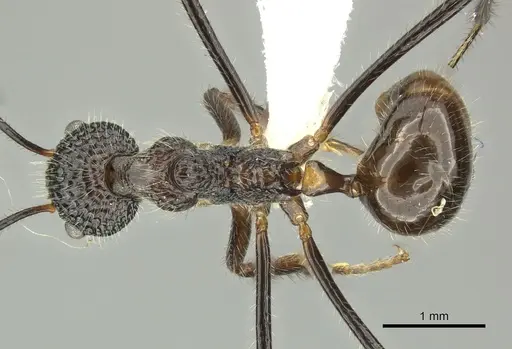
CASENT0866522
View on AntWeb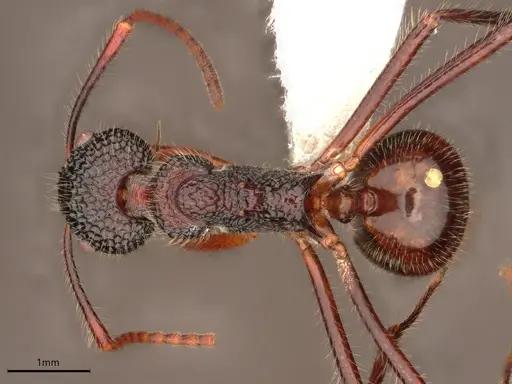
CASENT0905014
View on AntWeb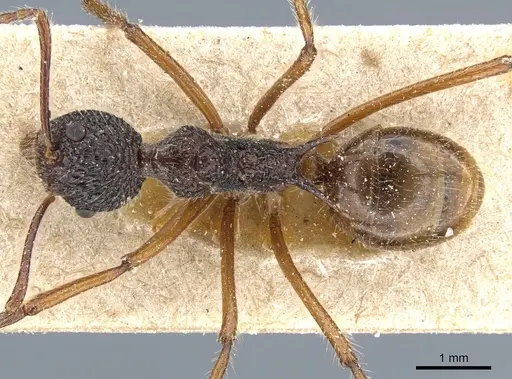
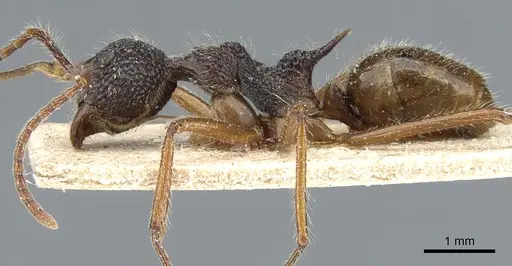
CASENT0909483
View on AntWeb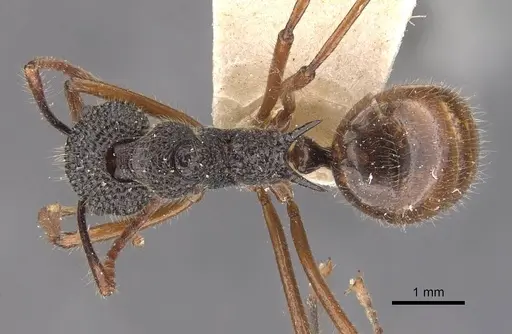
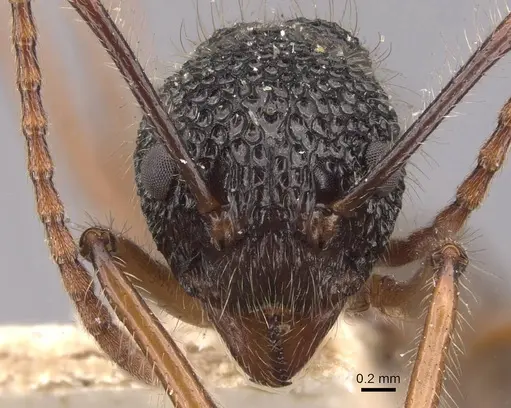
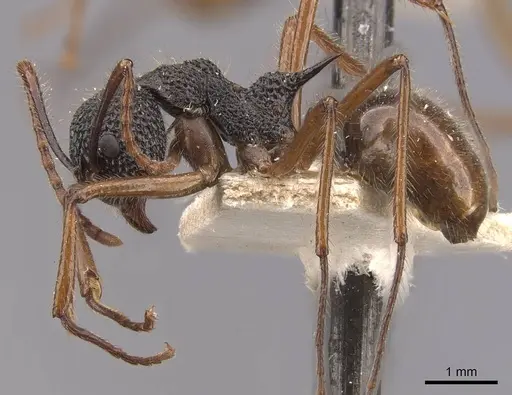
FOCOL2768
View on AntWeb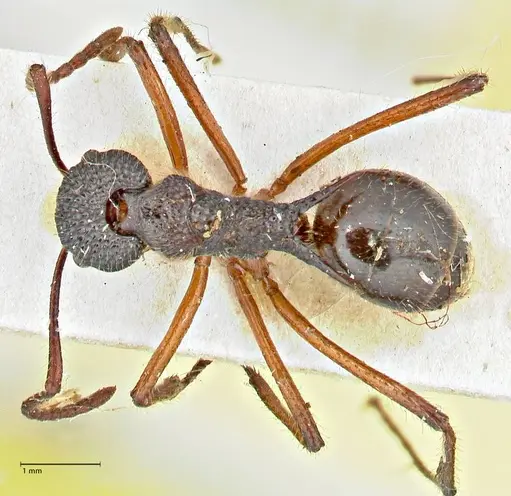
Literature
Loading distribution map...Loading products...