
Dolichoderus incisus
- Sci. Name
- Dolichoderus incisus
- Tribe
- Dolichoderini
- Subfamily
- Dolichoderinae
- Author
- Xu, 1995
- Distribution
- Found in 2 countries
Introduction
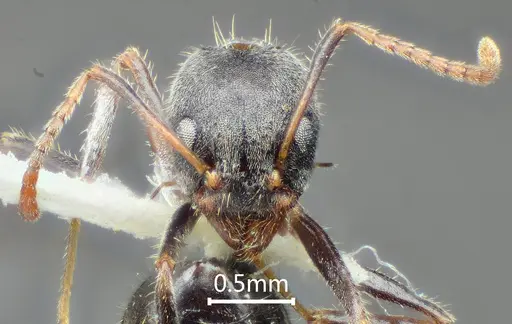
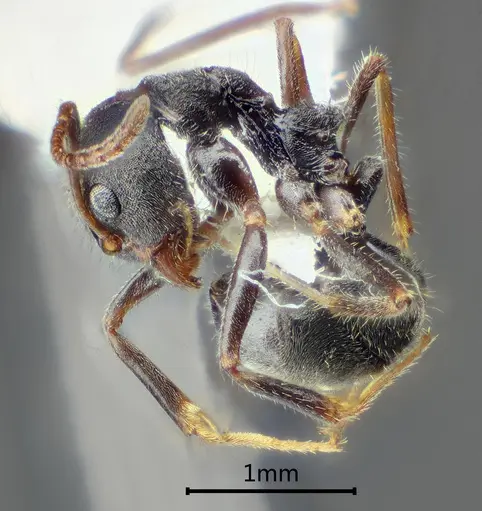
Dolichoderus incisus is a small to medium-sized ant species native to Yunnan province in southern China. Workers are dark in coloration, typical of the genus, with the characteristic smooth gaster that gives Dolichoderus ants their common name. The species was formally described by Xu in 1995 from worker specimens collected in China [AntWiki]. This is a primary forest specialist - research shows it occupies only 3 regions within primary forest habitats and is completely absent from secondary forest or rubber plantations . The species is endemic to Yunnan province, particularly known from the Xishuangbanna region . What makes D. incisus notable is its extreme habitat specialization. Unlike many ant species that adapt to human-disturbed areas, this species is strictly tied to old-growth primary forest. This has implications for antkeepers - wild colonies are difficult to find outside protected areas, and captive colonies may have specific habitat requirements that mirror their natural primary forest environment.
Quick Summary
- Difficulty: Medium
- Origin & Habitat: Yunnan province, China, specifically Xishuangbanna region. This is a primary forest specialist found only in old-growth forest habitats [2][3].
- Colony Type: Colony structure is unconfirmed. Dolichoderus colony structure varies by species and has not been directly documented for D. incisus.
- Size & Growth:
- Queen: Size data unavailable, no specific measurements exist for this species. Based on typical Dolichoderus genus patterns, queens are likely in the 6-9mm range.
- Worker: Size data unavailable, no specific measurements exist for this species. Based on typical Dolichoderus genus patterns, workers are likely in the 3-5mm range.
- Colony: Unknown, no colony size data available for this species
- Growth: Unknown, no growth rate data available for this species
- Development: Unknown, no direct development data exists for this species. (Development timeline is unconfirmed. Related Dolichoderus species may take several months from egg to worker at warm temperatures.)
- Antkeeping:
- Temperature: Aim for 22-26°C, warm conditions typical of subtropical Yunnan forests. Use a heating cable on one side of the nest to create a gentle gradient if room temperature falls below this range.
- Humidity: Keep substrate consistently moist but not waterlogged. Primary forest ants typically prefer humid conditions. Mist occasionally and provide a water tube for drinking water.
- Diapause: Unknown, no specific data on overwintering requirements. Yunnan has mild winters, so a reduced activity period at 15-18°C for 2-3 months may be beneficial.
- Nesting: No specific nesting data exists for this species. Based on genus patterns, they likely nest in rotting wood, under bark, or in soil in humid forest settings. A naturalistic setup with moist substrate or a Y-tong/plaster nest works well.
- Behavior: Behavior is not directly documented for this species. Dolichoderus ants are generally non-aggressive, moderate foragers that prefer humid environments. Escape prevention should be moderate, they are not particularly small but standard barriers are recommended.
- Common Issues: primary forest specialists may be sensitive to habitat conditions, captive colonies may struggle if kept too dry, wild-caught colonies are difficult to obtain since the species is only found in protected primary forest, specific humidity requirements mean dry conditions will stress colonies, no documented care requirements means keepers must adapt from genus-level knowledge, slow colony growth compared to more common species may frustrate beginners
Natural Habitat and Distribution
Dolichoderus incisus is endemic to Yunnan province in southern China, with its known range centered on the Xishuangbanna region [3]. This is a habitat specialist, research documenting ant distribution between forests and rubber plantations found this species only in primary forest habitats, occupying just 3 regions within those pristine areas. It was completely absent from both secondary forest and rubber plantation environments [2]. This makes D. incisus an indicator species for healthy old-growth forest ecosystems. The Xishuangbanna region features a subtropical climate with high humidity year-round.
Nest Preferences and Housing
Specific nesting preferences for D. incisus have not been documented in scientific literature. Based on typical Dolichoderus genus behavior and its primary forest origin, aim to replicate damp, shaded forest floor conditions. In captivity, this species does well in naturalistic setups with moist substrate or in Y-tong/plaster nests that retain humidity well. Avoid dry conditions entirely. Provide a water tube or shallow water dish for drinking water.
Feeding and Diet
Dietary requirements for D. incisus have not been specifically studied. Based on genus patterns, these ants are omnivorous, they consume honeydew from aphids and scale insects, and hunt small invertebrates for protein. In captivity, offer sugar water or honey as a constant energy source, and provide protein sources like small crickets, mealworms, or other feeder insects. Feed protein regularly, and keep sugar water available at all times. Remove uneaten prey after 24-48 hours to prevent mold issues.
Temperature and Seasonal Care
No specific thermal data exists for D. incisus, but its Yunnan origin suggests it prefers warm subtropical conditions. Aim for 22-26°C in the nest area. A heating cable placed on one side of the nest can create a gentle temperature gradient. Regarding winter dormancy, the data is unclear. Yunnan experiences mild winters, so a partial slow-down period at 15-18°C for 2-3 months during winter may be appropriate. Monitor colony activity, if workers remain active year-round, maintaining stable warm conditions is fine.
Colony Development and Growth
Colony development specifics for D. incisus remain unconfirmed. No published studies document egg-to-worker development time, colony size limits, or queen reproduction rates for this species. Expect moderate growth rates over several years. The first workers will typically be smaller than mature workers. Patience is essential, this is not a fast-growing species. Avoid disturbing the queen during founding.
Frequently Asked Questions
How long does it take for Dolichoderus incisus to produce first workers?
The exact egg-to-worker timeline is unconfirmed for this species. Expect several months at optimal warm temperatures (22-26°C). Patience is essential during the founding phase.
What do Dolichoderus incisus ants eat?
Based on genus patterns, they are omnivorous. Offer constant sugar water or honey for energy, and provide protein sources like small crickets or mealworms regularly.
Can I keep Dolichoderus incisus in a test tube setup?
Yes, a test tube setup can work for founding colonies, but you must maintain high humidity. This species needs moist conditions. Consider using a Y-tong or plaster nest with moisture retention for established colonies.
What temperature do Dolichoderus incisus ants need?
Aim for 22-26°C in the nest area. This species comes from subtropical Yunnan, China, so warm conditions are important. A heating cable on one side of the nest can help maintain optimal temperatures.
Do Dolichoderus incisus ants need hibernation?
Diapause requirements are unconfirmed for this species. Based on Yunnan's mild climate, a reduced activity period at 15-18°C for 2-3 months during winter may be beneficial, but observe your colony's behavior.
How big do Dolichoderus incisus colonies get?
Maximum colony size is unknown, no published data exists for this species. This is not a supercolony species.
Are Dolichoderus incisus good for beginners?
This species is not ideal for complete beginners due to limited documented care information and specific habitat requirements. However, experienced antkeepers familiar with humidity-dependent species should find this manageable at Medium difficulty.
Where can I find Dolichoderus incisus in the wild?
This species is endemic to Yunnan province, China, specifically the Xishuangbanna region. It is a primary forest specialist found only in old-growth forest, completely absent from secondary forest or rubber plantations. Wild collection is difficult and may be restricted by local conservation laws.
Why is my Dolichoderus incisus colony dying?
The most likely causes are: 1) Dry conditions, this is a primary forest species requiring high humidity, 2) Temperature stress, they need warm conditions (22-26°C), 3) Poor nutrition, ensure constant sugar access and regular protein. Review your humidity levels first if experiencing colony decline.
Report an Issue
The current care sheet is based fully on literature. See inconsistencies, or something that's incorrect? Please , it will be resolved after review from an admin. Contributing to the blogs tab also helps providing information, to make us be able to further improve the caresheets. Thank you for your support!
References

This caresheet is licensed under CC BY-SA 4.0 .
Community Blogs
ANTWEB1060610
View on AntWeb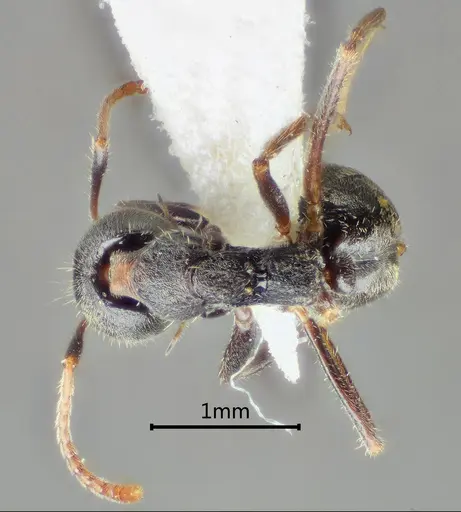
Literature
Loading distribution map...Loading products...