
Dolichoderus ghilianii
- Sci. Name
- Dolichoderus ghilianii
- Tribe
- Dolichoderini
- Subfamily
- Dolichoderinae
- Author
- Emery, 1894
- Distribution
- Found in 3 countries
Introduction
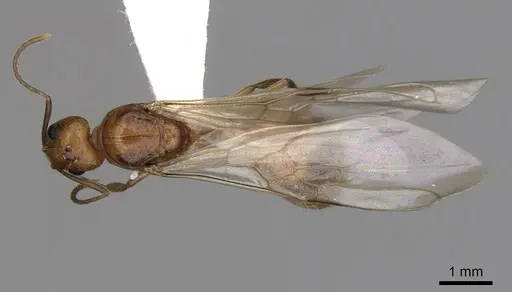
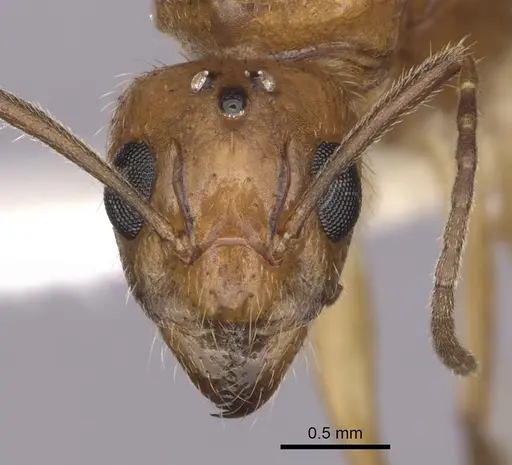
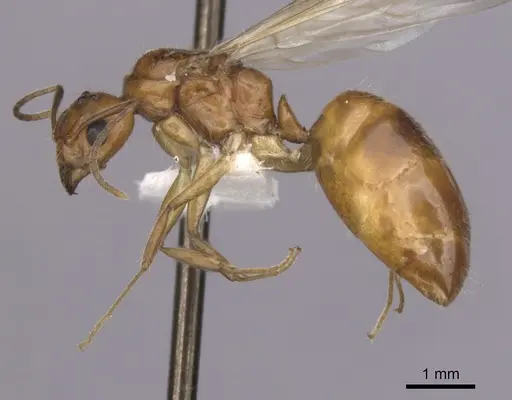
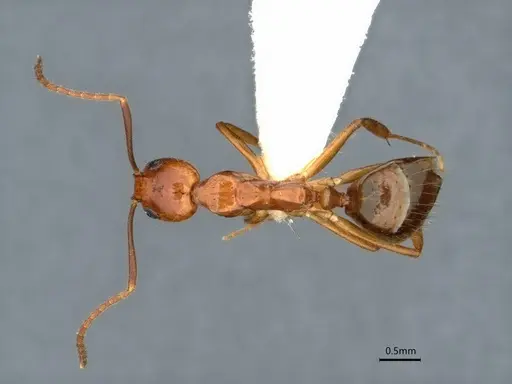
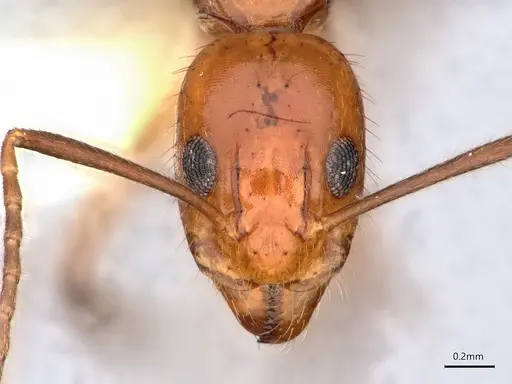
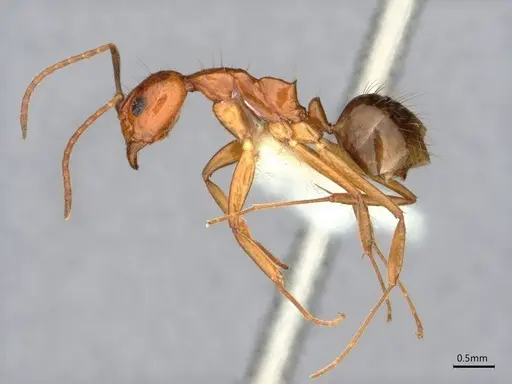
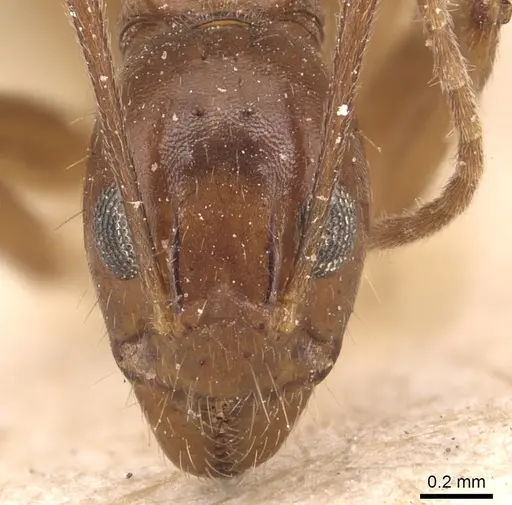
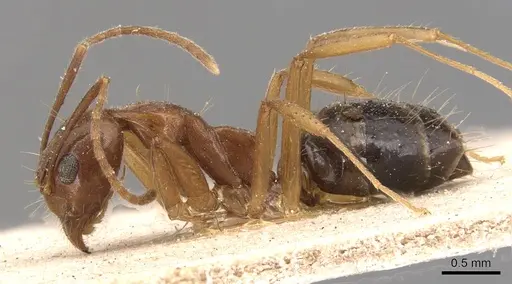
Dolichoderus ghilianii is a Neotropical ant species found across northern South America, including Brazil, Colombia, and Peru. Workers have an elongated head with distinctive raised lateral margins on the propodeum and scattered erect hairs across their body . They inhabit lowland tropical forests and mid-elevation areas in Colombia, typically found between 1000-1100 meters altitude in regions like Amazonas, Antioquia, and Chocó . As with other Dolichoderus species, they lack a stinger and rely on chemical defense through formic acid secretion when threatened. This species belongs to the Dolichoderinae subfamily, which includes ants known for their characteristic smell and arboreal nesting preferences.
Quick Summary
- Difficulty: Medium
- Origin & Habitat: Neotropical rainforests of Brazil, Colombia, and Peru. Found in lowland tropical forests and mid-elevation areas (1000-1100m) in Colombian departments of Amazonas, Antioquia, and Chocó [2][3][4].
- Colony Type: Colony structure is not directly documented in scientific literature. Based on typical Dolichoderus patterns, likely single-queen (monogyne) colonies.
- Size & Growth:
- Queen: Size data unavailable, no specific measurements exist for this species.
- Worker: Size data unavailable, no specific measurements exist for this species.
- Colony: Maximum colony size is not documented. Based on related Dolichoderus species, colonies likely reach several hundred workers.
- Growth: Moderate, typical for tropical Dolichoderinae.
- Development: Development time is not specifically documented. Based on related Dolichoderus species, expect 6-10 weeks at tropical temperatures. (Warmer temperatures within their range will speed development. Specific timeline for D. ghilianii has not been studied.)
- Antkeeping:
- Temperature: Keep at 24-28°C, these are tropical ants requiring warm, stable conditions. A slight temperature gradient allows workers to regulate their exposure. Avoid temperatures below 20°C.
- Humidity: Moderate to high humidity (60-80%). These forest-dwelling ants prefer moist conditions but not waterlogged substrate. Keep the nest substrate consistently damp and provide a water source.
- Diapause: No, as a tropical species, they do not require hibernation. Maintain consistent warm temperatures year-round.
- Nesting: In nature, Dolichoderus ghilianii likely nests in rotting wood, under bark, or in arboreal locations. In captivity, a Y-tong (AAC) nest or plaster nest with moisture works well. Provide a small water chamber or cotton water reservoir. They prefer tight, enclosed chambers rather than open spaces.
- Behavior: Dolichoderus ghilianii is generally calm and non-aggressive. Like other Dolichoderus ants, they lack a stinger but can spray formic acid as a defense mechanism when threatened, this may produce a mild odor. Workers are active foragers, likely collecting honeydew from aphids and small insects. They are not known to be escape artists but being small ants, standard escape prevention with fine mesh is recommended. Colonies are moderately active and can adapt to various nest setups.
- Common Issues: tropical species requires consistent warmth, cold temperatures below 20°C can stress or kill colonies, small colony size means slower population growth, beginners may lose patience and overfeed, escape prevention needed despite moderate size, use tight-fitting lids and barriers, wild-caught colonies may carry parasites or diseases that cause captive failures, overheating is as dangerous as cold, avoid direct sunlight and heating elements that can overheat the nest
Housing and Nest Setup
Dolichoderus ghilianii does well in various captive setups. A Y-tong (acrylic) nest with narrow chambers works excellently, these ants prefer tight, enclosed spaces. Plaster nests with a water reservoir also suit them well, providing consistent moisture. For founding colonies, a simple test tube setup with a water reservoir works until the colony reaches 15-20 workers. When moving to a larger nest, ensure the transition is smooth. Provide a small outworld for foraging. Escape prevention is important despite their moderate size, use fine mesh on any openings.
Feeding and Diet
In the wild, Dolichoderus ghilianii likely feeds on honeydew from aphids and scale insects, plus small insects and arthropods. In captivity, offer sugar water or honey water as a constant energy source. For protein, provide small insects like fruit flies, pinhead crickets, or mealworms. Feed protein 2-3 times per week, adjusting based on colony size and consumption. Remove uneaten prey after 24-48 hours to prevent mold.
Temperature and Seasonal Care
As a tropical species from Brazil, Colombia, and Peru, Dolichoderus ghilianii requires warm conditions year-round. Keep the nest area between 24-28°C. A slight temperature gradient allows workers to self-regulate. Avoid temperatures below 20°C, as prolonged cold can weaken or kill colonies. Room temperature in most homes is suitable if kept in the 24-26°C range. Use a heating cable or mat only if your room falls below this range. Place heating under one side of the nest, never directly on it, to avoid overheating. No hibernation or cooling period is needed.
Behavior and Defense
Dolichoderus ghilianii is a relatively calm species that does well in captivity. Like all Dolichoderus ants, they lack a stinger but possess formic acid glands for defense. When threatened, workers may release a mild formic acid spray, this produces a characteristic (though not strong) odor and may cause mild irritation. They are not aggressive toward keepers and rarely bite. Workers are active foragers, searching the outworld for food. The colony will establish foraging trails once established.
Colony Development
A newly mated queen will seal herself into a small chamber and lay eggs after a few weeks. She feeds the first larvae from her own body reserves, this claustral founding is typical for the genus. First workers (nanitics) will emerge after 6-10 weeks at optimal temperatures. These initial workers are typically smaller than mature workers. The colony will grow gradually, with worker numbers increasing over several months. Growth rate is moderate. Once established, colonies can live for many years with a healthy queen producing workers continuously.
Frequently Asked Questions
How long does it take for Dolichoderus ghilianii to produce first workers?
Expect first workers (nanitics) to emerge in 6-10 weeks after the queen lays eggs, assuming temperatures are kept at 24-28°C. This timeline is based on related Dolichoderus species, as specific development data for D. ghilianii is not available. Cooler temperatures will slow development significantly.
What temperature range is best for Dolichoderus ghilianii?
Keep them at 24-28°C. These are tropical ants requiring warm conditions year-round. Avoid temperatures below 20°C, as this can stress or kill the colony. A temperature gradient allows workers to regulate their own exposure.
Can I keep multiple Dolichoderus ghilianii queens together?
The colony structure of this specific species is not well-documented. Based on typical Dolichoderus patterns, they likely form single-queen colonies. Combining unrelated foundress queens is not recommended as they may fight. If you obtain a colony, assume single-queen structure unless you observe multiple queens living peacefully.
What do Dolichoderus ghilianii eat?
Feed them sugar water or honey water as a constant energy source. For protein, offer small insects like fruit flies, pinhead crickets, or small mealworms. Provide protein 2-3 times per week. Remove uneaten food after 24-48 hours to prevent mold issues.
Is Dolichoderus ghilianii good for beginners?
This species is rated as Medium difficulty. They are more challenging than common beginner species like Lasius or Camponotus due to their tropical temperature requirements and slower growth. However, they are calm and manageable once their warm, humid needs are met. Experience with at least one other ant species first is recommended.
Do Dolichoderus ghilianii need hibernation?
No, they do not require hibernation. As a tropical species from Brazil, Colombia, and Peru, they need consistent warm temperatures year-round. Maintain 24-28°C throughout the year without cooling periods.
What size colony does Dolichoderus ghilianii reach?
The maximum colony size is not documented for this species. Based on related Dolichoderus species, colonies likely reach several hundred workers over several years. They are not among the largest ant species.
When should I move my colony to a formicarium?
Keep founding colonies in a test tube setup until you have 15-30 workers. At this point, they can be moved to a Y-tong or plaster nest with a moisture system. Make the transition gradual, connect the test tube to the new nest and allow workers to explore before moving the queen.
Why is my Dolichoderus ghilianii colony declining?
Common causes include: temperatures below 20°C, excessive humidity causing mold, poor nutrition, or parasites from wild-caught colonies. Check that temperatures are stable and within range, remove uneaten food promptly, and ensure the queen is still laying eggs. If the colony was wild-caught, parasites are a common cause of decline.
Report an Issue
The current care sheet is based fully on literature. See inconsistencies, or something that's incorrect? Please , it will be resolved after review from an admin. Contributing to the blogs tab also helps providing information, to make us be able to further improve the caresheets. Thank you for your support!
References

This caresheet is licensed under CC BY-SA 4.0 .
Community Blogs
Literature
Loading distribution map...Loading products...