
Dolichoderus ferrugineus
- Sci. Name
- Dolichoderus ferrugineus
- Tribe
- Dolichoderini
- Subfamily
- Dolichoderinae
- Author
- Forel, 1903
- Distribution
- Found in 4 countries
Introduction
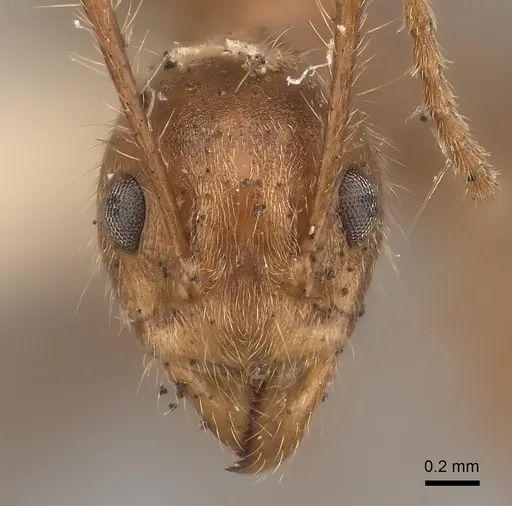
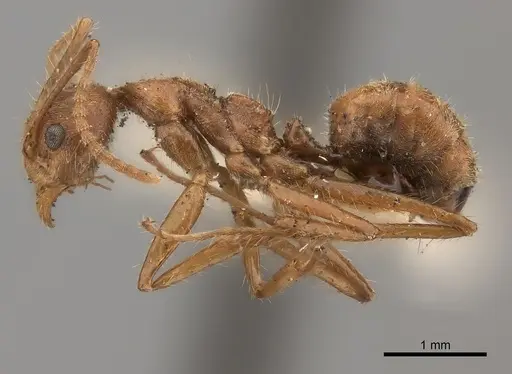
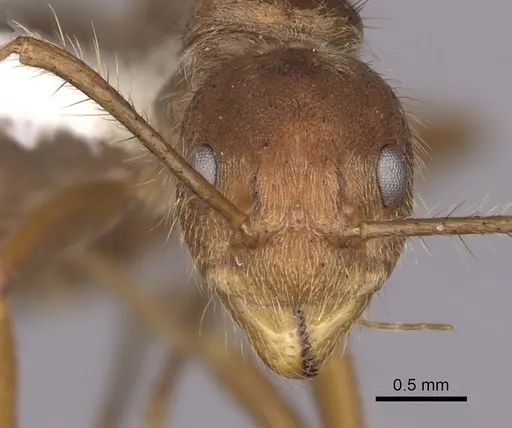
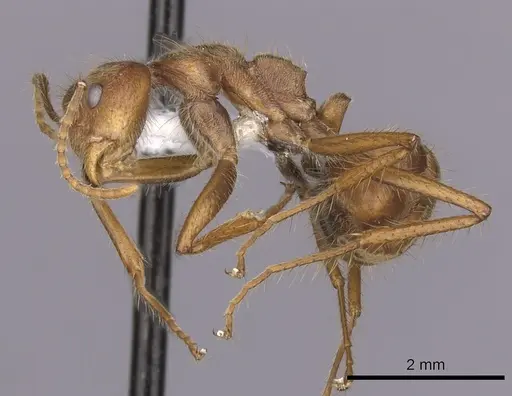
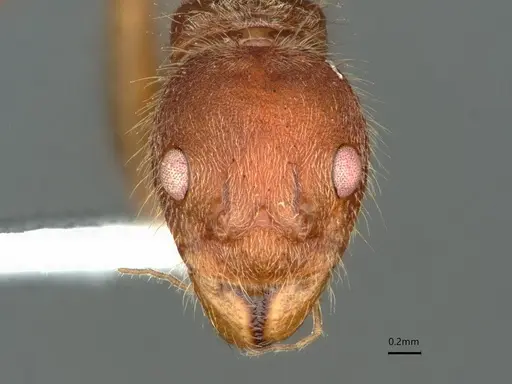
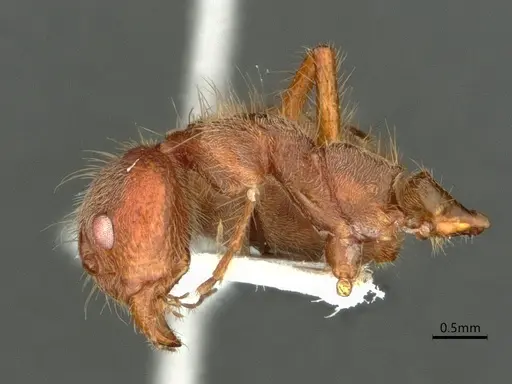
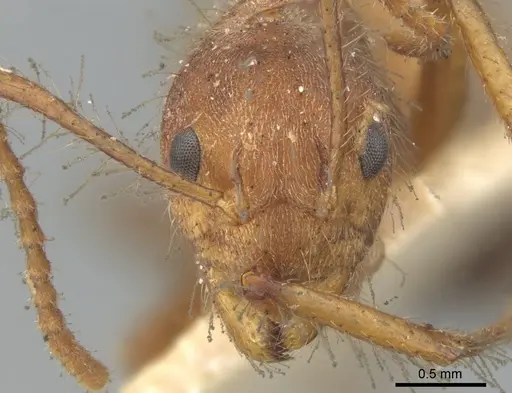
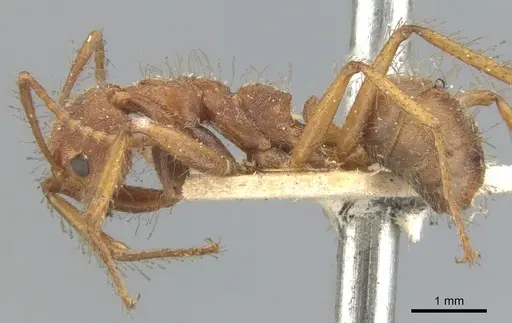
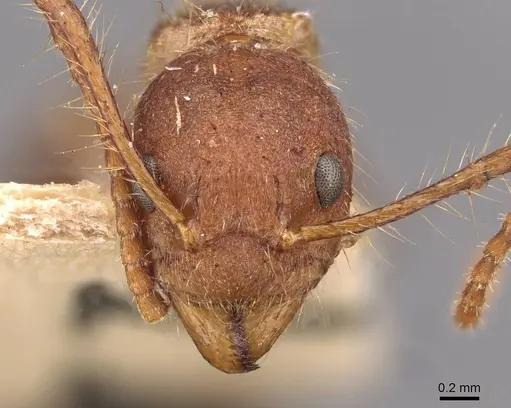
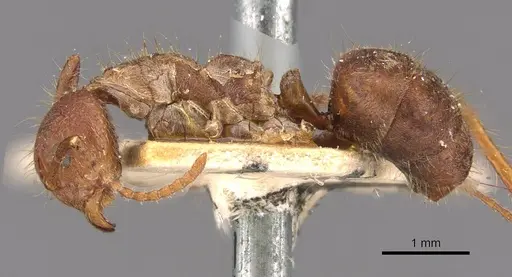
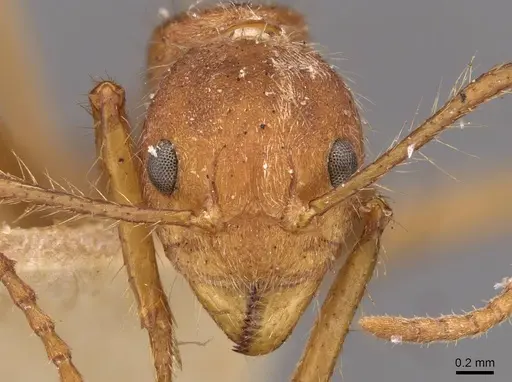
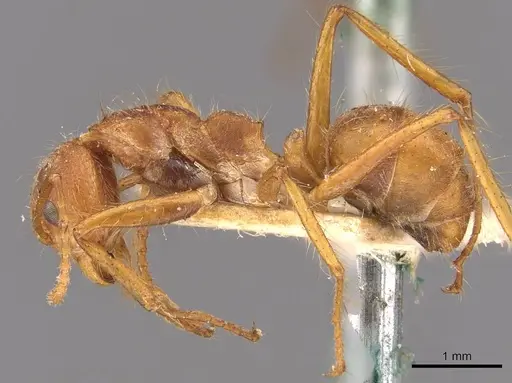
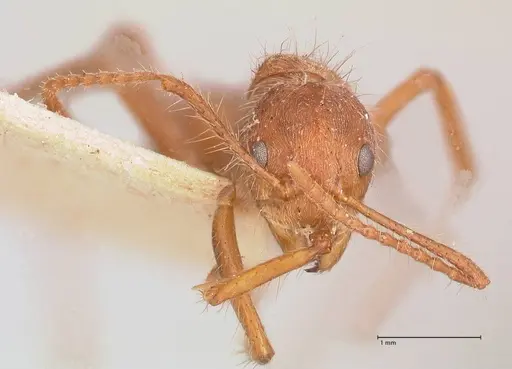
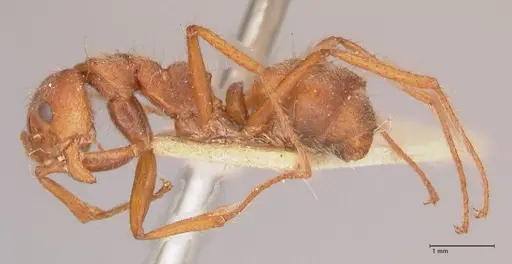
Dolichoderus ferrugineus is a medium-sized ant species from the Amazon basin of South America. Workers are reddish ferruginous (rusty) in color with well-developed propodeal angles and a thickened petiole with scarcely visible teeth . This species is found across the Neotropical region including Bolivia, Brazil, Colombia, French Guiana, Peru, and Ecuador . It belongs to the subfamily Dolichoderinae, which lacks a stinger and relies on chemical secretions from anal glands for defense .
Quick Summary
- Difficulty: Expert (insufficient data – care must be entirely inferred from genus patterns)
- Origin & Habitat: Amazon basin – recorded in Bolivia, Brazil, Colombia, Ecuador, French Guiana, Peru. Likely inhabits tropical lowland rainforest [2][1][3][4].
- Colony Type: Unconfirmed – no specific data on queen number or social structure for this species.
- Size & Growth:
- Queen: Data unavailable – no reliable measurements found in the literature.
- Worker: Data unavailable – no reliable measurements found in the literature.
- Colony: Unknown
- Growth: Unknown
- Development: Unknown – no documented timeline. (No reliable data exists, development likely depends on typical tropical conditions but is unconfirmed.)
- Antkeeping:
- Temperature: Unknown – as a tropical species, warm temperatures (likely around 24-28°C) are probably needed, but no specific data exists.
- Humidity: Unknown – likely high, but no specific requirements documented.
- Diapause: Unknown – not expected for a tropical species, but no reliable data.
- Nesting: Unknown – likely in rotting wood or arboreal cavities based on genus patterns, but not confirmed for this species.
- Behavior: Very little documented. As a Dolichoderinae ant, Dolichoderus ferrugineus lacks a stinger and uses chemical secretions from anal glands for defense [2]. Temperament, escape risk, and activity patterns are not recorded.
- Common Issues: almost nothing is known about this species in captivity – all care is speculative, wild-caught colonies may carry parasites or fail to adapt, maintaining tropical conditions (warmth, moisture) is critical but exact requirements unknown, lack of published data means keepers must rely on trial and error
Morphology
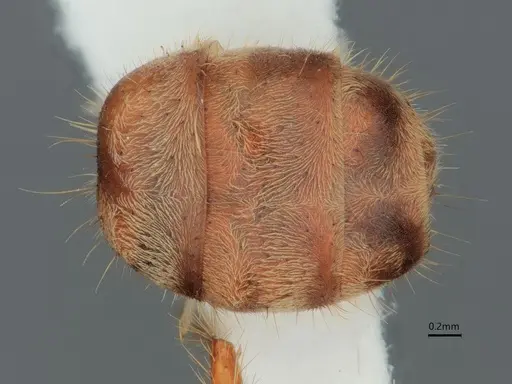
Workers of Dolichoderus ferrugineus are described as having a reddish ferruginous coloration. The propodeal angles are well-developed, and the propodeal spiracle is located approximately two diameters from the propodeal border. The petiole is thickened with scarcely visible teeth [1].
Distribution
Dolichoderus ferrugineus is known from the Neotropical region, with records in Bolivia, Brazil, Colombia, Ecuador, French Guiana, Peru, and Guyana [2][3][4]. In Colombia it has only been found in the Amazonas department [5].
Frequently Asked Questions
Where is Dolichoderus ferrugineus found?
It is found in the Amazon basin of South America: Bolivia, Brazil, Colombia, Ecuador, French Guiana, Peru, and Guyana [2][3][4].
What color are Dolichoderus ferrugineus workers?
Workers are reddish ferruginous (rusty-colored) [1].
Are there any captive care guidelines for Dolichoderus ferrugineus?
Very little is known about this species in captivity. No specific care data has been published. Keepers must rely on general Dolichoderus genus care, which is speculative.
Report an Issue
The current care sheet is based fully on literature. See inconsistencies, or something that's incorrect? Please , it will be resolved after review from an admin. Contributing to the blogs tab also helps providing information, to make us be able to further improve the caresheets. Thank you for your support!
References

This caresheet is licensed under CC BY-SA 4.0 .
Community Blogs
CASENT0217396
View on AntWeb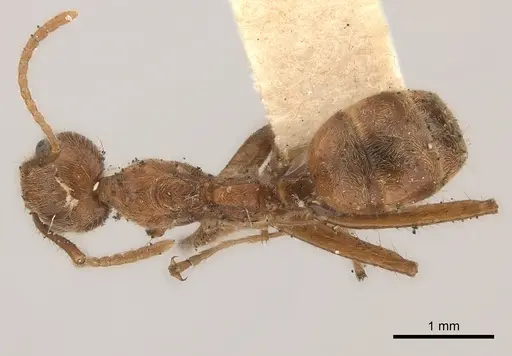
CASENT0249636
View on AntWeb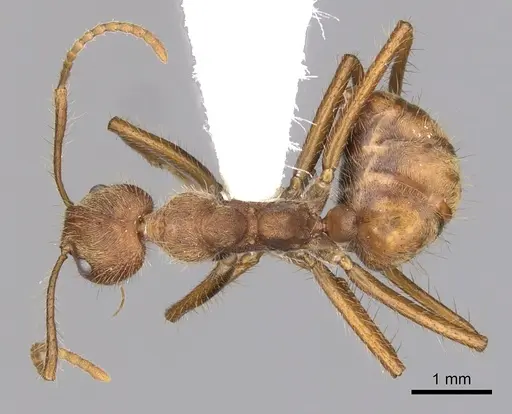
CASENT0866532
View on AntWeb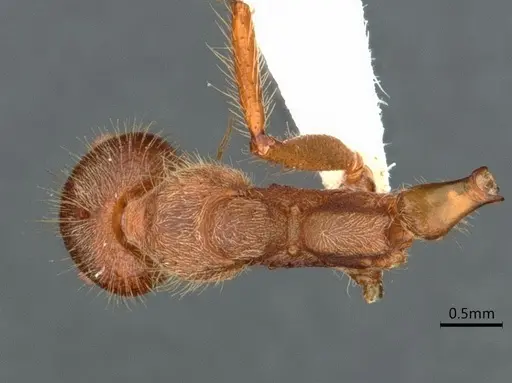
CASENT0902946
View on AntWeb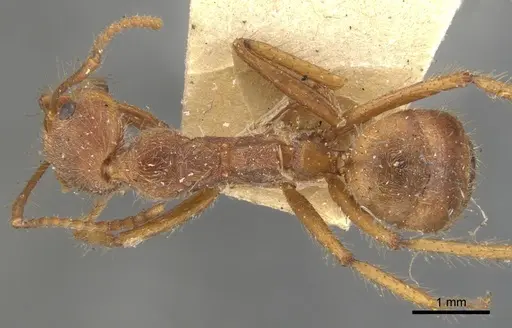
CASENT0909461
View on AntWeb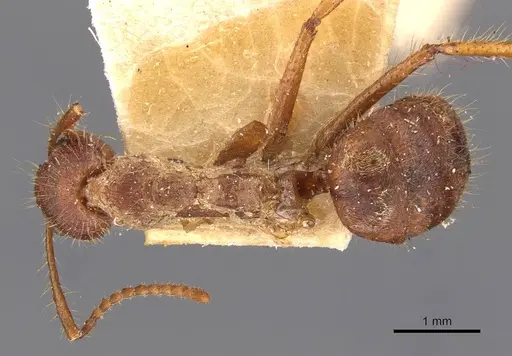
CASENT0909462
View on AntWeb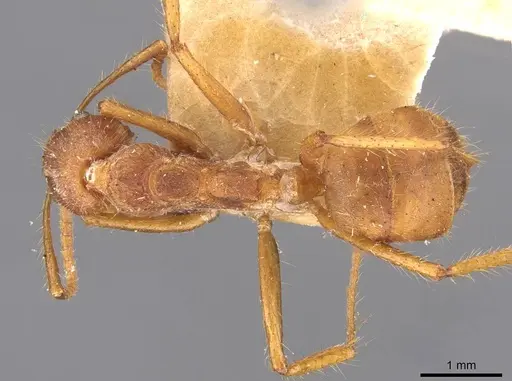
ECOFOG-BUG-2346-02
View on AntWeb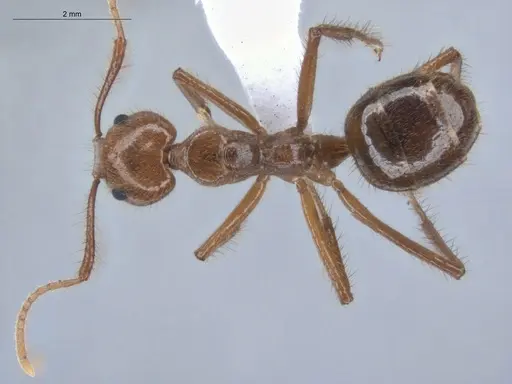
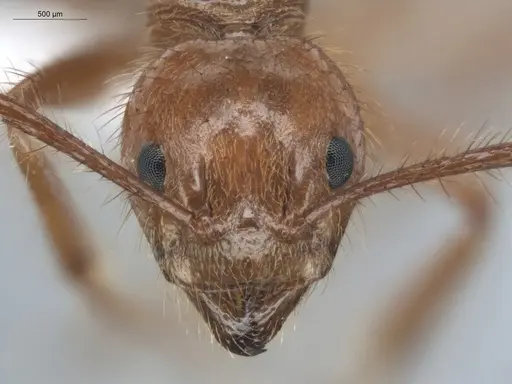
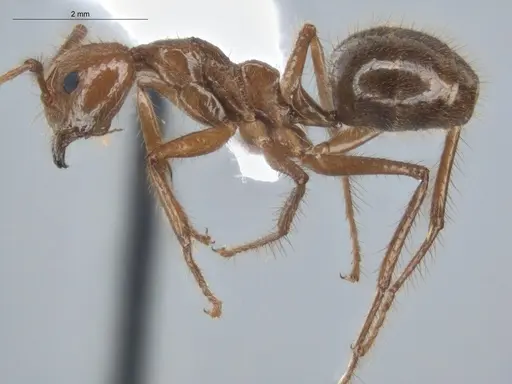
FOCOL0071
View on AntWeb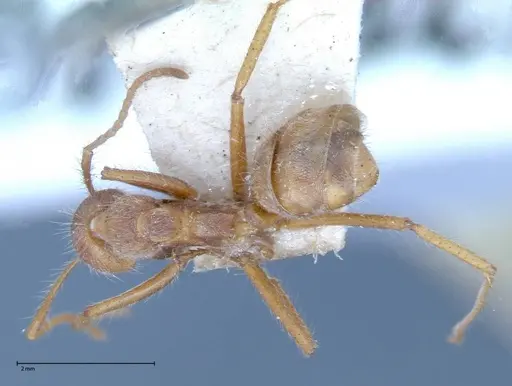
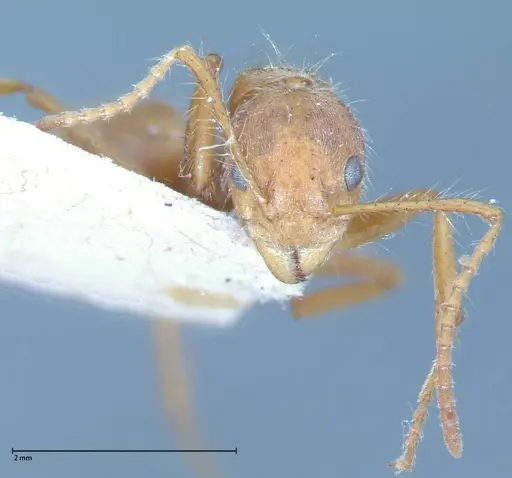
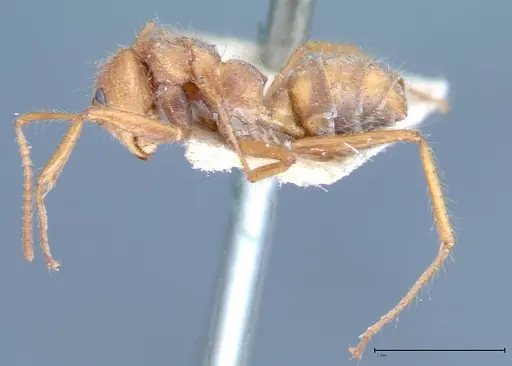
FOCOL0711
View on AntWeb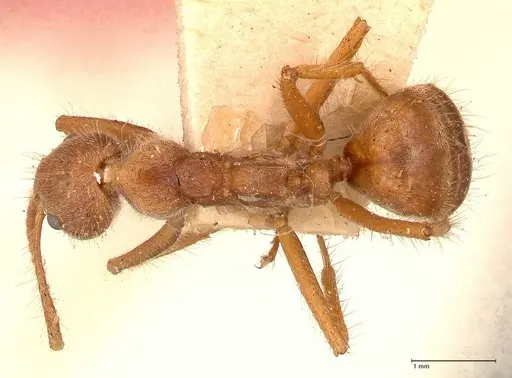
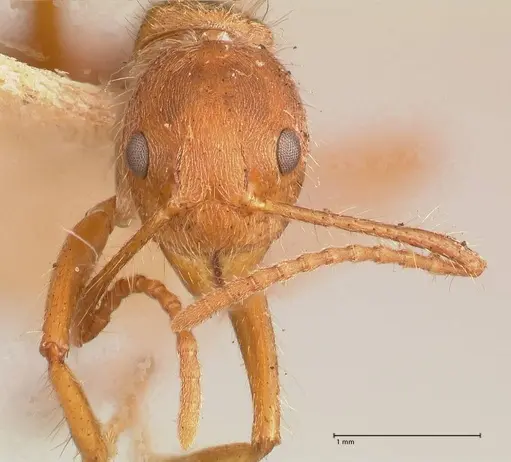
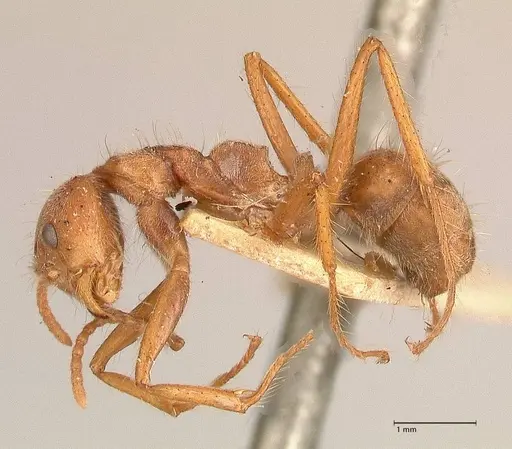
FOCOL0787
View on AntWeb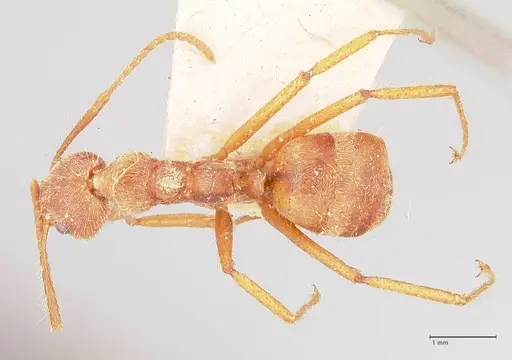
Literature
Loading distribution map...Loading products...