
Dolichoderus debilis
- Sci. Name
- Dolichoderus debilis
- Tribe
- Dolichoderini
- Subfamily
- Dolichoderinae
- Author
- Emery, 1890
- Distribution
- Found in 10 countries
Introduction
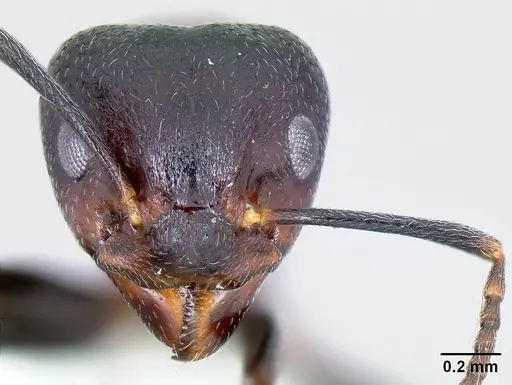
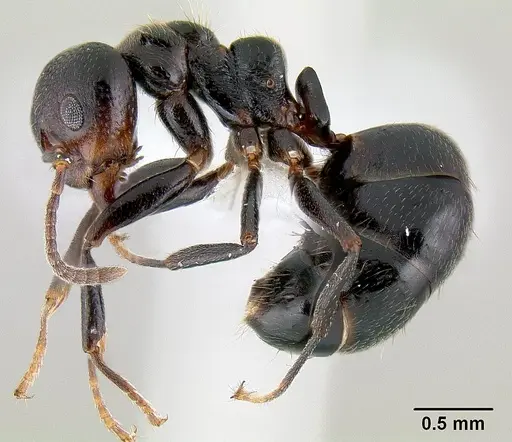
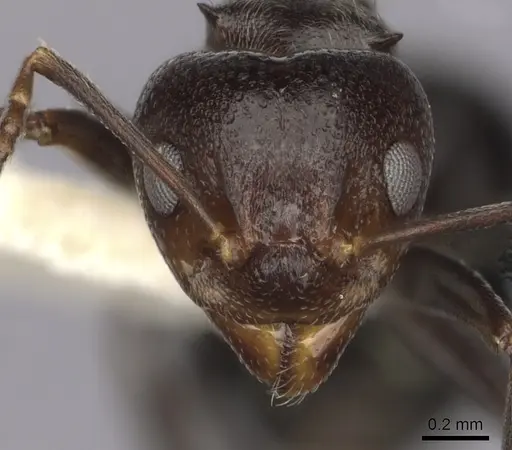
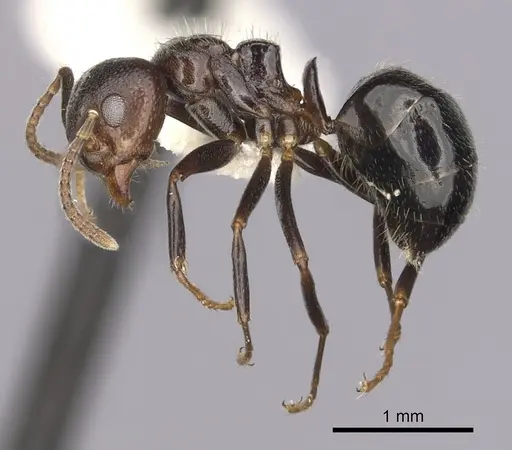
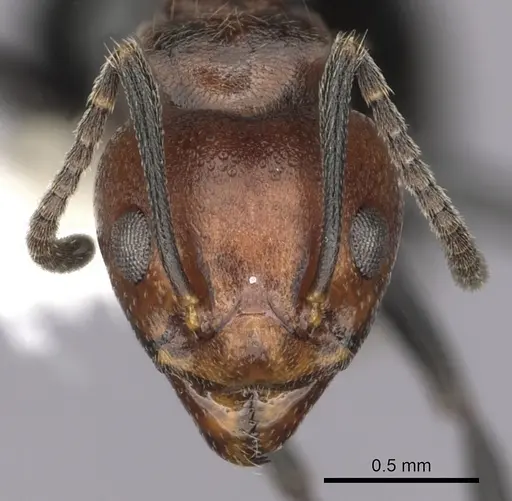
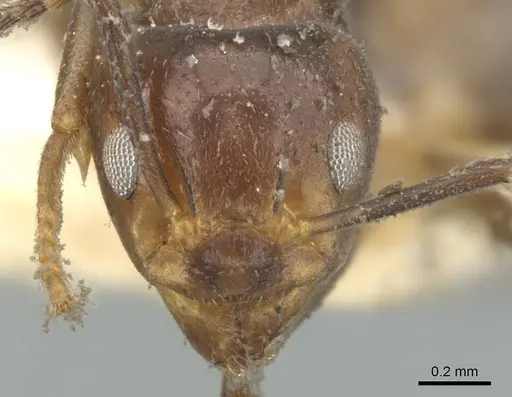
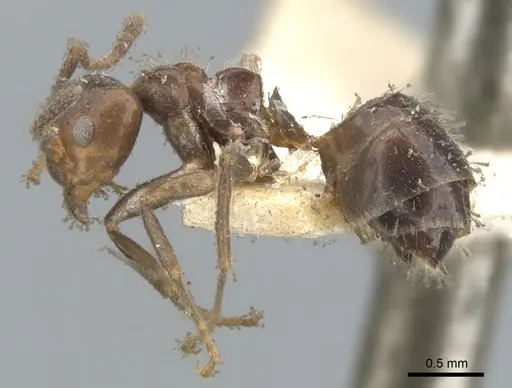
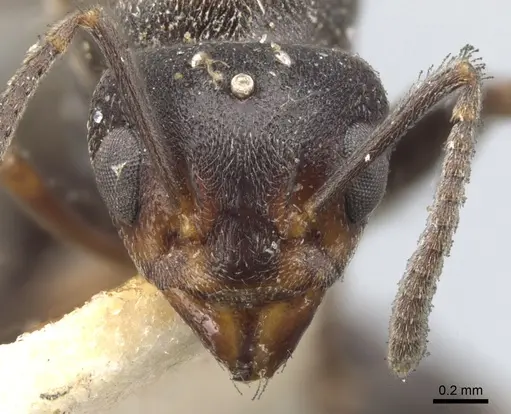
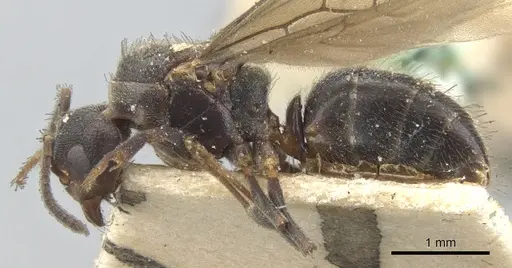
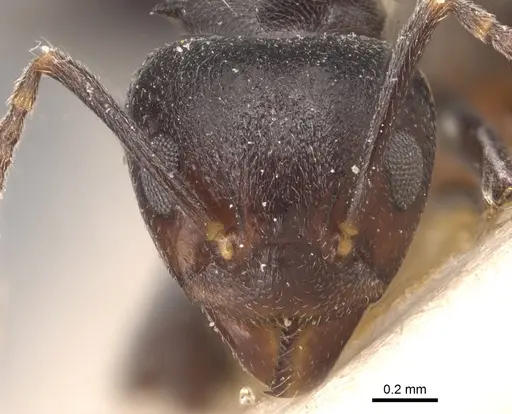
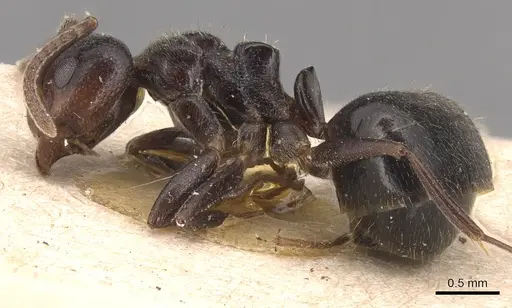
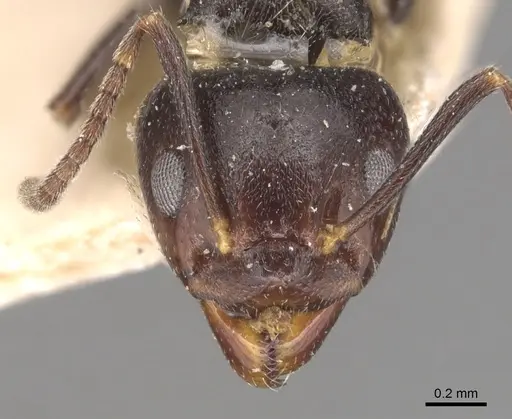
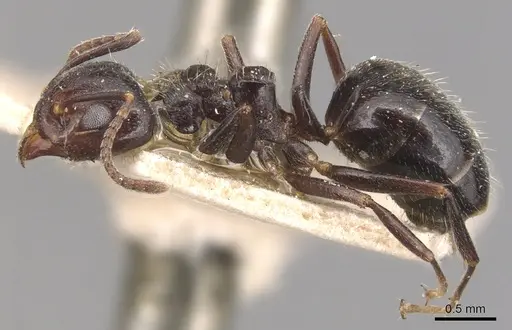
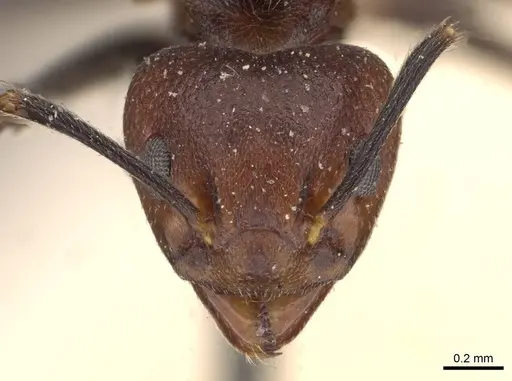
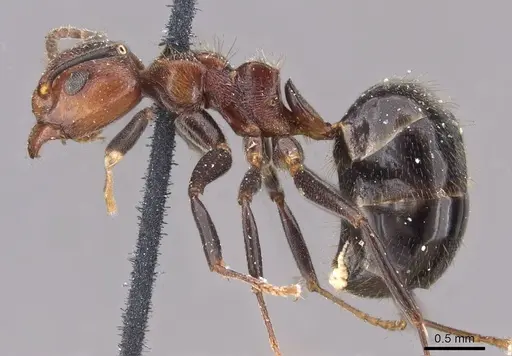
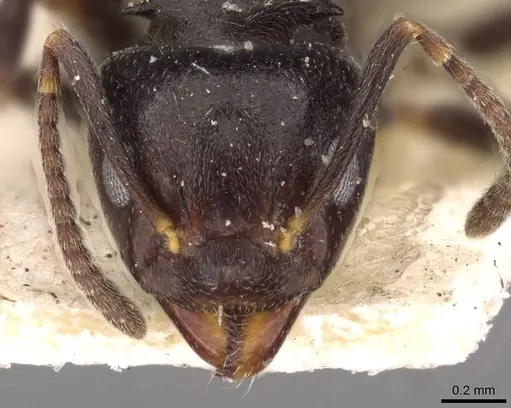
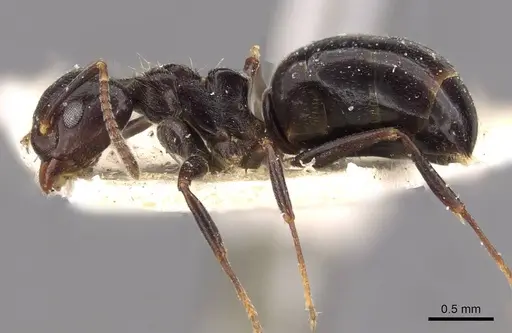
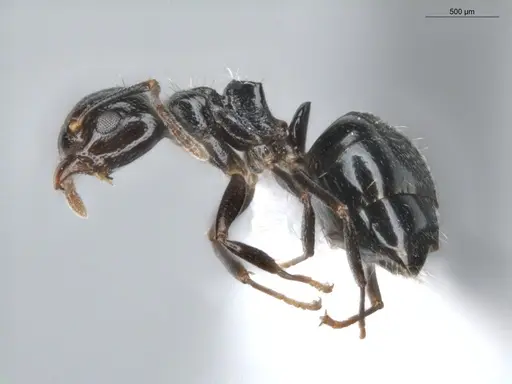
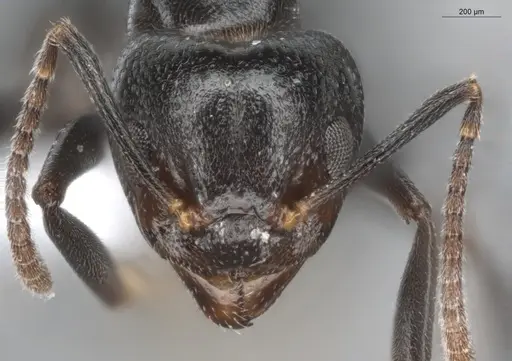
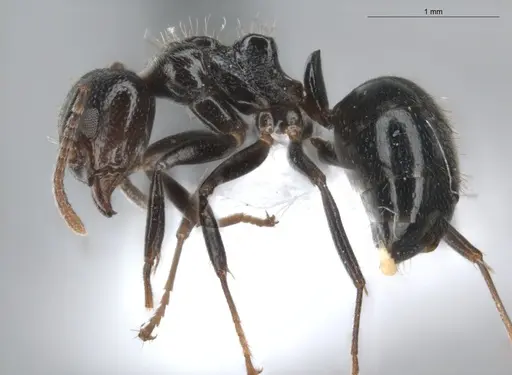
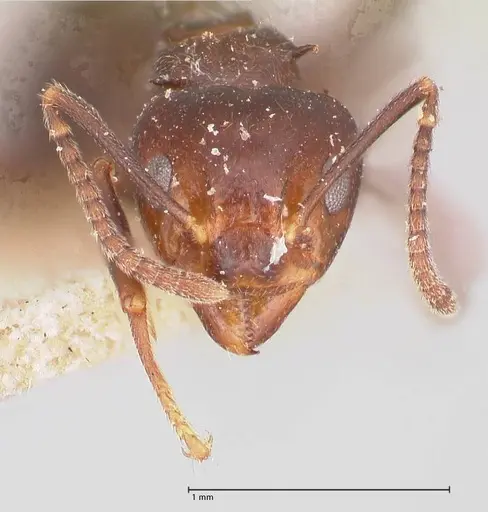
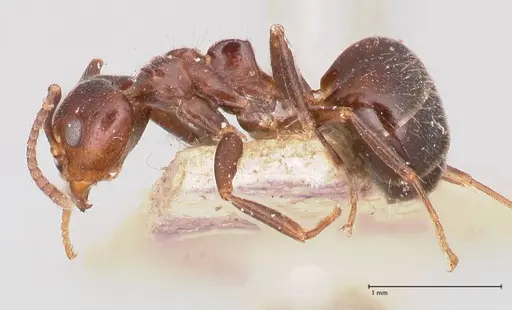
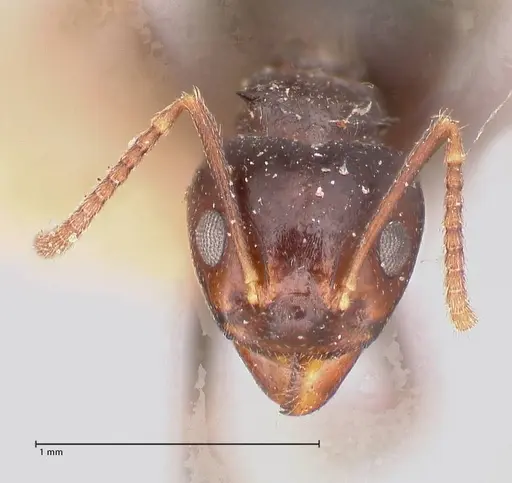
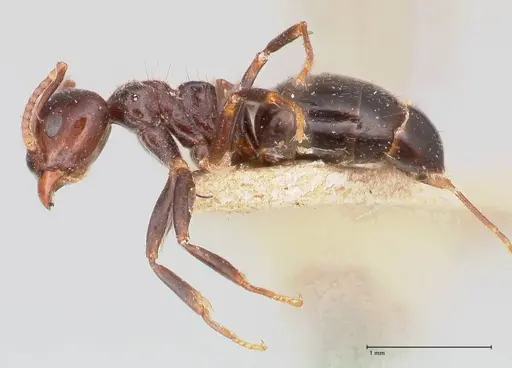
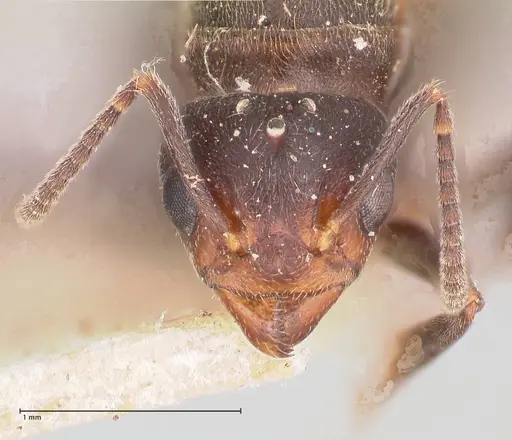
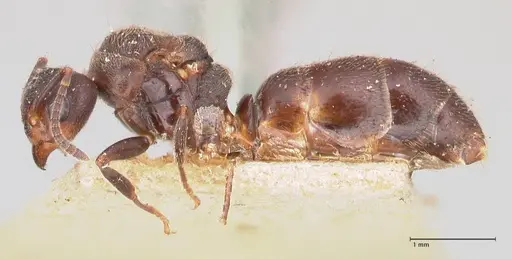
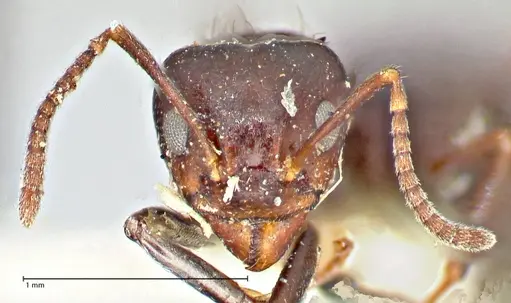
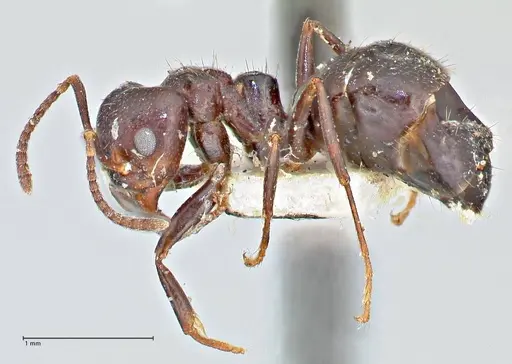
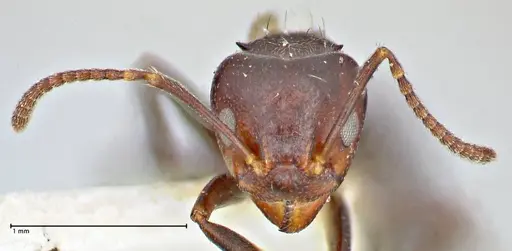
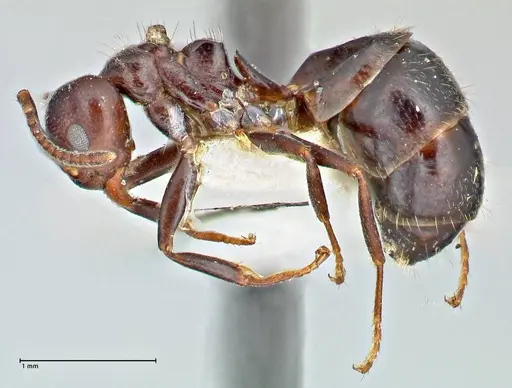
Dolichoderus debilis is a small, jet-black ant native to the Neotropics, measuring about 3mm in length . Workers have abundant erect hairs on the mesosomal dorsum, smooth antennae scapes without erect setae, and a rounded propodeum where the dorsal and posterior faces meet at an angle without projecting flanges [AntWiki]. They inhabit wet forests from Panama to Bolivia, including Colombia, Costa Rica, French Guiana, Guyana, Suriname, Trinidad, Venezuela, and Brazil, nesting in twigs, branches, tree trunks, and sometimes fence posts [AntWiki]. This species is notable for its parabiosis behavior - regularly sharing nests with Crematogaster carinata and other ant species while maintaining separate broods. Unlike most Dolichoderus species that have chemical defenses, D. debilis has completely lost this ability, relying on its parabiotic partners for protection [AntWiki].
Quick Summary
- Difficulty: Medium
- Origin & Habitat: Neotropical wet forests from Panama through Brazil to Bolivia, including Colombia, Costa Rica, French Guiana, Guatemala, Guyana, Suriname, Trinidad and Tobago, and Venezuela [2]. They are arboreal nesters found in twigs, branches, tree trunks, and fence posts, often in association with termite nests of Nasutitermes species, and occasionally in termitaria [2].
- Colony Type: Facultatively parabiotic, colonies can live independently or share nests with Crematogaster carinata and other ant species. Queens are non-claustral and invade existing nests of other social insects to establish colonies [3][4].
- Size & Growth:
- Queen: Size data unavailable, queen measurements have not been documented in primary literature. Inferred from genus patterns to be approximately 3-4mm.
- Worker: Approximately 3mm total length [1].
- Colony: Colony size data is limited. Based on related Dolichoderus species, colonies likely reach several hundred workers.
- Growth: Moderate
- Development: Unknown, no direct development studies exist for this species. (Queens are non-claustral, meaning they cannot found colonies independently and must invade host nests. This significantly affects founding behavior.)
- Antkeeping:
- Temperature: Keep warm and stable, roughly 24-28°C. As a tropical wet-forest species, they need consistent warmth. A gentle gradient allowing workers to self-regulate is beneficial.
- Humidity: High humidity, these ants naturally live in damp forest environments. Keep nest substrate consistently moist but not waterlogged.
- Diapause: No, as a tropical species, they do not require hibernation. Maintain consistent temperatures year-round.
- Nesting: Arboreal nesting preferences, they do well in Y-tong (AAC) nests or plaster nests that retain moisture. Their natural nests are in twigs and branches, so vertical space with narrow chambers mimics their natural environment.
- Behavior: Timid and non-aggressive. Workers forage individually and in small groups, often along branches and tree limbs. They tend coccids and membracids for honeydew and visit extrafloral nectaries. Unlike many Dolichoderus species, they lack chemical defenses (no acid spray), which is why they rely on parabiotic associations. Workers are moderate escape artists, use standard barrier methods but they are not particularly small or agile. They are arboreal and prefer to travel along branches rather than open ground.
- Common Issues: non-claustral queens require host colony access, cannot found colonies independently like claustral species, lack of chemical defenses means they cannot defend themselves, stress from handling can be problematic, tropical humidity requirements can lead to mold if ventilation is poor, parabiotic nature means they may be stressed without appropriate nestmate associations, though this is not required in captivity, wild-caught colonies may carry parasites from their complex natural associations
Understanding Parabiosis
D. debilis is famous for its parabiotic relationships, sharing nests with other ant species while maintaining separate colonies. The most documented association is with Crematogaster carinata, where both species occupy the same piece of wood or branch but keep their broods in separate chambers [2]. This relationship benefits both species: D. debilis gains protection from its chemically-defended partner, while Crematogaster may benefit from additional foragers. In captivity, you do NOT need to keep both species together, D. debilis can thrive on its own. However, understanding this trait explains why they are timid and lack independent defenses. They evolved in close association with defended species and lost their own chemical arsenal [2]. This also means they are sensitive to disturbance and should be handled gently.
Feeding and Diet
In the wild, D. debilis workers are known to tend coccids and membracids (sap-sucking insects) for honeydew, and they visit extrafloral nectaries of plants like Catostemma [2]. They also forage for small insects and arthropods. In captivity, offer a varied diet: sugar water or honey as an energy source, and protein sources like small crickets, mealworms, or fruit flies. Their small size means prey should be appropriately sized. Since they lack chemical defenses, they are not aggressive predators, focus on offering easy-to-catch prey. Fresh protein is generally better accepted than older, dried sources.
Nesting and Housing
As an arboreal species that naturally nests in twigs, branches, and tree trunks, D. debilis does best in nests that provide moisture retention and vertical space. Y-tong (AAC) nests work well, as do plaster nests with multiple chambers. They prefer tight, enclosed spaces rather than open areas. Test tube setups can work for founding colonies but you should plan to move them to a more elaborate setup as the colony grows. The key is maintaining high humidity while ensuring good ventilation to prevent mold. They are not escape artists like some tiny ants, but standard barrier methods are still recommended. [2]
Temperature and Seasonal Care
Being a tropical species from wet Neotropical forests, D. debilis requires warm, humid conditions year-round. Keep temperatures in the 24-28°C range, avoiding drops below 22°C. Unlike temperate species, they do not enter dormancy and need consistent conditions throughout the year. A small heating cable on one side of the nest can create a beneficial gradient, allowing workers to self-regulate. Room temperature in a heated home is often suitable, but monitor with a thermometer. Sudden temperature drops or cold drafts can stress these ants significantly.
Colony Founding and Queen Behavior
This is one of the most critical aspects of keeping D. debilis: queens are non-claustral, meaning they cannot found colonies independently. Unlike claustral queens that seal themselves in a chamber and live off stored fat, D. debilis queens are social parasites that must invade existing nests of other ant species to establish their colony [3][4]. This has major implications for antkeepers, you cannot start a colony from a lone queen as you would with most species. Wild colonies likely establish by finding host ant nests. In captivity, this means either acquiring an established colony or understanding that founding success is complex. This is not a species for beginners who want to start from a single queen.
Behavior and Temperament
D. debilis is described as a timid ant. Unlike many ants that will aggressively defend their nest or charge at threats, these ants prefer to flee or hide. They have completely lost the chemical defense (acid spray) that most Dolichoderus species possess, likely because they relied on their parabiotic partners for protection [2]. This makes them particularly sensitive to disturbance. When foraging, workers move deliberately along branches and leaves rather than rushing energetically. They are not aggressive toward humans and cannot sting. Their small size and quiet nature make them fascinating to observe but less dramatic than many popular pet ant species.
Frequently Asked Questions
Can I start a Dolichoderus debilis colony from a single queen?
No. D. debilis queens are non-claustral (social parasites), they cannot found colonies independently. Unlike most ant species where the queen seals herself in and raises her first workers alone, D. debilis queens must invade existing ant nests to establish their colony. You will need to acquire an established colony or a queen with workers.
Do Dolichoderus debilis ants need to be kept with another ant species?
No. While they form parabiosis (nest-sharing) relationships with species like Crematogaster carinata in the wild, this is not required in captivity. They can thrive as a single-species colony. However, their timid nature and lack of chemical defenses mean they should be protected from aggressive ant species if housed near other colonies.
What do Dolichoderus debilis eat?
They feed on honeydew from tended insects (coccids, membracids) and nectar from plants in the wild. In captivity, offer sugar water or honey as an energy source, plus small protein prey like fruit flies, pinhead crickets, or small mealworms. Their small size means prey should be appropriately sized.
Are Dolichoderus debilis good for beginners?
No. This species is not ideal for beginners due to several challenges: non-claustral queen founding requires acquiring established colonies, they need high humidity and warm tropical conditions, they are timid and sensitive to disturbance, and they lack independent defenses. They are better suited for intermediate to advanced antkeepers.
What temperature do Dolichoderus debilis need?
Keep them at 24-28°C. As a tropical wet-forest species, they need warm, stable temperatures year-round. Avoid temperatures below 22°C. A small heating cable on part of the nest can create a gradient, but ensure they can retreat to cooler areas if needed.
How big do Dolichoderus debilis colonies get?
Exact colony size data is limited, but based on related Dolichoderus species, colonies likely reach several hundred workers. They are not among the largest ant species, but established colonies can be quite substantial.
Why are my Dolichoderus debilis dying?
Common causes include: temperature stress (too cold or sudden drops), low humidity (they need consistently moist conditions), disturbance stress (they are timid and sensitive), improper feeding (they need both sugar and protein), and parasite issues from wild-caught colonies. Review each of these factors and ensure conditions match their tropical wet-forest requirements.
What type of nest is best for Dolichoderus debilis?
Y-tong (AAC) nests or plaster nests work well. They naturally nest in twigs and branches, so vertical setups with multiple chambers mimic their natural environment better than horizontal layouts. The nest must retain moisture well while providing good ventilation to prevent mold.
How long does it take for Dolichoderus debilis to develop from egg to worker?
The exact development timeline has not been documented for this species. Based on related tropical Dolichoderus species, expect approximately 6-10 weeks from egg to first worker at optimal temperature.
Do Dolichoderus debilis need hibernation?
No. As a tropical species from wet Neotropical forests, they do not require hibernation or winter dormancy. Maintain warm, consistent temperatures year-round. Unlike temperate species, they remain active throughout the year.
Report an Issue
The current care sheet is based fully on literature. See inconsistencies, or something that's incorrect? Please , it will be resolved after review from an admin. Contributing to the blogs tab also helps providing information, to make us be able to further improve the caresheets. Thank you for your support!
References

This caresheet is licensed under CC BY-SA 4.0 .
Community Blogs
CASENT0106158
View on AntWeb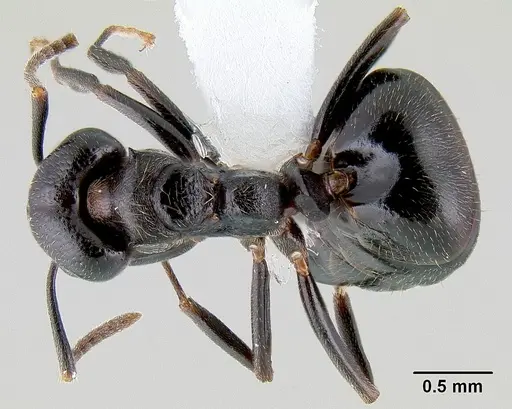
CASENT0249657
View on AntWeb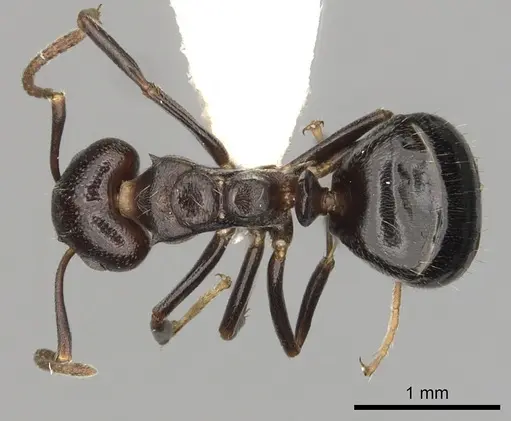
CASENT0249658
View on AntWeb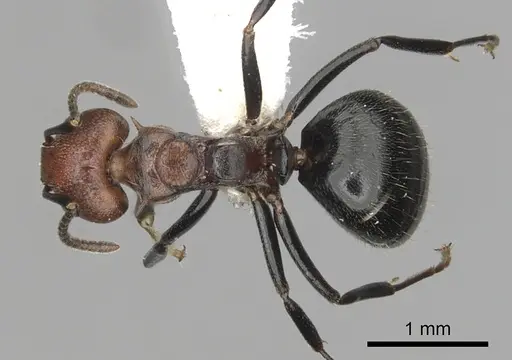
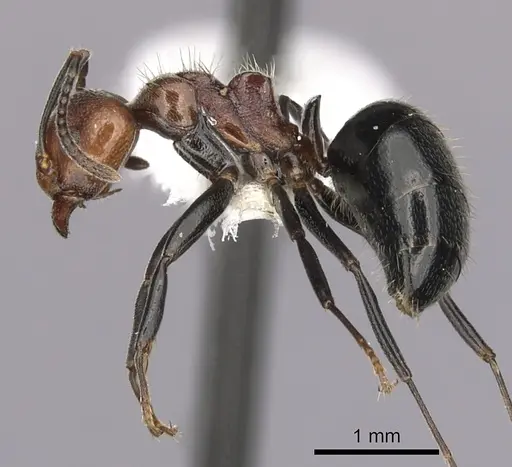
CASENT0886014
View on AntWeb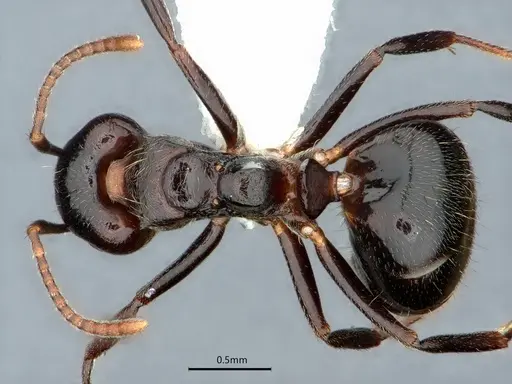
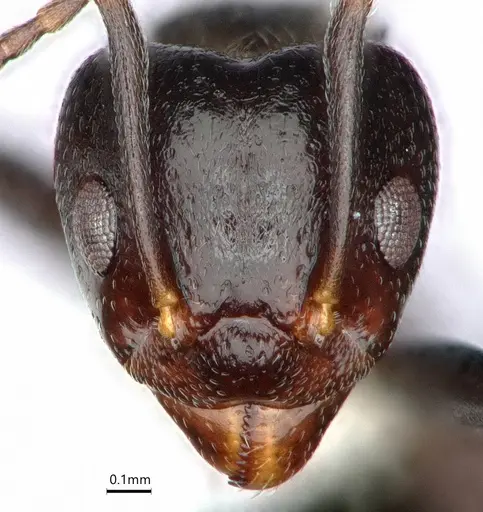
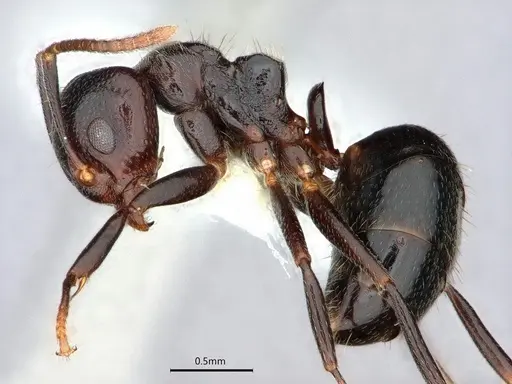
CASENT0902951
View on AntWeb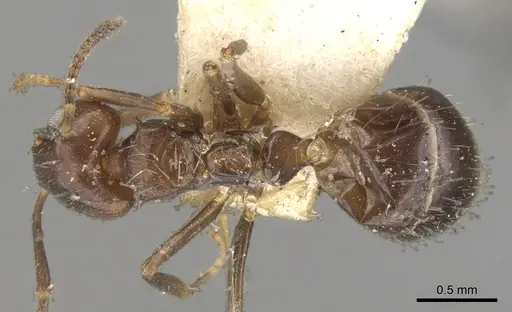
CASENT0902952
View on AntWeb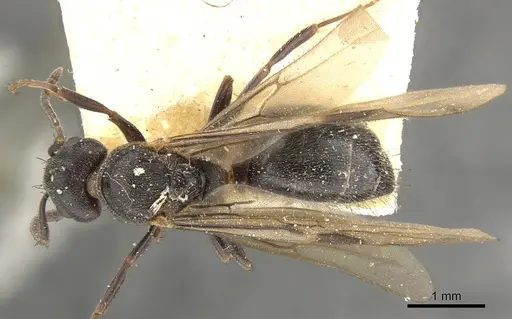
CASENT0905035
View on AntWeb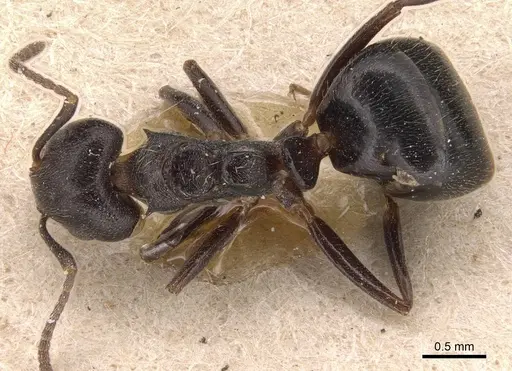
CASENT0905037
View on AntWeb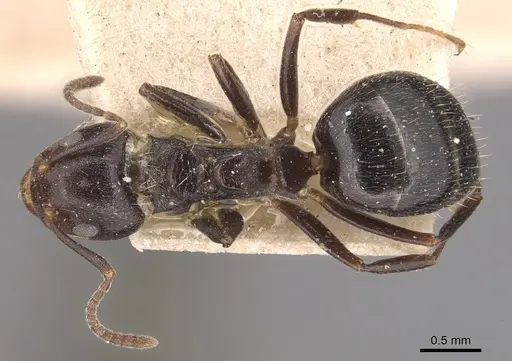
CASENT0909453
View on AntWeb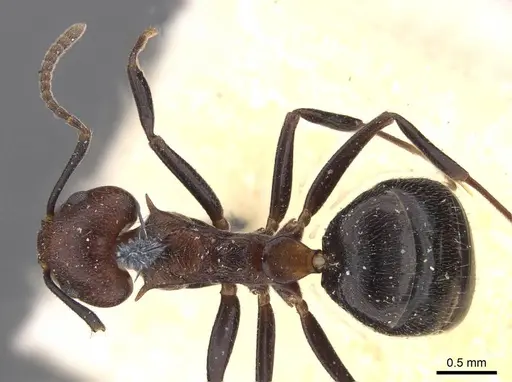
CASENT0909454
View on AntWeb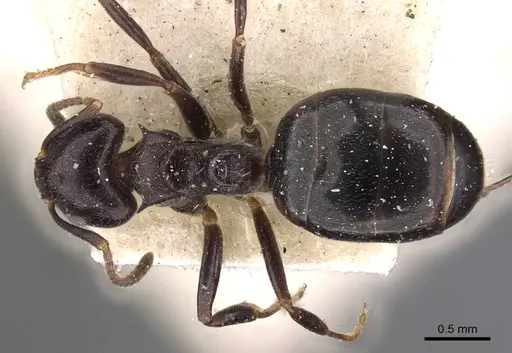
CBUMAGENT41845
View on AntWeb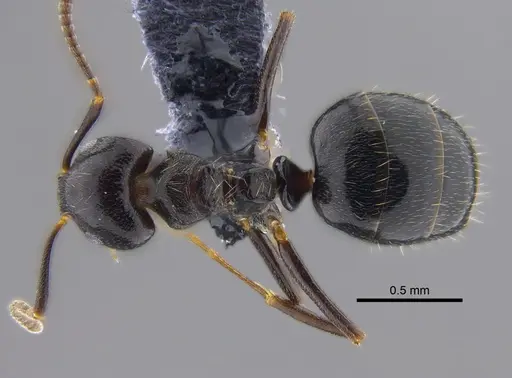
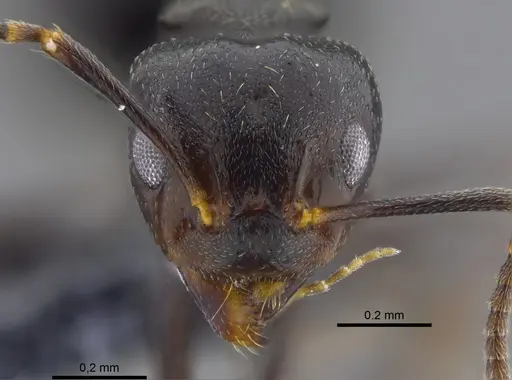
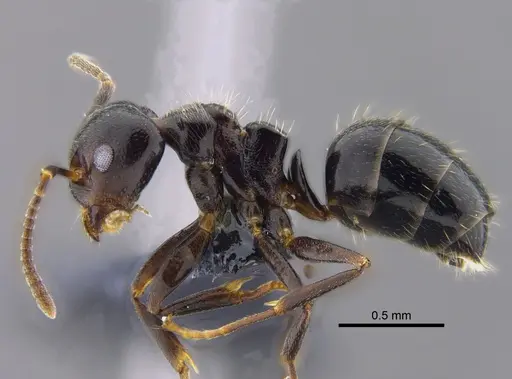
ECOFOG-BUG-0212-01
View on AntWeb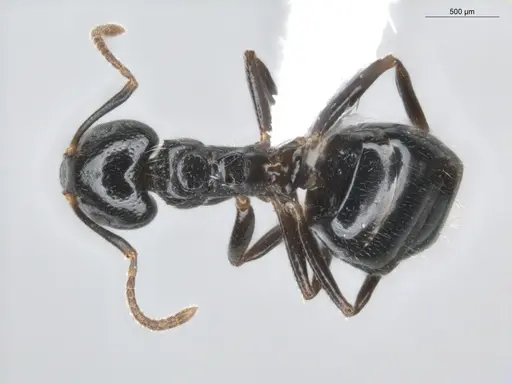
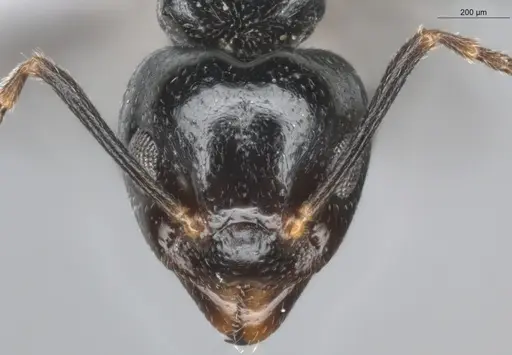
ECOFOG-BUG-0468-12
View on AntWeb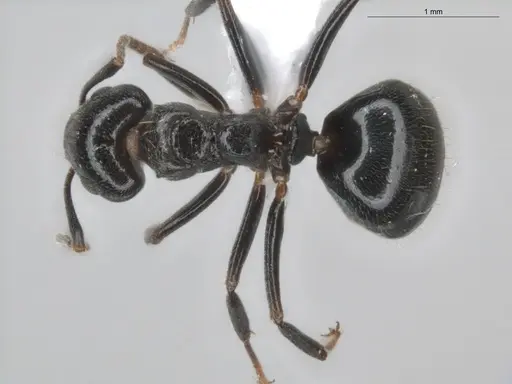
FOCOL0777-1
View on AntWeb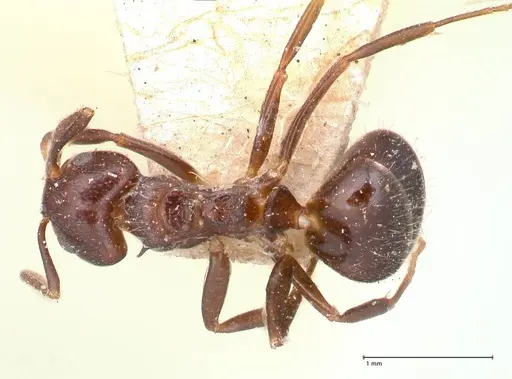
FOCOL0777-2
View on AntWeb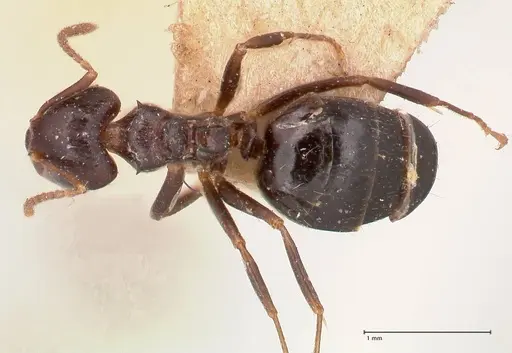
FOCOL0777-3
View on AntWeb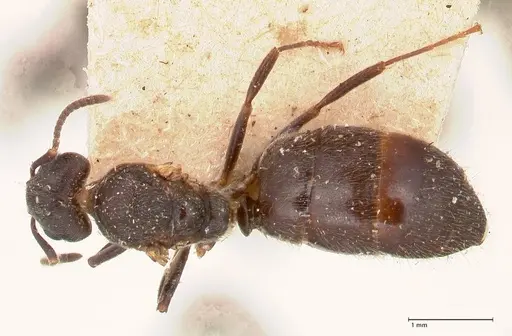
FOCOL2756
View on AntWeb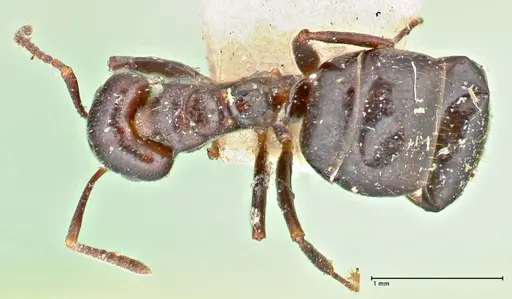
FOCOL2757
View on AntWeb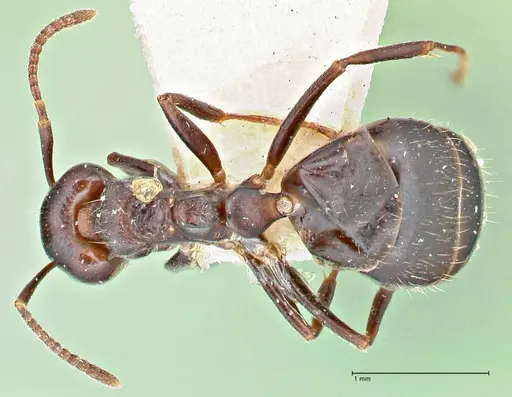
Literature
Loading distribution map...Loading products...