
Dolichoderus clusor
- Sci. Name
- Dolichoderus clusor
- Tribe
- Dolichoderini
- Subfamily
- Dolichoderinae
- Author
- Forel, 1907
- Distribution
- Found in 1 countries
Introduction
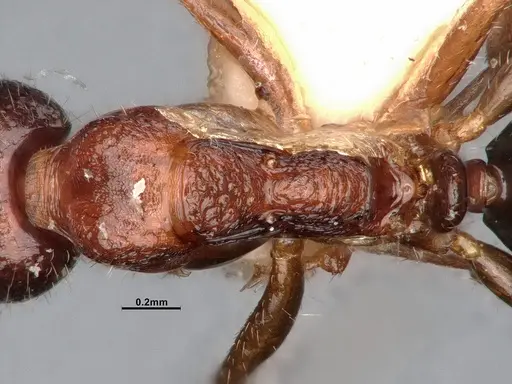
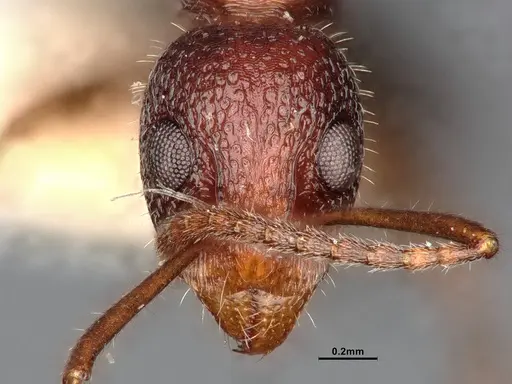
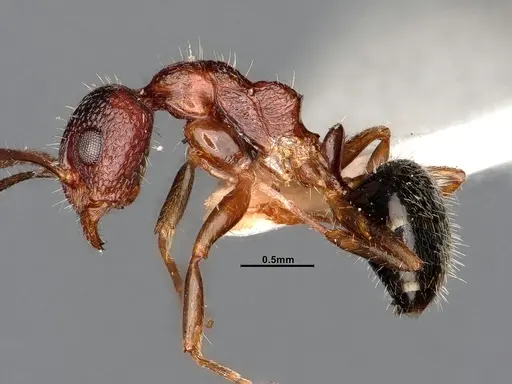
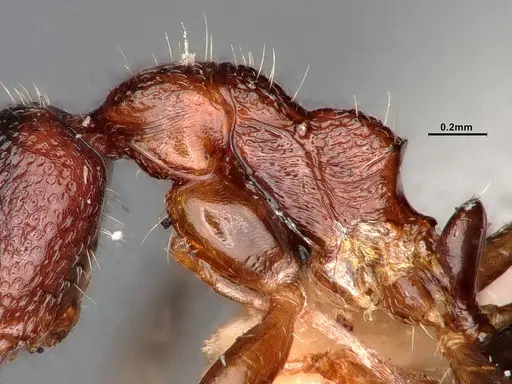
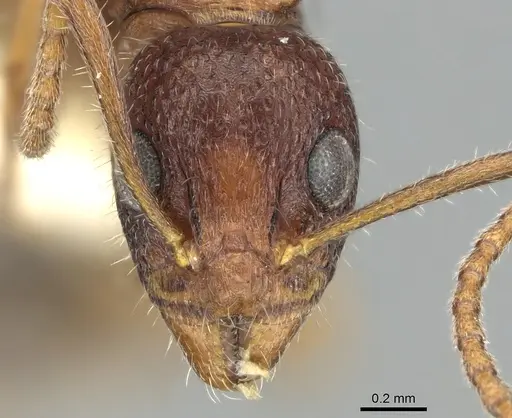
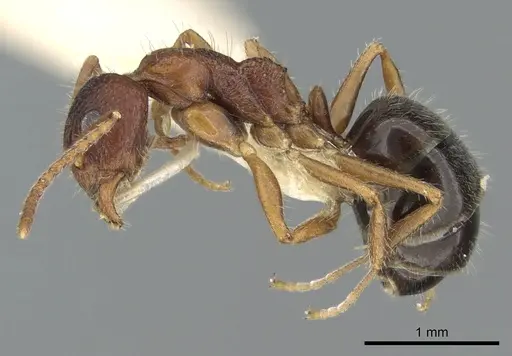
Dolichoderus clusor is a small ant native to Australia, found in two widely separated populations near Perth, Western Australia and Adelaide, South Australia. Workers are brownish-red with a darker head and black gaster. The pronotum is notably smooth and shiny, which distinguishes this species from similar Australian Dolichoderus like D. scrobiculatus and D. turneri. They are among the most common ants in the Hypoclinea group in Banksia woodland areas around Perth . These ants are diurnal foragers that scavenge and tend aphids for honeydew, often traveling in columns along the ground or up tree trunks .
Quick Summary
- Difficulty: Medium
- Origin & Habitat: Western Australia (Perth area) and South Australia (Adelaide region). Found in Banksia woodland and dry sclerophyll forest, nesting in soil under rocks or in rotten wood [1][2].
- Colony Type: Colony structure is unconfirmed for this species. Australian Dolichoderus species typically have single-queen colonies, but specific documentation for D. clusor is lacking.
- Size & Growth:
- Queen: Size data unavailable for this species.
- Worker: Size data unavailable, the research provides head width measurements (0.78-0.91mm) but not total body length. Based on the genus, workers are approximately 4-5mm total length.
- Colony: Colony size is unconfirmed for this specific species.
- Growth: Growth rate is unconfirmed
- Development: Development timeline is unconfirmed for this species (Specific development data is not available in the research literature.)
- Antkeeping:
- Temperature: Keep at room temperature with a gentle gradient. These ants come from temperate Australia (Perth/Adelaide regions) where temperatures are mild. A range of 20-26°C is reasonable based on their native climate.
- Humidity: Moderate humidity. They naturally occur in Banksia woodland and dry sclerophyll, which are relatively dry habitats. Keep nest substrate lightly moist but allow some drying between waterings. Avoid waterlogging.
- Diapause: Diapause requirements are unconfirmed for this species. Australian temperate ants typically need a winter rest period, but specific documentation for D. clusor is lacking.
- Nesting: Naturalistic setup works well, soil chambers with access to dry areas. They nest in soil under rocks or in rotten wood in the wild. A formicarium with soil substrate and hiding spots mimics their natural environment.
- Behavior: Dolichoderus clusor is a diurnal species that forages in columns on the ground and up tree trunks. Workers are general scavengers and will tend aphids and other hemiptera for honeydew. They are not particularly aggressive but will defend their nest if threatened. Escape prevention is important due to their small size, use tight-fitting lids and fine mesh barriers.
- Common Issues: small size means escapes are likely without fine mesh barriers, limited documentation on captive care requirements, much is inferred from genus patterns, diapause requirements are not specifically documented for this species, limited availability in the antkeeping hobby, queen size and colony size data are unavailable in the research literature
Housing and Nest Setup
Dolichoderus clusor does well in a naturalistic setup that mimics their natural habitat in Banksia woodland. Use a formicarium with soil or a soil-and-sand mixture as the substrate. Provide flat stones or pieces of bark as founding chambers, as they naturally nest under rocks in the wild. A small water tube should be provided, but ensure the nest area stays relatively dry, these ants come from dry sclerophyll habitats where conditions are not humid. Because they are small, ensure your setup has no gaps in the lid or connections to the outworld. A test tube setup can work for founding colonies, but transfer to a naturalistic formicarium once the colony reaches 20-30 workers. [1][2]
Feeding and Diet
In the wild, Dolichoderus clusor workers are general scavengers that also tend aphids and other hemiptera for honeydew. In captivity, offer a varied diet: sugar water or honey as an energy source, and protein sources like small insects (fruit flies, small crickets, mealworms). Since they naturally tend aphids, they may accept sweet liquids readily. Feed protein 2-3 times per week and keep a sugar source available at all times. Remove uneaten prey after 24-48 hours to prevent mold. These ants are diurnal foragers, so offer food during daylight hours when they are most active. [2]
Temperature and Seasonal Care
Keep your colony at 20-26°C, which matches the mild temperate climate of their native Perth and Adelaide regions. A slight temperature gradient is beneficial, allow workers to move between warmer and cooler areas of the nest. During the Australian winter (roughly June-August in the Southern Hemisphere), you may reduce temperatures slightly for a diapause period. Do not maintain active colonies year-round at constant high temperatures, this can weaken the colony over time. Monitor your colony for signs of stress and adjust accordingly. [1][2]
Behavior and Colony Dynamics
Dolichoderus clusor is a diurnal species with active foraging behavior. Workers travel in columns along the ground and up vegetation, searching for food and honeydew. They are not particularly aggressive but will bite if their nest is disturbed. The colony will establish a queen chamber in a protected area of the nest, and workers will expand tunnels as the colony grows. These ants are relatively calm in captivity. Watch for colony growth patterns, once workers begin regularly foraging above ground, the colony is established and growing well. [2]
Frequently Asked Questions
How long does it take for Dolichoderus clusor to produce first workers?
The exact timeline is not documented in the research. Expect several months for founding colonies to produce first workers, as the queen must raise her initial brood alone.
Can I keep multiple Dolichoderus clusor queens together?
Colony structure is unconfirmed for this species. Combining unrelated queens is not recommended as they may fight. If you obtain a colony, assume it has one queen.
What temperature should I keep Dolichoderus clusor at?
Maintain temperatures between 20-26°C. They come from temperate Australia (Perth/Adelaide regions) and prefer mild conditions. A slight gradient allowing them to choose their preferred temperature is ideal.
Do Dolichoderus clusor need hibernation?
Diapause requirements are unconfirmed for this species. Based on their geographic range in temperate Australia, a slight winter cool-down period may be beneficial, but specific requirements are not documented.
What do Dolichoderus clusor eat?
They are omnivorous scavengers. Offer sugar water or honey continuously, and protein (small insects like fruit flies or mealworms) 2-3 times per week. They also tend aphids in the wild, so sweet liquids are readily accepted.
Are Dolichoderus clusor good for beginners?
They are rated as medium difficulty. They are less commonly kept than some species, so there is less community knowledge to draw from. Their moderate temperature and humidity needs are manageable for committed beginners, but their specific requirements are not well-documented in captivity.
When should I move my colony to a formicarium?
Start in a test tube for founding. Once the colony reaches 20-30 workers and you see regular foraging activity, you can transfer to a naturalistic formicarium with soil substrate. Provide a secure connection and allow the colony to move on their own schedule.
How big do Dolichoderus clusor colonies get?
Exact colony size is not documented in the research. Related Dolichoderus species may reach several hundred workers, but specific data for D. clusor is unavailable.
Why are my Dolichoderus clusor dying?
Common causes include: temperature extremes (too hot or too cold), improper humidity (too wet or too dry), lack of protein food, or stress from too much disturbance. Check that temperatures are stable at 20-26°C, the nest is not overly humid, and protein is being offered regularly.
Report an Issue
The current care sheet is based fully on literature. See inconsistencies, or something that's incorrect? Please , it will be resolved after review from an admin. Contributing to the blogs tab also helps providing information, to make us be able to further improve the caresheets. Thank you for your support!
References

This caresheet is licensed under CC BY-SA 4.0 .
Community Blogs
CASENT0886101
View on AntWeb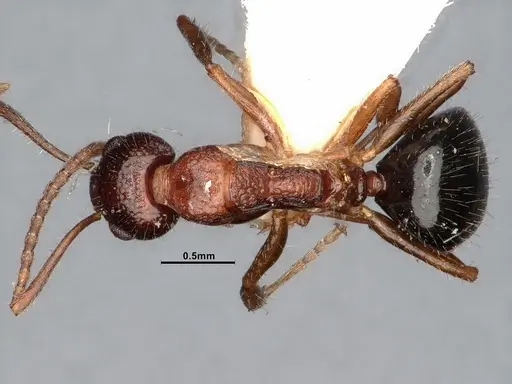
CASENT0906227
View on AntWeb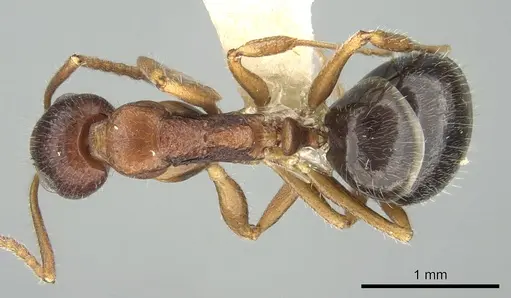
Literature
Loading distribution map...Loading products...