Dolichoderus attelaboides shows a January to December flight window. Peak activity occurs in January and April and December, with nuptial flights distributed across 8 months. This extended season suggests multiple flight events or varying conditions across its range.
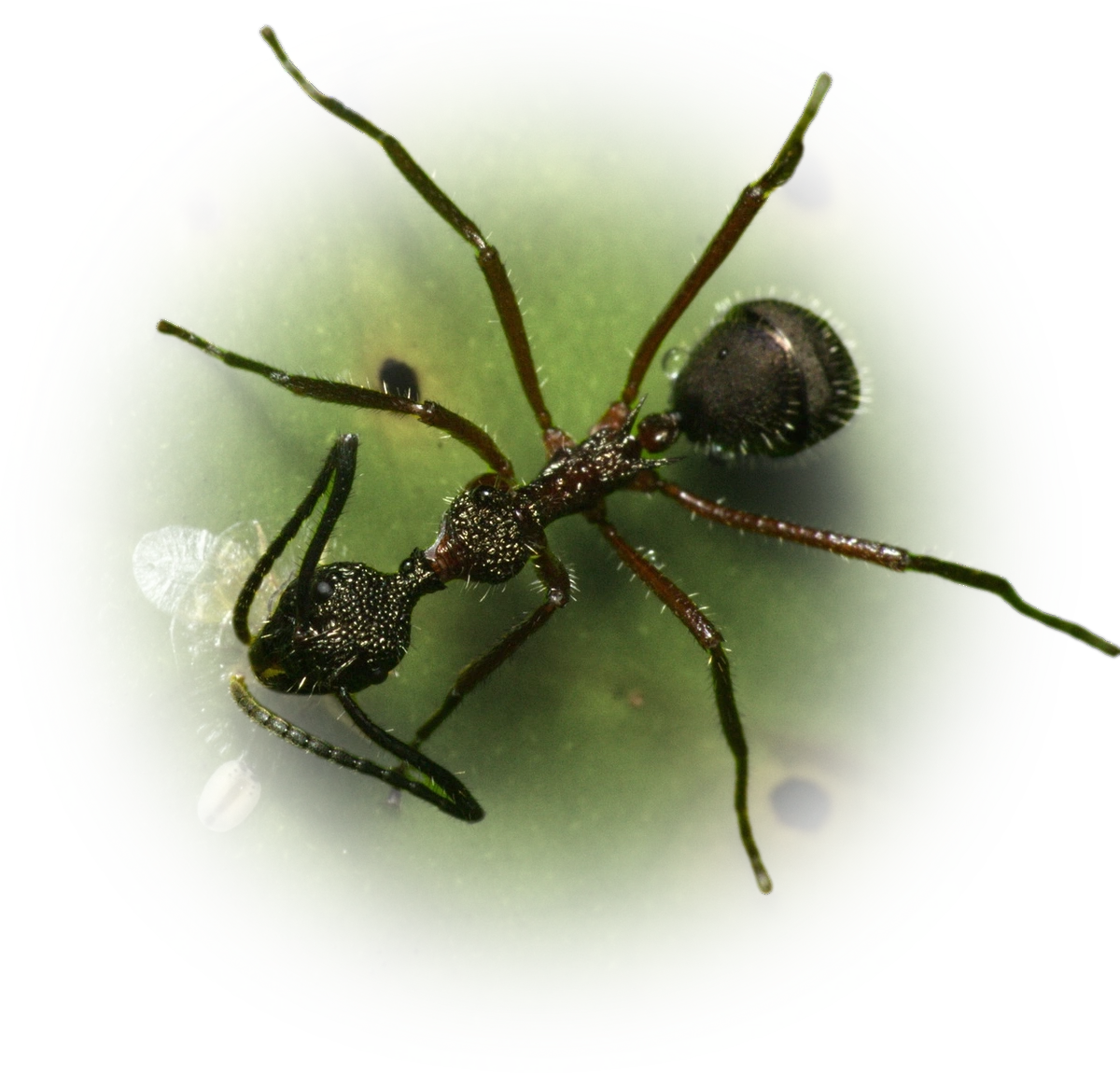
Dolichoderus attelaboides
- Sci. Name
- Dolichoderus attelaboides
- Tribe
- Dolichoderini
- Subfamily
- Dolichoderinae
- Author
- Fabricius, 1775
- Distribution
- Found in 8 countries
- Nuptial Flight
- From January to December
- Peak flight Time
- 11:00
AI Identifiable
try →
Introduction
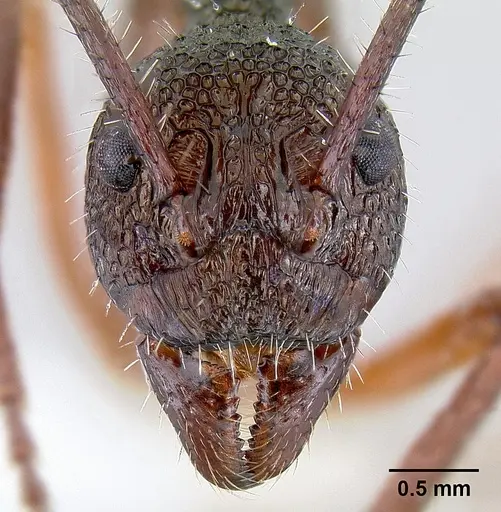
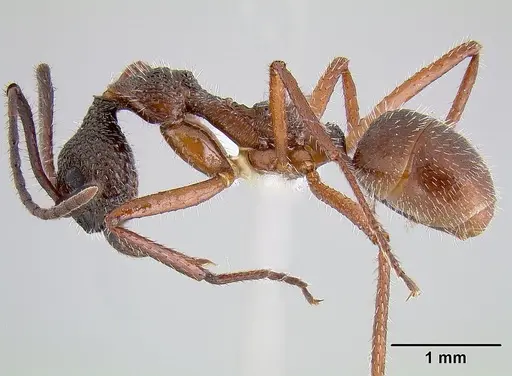
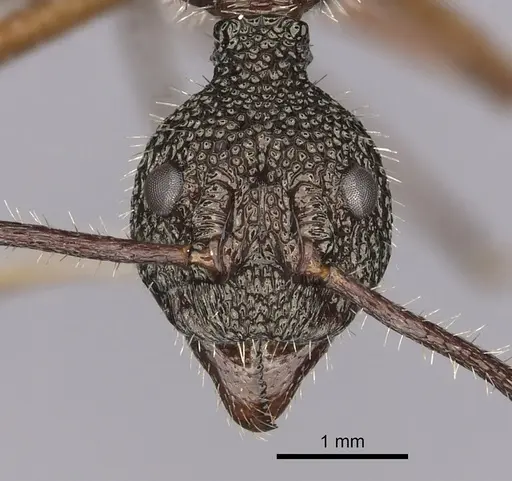
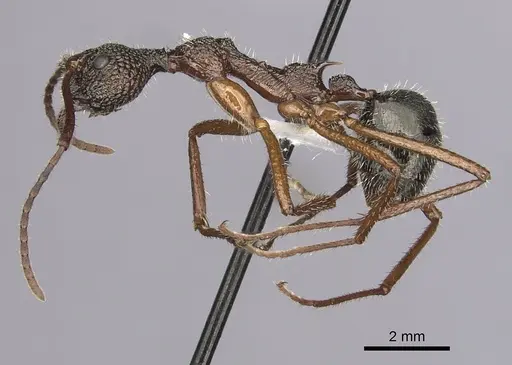
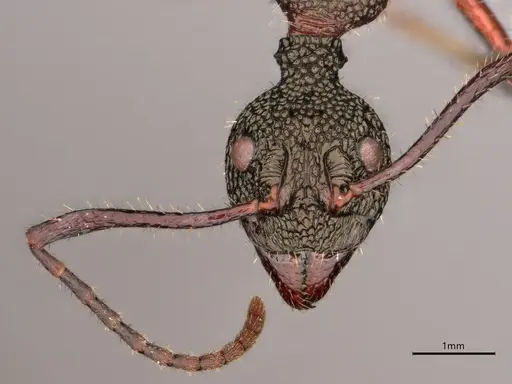
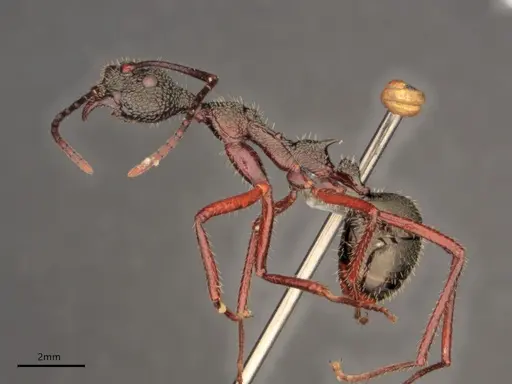
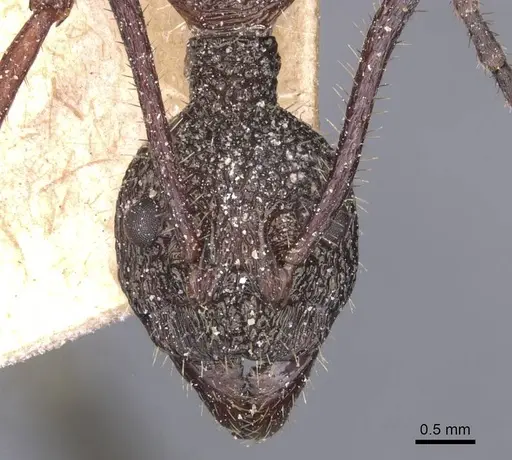
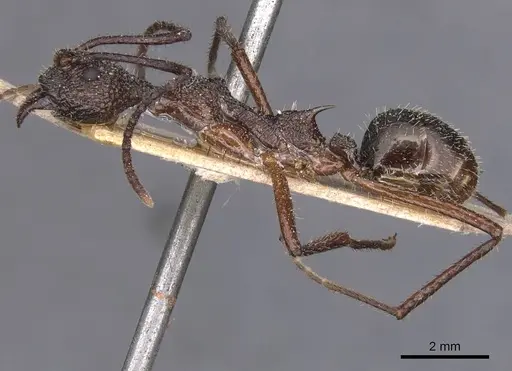
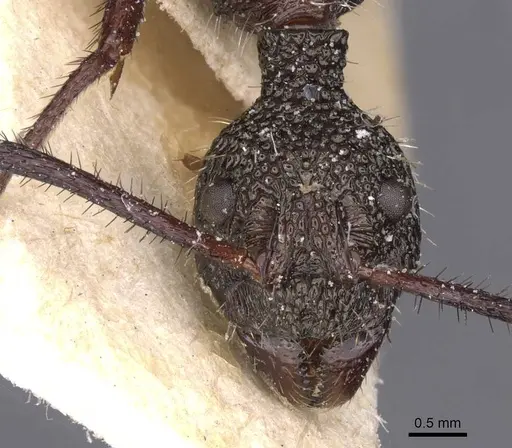
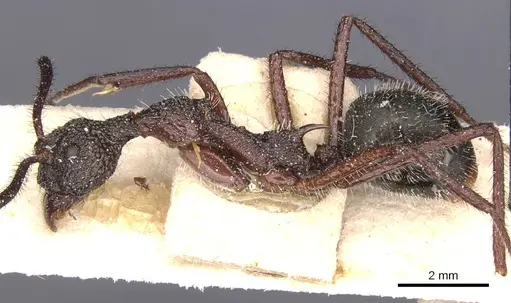
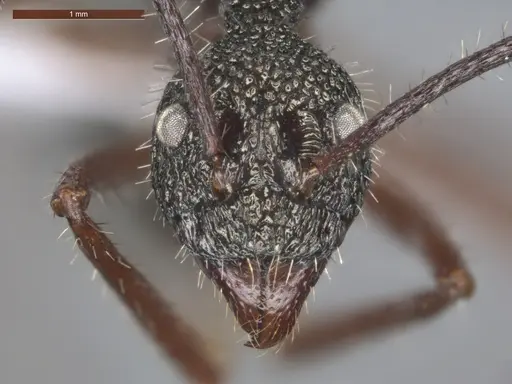
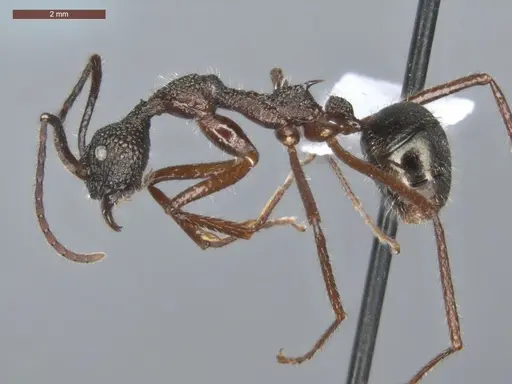
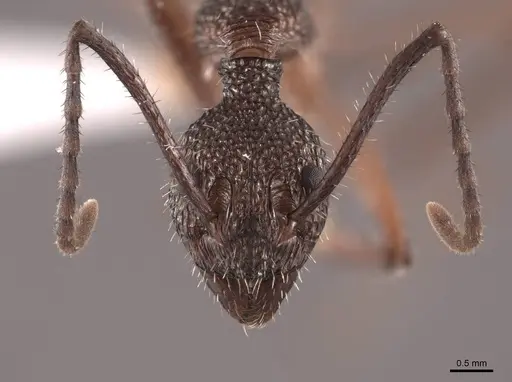
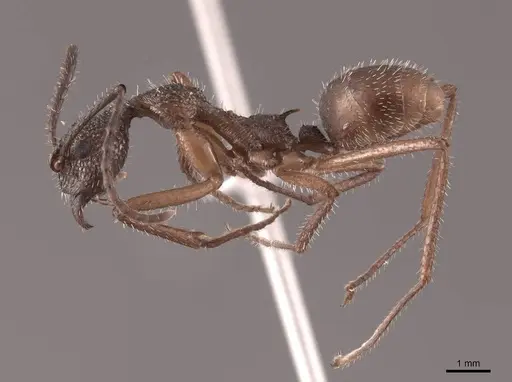
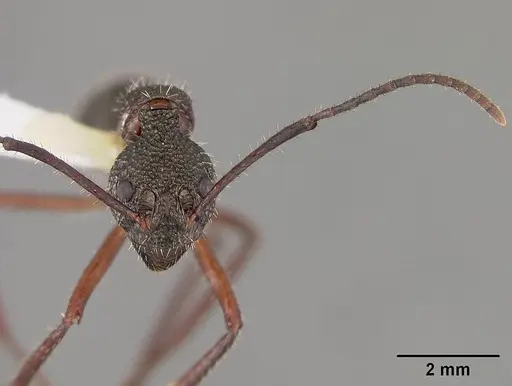
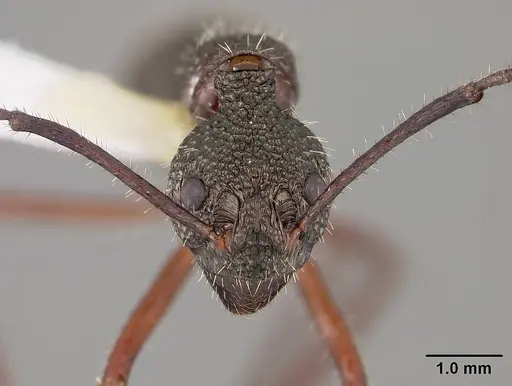
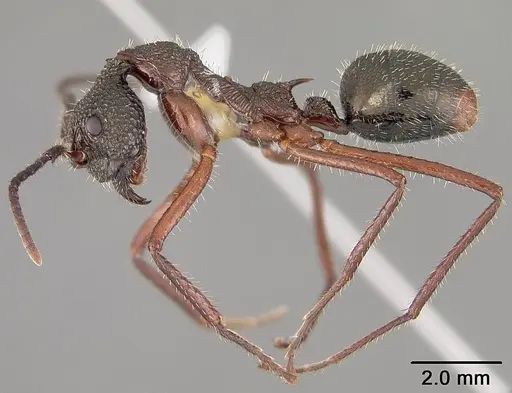
Dolichoderus attelaboides is a Neotropical ant species found across northern South America from Colombia to southern Brazil. Workers are small ants with strong sculpture on the head and mesosoma, long propodeal spines, and erect hairs covering the body. They have a well-developed occipital neck and their eyes do not extend beyond the lateral margins of the head . This species is notable for nesting in epiphytic bromeliads, building nests between leaf sheaths with a characteristic cardboard-like material made from plant fibers . They produce a Tapinoma-like odor when disturbed as a defense mechanism . The species has been documented as prey of army ants (Eciton hamatum and Eciton rapax) and is parasitized by specialized Cordyceps fungi .
Quick Summary
- Difficulty: Medium
- Origin & Habitat: Found across the Neotropical region including Bolivia, Brazil, Colombia, Ecuador, French Guiana, Guyana, Peru, Suriname, and Trinidad. Inhabits rainforest environments, typically nesting in epiphytic bromeliads and occasionally in tree bark crevices [2][1][6].
- Colony Type: Colony structure is not documented in research.
- Size & Growth:
- Queen: size data unavailable
- Worker: size data unavailable, described morphologically but no total length measurements in available literature
- Colony: Unknown
- Growth: Unknown
- Development: Unknown (Development timeline has not been studied for this species.)
- Antkeeping:
- Temperature: Keep at 24-28°C. As a tropical species from lowland rainforests, they need warm, stable conditions.
- Humidity: High humidity is essential, they naturally inhabit rainforest environments with epiphytic bromeliads. Keep nest substrate consistently moist but not waterlogged.
- Diapause: No, as a tropical species, they do not require hibernation. Maintain warm conditions year-round.
- Nesting: In captivity, they do well in naturalistic setups that mimic their natural bromeliad nesting sites. Y-tong nests or nests with moist substrate work well. They prefer tight, humid chambers.
- Behavior: Dolichoderus ants are generally non-aggressive but will defend their nest. Workers are moderately active and forage for honeydew and small prey. They have a defensive secretion that produces a Tapinoma-like odor when threatened [3]. They are known to be preyed upon by army ants, indicating they are not highly aggressive or defensive in the wild [4].
- Common Issues: tropical species requires warm, humid conditions, dry or cool environments will kill colonies, nesting in bromeliads means they need high humidity and may struggle in standard dry test tube setups, wild-caught colonies may have parasites including Cordyceps fungi that can kill them in captivity [5], they produce defensive secretions that may cause stress in enclosed spaces without ventilation
Nuptial Flight Activity Analysis 107 observations
Flight Activity by Hour 107 observations
Dolichoderus attelaboides nuptial flight activity peaks around 11:00 during the late morning to early afternoon. Activity is spread across a 18-hour window (06:00–23:00). A secondary activity peak occurs around 17:00. Times may be influenced by human observation patterns.
Natural Nesting and Housing
In the wild, Dolichoderus attelaboides nests in epiphytic bromeliads, creating chambers between leaf sheaths. They construct a distinctive cardboard-like material from glued and felted plant fibers to seal nest entrances, which also extends into nearby bark crevices [2]. For captive care, recreate these conditions using naturalistic setups with moist substrate. Y-tong nests or nests with tight chambers work well. The key is maintaining high humidity, these are rainforest ants that need consistently moist conditions. Avoid dry test tube setups that would work for temperate species.
Feeding and Diet
Like other Dolichoderus species, they likely feed on honeydew from sap-sucking insects and small arthropods. In captivity, offer sugar water or honey regularly, along with small protein sources like fruit flies, small crickets, or other micro-prey. They have a thoracic crop for food storage, similar to other Dolichoderinae workers [7]. Feed protein 2-3 times per week and provide constant access to sugar sources. Remove uneaten prey within 24 hours to prevent mold.
Temperature and Humidity Requirements
As a tropical lowland species, they require warm temperatures between 24-28°C. Room temperature may be insufficient in cooler climates, use a heating cable on one side of the nest to create a gradient. High humidity is critical, aim for 70-80% relative humidity. Mist the nest occasionally and keep the substrate moist. These conditions reflect their natural bromeliad habitat in rainforest environments. Poor humidity is one of the most common causes of colony failure with this species. [1][6]
Defense and Behavior
When threatened, workers produce a distinctive Tapinoma-like odor from their anal glands as a defensive mechanism [3]. Their venom forms a tough, resinous yellow coagulum. They are not particularly aggressive and are known to be preyed upon by army ants, suggesting they rely more on cryptic nesting than active defense [4]. In captivity, they are manageable ants that won't aggressively swarm intruders, but the odor they release can be unpleasant in enclosed spaces. Ensure adequate ventilation.
Growth and Development
The chromosome number for this species is 2n = 58, the highest recorded within Dolichoderinae [8]. This is part of the D. attelaboides species complex. Development time from egg to worker is not documented in research. Colonies likely grow moderately. The founding phase can be slow, queens require stable, humid conditions to raise the first workers.
Seasonal Care
As a tropical species from northern South America, Dolichoderus attelaboides does not require hibernation or diapause. Maintain warm, humid conditions year-round. In their natural range, temperatures remain relatively stable throughout the year. Avoid temperature drops below 20°C, which could stress or kill colonies. They are active year-round in captivity when kept warm.
Frequently Asked Questions
How long does it take for Dolichoderus attelaboides to produce first workers?
This is not documented in research. The development timeline has not been studied for this species.
What temperature do Dolichoderus attelaboides ants need?
Keep them at 24-28°C. As a tropical rainforest species from lowland South America, they need warm conditions. A heating cable on one side of the nest creates a suitable gradient.
Do Dolichoderus attelaboides ants need hibernation?
No, they do not require hibernation. As a tropical species, maintain warm conditions year-round. Avoid temperatures below 20°C.
What do Dolichoderus attelaboides ants eat?
They likely feed on honeydew and small arthropods like other Dolichoderus species. In captivity, offer sugar water or honey for carbohydrates and small protein sources like fruit flies or micro-crickets.
How big do Dolichoderus attelaboides colonies get?
Colony size is not documented in research.
Are Dolichoderus attelaboides ants aggressive?
They are not particularly aggressive. When threatened, they rely on defensive secretions that produce a Tapinoma-like odor rather than aggressive swarming. They are known prey of army ants.
What type of nest should I use for Dolichoderus attelaboides?
Use a naturalistic setup with moist substrate, such as a Y-tong or nest with tight, humid chambers. Avoid dry test tube setups, they need conditions that mimic their bromeliad nesting sites.
Where is Dolichoderus attelaboides found in the wild?
They are found across the Neotropical region: Bolivia, Brazil, Colombia, Ecuador, French Guiana, Guyana, Peru, Suriname, and Trinidad. They inhabit rainforest environments, typically nesting in epiphytic bromeliads.
Can I keep multiple Dolichoderus attelaboides queens together?
This has not been documented in research. Colony structure (monogyne vs polygyne) is unknown for this species.
Why is my Dolichoderus attelaboides colony dying?
The most common causes are low humidity (they need rainforest conditions), temperatures below 24°C, or dry nesting conditions. They are also vulnerable to parasitic fungi. Ensure high humidity and warm temperatures.
Are Dolichoderus attelaboides good for beginners?
They are rated as medium difficulty. While not the hardest species, they require specific tropical conditions (high humidity, warm temperatures) that may be challenging for beginners used to temperate species. Their bromeliad-nesting habits mean they need more humidity than typical ant setups.
When is the nuptial flight of Dolichoderus attelaboides?
The nuptial flight of Dolichoderus attelaboides typically occurs From January to December.
What time of day does Dolichoderus attelaboides fly?
The nuptial flight of Dolichoderus attelaboides peaks around 11:00 during the late morning to early afternoon, with most activity between 06:00 and 23:00. Times may be influenced by human observation patterns.
Report an Issue
The current care sheet is based fully on literature. See inconsistencies, or something that's incorrect? Please , it will be resolved after review from an admin. Contributing to the blogs tab also helps providing information, to make us be able to further improve the caresheets. Thank you for your support!
References

This caresheet is licensed under CC BY-SA 4.0 .
Community Blogs
CASENT0003188
View on AntWeb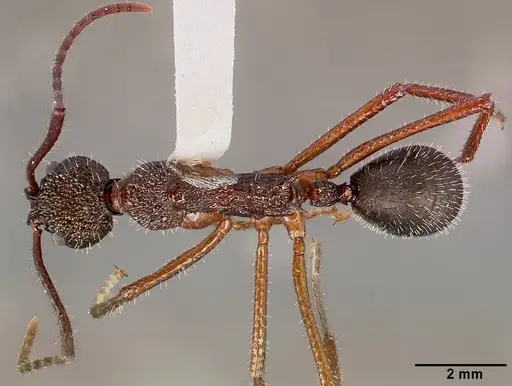
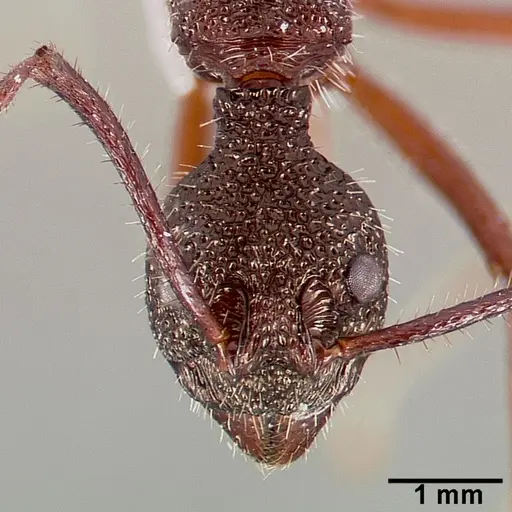
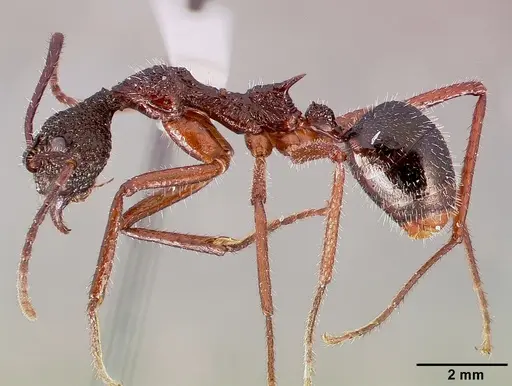
CASENT0106108
View on AntWeb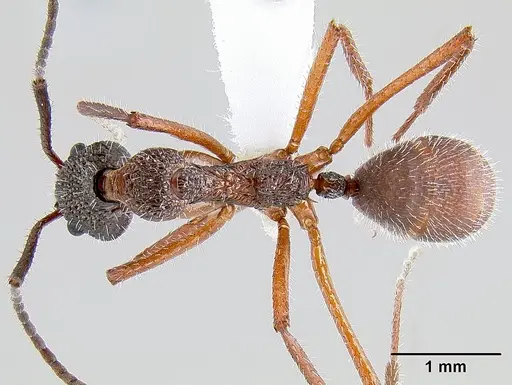
CASENT0249660
View on AntWeb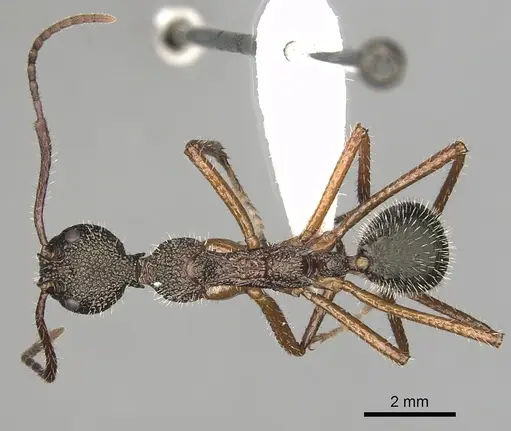
CASENT0866521
View on AntWeb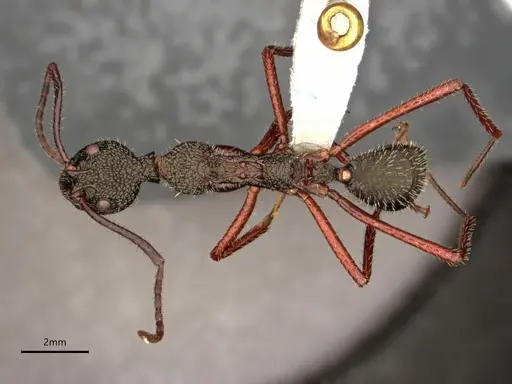
CASENT0911500
View on AntWeb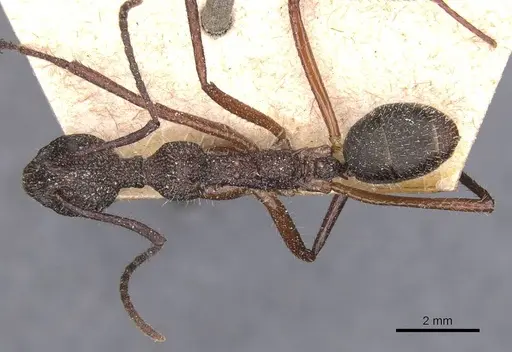
CASENT0911501
View on AntWeb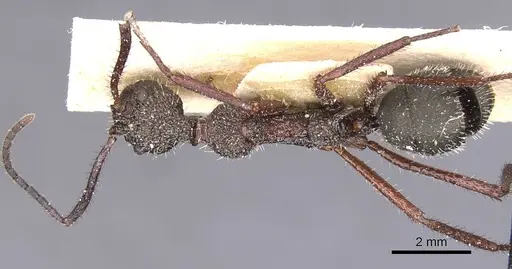
CASENT0923586
View on AntWeb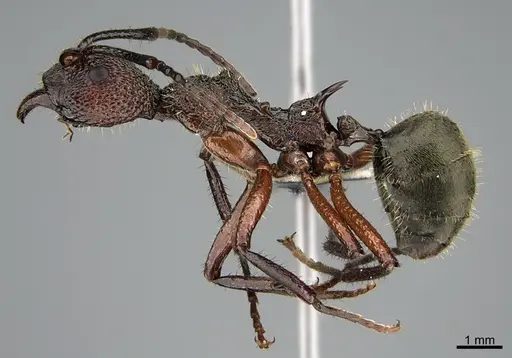
ECOFOG-PA14-0172-10
View on AntWeb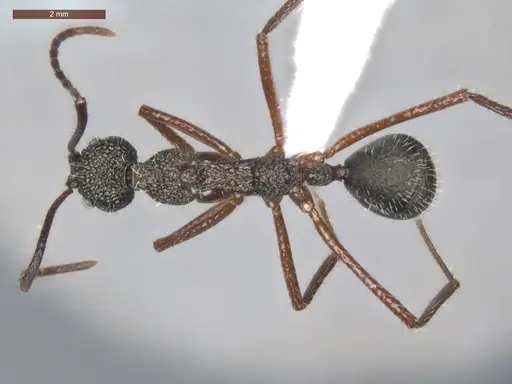
FMNHINS0000062236
View on AntWeb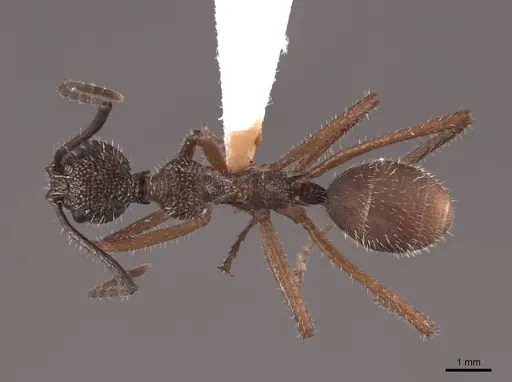
USNMENT00412449
View on AntWeb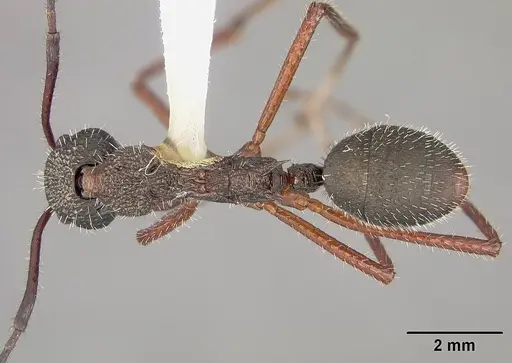
Literature
Loading distribution map...Loading products...