
Dolichoderus abruptus
- Sci. Name
- Dolichoderus abruptus
- Tribe
- Dolichoderini
- Subfamily
- Dolichoderinae
- Author
- Smith, 1858
- Distribution
- Found in 5 countries
Introduction
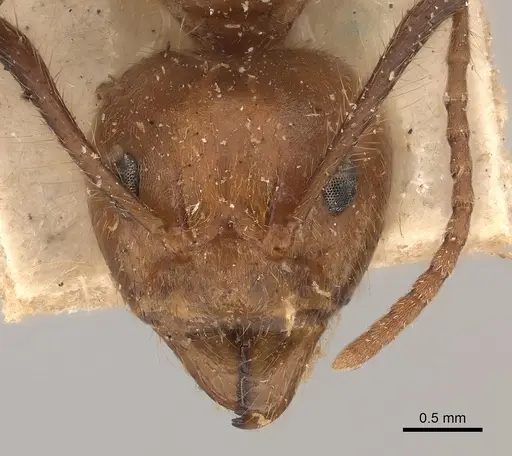
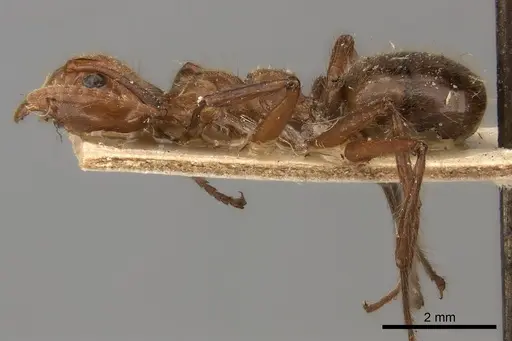
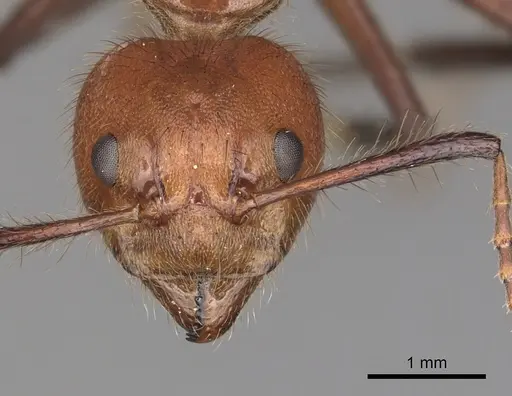
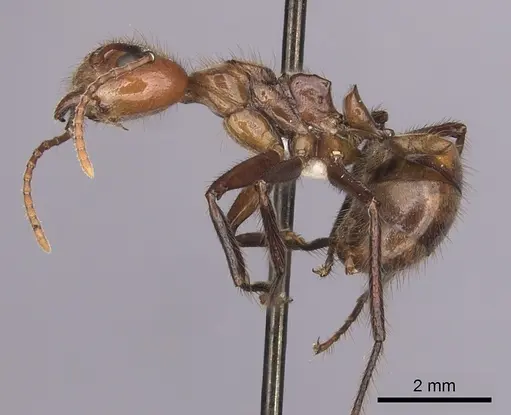
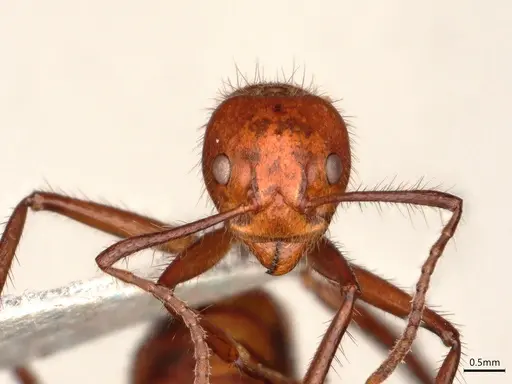
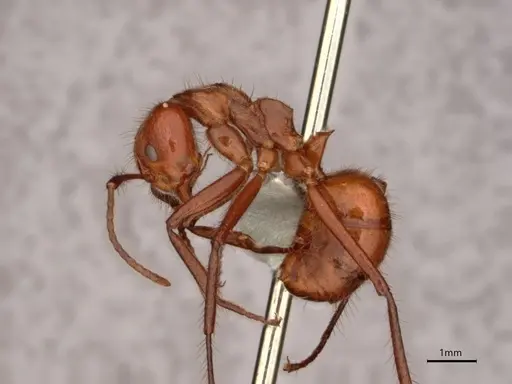
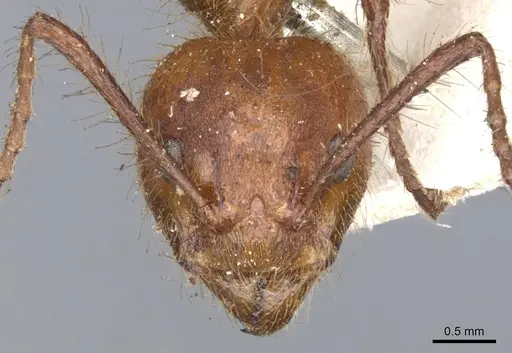
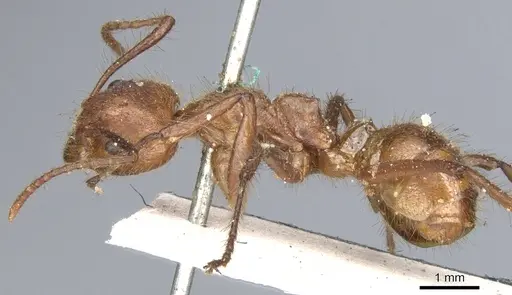
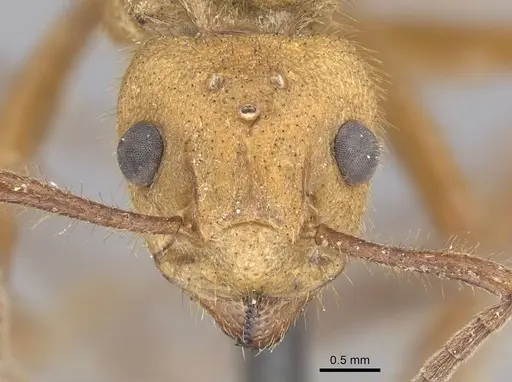
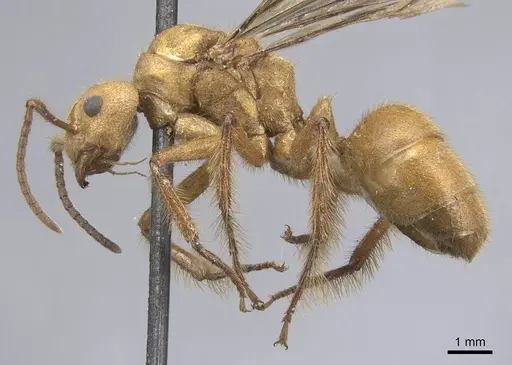
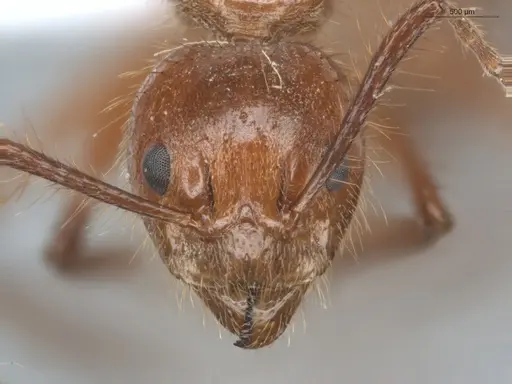
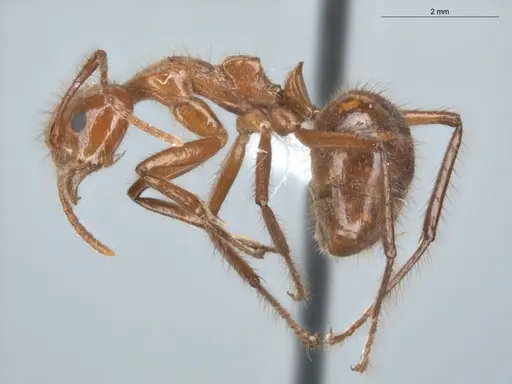
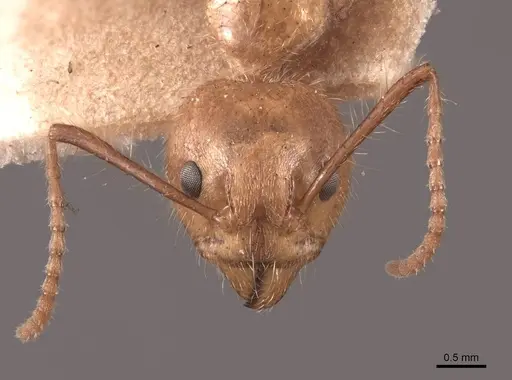
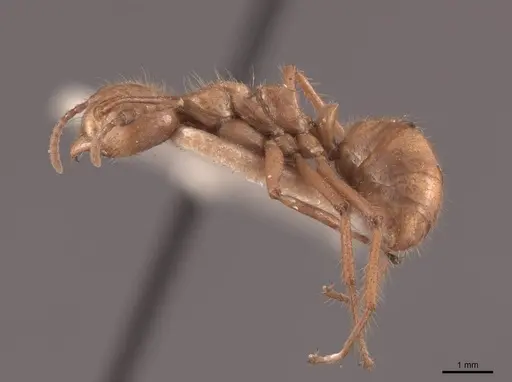
Dolichoderus abruptus is a medium-sized ant species native to the northern South American tropics. Workers measure approximately 6mm and have a distinctive appearance with a smooth, shiny gaster, two well-developed teeth on the petiole, and numerous erect hairs . They are dark brown to black in color and lack a stinger, using chemical defenses instead, a trait common to the Dolichoderinae subfamily. This species is found across the Amazon region of Bolivia, Brazil, Colombia, Ecuador, French Guiana, and Peru , typically nesting in rotting wood in humid forests . A key identifying feature is the smooth and shiny gaster, which differentiates it from related species like Dolichoderus ferrugineus that have a weakly punctate gaster .
Quick Summary
- Difficulty: Medium
- Origin & Habitat: Amazon rainforest region of northern South America, found in Bolivia, Brazil, Colombia, Ecuador, French Guiana, and Peru. They inhabit humid tropical forests, typically nesting in rotting wood or under bark in lowland Amazon areas [3][4].
- Colony Type: Based on Dolichoderus genus patterns, likely monogyne (single queen colonies), but this has not been directly studied for this specific species.
- Size & Growth:
- Queen: Size data unavailable, no total length measurements found in literature.
- Worker: Approximately 6mm [1].
- Colony: Size data unavailable, no colony size records for this species.
- Growth: Moderate, inferred from tropical Dolichoderus species patterns.
- Development: Estimated 6-8 weeks at tropical temperatures based on genus patterns, inferred, not confirmed for this species. (Development timeline is inferred from related species, direct observations are unavailable.)
- Antkeeping:
- Temperature: Keep at warm temperatures, roughly 24-28°C, as inferred from tropical Amazon habitat [3].
- Humidity: Keep nest substrate consistently moist but not waterlogged, as inferred from humid forest habitat [3].
- Diapause: No, tropical species do not require hibernation, inferred from habitat [3].
- Nesting: Prefer dark, humid nests, Y-tong or plaster nests with moisture chambers work well, inferred from natural habitat in rotting wood [2].
- Behavior: Generally not aggressive but will use chemical defenses when threatened. Active foragers that likely tend honeydew-producing insects and hunt small prey, inferred from genus patterns. Workers are moderate-sized and quick-moving, with standard escape precautions recommended.
- Common Issues: dry environments can kill colonies quickly due to humidity needs, temperature drops below 20°C can stress or kill colonies, founding behavior is unconfirmed, making early colony care challenging, lack of specific captive care data requires reliance on genus-level inferences
Natural History and Distribution
Dolichoderus abruptus is distributed across the Amazon basin in northern South America. Specimens have been recorded from Bolivia, Brazil, Colombia, Ecuador, French Guiana, and Peru [3][4][5][6][7]. In Colombia, they are found in the Amazonian departments of Amazonas, Caquetá, and Meta, typically at low elevations in humid tropical forest [4][3]. The original description was from Brazil by Frederick Smith in 1858,where the species was first collected [1]. Workers are approximately 6mm long with a cordate head, two well-developed teeth on the petiole, numerous erect hairs, and a smooth, shiny gaster that differentiates them from related species like Dolichoderus ferrugineus [2].
Housing and Nest Preferences
In captivity, provide a humid nesting environment that mimics rotting wood in humid forests. Use a Y-tong or plaster nest with moisture chambers, kept dark and moist. The outworld should be simple with barrier tape to prevent escapes, as workers are around 6mm and not extreme escape artists. Include a shallow water dish and maintain high humidity[2].
Feeding and Diet
Like other Dolichoderus species, this ant likely has an omnivorous diet, tending honeydew-producing insects and hunting small prey. In captivity, offer sugar water or honey constantly, and protein sources like small insects 2-3 times per week. Remove uneaten prey to prevent mold.
Temperature and Seasonal Care
As a tropical Amazon species, keep temperatures warm around 24-28°C, with a gradient using a heating cable if needed. They do not require diapause and are active year-round. [3]
Colony Founding and Development
Founding behavior is unconfirmed for this species. Development from egg to worker is estimated at 6-8 weeks at tropical temperatures, based on genus patterns. Growth is moderate, and the founding period is vulnerable.
Behavior and Defense
Dolichoderus ants lack a stinger and use chemical defenses from their anal gland. Workers are active foragers and not particularly aggressive toward keepers, but will defend the nest if disturbed.
Frequently Asked Questions
How long does it take for Dolichoderus abruptus to have first workers?
Based on typical Dolichoderus development, expect first workers in approximately 6-8 weeks at optimal temperatures of 26-28°C. This is an estimate inferred from genus patterns, as specific data is unavailable.
What temperature do Dolichoderus abruptus ants need?
Keep them at warm temperatures, roughly 24-28°C, as inferred from their tropical Amazon habitat [3]. Temperatures below 20°C can stress the colony.
What do Dolichoderus abruptus eat?
They are omnivorous. Offer sugar water or honey constantly, and protein sources like small insects 2-3 times per week, inferred from genus patterns.
Are Dolichoderus abruptus good for beginners?
This species is rated as Medium difficulty. They have specific humidity and temperature requirements that must be met, inferred from their tropical nature.
How big do Dolichoderus abruptus colonies get?
Colony size is not documented for this species. Size data is unavailable.
Do Dolichoderus abruptus need hibernation?
No. As a tropical species, they do not require hibernation or diapause, inferred from their habitat [3].
What humidity level do Dolichoderus abruptus need?
Keep the nest substrate consistently moist but not waterlogged, inferred from humid forest habitat [3].
Can I keep multiple Dolichoderus abruptus queens together?
This has not been studied for this species. Based on typical Dolichoderus patterns, they likely form single-queen colonies, but combining queens is not recommended due to potential conflict.
What type of nest is best for Dolichoderus abruptus?
A Y-tong or plaster nest with moisture chambers works well, inferred from natural habitat in rotting wood [2]. They prefer dark, humid nesting chambers.
Report an Issue
The current care sheet is based fully on literature. See inconsistencies, or something that's incorrect? Please , it will be resolved after review from an admin. Contributing to the blogs tab also helps providing information, to make us be able to further improve the caresheets. Thank you for your support!
References

This caresheet is licensed under CC BY-SA 4.0 .
Community Blogs
CASENT0217391
View on AntWeb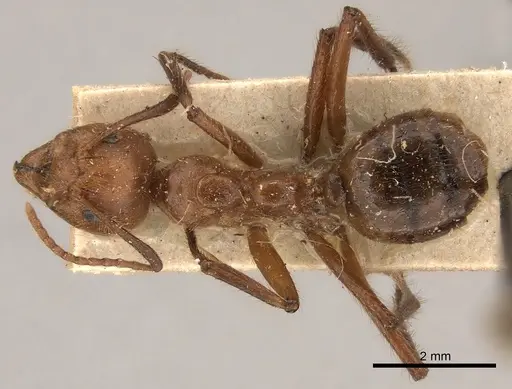
CASENT0249581
View on AntWeb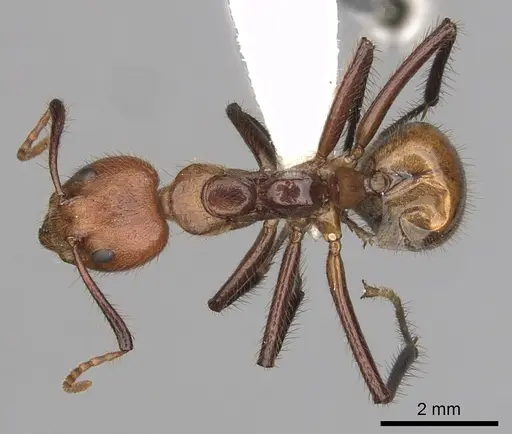
CASENT0866517
View on AntWeb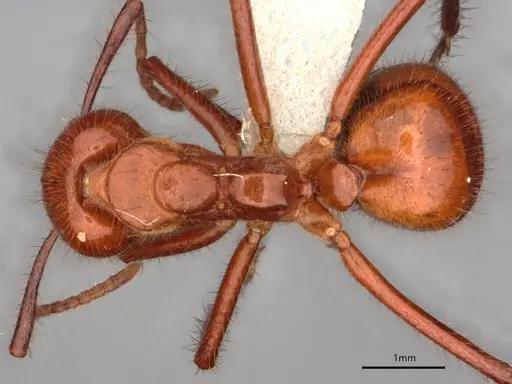
CASENT0902944
View on AntWeb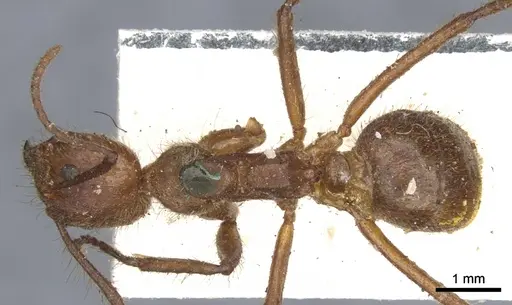
CASENT0915562
View on AntWeb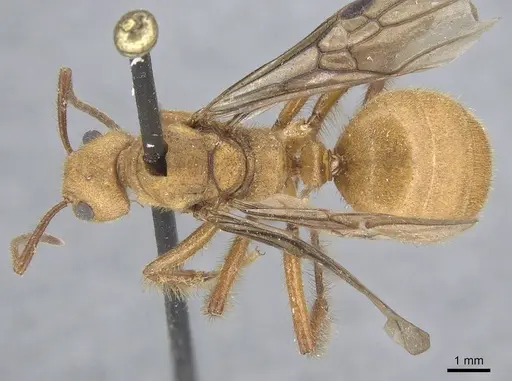
ECOFOG-BUG-0212-06
View on AntWeb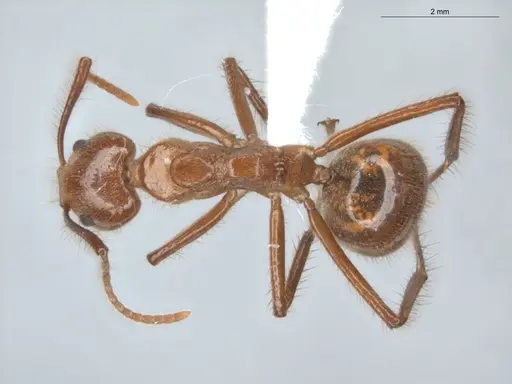
FMNHINS0000045048
View on AntWeb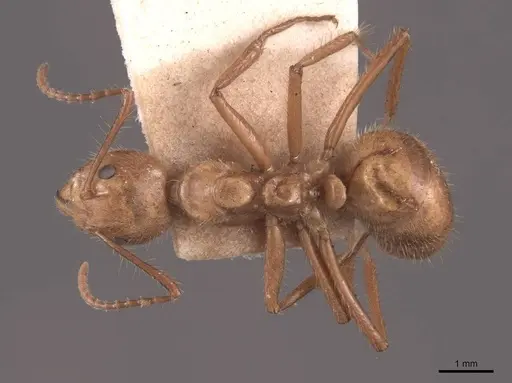
Literature
Loading distribution map...Loading products...