
Discothyrea wakanda
- Sci. Name
- Discothyrea wakanda
- Tribe
- Proceratiini
- Subfamily
- Proceratiinae
- Author
- Hita-Garcia & Lieberman, 2019
- Distribution
- Found in 2 countries
Introduction
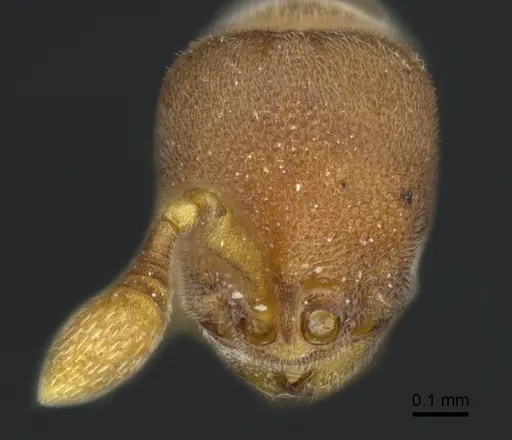
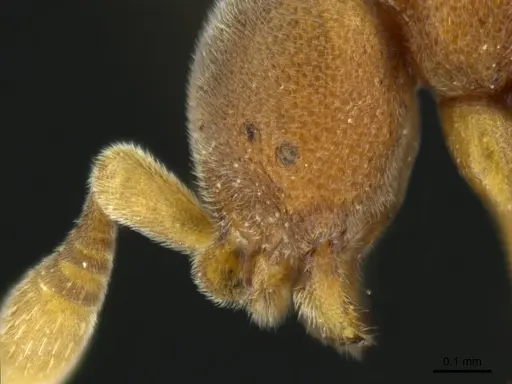
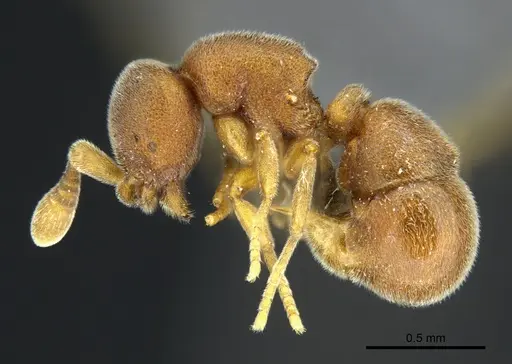
Discothyrea wakanda is a rare, recently described ant from the Rwenzori Mountains in the Democratic Republic of Congo . Workers are tiny - no total length measurements exist, but morphological data suggests they are among the smallest Discothyrea. They have a stocky build, distinctive standing hairs on the body, and a prominent elliptical opening (basal fenestra) on the frontal lamella . The species was named in 2019 after the fictional nation Wakanda, in honor of ideals of peace and conservation . It is known only from a few high-elevation sites (above 2500 m) in the bamboo zone of Virunga National Park . Nothing is known of its biology in the wild: no nests, feeding, or colony structure have ever been documented . This makes it one of the least understood ant species available and an extreme challenge for any keeper.
Quick Summary
- Difficulty: Expert
- Origin & Habitat: Endemic to the Rwenzori Mountains in eastern Democratic Republic of Congo, specifically in montane forest at the bamboo zone above 2500 m elevation in Virunga National Park [1][3].
- Colony Type: Unknown, colony structure has not been documented. Based on related Discothyrea species, likely single-queen colonies.
- Size & Growth:
- Queen: Unknown, queen caste has not been described [1].
- Worker: Very small, but total length has not been published. Only morphological measurements like mesosoma length exist, direct body length data is unavailable [1].
- Colony: Unknown, no colony size data exists.
- Growth: Unknown, no development data exists.
- Development: Unknown, no data exists. Based on similar tiny cryptic ants, an estimate might be 4-8 weeks at optimal temperature, but this is purely speculative. (No species-specific development data exists. All timeline estimates are guesses from related genera.)
- Antkeeping:
- Temperature: Likely prefers cool conditions given their high-elevation habitat (above 2500 m). Start around 18-22°C and observe colony behavior. Avoid overheating (max 25°C unless adaptation is observed). [1]
- Humidity: Montane forest suggests moderate to high humidity. Keep nest substrate consistently moist but not waterlogged. Provide a humidity gradient if possible.
- Diapause: Unknown, high elevation species may experience seasonal temperature changes, but no data exists. Monitor for natural slowdowns.
- Nesting: No data exists on natural nesting. Related Discothyrea species typically nest in small cavities under stones or in rotting wood. Use small, tight chambers, a test tube setup or small naturalistic terrarium with fine mesh for ventilation.
- Behavior: Nothing known in captivity. Based on genus patterns, they are likely cryptic, slow-moving foragers that hunt tiny prey. Their small size means escape prevention is critical, they can pass through standard barriers. Handle with extreme care due to fragility. Do not expect visible activity.
- Common Issues: no biological data exists, every aspect of care is experimental, escape prevention is critical due to tiny size, use extra-fine mesh or tight-sealing setups, diet unknown, must experiment with small live prey (e.g., springtails), no guarantee they accept sugar, temperature sensitivity, high-elevation origin means they may die if kept too warm, slow growth likely, expect colonies to take months to produce first workers, if they survive, high risk of losing the colony due to unknown requirements
Why This Species Is So Challenging
Discothyrea wakanda is one of the most difficult ants to keep because nothing is known about its biology. Described only in 2019,no nests, behavior, feeding, or colony structure have ever been observed [1]. Every keeper is a pioneer, learning by trial and error. This is not a species for anyone who wants a predictable care guide. Only experienced antkeepers comfortable with uncertainty should attempt it. Be prepared to lose colonies while learning, and adapt constantly.
Housing and Setup
Workers are extremely small, so escape prevention is critical. Use a small test tube with a tight cotton plug, or a terrarium with very fine mesh (less than 0.5 mm). Nest chambers should be small and tight, these ants will not use large open spaces. Offer multiple options: a moist test tube, a piece of rotting wood, or a container with moist substrate. Watch where they settle. Keep the setup in a cool, stable location, their high-elevation origin suggests they prefer temperatures lower than typical room temperature (18-22°C is a good start). [1]
Feeding and Diet
Diet is entirely speculative. The genus Discothyrea consists of tiny predators that likely hunt small invertebrates like springtails, mites, and other micro-arthropods. Start with live springtails as a primary food. Experiment with other tiny prey like fruit fly larvae, but avoid anything larger than the ant. It is unknown if they accept sugar, some Discothyrea do, some don't. Do not rely on sugar water until you see them feeding on it. Remove uneaten prey within 24 hours to prevent mold.
Temperature and Environmental Conditions
This species comes from high-elevation bamboo forest at about 2600 m altitude in the Rwenzori Mountains [1]. This indicates a cool, stable climate. Start at 18-22°C and observe. If workers seem sluggish, try slightly warmer. If they avoid heated areas, cool it down. Never exceed 25°C unless you see they tolerate it. High elevation also implies seasonal variation, watch for natural slowdowns that might indicate a diapause. Humidity should be moderate, like damp forest floor conditions, not wet.
Growth and Development Expectations
Expect extremely slow growth. No data exists, but tiny ant species often take several months to produce first workers and colonies remain small. The first nanitics may be smaller than normal workers. Be patient, it may take 6 months or more to see workers from the first brood. Do not overfeed to speed growth, as excess food will mold. Focus on consistent, appropriate conditions and minimal disturbance.
Observation and Record-Keeping
Because so little is known, your observations could be scientifically valuable. Keep detailed records of food, temperature, humidity, colony behavior, and events. If you successfully raise a colony, document your findings and share with the antkeeping community. Photos and videos of their captive behavior would be unique, as none exist. This is an opportunity to genuinely contribute new knowledge.
Frequently Asked Questions
Can I keep Discothyrea wakanda as a beginner?
No. This species is not suitable for beginners. Nothing is known about its care, and the ants are extremely fragile due to their tiny size. Only attempt this if you have significant experience with other ants and are comfortable with experimental, uncertain protocols.
What do Discothyrea wakanda eat?
Unknown. Based on related Discothyrea, they are likely predators of tiny invertebrates. Offer live springtails as a starting point and experiment. It is unknown if they accept sugar.
How long does it take for first workers to emerge?
Unknown, no development data exists. Based on similar small ants, estimate 4-8 weeks at optimal temperature, but this could be much longer. Expect slow growth.
What temperature do Discothyrea wakanda need?
Likely cool conditions based on their high-elevation habitat (2600 m in the Rwenzori Mountains). Start around 18-22°C and adjust based on colony behavior. Avoid warm conditions. [1]
Do Discothyrea wakanda need hibernation?
Unknown. High-elevation species often require seasonal temperature drops, but this has not been studied. Monitor for natural slowdowns that might indicate dormancy.
How big do Discothyrea wakanda colonies get?
Unknown, no colony size data exists. Based on the genus, colonies likely remain small, probably under 100 workers if they reach maturity.
Can I keep multiple queens together?
Unknown, no data on colony structure. Do not attempt combining queens until more is known.
Do Discothyrea wakanda sting?
Unknown if they have a functional stinger. Given their tiny size, any sting would be negligible. They are not considered dangerous.
What is the best nest type for Discothyrea wakanda?
Unknown, no nesting data exists. Use small, tight chambers scaled to their tiny size. A test tube setup is a practical starting point.
Where does Discothyrea wakanda come from?
They are endemic to the Rwenzori Mountains in the Democratic Republic of Congo, found only in montane bamboo forest above 2500 m elevation in Virunga National Park [1][3].
Why is Discothyrea wakanda so rare in the hobby?
This species was only described in 2019 and is known only from a few high-elevation localities. No colonies have been exported, and essentially nothing is known about their biology, making them extremely difficult to keep successfully [1].
Is Discothyrea wakanda endangered?
Their conservation status has not been assessed. They are known only from a small area in Virunga National Park, a protected region, but limited distribution and specialized habitat could make them vulnerable [1].
Report an Issue
The current care sheet is based fully on literature. See inconsistencies, or something that's incorrect? Please , it will be resolved after review from an admin. Contributing to the blogs tab also helps providing information, to make us be able to further improve the caresheets. Thank you for your support!
References

This caresheet is licensed under CC BY-SA 4.0 .
Community Blogs
CASENT0790326
View on AntWeb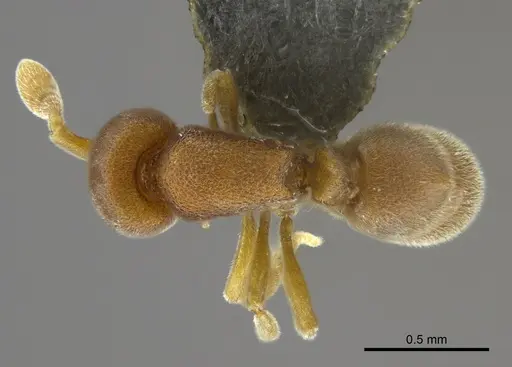
Literature
Loading distribution map...Loading products...