
Discothyrea neotropica
- Sci. Name
- Discothyrea neotropica
- Tribe
- Proceratiini
- Subfamily
- Proceratiinae
- Author
- Bruch, 1919
- Distribution
- Found in 3 countries
Introduction
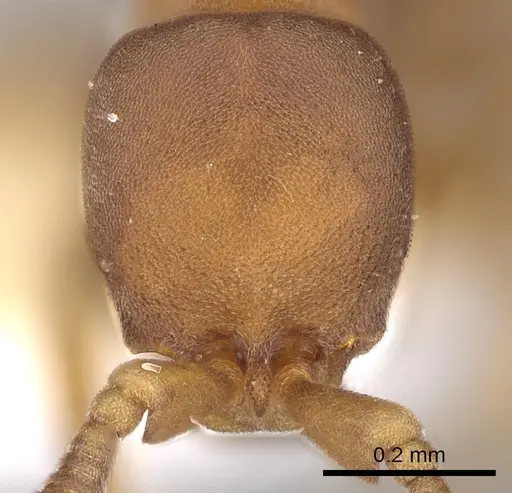
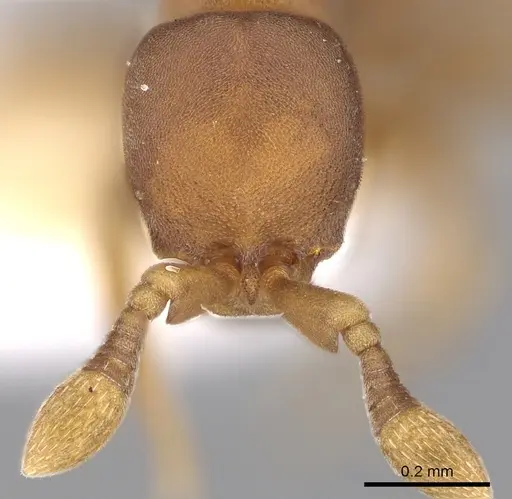
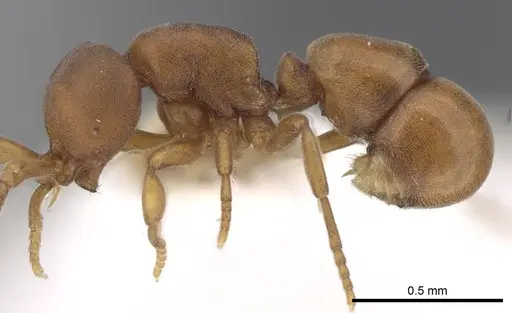
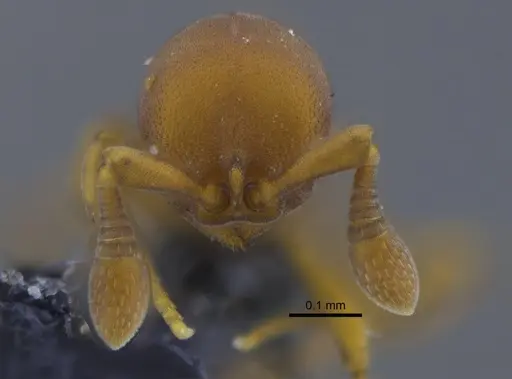
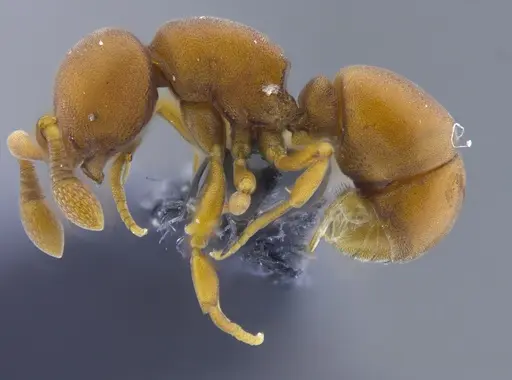
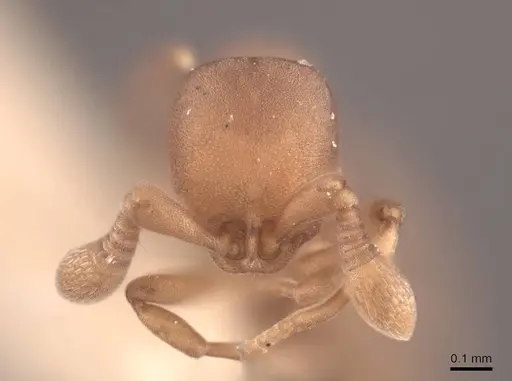
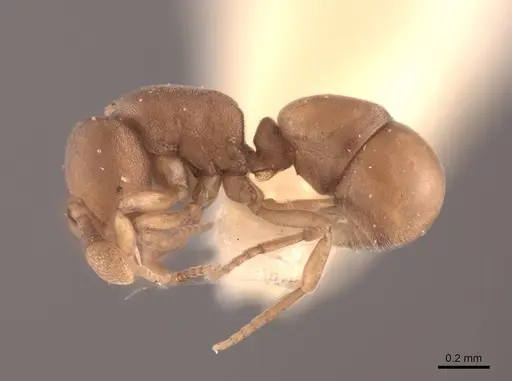
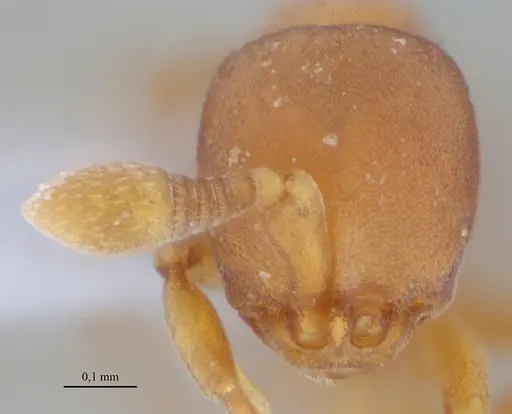
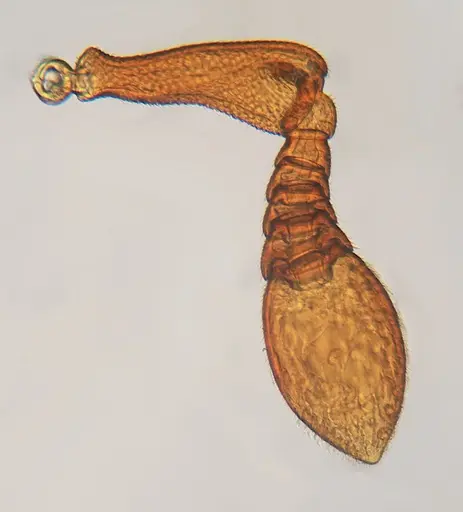
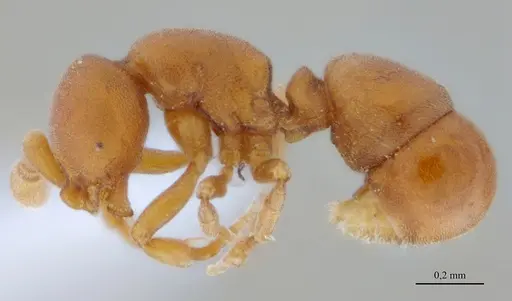
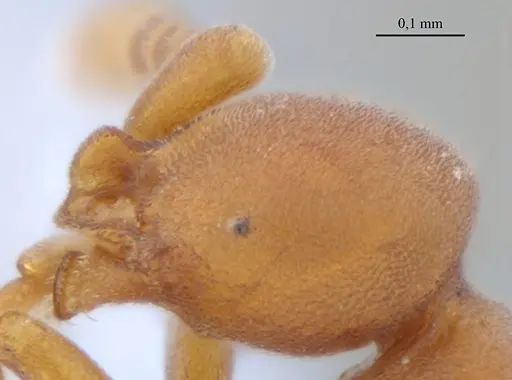
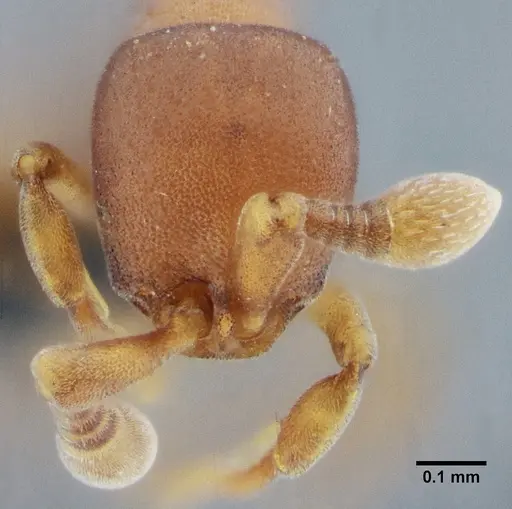
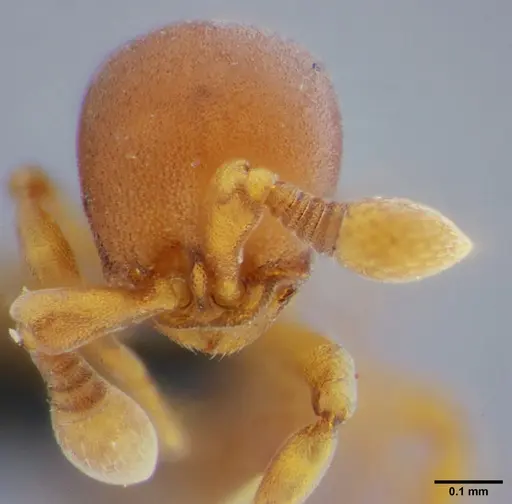
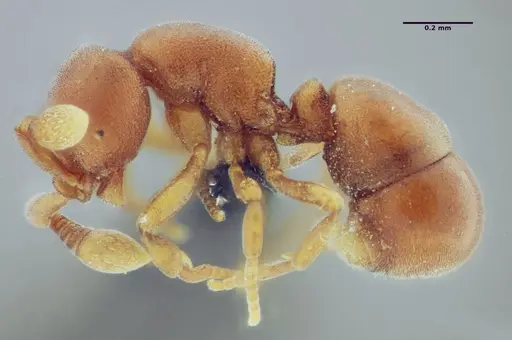
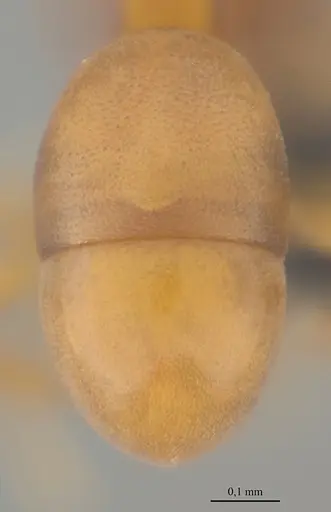
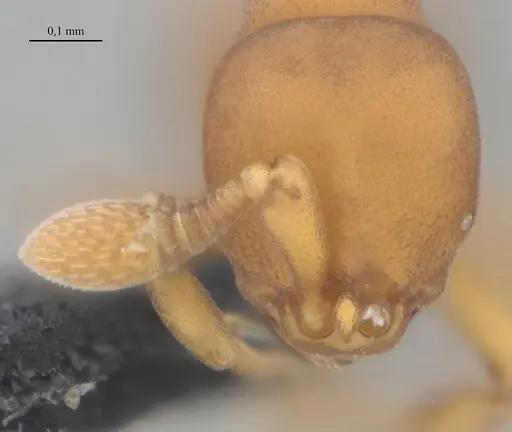
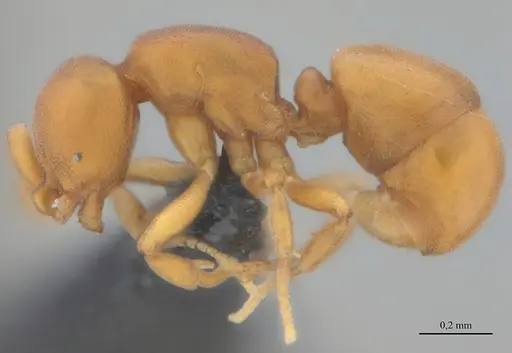
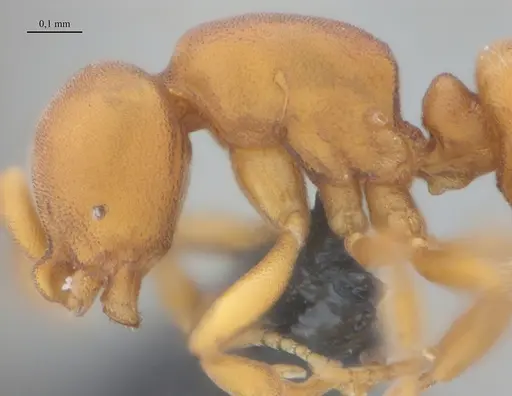
Discothyrea neotropica is an extremely tiny ant species native to the Neotropical region, found across Argentina, Brazil, Paraguay, and Venezuela . Workers measure just 0.2-0.5mm in total length, making them among the smallest ants in the world . They have entirely opaque integument and a less rounded head compared to similar species like Discothyrea bobi . These ants inhabit leaf-litter in humid Atlantic Forests, nesting in the tiny spaces between decaying wood, under rocks, and in rotting logs . What makes D. neotropica truly unique is their specialized diet - they are egg predators, feeding almost exclusively on arthropod eggs, particularly those of centipedes and spiders . Their eyes consist of just a single ommatidium, and their small legs severely limit their mobility to tiny distances . This cryptic species is a habitat specialist restricted to primary forest environments with high native vegetation coverage .
Quick Summary
- Difficulty: Expert
- Origin & Habitat: Native to the Neotropical region, Argentina, Brazil (São Paulo, Santa Catarina, Espírito Santo), Paraguay, and Venezuela. Inhabits humid Atlantic Forest leaf-litter in areas with 74-95% native vegetation coverage [3][1].
- Colony Type: Colony structure is unconfirmed. Colonies consist of few individuals and are inconspicuous [3].
- Size & Growth:
- Queen: Exact measurements unavailable, inferred from Discothyrea genus patterns as larger than workers [1].
- Worker: 0.2-0.5mm total length [3]
- Colony: Colonies have few individuals [3]. Maximum unknown but expected to be small.
- Growth: Unknown, likely slow given typical Discothyrea patterns and tiny colony sizes
- Development: Unconfirmed, no development data available (Development timeline has not been studied.)
- Antkeeping:
- Temperature: Based on their Atlantic Forest habitat, keep them in the low-to-mid 20s°C range (around 22-26°C). Avoid temperatures below 18°C or above 30°C.
- Humidity: High humidity is essential, these are leaf-litter ants from humid forests. Keep the nest substrate consistently moist but not waterlogged. Mist occasionally and use a water reservoir.
- Diapause: Unconfirmed, likely minimal or no true diapause given their tropical/subtropical distribution. Some reduction in activity during cooler months may occur.
- Nesting: Use a naturalistic setup with fine substrate (like coco peat or very fine soil) that holds moisture well. Provide small chambers or use a test tube setup with tight-fitting connections. They nest in leaf-litter interstices, so provide plenty of small hiding spaces and avoid large open areas.
- Behavior: These ants are extremely cryptic and docile. They are specialist egg predators and will not accept typical ant foods. Workers are nearly blind (single ommatidium eyes) and have limited mobility, they forage only short distances [3]. They pose no sting threat due to their microscopic size. Escape prevention is critical, their tiny 0.2-0.5mm size means they can squeeze through virtually any gap. Use fine mesh barriers and seal all connections thoroughly.
- Common Issues: escape prevention is critical, they are microscopic and will escape through the tiniest gaps., extreme difficulty feeding, they require live arthropod eggs (spider, centipede eggs) which are nearly impossible to obtain., very slow colony growth with few individuals means colonies are fragile., high humidity requirements can lead to mold if not balanced with ventilation., wild-caught colonies may have parasites that kill them in captivity due to their weak immune systems.
Housing and Escape Prevention
Housing Discothyrea neotropica presents unique challenges due to their microscopic size. Workers measure just 0.2-0.5mm, making them one of the smallest ant species in the world [3]. This means standard ant keeping equipment will not contain them. You must use excellent escape prevention, this is non-negotiable. Use fine mesh (at least 0.5mm or finer), seal all tube connections with cotton or tape, and consider using fluon on tube rims.
For nesting, a naturalistic setup works best since they naturally inhabit leaf-litter interstices, decaying logs, and spaces under rocks [3]. Use a very fine substrate like coco peat or a mixture of fine soil and sand that holds moisture well. Provide small chambers or use a modified test tube setup with very narrow connections. Avoid large open spaces in the outworld, these tiny ants feel exposed and stressed in expansive areas.
Feeding and Diet - The Critical Challenge
Feeding D. neotropica is the biggest challenge for keepers. They are specialist predators that feed almost exclusively on arthropod eggs, particularly those of centipedes and spiders [3]. This is not a species that will accept sugar water, honey, or typical ant protein sources like mealworms.
In captivity, you would need to provide live arthropod eggs, a diet that is nearly impossible to sustain. Spider eggs and centipede eggs are extremely difficult to obtain and culture. Some keepers have had limited success offering tiny live springtails or very small soft-bodied prey, but this goes against their natural specialized diet. This species is NOT recommended for anyone unwilling to invest significant effort into obtaining specialized food sources. Without proper egg prey, the colony will starve.
Temperature and Humidity
Based on their Atlantic Forest habitat, these ants require warm, humid conditions. Keep temperatures in the low-to-mid 20s°C range (roughly 22-26°C). Avoid temperatures below 18°C or above 30°C. A gentle thermal gradient allows the ants to self-regulate their temperature preferences.
Humidity is critical, they naturally inhabit humid leaf-litter environments in Brazil's Atlantic Forest [3]. Keep the nest substrate consistently moist but not waterlogged. The substrate should feel damp to the touch. However, you must balance this with adequate ventilation to prevent mold growth, which can quickly kill these small colonies. Mist the setup occasionally and consider using a water reservoir connected to the nest.
Behavior and Colony Structure
Discothyrea neotropica is an extremely cryptic species with very limited mobility. Their eyes contain only a single ommatidium, meaning they are nearly blind [3]. Their small legs further limit movement to tiny extensions from their nest [3]. This means they forage very close to their nest and do not travel far for food.
Colonies are small, with few individuals [3]. The colony structure (monogyne vs polygyne) has not been documented in scientific literature. These ants are completely harmless to humans, their microscopic size means they cannot sting, and they pose no danger whatsoever. However, their cryptic nature and specialized requirements make them one of the most challenging species to keep successfully.
Field Collection and Legal Considerations
If you are considering keeping this species, you would need to collect from the wild in their native range (Argentina, Brazil, Paraguay). However, they are habitat specialists restricted to primary forest with high native vegetation coverage [4], making them difficult to find. They are captured using Winkler extraction methods from leaf-litter samples [5].
IMPORTANT: Never release this or any ant species outside its native range. While D. neotropica is not considered invasive, introducing non-native ants to new areas can cause significant ecological damage. If you can no longer keep your colony, contact a local entomological society or university for proper disposal options.
Frequently Asked Questions
Can I keep Discothyrea neotropica in a test tube?
Yes, but with significant modifications. Standard test tubes may have gaps too large for these 0.2-0.5mm workers. You would need to seal all connections thoroughly with fine mesh or cotton. The test tube should have a very small water reservoir and the cotton should be packed tightly. However, their specialized egg diet makes test tube maintenance extremely difficult.
What do Discothyrea neotropica eat?
They are specialist egg predators, feeding almost exclusively on arthropod eggs, particularly centipede and spider eggs [3]. This makes them extremely difficult to feed in captivity. They will NOT accept sugar water, honey, or typical protein sources. You would need a constant supply of live arthropod eggs, which are nearly impossible to obtain.
How long does it take for Discothyrea neotropica to develop from egg to worker?
This is unconfirmed, no scientific data exists on their development timeline.
Are Discothyrea neotropica good for beginners?
No. This species is absolutely not recommended for beginners. Their microscopic size requires expert-level escape prevention, and their specialized diet of live arthropod eggs is nearly impossible to sustain. They are considered an expert-level species even among experienced antkeepers.
Do Discothyrea neotropica ants sting?
No. Their microscopic 0.2-0.5mm size means they cannot sting humans. They are completely harmless, though their specialized requirements make them challenging to keep alive.
How big do Discothyrea neotropica colonies get?
Colonies consist of few individuals [3]. The maximum colony size is unknown but expected to be small, likely under 100 workers based on typical Discothyrea patterns. Do not expect large, impressive colonies.
Can I keep multiple Discothyrea neotropica queens together?
Not documented. The colony structure (monogyne vs polygyne) has not been studied. Without this data, combining unrelated queens is not recommended.
Do Discothyrea neotropica need hibernation?
Unlikely. Given their tropical/subtropical distribution in Brazil's Atlantic Forest, they probably do not require a true diapause period. Some reduction in activity during cooler months may occur, but a full hibernation setup is not necessary.
Why are my Discothyrea neotropica dying?
The most likely causes are: starvation (they need live arthropod eggs, not typical ant food), escape (their microscopic size means they can slip through tiny gaps), mold from excessive humidity without ventilation, or stress from too much open space. They are extremely difficult to keep alive in captivity.
What is the best nest type for Discothyrea neotropica?
A naturalistic setup with fine, moisture-retaining substrate works best since they naturally nest in leaf-litter interstices and decaying wood [3]. Use coco peat or very fine soil. Provide small chambers and plenty of hiding spaces. Avoid large open areas that stress these tiny ants.
How do I find Discothyrea neotropica in the wild?
They are found in primary Atlantic Forest leaf-litter in areas with 74-95% native vegetation [3]. They are captured using Winkler extraction from sifted leaf-litter samples [5]. They are habitat specialists restricted to primary forest, not secondary growth or plantations [4]. Finding them requires significant effort and expertise.
Report an Issue
The current care sheet is based fully on literature. See inconsistencies, or something that's incorrect? Please , it will be resolved after review from an admin. Contributing to the blogs tab also helps providing information, to make us be able to further improve the caresheets. Thank you for your support!
References

This caresheet is licensed under CC BY-SA 4.0 .
Community Blogs
CASENT0281861
View on AntWeb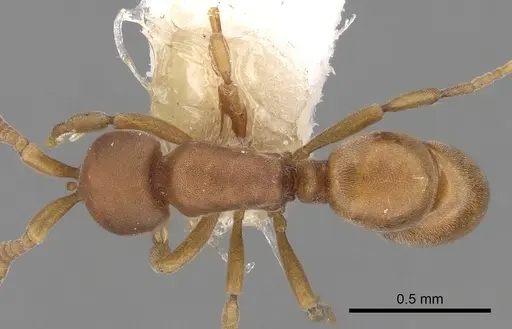
CBUMAGENT41772
View on AntWeb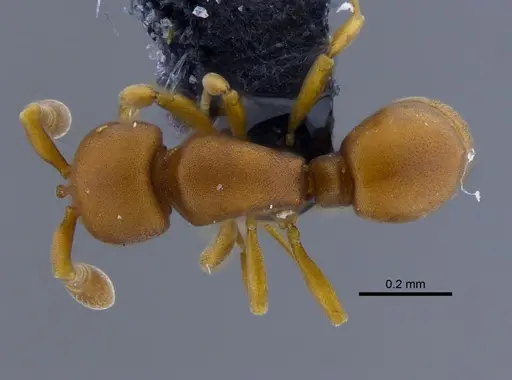
FMNHINS0000050586
View on AntWeb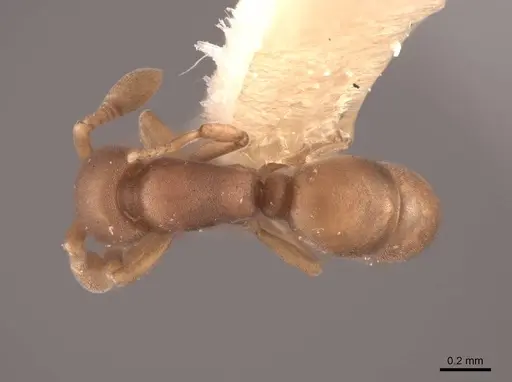
UFV-LABECOL-000067
View on AntWeb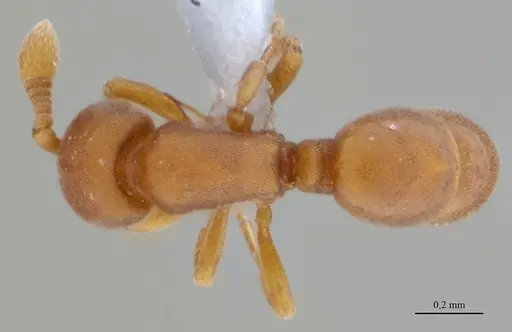
UFV-LABECOL-000068
View on AntWeb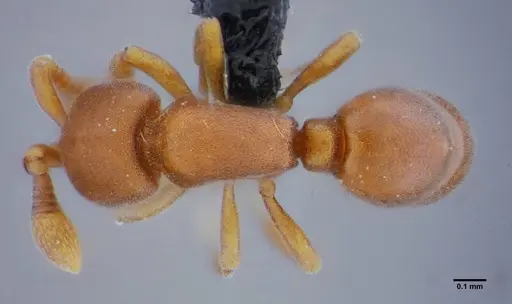
UFV-LABECOL-008587
View on AntWeb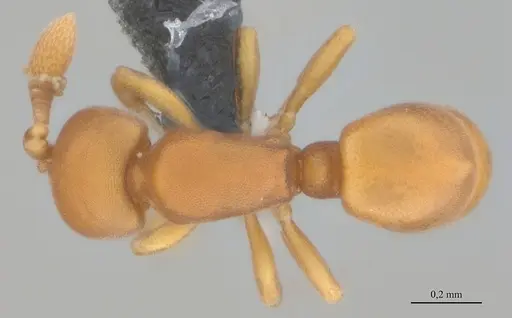
Literature
Loading distribution map...Loading products...