
Discothyrea damato
- Sci. Name
- Discothyrea damato
- Tribe
- Proceratiini
- Subfamily
- Proceratiinae
- Author
- Hita-Garcia & Lieberman, 2019
- Distribution
- Found in 4 countries
Introduction
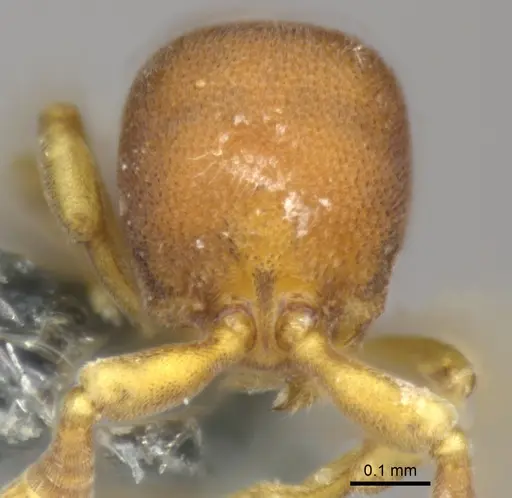
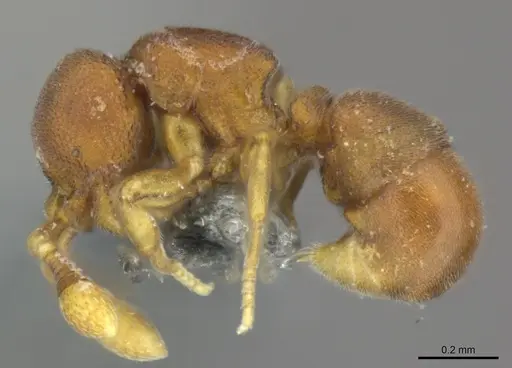
Discothyrea damato is a tiny, cryptic ant species native to the highlands of East Africa. Workers are very small - approximately 2.5-3mm based on related species in this genus. They have a distinctive chunky, stocky appearance with a thick mesosoma and characteristic orange-brown to chestnut brown coloration, with lighter-colored legs and antennae. Their most notable feature is the complete absence or extreme reduction of eyes - they scored 0-4 on the ocular index, meaning they're essentially blind. This species lives in leaf litter in forested areas at high elevations between 1448-2200m, where the climate is cool and damp year-round . What makes D. damato particularly interesting is its specialized predatory lifestyle. Like other Discothyrea species, they're skilled hunters of small arthropods, using their edentate (toothless) mandibles to capture and consume various prey items. Their highly specialized morphology, including the large elliptical basal fenestra on their frontal lamella, sets them apart from related species. They're part of the Proceratiinae subfamily, known for their unusual morphology and cryptic habits. This species shows some geographic variation in size - specimens from Kenya and Uganda are notably smaller than those from Rwanda .
Quick Summary
- Difficulty: Medium
- Origin & Habitat: Highland forests of Kenya, Rwanda, and Uganda at elevations of 1448-2200 meters. They live in leaf litter in cool, damp forest environments [1][2].
- Colony Type: Colony structure is unconfirmed. No data on queen number or colony size exists for this species.
- Size & Growth:
- Queen: Undescribed, queen caste has not been documented in scientific literature
- Worker: Approximately 2.5-3mm, inferred from genus patterns [3]
- Colony: Unknown, no colony size data available
- Growth: Unknown, development has not been studied
- Development: Unknown, no development data exists for this species (Development timeline is unconfirmed.)
- Antkeeping:
- Temperature: Keep cool compared to most tropical ants. Their high-elevation forest habitat suggests they prefer temperatures on the cooler side. Room temperature (20-24°C) is likely suitable. Avoid overheating.
- Humidity: High humidity is essential. These ants live in leaf litter where conditions are constantly damp. Keep the nest substrate consistently moist but not waterlogged. Provide a humidity gradient with a moist side and a slightly drier area for workers to regulate themselves.
- Diapause: Unknown, no research on seasonal dormancy. Their high-elevation origin suggests they may experience reduced activity during cooler periods, but specific requirements are unconfirmed.
- Nesting: Small, tight chambers work best. In the wild they live in leaf litter, so they prefer cramped, humid spaces. A small test tube setup or a mini Y-tong nest with narrow chambers suits them well. Avoid large, open spaces, these tiny ants feel secure in tight quarters. Naturalistic setups with moist soil and leaf litter also work, but escape prevention must be excellent given their small size.
- Behavior: Very cryptic and secretive. Workers are slow-moving and spend most of their time hidden within the nest or leaf litter. They are not aggressive and have no sting, their small size means they pose no threat to humans. They are specialized predators that hunt small arthropods, using their toothless mandibles to grasp and consume prey. They are not escape artists in the traditional sense, but their tiny size means they can slip through standard barriers if gaps exist. Expect low activity levels and a colony that stays hidden much of the time.
- Common Issues: tiny size makes escape likely without fine mesh barriers, use mesh with very small openings., high humidity requirements can lead to mold if ventilation is poor, balance humidity with airflow., slow colony growth can frustrate keepers expecting rapid development., no available data on founding or colony establishment makes successful founding challenging., wild-caught colonies may be stressed or contain parasites given their cryptic nature.
Housing and Nest Setup
Discothyrea damato requires small, humid housing that mimics their leaf litter microhabitat. A small test tube setup works well for founding colonies, use a test tube with a cotton barrier and a small water reservoir, keeping the tube partially filled and the cotton damp but not soaking. For established colonies, a mini Y-tong nest with narrow chambers or a small naturalistic setup with moist soil and leaf litter works best. The key is providing tight, confined spaces, these ants are tiny and become stressed in large, open areas. Avoid formicariums with large chambers designed for bigger ants. Escape prevention is critical due to their minute size, use fine mesh on any openings and consider applying fluon to barrier edges. They do not need light and will thrive in dark or low-light conditions, which matches their blind, cryptic nature. [1]
Feeding and Diet
D. damato is a specialized predator that feeds on small arthropods. In captivity, offer small live prey such as springtails, fruit flies, tiny crickets, and other micro-arthropods. They are not scavengers like many common ant species, they actively hunt and consume whole prey items. Based on their genus-level biology, they likely accept small insects and may supplement with sugar sources, but protein-rich prey should form the bulk of their diet. Feed small prey items every 2-3 days, adjusting based on colony size and consumption. Remove uneaten prey after 24 hours to prevent mold. A constant water source is essential, but they get moisture from prey and humid conditions. [1]
Temperature and Environmental Control
Keep these ants cool, this is one of the most important aspects of their care. Their natural habitat in high-elevation East African forests (1448-2200m) experiences cool temperatures year-round. Room temperature is often suitable. Avoid placing the nest near heat sources or in direct sunlight. If your room runs cold (below 18°C), use a very gentle heat source on the lowest setting, placed on top of the nest. They are not heat-tolerant and can be killed by overheating. Maintain stable temperatures, avoid fluctuations. The cool temperature also helps control humidity and prevents mold growth. [1][2]
Humidity Management
High humidity is non-negotiable for this species. In the wild, they live in damp leaf litter where moisture is constant. Keep the nest substrate moist but not waterlogged, the substrate should feel damp to the touch. For test tubes, ensure the water reservoir is adequate but not so large that it floods. For acrylic nests, check water chambers regularly and refill as needed. Provide a humidity gradient if possible: one area of the nest should be moister while another is slightly drier, allowing workers to self-regulate. Mist the outworld occasionally but avoid direct spraying on the nest. Poor humidity leads to desiccation and colony death. However, balance humidity with adequate ventilation to prevent mold, which thrives in stagnant, overly humid conditions. [1]
Colony Establishment and Growth
Establishing a colony of D. damato can be challenging since we have no data on their founding behavior. Founding colonies should be left completely undisturbed for several weeks or months. Do not check frequently or attempt to feed during the founding stage. Once workers emerge, the colony can be fed small prey items. Growth is expected to be slow given their small size and the cool temperatures they require. Patience is essential, colonies may take many months to develop. Do not overfeed, as excess prey can cause mold problems in the small, humid nest environment.
Behavior and Observation
D. damato is a cryptic, secretive species that spends most of its time hidden within the nest. Workers are slow-moving and not particularly active in the open. They are not aggressive and have no defensive sting, their small size makes them harmless to humans. You will likely see more of the queen and workers when you occasionally check the nest than you will in an outworld foraging setup. They are not visual ants and rely on chemical cues and vibrations to navigate. Observation is best done by occasionally checking the nest with a bright light, but minimize disturbance. Their interesting morphology, including the large basal fenestra on the frontal lamella and the thick, stocky body, is best appreciated under magnification. [1]
Frequently Asked Questions
How long does it take for Discothyrea damato to produce first workers?
The egg-to-worker timeline is unconfirmed for this species. Development time is unknown.
Can I keep Discothyrea damato in a test tube?
Yes, a test tube setup is ideal for this species. Use a small test tube with a cotton barrier and keep it moist. The tight chambers mimic their natural leaf litter habitat. Ensure excellent escape prevention, their tiny size means they can slip through standard gaps.
What do Discothyrea damato ants eat?
They are specialized predators that hunt small arthropods. Feed them live springtails, fruit flies, tiny crickets, and other micro-arthropods. Small prey items every 2-3 days are ideal. Remove uneaten prey after 24 hours to prevent mold.
Do Discothyrea damato ants sting?
No, they do not sting. Their small size and specialized morphology mean they pose no threat to humans. They are completely harmless but can slip through tiny gaps due to their minute size.
What temperature do Discothyrea damato ants need?
Keep them cool, room temperature is likely suitable. Their high-elevation forest habitat makes them prefer cooler temperatures than most tropical ants. Avoid heat sources and direct sunlight.
Are Discothyrea damato good for beginners?
This species is best suited for intermediate to advanced antkeepers. Their high humidity requirements, small size, and lack of available data on colony establishment make them more challenging than common species. They require patience and attention to environmental conditions.
How big do Discothyrea damato colonies get?
Colony size is unknown, no data exists on maximum colony size for this species.
Do Discothyrea damato need hibernation?
Diapause requirements are unconfirmed. Their high-elevation habitat may experience seasonal temperature changes, but specific overwintering behavior has not been documented. If kept at room temperature year-round, they likely remain active.
Why are my Discothyrea damato dying?
Common causes include: overheating, low humidity, escape through tiny gaps, mold from overfeeding or poor ventilation, and disturbance during founding. Check all environmental parameters and minimize disturbance to the nest.
Report an Issue
The current care sheet is based fully on literature. See inconsistencies, or something that's incorrect? Please , it will be resolved after review from an admin. Contributing to the blogs tab also helps providing information, to make us be able to further improve the caresheets. Thank you for your support!
References

This caresheet is licensed under CC BY-SA 4.0 .
Community Blogs
CASENT0247362
View on AntWeb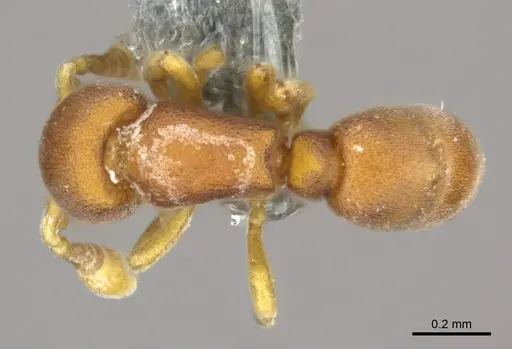
Literature
Loading distribution map...Loading products...