
Discothyrea clavicornis
- Sci. Name
- Discothyrea clavicornis
- Tribe
- Proceratiini
- Subfamily
- Proceratiinae
- Author
- Emery, 1897
- Distribution
- Found in 5 countries
Introduction
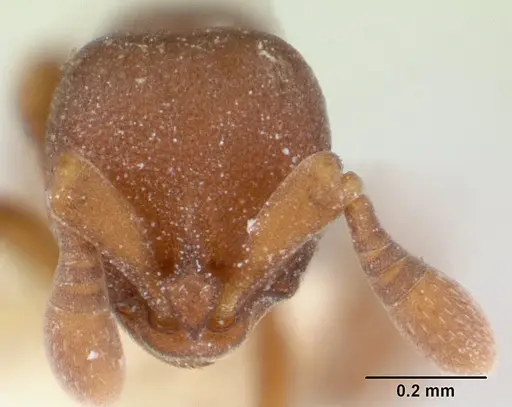
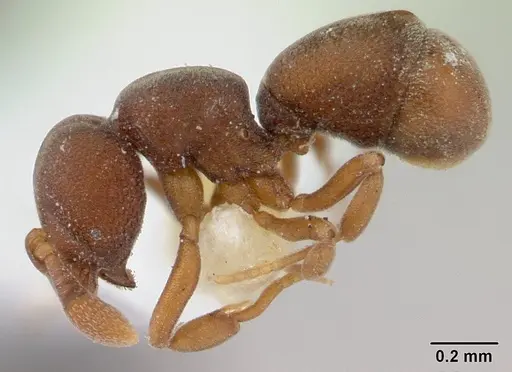
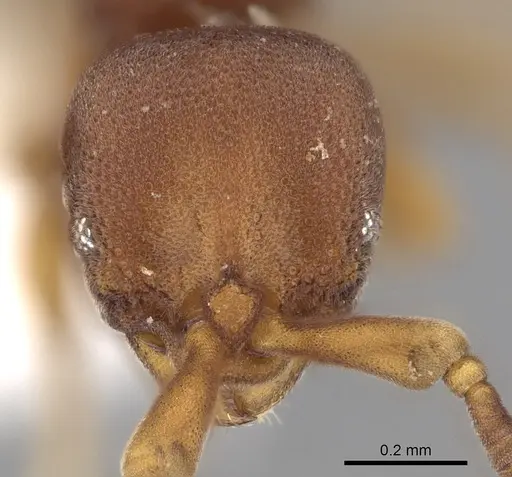
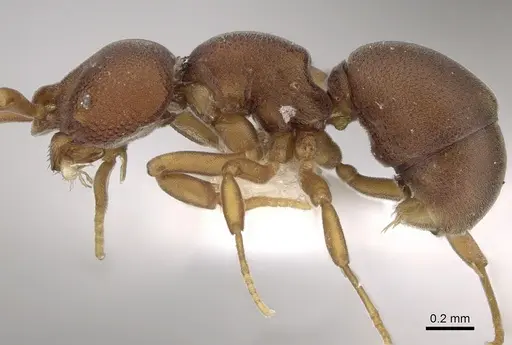
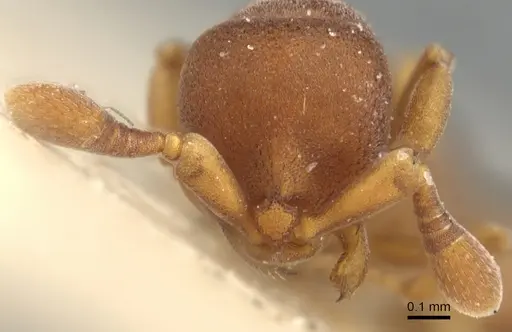
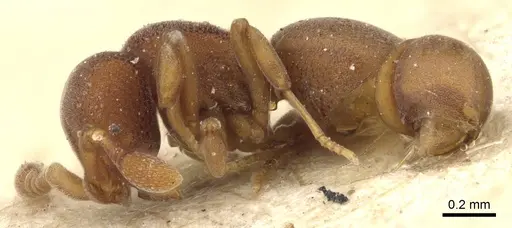
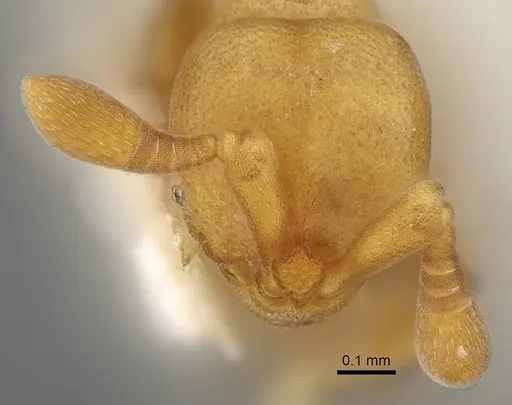
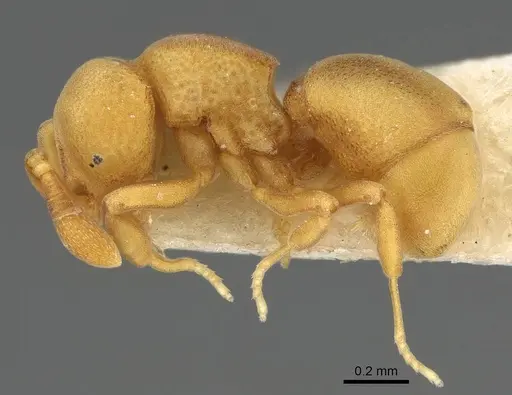
Discothyrea clavicornis is a tiny ant species belonging to the subfamily Proceratiinae. Workers are small and cryptically colored, typically dark brown to blackish. They have the characteristic short, compact body form typical of Proceratiinae ants, with a distinctive club-shaped antennae (the species name 'clavicornis' means 'club-horned' in Latin). This species is known for its extremely small size and cryptic lifestyle, living hidden in leaf litter and soil microhabitats. Queens have been described and are slightly larger than workers . This is a widespread and common species throughout the Austral-Asian and Indo-Malayan regions, found across Papua New Guinea, the Solomon Islands, the Philippines, and southern China . Unlike many ants, they are not aggressive and spend most of their time hidden in the leaf litter layer, making them a challenging but rewarding species for experienced antkeepers who appreciate subtle behaviors.
Quick Summary
- Difficulty: Expert
- Origin & Habitat: Native to the Australasian region, including Papua New Guinea, Solomon Islands (Makira, Guadalcanal), the Philippines, and southern China (Yunnan province). Found in leaf litter at elevations of 552-690m in primary forest, limestone forest, and occasionally rubber plantation edges. They prefer natural forest habitats and are not found in intensive agricultural areas [2][4][5].
- Colony Type: Colony structure has not been extensively documented in available literature. Based on typical Proceratiinae patterns, likely single-queen colonies.
- Size & Growth:
- Queen: Size data unavailable, specific measurements not provided in available literature. Queens are described as slightly larger than workers [1].
- Worker: Size data unavailable, specific measurements not provided in available literature.
- Colony: Colony size data unavailable, likely small colonies based on their cryptic leaf-litter dwelling lifestyle.
- Growth: Growth rate data unavailable.
- Development: Development timeline unconfirmed, direct development data not available for this species. (No specific development data exists in the literature. Expect slower growth typical of cryptic Proceratiinae species.)
- Antkeeping:
- Temperature: Keep at 24-28°C. Being a tropical species from Papua New Guinea and the Solomons, they need warm, stable conditions. A gentle gradient with a heating cable on one side of the nest allows workers to self-regulate.
- Humidity: High humidity required, think damp forest floor. Keep the nest substrate consistently moist but not waterlogged. Provide a water tube as a constant moisture source. These leaf-litter ants need conditions similar to a tropical forest floor with good ventilation to prevent mold while maintaining humidity.
- Diapause: No, being a tropical species from consistent warm climates, they do not require hibernation or winter rest. Maintain year-round warm conditions.
- Nesting: Naturalistic setup works best. These tiny ants nest in leaf litter and soil in the wild, so a naturalistic terrarium-type setup with fine substrate (coconut fiber or a mix of soil and sand) allows them to create their own chambers. A Y-tong or plaster nest with very small chambers scaled to their tiny size also works if provided with constant moisture. Avoid tall, open spaces, they prefer tight, confined spaces.
- Behavior: Extremely cryptic and non-aggressive. Workers are slow-moving and spend most of their time hidden in substrate. They are not defensive and rarely if ever sting. Escape risk is moderate, while small, they are not particularly active escape artists. However, their tiny size means you should still use fine mesh and tight-fitting lids. They are predatory on tiny arthropods and likely accept small prey items. Foraging is slow and deliberate.
- Common Issues: slow growth can lead to keeper impatience and overfeeding, tiny size makes escape prevention important despite their cryptic behavior, wild-caught colonies may have parasites that are difficult to detect, high humidity requirements can lead to mold if ventilation is inadequate, difficulty finding the colony in the substrate due to their cryptic nature
Housing and Nest Setup
Discothyrea clavicornis requires a setup that mimics their natural leaf-litter habitat. A naturalistic terrarium with a deep substrate layer (at least 5-7cm) of coconut fiber, peat, or a soil-sand mix works well. The substrate should be kept consistently moist but never waterlogged. You can add pieces of bark, leaves, and small stones to provide hiding spots and foraging surfaces. Alternatively, a Y-tong or plaster nest with very small, tight chambers can work if you maintain high humidity and provide a moisture source. The key is scale, their tiny workers need passages and chambers sized appropriately. Avoid large, open foraging arenas, instead create a complex network of small spaces. [2][4][5]
Feeding and Diet
Like other Proceratiinae ants, Discothyrea clavicornis is predatory on tiny arthropods. In captivity, offer small live prey such as springtails, fruit flies, tiny mealworms, and other micro-arthropods. They are unlikely to accept larger prey items due to their small size. Sugar sources may be accepted occasionally, you can offer a drop of honey water or sugar water, but do not rely on these as primary food. Feed small prey items every 2-3 days, removing any uneaten prey to prevent mold. The cryptic nature of these ants means you may not see them feed frequently, check the substrate carefully for prey remains.
Temperature and Seasonal Care
Being a tropical species from Papua New Guinea and the Solomon Islands, Discothyrea clavicornis requires warm conditions year-round. Maintain temperatures between 24-28°C with minimal fluctuation. A heating cable or mat on one side of the nest creates a gentle gradient allowing workers to self-regulate. Place the heating element on top of the nest, not underneath, to avoid evaporating moisture too quickly. No diapause or hibernation is required, these ants come from consistent tropical climates with year-round warmth and humidity. Room temperature may be sufficient if your home stays in the 24-26°C range, otherwise provide supplemental heating. [2]
Handling and Temperament
This is one of the most docile ant species you can keep. Workers are tiny, slow-moving, and extremely non-aggressive. They have a stinger but it is far too small to penetrate human skin, and they show no defensive behavior. The main challenge is not temperament but visibility, these ants spend much of their time hidden in substrate, making them a 'watch-and-wait' species rather than an interactive one. They are not escape artists in the traditional sense, but their tiny size means they can slip through standard test tube rims. Use fine mesh on any ventilation and ensure all connections are tight. Handle the colony gently during any transfers as they are fragile.
Growth and Development
Colony growth is slow compared to many common ant species. The first workers (nanitics) will be very small and may take several months to appear after founding. Expect a colony to remain small based on their cryptic, leaf-litter dwelling lifestyle. The queen is relatively small compared to many ant species, which correlates with smaller colony sizes. Patience is essential with this species, do not be tempted to overfeed or disturb the colony in an attempt to speed growth. Stable conditions and consistent feeding of small prey will support natural development. Queens may live several years, with the colony slowly expanding over time.
Frequently Asked Questions
How long does it take for Discothyrea clavicornis to produce first workers?
Development timeline is unconfirmed, no specific data exists for this species. Expect slower growth typical of cryptic Proceratiinae species. Patience is essential with this species.
Can I keep Discothyrea clavicornis in a test tube?
Test tubes can work for founding colonies, but these tiny ants need very small chambers and high humidity. A naturalistic setup with moist substrate is often better for long-term housing. If using test tubes, ensure the cotton is kept moist and consider using a humidity chamber around the test tube.
Do Discothyrea clavicornis ants sting?
They have a stinger but it is far too small to penetrate human skin. These ants are completely non-defensive and pose no danger to keepers. You can handle them safely with gentle fingers if needed.
What do Discothyrea clavicornis eat?
They are predatory on tiny arthropods. Feed small live prey like springtails, fruit flies, and tiny mealworms. They may occasionally accept sugar water or honey, but protein from small insects should be their primary food source.
Are Discothyrea clavicornis good for beginners?
No, this is an expert-level species. Their requirements for high humidity, small-scale housing, and their cryptic, slow-growing nature make them challenging. They are best suited for experienced antkeepers who appreciate subtle behaviors and can provide stable tropical conditions.
How big do Discothyrea clavicornis colonies get?
Colony size data is unavailable in the scientific literature. Based on their cryptic leaf-litter lifestyle, colonies likely remain small.
Do Discothyrea clavicornis need hibernation?
No. Being a tropical species from Papua New Guinea and the Solomon Islands, they do not require hibernation or winter rest. Keep them warm year-round at 24-28°C.
When should I move Discothyrea clavicornis to a formicarium?
Wait until the colony has a reasonable number of workers and is actively foraging. For a founding colony in a test tube, this may take many months. A naturalistic setup can serve as both founding chamber and long-term housing.
Why can't I see my Discothyrea clavicornis ants?
This is normal, they are extremely cryptic and spend most of their time hidden in the substrate. They are not active foragers like many ant species. You may only see workers occasionally moving through the setup. This is typical Proceratiinae behavior.
Can I keep multiple queens together?
This has not been documented in the scientific literature for this species. Based on typical Proceratiinae behavior, single-queen colonies are most likely. Do not attempt combining unrelated queens without evidence they can coexist.
Report an Issue
The current care sheet is based fully on literature. See inconsistencies, or something that's incorrect? Please , it will be resolved after review from an admin. Contributing to the blogs tab also helps providing information, to make us be able to further improve the caresheets. Thank you for your support!
References

This caresheet is licensed under CC BY-SA 4.0 .
Community Blogs
ANTWEB1008632
View on AntWeb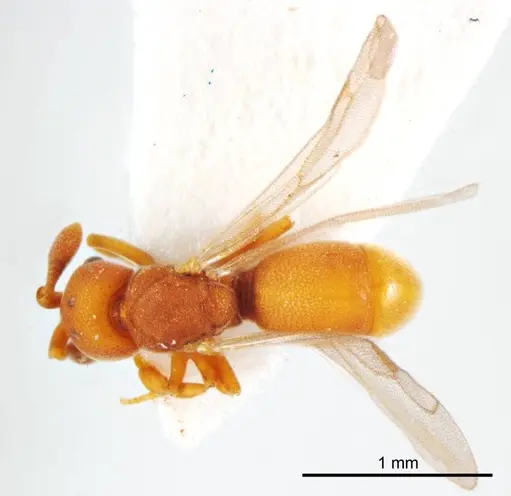
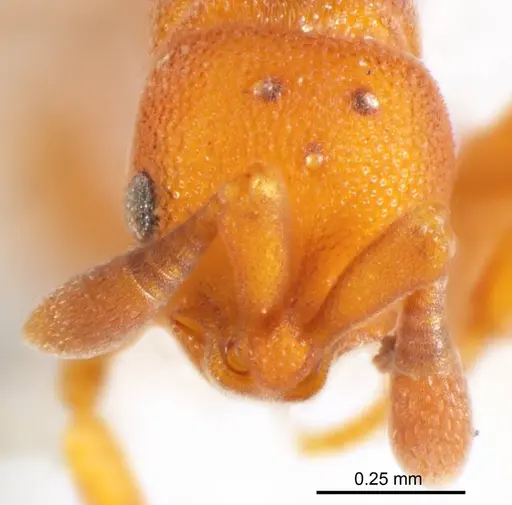
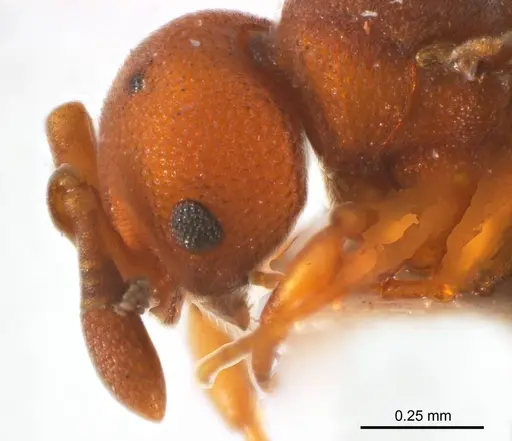
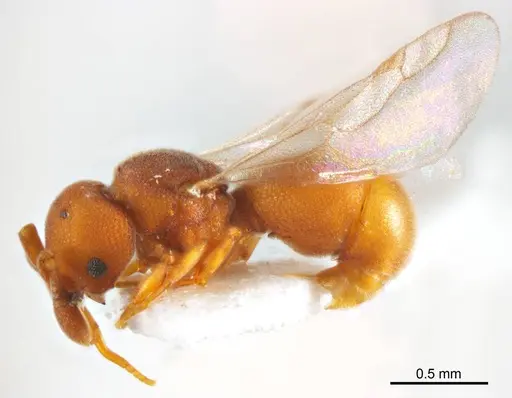
CASENT0178446
View on AntWeb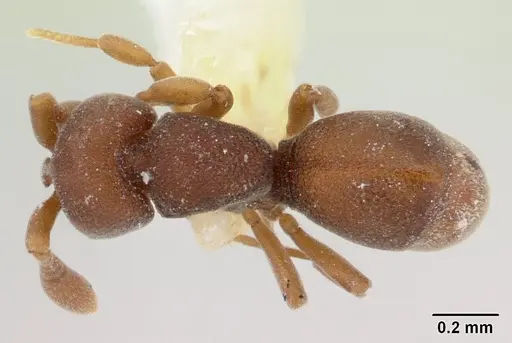
CASENT0281863
View on AntWeb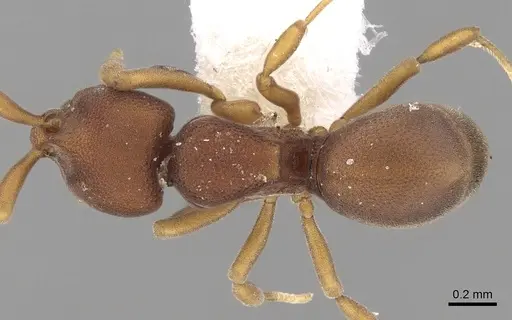
CASENT0903858
View on AntWeb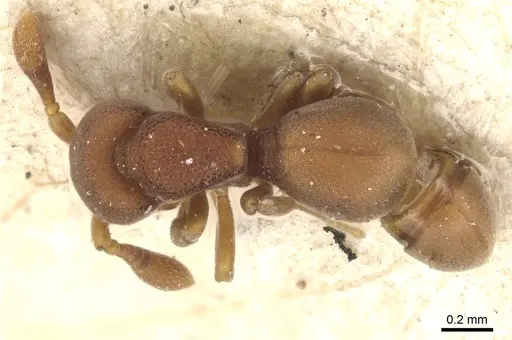
CASENT0922241
View on AntWeb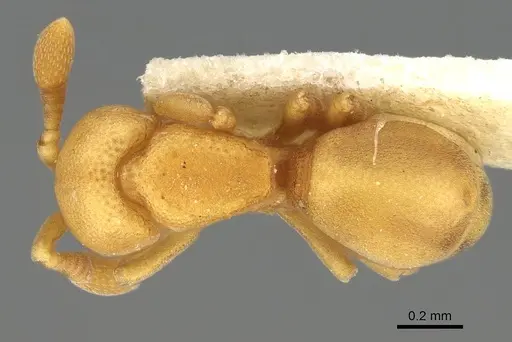
Literature
Loading distribution map...Loading products...