
Discothyrea athene
- Sci. Name
- Discothyrea athene
- Tribe
- Proceratiini
- Subfamily
- Proceratiinae
- Author
- Hita-Garcia & Lieberman, 2019
- Distribution
- Found in 4 countries
Introduction
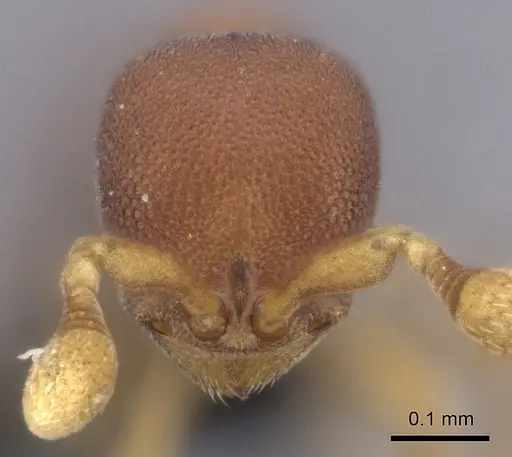
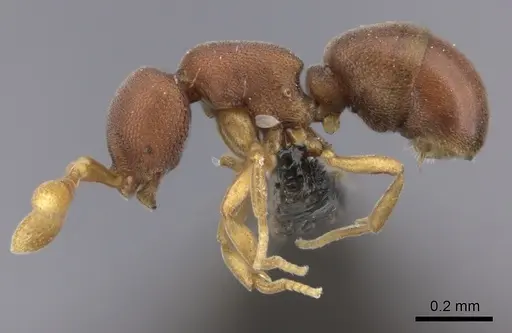
Discothyrea athene is a minute predatory ant species from East Africa, measuring approximately 0.6-0.8mm in total body length (workers). They have a distinctive orange to brownish-orange coloration and relatively large eyes for their size. The species was named after the Greek goddess Athene, referencing both the known spider-eating habits of related Discothyrea species and the ant's notably thick cuticle and prominent sting. These ants are found across Rwanda, Uganda, Kenya, Tanzania, and Mozambique, where they inhabit leaf litter in forest and woodland areas near water sources like streams and swamps, indicating a strong preference for damp, mesic habitats.
Quick Summary
- Difficulty: Expert
- Origin & Habitat: East Africa (Rwanda, Uganda, Kenya, Tanzania, Mozambique), found in riparian forest, swamp forest, and woodland near streams, usually below 1000m elevation [1]
- Colony Type: Colony structure is unconfirmed. Based on related Discothyrea species, likely forms small colonies with a single queen.
- Size & Growth:
- Queen: Undescribed, size data unavailable
- Worker: approximately 0.6-0.8mm total length (inferred from mesosoma measurements of 0.38-0.53mm WL) [1]
- Colony: Likely small, under 100 workers based on genus patterns for tiny leaf litter ants
- Growth: Slow, typical for minute predatory ants with specialized diets
- Development: Estimated 8-12 weeks based on genus patterns for small Proceratiinae at optimal temperature (Direct development data unavailable, estimates based on related Discothyrea species and typical small ant development at 24-26°C)
- Antkeeping:
- Temperature: Keep around 24-28°C, they come from warm East African forests. A gentle gradient allows them to regulate. Room temperature in heated homes often works well.
- Humidity: High humidity is essential, these are mesic forest ants. Keep substrate consistently moist but not waterlogged. Think damp leaf litter conditions.
- Diapause: Likely no true diapause, East African species from tropical latitudes. May show reduced activity during cooler periods but probably does not require hibernation.
- Nesting: Naturalistic setup works best, they live in leaf litter in the wild. A small test tube setup with moist substrate or a miniature naturalistic terrarium with damp soil and hiding spots like cork bark or leaf litter is ideal. Their tiny size means they need very small chambers and passages.
- Behavior: These are secretive, slow-moving predatory ants that hunt micro-arthropods like springtails and mites. They have a prominent sting despite their minute size, though it is too small to penetrate human skin effectively. Workers are non-aggressive and flee from threats. Escape prevention is critical, their tiny size allows them to squeeze through gaps invisible to the naked eye. They are primarily nocturnal or crepuscular foragers.
- Common Issues: escape prevention is critical, they are extremely tiny and can squeeze through standard barrier setups, specialized predatory diet makes them difficult to feed, require live micro-prey like springtails, slow growth and small colony sizes mean colonies are fragile and slow to recover from losses, high humidity requirements can lead to mold problems if ventilation is poor, wild-caught colonies may have parasites that are difficult to detect and treat
Housing and Setup
Housing Discothyrea athene requires careful attention to scale. These are among the smallest ants in the world, with workers measuring approximately 0.6-0.8mm in total length. A small test tube setup works well for founding colonies, use a test tube with a water reservoir at the end, secured with cotton, and place it in a dark container to reduce stress. For established colonies, a miniature naturalistic terrarium with damp soil, small pieces of cork bark, and dried leaf litter provides appropriate hiding spots. The key is creating small, tight spaces scaled to their tiny size, they feel exposed in large, open areas. Escape prevention must be absolute: use fluon on container edges, fine mesh covering any ventilation holes, and check seals daily. Even a 0.5mm gap is an escape route for these ants. [1]
Feeding and Diet
Discothyrea athene is a specialized predator, as the species name suggests, related Discothyrea species are known to eat spiders and their eggs, and the genus is considered arachnophagic. In captivity, their primary food should be live micro-arthropods: springtails are ideal and most readily accepted. You can culture your own springtail colony to ensure a constant supply. Other small prey like minute soil mites, tiny booklice (psocids), and fruit fly larvae may also be accepted. Sugar sources are unlikely to be accepted, these are pure predators, not honeydew feeders. Feed small prey items every 2-3 days, removing any uneaten prey after 24 hours to prevent mold. Do not overfeed, a few springtails per feeding is sufficient for a small colony.
Temperature and Humidity
As an East African species from forest habitats near water, Discothyrea athene needs warm, humid conditions. Maintain temperatures between 24-28°C, this is warm for antkeeping but appropriate for tropical forest species. A small heat mat on one side of the housing creates a gentle gradient. Humidity is critical: keep the substrate consistently moist but not flooded. The substrate should feel damp to the touch, with condensation visible on container walls occasionally. A layer of damp moss or leaf litter helps maintain humidity while providing foraging substrate. Avoid both drying out (they come from mesic habitats) and stagnation (which causes mold). Good ventilation while maintaining humidity is key, small holes covered with fine mesh work well. [1]
Behavior and Temperament
These are secretive, non-aggressive ants that prefer to avoid confrontation. Workers move slowly and carefully, hunting for small prey rather than scavenging in the open. Despite their small size, they possess a sting that is described as prominent in the species description, however, it is too small to penetrate human skin in any meaningful way, so they pose no danger to keepers. They are not escape artists in the traditional sense (they do not climb smooth surfaces well), but their minute size means they can simply walk through tiny gaps that other ants cannot fit through. This makes escape prevention your biggest daily concern. Colonies are small and grow slowly, do not disturb them frequently or move them unnecessarily. They are best observed with minimal intrusion, using a red film over lights if you want to watch nocturnal activity. [1]
Colony Establishment
Establishing a Discothyrea athene colony requires patience. If you obtain a founding queen, she is likely claustral (seals herself in a small chamber and raises the first workers alone on stored body fat), though this is inferred from genus patterns rather than directly observed for this species. Provide her with a small, dark, humid chamber, a small test tube or vial works well. Do not feed the founding queen, she will not eat and may become stressed. Wait 4-8 weeks for the first workers (nanitics) to emerge. After that, you can begin offering tiny live prey. Growth will be slow, expect many months before the colony reaches even 20 workers. Wild colonies are likely small, so do not expect rapid expansion. If acquiring a wild-caught colony, watch for parasites and separate any individuals that appear unhealthy.
Frequently Asked Questions
How long does it take for Discothyrea athene to produce first workers?
Expect 6-10 weeks from founding to first workers emerging, though this is estimated based on genus patterns since specific development data is unavailable for this species. The exact timeline depends on temperature, warmer (within range) speeds development slightly.
What do Discothyrea athene ants eat?
They are specialized predators that need live micro-arthropods. Springtails are the ideal food, you can culture your own colony for a constant supply. They may also accept tiny mites, booklice, and fruit fly larvae, but sugar sources are unlikely to be accepted.
Are Discothyrea athene ants dangerous?
No, they are not dangerous to humans. While they have a prominent sting for their size, it is too small to penetrate human skin effectively. They are completely harmless to keepers.
Can I keep Discothyrea athene in a test tube?
Yes, test tubes work well for founding colonies. Use a small test tube with a water reservoir, and ensure the cotton is packed tightly, these tiny ants can squeeze through gaps that larger ants cannot. Cover any air holes with fine mesh.
Do Discothyrea athene ants need hibernation?
Probably not, they come from tropical East Africa where temperatures remain warm year-round. They may reduce activity during cooler periods but do not require a true diapause period.
Why are my Discothyrea athene escaping?
Their tiny size allows them to escape through gaps you cannot even see. Check all seals carefully, even a 0.5mm gap is an exit. Apply fluon to all edges, use fine mesh on ventilation holes, and ensure lid seals are tight. Daily escape checks are necessary.
How big do Discothyrea athene colonies get?
Based on their tiny size and leaf litter habitat, colonies likely remain small, probably under 100 workers at maturity. They grow slowly, so patience is essential.
Are Discothyrea athene good for beginners?
No, they are an expert-level species due to their extreme tiny size (escape prevention is critical), specialized predatory diet (requiring live micro-prey cultures), high humidity needs, and slow growth. They are best suited for experienced antkeepers who can provide the specialized care they require.
What temperature should I keep Discothyrea athene at?
Keep them warm: 24-28°C is ideal. This matches their East African forest habitat. A small heat mat on one side of the housing creates a gentle gradient they can choose from.
When should I move Discothyrea athene to a formicarium?
Given their tiny size and leaf litter nature, a naturalistic setup is preferable to traditional formicariums. If you do move them, wait until the colony has at least 20-30 workers and shows active foraging behavior. However, most keepers successfully keep them in modified test tube setups or small terrariums long-term.
Report an Issue
The current care sheet is based fully on literature. See inconsistencies, or something that's incorrect? Please , it will be resolved after review from an admin. Contributing to the blogs tab also helps providing information, to make us be able to further improve the caresheets. Thank you for your support!
References

This caresheet is licensed under CC BY-SA 4.0 .
Community Blogs
CASENT0235476
View on AntWeb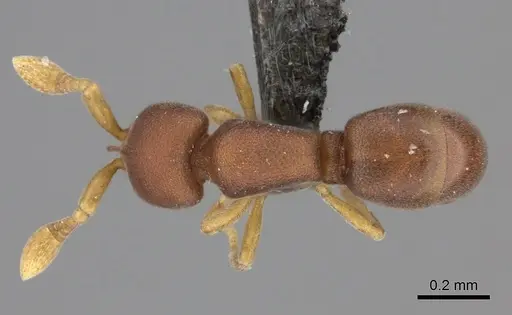
Literature
Loading distribution map...Loading products...