
Dinoponera gigantea
- Sci. Name
- Dinoponera gigantea
- Tribe
- Ponerini
- Subfamily
- Ponerinae
- Author
- Perty, 1833
- Distribution
- Found in 2 countries
Introduction
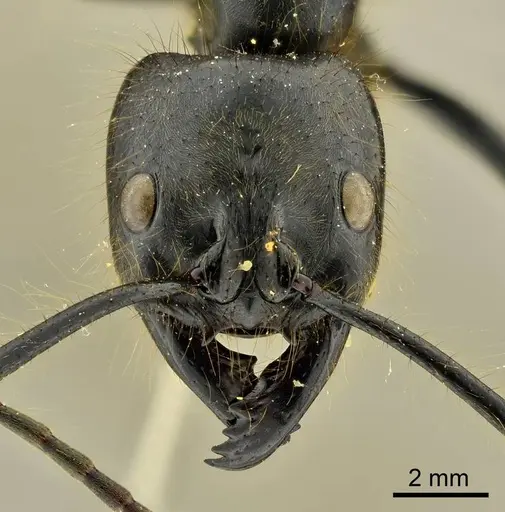
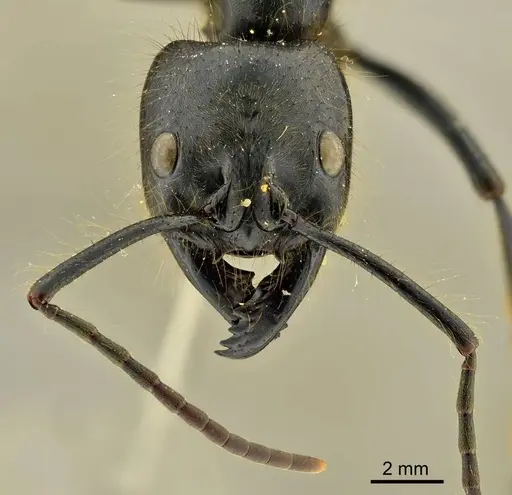
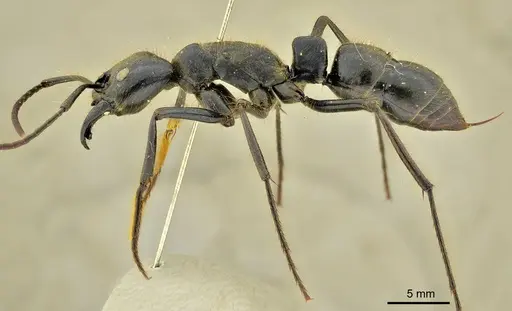
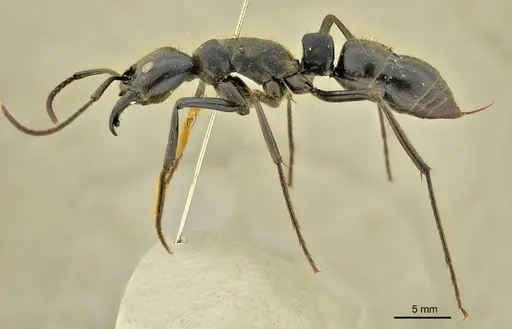
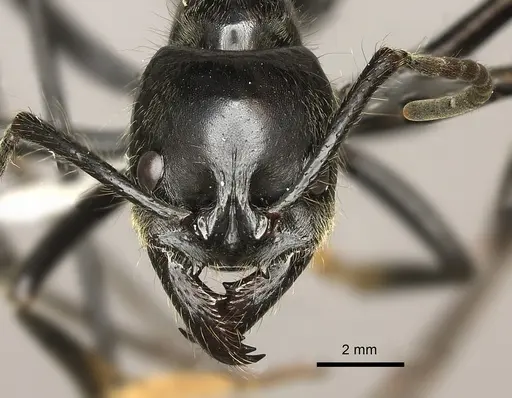
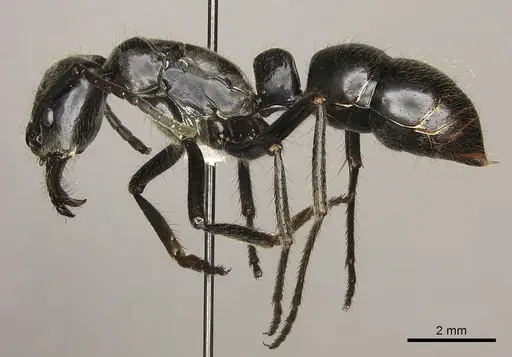
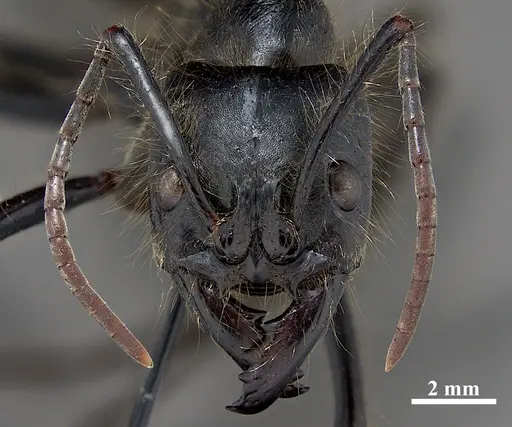
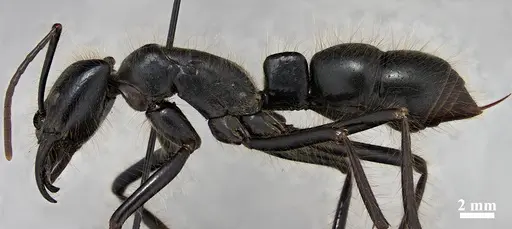
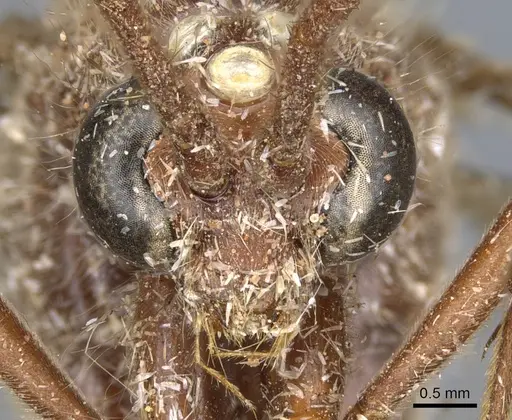
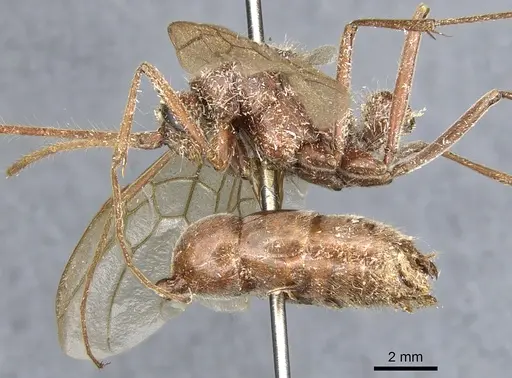
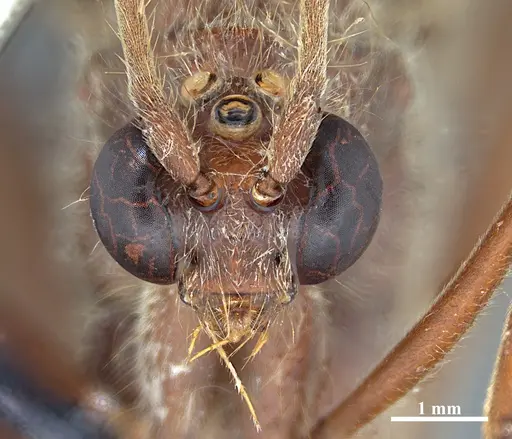
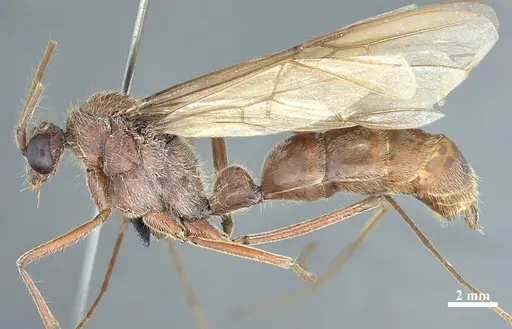
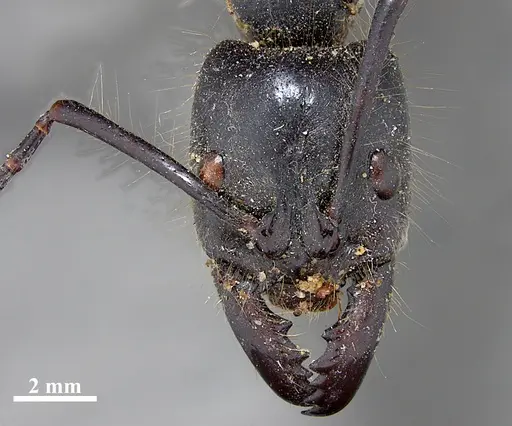
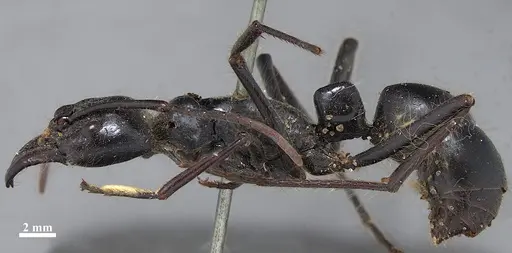
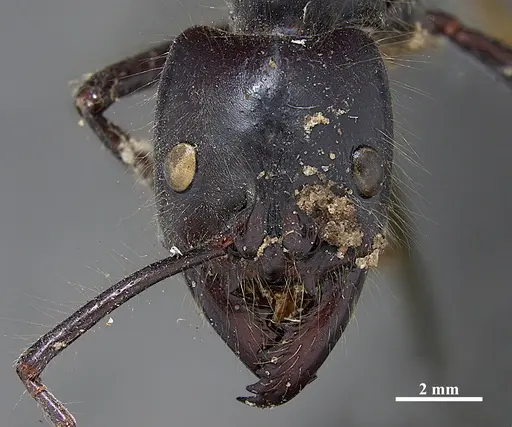
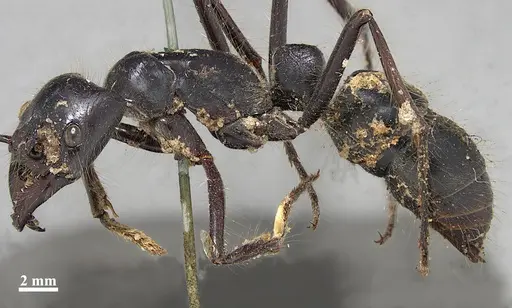
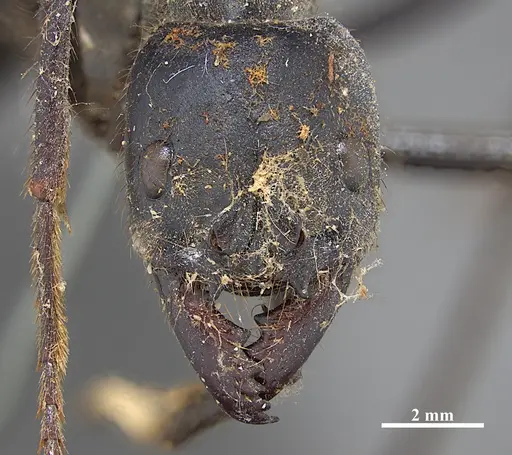
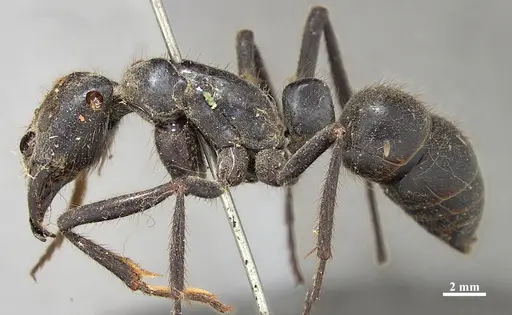
Dinoponera gigantea is the largest ant species in the world, with workers reaching 3-3.6 cm in length . These massive ants are native to the Amazon basin of Brazil, Peru, and Guyana, where they inhabit lowland rainforests and forest edges . You can identify them by their dark coloration, dense long hairs, and a distinctive tooth-like process on the pronotum (the section behind the head) . Unlike most ant species, Dinoponera gigantea has no morphologically distinct queen caste, reproduction is handled by mated workers called gamergates . What makes this species unique is its social structure. Without a queen, the colony is ruled by a single dominant gamergate that mates and lays eggs, while other workers remain non-reproductive . They are solitary predators that hunt on the forest floor, with impressive route fidelity, foragers memorize paths and return to the same areas day after day . Their sting is extremely painful and medically significant, capable of causing systemic symptoms in humans .
Quick Summary
- Difficulty: Expert
- Origin & Habitat: Amazon basin of Brazil (Amazonas, Pará, Maranhão, Mato Grosso), Peru, and Guyana. Found in un-flooded forests, typically nesting at the base of trees, palms, or thick lianas [5][1].
- Colony Type: Queenless, no distinct queen caste, reproduction by gamergates (reproductive workers).
- Queen Status: Queenless Colony
- Colony: Monogyne
- Special: Gamergates
- Size & Growth:
- Queen: Queenless species, reproduction by gamergate (reproductive worker) instead of a distinct queen caste.
- Worker: 31.6-36.0 mm (3.1-3.6 cm) [1]
- Colony: Up to ~100 workers [1][5]
- Growth: Slow, large ants with extended development
- Development: Unknown, development time has not been documented for this species. (No data available. Based on the large body size and tropical origin, expect slow development, but specific timing is unconfirmed.)
- Antkeeping:
- Temperature: Keep at 24-28°C. These are tropical ants adapted to warm, stable conditions. Research indicates median annual temperature preference around 25.7°C [2]. Activity is negatively correlated with temperature, they are most active at dawn and dusk when temperatures are cooler [5]. Avoid extremes, monitor your ants' behavior.
- Humidity: Keep the nest substrate consistently moist but not waterlogged, mimicking the humid forest floor. They are found in areas with humid, chemically rich soils [8].
- Diapause: No true diapause. As a tropical species, they do not require hibernation. They may reduce activity during cooler periods or dry seasons.
- Nesting: Ground-nesting species. In captivity, use a deep soil-based setup or a formicarium with multiple connected chambers. Natural nests are shallow (~40 cm deep) with chambers about 3 cm high and 20 cm wide, and 1-8 entrances [5][9]. Provide soil depth of at least 15-20 cm with multiple connected chambers.
- Behavior: These ants are primarily solitary foragers, workers leave the nest individually and search for food alone on the leaf litter, typically within 10 meters of the nest [5]. They do not recruit nestmates to food sources. Foragers show strong route fidelity, using the same paths over multiple days [5]. They are opportunistic feeders that hunt live prey, scavenge dead matter, and collect seeds and fruits [5]. While not aggressive away from the nest, they will defend the nest vigorously and deliver an extremely painful sting if threatened [7]. They engage in ritualized territorial contests with neighboring colonies, these displays involve antennation, mandible locking, and kicking, with no physical injury [5]. Escape risk is low given their large size, but they can climb smooth surfaces.
- Common Issues: Sting severity, their venom causes intense pain and systemic symptoms. Handle with extreme caution and protective gloves [6][7]., Queenless colony dynamics, without a true queen, colony reproduction depends on a single gamergate. If the dominant gamergate dies, the colony's survival is at risk [4]., Slow colony growth, large ants develop slowly. Beginners may lose patience with the extended egg-to-worker timeline., Polydomic nesting, they prefer multiple nest entrances. A single-chamber setup may cause stress. Provide space for multiple connected chambers., Foraging space, they need room to roam and establish foraging routes. Small enclosures lead to stress and escape attempts., Humidity control, being forest-floor dwellers, they need consistently high humidity. Dry conditions quickly stress colonies.
Housing and Nest Setup
Dinoponera gigantea requires a spacious setup that accommodates their large size and polydomic nesting habits. A naturalistic setup with deep soil (at least 15-20 cm) works best, mimicking their natural shallow nests. Use a formicarium with multiple connected chambers, each roughly 3-5 cm in height and 15-20 cm wide. Since they prefer multiple entrances, provide 2-4 entrance holes connected underground, natural nests have 1-8 entrances [5]. The nest should be placed in a dark area, as these ants naturally nest underground at tree bases. Outworld space should allow for foraging, a minimum of 30 cm x 30 cm is recommended for a mature colony. Use a secure lid as these large ants can still climb smooth surfaces despite their size.
Feeding and Diet
These are opportunistic predators and scavengers. In captivity, offer a varied diet including live insects (crickets, roaches, mealworms) appropriate to their size, they can take down prey much larger than typical ants. They also accept scavenged protein sources and may take fruit occasionally. Feed adult insects 2-3 times per week, removing uneaten prey within 24 hours. Unlike many ants, they do not form recruitment chains to food, each forager works alone [5]. A water dish should always be available. Given their large size, prey items can be substantial, wild foragers handle prey up to several hundred milligrams, including heavy seeds and fruits [5].
Temperature and Seasonal Care
Maintain temperatures between 24-28°C year-round. These tropical ants are adapted to warm, stable conditions with median annual temperatures around 25.7°C [2]. Unlike temperate species, they do not require hibernation. However, their activity pattern is temperature-dependent, they are most active during cooler periods at dawn and dusk and reduce activity during midday heat [5]. Provide a gentle thermal gradient within the setup so ants can self-regulate. Room temperature within their range is acceptable, but monitor for signs of stress (lethargy in cool areas, clustering near warmth). Avoid temperatures below 22°C or above 32°C, these are based on general tropical ant keeping, for this species, stick to 24-28°C.
Handling and Safety
This species requires extreme caution. Their sting is among the most painful of any ant, rated 1.5 on the Schmidt pain scale and described as excruciating, worse than bee or wasp stings [7][10]. Venom can cause systemic symptoms including fever, cold sweats, nausea, vomiting, and cardiac arrhythmias [6]. The sting apparatus is unusually long, injecting venom deeper into tissues than typical wasps [7]. Always wear protective gloves when working in or near the colony. Never handle them with bare hands. Keep a first-aid kit nearby. If stung, seek medical attention if systemic symptoms develop. The ants are not aggressive when foraging but will sting vigorously if the nest is disturbed [7]. Keep the colony in a secure enclosure away from children and pets.
Colony Dynamics and Reproduction
This is one of the few ant species without a true queen caste. Instead, reproduction is handled by gamergates, mated workers that have retained reproductive capacity [4]. Colonies contain a single dominant gamergate that lays all the eggs, while other workers remain non-reproductive [4]. The colony is monogynous, with one functional reproductive [9]. If the dominant gamergate dies, the colony faces a critical situation, the specific process of replacement is not well-documented, but based on other ponerine species, another worker may become mated and take over. New colonies likely form through fission, a group of workers with a gamergate leaves to establish a new nest [5]. This means you cannot start a colony from a single queen, you need an established colony fragment with workers and at least one gamergate.
Foraging Behavior
Dinoponera gigantea forages solitarily, workers leave the nest independently and search for food alone on the leaf litter, typically within 10 meters of the nest [5]. They do not recruit nestmates to food, regardless of food type or size [5]. Each forager shows strong route fidelity, repeatedly departing in the same direction and searching within a restricted sector. Some individuals persist in the same area for up to 9 days [5]. Foraging trips can last up to 3 hours, though prey is typically found within 30-60 minutes. Only about 10% of foraging trips are successful [5]. They forage exclusively on the ground, never on plants. When returning with food, successful foragers spend less time in the nest and return directly to their last food location.
Frequently Asked Questions
How long does it take for Dinoponera gigantea to produce first workers?
Exact development time is unconfirmed for this species. No data is available. Large tropical ants typically develop slowly, but specific timing is unknown. Patience is essential.
Can I keep multiple queens together?
This species has no queen caste. Reproduction is handled by gamergates (mated workers), with a single dominant reproductive per colony. Do not attempt to combine unrelated colonies, they will engage in ritualized territorial contests and may fight [5].
Do Dinoponera gigantea ants sting?
Yes, absolutely. Their sting is extremely painful and medically significant. It causes intense pain described as worse than bee or wasp stings, and can trigger systemic symptoms including fever, nausea, and cardiac arrhythmias. Handle with extreme caution, always wear gloves and never handle with bare hands [6][7].
What do Dinoponera gigantea eat?
They are opportunistic predators and scavengers. Feed live insects (crickets, roaches, mealworms), scavenged protein, and occasionally fruit. They can take down surprisingly large prey, items over 100 mg are common in their diet [5]. Feed 2-3 times per week.
Are Dinoponera gigantea good for beginners?
No. This species is recommended only for expert antkeepers. Reasons include: their extremely painful and potentially dangerous sting, the complexity of their queenless gamergate colony system, slow growth rates, specific humidity requirements, and the need for spacious setups [6][4].
Do Dinoponera gigantea need hibernation?
No. As tropical ants from the Amazon basin, they do not require hibernation. Maintain stable temperatures of 24-28°C year-round. They may reduce activity during cooler periods but do not enter true diapause.
How big do Dinoponera gigantea colonies get?
Colonies are relatively small compared to many ant species. Wild colonies average 41 workers, with mature colonies reaching up to ~100 workers [1][5]. They are not a rapidly expanding species.
What is the best nest type for Dinoponera gigantea?
A deep, naturalistic soil setup or a custom formicarium with multiple connected chambers works best. Natural nests have chambers 3 cm high and 20 cm wide, with 1-8 entrances [5]. Provide soil depth of at least 15-20 cm with multiple chambers connected by tunnels.
Why is my Dinoponera gigantea colony declining?
Possible causes include: gamergate death (no replacement reproductive), low humidity (keep substrate moist), temperatures outside 24-28°C, insufficient protein in diet, or stress from inadequate space. Review all care parameters. Without a true queen, colony survival depends on the gamergate's health [4].
Report an Issue
The current care sheet is based fully on literature. See inconsistencies, or something that's incorrect? Please , it will be resolved after review from an admin. Contributing to the blogs tab also helps providing information, to make us be able to further improve the caresheets. Thank you for your support!
References

This caresheet is licensed under CC BY-SA 4.0 .
Community Blogs
ANTWEB1014002
View on AntWeb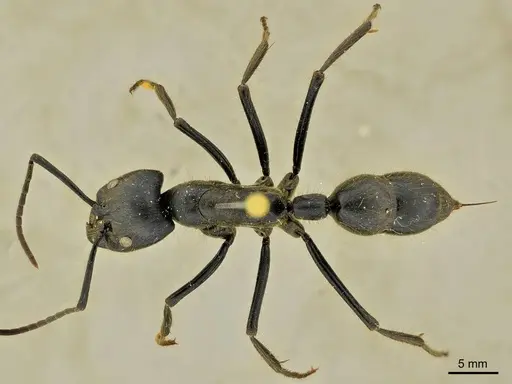
CASENT0260421
View on AntWeb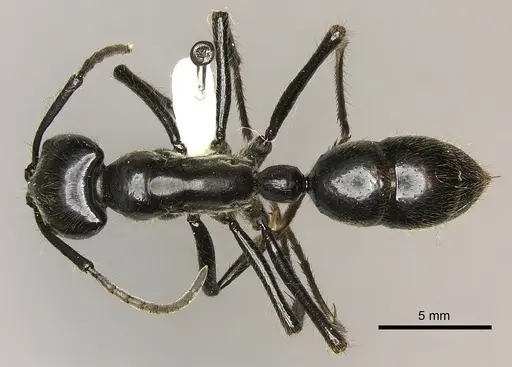
CASENT0887858
View on AntWeb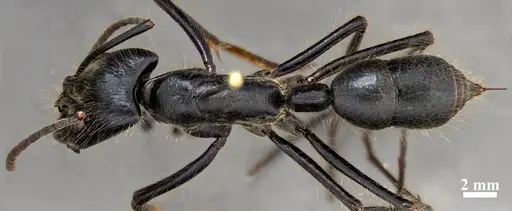
CASENT0903662
View on AntWeb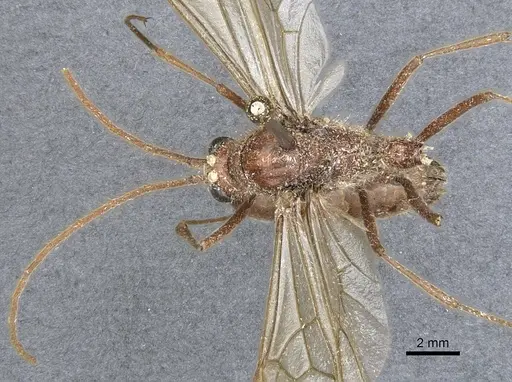
MPEGHHY03034653
View on AntWeb
ZSMHYM25181
View on AntWeb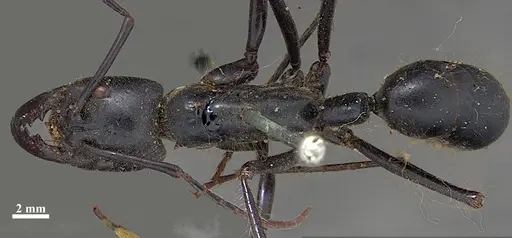
ZSMHYM25182
View on AntWeb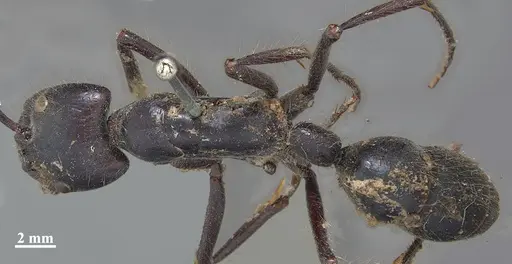
ZSMHYM25183
View on AntWeb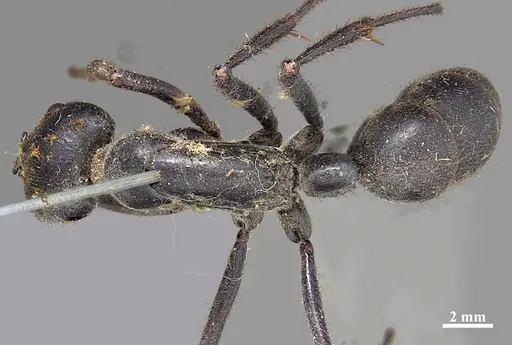
Literature
Loading distribution map...Loading products...