
Dilobocondyla gaoyureni
- Sci. Name
- Dilobocondyla gaoyureni
- Tribe
- Crematogastrini
- Subfamily
- Myrmicinae
- Author
- Bharti & Kumar, 2013
- Distribution
- Found in 1 countries
Introduction
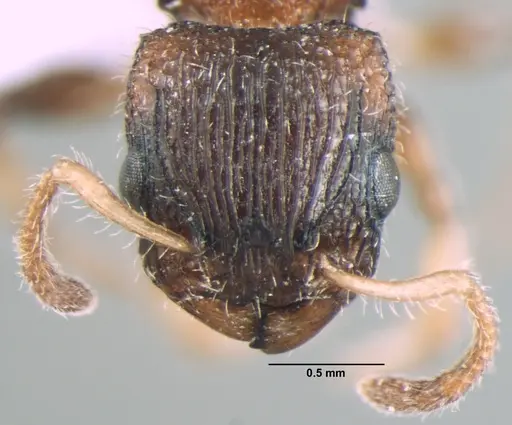
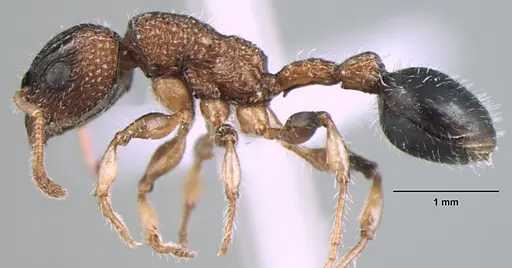
Dilobocondyla gaoyureni is a small to medium-sized Myrmicinae ant native to southern China. Workers measure 4.5-5.3 mm in total length and have a distinctive appearance with a blackish-brown head and gaster contrasting against a ferruginous (reddish-brown) mesosoma, petiole, and postpetiole. Their legs and antennae are light yellowish brown. The head features 13 strong rugae (ridges) between the frontal carinae, and the entire body is covered in abundant long whitish hairs that lie flat against the body surface. The species was described in 2013 from specimens collected in Chebaling National Nature Reserve in Guangdong Province, with additional records from Hainan Island . This ant lives in lowland tropical forests in southern China at elevations around 350-715 meters. The genus Dilobocondyla is known for nesting in rotting wood or under stones in forest habitats. Given its limited distribution in intact tropical forests, this species appears to prefer shaded, humid microhabitats typical of forest floors. The species is named in honor of Dr. Gao Yuren of the South China Institute of Endangered Animals .
Quick Summary
- Difficulty: Unknown, likely Medium to Hard
- Origin & Habitat: Southern China (Guangdong and Hainan provinces) in lowland tropical forests at 350-715m elevation. Known from Chebaling National Nature Reserve and Hudiemuchang Scenic Spots in Wuzhishan, Hainan [1][2][3].
- Colony Type: Unknown colony structure. Dilobocondyla species are typically monogyne (single queen colonies), but colony structure has not been documented for this specific species.
- Size & Growth:
- Queen: ~6-7mm, inferred from genus patterns (no documented measurements)
- Worker: 4.5-5.3 mm TL [1][2]
- Colony: Unknown, no documented colony size
- Growth: Unknown, likely moderate based on related Myrmicinae
- Development: Unknown, estimated 6-10 weeks based on similar tropical Myrmicinae (Development timeline has not been directly studied. Estimates based on genus-level patterns for tropical forest ants.)
- Antkeeping:
- Temperature: Likely 22-28°C based on native habitat in tropical southern China. Provide a gentle gradient if possible.
- Humidity: High humidity required, think damp forest floor. Keep nest substrate consistently moist but not waterlogged. Target 70-85% relative humidity.
- Diapause: Likely minimal or none given tropical distribution. However, slight seasonal slowdown may occur in winter months.
- Nesting: In nature they likely nest in rotting wood or under stones in forest habitats. In captivity, a naturalistic setup with moist substrate or a Y-tong/plaster nest works well. They prefer tight chambers scaled to their size.
- Behavior: Not well documented, but Dilobocondyla species are generally non-aggressive and secretive. Workers are likely moderate foragers that search for small prey and sugar sources. Their small size (under 6mm) means escape prevention is important, use fine mesh barriers. They are likely nocturnal or crepuscular given their large eyes. The abundant body pilosity (hairs) may serve as a sensory adaptation for navigating in dim forest understories.
- Common Issues: this species is extremely rare in the hobby and may not be available for purchase, escape prevention is critical due to small size, use tight-fitting lids and fine mesh, high humidity requirements make mold control important, wild-caught colonies may have parasites that are difficult to treat, slow growth and long development times may frustrate beginners
Nest Preferences and Housing
Dilobocondyla gaoyureni is known from lowland tropical forest habitats in southern China, specifically Guangdong and Hainan provinces. In their natural environment, they likely nest in rotting wood or under stones in shaded, humid forest locations. The type locality at Chebaling National Nature Reserve is described as one of Guangdong's most intact lowland tropical forests, indicating a preference for humid, shaded microhabitats with plenty of leaf litter and decaying organic matter [1]. For captive care, a naturalistic setup with moist substrate works well. A Y-tong or plaster nest with narrow chambers scaled to their small size is appropriate. Ensure the nest maintains high humidity without becoming waterlogged. Provide a water tube or moisture reservoir but avoid flooding. Because they are small ants, escape prevention must be excellent, use tight-fitting lids and consider fine mesh on any ventilation holes.
Feeding and Diet
The diet of Dilobocondyla gaoyureni has not been directly studied. Based on typical Myrmicinae behavior and their forest floor habitat, they likely forage for small insects, honeydew from aphids, and other sugar sources. Related Dilobocondyla species are known to be generalist foragers that collect both protein (small insects) and carbohydrate sources. In captivity, offer a varied diet including small live prey (fruit flies, pinhead crickets, mealworms), protein jelly or pieces of insects, and sugar water or honey. Feed protein sources 2-3 times per week and provide constant access to sugar water. Remove uneaten prey within 24-48 hours to prevent mold. Given their small size, prey items should be appropriately sized, very small insects or pre-killed fragments work better than large prey items.
Temperature and Humidity Requirements
This species is native to tropical southern China (Guangdong and Hainan), so they require warm and humid conditions. Based on their native range around 20-25°N latitude, aim for temperatures in the range of 22-28°C. A slight temperature gradient allows the colony to regulate its own conditions. Room temperature in most homes (20-24°C) may be acceptable, but a heating cable on one side of the nest can help if your colony seems sluggish. Humidity is critical, these forest-floor ants need high humidity levels, target 70-85% relative humidity. Keep the nest substrate consistently moist but not waterlogged. A moisture reservoir or water tube connected to the nest helps maintain stable humidity. Avoid placing the nest near air conditioning vents or in drafty areas, as sudden temperature or humidity changes can stress the colony. [1][2]
Behavior and Colony Dynamics
Dilobocondyla gaoyureni workers are small (4.5-5.3mm) with distinctive coloring, a blackish-brown head and gaster contrasting with a reddish mesosoma. They have large eyes, which may indicate nocturnal or crepuscular foraging patterns. The entire body is covered in abundant long whitish hairs that lie flat against the body surface, this pilosity may help them sense their environment in dim forest understories [1][2]. The colony structure is not documented, but Dilobocondyla species typically form single-queen colonies. Workers likely forage individually or in small groups rather than forming large raiding parties. They are probably not aggressive and will retreat rather than attack when threatened. Their small size makes them vulnerable to predation and requires excellent escape prevention, use fine mesh barriers and check for gaps regularly.
Growth and Development
The development timeline for Dilobocondyla gaoyureni has not been directly studied. Based on typical patterns for tropical Myrmicinae ants, egg-to-worker development likely takes 6-10 weeks at optimal temperature (around 25°C). The first workers (nanitics) will be smaller than normal workers and may take longer to develop. Queen size is not documented for this species but is likely in the 6-7mm range based on genus patterns. The founding behavior is also unconfirmed, but most Myrmicinae are claustral, the queen seals herself in a chamber and lives off stored fat reserves until her first workers emerge. Do not disturb a founding queen during this period. Colony growth will be slow initially, with the first few workers taking weeks to hatch. Once established, growth rate depends on feeding quality and temperature stability.
Frequently Asked Questions
How long does it take for Dilobocondyla gaoyureni to produce first workers?
The exact development timeline is unknown, but based on similar tropical Myrmicinae, expect 6-10 weeks from egg to first worker at optimal temperature (around 25°C). The first workers will be smaller (nanitics) and may take additional time to mature.
What do Dilobocondyla gaoyureni ants eat?
They likely accept small insects, fruit flies, and other tiny prey for protein, plus sugar water or honey for carbohydrates. Feed protein 2-3 times weekly and provide constant sugar water. Remove uneaten prey within 24 hours.
What temperature and humidity do they need?
Keep them warm at 22-28°C with high humidity (70-85%). Their native habitat in tropical southern China is warm and humid year-round. A moisture reservoir helps maintain humidity.
Are Dilobocondyla gaoyureni good for beginners?
This species is not recommended for beginners. It is extremely rare in the hobby, has undocumented colony requirements, and likely requires specific humidity and temperature conditions that can be challenging to maintain.
How big do Dilobocondyla gaoyureni colonies get?
Colony size is unknown, no documented colony size exists for this species. Growth is likely slow to moderate.
Do Dilobocondyla gaoyureni ants sting?
Myrmicinae ants have stingers, but Dilobocondyla species are not known for aggressive behavior or painful stings. Given their small size, any sting would likely be mild.
Can I keep multiple Dilobocondyla gaoyureni queens together?
Colony structure is unconfirmed for this species. Dilobocondyla species are typically single-queen (monogyne) colonies. Combining unrelated queens is not recommended without documented evidence that they can found colonies pleometrotically.
What kind of nest should I use for Dilobocondyla gaoyureni?
A Y-tong or plaster nest with narrow chambers works well. They prefer tight spaces scaled to their small size. Keep the nest consistently moist and provide a water reservoir. A naturalistic setup with moist substrate is also appropriate.
Do Dilobocondyla gaoyureni need hibernation?
Likely no. As a tropical species from southern China, they probably do not require a true hibernation period. However, slight seasonal slowdown may occur during cooler winter months.
Why are my Dilobocondyla gaoyureni dying?
Common causes include: low humidity (target 70-85%), temperature extremes (keep 22-28°C), poor escape prevention, mold from over-wetting, or inadequate protein feeding. This species is poorly known, so precise requirements are uncertain, adjust conditions gradually and observe colony behavior.
Report an Issue
The current care sheet is based fully on literature. See inconsistencies, or something that's incorrect? Please , it will be resolved after review from an admin. Contributing to the blogs tab also helps providing information, to make us be able to further improve the caresheets. Thank you for your support!
References

This caresheet is licensed under CC BY-SA 4.0 .
Community Blogs
ANTWEB1008026
View on AntWeb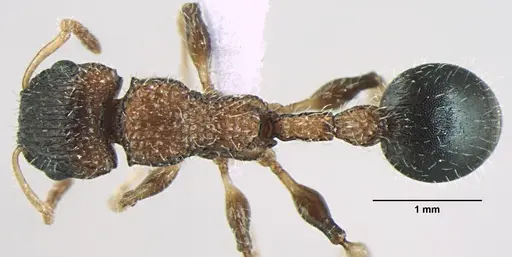
Literature
Loading distribution map...Loading products...