
Dilobocondyla fulva
- Sci. Name
- Dilobocondyla fulva
- Tribe
- Crematogastrini
- Subfamily
- Myrmicinae
- Author
- Viehmeyer, 1916
- Distribution
- Found in 1 countries
Introduction
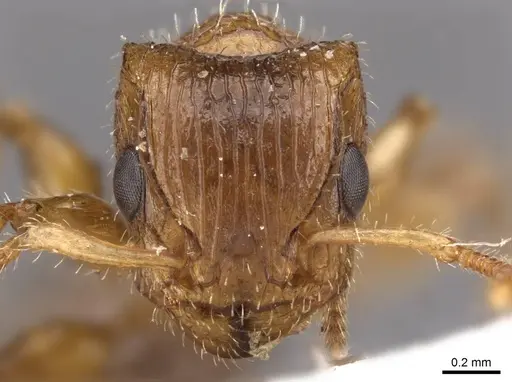
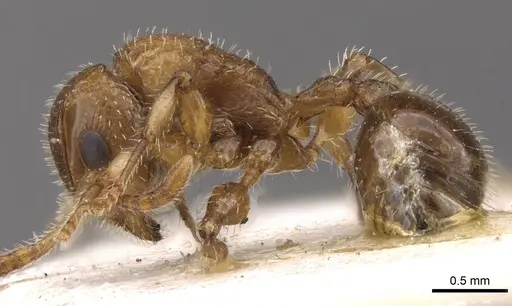
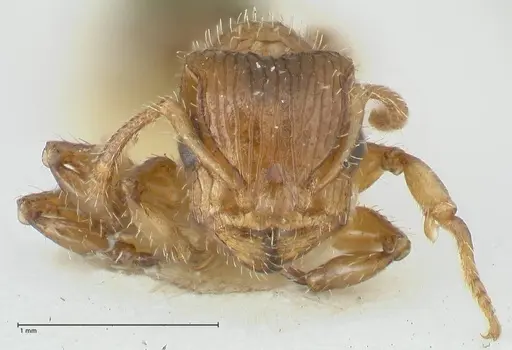
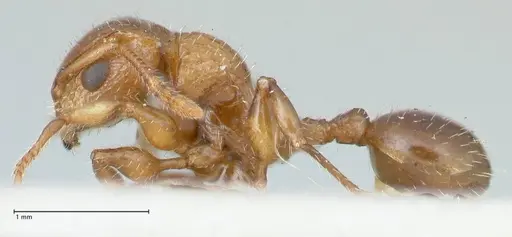
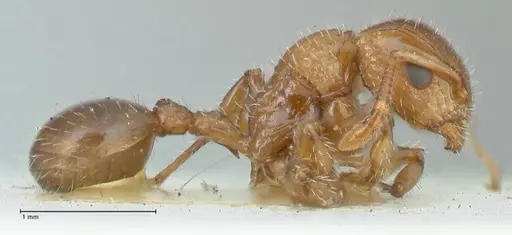
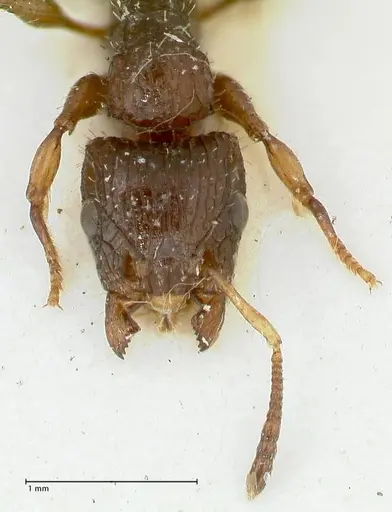
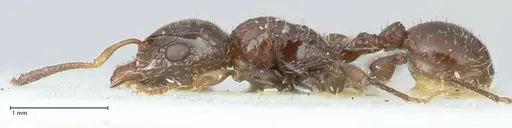
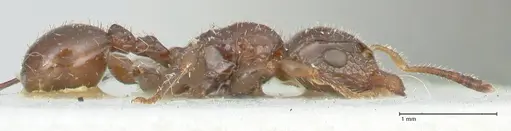
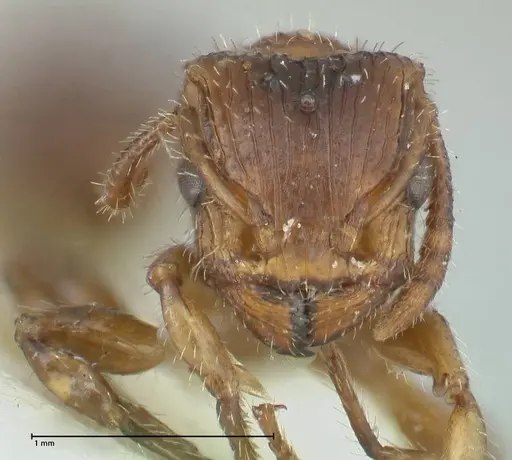
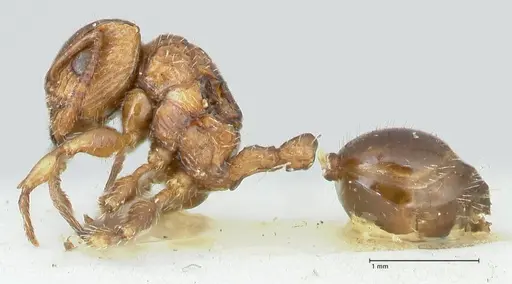
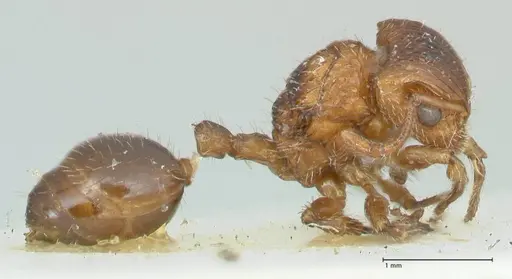
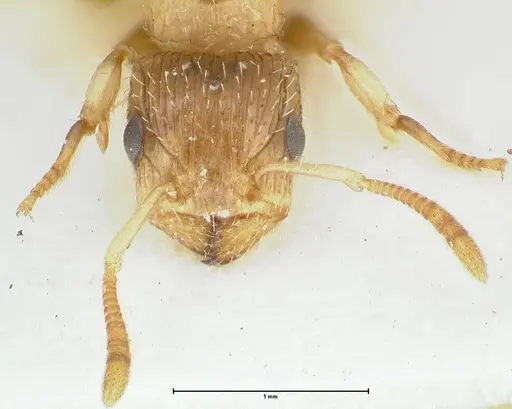
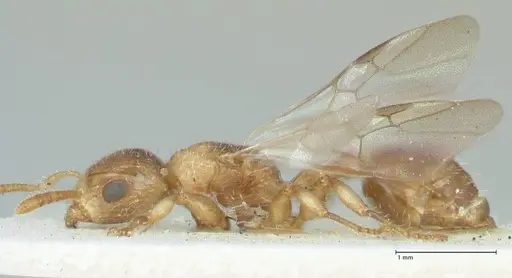
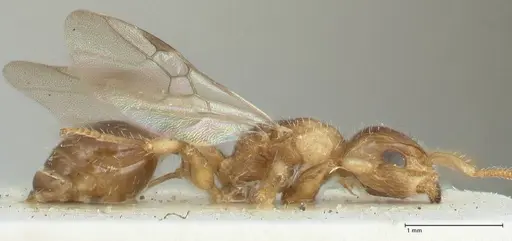
Dilobocondyla fulva is a small ant species in the Myrmicinae subfamily, originally described from Singapore by Viehmeyer in 1916. Workers have the typical myrmicine body plan with a segmented abdomen and a stinger capable of smearing venom onto enemies rather than piercing flesh. The species was originally classified as a variety of Dilobocondyla cataulacoidea before being elevated to full species status by Taylor in 1991 . This ant is known only from Singapore in the Indomalaya region, making it one of the rarest species in the antkeeping hobby. Very little is known about this species in captivity.
Quick Summary
- Difficulty: Unknown, likely Expert
- Origin & Habitat: Singapore (Indomalaya Region), a tropical urban island environment with high humidity and year-round warm temperatures [1][2].
- Colony Type: Unconfirmed, colony structure has not been documented in scientific literature.
- Size & Growth:
- Queen: size data unavailable
- Worker: size data unavailable
- Colony: Unknown, no colony size data available
- Growth: Unknown
- Development: Unknown, no development data available (Development timeline is unstudied for this species.)
- Antkeeping:
- Temperature: Likely 24-28°C based on Singapore's tropical climate, provide a warm area in the nest with a slight gradient. Monitor colony activity to fine-tune.
- Humidity: High humidity preferred, Singapore is a humid tropical environment. Keep nest substrate consistently moist but not waterlogged.
- Diapause: No, Singapore has no winter, so this species likely does not require a diapause period. Keep at stable warm temperatures year-round.
- Nesting: No specific nesting data available. In captivity, a Y-tong (AAC) nest or plaster nest with good moisture retention would likely work well.
- Behavior: Behavior is unstudied in captivity. Based on genus placement in Myrmicinae and Crematogastrini tribe, they likely have a moderate temperament and use smear defense (wiping venom onto enemies rather than piercing). They likely forage on the ground and may tend aphids for honeydew.
- Common Issues: lack of captive husbandry data makes successful keeping very challenging, no confirmed diet preferences, what they accept in captivity is entirely unknown, wild-caught colonies may be difficult to find as the species has a very restricted range, temperature and humidity requirements are inferred, not confirmed, may require experimentation, very little information available means keepers are essentially pioneering captive breeding
Species Overview and Distribution
Dilobocondyla fulva is one of the rarest species in the antkeeping hobby, known only from Singapore. Originally described by Hugo Viehmeyer in 1916 as a variety of Dilobocondyla cataulacoidea, it was elevated to full species status by R.W. Taylor in 1991 [1]. The type specimens were collected by H. Overbeck in Singapore, with syntype workers and a queen deposited in the MNHU museum. This restricted distribution makes wild collection difficult, and the species is virtually unknown in captive ant colonies worldwide.
Nesting and Habitat Preferences
No specific nesting data exists for Dilobocondyla fulva in the scientific literature. However, considering its origin from Singapore, a tropical island with high rainfall and humidity, it likely prefers warm, moist environments. Many Myrmicinae in tropical Asia nest in soil, under stones, or in rotting wood. For captive care, a nest that retains moisture well is essential. A Y-tong (AAC) nest or plaster formicarium works well for tropical species. Provide a deep outworld area where foragers can search for food.
Temperature and Humidity Requirements
Singapore maintains year-round temperatures of 25-31°C with humidity often exceeding 70%. Dilobocondyla fulva almost certainly requires warm, humid conditions to thrive. Keep the nest area at approximately 26°C with a gentle gradient allowing workers to self-regulate. Use a heating cable on one side of the nest if room temperature falls below 24°C. Humidity should be high, the nest substrate should feel consistently moist but never waterlogged. Avoid temperature drops below 22°C or very dry conditions. Unlike temperate species, this ant does not need a winter dormancy period. Maintain stable conditions year-round to support continuous brood development.
Feeding and Diet
The natural diet of Dilobocondyla fulva has not been documented. As a Myrmicinae member, it likely has an omnivorous diet similar to related genera, feeding on honeydew from aphids, small insects, and possibly plant nectar. For captive feeding, offer a variety of foods to determine preferences: sugar water or honey as an energy source, small live insects like fruit flies or pinhead crickets for protein. Start with small amounts and observe what gets consumed. Feed every 2-3 days, removing uneaten food to prevent mold. Since this species is poorly known in captivity, keepers should experiment carefully and document what foods are accepted.
Colony Structure and Reproduction
The colony structure of Dilobocondyla fulva remains completely unstudied. We do not know whether colonies are monogyne (single queen) or polygyne (multiple queens). The founding behavior is also unknown, whether queens are claustral (seal themselves in and live off stored fat) or semi-claustral (must forage during founding). Nuptial flight timing is unknown. Given the species' restricted range and rarity, any captive colony would be extremely valuable for documenting this biological information.
Challenges and Considerations for Keepers
Keeping Dilobocondyla fulva represents a significant challenge due to the complete lack of captive husbandry information. This is not a species for beginners, it requires someone willing to experiment, document carefully, and potentially lose colonies while learning. The primary challenge is simply establishing what conditions this species needs to thrive. Temperature, humidity, diet, and nesting preferences are all unknown and must be discovered through trial and error. Additionally, obtaining a colony may be difficult since the species is only known from Singapore and is rarely collected. Document everything, feeding responses, temperature preferences, behavior, and growth rates. Your observations could become the foundation for future care guides of this species.
Frequently Asked Questions
How do I keep Dilobocondyla fulva ants?
This species is extremely poorly documented in captivity, and no established care protocol exists. Based on its Singapore origin, provide warm (around 26°C), humid conditions with moist nest substrate. A Y-tong or plaster nest works well for tropical Myrmicinae. You will likely need to experiment to determine its exact preferences.
What do Dilobocondyla fulva ants eat?
Their natural diet is unconfirmed. Offer sugar water or honey for energy, small live insects (fruit flies, pinhead crickets) for protein, and observe what they accept. Document your findings as this species has no established feeding guidelines.
Do Dilobocondyla fulva ants need hibernation?
No, Singapore has no winter, so this tropical species does not require a diapause period. Keep temperatures stable and warm year-round, around 24-28°C.
How big do Dilobocondyla fulva colonies get?
Unknown, no colony size data exists in scientific literature.
Is Dilobocondyla fulva good for beginners?
No, this is not a beginner species. The complete lack of captive care information makes keeping this ant extremely challenging. It is only suitable for experienced antkeepers willing to experiment and document their findings.
How long does it take for Dilobocondyla fulva to develop from egg to worker?
Unknown, no development data exists for this species.
Can I keep multiple Dilobocondyla fulva queens together?
Unknown, colony structure (monogyne vs polygyne) has not been documented. Do not attempt combining unrelated queens without documented evidence that this species tolerates polygyny.
Where does Dilobocondyla fulva come from?
This species is known only from Singapore in the Indomalaya region. It was originally described by Viehmeyer in 1916 and raised to species status by Taylor in 1991 [1].
Do Dilobocondyla fulva ants sting?
As a Myrmicinae member, they have a stinger. The Crematogastrini tribe uses smear defense, they wipe venom onto enemies rather than piercing flesh. The sting potency is unknown.
What temperature should I keep Dilobocondyla fulva at?
Based on Singapore's tropical climate, aim for around 26°C with a slight gradient (24-28°C). Use a heating cable if needed. Avoid temperatures below 22°C.
Report an Issue
The current care sheet is based fully on literature. See inconsistencies, or something that's incorrect? Please , it will be resolved after review from an admin. Contributing to the blogs tab also helps providing information, to make us be able to further improve the caresheets. Thank you for your support!
References

This caresheet is licensed under CC BY-SA 4.0 .
Community Blogs
CASENT0908982
View on AntWeb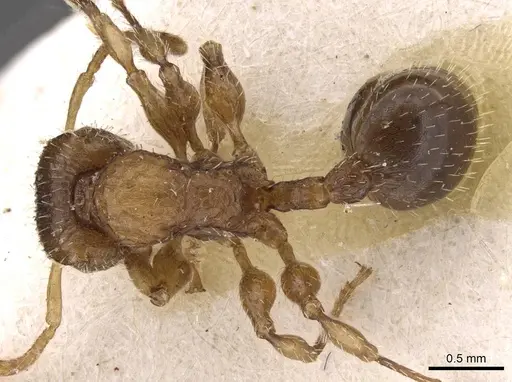
FOCOL1971
View on AntWeb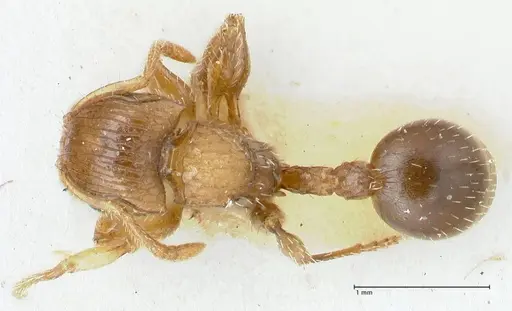
FOCOL1972
View on AntWeb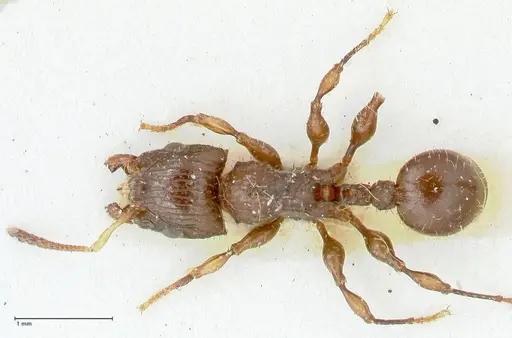
FOCOL1973
View on AntWeb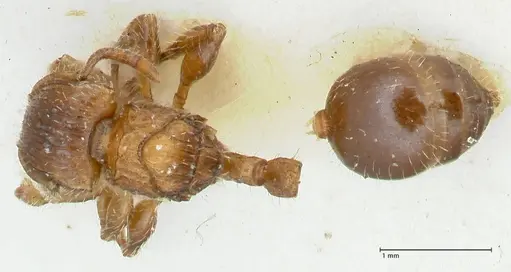
FOCOL1974
View on AntWeb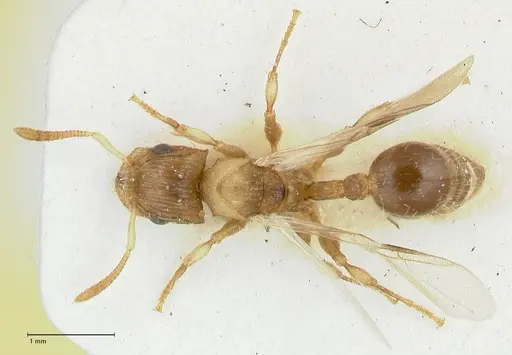
Literature
Loading distribution map...Loading products...