
Dicroaspis cryptocera
- Sci. Name
- Dicroaspis cryptocera
- Tribe
- Crematogastrini
- Subfamily
- Myrmicinae
- Author
- Emery, 1908
- Distribution
- Found in 3 countries
Introduction
Dicroaspis cryptocera is a tiny Myrmicinae ant species native to the Democratic Republic of Congo in Central Africa . This genus is characterized by small, cryptic ants with an arboreal lifestyle in tropical forest environments. The genus name refers to their double shield-like appearance on the mesosoma. Very little is known about this specific species in scientific literature - most information is inferred from related species in the same genus.
Quick Summary
- Difficulty: Unknown, this species has no documented care history in captivity
- Origin & Habitat: Democratic Republic of Congo (DRC), Central Africa, tropical rainforest environments [1]
- Colony Type: Unknown, likely small colonies based on genus patterns for cryptic arboreal ants
- Size & Growth:
- Queen: Size data unavailable, no measurements documented in literature
- Worker: Size data unavailable, no measurements documented in literature
- Colony: Likely small colonies based on genus patterns
- Growth: Unknown
- Development: Unknown, no development data available (No direct measurements found in available literature.)
- Antkeeping:
- Temperature: Unknown, likely requires warm tropical conditions based on origin
- Humidity: Unknown, likely requires high humidity typical of Central African rainforest species
- Diapause: Unknown, tropical species may not require formal hibernation
- Nesting: Likely arboreal or semi-arboreal, prefer small cavities in wood, bark, or cork-based nests with tight chambers scaled to their tiny size
- Behavior: Behavior is poorly documented. Based on genus patterns, they are likely secretive and non-aggressive, with small colonies that stay hidden. Their tiny size means escape prevention is critical. Foraging is likely nocturnal or crepuscular. Defense mechanism involves smearing venom rather than stinging due to their modified stinger.
- Common Issues: escape prevention is critical due to their very small size, use fine mesh and tight-fitting lids, no species-specific care information exists, keepers must experiment with conditions, slow or non-existent growth in captivity is possible given limited natural history data, humidity control may be challenging, too dry causes desiccation, too wet causes mold, wild-caught colonies may have high stress mortality due to unknown requirements
Distribution and Natural Habitat
Dicroaspis cryptocera is found in the Democratic Republic of Congo, specifically recorded from the TO province [1]. In Central Africa, this species inhabits tropical rainforest environments where humidity remains high year-round. The genus Dicroaspis consists of cryptic, small ants that typically nest in pre-existing cavities in rotting wood, under bark, or in other protected microhabitats. These ants are not ground-nesting but rather arboreal or semi-arboreal, living in the forest canopy or understory layer. The specific microhabitat preferences of D. cryptocera remain undocumented.
Appearance and Identification
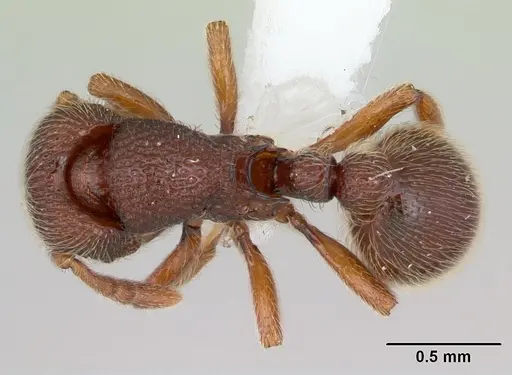
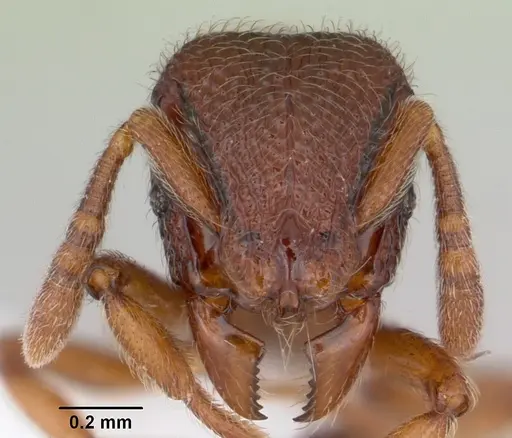
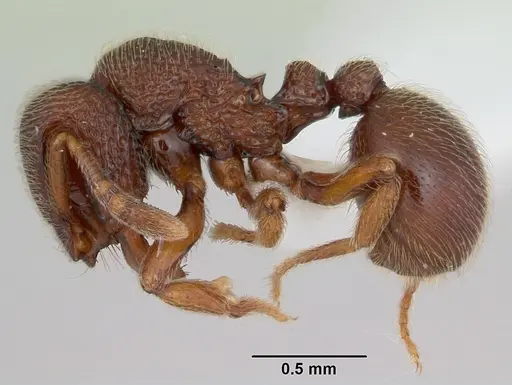
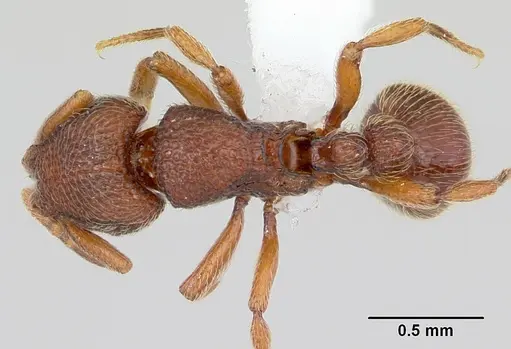
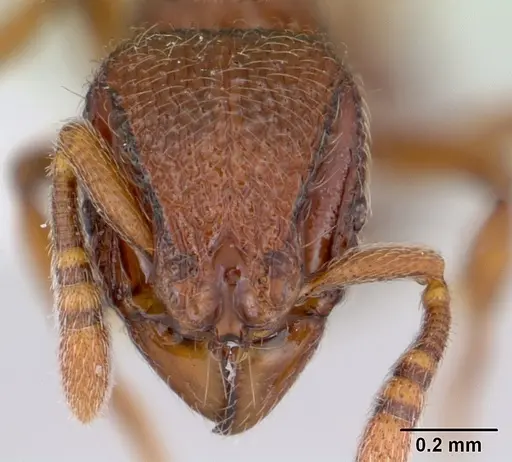
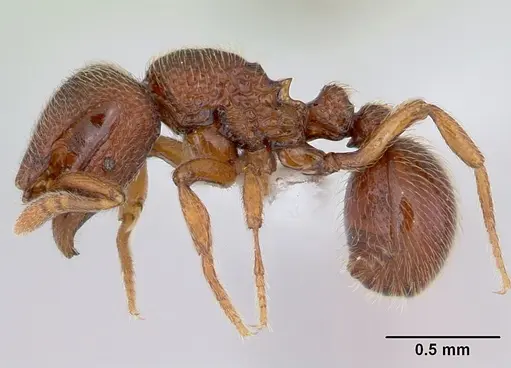
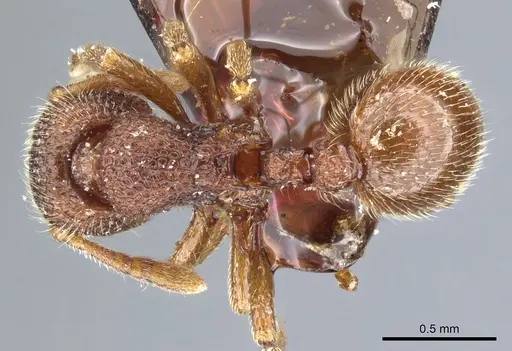
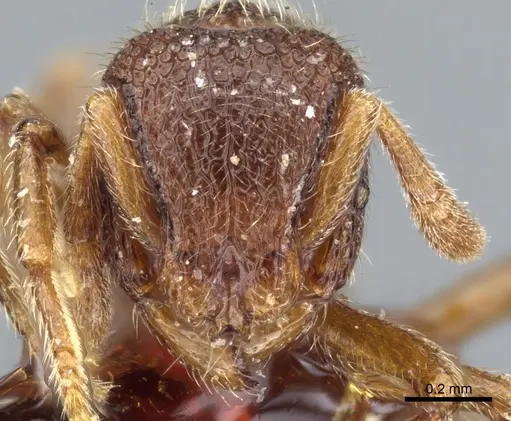
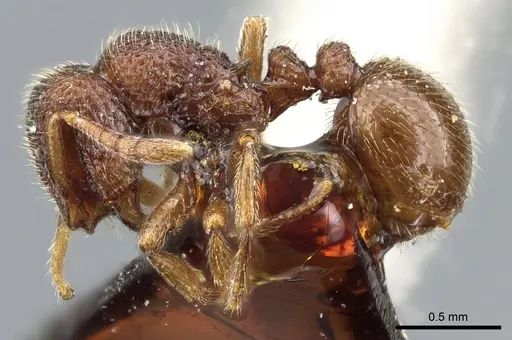
Dicroaspis cryptocera workers are very small ants based on genus characteristics. The genus name 'Dicroaspis' refers to their double shield-like appearance on the mesosoma. They are typical Myrmicinae in general morphology but are distinguished by their small size and cryptic habits. Coloration is not documented in available literature. Queens would be larger but specific measurements are unavailable. The tiny size of these ants is their most distinctive feature and creates significant challenges for captive care, particularly regarding escape prevention.
Housing and Nesting
Due to their tiny size and likely arboreal habits, Dicroaspis cryptocera requires carefully designed housing. Test tubes can work for founding colonies but must have excellent escape prevention, these ants can squeeze through gaps that seem impossible. Cork-based nests or small nests with tight chambers work well. The nest should maintain high humidity without becoming waterlogged. Provide a small outworld for foraging. Given their likely secretive nature, include dark retreats and small hiding spaces. Use fine mesh on all ventilation and access points.
Feeding and Diet
The specific diet of Dicroaspis cryptocera is unknown. Based on genus patterns and related Myrmicinae, they likely feed on small arthropods, honeydew from aphids or scale insects, and may tend aphids for honeydew. In captivity, offer tiny prey items such as springtails, fruit flies, or other small insects. Sugar water or honey water may be accepted but is not guaranteed. Feed small amounts frequently rather than large prey items that may go uneaten.
Temperature and Humidity
As a tropical Central African species, Dicroaspis cryptocera likely requires warm, humid conditions. Avoid temperature drops below room temperature. A small heat gradient allows the ants to regulate their temperature. Use a water reservoir in the nest to maintain humidity, but ensure proper ventilation to prevent mold. Monitor condensation levels, some condensation is beneficial but excessive moisture is problematic.
Colony Development
No specific data exists on the development timeline of Dicroaspis cryptocera. Queen behavior during founding, egg-to-worker development time, and colony growth rate are all unknown. Based on typical Myrmicinae patterns, claustral founding is probable but unconfirmed. First workers will likely be smaller than mature workers. Colony growth is expected to be slow given their likely small colony size in the wild. Patience is essential, do not disturb the founding chamber unnecessarily.
Frequently Asked Questions
How long does it take for Dicroaspis cryptocera to produce first workers?
The egg-to-worker timeline is unknown, no development data exists for this species.
What do Dicroaspis cryptocera ants eat?
Specific diet is unknown. Based on genus patterns, they likely accept tiny live prey and may drink honeydew or sugar water. Offer small prey items and observe acceptance.
What temperature should I keep Dicroaspis cryptocera at?
No specific data exists. Based on their Central African rainforest origin, keep warm and avoid temperatures below room temperature.
Are Dicroaspis cryptocera good for beginners?
This species is not recommended for beginners due to the complete lack of species-specific care information. Their tiny size also creates significant challenges for housing and escape prevention.
How big do Dicroaspis cryptocera colonies get?
Colony size is unknown but likely small based on genus patterns for cryptic, arboreal Myrmicinae.
Do Dicroaspis cryptocera ants sting?
This species belongs to the Myrmicinae subfamily which has a modified stinger used to smear venom rather than pierce. Given their very small size, any effect would likely be negligible to humans.
Can I keep multiple Dicroaspis cryptocera queens together?
Colony structure is unconfirmed. Combining unrelated queens is not recommended since this has not been documented and could result in aggression.
What type of nest should I use for Dicroaspis cryptocera?
Cork-based nests or small formicaria with tight chambers work well. The key is excellent escape prevention due to their very small size. Fine mesh on all openings is essential.
Do Dicroaspis cryptocera need hibernation?
Diapause requirements are unknown. As a tropical species, they likely do not require formal hibernation but may have reduced activity during cooler or drier seasons.
Why is my Dicroaspis cryptocera colony dying?
Without species-specific information, diagnosing problems is difficult. Check humidity, temperature, and escape prevention. Wild-caught colonies may have high stress mortality due to unknown requirements.
Report an Issue
The current care sheet is based fully on literature. See inconsistencies, or something that's incorrect? Please , it will be resolved after review from an admin. Contributing to the blogs tab also helps providing information, to make us be able to further improve the caresheets. Thank you for your support!
References

This caresheet is licensed under CC BY-SA 4.0 .
Community Blogs
Literature
Loading distribution map...Loading products...