
Bornean Queenless Ant
Diacamma rugosum
- Sci. Name
- Diacamma rugosum
- Tribe
- Ponerini
- Subfamily
- Ponerinae
- Author
- Le Guillou, 1842
- Common Name
- Bornean Queenless Ant
- Distribution
- Found in 13 countries
Introduction
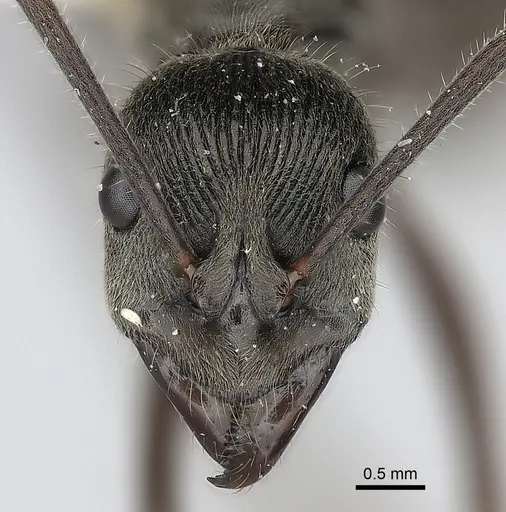
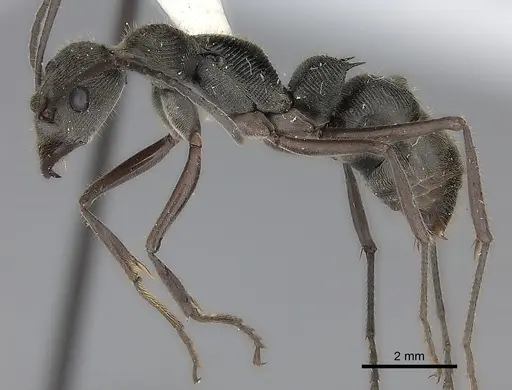
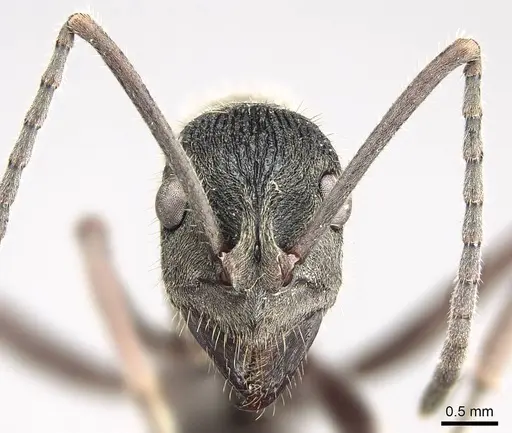
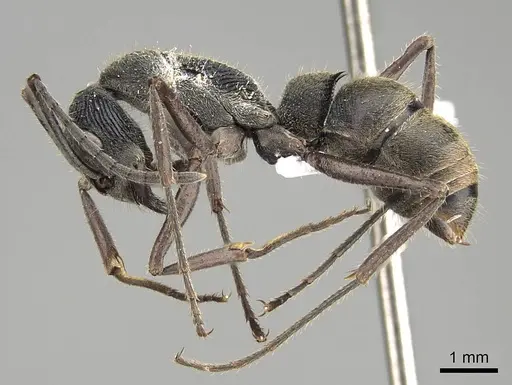
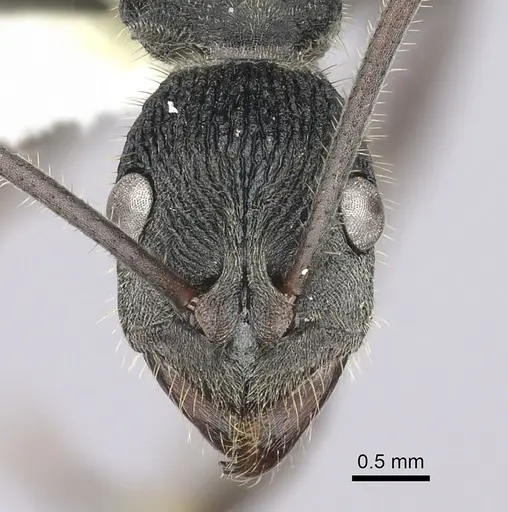
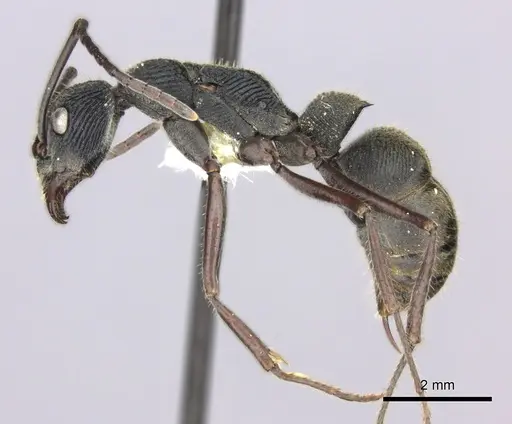
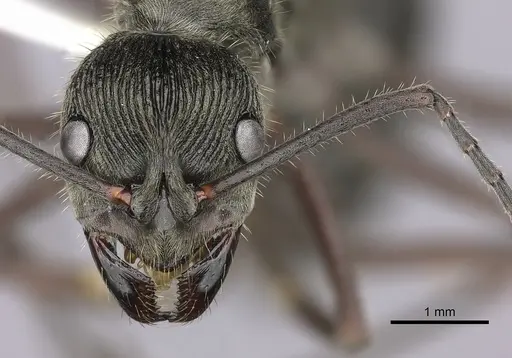
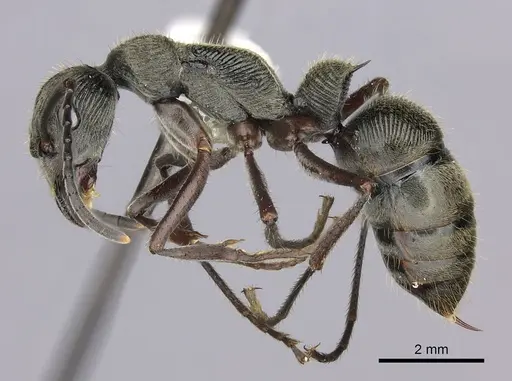
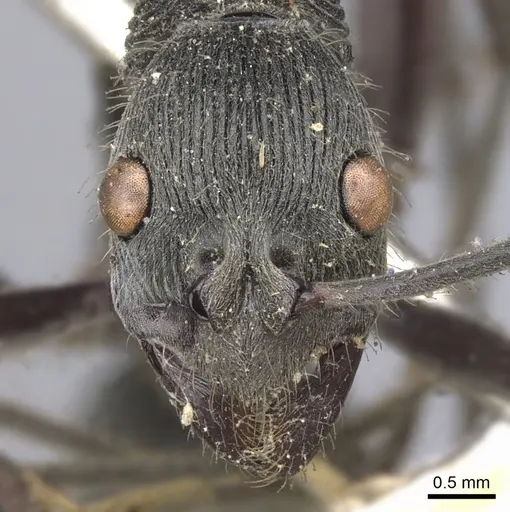
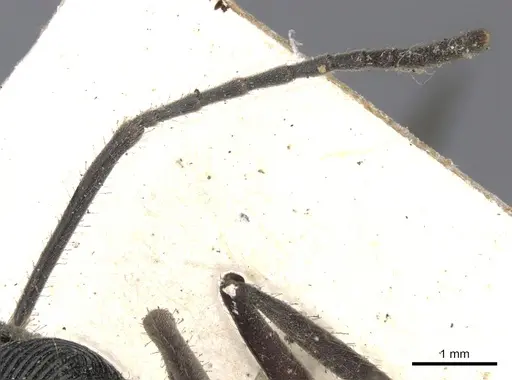
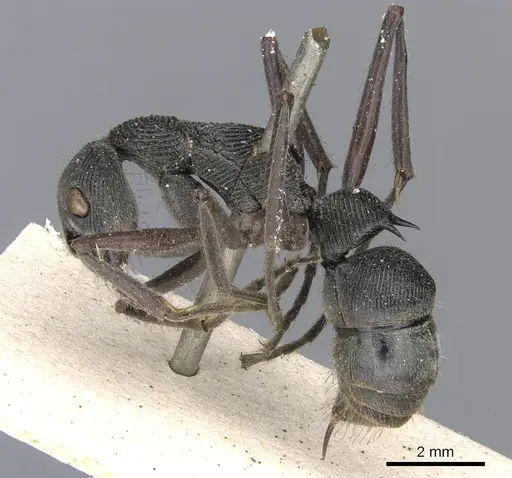
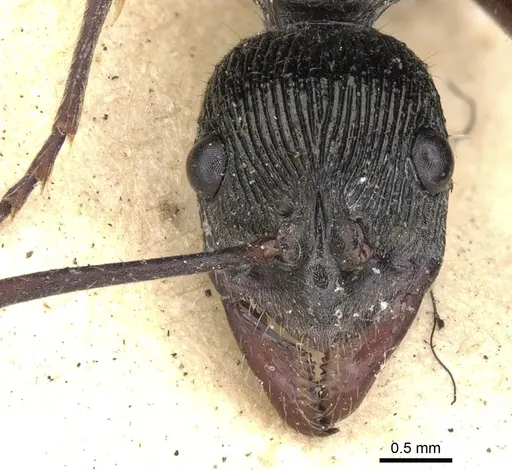
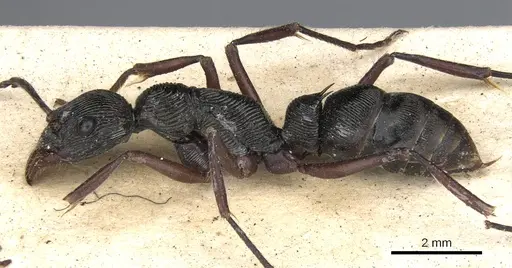
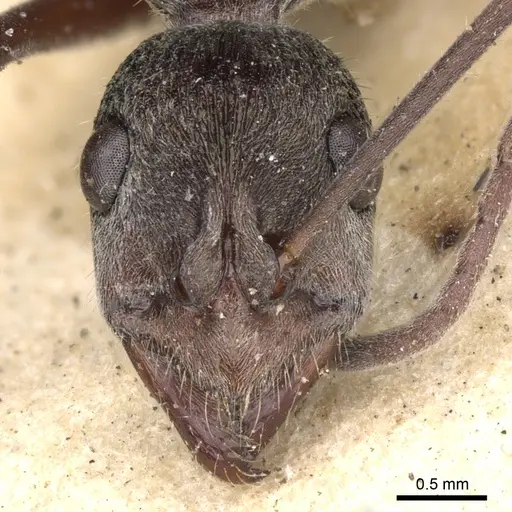
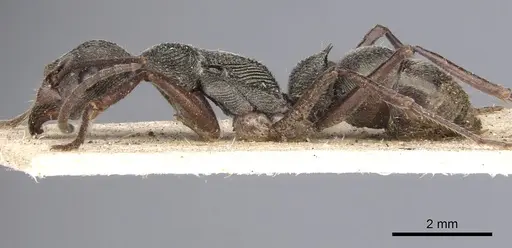
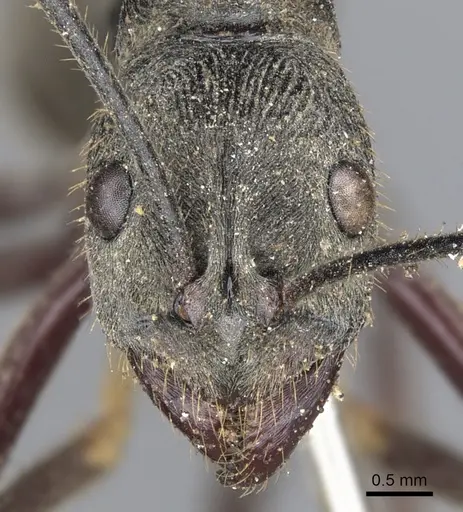
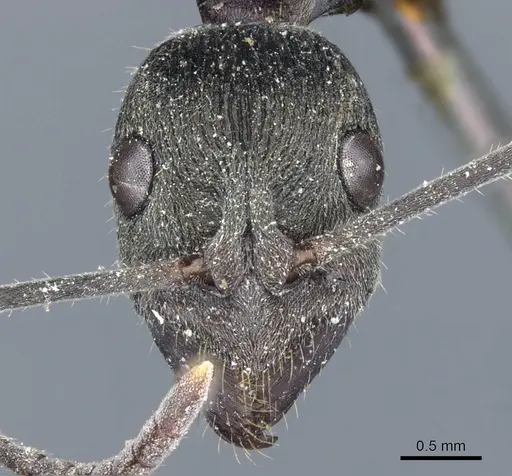
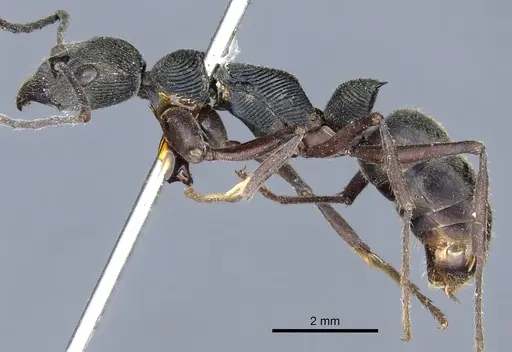
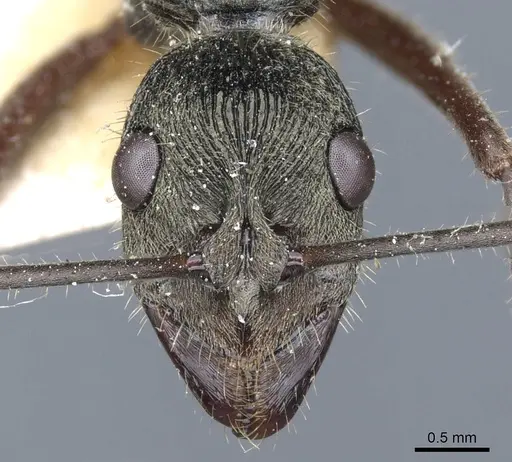
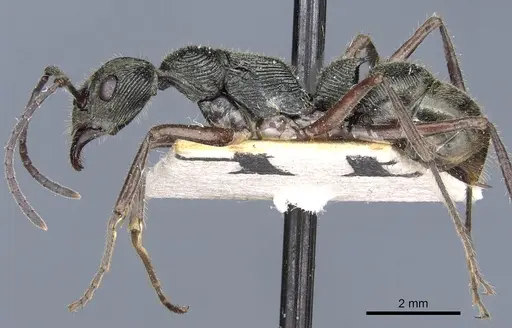
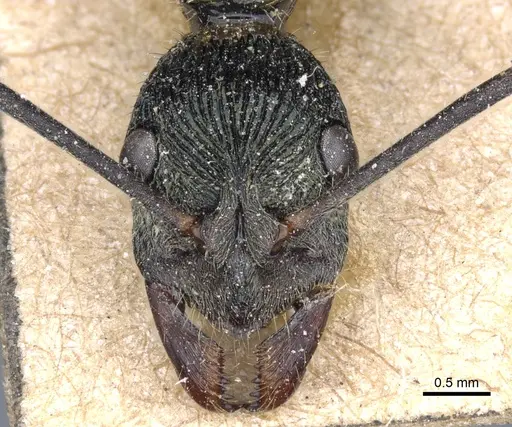
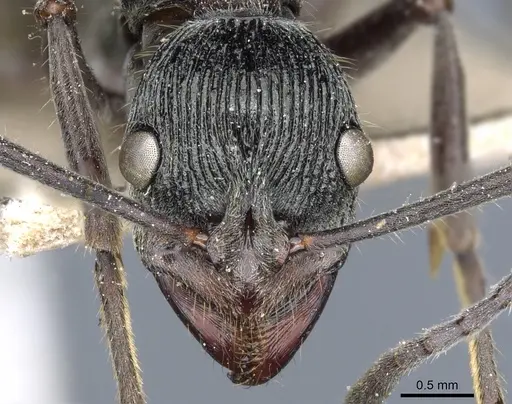
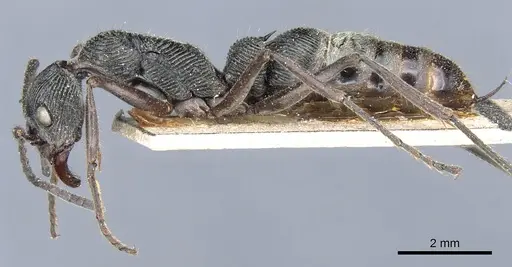
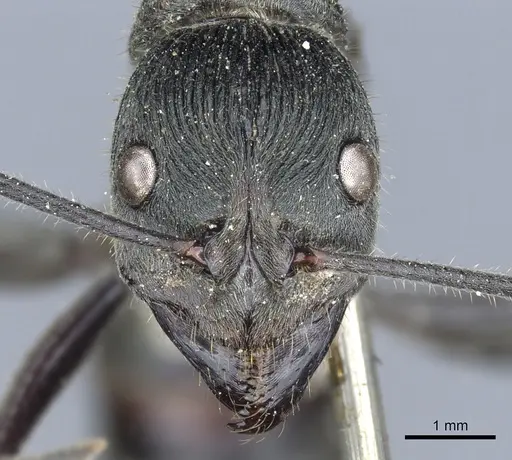
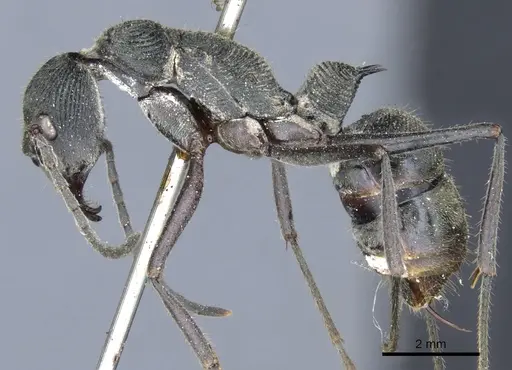
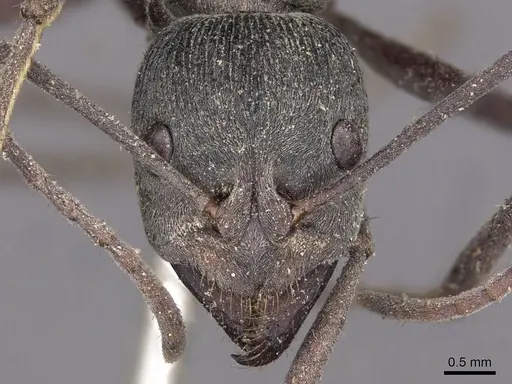
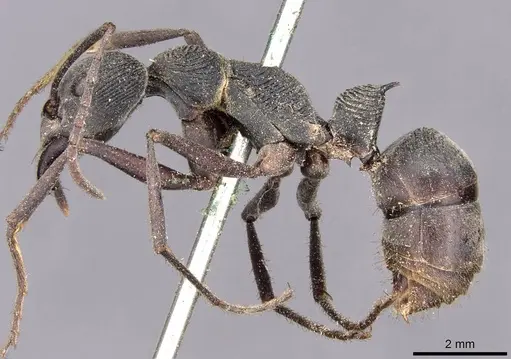
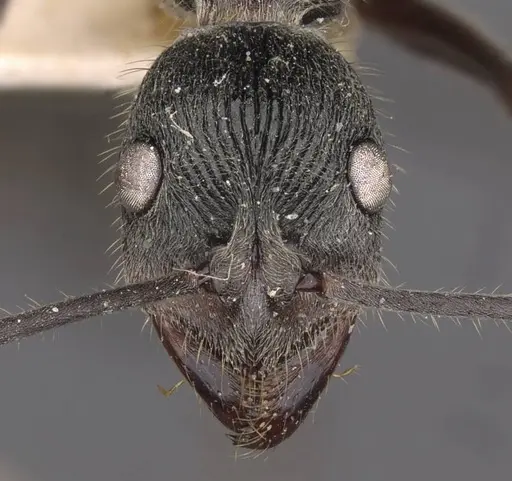
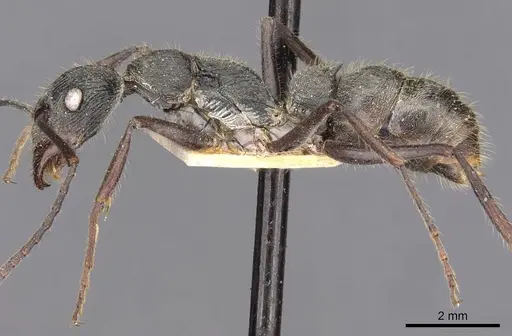
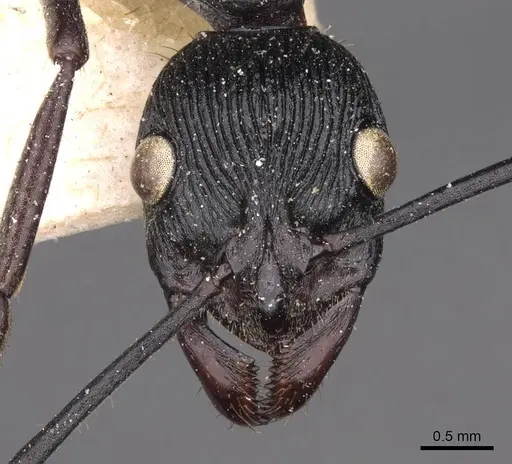
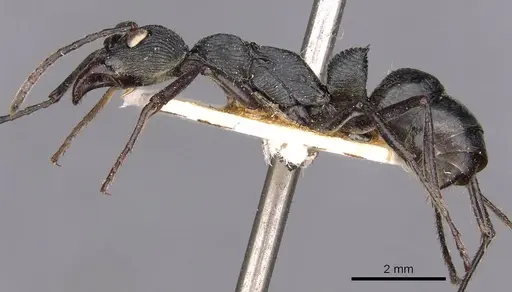
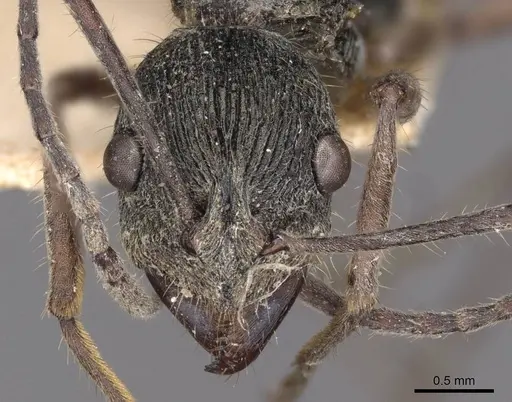
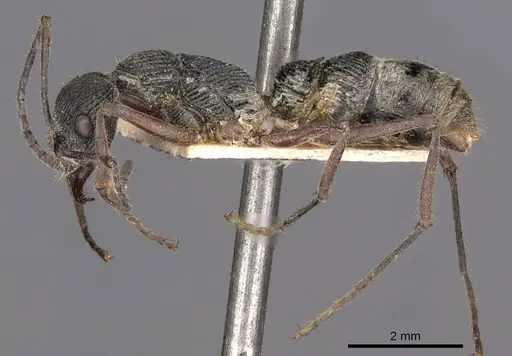
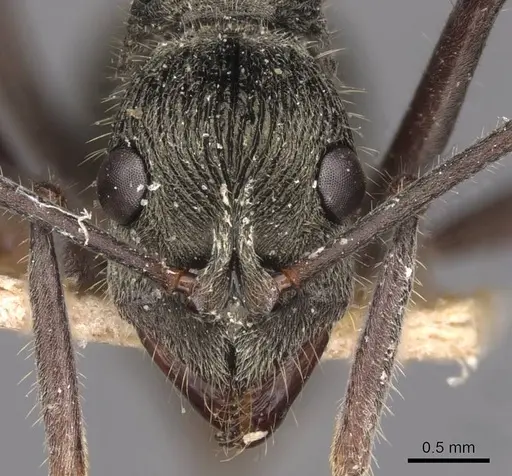
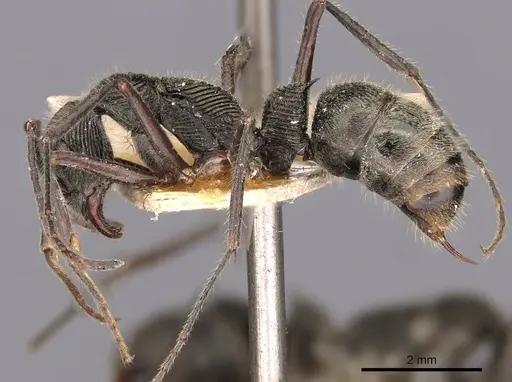
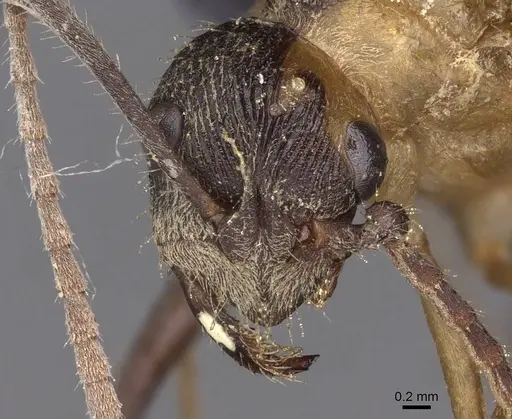
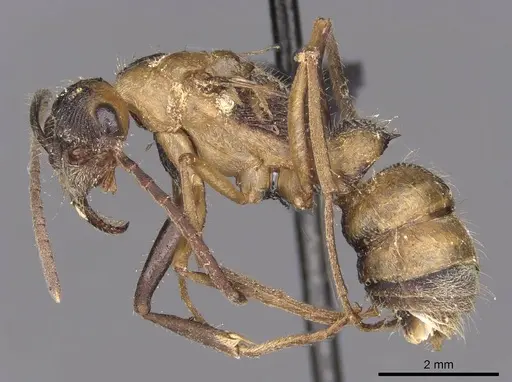
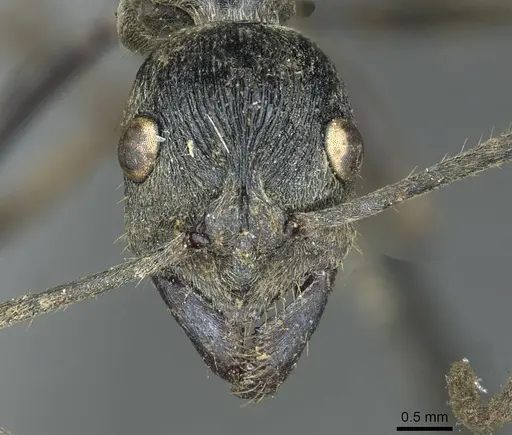
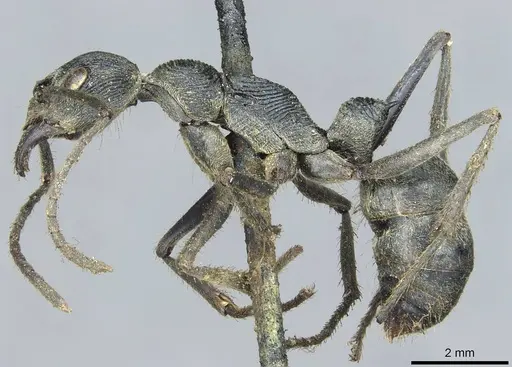
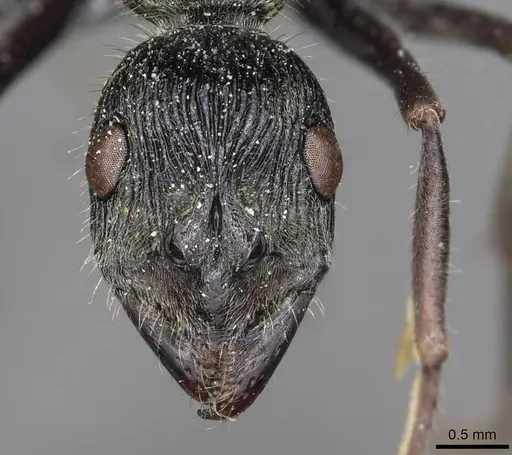
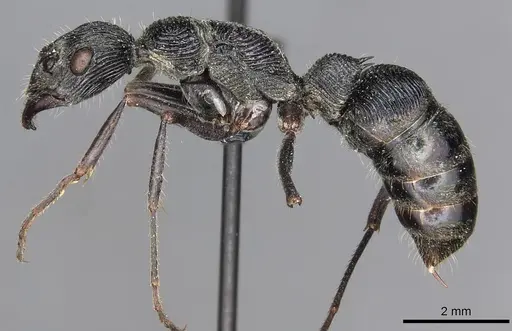
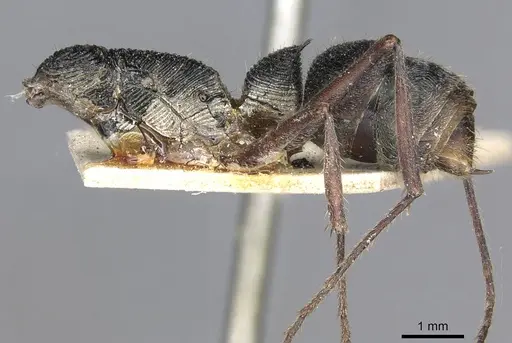
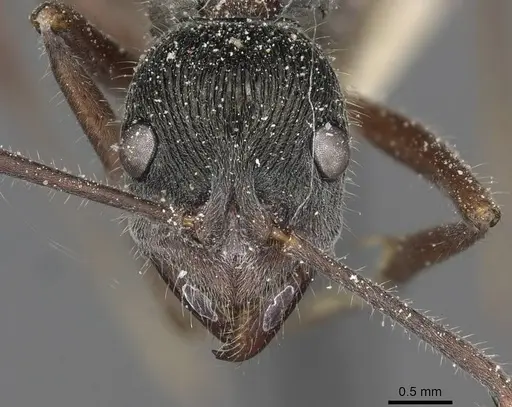
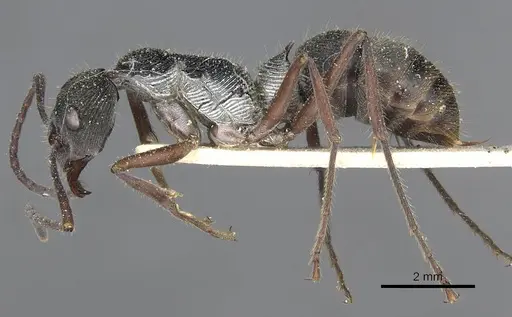
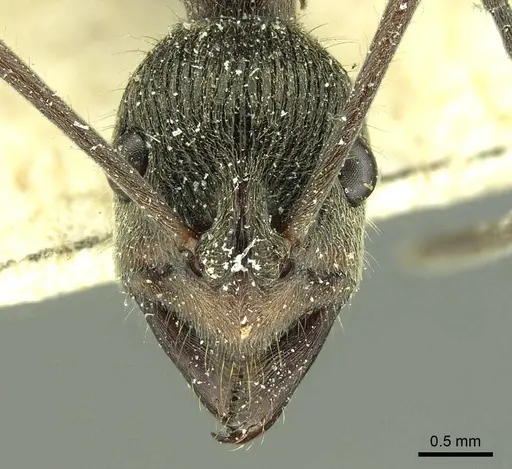
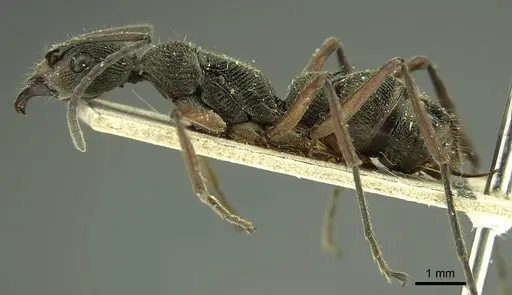
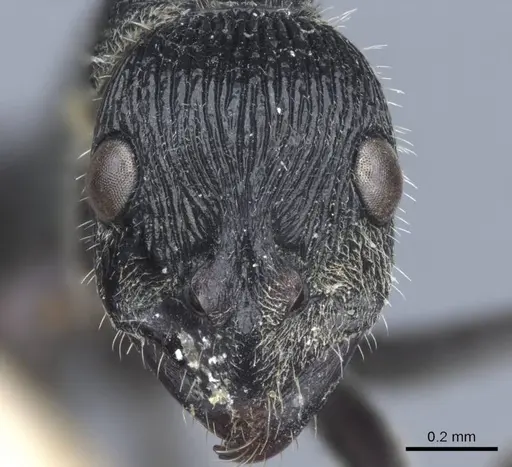
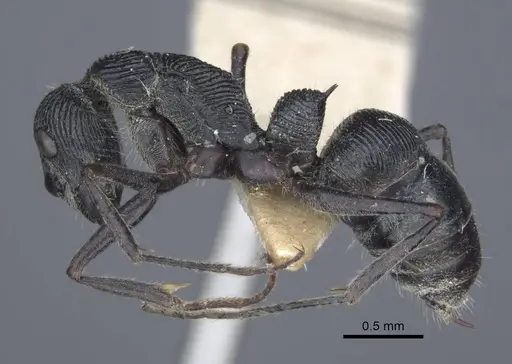
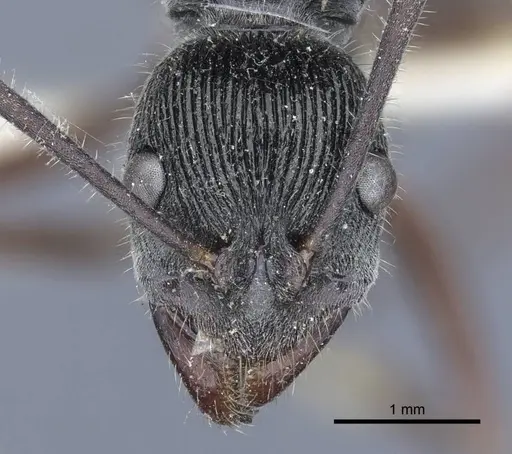
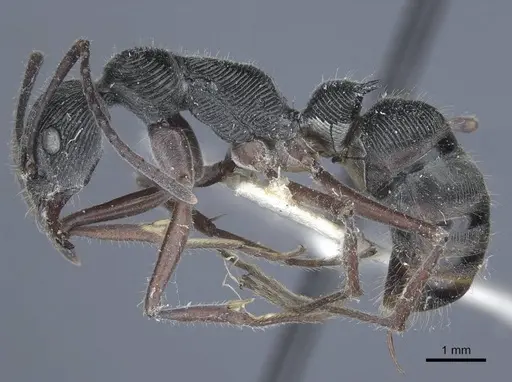
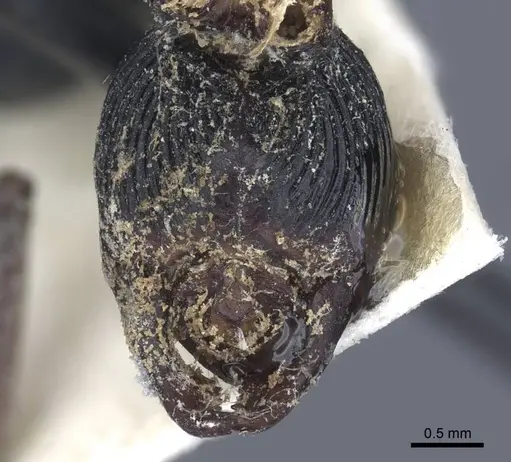
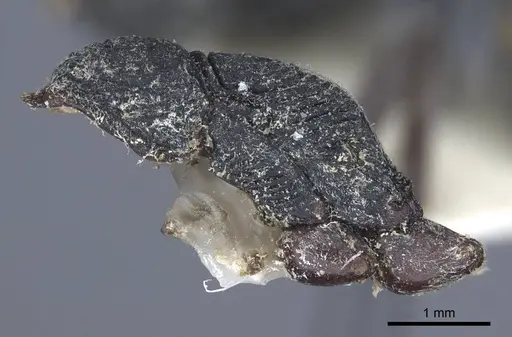
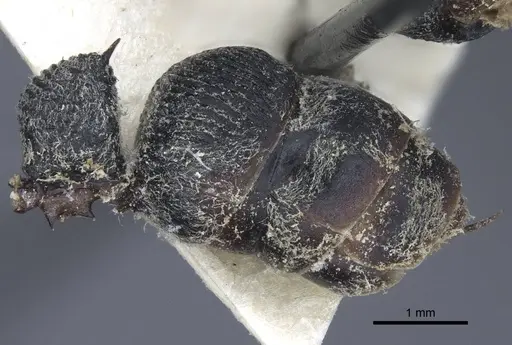
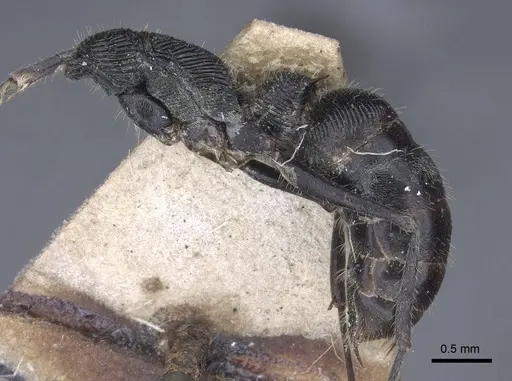
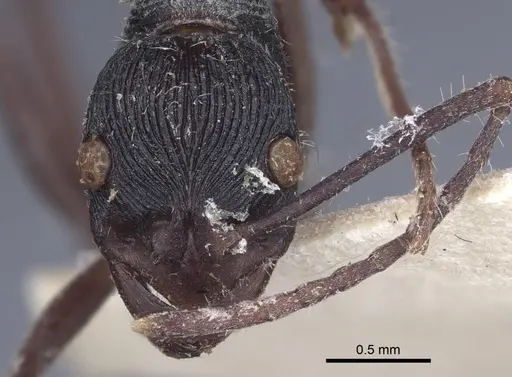
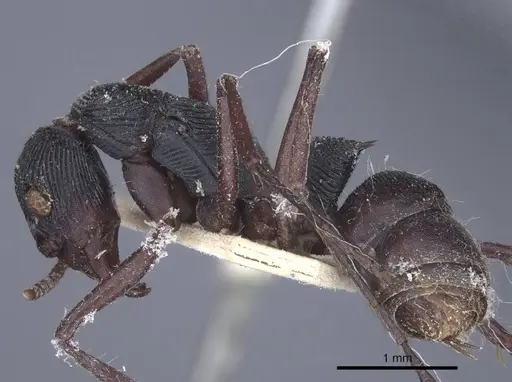
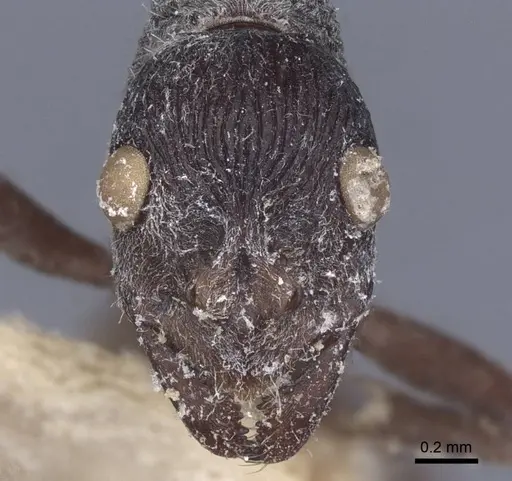
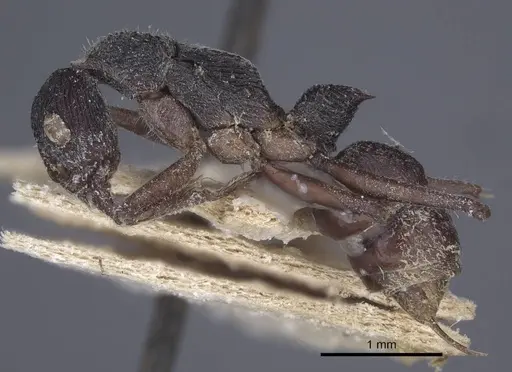
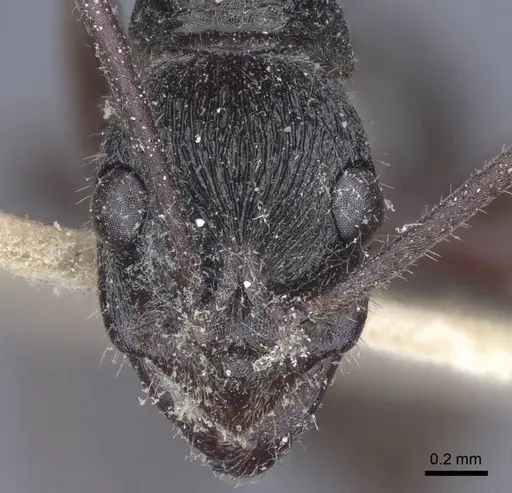
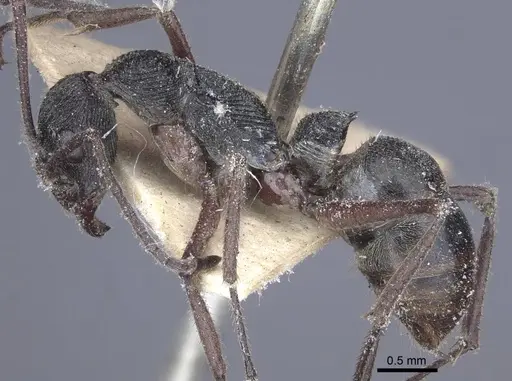
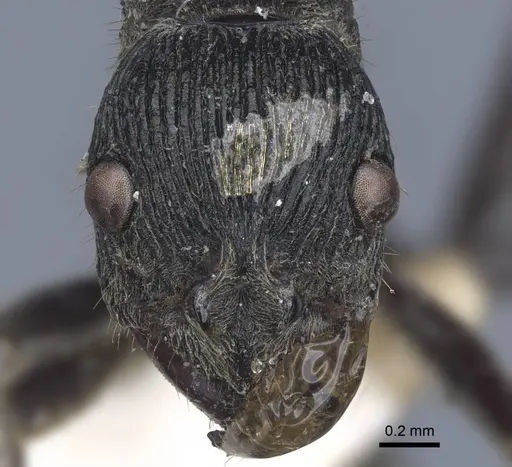
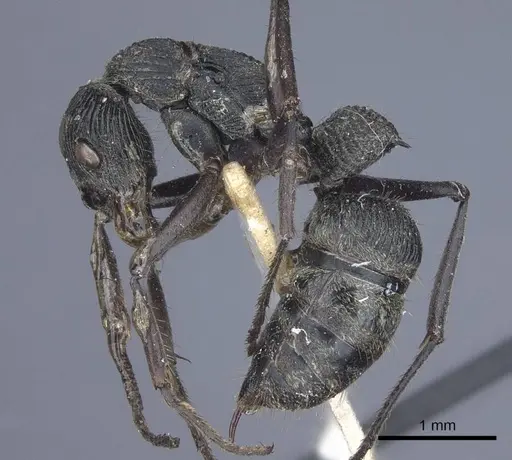
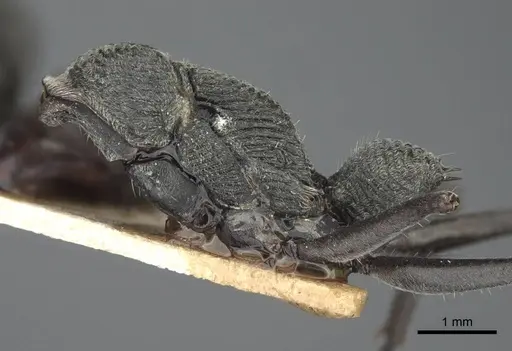
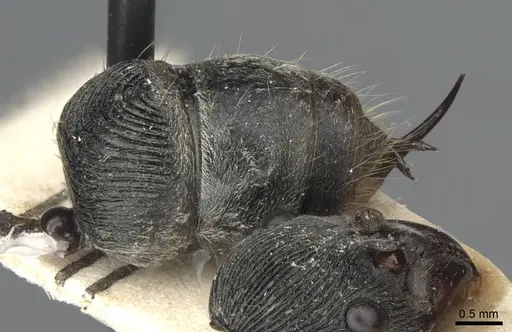
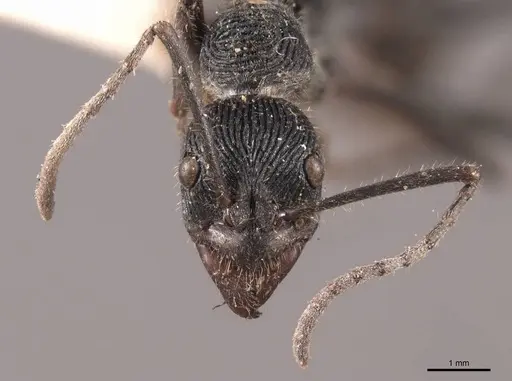
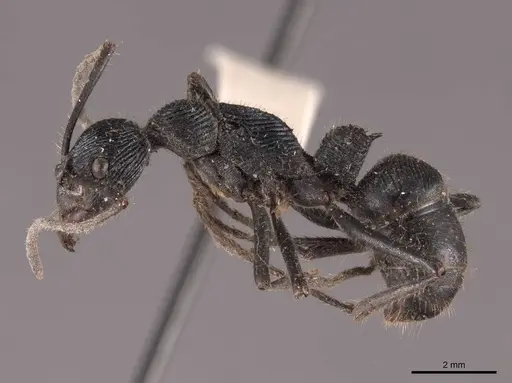
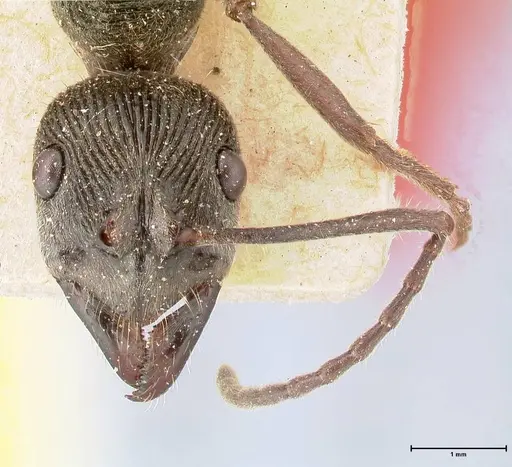
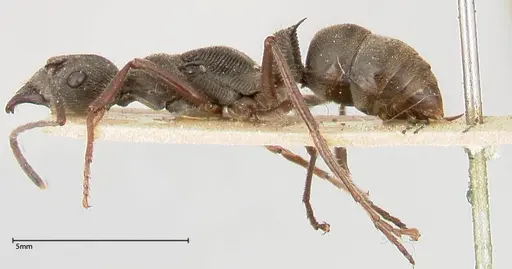
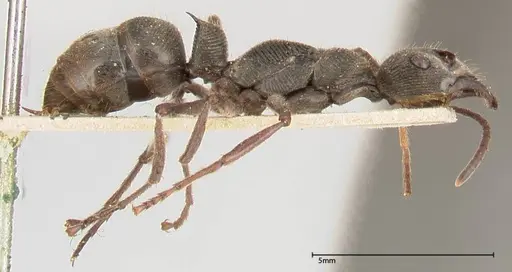
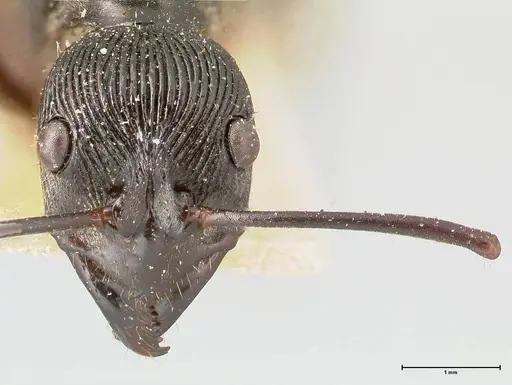
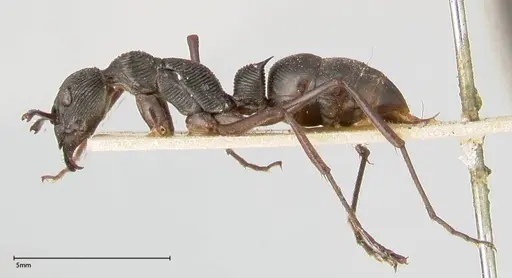
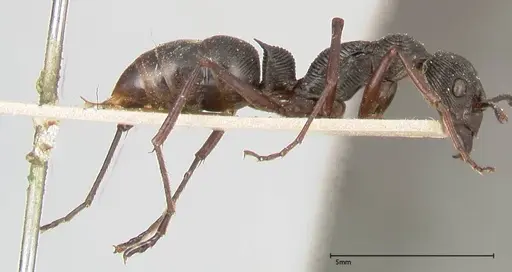
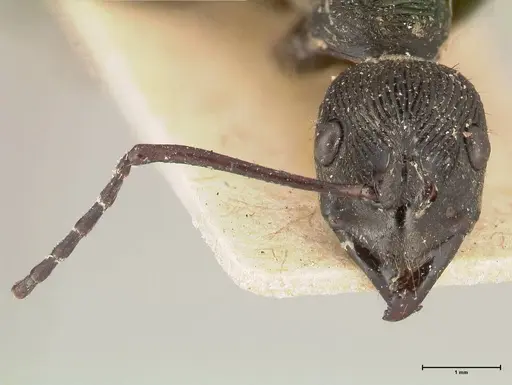
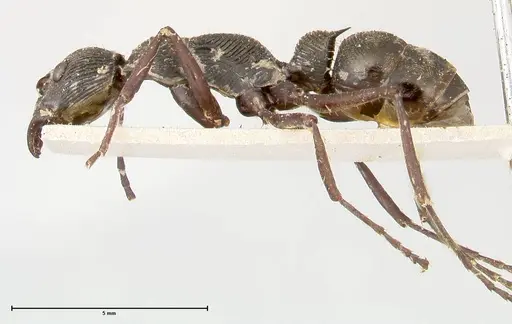
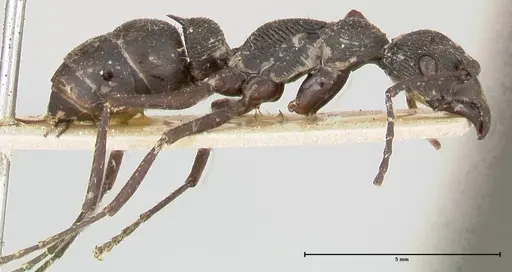
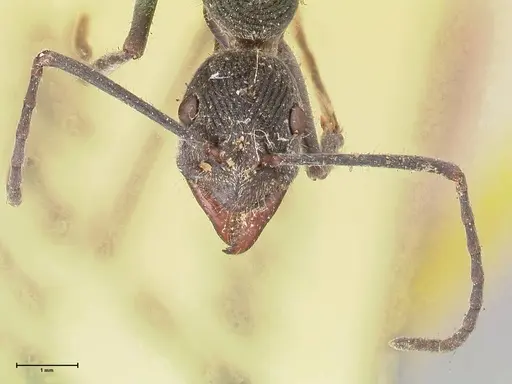
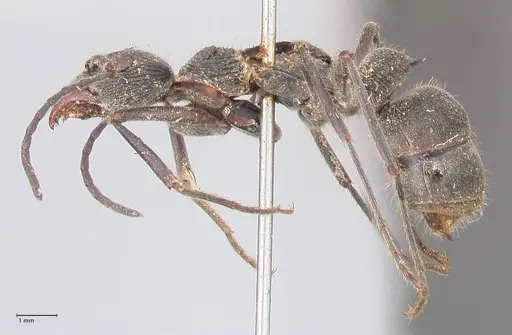
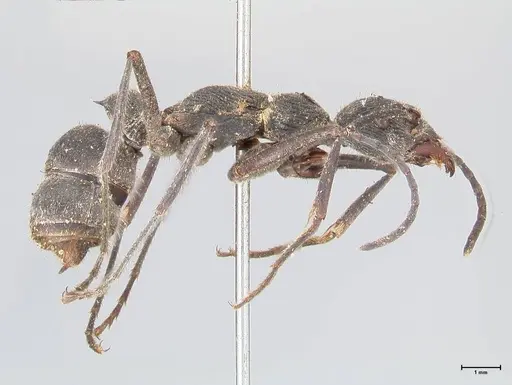
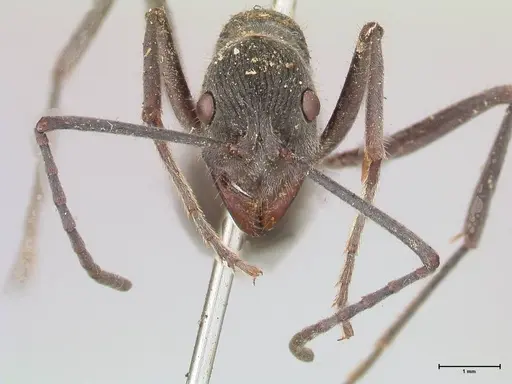
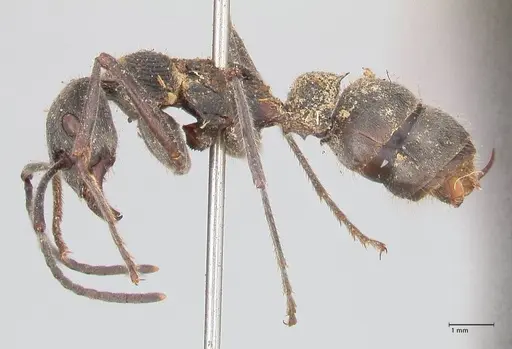
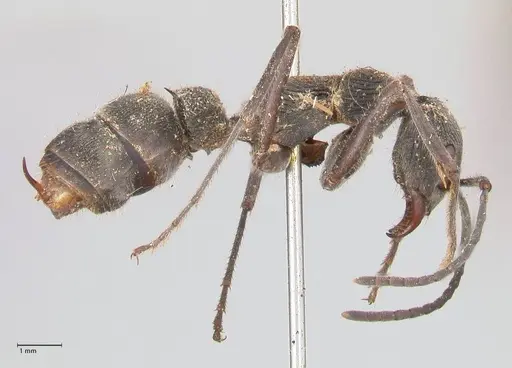
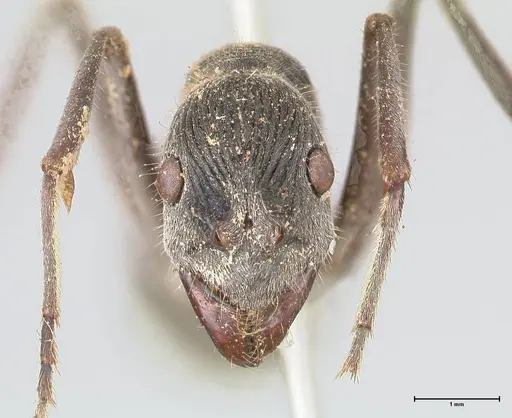
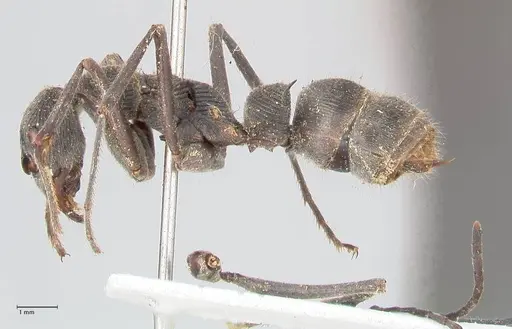
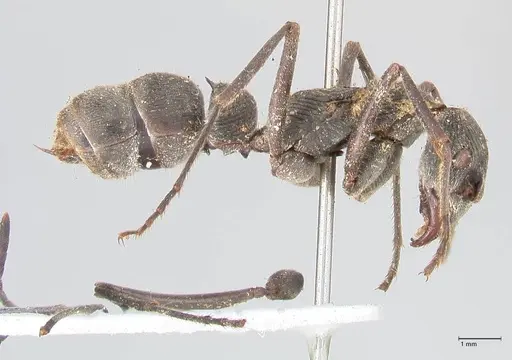
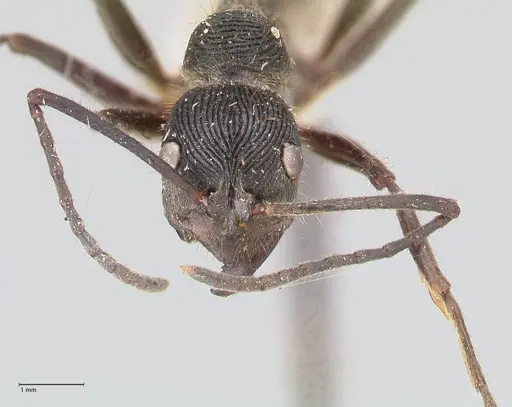
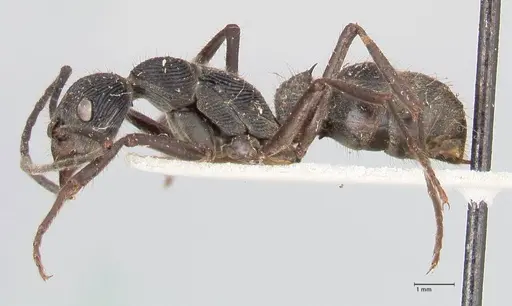
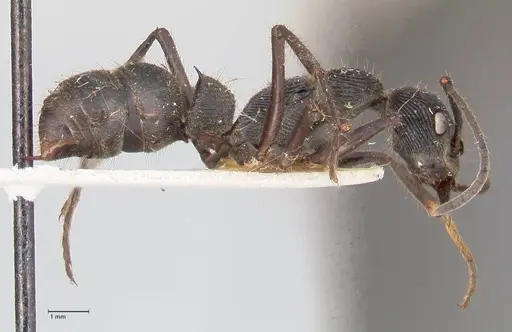
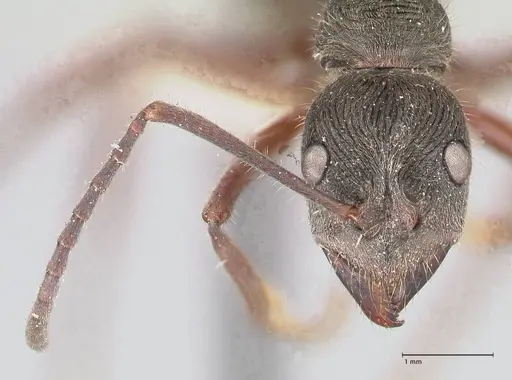
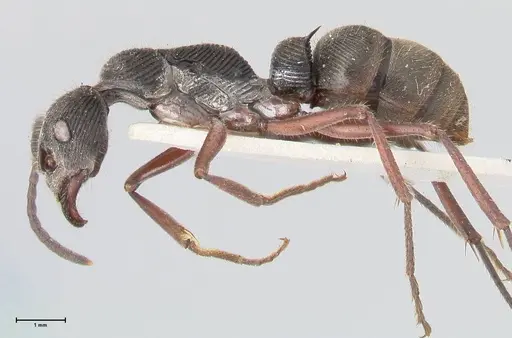
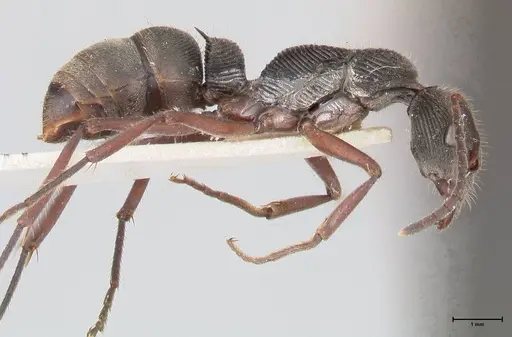
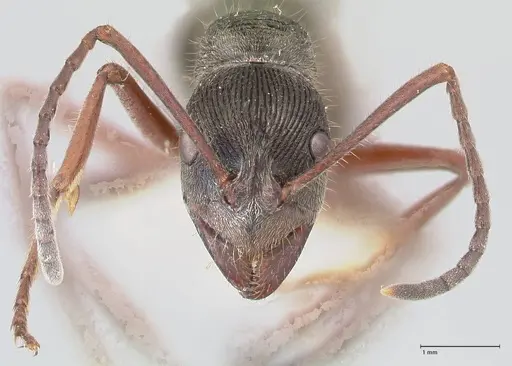
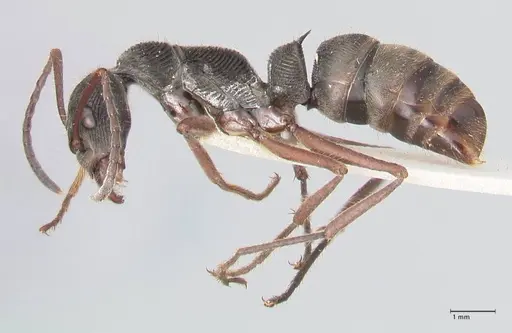
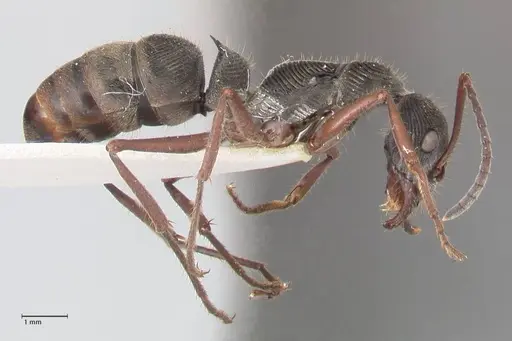
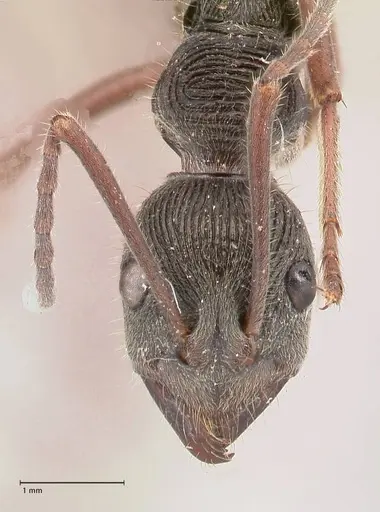
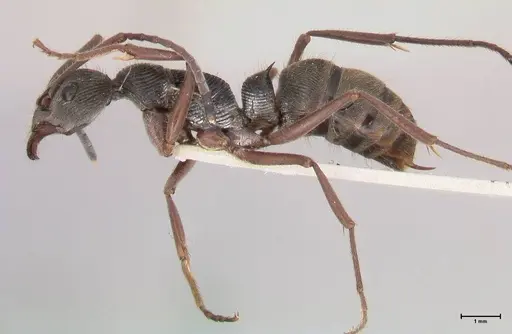
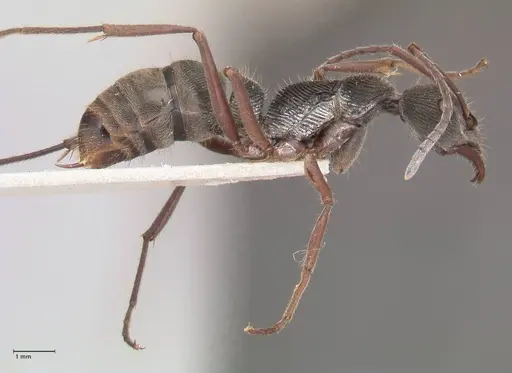
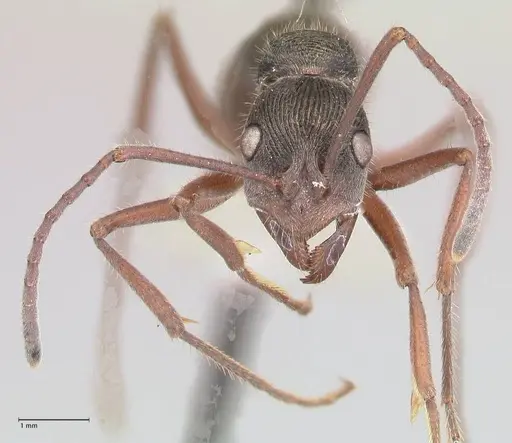
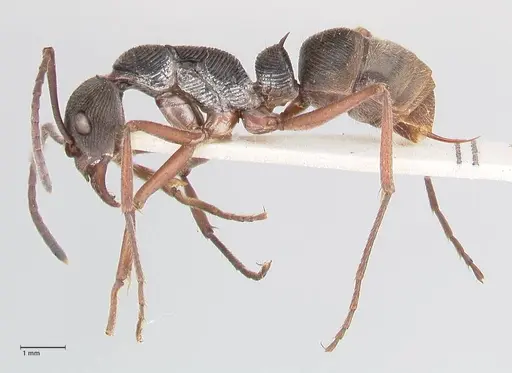
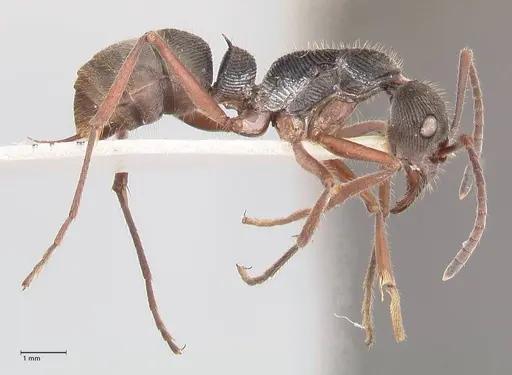
Diacamma rugosum is a medium-large ponerine ant native to South and Southeast Asia, ranging from India through Indonesia to Papua New Guinea. Workers measure 8-13mm and are black with reddish-brown mandibles, antennae, and legs. This species is famous for being queenless - instead of a true queen, a single worker (called a gamergate) takes over reproduction for the colony. The colony prevents other workers from reproducing by mutilating their gemmae, small sensory structures on the thorax. Colonies are polydomous, meaning they maintain multiple connected nest sites rather than a single nest. This is one of the few ant species where workers mate within the nest rather than during nuptial flights .
Quick Summary
- Difficulty: Medium
- Origin & Habitat: South and Southeast Asia, found in India, Sri Lanka, Myanmar, Thailand, Malaysia, Indonesia, Philippines, Vietnam, China, and Papua New Guinea. Nests in soil under stones and debris in forest edges, grasslands, and disturbed areas [4][5][6][7][8].
- Colony Type: Queenless, no distinct queen caste, reproduction by gamergates (reproductive workers).
- Queen Status: Queenless Colony
- Special: Gamergates
- Size & Growth:
- Queen: Queenless species, reproduction by gamergate (reproductive worker) instead of a distinct queen caste.
- Worker: 8-13mm [1][9][10]
- Colony: Up to 120 workers per nest, colonies may have multiple nests [11][12][3]
- Growth: Moderate
- Development: 6-10 weeks (estimated based on related Ponerinae species) (Development timeline not directly studied for this species. Related Diacamma species suggest several months from egg to adult worker.)
- Antkeeping:
- Temperature: Keep at 24-28°C. As a tropical/subtropical species, they prefer warm conditions. A heating cable on one side of the nest creates a suitable gradient.
- Humidity: Keep substrate moderately moist. They nest in soil and under stones in natural habitats, so provide damp but not waterlogged conditions. Mist occasionally and ensure water is available [4][5].
- Diapause: No, tropical species does not require hibernation. Keep temperatures consistent year-round.
- Nesting: Use a naturalistic setup with soil or a Y-tong/plaster nest. They prefer nesting in soil with multiple chambers connected to the outworld. Provide a deep substrate (at least 5-10cm) to allow for natural tunneling behavior. Outworld should include substrate for foraging [3][13].
- Behavior: Active day and night, these ants are solitary foragers that hunt small invertebrates including termites. They use tandem running to recruit nestmates during colony relocation. They have a functional stinger with pain rating 2. Workers are moderately aggressive when defending the nest. Escape prevention is important as they are medium-sized ants that can climb smooth surfaces [11][14][15][16].
- Common Issues: queenless colonies can be harder to establish than queen-founded colonies, you need to start with an established colony, mutilation behavior may seem alarming but is normal, dominant workers bite off others' gemmae to prevent competition, polydomous nesting means they need more space than single-nest species, provide connected areas for multiple nest sites, slow colony growth compared to many common ant species can frustrate beginners, they are predators, need a constant supply of small live prey like fruit flies or small crickets
The Queenless System
Diacamma rugosum is one of the most fascinating ants for antkeepers because it lacks a true queen. Instead, a single worker with intact gemmae (small sensory structures on the thorax) becomes the reproductive gamergate and lays all the eggs for the colony. This is called a gamergate system. The colony regulates reproduction through mutilation, the dominant worker bites off the gemmae of other workers, which prevents them from being able to reproduce. Only one worker per colony retains her gemmae and monopolizes egg-laying. This system is unique among ants and makes D. rugosum particularly interesting to observe. When keeping this species, you won't find a queen, look for a larger, dominant worker with visible gemmae as the colony's reproducer [2][18][19].
Housing and Nesting
These ants need a naturalistic setup with soil or a deep plaster/Y-tong nest. In the wild, they build simple terrestrial nests under stones, debris, and at the base of trees. Each nest is a blind-ended tunnel 10-25cm deep containing brood. Colonies are polydomous, meaning they maintain multiple connected nests separated by a few meters. For captivity, provide a deep substrate (at least 5-10cm) with multiple chambers connected to the outworld. They also nest in rotting wood and under stones in forest edges. A naturalistic setup with a soil area for nesting and a foraging area works best. Ensure the nest area stays moderately humid while the foraging area remains drier [3][13][4][5].
Feeding and Diet
Diacamma rugosum is a predatory ant that hunts small invertebrates. Workers forage singly and capture prey including termites, other small insects, and various soil invertebrates. They are considered large-bodied specialist predators. In captivity, offer small live prey such as fruit flies, small crickets, mealworms, and other small insects. They are not attracted to honey baits and show little interest in sugar sources. Feed them protein-rich prey 2-3 times per week. Since they are solitary foragers, place prey in the foraging area where workers will find it. A constant supply of small live prey is essential for colony health [11][14][20][21].
Temperature and Heating
As a tropical to subtropical species from South and Southeast Asia, Diacamma rugosum prefers warm conditions. Keep the nest area at 24-28°C. You can use a heating cable or heating mat on one side of the nest to create a temperature gradient. Room temperature may be sufficient in warmer climates, but supplemental heating is recommended for optimal colony activity and brood development. They are equally active day and night, so maintaining stable temperatures around the clock is important. Avoid temperatures below 20°C for extended periods.
Colony Behavior and Social Structure
This species exhibits remarkable behaviors that make it fascinating to watch. Colonies use tandem running, where one experienced worker leads a single nestmate to a destination, for colony relocation and recruitment. Studies show 5-25% of workers become tandem leaders during relocation. Leaders even lay individual-specific chemical markings along paths to help navigate. The colony maintains multiple nest sites (polydomous) with workers moving freely between them. Workers have two size classes: smaller social workers handle foraging and nest maintenance, while larger solitary hunters specialize in hunting and preying. This division of labor is size-dependent rather than age-dependent [11][22][15][23].
Defense and Sting
Diacamma rugosum has a functional stinger with a pain rating of 2 on the Schmidt sting pain index (where 1 is mild and 4 is extreme). The venom has an LD50 of 8 mg/kg. While not among the most painful ants, they will sting if threatened. Workers are moderately aggressive when defending the nest. For antkeepers, this means using standard escape prevention, they can climb smooth surfaces but are not particularly adept at escaping like some tiny species. A barrier of fluon on the rim of the outworld is usually sufficient. Handle with care and avoid provoking defensive responses [16].
Report an Issue
The current care sheet is based fully on literature. See inconsistencies, or something that's incorrect? Please , it will be resolved after review from an admin. Contributing to the blogs tab also helps providing information, to make us be able to further improve the caresheets. Thank you for your support!
References

This caresheet is licensed under CC BY-SA 4.0 .
Community Blogs
CASENT0179003
View on AntWeb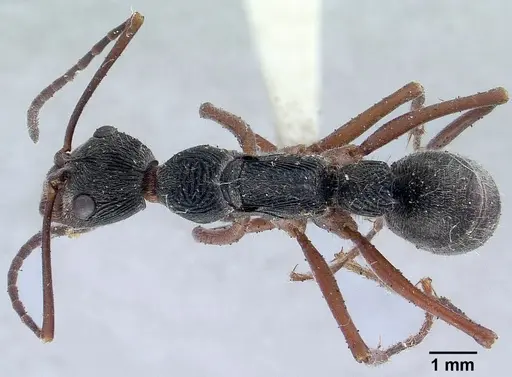
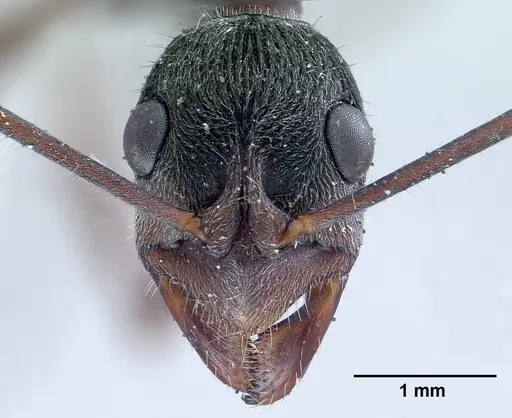
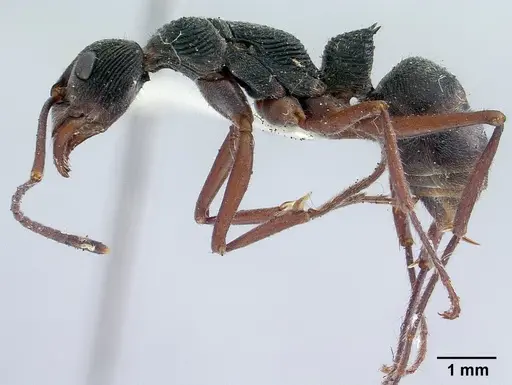
CASENT0217516
View on AntWeb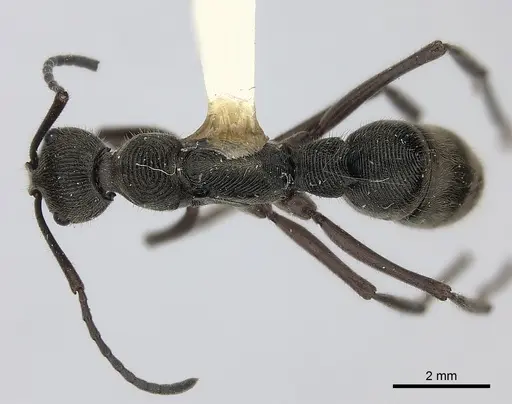
CASENT0248838
View on AntWeb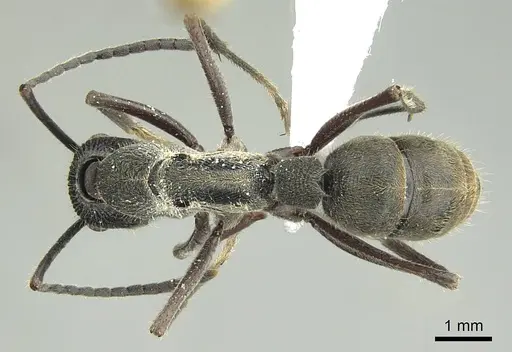
CASENT0260417
View on AntWeb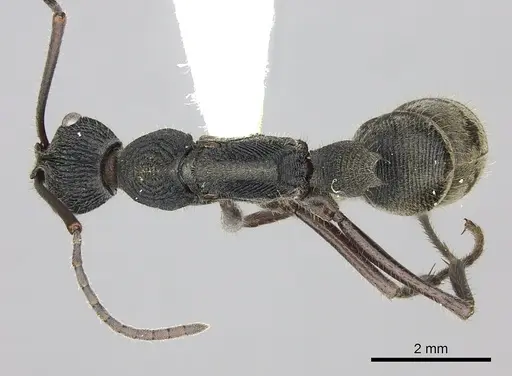
CASENT0260420
View on AntWeb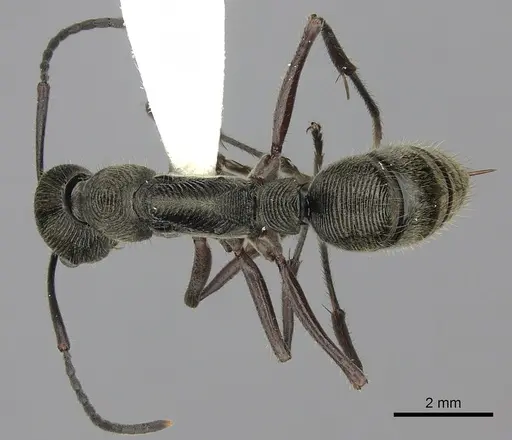
CASENT0740789
View on AntWeb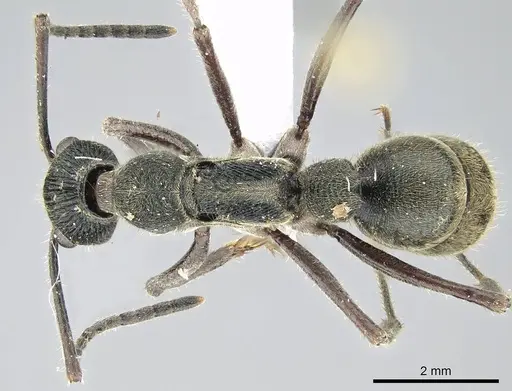
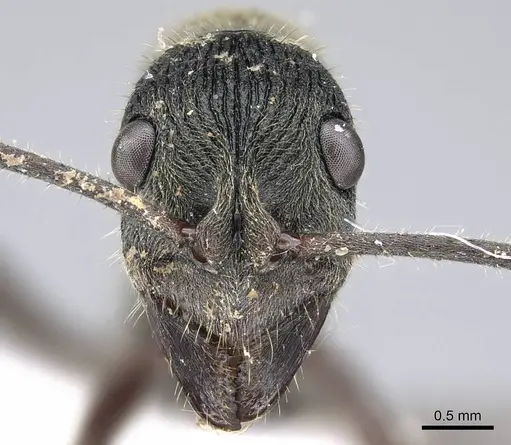
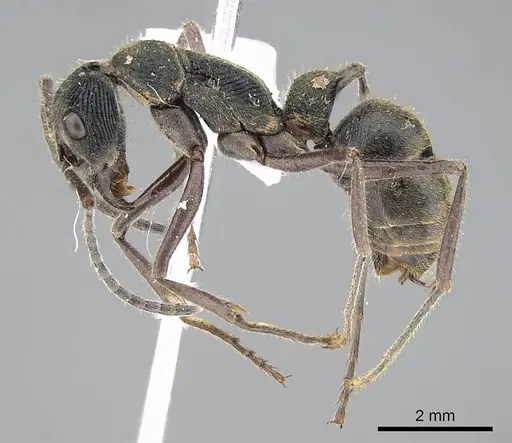
CASENT0900672
View on AntWeb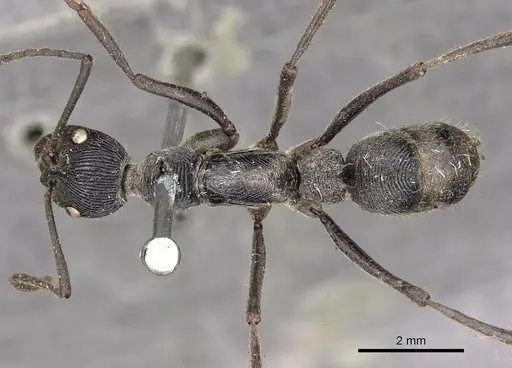
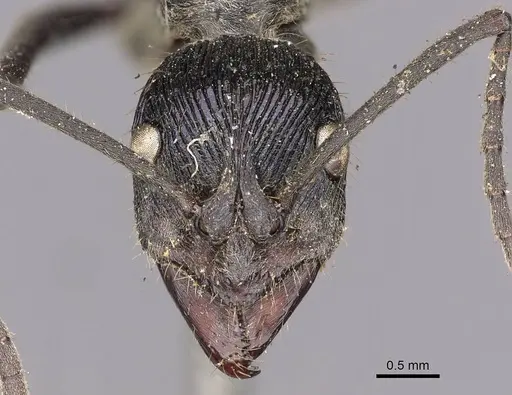
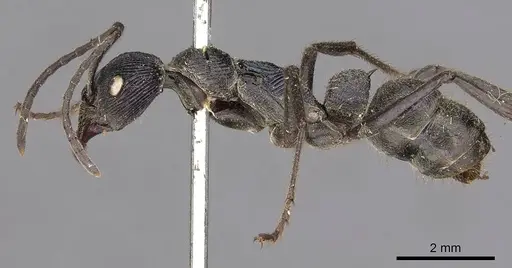
CASENT0900673
View on AntWeb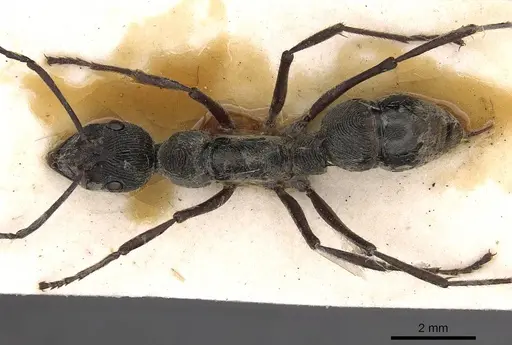
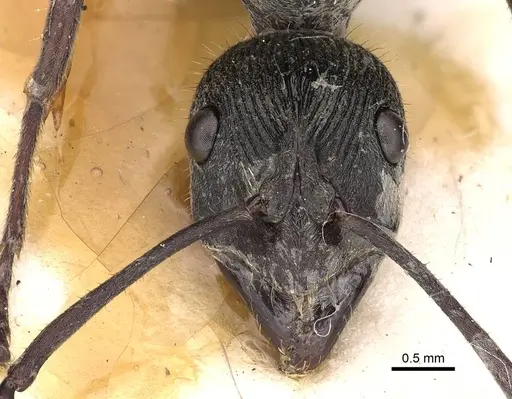
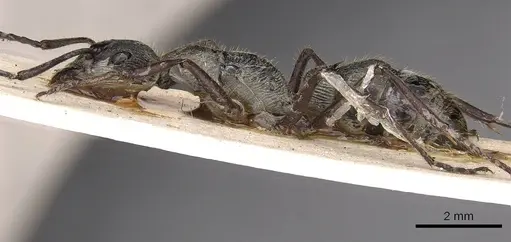
CASENT0901342
View on AntWeb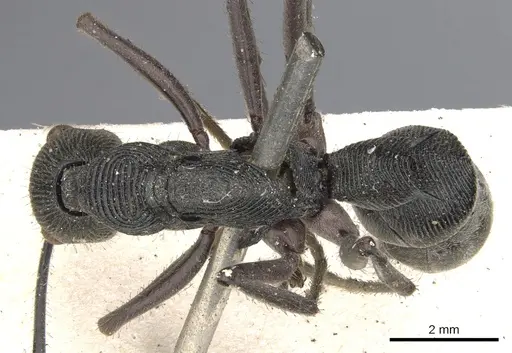
CASENT0901343
View on AntWeb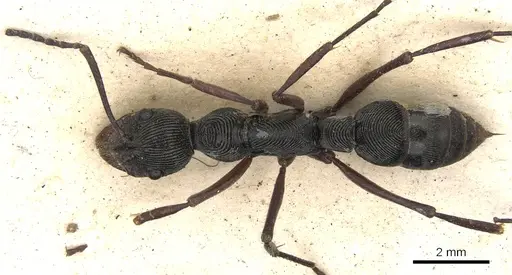
CASENT0901344
View on AntWeb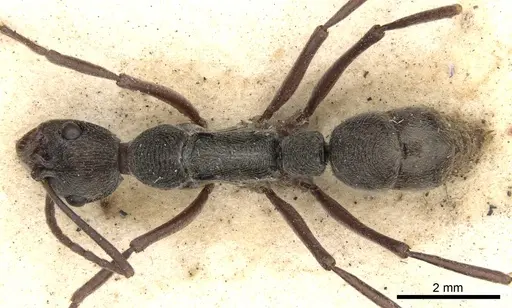
CASENT0901345
View on AntWeb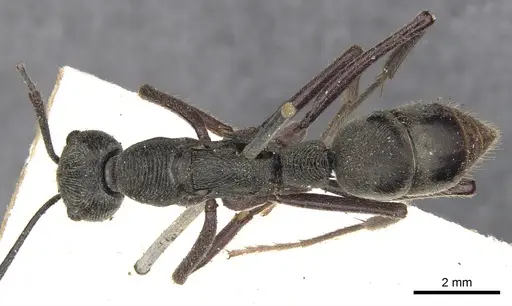
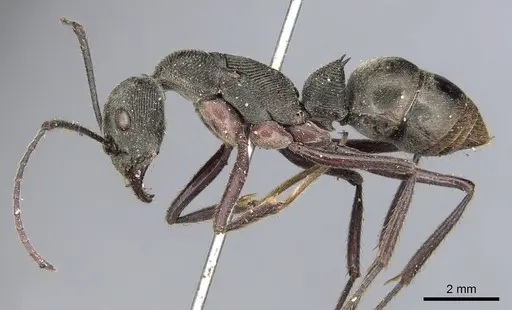
CASENT0903868
View on AntWeb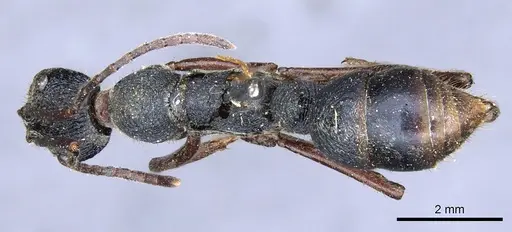
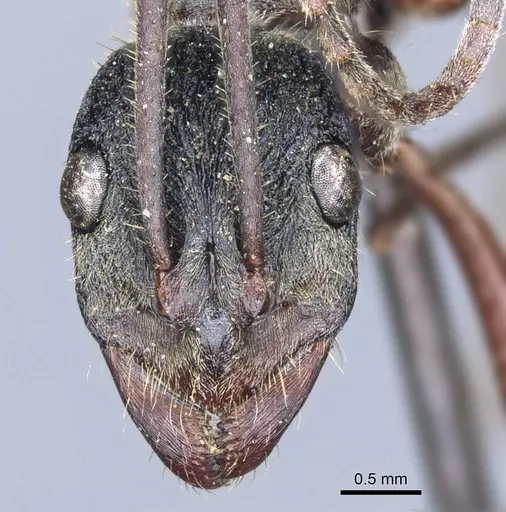
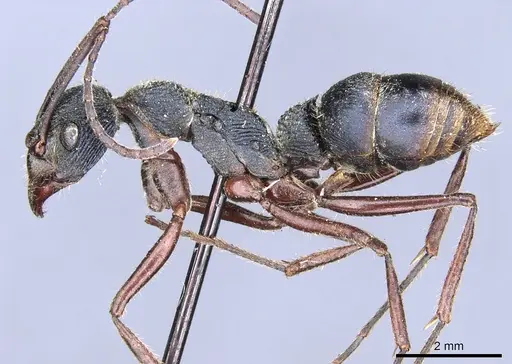
CASENT0903872
View on AntWeb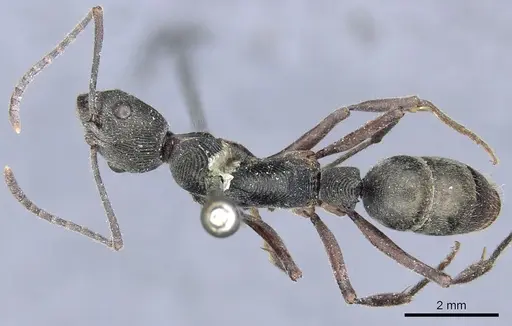
CASENT0903873
View on AntWeb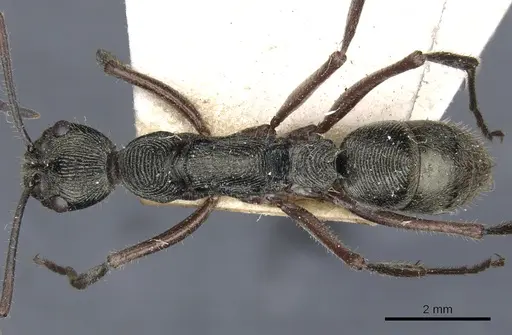
CASENT0903874
View on AntWeb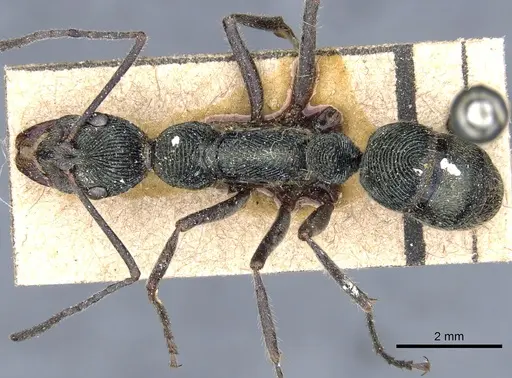
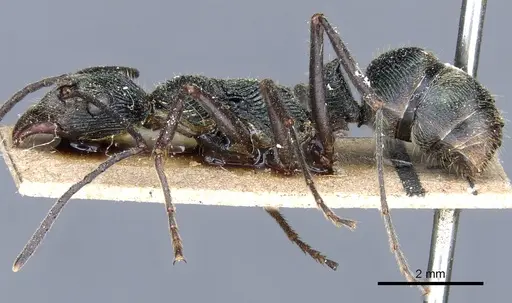
CASENT0903876
View on AntWeb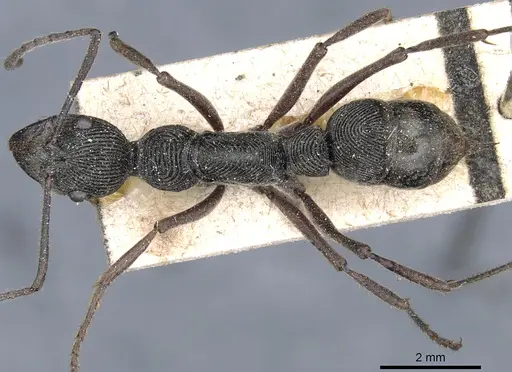
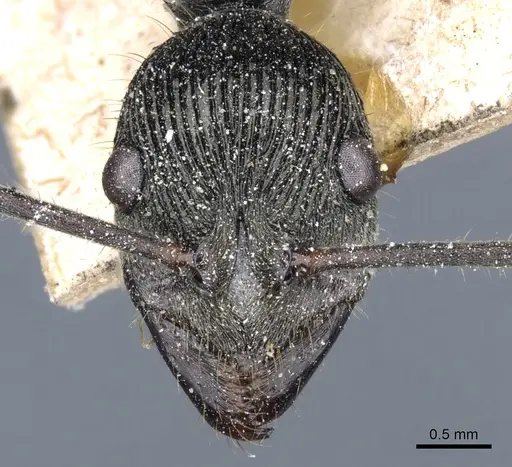
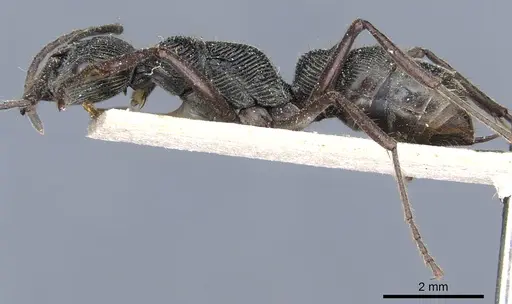
CASENT0903877
View on AntWeb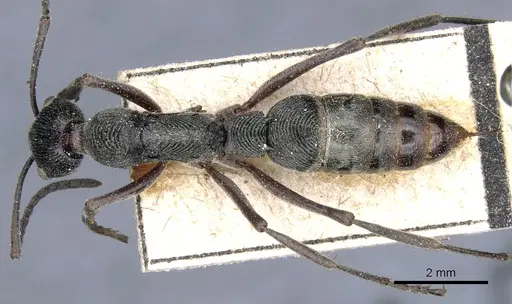
CASENT0903878
View on AntWeb
CASENT0907220
View on AntWeb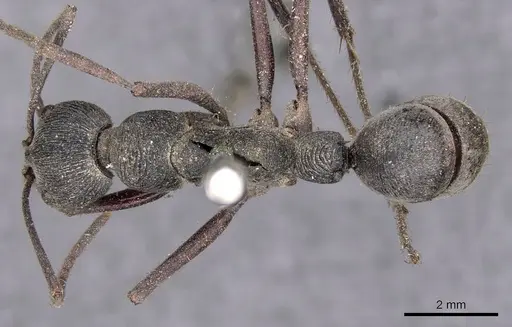
CASENT0907222
View on AntWeb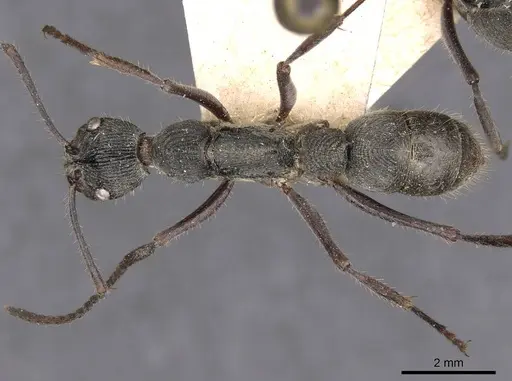
CASENT0907223
View on AntWeb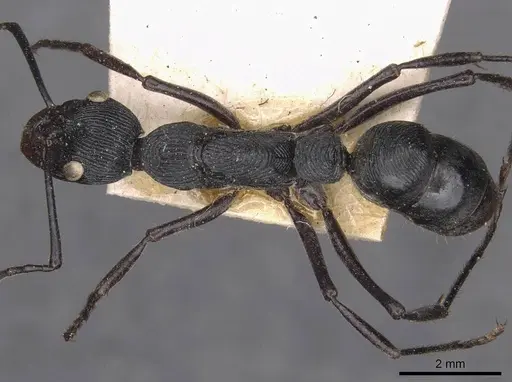
CASENT0907226
View on AntWeb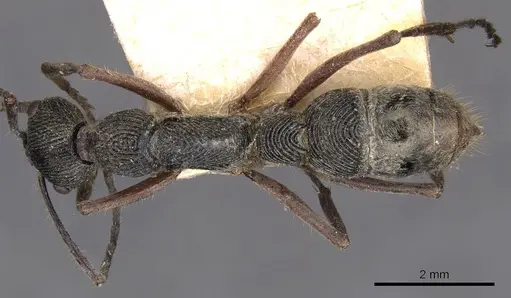
CASENT0907228
View on AntWeb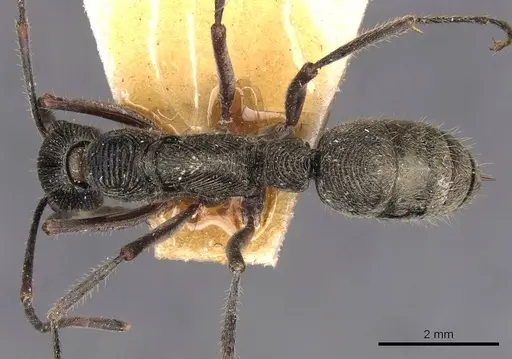
CASENT0907230
View on AntWeb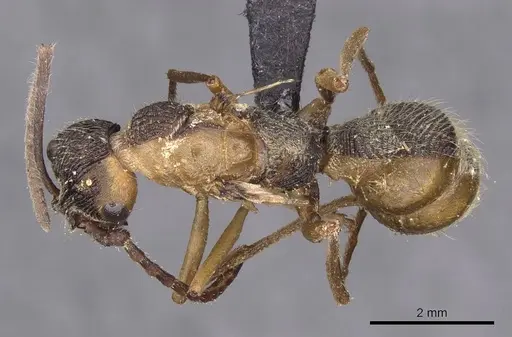
CASENT0913723
View on AntWeb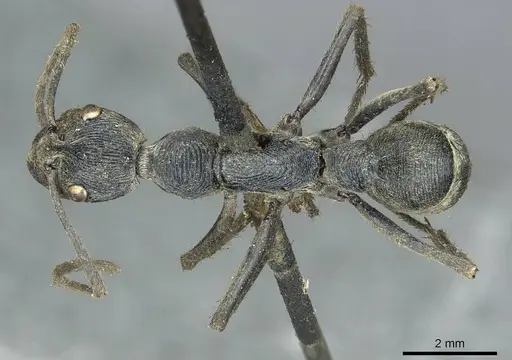
CASENT0915177
View on AntWeb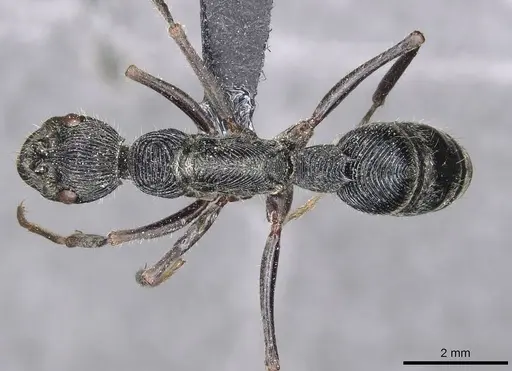
CASENT0915178
View on AntWeb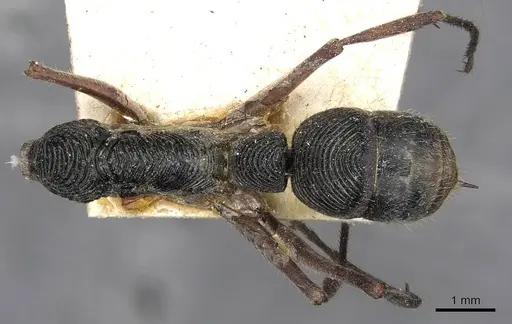
CASENT0915179
View on AntWeb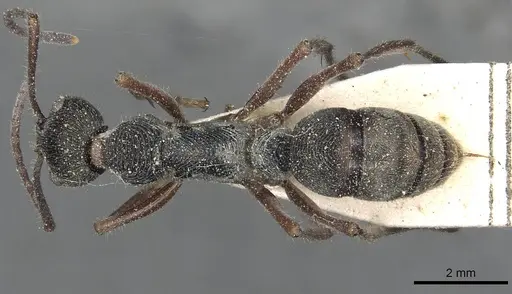
CASENT0915180
View on AntWeb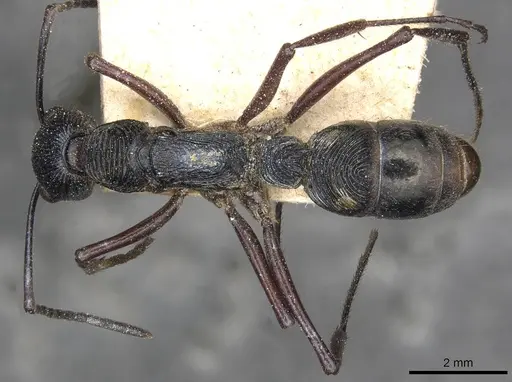
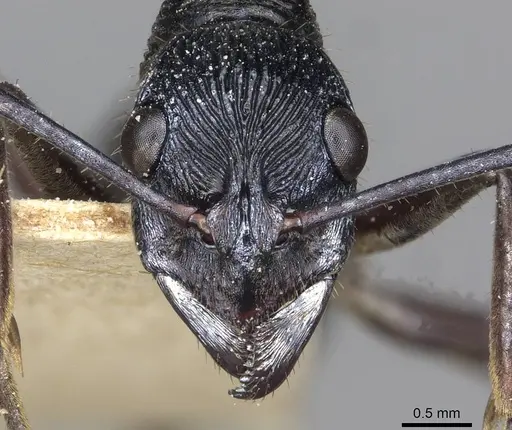
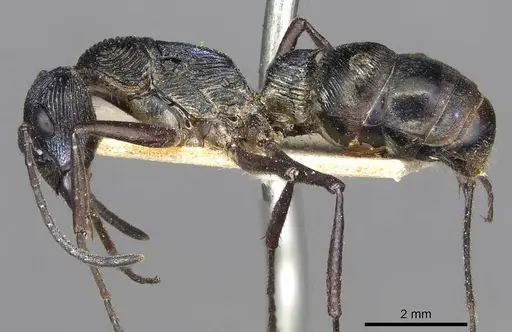
CASENT0915181
View on AntWeb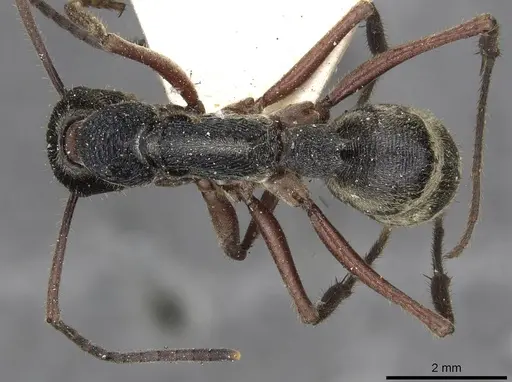
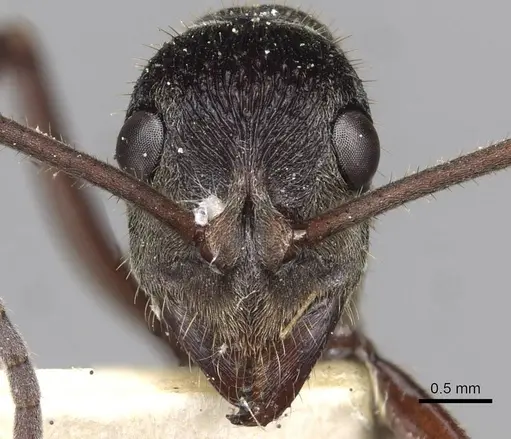
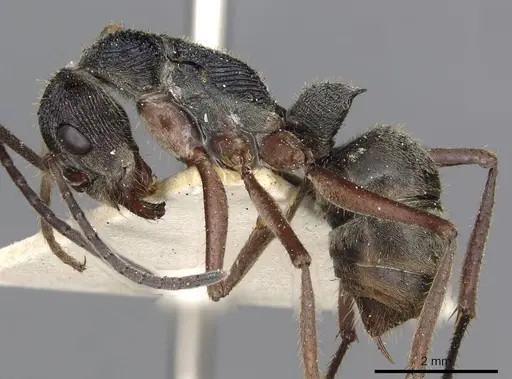
CASENT0915182
View on AntWeb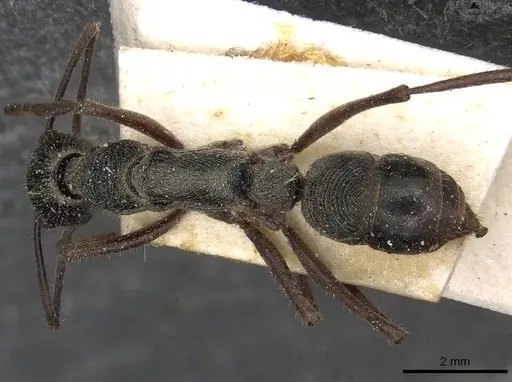
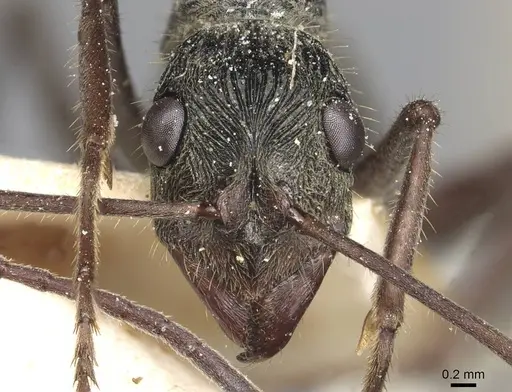
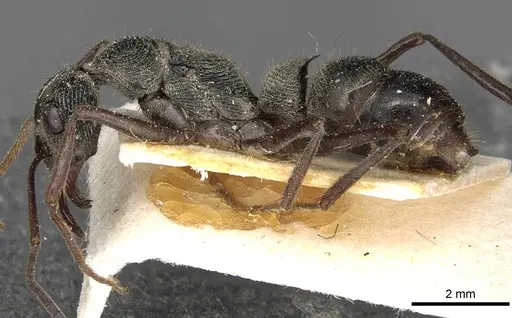
CASENT0915653
View on AntWeb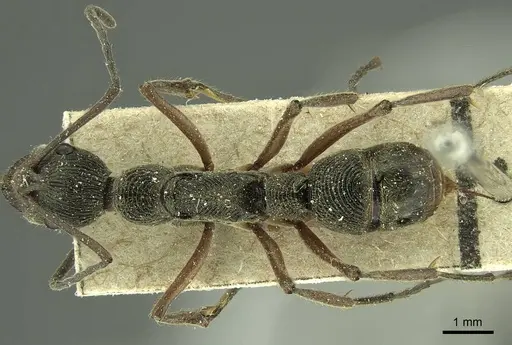
CASENT0916811
View on AntWeb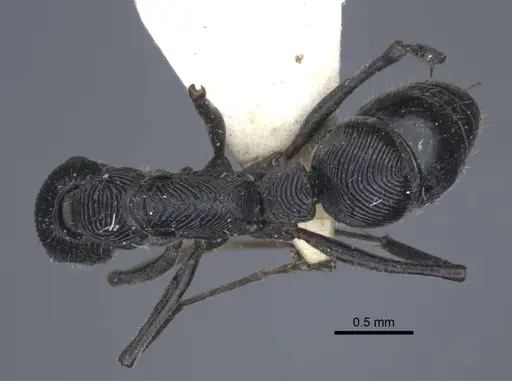
CASENT0916812
View on AntWeb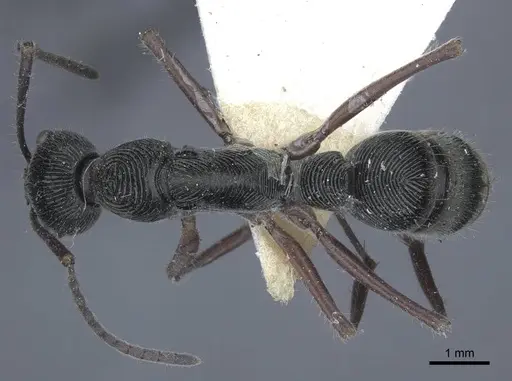
CASENT0916813
View on AntWeb
CASENT0916815
View on AntWeb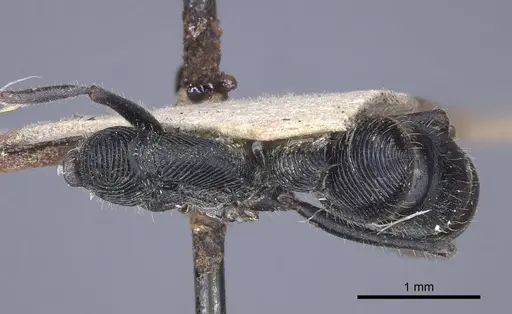
CASENT0916816
View on AntWeb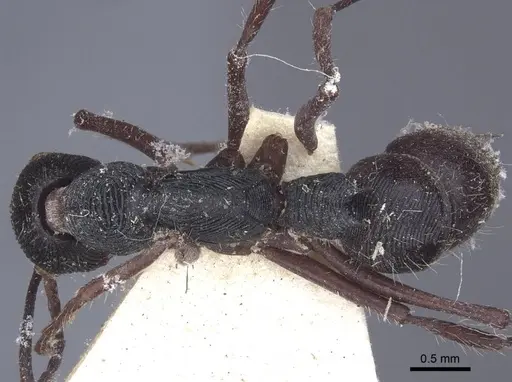
CASENT0916817
View on AntWeb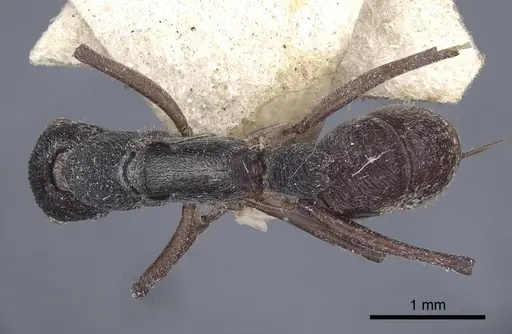
CASENT0916818
View on AntWeb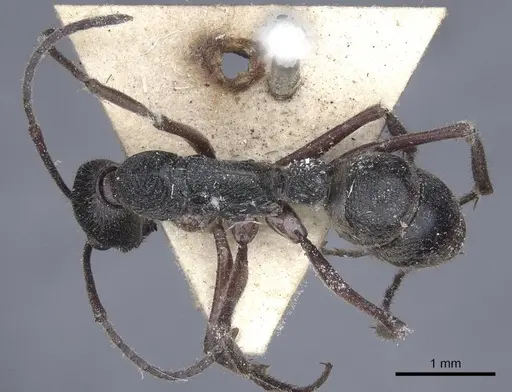
CASENT0916820
View on AntWeb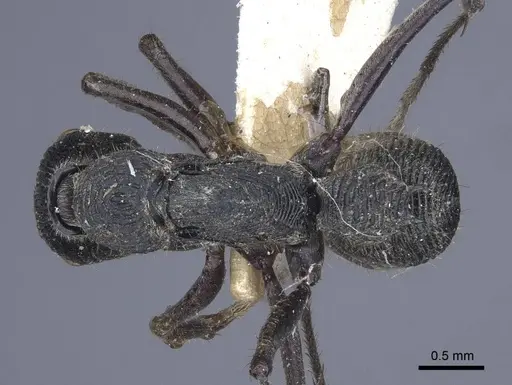
CASENT0916821
View on AntWeb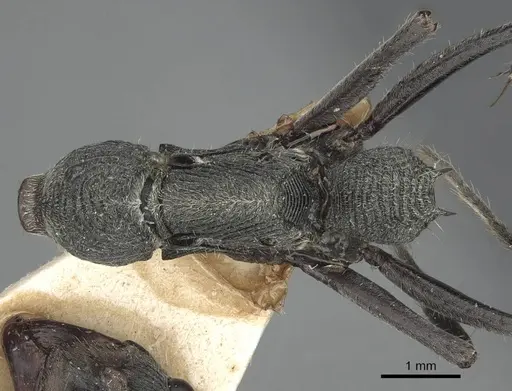
FMNHINS0000050354
View on AntWeb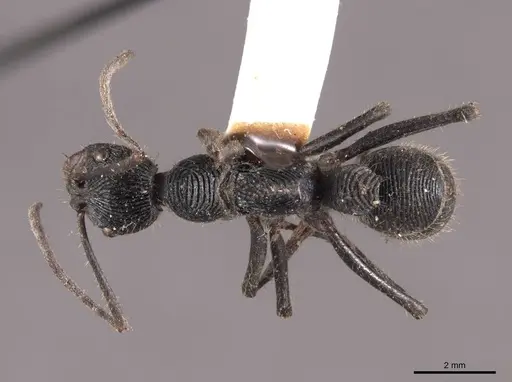
FOCOL0404
View on AntWeb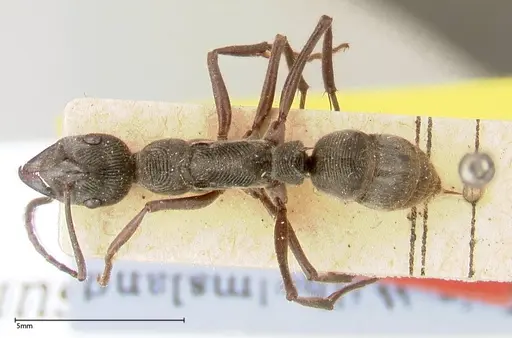
FOCOL0405
View on AntWeb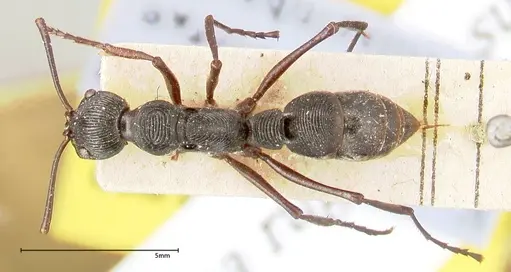
FOCOL0406
View on AntWeb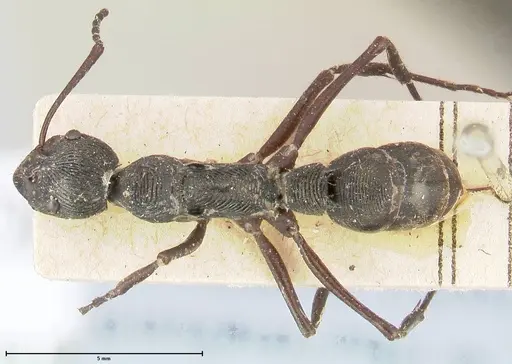
FOCOL0938
View on AntWeb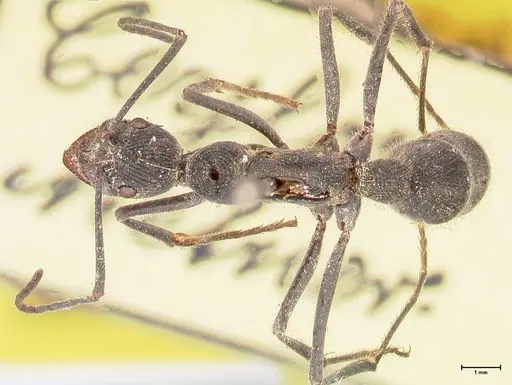
FOCOL0939
View on AntWeb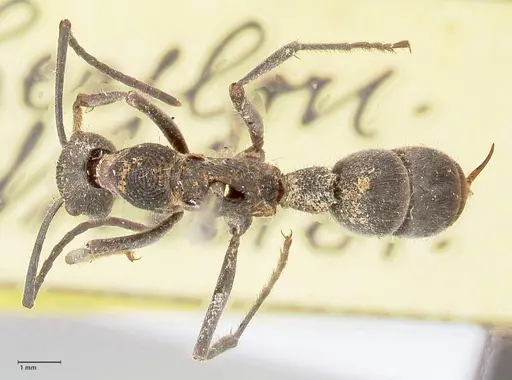
FOCOL0940
View on AntWeb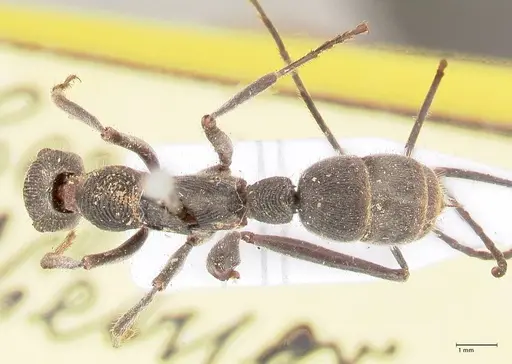
FOCOL0941
View on AntWeb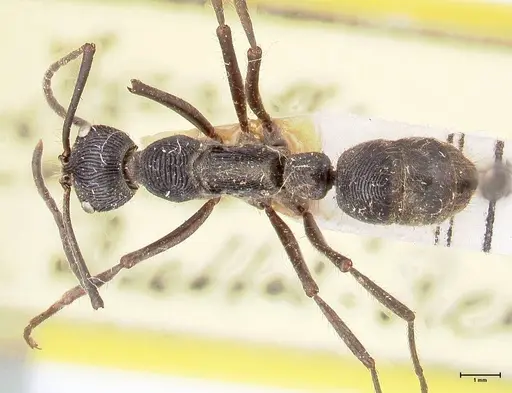
FOCOL0942
View on AntWeb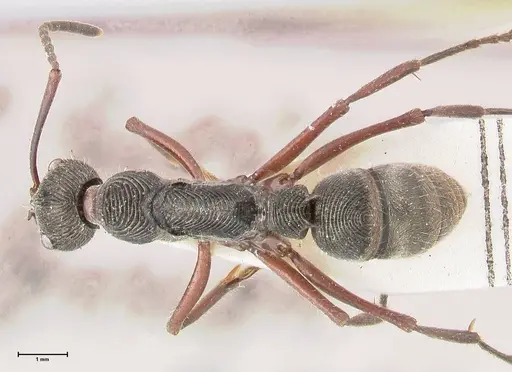
FOCOL0943
View on AntWeb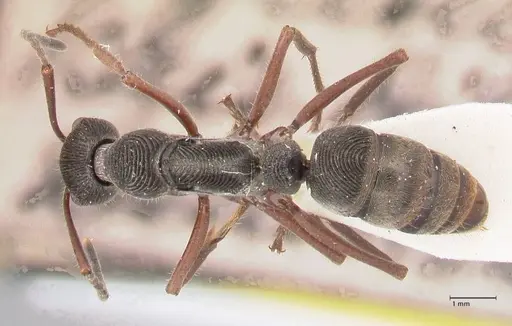
FOCOL0944
View on AntWeb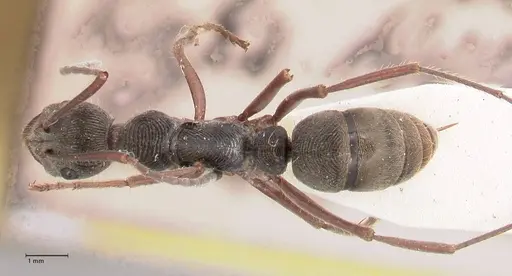
FOCOL0945
View on AntWeb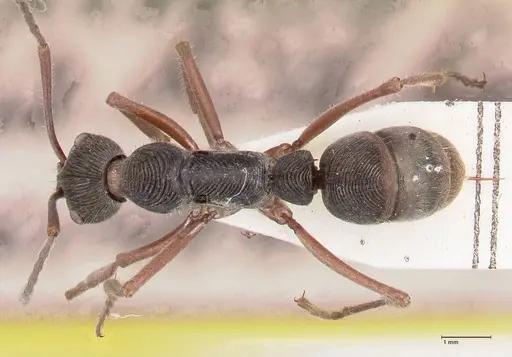
Literature
Loading distribution map...Loading products...