
Diacamma intricatum
- Sci. Name
- Diacamma intricatum
- Tribe
- Ponerini
- Subfamily
- Ponerinae
- Author
- Smith, 1857
- Distribution
- Found in 2 countries
Introduction
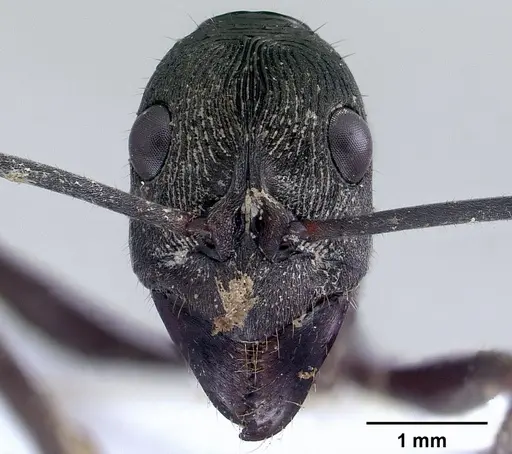
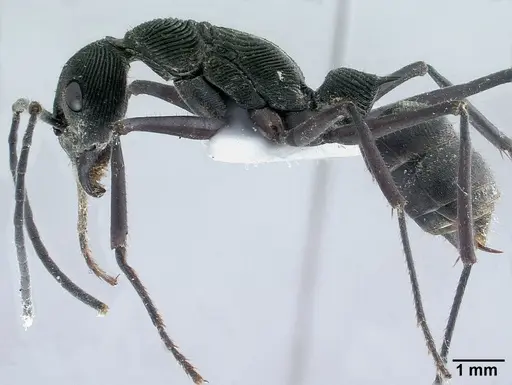
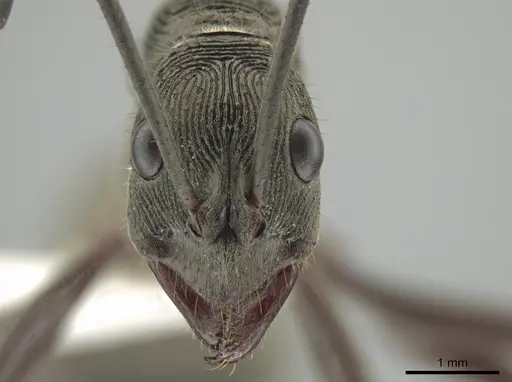
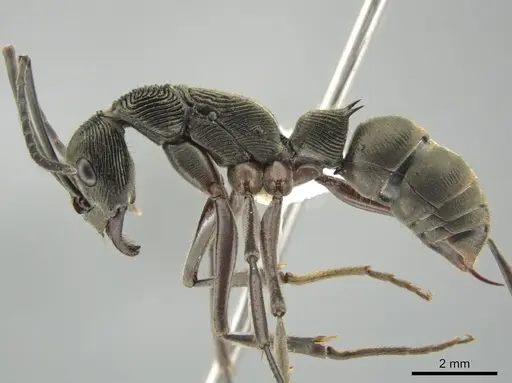
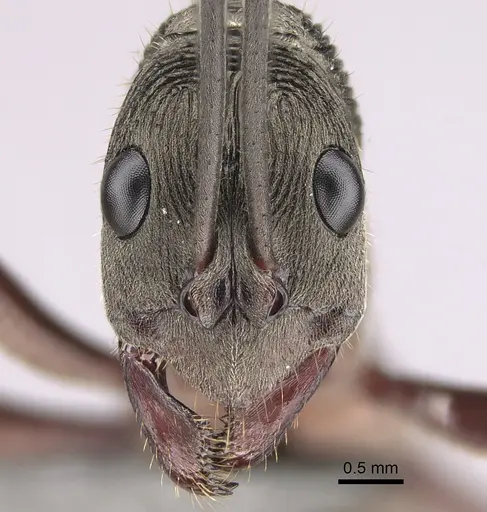
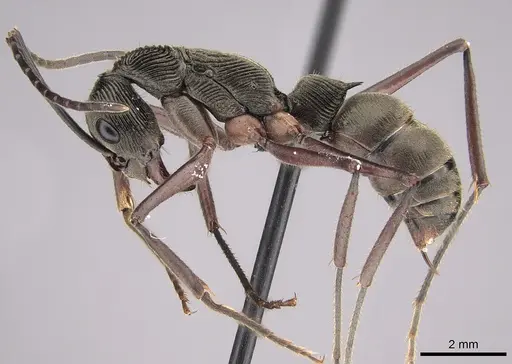
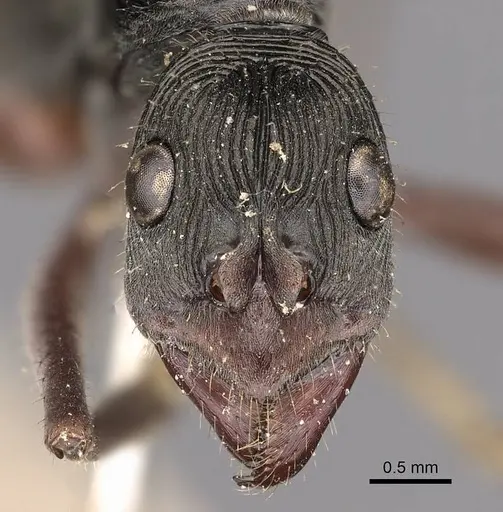
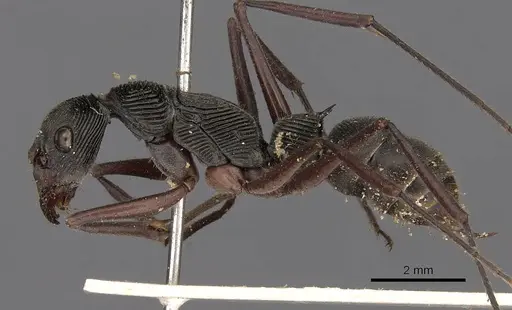
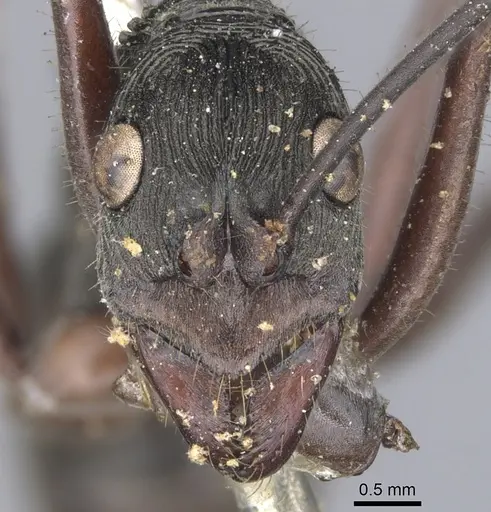
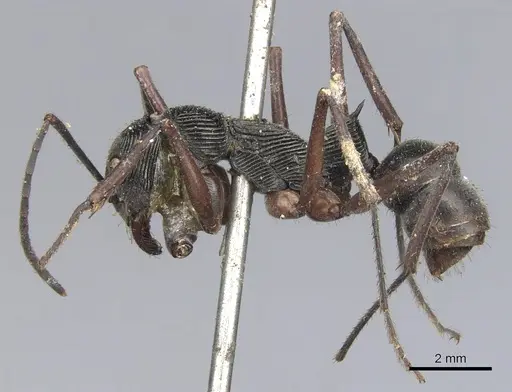
Diacamma intricatum is a medium-sized Ponerine ant native to Southeast Asia, found throughout Borneo, Malaysia, Thailand, and Indonesia . Workers measure approximately 11 mm in total length . They are entirely black with long legs, a distinct pair of spines on the narrow waist (petiole), and 12-segmented antennae . Like other Ponerines, they have a functional sting. This species nests directly in the ground in mixed deciduous and dipterocarp forests . It belongs to the genus Diacamma, which is known for its gamergate reproductive system – mated workers that act as reproductive queens instead of a dedicated queen caste.
Quick Summary
- Difficulty: Medium
- Origin & Habitat: Found across the Indomalaya region: Borneo, Malaysia, Thailand (southeastern and peninsular parts), and Indonesia [1][2][7]. Inhabits lowland tropical rainforests and mixed deciduous forests, nesting in the ground [5][6]. Also recorded at forest edges [8].
- Colony Type: Queenless, no distinct queen caste, reproduction by gamergates (reproductive workers).
- Queen Status: Queenless Colony
- Special: Gamergates
- Size & Growth:
- Queen: Queenless species, reproduction by gamergate (reproductive worker) instead of a distinct queen caste.
- Worker: ~11 mm [3][4]
- Colony: Unknown, but Diacamma colonies are typically small to moderate (up to a few hundred workers) [3].
- Growth: Moderate – inferred from typical Ponerine patterns.
- Development: Unknown for this species. Based on related Ponerines, development may take 6–10 weeks depending on temperature. (Growth tends to be slower than many Myrmicinae ants.)
- Antkeeping:
- Temperature: Keep at 24–28 °C year-round. These are tropical ants that need stable warmth. A slight gradient (warmer on one side) helps them regulate [9].
- Humidity: Keep the nest substrate consistently moist but not waterlogged. High humidity is essential for brood survival. Use a moisture reservoir or regular misting [5][6].
- Diapause: No – as a tropical species, they do not require hibernation. Keep warm year-round.
- Nesting: Ground-nesting species. Provide a naturalistic setup with soil or a plaster/Y-tong nest with a deep substrate chamber. They prefer dark, humid conditions underground [5][6].
- Behavior: Relatively docile but will sting if threatened. Workers forage solitarily on the ground, searching for prey and sugar sources [3][6]. They are strongly attracted to honey baits [6]. Their long legs make them fast and active. Escape risk is moderate – they will explore for exits but are not tiny. They tolerate handling poorly due to their sting.
- Common Issues: colonies may fail if temperatures drop below 22 °C – keep them warm and stable., dry substrate can desiccate brood – maintain humidity in the nest chamber., gamergate system means colony growth is slower and more sensitive to loss of reproductive individuals., wild-caught colonies may carry parasites or pathogens – quarantine new colonies., solitary foraging means food may go unnoticed – place prey directly in the foraging area.
Understanding the Gamergate System
Diacamma intricatum does not have a queen that spends her life laying eggs. Instead, reproduction is handled by gamergates – workers that have mated and can produce fertile eggs. This is a common trait in the genus Diacamma. When keeping this species, expect slower colony growth and no single large queen. The reproductive worker might look like a slightly larger worker. If the gamergate dies, another worker may take over, but this is not guaranteed. This unique system makes them fascinating to observe, but it also means the colony is more vulnerable to losing its reproductive individual. [9]
Housing and Nest Setup
As a ground-nesting ant, Diacamma intricatum thrives in a naturalistic setup with a soil or plaster nest. Use a Y-tong (AAC) nest with a soil chamber, or a formicarium with a deep layer of substrate. The nest should have a moisture reservoir to keep the substrate humid. Provide an outworld for foraging – a simple plastic container works. Ensure the nest material holds moisture without becoming waterlogged. These ants prefer dark, stable conditions [5][6].
Feeding and Diet
In the wild, Diacamma intricatum forages solitarily on the ground and is strongly attracted to honey baits [6]. This suggests they accept both sugar and protein. Offer sugar water or honey regularly, plus small insects like fruit flies, small crickets, or mealworms. Feed protein 2–3 times per week, and keep sugar water available at all times. Remove uneaten prey after 24 hours to prevent mold. They are predatory Ponerines and may also accept dead insects [3].
Temperature and Humidity Requirements
These tropical ants need stable warmth. Keep the nest at 24–28 °C year-round. A slight temperature gradient (one side warmer) lets them thermoregulate. Humidity is crucial – maintain the nest substrate consistently moist but not waterlogged. Dry conditions can kill the brood. Use a moisture reservoir or mist the nest as needed. Avoid placing the nest near air conditioning or heating vents [9].
Behavior and Handling
Workers forage alone, not in trails. They are fast, thanks to their long legs, and hunt for prey and sugar sources on the ground [3]. They are relatively docile but will sting if handled roughly. Their sting is functional, though not as painful as some larger Ponerines. Observe them in the outworld rather than handling them directly. The colony will likely stay moderate-sized, so enjoy watching individual behaviors rather than huge swarms [3].
Frequently Asked Questions
Do Diacamma intricatum have a queen?
No – this species does not have a distinct queen caste. Like other Diacamma, they use gamergates (mated workers that can lay eggs). This is typical of the genus, though specific confirmation for this species is limited.
How long does it take for Diacamma intricatum to develop from egg to worker?
Exact development time is unknown. Based on similar Ponerine ants, expect 6–10 weeks at 24–28 °C.
Can I keep Diacamma intricatum in a test tube?
A test tube can work for small groups, but long-term you need a setup with soil or plaster to provide the humidity they need as ground-nesters.
What do Diacamma intricatum eat?
They accept sugar sources (honey, sugar water) and protein (small insects like fruit flies, crickets, mealworms). In the wild, they are strongly attracted to honey baits [6].
Are Diacamma intricatum good for beginners?
They are medium difficulty. The gamergate system is unusual and requires understanding, but care is straightforward: warm, humid conditions and regular feeding.
How big do Diacamma intricatum colonies get?
Colony size is not documented, but Diacamma species usually have moderate-sized colonies (likely up to a few hundred workers).
Do Diacamma intricatum need hibernation?
No – they are tropical and do not require hibernation. Keep them warm (24–28 °C) year-round.
When should I move them to a formicarium?
Move them when the colony outgrows the starter setup. A naturalistic soil nest is ideal for this ground-nesting species.
Why are my Diacamma intricatum dying?
Common causes: low temperature (below 22 °C), dry substrate, lack of protein, or parasites from wild-caught colonies. Ensure warm, humid conditions and a varied diet.
Report an Issue
The current care sheet is based fully on literature. See inconsistencies, or something that's incorrect? Please , it will be resolved after review from an admin. Contributing to the blogs tab also helps providing information, to make us be able to further improve the caresheets. Thank you for your support!
References

This caresheet is licensed under CC BY-SA 4.0 .
Community Blogs
CASENT0179004
View on AntWeb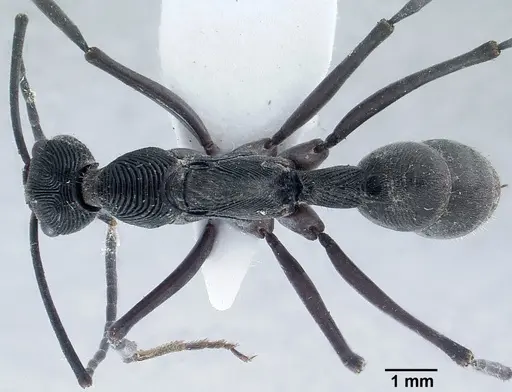
CASENT0634273
View on AntWeb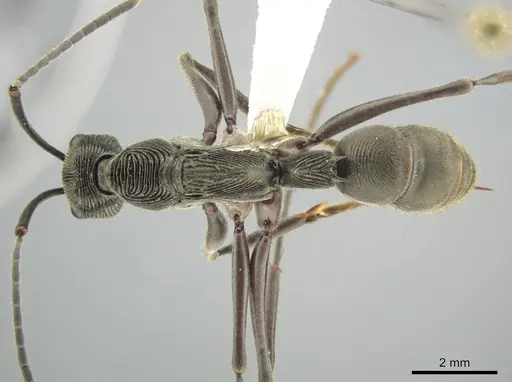
CASENT0746026
View on AntWeb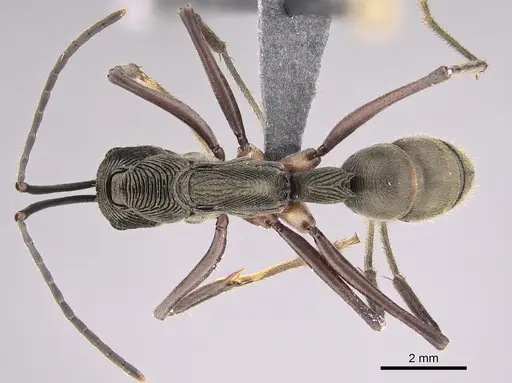
CASENT0900669
View on AntWeb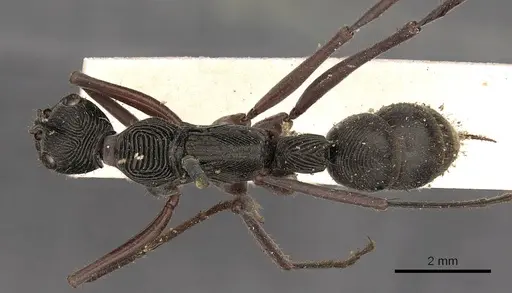
CASENT0901341
View on AntWeb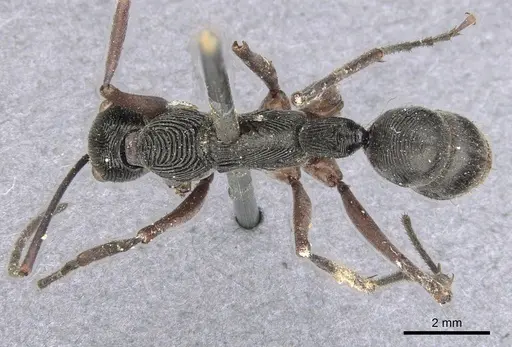
Literature
Loading distribution map...Loading products...