
Indian Queenless Ant
Diacamma indicum
- Sci. Name
- Diacamma indicum
- Tribe
- Ponerini
- Subfamily
- Ponerinae
- Author
- Santschi, 1920
- Common Name
- Indian Queenless Ant
- Distribution
- Found in 2 countries
Introduction
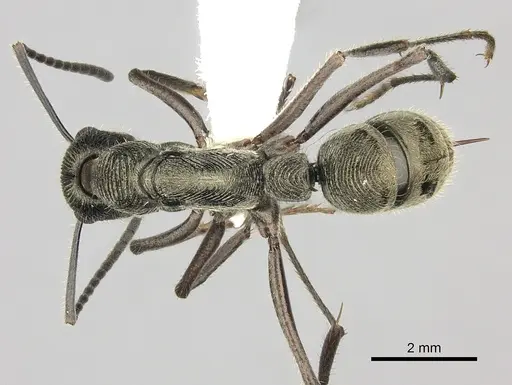
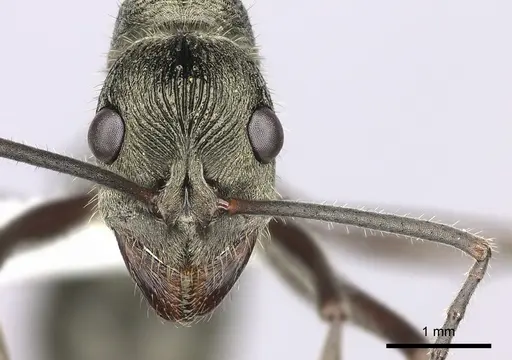
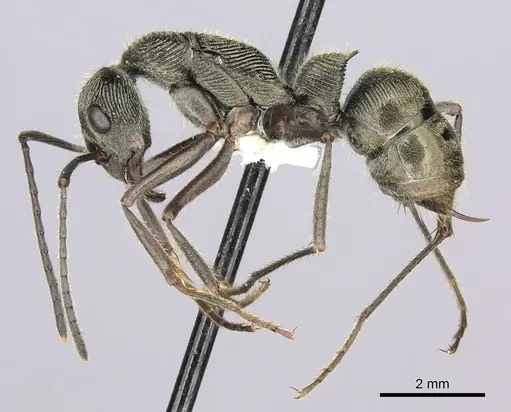
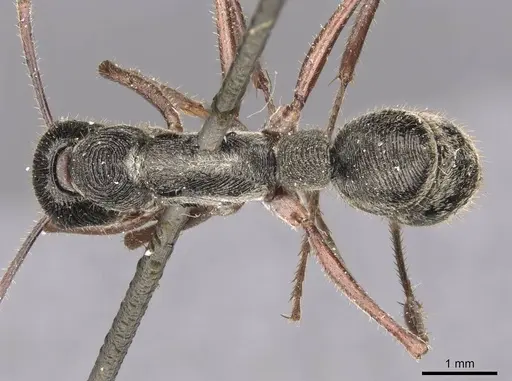
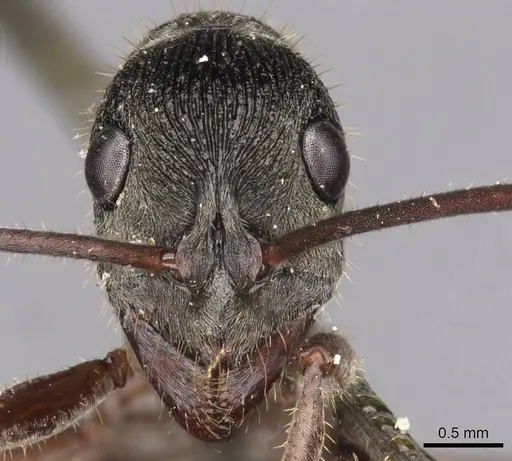
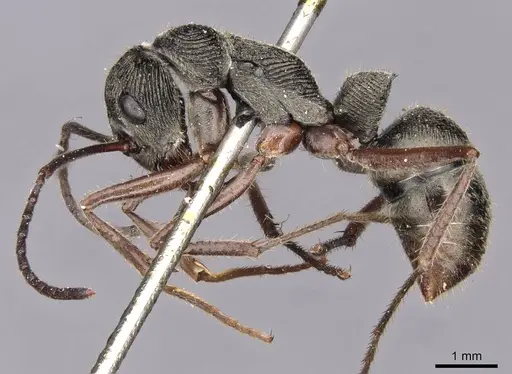
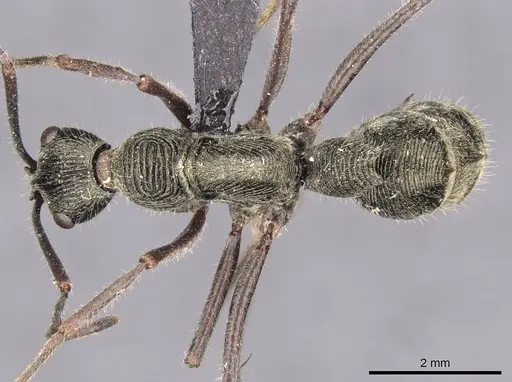
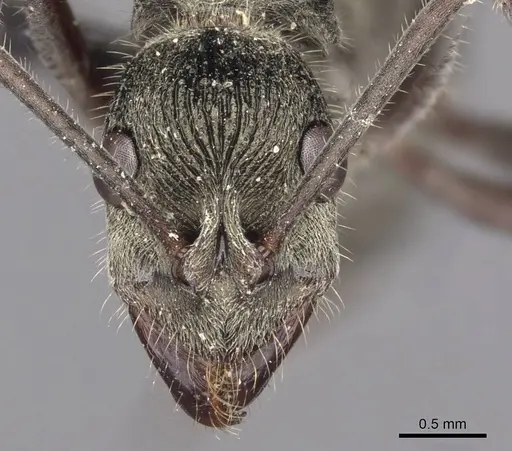
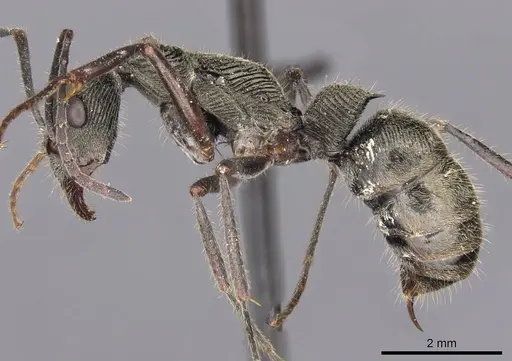
Diacamma indicum is a small ponerine ant native to the Indian subcontinent (India, Sri Lanka, Bangladesh) with introduced populations in southern Japan (Ryukyu islands). Workers are monomorphic and measure approximately 1 cm in total length . This species is queenless - instead of a morphologically distinct queen, one mated worker called a gamergate serves as the sole reproductive female, identified by a pair of small appendages called gemmae on her thorax . Colonies are small, typically containing 12-261 workers, and rely on tandem running - an unusual recruitment method where an informed leader physically guides one follower at a time to a new nest site . This species is known for its opportunistic nesting habits, frequent relocation when disturbed, and inter-colony brood theft behavior where workers steal pupae from neighboring colonies . As a Ponerine ant, they possess a functional stinger for defense.
Quick Summary
- Difficulty: Medium
- Origin & Habitat: Native to India, Sri Lanka, and Bangladesh, introduced to southern Japan (Ryukyu islands). Found in tropical and subtropical regions, frequently in the Gangetic floodplains of India [4]. Opportunistic nesting across various habitats including underground nests, under stones, in wall crevices, bamboo hollows, tree branches, and fallen logs [2].
- Colony Type: Queenless, no distinct queen caste, reproduction by gamergates (reproductive workers).
- Queen Status: Queenless Colony
- Colony: Monogyne
- Special: Gamergates
- Size & Growth:
- Queen: Queenless species, reproduction by gamergate (reproductive worker) instead of a distinct queen caste.
- Worker: Approximately 1 cm (10 mm) in total body length [1].
- Colony: Up to 261 workers, with average around 88-90 workers [2][5].
- Growth: Moderate, small colony size with relatively constant population throughout the year [6].
- Development: Development time unconfirmed for this species, specific data not available in research literature. (Related Diacamma species suggest several months from egg to adult at tropical temperatures.)
- Antkeeping:
- Temperature: Tropical species requiring warm conditions. Based on native habitat (India, Sri Lanka), maintain temperatures between 24-28°C. Room temperature is often suitable if within this range.
- Humidity: Moderate to high humidity preferred. Native to monsoon regions of India, so they tolerate damp conditions. Keep nest substrate consistently moist but not waterlogged. Provide a water source.
- Diapause: No, as a tropical species from monsoon regions, they do not require hibernation. Keep at warm temperatures year-round.
- Nesting: Opportunistic nesters. In captivity, they will use test tubes, Y-tong (AAC) nests, or naturalistic setups with soil. They prefer dark nest chambers and will relocate frequently if disturbed. Provide multiple chamber options as they may want to move.
- Behavior: Active and engaging to watch due to their tandem running behavior. Workers are not aggressive toward humans but will defend against intruders using their stinger. They are solitary foragers and occasional predators on termites. Colonies are prone to relocate when disturbed, even slight physical disturbance can trigger colony movement. They communicate through tandem running where one ant leads another to a new location. Brood theft between colonies has been observed, thieves steal pupae which then eclose and integrate into the thief colony [3]. Escape risk is low due to their larger size (~1cm), standard barriers work well.
- Common Issues: frequent relocation, colonies may abandon nests frequently when disturbed, making them challenging to keep in stable setups, small colony size means slower population growth compared to many common ant species, queenless system requires the gamergate to remain healthy, if she dies and no replacement is established, the colony will decline, brood theft vulnerability, if kept near other D. indicum colonies, they may lose pupae to thieves, opportunistic nesting means they may not accept traditional nest setups immediately, provide dark chambers and multiple options, introduced to Japan, this species has been human-mediated introduced to the Ryukyu islands, indicating invasive potential in non-native regions
Understanding the Queenless System
Diacamma indicum is one of the few ant species that lacks a distinct queen caste. Instead, one worker in each colony becomes the reproductive individual, this is called a gamergate, derived from Greek meaning 'worker-wife' [2]. The gamergate is identified by a pair of small appendages called gemmae on her thorax. All workers emerge from pupae with gemmae, but the gamergate mutilates the gemmae of newly emerged workers to prevent them from becoming reproductive [7]. This creates a system where only one worker lays eggs, similar to having a queen, but without the morphological differences. If your gamergate dies, the colony may decline unless a replacement can establish herself, though this is rare in captivity.
Tandem Running and Colony Relocation
One of the most fascinating aspects of D. indicum is their use of tandem running for colony relocation. Unlike ants that use pheromone trails, these ants use a primitive recruitment method where a leader physically guides one follower at a time to a new nest while maintaining antenna-to-antenna contact [1]. Studies show that about 14-28% of colony members become tandem leaders during a relocation, and roughly 77% of workers participate as followers [1]. Colonies frequently relocate, even slight disturbance can trigger movement. In the wild, colonies may fragment into multiple temporary sites before reunifying at a final location [8]. This means you should expect relocation attempts and may need to provide alternative nest sites.
Feeding and Diet
Diacamma indicum are generalist predators and scavengers. In the wild, they forage solitarily and occasionally hunt termites [5]. They are not known to store food inside their nests, so they benefit from regular feeding. In captivity, they accept a variety of foods including small insects (fruit flies, pinhead crickets, small mealworms), honey water or sugar water, and occasionally protein-rich foods. Their small colony size means they do not need large quantities of food. Feed them small prey items 2-3 times per week and provide a constant sugar source. Remove uneaten prey after 24-48 hours to prevent mold.
Temperature and Humidity Care
As a tropical species from India and Sri Lanka, D. indicum requires warm conditions. Keep their enclosure at 24-28°C (75-82°F). Room temperature is often suitable, but you may need a heating mat during cooler months. They are native to monsoon regions and tolerate humidity well, keep the nest substrate consistently moist but not waterlogged. Provide a water tube or cotton ball as a drinking source. Avoid temperatures below 20°C as this may slow their activity and potentially harm the gamergate. A small temperature gradient allows the ants to choose their preferred zone.
Nesting Preferences
In the wild, D. indicum shows opportunistic nesting behavior, they occupy pre-existing cavities rather than building elaborate nests. Nests are typically shallow, single-chambered structures connected to the surface by a tunnel [4]. They prefer dark interior chambers and will choose nests with darker interiors over lighter ones [9]. In captivity, they readily accept test tubes, Y-tong nests, or naturalistic setups with soil. Provide a dark nest chamber, covering glass nests with red film or using wooden/formicarium nests works well. Because they relocate frequently, having multiple potential nest sites available can help reduce stress from relocation attempts.
Nest Mounds and Monsoon Adaptations
D. indicum builds distinctive nest mounds at their entrance, which serve as flood barriers. Studies show these mounds can prevent approximately 29% of water from seeping into the nest during monsoon flooding [4]. Colonies rebuild destroyed mounds within 3 days. During monsoon season, colonies are less likely to be found in subterranean nests (only 25.6%) and instead occupy elevated sites like tree trunks (25.6%), bamboo hollows (18.6%), brick piles (18.6%), and fallen logs (4.7%) [6]. This flooding adaptation is important to consider when setting up their enclosure.
Brood Theft Behavior
A unique and somewhat alarming behavior documented in D. indicum is inter-colony brood theft. Workers from one colony will attempt to steal pupae from neighboring colonies during relocation events [3]. These stolen pupae are not eaten but allowed to eclose, and the resulting workers integrate into the thief colony as additional workforce [10]. Studies show about 1.4% of workers in a colony may act as thieves, and they can steal around 12% of a victim colony's pupae [10]. If you keep multiple D. indicum colonies, separate them to prevent this behavior. This is more common during relocation when colonies are moving and vulnerable.
Frequently Asked Questions
How do I identify the gamergate in Diacamma indicum?
The gamergate (reproductive worker) is identified by the presence of a pair of small appendages called gemmae on her thorax. All workers emerge from pupae with gemmae, but the gamergate mutilates the gemmae of newly emerged workers. Look for a worker with two tiny horn-like structures on her back, this is your egg-layer.
Do Diacamma indicum ants need a queen?
No, this species is queenless. Instead, one mated worker called a gamergate serves as the reproductive female. The gamergate is a worker that has mated and taken on egg-laying duties. You do not need to find a queen, just ensure your colony has a healthy gamergate.
Why do my Diacamma indicum keep relocating?
This species is prone to frequent relocation, even from slight disturbance. In the wild, they relocate when nests are flooded, damaged, or disturbed. In captivity, vibrations, light exposure, or poor nest conditions can trigger relocation. Provide a dark, stable nest and minimize disturbances. Having an alternative nest site available may help.
What do Diacamma indicum eat?
They are generalist predators and scavengers. Offer small live or frozen insects (fruit flies, small crickets, mealworms) 2-3 times per week, plus a constant sugar source (honey water or sugar water). They occasionally hunt termites in the wild. Remove uneaten food after 24-48 hours.
How long does it take for eggs to become workers?
The specific egg-to-worker development time is unconfirmed for this species, no published research data exists. Their small colony size means growth will seem slower than species with larger colonies.
Can I keep multiple Diacamma indicum colonies together?
Not recommended. This species exhibits brood theft behavior where workers from one colony will steal pupae from neighboring colonies. Stolen pupae eclose and join the thief colony. If you have multiple colonies, keep them well-separated to prevent this inter-colony conflict.
Do Diacamma indicum need hibernation?
No. As a tropical species from monsoon regions of India and Sri Lanka, they do not require hibernation. Keep them at warm temperatures (24-28°C) year-round.
Are Diacamma indicum good for beginners?
They are rated as medium difficulty. While fascinating due to their tandem running and queenless system, their frequent relocation tendency and specific temperature needs make them better suited for antkeepers with some experience. Their small colony size also means slower growth than more common species.
What temperature should I keep Diacamma indicum at?
Keep them warm at 24-28°C (75-82°F). As a tropical species from India and Sri Lanka, they need consistent warmth. Room temperature is often suitable, but you may need a heating mat in cooler environments. Avoid temperatures below 20°C.
How big do Diacamma indicum colonies get?
Colonies are relatively small, typically ranging up to 261 workers, with averages around 88-90 workers [2][5]. They remain smaller than many common ant species. The colony size tends to stay relatively constant throughout the year.
Why is tandem running important for this species?
Tandem running is their primary method of colony relocation and recruitment. Unlike trail-laying ants, they use physical contact where a leader guides one follower at a time to a new location. This is considered a primitive form of recruitment. Watching this behavior is one of the most interesting aspects of keeping this species.
Report an Issue
The current care sheet is based fully on literature. See inconsistencies, or something that's incorrect? Please , it will be resolved after review from an admin. Contributing to the blogs tab also helps providing information, to make us be able to further improve the caresheets. Thank you for your support!
References

This caresheet is licensed under CC BY-SA 4.0 .
Community Blogs
Literature
Loading distribution map...Loading products...