
Diacamma geometricum
- Sci. Name
- Diacamma geometricum
- Tribe
- Ponerini
- Subfamily
- Ponerinae
- Author
- Smith, 1857
- Distribution
- Found in 3 countries
Introduction
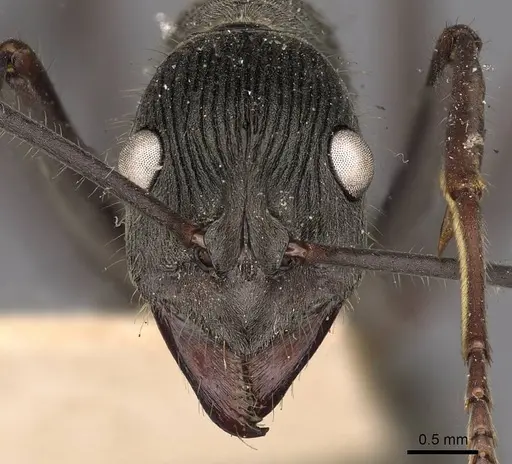
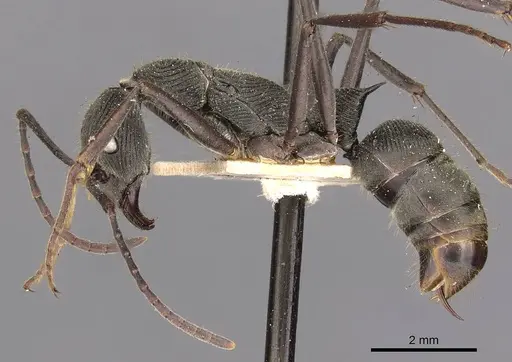
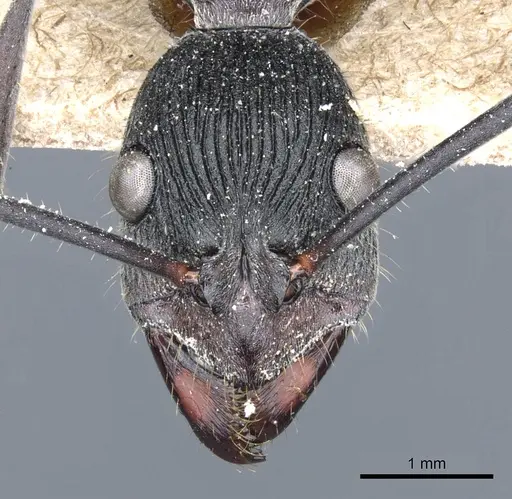
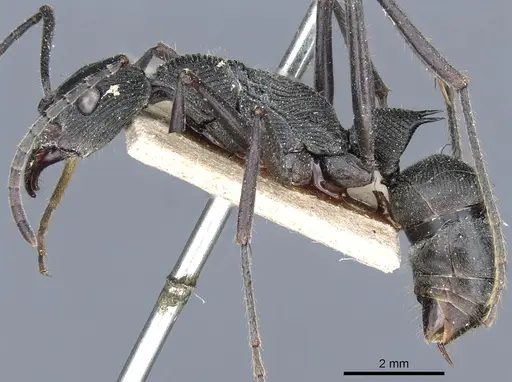
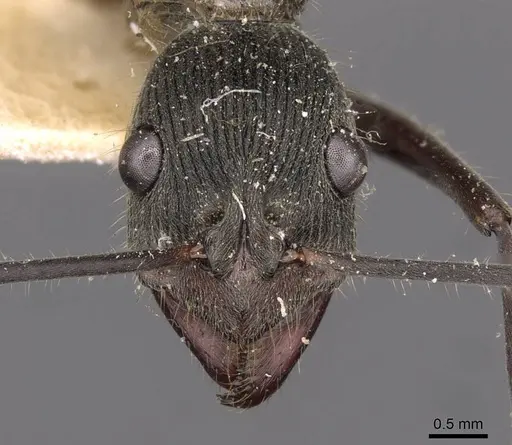
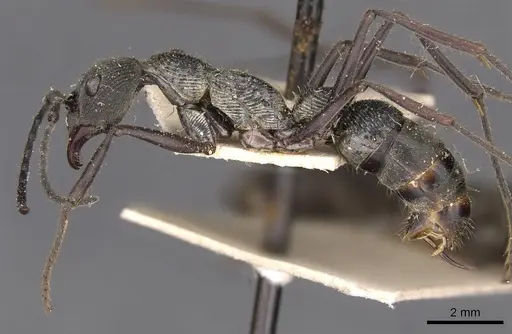
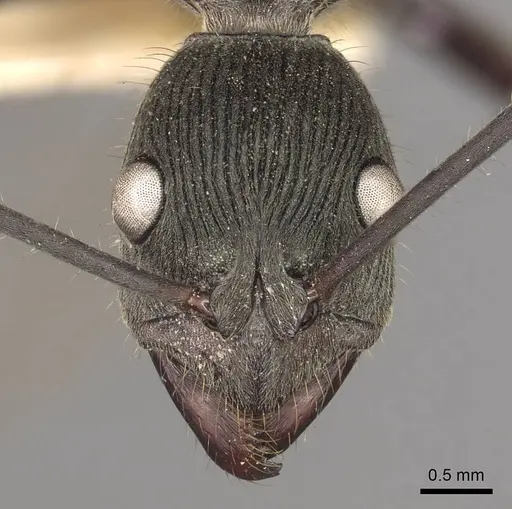
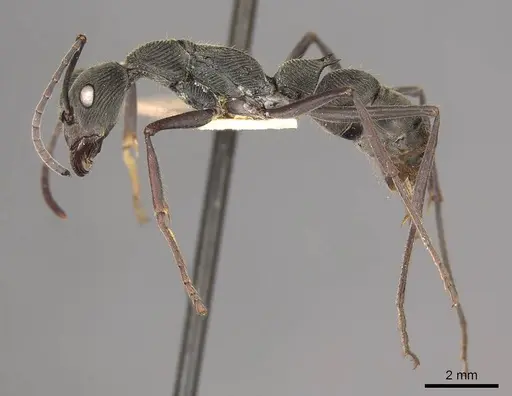
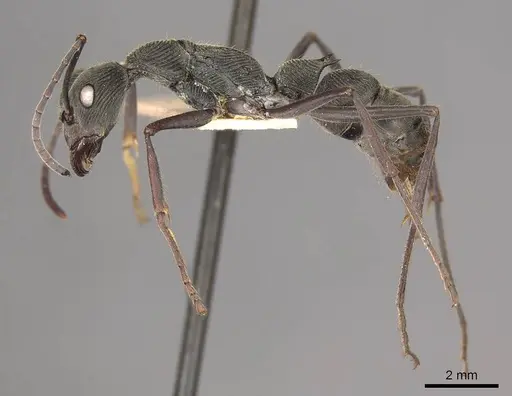
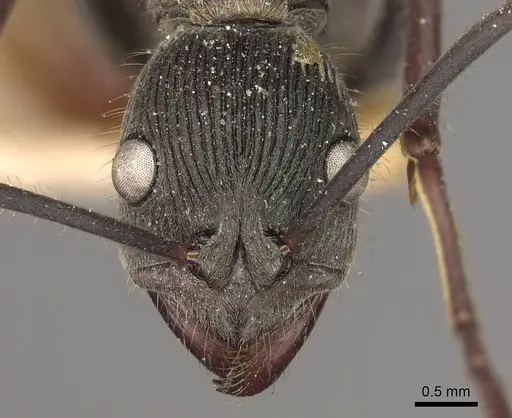
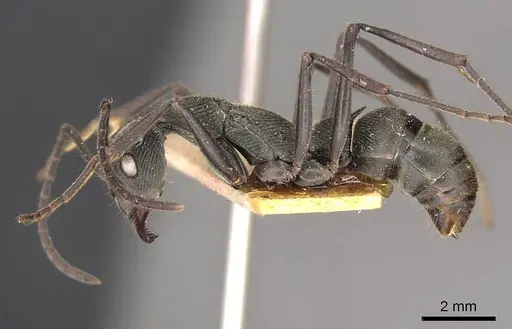
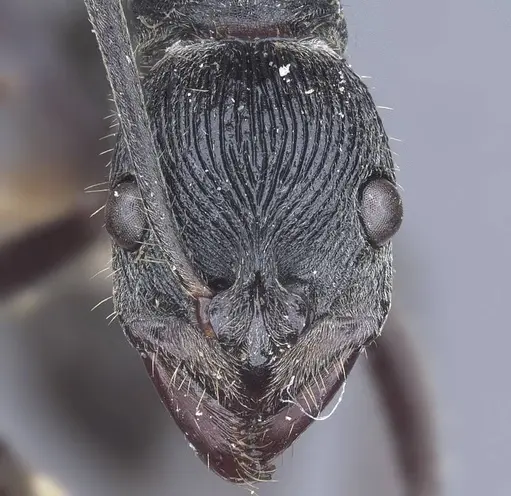
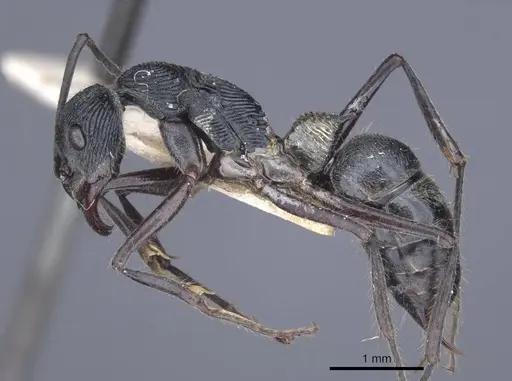
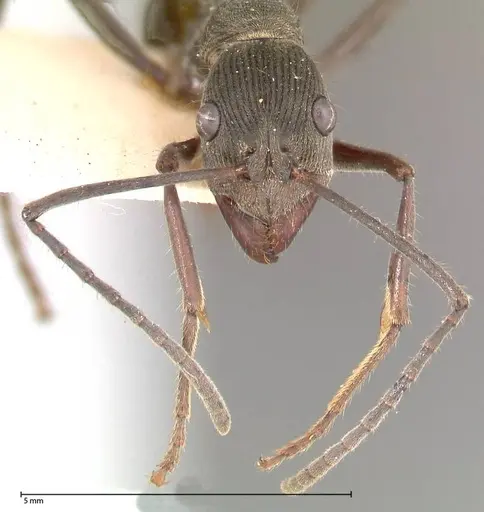
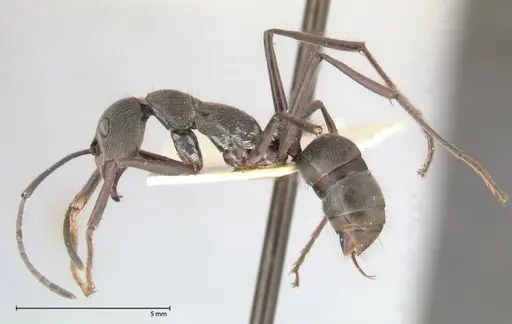
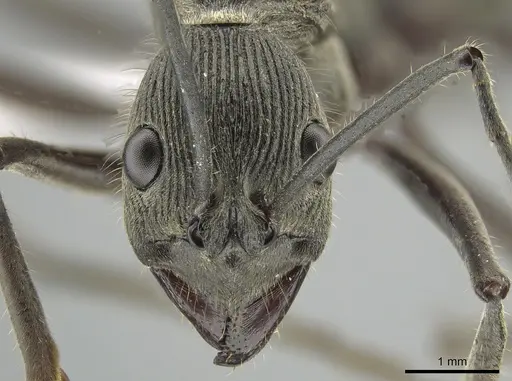
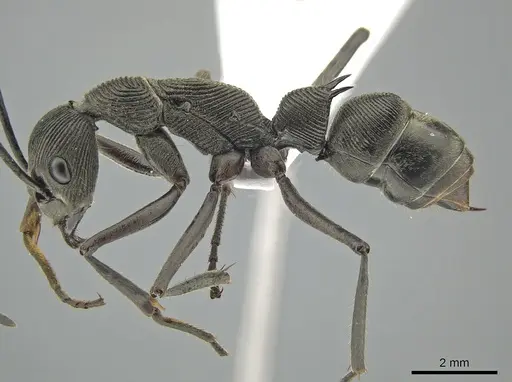
Diacamma geometricum is a large ant species native to Southeast Asia, found in West Malaysia, Singapore, Sumatra, and Vietnam. Workers measure 12.8-13.8mm in total length, making them one of the larger ant species commonly kept. They have a completely black body with dark brown legs, mandibles, and the tip of their abdomen. Their most distinctive feature is the coarse striation (grooved texture) covering their body from the head to the first abdominal segment, along with large, protruding eyes. This species belongs to the Diacamma rugosum group and was previously known as Diacamma tritschleri before being synonymized. What makes this genus particularly interesting is that Diacamma ants have gamergates - workers that can become reproductive and lay eggs, essentially functioning as replacement queens if the primary reproductive dies.
Quick Summary
- Difficulty: Medium
- Origin & Habitat: Southeast Asia, found in West Malaysia, Singapore, Sumatra, and Vietnam. They inhabit lowland forest areas and have been collected at Bukit Timah Hill and near water reservoirs in Singapore [1][2][3].
- Colony Type: Queenless, no distinct queen caste, reproduction by gamergates (reproductive workers).
- Queen Status: Queenless Colony
- Special: Gamergates
- Size & Growth:
- Queen: Queenless species, reproduction by gamergate (reproductive worker) instead of a distinct queen caste.
- Worker: 12.8-13.8mm total length [1]
- Colony: Colony size data unavailable for this species
- Growth: Moderate
- Development: Unknown, no specific development data exists for this species (Development time is unconfirmed. Related Diacamma species typically take 6-10 weeks from egg to worker at tropical temperatures.)
- Antkeeping:
- Temperature: Keep at 24-28°C, these are tropical ants from Southeast Asia. A slight gradient allowing them to choose warmer or cooler areas is beneficial.
- Humidity: Moderate to high humidity (60-80%). Keep the nest substrate moist but not waterlogged. These forest-floor ants prefer stable conditions.
- Diapause: No, as a tropical species, they do not require hibernation. Keep them at stable tropical temperatures year-round.
- Nesting: They naturally nest in soil or rotting wood in forest environments. In captivity, a naturalistic setup with soil substrate or a Y-tong/plaster nest works well. Provide a deep soil layer for them to dig chambers.
- Behavior: Diacamma geometricum is a predatory ant species, they hunt and capture live prey rather than scavenging. Workers are active foragers and will hunt insects. They have a potent sting for their size, so handle with care. They are not aggressive toward colony members but will defend against threats. Escape prevention is important though not as critical as with tiny ants, their larger size makes standard barriers effective.
- Common Issues: lack of documented biology means care is based on genus-level knowledge rather than species-specific research, predatory nature requires live food, colonies can fail if insufficient protein is provided, tropical humidity requirements can lead to mold issues if ventilation is poor, gamergate system means colony reproduction depends on worker replacement, if the gamergate dies, another worker can take over
Appearance and Identification
Diacamma geometricum is a large, impressive ant with workers measuring 12.8-13.8mm in total length. Their most distinctive feature is the coarse striation (grooved texture) running from their head to the first abdominal segment. The body is entirely black without any metallic shimmer, while the legs, mandibles, and the tip of the abdomen (gaster) are dark brown. They have large, protruding eyes and a stout petiole (the narrow waist segment) with very long, widely-spaced teeth. The first abdominal segment has characteristic concentric rugae (wrinkle-like patterns). Males have been studied for their spiracle structure, showing the complex respiratory adaptations typical of Ponerinae ants [1][4].
Distribution and Habitat
This species is found across Southeast Asia, specifically in West Malaysia, Singapore, Sumatra, and Vietnam. They have been collected in various habitats including forest areas like Bukit Timah Hill in Singapore and near water reservoirs. In Vietnam, they show a mean relative abundance of about 2.2% in surface feeder surveys, indicating they are a moderately common part of the local ant fauna. The type locality is Singapore, and they have been found at elevations around 25 feet above sea level in Singapore's Seletar Reservoir area [1][2][3][5].
Colony Structure and Reproduction
Diacamma geometricum uses a unique colony structure among ants, the gamergate system. Instead of a morphologically distinct queen that develops from a fertilized egg, reproduction is handled by a worker that has become reproductive. This gamergate takes on the role of egg-laying for the colony. If the reproductive worker dies, another worker can potentially take her place. This is different from the claustral queen system seen in most ant species where a queen seals herself in a chamber and raises the first workers alone. The colony centers around this single reproductive worker rather than a traditional queen. Alate (winged) females are still produced by the colony, indicating that this species has queen-differentiated castes, but established colonies rely on gamergates for day-to-day reproduction [6][7].
Feeding and Diet
As a member of the Ponerinae subfamily, Diacamma geometricum is predatory. They hunt and capture live prey rather than scavenging sugar sources. Their diet consists primarily of small invertebrates and insects. In captivity, you should offer live prey such as small crickets, mealworms, fruit flies, and other appropriately-sized insects. Protein is essential for colony growth and maintaining the reproductive worker. Unlike many ant species, they are not particularly interested in sugar water or honey, their nutritional needs are met primarily through prey items. Feed them several times per week, adjusting based on colony size and consumption.
Temperature and Care
Keep Diacamma geometricum at tropical temperatures between 24-28°C. As species from Southeast Asia, they require consistent warmth year-round with no hibernation period. A temperature gradient is beneficial, allowing the colony to self-regulate by moving between warmer and cooler areas of the nest. Room temperature within this range is acceptable, but you may need a heating cable or mat in cooler environments. Maintain moderate to high humidity (60-80%) by keeping the substrate moist. Good ventilation is important to prevent mold while maintaining humidity. These are forest-floor ants that prefer stable conditions rather than dramatic temperature or humidity swings.
Nesting Requirements
In the wild, Diacamma species nest in soil and rotting wood in forest environments. For captivity, a naturalistic setup with a deep soil substrate works well, allowing the ants to dig their own chambers. Alternatively, Y-tong or plaster nests with appropriate chambers can work. The nest should have chambers sized appropriately for their large body size, with narrow passages that make them feel secure. Provide a water reservoir connected to the nest to maintain humidity without frequent misting. An outworld area for hunting and foraging should be connected to the nest, as these are active foragers that hunt outside the nest.
Behavior and Temperament
Diacamma geometricum workers are active foragers that hunt live prey. They are not particularly aggressive toward humans but will defend their nest if threatened. As Ponerinae ants, they possess a potent sting, you should handle them with care and avoid provoking defensive responses. They are not escape artists in the same way tiny ants are, but standard escape prevention measures (fluon barriers, tight-fitting lids) should still be used. The gamergate system means colony dynamics are different from typical ants, there is no queen to kill, only a reproductive worker. Colonies are typically peaceful internally, with workers cooperating in foraging and brood care.
Frequently Asked Questions
How long does it take for Diacamma geometricum to develop from egg to worker?
The exact development time is unconfirmed for this specific species. Based on related Ponerinae species, expect approximately 6-10 weeks from egg to first worker at optimal tropical temperatures (around 26°C).
What do Diacamma geometricum ants eat?
They are predatory ants that require live prey. Feed them small insects like crickets, mealworms, fruit flies, and other appropriately-sized invertebrates. They are not interested in sugar sources like honey or sugar water.
Do Diacamma geometricum ants have a queen?
This species uses a gamergate system. While alate (winged) females are produced, established colonies rely on a reproductive worker (gamergate) for egg-laying rather than a morphologically distinct queen. If the gamergate dies, another worker can potentially replace her.
Do Diacamma geometricum ants sting?
Yes, they can sting. As Ponerinae ants, they have a potent sting. Handle with care and avoid provoking defensive behavior.
What temperature do Diacamma geometricum ants need?
Keep them at tropical temperatures between 24-28°C. They do not require hibernation and should be kept warm year-round.
Are Diacamma geometricum ants good for beginners?
They are rated as Medium difficulty. While larger and more visually impressive than many ants, their predatory diet and specific temperature/humidity requirements make them better suited for keepers with some experience.
How big do Diacamma geometricum colonies get?
Colony size data is unavailable for this specific species. Exact maximum colony size has not been documented in the research literature.
What type of nest should I use for Diacamma geometricum?
A naturalistic setup with soil substrate works well, or alternatively a Y-tong/plaster nest with appropriately-sized chambers. They prefer secure, dark spaces with access to hunting areas in an outworld.
Do Diacamma geometricum need hibernation?
No, they do not hibernate. As tropical ants from Southeast Asia, they require consistent warm temperatures year-round.
Where is Diacamma geometricum found in the wild?
They are native to Southeast Asia, specifically found in West Malaysia, Singapore, Sumatra, and Vietnam. They inhabit lowland forest areas.
Report an Issue
The current care sheet is based fully on literature. See inconsistencies, or something that's incorrect? Please , it will be resolved after review from an admin. Contributing to the blogs tab also helps providing information, to make us be able to further improve the caresheets. Thank you for your support!
References

This caresheet is licensed under CC BY-SA 4.0 .
Community Blogs
CASENT0900670
View on AntWeb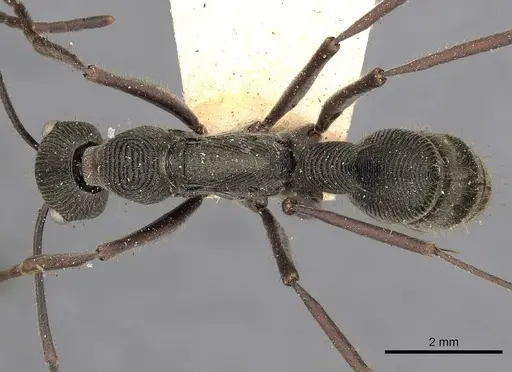
CASENT0903864
View on AntWeb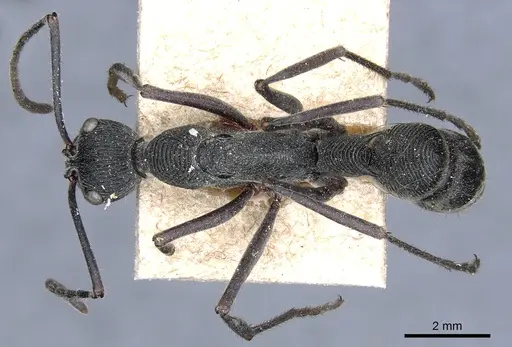
CASENT0907218
View on AntWeb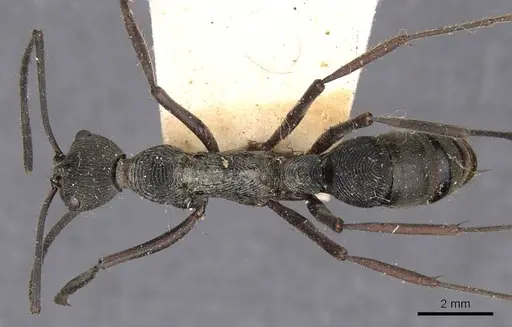
CASENT0915968
View on AntWeb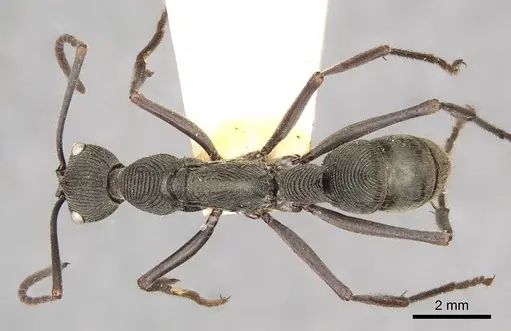
CASENT0915969
View on AntWeb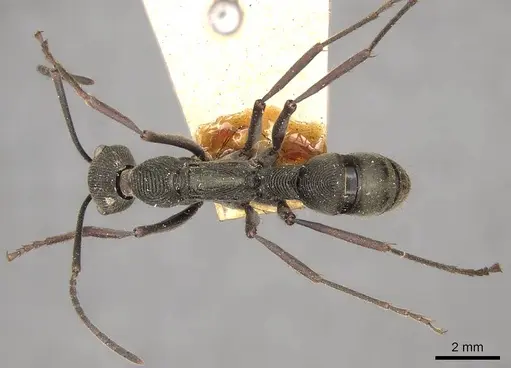
CASENT0916814
View on AntWeb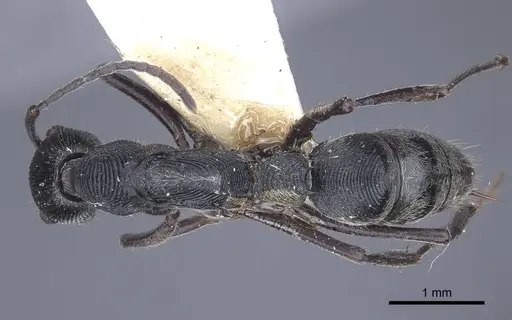
FOCOL0584
View on AntWeb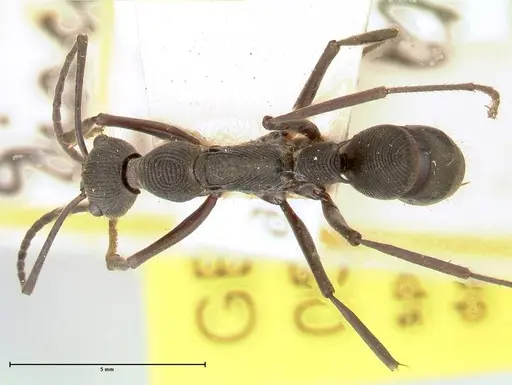
ZRC
View on AntWeb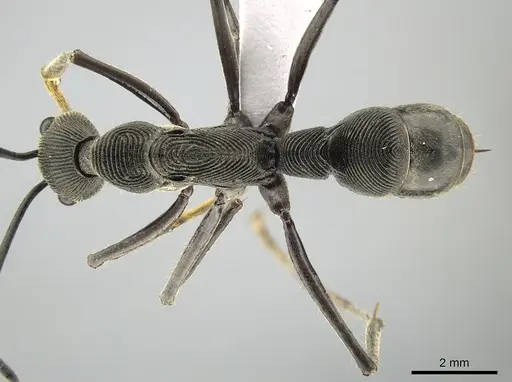
Literature
Loading distribution map...Loading products...