
Diacamma colosseense
- Sci. Name
- Diacamma colosseense
- Tribe
- Ponerini
- Subfamily
- Ponerinae
- Author
- Forel, 1915
- Distribution
- Found in 1 countries
Introduction
Diacamma colosseense is a medium-sized ant species native to the south-eastern coast of Queensland, Australia, from just north of Rockhampton south to Bundaberg . Workers have a robust, dark body with distinctive narrowly-spaced petiolar spines. The species was previously considered a variety of D. australe but was restored to full species status in 2006, distinguished by its larger body size, weaker mandibular sculpturing, and the broadly rounded anterior clypeal margin . This ant is allopatric, occurring in geographic isolation from other Diacamma species in its range . As a Ponerinae ant, it possesses a functional stinger for defense.
Quick Summary
- Difficulty: Medium
- Origin & Habitat: Native to the south-eastern coast of Queensland, Australia, from just north of Rockhampton south to Bundaberg. This species is allopatric to other Diacamma species, occurring in geographic isolation [1]. The natural habitat consists of subtropical coastal regions.
- Colony Type: Queenless, no distinct queen caste, reproduction by gamergates (reproductive workers).
- Queen Status: Queenless Colony
- Size & Growth:
- Queen: Queenless species, reproduction by gamergate (reproductive worker) instead of a distinct queen caste.
- Worker: Size data unavailable, the context provides head measurements (HL 2.82-3.05mm) but not total body length. Workers are described as robust with distinctive petiolar spines [1]
- Colony: Unknown for this species
- Growth: Moderate
- Development: Unknown, no specific development data exists for this species (Development time is unconfirmed. Ponerinae species typically take several months from egg to adult worker.)
- Antkeeping:
- Temperature: Keep around 24-28°C. Being from subtropical Queensland, they prefer warm conditions.
- Humidity: Moderate humidity around 60-70%. Keep the nest substrate consistently moist but not waterlogged.
- Diapause: Unlikely required. As a subtropical species from Queensland, they probably do not enter true hibernation but may reduce activity during cooler months.
- Nesting: In nature, Diacamma species typically nest in soil or under stones. In captivity, a Y-tong (AAC) nest or naturalistic setup with moist substrate works well.
- Behavior: Diacamma colosseense is a predatory ant with a potent sting, typical of the Ponerinae subfamily. Workers are active foragers that hunt small invertebrates. They are moderately aggressive when defending the nest. Escape prevention should be taken seriously, while not among the smallest ants, they are agile and will explore gaps.
- Common Issues: queen identification can be difficult as Diacamma queens are not dramatically larger than workers, predatory nature means they require live prey, failure to provide suitable food can lead to colony decline, sting is potent for their size, handle with care, slow colony growth compared to many common ant species can frustrate beginners, humidity control is important, too dry and brood desiccates, too wet and mold becomes a problem
Nest Preferences and Housing
Diacamma colosseense nests in soil and under stones in its natural habitat along the Queensland coast. In captivity, provide a moist naturalistic setup or a Y-tong (AAC) nest with chambers scaled to their medium size. The nest should have passages narrow enough that workers feel secure but wide enough for easy movement. A water reservoir connected to the nest helps maintain humidity without frequent misting. Since they are subtropical ants, avoid cold spots in the enclosure. [1]
Feeding and Diet
Like other Ponerinae ants, D. colosseense is predatory and requires live invertebrate prey. Offer small insects such as fruit flies, small crickets, mealworms, and other appropriately-sized arthropods. Feed protein-rich prey 2-3 times per week, adjusting based on colony size and consumption. Sugar sources may be accepted but are not required, these are primarily predatory ants. Remove uneaten prey after 24-48 hours to prevent mold issues. A constant water source should be available.
Temperature and Seasonal Care
As a subtropical species from Queensland, D. colosseense prefers warm conditions around 24-28°C. Use a heating cable or heating mat on one side of the nest to create a temperature gradient, allowing ants to regulate their own exposure. Place the heating on top of the nest to avoid evaporating moisture too quickly. They likely do not require true hibernation but may reduce activity during cooler periods. Room temperature within their preferred range is acceptable if ambient conditions match. [1]
Behavior and Defense
Diacamma colosseense is an active forager with a potent sting, typical of Ponerinae ants. Workers hunt individually for small invertebrates and will defend the nest aggressively if threatened. The genus is known to have gamergate reproduction in some species, where workers can become reproductives, but this specific behavior is unconfirmed for D. colosseense. Workers are moderately sized and can navigate effectively. Use standard escape prevention, while not tiny, they are agile and will explore any gaps in their enclosure.
Colony Development
Colony growth for D. colosseense is expected to be moderate, following typical Ponerinae patterns. Specific development time from egg to worker is unknown for this species. The queen is not dramatically larger than workers, which can make queen identification challenging, look for the dealated (wing-less) queen with a more robust thorax and the distinctive broadly rounded clypeal margin. [1]
Frequently Asked Questions
How long does it take for Diacamma colosseense to produce first workers?
This is unknown, no specific development data exists for this species. Ponerinae species typically take several months from egg to adult worker.
What do Diacamma colosseense eat?
They are predatory ants that require live invertebrate prey such as small crickets, fruit flies, mealworms, and other small arthropods. Protein should be offered 2-3 times per week.
Are Diacamma colosseense good for beginners?
They are rated as medium difficulty. While not as challenging as some specialized predators, their slower growth, predatory diet requirements, and potent sting make them better suited for keepers with some ant-keeping experience.
What temperature do Diacamma colosseense need?
Keep them warm at 24-28°C. Being from subtropical Queensland, they prefer consistent warmth. A heating cable on one side of the nest creates a suitable gradient.
Do Diacamma colosseense need hibernation?
Probably not. As a subtropical species, they likely do not enter true hibernation but may reduce activity during cooler months.
How big do Diacamma colosseense colonies get?
Colony size is not specifically documented for this species.
Can I keep multiple Diacamma colosseense queens together?
This has not been documented for this species. Combining unrelated queens is not recommended.
What type of nest is best for Diacamma colosseense?
A Y-tong (AAC) nest or naturalistic setup with moist substrate works well. Provide narrow chambers scaled to their medium size and ensure humidity can be maintained.
Why is my Diacamma colosseense colony declining?
Common causes include insufficient live prey, improper humidity (too dry or too wet), temperatures outside their preferred range, or stress from disturbance. Ensure they have adequate protein, appropriate moisture levels, and minimal interference.
Report an Issue
The current care sheet is based fully on literature. See inconsistencies, or something that's incorrect? Please , it will be resolved after review from an admin. Contributing to the blogs tab also helps providing information, to make us be able to further improve the caresheets. Thank you for your support!
References

This caresheet is licensed under CC BY-SA 4.0 .
Community Blogs
CASENT0907219
View on AntWeb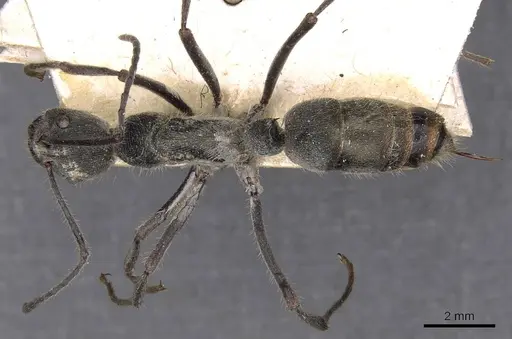
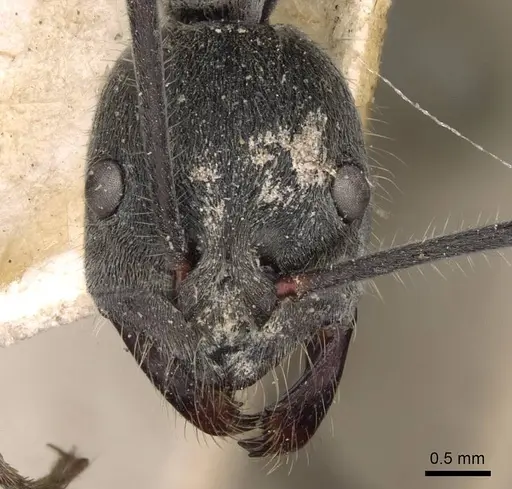
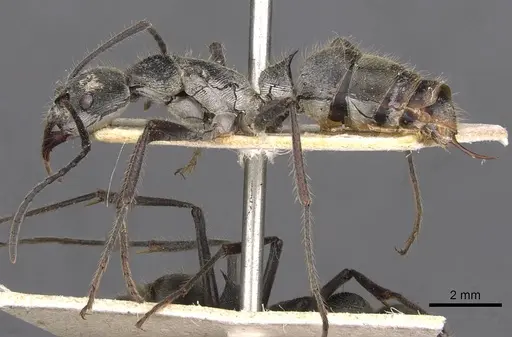
Literature
Loading distribution map...Loading products...