
Diacamma carbonarium
- Sci. Name
- Diacamma carbonarium
- Tribe
- Ponerini
- Subfamily
- Ponerinae
- Author
- Laciny <i>et al.</i>, 2015
- Distribution
- Found in 0 countries
Introduction
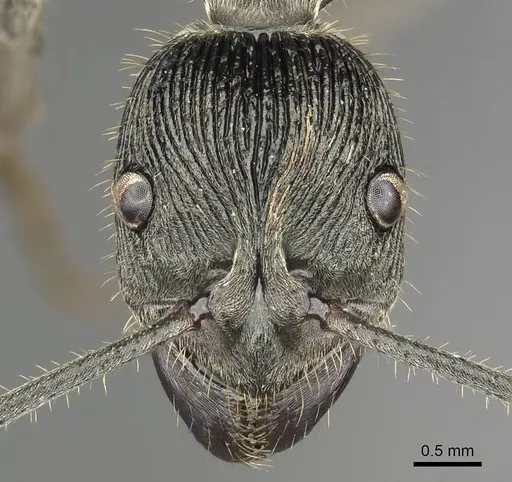
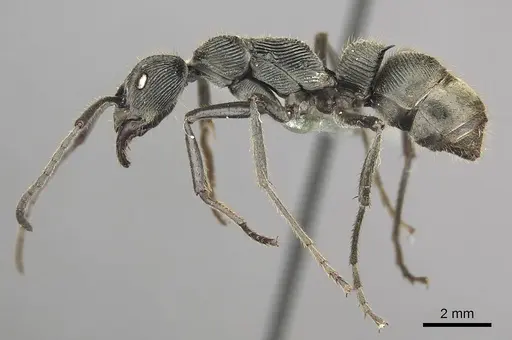
Diacamma carbonarium is a large ant species native to Luzon Island in the Philippines. Workers measure 11.9-14.2mm, making them one of the larger ant species in the region . They are entirely black with no metallic shimmer, and their body is covered in coarse striations running from the head to the first abdominal segment. The petiole is notably stout with short spines, and long standing hairs are most prominent on the petiole and gaster. This species is restricted to forested areas, particularly lowland forests like those in Quezon National Park [AntWiki]. This species belongs to the Diacamma rugosum group and is notable for being completely matte black - unlike many related species that show a metallic shimmer. Diacamma species are known for having gamergates (reproductive workers) which can replace the queen if she dies, making their social structure particularly interesting to observe.
Quick Summary
- Difficulty: Medium
- Origin & Habitat: Luzon Island, Philippines, found in forested areas including lowland forests in Quezon National Park and higher elevations up to 1200m in Nueva Viscaya province [1][2].
- Colony Type: Queenless, no distinct queen caste, reproduction by gamergates (reproductive workers).
- Queen Status: Queenless Colony
- Size & Growth:
- Queen: Queenless species, reproduction by gamergate (reproductive worker) instead of a distinct queen caste.
- Worker: 11.9-14.2mm [1]
- Colony: Colony size data unavailable for this species
- Growth: Growth rate is unconfirmed
- Development: Development time is unconfirmed for this species (Based on typical Ponerinae patterns, development likely takes several months at tropical temperatures)
- Antkeeping:
- Temperature: Keep at 24-28°C. Being a tropical species from the Philippines, they need warm conditions year-round. A heating cable on one side of the nest creates a suitable gradient.
- Humidity: High humidity required, aim for 70-80%. These forest-dwelling ants need moist substrate. Keep the nest substrate consistently damp but not waterlogged.
- Diapause: No true diapause required. As a tropical species from Luzon, they do not experience cold winters. Keep temperatures stable year-round.
- Nesting: In captivity, they do well in Y-tong (AAC) nests, plaster nests, or naturalistic setups with deep soil. Provide moist substrate for brood chambers. Their natural nesting in rotting wood and soil suggests soil-filled formicaria work well.
- Behavior: Diacamma carbonarium is a predatory ant with a potent sting. Workers are active foragers that hunt small invertebrates. They are not aggressive toward their own colony but will defend vigorously if threatened. Being large ants, escape prevention is straightforward, standard barriers work well. They are primarily nocturnal or crepuscular, with peak activity during cooler hours. Workers hunt individually, using their sting to subdue prey.
- Common Issues: tropical warmth requirement means colonies can struggle in air-conditioned rooms, predatory diet means they need consistent live prey, failure to provide adequate protein leads to colony decline, high humidity can lead to mold problems if ventilation is poor, gamergate system means queen loss may not immediately halt reproduction, but colony stability depends on having reproductive workers present, large size and potent sting means they can deliver painful stings if handled carelessly
Housing and Nest Setup
Diacamma carbonarium does well in Y-tong (AAC) nests or naturalistic setups. Because they are large ants, they need appropriately sized chambers, avoid cramped spaces that can stress the colony. For a founding colony, a simple test tube setup works initially, but be prepared to move them to a larger formicarium once the colony reaches 15-20 workers. Provide an outworld (foraging area) that is at least 2-3 times the size of the nest chamber. Use a substrate of moist soil or plaster that holds humidity well. Add a water reservoir to the nest to maintain moisture over time. [2]
Feeding and Diet
As predatory Ponerinae ants, Diacamma carbonarium needs a protein-rich diet. Feed them live insects appropriate to their size, small crickets, mealworms, fruit flies, and wax moth larvae are all suitable. Offer prey items roughly once or twice weekly, adjusting based on colony size and consumption. Remove any uneaten prey after 24-48 hours to prevent mold. While they are primarily predatory, they may occasionally accept sugar sources like honey water, but do not rely on these as a primary food. Fresh water should always be available. A varied diet leads to healthier colonies and faster brood development. [2]
Temperature and Heating
Being a tropical species from the Philippines, Diacamma carbonarium requires warm temperatures year-round. Keep the nest area at 24-28°C, with a slight gradient allowing workers to regulate their temperature. Room temperature alone is often insufficient, especially in air-conditioned spaces. Use a heating cable or small heat mat placed on one side of the nest, never directly under it, as this can create hot spots that harm the brood. A thermostat controller helps maintain stable temperatures. Avoid temperature fluctuations, as these can stress the colony and slow development. If your room stays above 24°C consistently, additional heating may not be needed. [2]
Humidity and Moisture Management
Diacamma carbonarium needs high humidity, aim for 70-80% relative humidity in the nest. Keep the substrate consistently moist but never waterlogged. The nest material should feel damp to the touch, with some slightly drier areas available for the ants to choose. Use a water reservoir connected to the nest to provide gradual moisture over time. Mist the nest occasionally, but avoid creating standing water. Good ventilation is essential to prevent mold while maintaining humidity. If you see condensation constantly pooling on the nest walls, increase ventilation. If the substrate dries quickly between waterings, reduce ventilation or add more moisture. [2]
Behavior and Colony Dynamics
This species has a gamergate system, workers can become reproductive and replace a lost queen. This makes their social structure fascinating to observe. Workers are active hunters and will forage individually for prey. They have a potent sting and will use it defensively if the nest is disturbed. The colony will typically have one dominant reproductive (either a queen or gamergate) plus several non-reproductive workers. Brood is tended in clusters within the nest. New colonies grow moderately fast once established, with the queen laying eggs continuously when well-fed. Workers have long lifespans compared to many ant species, so colonies can persist for many years with proper care. [2]
Frequently Asked Questions
How long does it take for Diacamma carbonarium to produce first workers?
Exact development time is unconfirmed for this species. Expect first workers in several months at optimal temperatures of 25-28°C. The queen will seal herself in during founding and emerge once her first workers hatch.
What do Diacamma carbonarium eat?
They are predators that need live insects. Feed small crickets, mealworms, fruit flies, and wax moth larvae. Offer protein prey 1-2 times weekly. They may accept honey water occasionally but do not rely on sugar sources as a primary food.
Can I keep multiple Diacamma carbonarium queens together?
This species is not documented as polygynous, they likely form single-queen colonies. Combining unrelated queens is not recommended and likely results in fighting. If the queen dies, the colony may produce a gamergate (reproductive worker) to replace her.
Do Diacamma carbonarium need hibernation?
No, as a tropical species from the Philippines, they do not require hibernation. Keep temperatures stable year-round at 24-28°C. They are active throughout the year in their natural habitat.
How big do Diacamma carbonarium colonies get?
Colony size data is unavailable for this species. Based on related Diacamma species, colonies likely reach several hundred workers over several years.
Is Diacamma carbonarium good for beginners?
This is a medium-difficulty species. They are hardier than some Ponerinae but require warm, humid conditions and a predatory diet. If you have experience with other large ants and can maintain tropical conditions, they are a rewarding species to keep.
When should I move Diacamma carbonarium to a formicarium?
Move them when the test tube colony reaches 15-20 workers or the tube becomes cramped. A Y-tong or naturalistic setup with moist substrate works well. Make sure the new nest is pre-humidified to minimize stress.
Why is my Diacamma carbonarium colony declining?
Common causes include: temperatures too low (below 24°C), insufficient humidity, lack of adequate live prey, mold from overwatering, or stress from disturbance. Review your temperature, humidity, and feeding regimen.
Are Diacamma carbonarium ants aggressive?
They are not aggressive toward humans unless threatened, but they will defend their nest vigorously. Workers are solitary hunters, not raiders. Their main defense is their potent sting, which they use when the colony is disturbed.
Report an Issue
The current care sheet is based fully on literature. See inconsistencies, or something that's incorrect? Please , it will be resolved after review from an admin. Contributing to the blogs tab also helps providing information, to make us be able to further improve the caresheets. Thank you for your support!
References

This caresheet is licensed under CC BY-SA 4.0 .
Community Blogs
CASENT0915966
View on AntWeb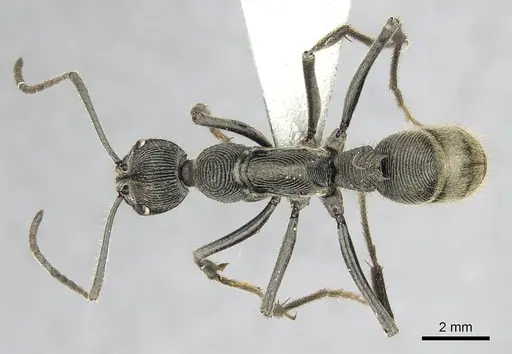
Literature
Loading distribution map...Loading products...