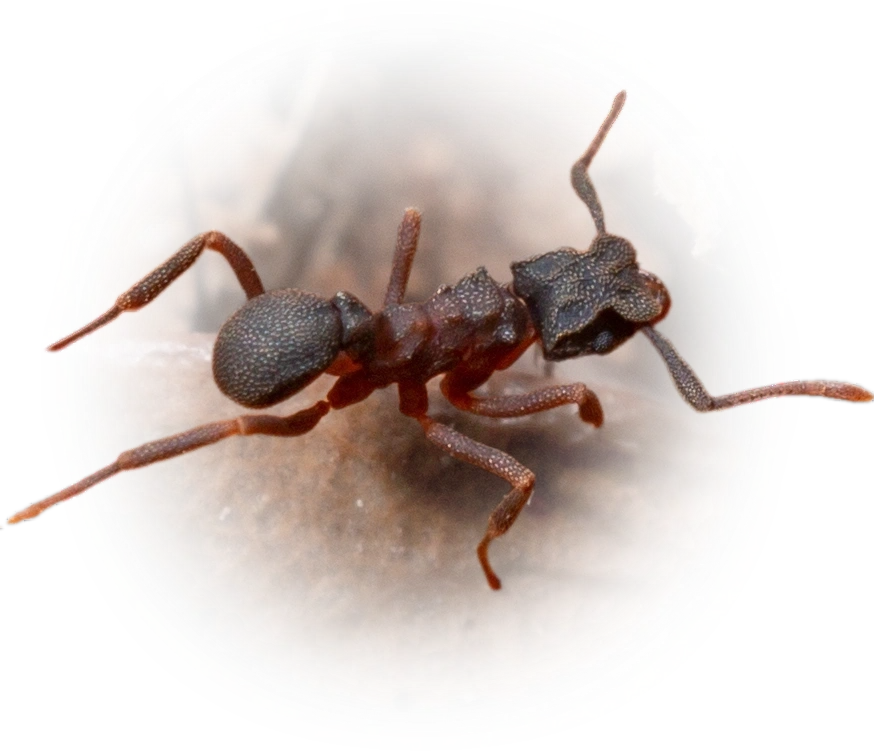
Rimose Fungus-farming Ant
Cyphomyrmex rimosus
- Sci. Name
- Cyphomyrmex rimosus
- Tribe
- Attini
- Subfamily
- Myrmicinae
- Author
- Spinola, 1851
- Common Name
- Rimose Fungus-farming Ant
- Distribution
- Found in 7 countries
Introduction
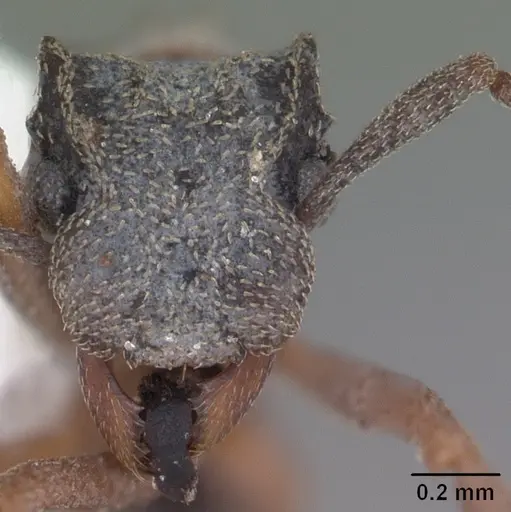
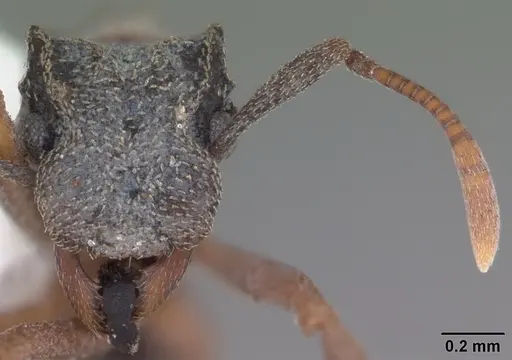
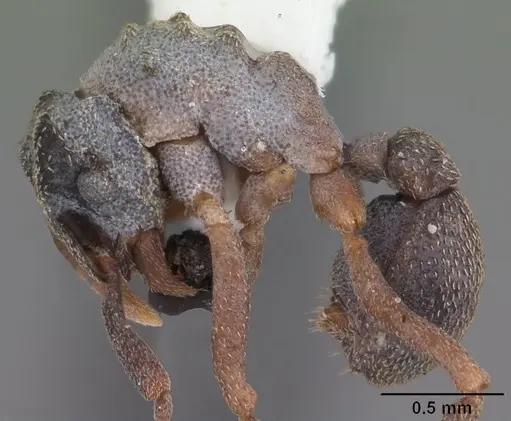
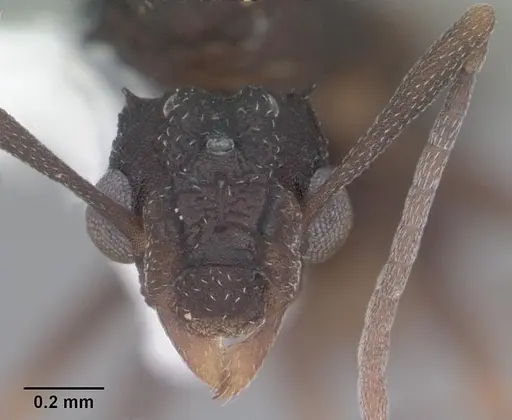
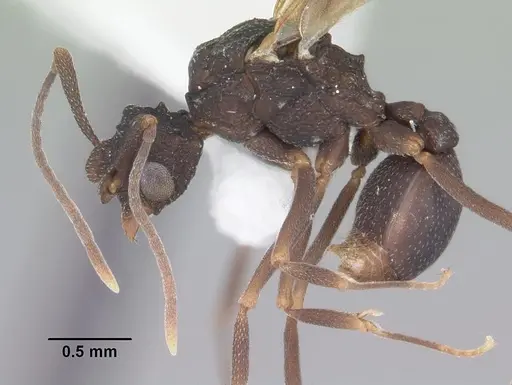
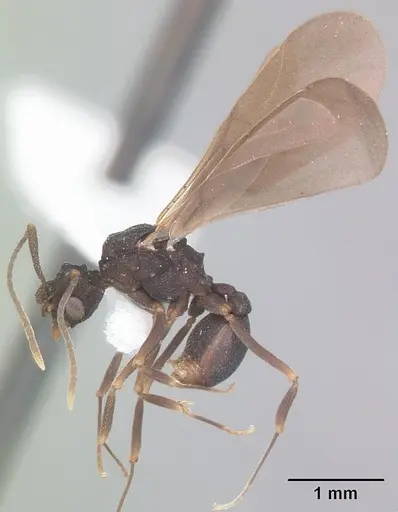
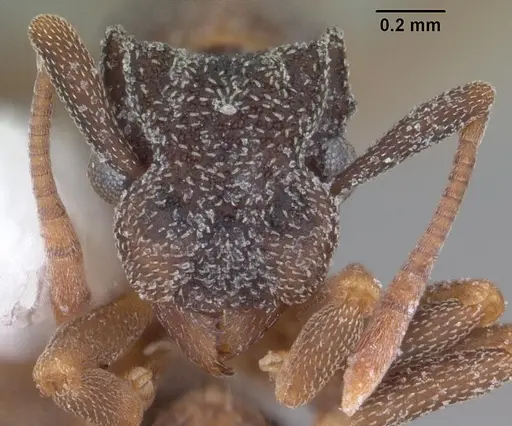
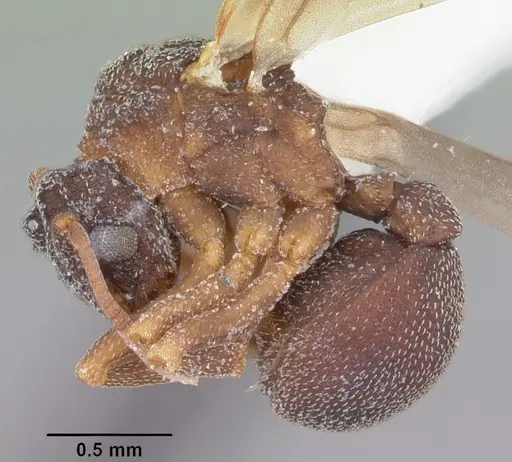
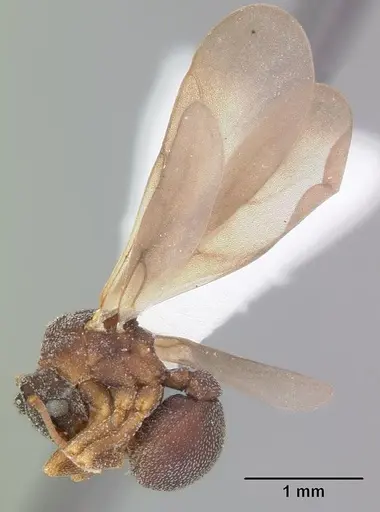
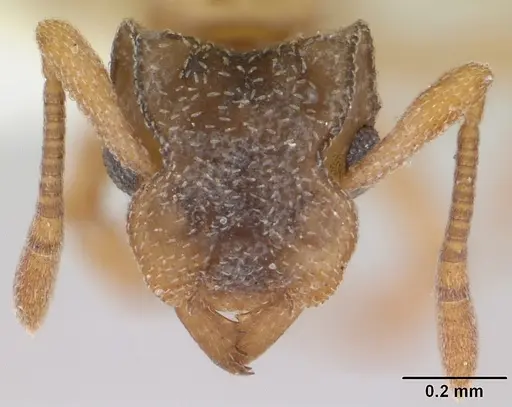
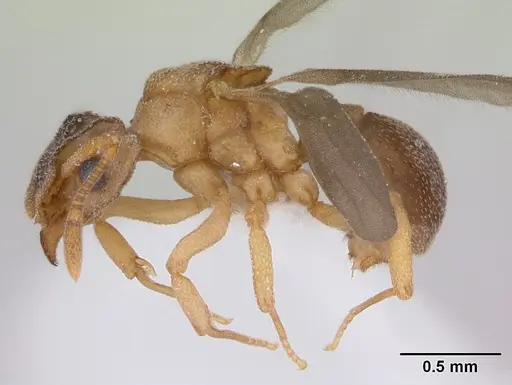
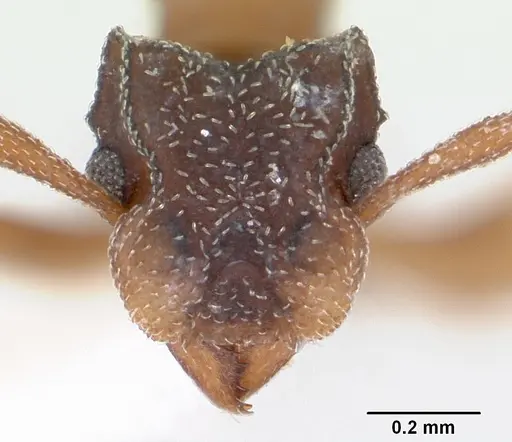
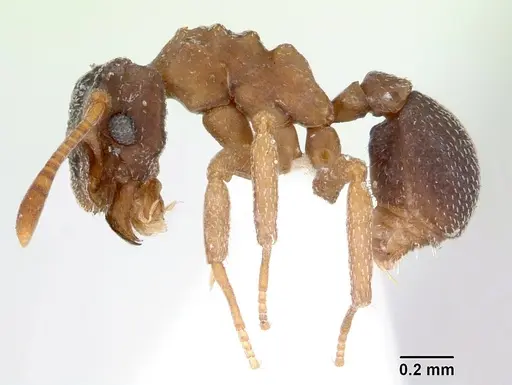
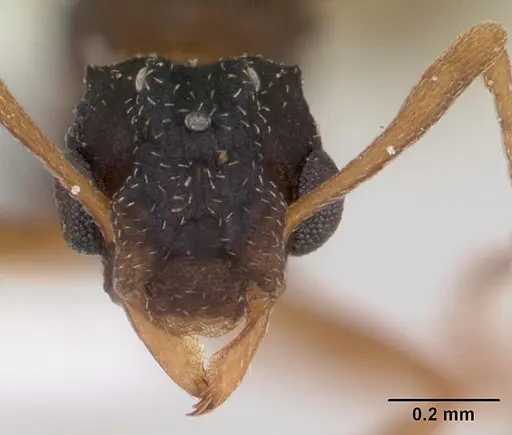
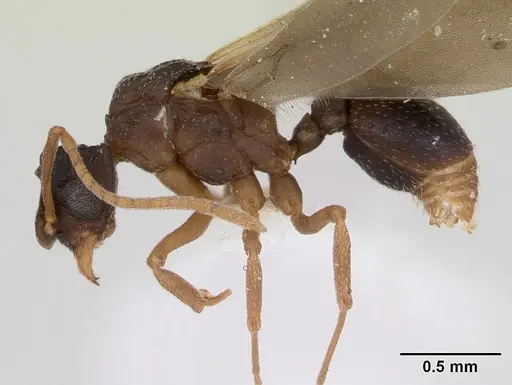
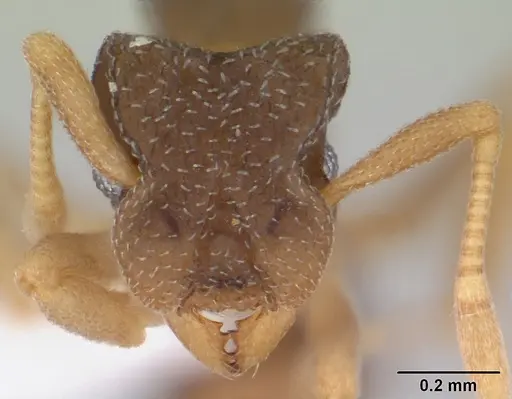
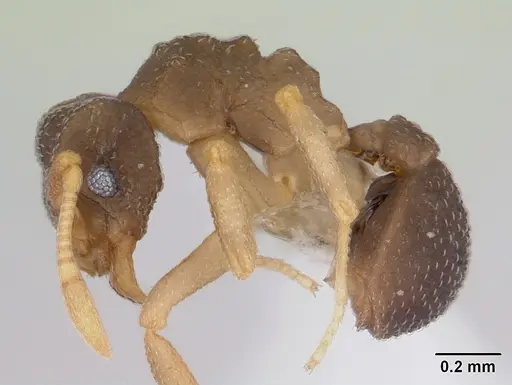
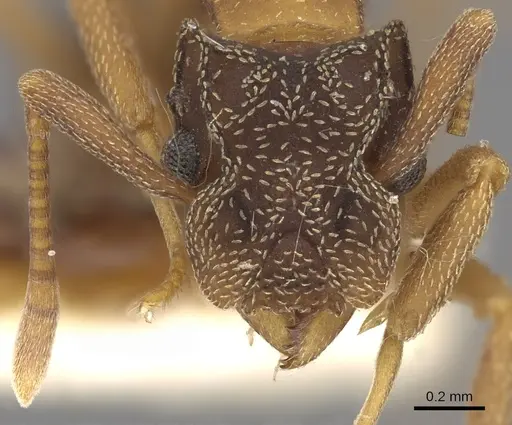
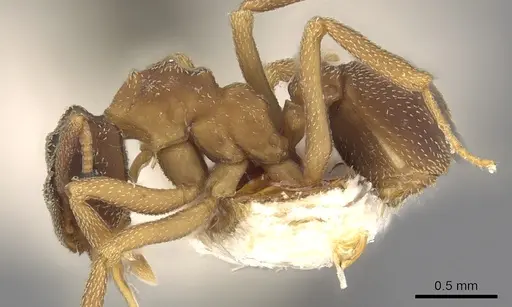
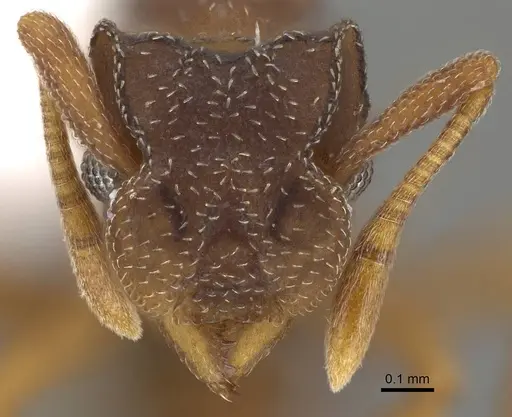
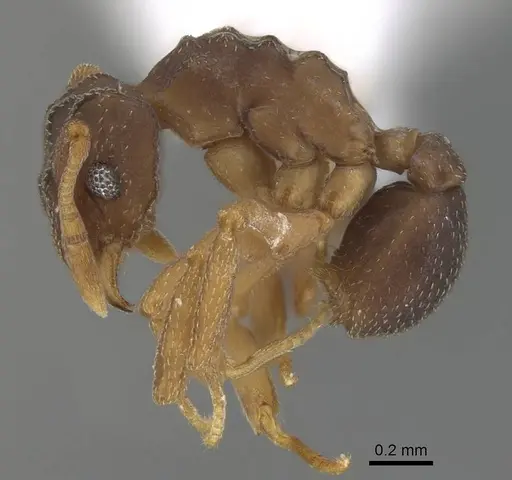
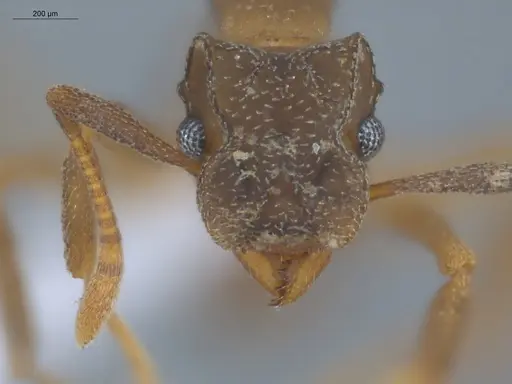
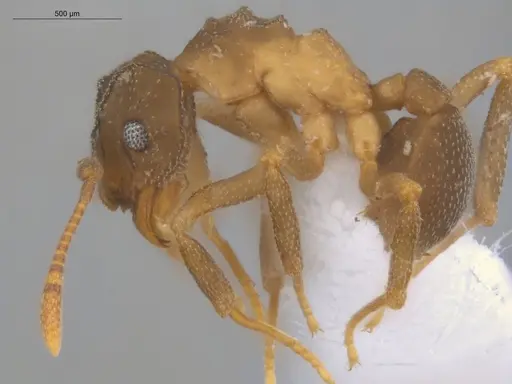
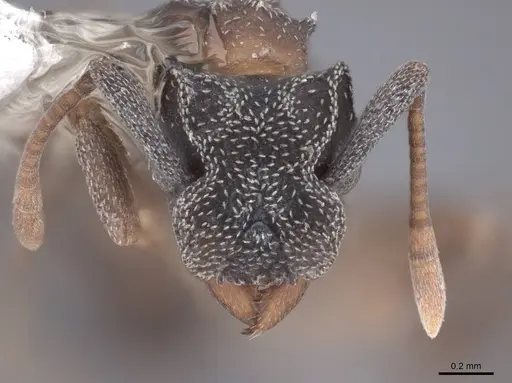
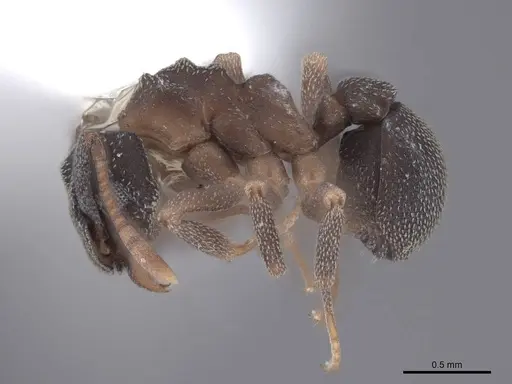
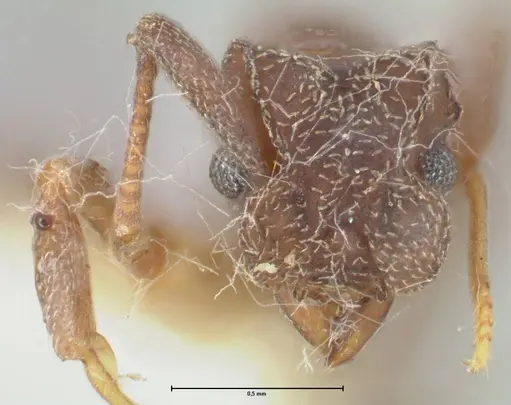
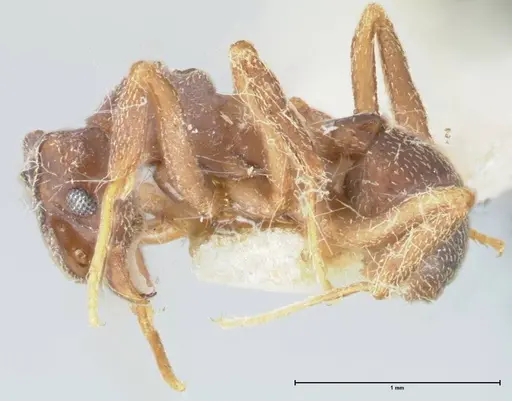
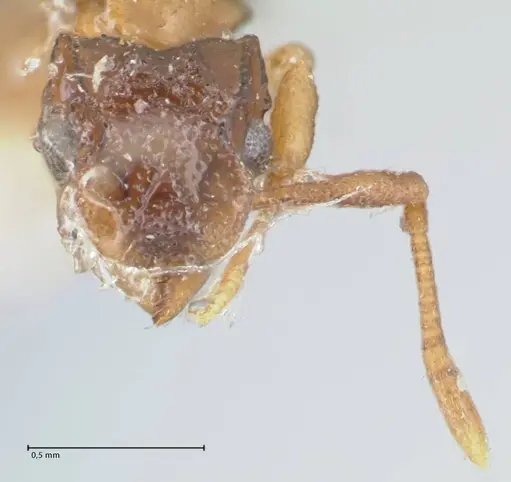
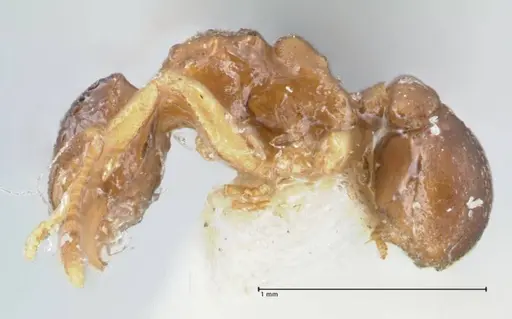
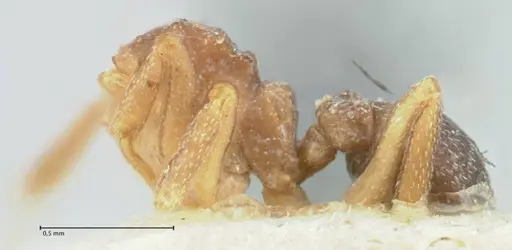
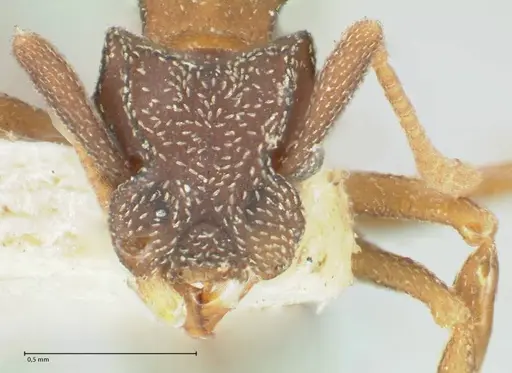
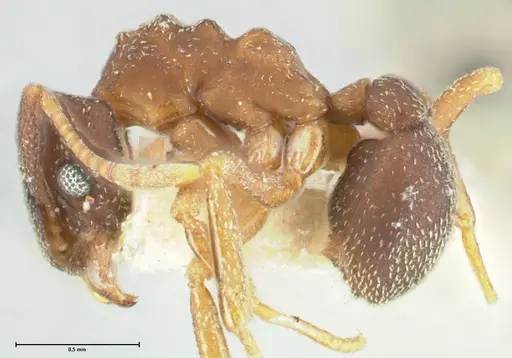
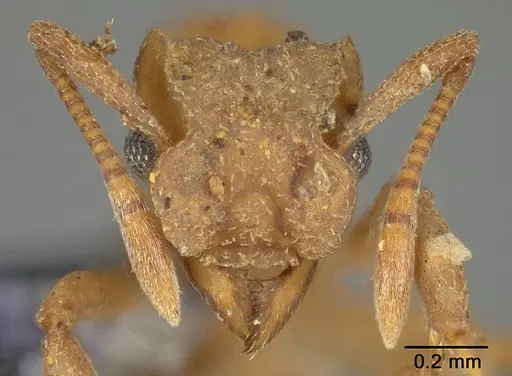
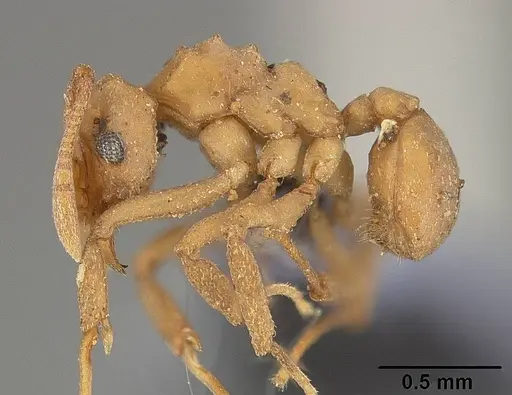
Cyphomyrmex rimosus is a small fungus-growing ant native to Central and South America that has been introduced to the southeastern United States, the Galápagos Islands, and other regions. Workers are tiny at 3.3-3.5mm, brown to reddish-brown in color, with distinctive rounded tubercles on the mesosoma and flat appressed scale-like hairs. This species belongs to the yeast-growing group of attine ants - it cultivates its fungal food not as mycelium like leaf-cutter ants, but as clusters of small yeast-like nodules. Unlike leaf-cutters, they do not cut living plant material; instead, they collect insect feces, dead insects, and other organic debris to feed their fungus. Colonies are typically small, usually under 100 workers, though they can reach 300+ in mature nests. This species is facultatively polygynous - colonies may have single or multiple queens working together.
Quick Summary
- Difficulty: Medium
- Origin & Habitat: Native to Central and South America (Argentina to southern Mexico), introduced to the southeastern US (Florida, Georgia, Alabama, Mississippi, Texas), and the Galápagos Islands. Found in diverse habitats from dry open areas to lowland rainforests, typically in damp soil microhabitats under stones, logs, or in rotting wood [1][2].
- Colony Type: Facultatively polygynous, typically single queen but colonies may have 2-4 queens. Queens are monandrous (mate only once) [2][3].
- Size & Growth:
- Queen: size data unavailable
- Worker: 3.3-3.5mm total length [2]
- Colony: Typically under 100 workers, up to 300+ in mature colonies [2]
- Growth: Moderate
- Development: 6-10 weeks (estimated based on related attine species) (Development time is not directly studied for this species. Semi-claustral founding means queens must forage during colony establishment, which extends the development timeline compared to claustral species.)
- Antkeeping:
- Temperature: Keep at 24-28°C. This is a tropical species that thrives in warm, humid conditions. Room temperature in most homes is often suitable, but a heating cable on one side of the nest can help maintain optimal warmth [2].
- Humidity: High humidity required, they prefer damp soil and nest in moist microhabitats. Keep the nest substrate consistently moist but not waterlogged. These ants are found in areas with appropriate moisture, temperature, and organic matter conditions [4].
- Diapause: No, being tropical, they do not require hibernation. However, activity may slow slightly during cooler winter months in temperate regions.
- Nesting: Use a naturalistic setup with moist substrate (soil or sand mix) or a Y-tong/plaster nest. They nest in soil, under stones, or in rotting wood in the wild. Provide damp substrate and avoid drying out. Test tubes can work but may need modification to maintain humidity [5].
- Behavior: These ants are not aggressive and rely on cryptic defense, when disturbed, workers often play dead (thanatosis). They are highly mobile and will rapidly evacuate the nest if threatened, carrying their brood and fungal garden. Workers forage individually on the surface, collecting small insect parts, caterpillar droppings, and other organic matter. They practice age polyethism: young workers stay in the nest tending the fungus and brood, while older workers forage and defend. Escape risk is moderate, their small size means they can slip through small gaps, so ensure barrier precautions are adequate.
- Common Issues: fungus garden failure, the symbiotic fungus is essential, without it, the colony will die. Never disturb or discard the fungal garden., drying out, these ants need constant moisture. Dry conditions will kill the fungus and the colony., colony stress from disturbance, they are sensitive to nest disruption and may abandon the nest if stressed., small colony size, colonies grow slowly and remain small compared to many common ant species, which can frustrate beginners.
The Fungus Garden - The Heart of the Colony
Cyphomyrmex rimosus is a yeast-farming attine ant. Unlike leaf-cutter ants that grow fungi on leaf pieces, this species cultivates its fungal partner on a substrate of insect feces (especially millipede frass), dead insects, and other organic debris. The fungus grows as small yeast-like nodules (0.25-0.50mm diameter) rather than mycelium. This is critical for keepers: the fungus is the colony's sole food source. Larvae eat exclusively fungus, while adult workers also consume plant sap and nectar. Never remove or discard the fungal garden, it is essential for colony survival. If the fungus dies, the colony will not survive. The fungal cultivar can sometimes be shared with other Cyphomyrmex species if colonies are kept in proximity [7][8][9].
Feeding and Diet
In captivity, you must provide the substrate materials for fungus cultivation. Offer small pieces of dead insects (flightless fruit flies, small crickets, mealworm pieces), insect feces (caterpillar droppings are ideal), or other organic matter. You can also offer a small amount of honey or sugar water as a supplemental energy source for workers, but the primary food must be the organic substrate for the fungus. Some keepers report success with specially prepared substrates like oat flour mixed with water, but the most reliable approach is providing natural insect-derived materials. Remove uneaten organic matter after a few days to prevent mold. Workers will actively forage on plant sap and nectar if available [7][10].
Semi-Claustral Founding
Unlike many ants where queens seal themselves in and survive on stored fat, C. rimosus queens are semi-claustral, they must leave the nest to forage for food during the founding phase. Newly-mated queens contain about 11% fat by dry weight, which is not enough to survive until workers emerge without foraging. This makes colony founding more challenging in captivity. Queens search for suitable nesting sites in soil or under objects, then begin cultivating fungus on collected substrate. Most founding attempts fail because the queen cannot find adequate substrate. If you're starting from a dealate queen, provide small pieces of insect material immediately [6][7].
Temperature and Humidity
As a tropical species, C. rimosus requires warm and humid conditions. Keep the nest at 24-28°C with high humidity. The substrate should remain consistently moist, these ants are found in damp microhabitats in the wild. A hydration system (like a water reservoir connected to the nest) works well to maintain humidity. Avoid both drying out and waterlogging. Room temperature in heated homes (around 22-24°C) is often suitable, but you may need a small heating cable on part of the nest to reach optimal temperatures. Monitor colony activity, if workers cluster together excessively, they may be too cold, if they abandon the fungus garden, it may be too dry or hot [2][4].
Behavior and Defense
These are docile, non-aggressive ants. Their primary defense is crypsis, when disturbed, workers play dead (thanatosis), curling up and remaining motionless. They may also posture defensively by raising their forelegs and opening their mandibles. More significantly, they are highly mobile: when threatened, workers rapidly evacuate the nest, carrying the brood and fungal nodules. This makes them excellent escape artists in captivity, always use excellent barrier precautions. They also practice age polyethism: young workers remain in the nest for 3-4 weeks tending the fungus and brood, while older workers forage outside and defend the colony [7][11].
Colony Structure and Queens
C. rimosus colonies are typically small with usually fewer than 100 workers, though colonies can grow to 300+ individuals. Colonies are usually monogynous (single queen) but can be polygynous with 2-4 queens. Queens are monandrous, meaning they mate only once and store the sperm for life. This affects colony dynamics, there is only one patriline in the colony. Colony foundation is haplometrotic (single queen founding), though multiple dealate females may sometimes associate temporarily. The species shows high colony mobility and will readily relocate if conditions deteriorate [2][3][12].
Frequently Asked Questions
How do I feed Cyphomyrmex rimosus ants?
Provide small pieces of dead insects (fruit flies, small crickets, mealworms), insect feces, or other organic debris. The ants will use this material to cultivate their fungus garden, which is the colony's primary food source. Remove uneaten material after a few days to prevent mold. You can also offer a small amount of honey water as a supplemental energy source for workers.
Do Cyphomyrmex rimosus ants need hibernation?
No, they do not require hibernation. As a tropical species, they remain active year-round when kept at warm temperatures. However, activity may slow slightly during cooler winter months in unheated homes.
How long does it take for Cyphomyrmex rimosus to produce first workers?
Based on related attine species, expect 6-10 weeks from egg to first worker at optimal temperature (24-28°C). Semi-claustral founding extends this timeline compared to claustral species because the queen must forage during colony establishment.
Can I keep multiple Cyphomyrmex rimosus queens together?
Yes, this species is facultatively polygynous, colonies can have multiple queens (typically 2-4). However, if you're combining unrelated foundress queens, introduce them carefully and monitor for aggression. Single-queen colonies are also successful.
What size colony do Cyphomyrmex rimosus colonies reach?
Colonies are typically small, usually under 100 workers. Mature colonies can reach 300+ workers but rarely exceed this. This is a relatively small colony size compared to many common ant species.
Why is my Cyphomyrmex rimosus colony dying?
The most common causes are: (1) Fungus garden death, the symbiotic fungus is essential, if it dies, the colony dies. (2) Drying out, these ants need constant moisture. (3) Improper substrate, without appropriate organic material, they cannot maintain the fungus. (4) Disturbance stress, they are sensitive to nest disruption. Ensure high humidity, provide insect-based substrate, and minimize disturbances.
What temperature do Cyphomyrmex rimosus ants need?
Keep them at 24-28°C. This tropical species thrives in warm, humid conditions. Room temperature in most heated homes is often suitable, but a small heating cable on one side of the nest can help maintain optimal warmth if needed.
Are Cyphomyrmex rimosus ants good for beginners?
They are rated as medium difficulty. They are not aggressive and don't require hibernation, but they have specific needs: the fungus garden must be maintained, humidity must stay high, and they need appropriate organic substrate for food. Their small size and tendency to play dead can also make them harder to observe. They are better suited for keepers interested in the unique fungus-farming behavior rather than those wanting large, active colonies.
What kind of nest should I use for Cyphomyrmex rimosus?
A naturalistic setup with moist substrate (soil/sand mix) works best, or a Y-tong/plaster nest that can hold moisture. They nest in soil, under stones, or in rotting wood in the wild. Test tubes can work but may need modification to maintain humidity. Ensure the substrate stays consistently moist.
Report an Issue
The current care sheet is based fully on literature. See inconsistencies, or something that's incorrect? Please , it will be resolved after review from an admin. Contributing to the blogs tab also helps providing information, to make us be able to further improve the caresheets. Thank you for your support!
References

This caresheet is licensed under CC BY-SA 4.0 .
Community Blogs
CASENT0103839
View on AntWeb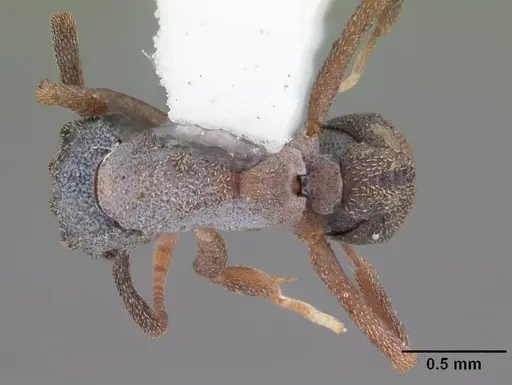
CASENT0103840
View on AntWeb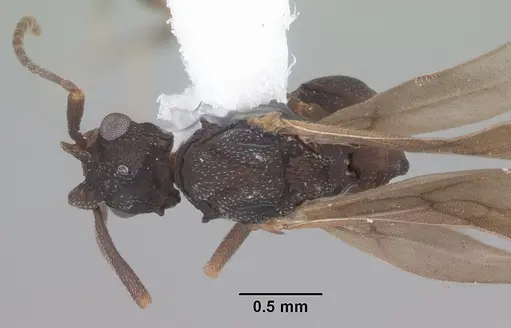
CASENT0103846
View on AntWeb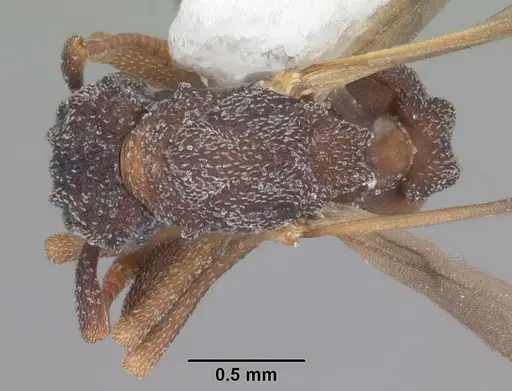
CASENT0173242
View on AntWeb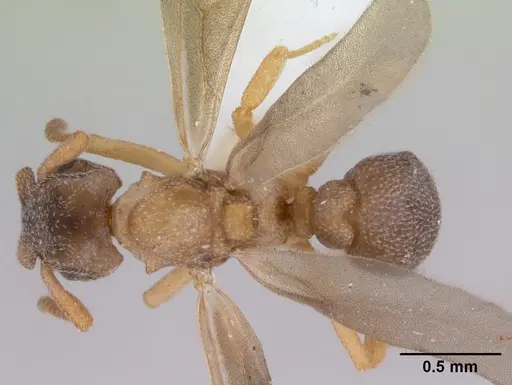
CASENT0173243
View on AntWeb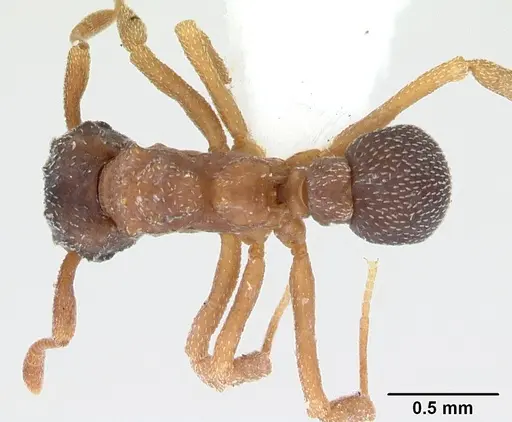
CASENT0173244
View on AntWeb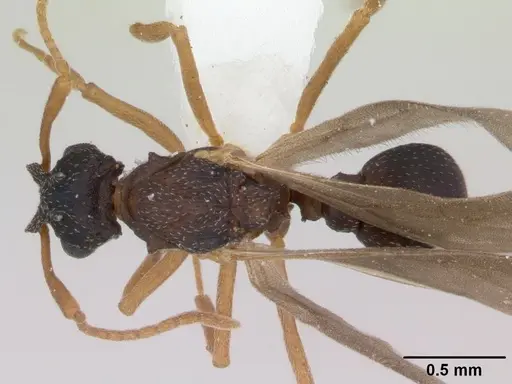
CASENT0178657
View on AntWeb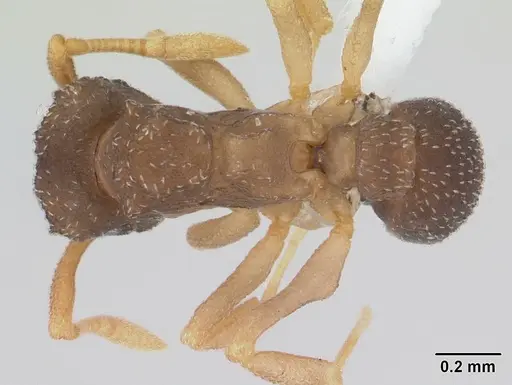
CASENT0179472
View on AntWeb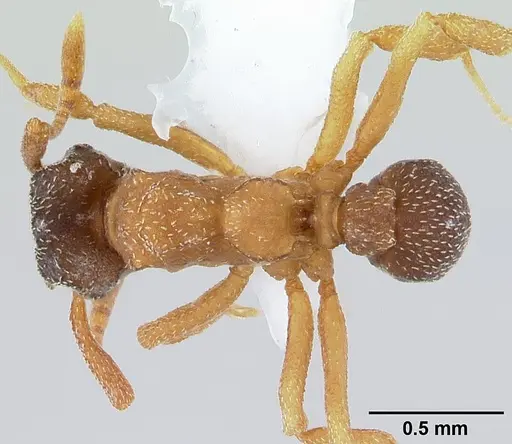
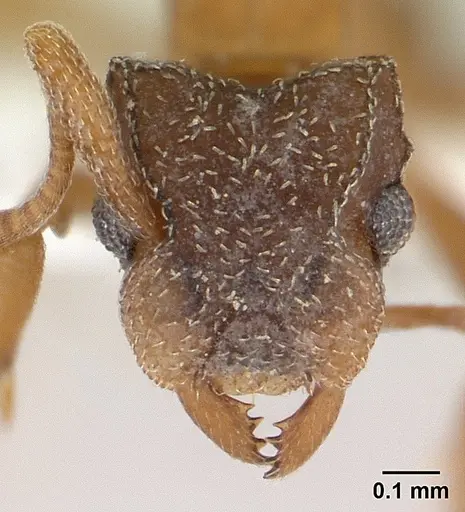
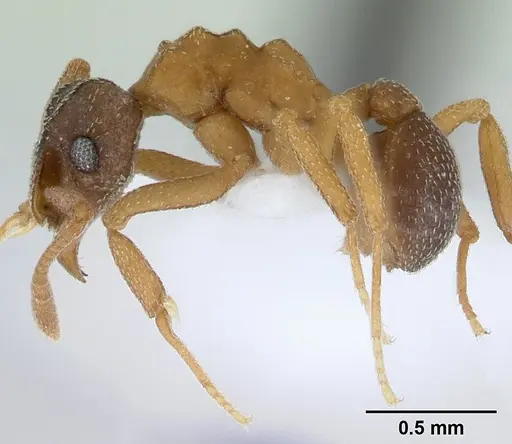
CASENT0246039
View on AntWeb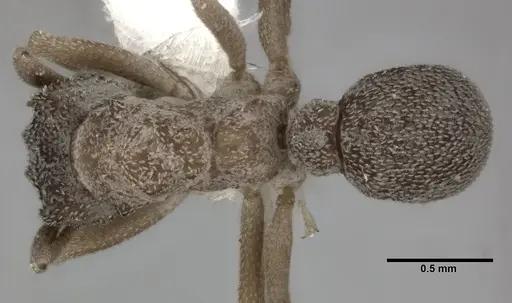
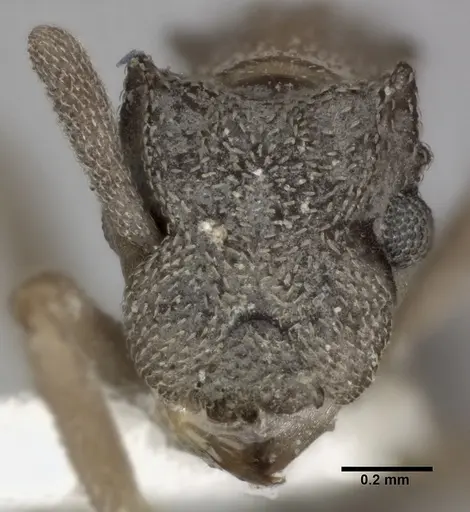
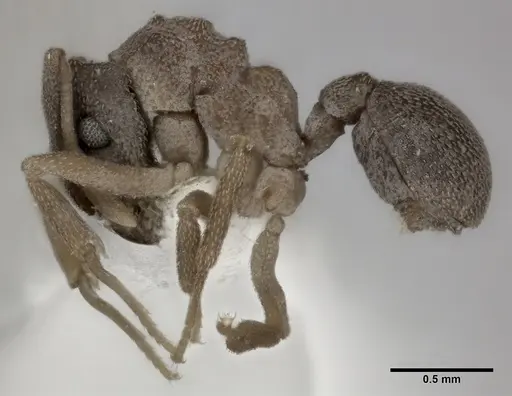
CASENT0901675
View on AntWeb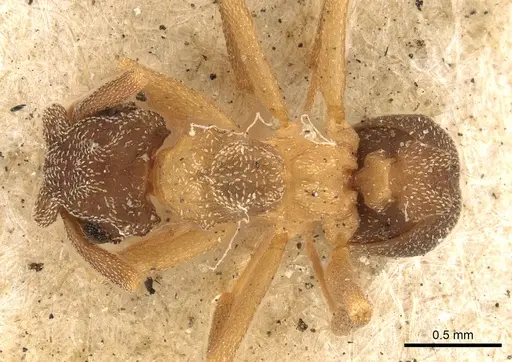
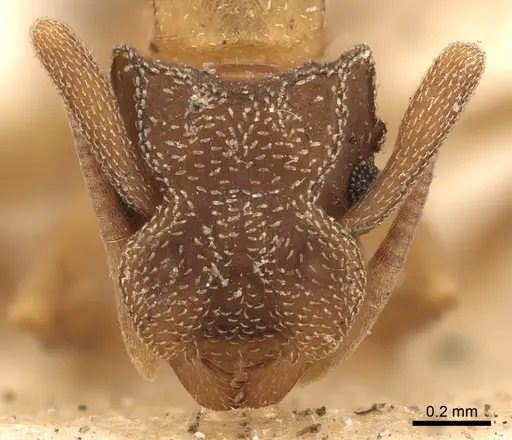
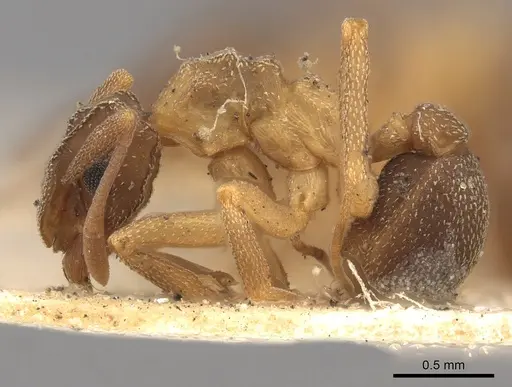
CASENT0901677
View on AntWeb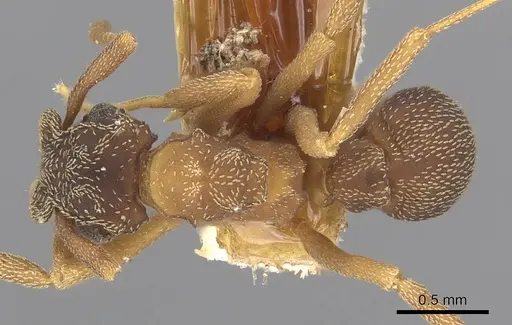
CASENT0904979
View on AntWeb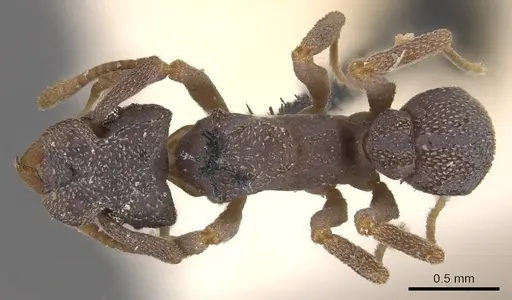
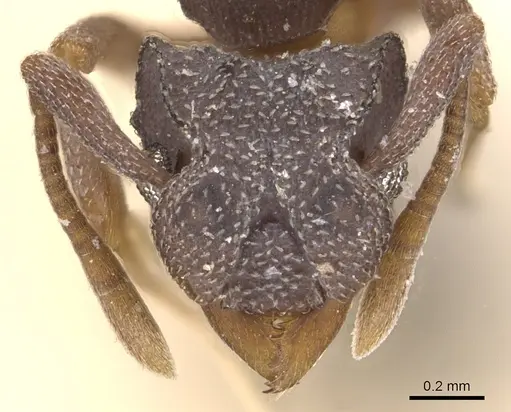
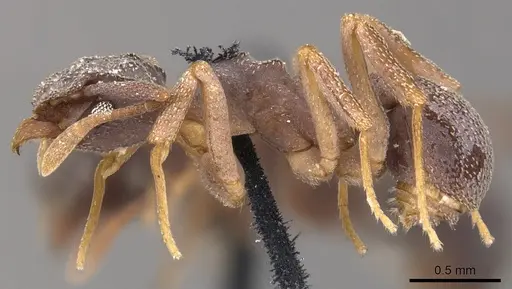
CASENT0919614
View on AntWeb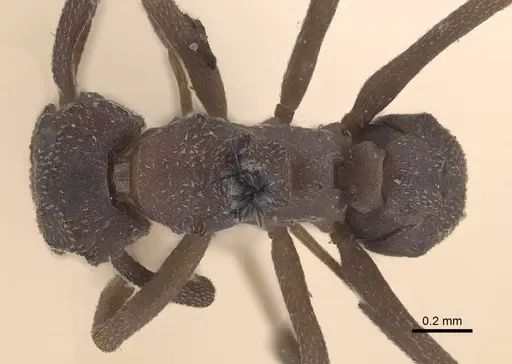
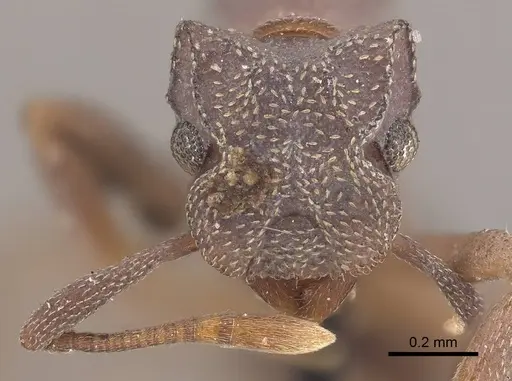
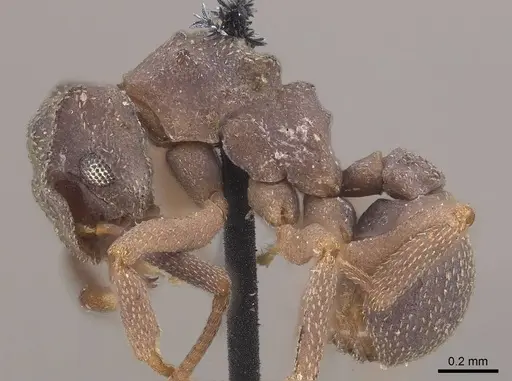
CASENT0922131
View on AntWeb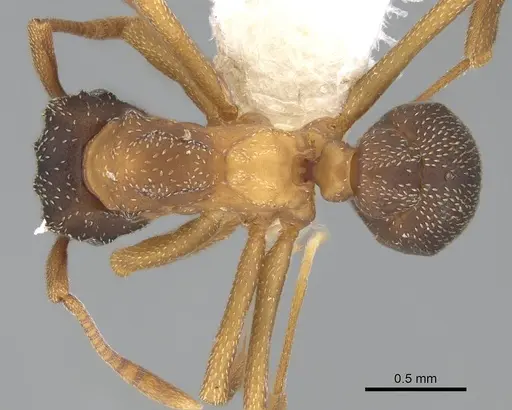
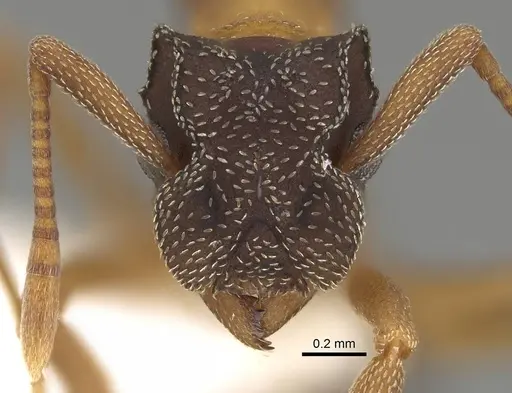
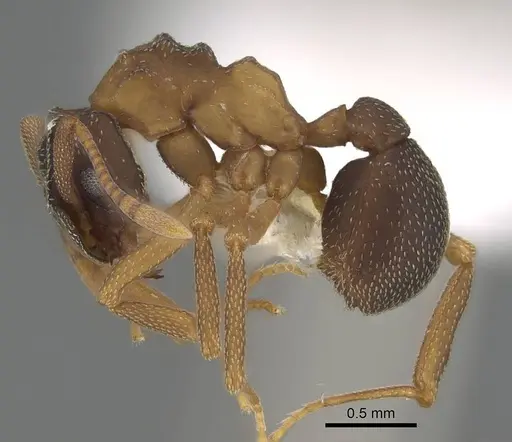
CASENT0922132
View on AntWeb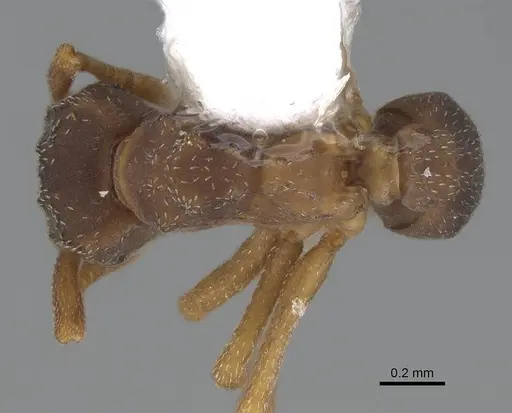
CASENT0922133
View on AntWeb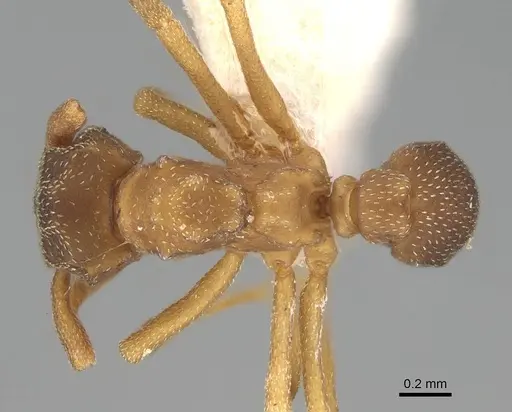
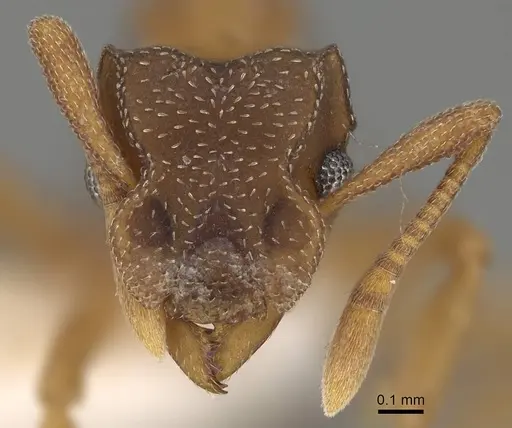
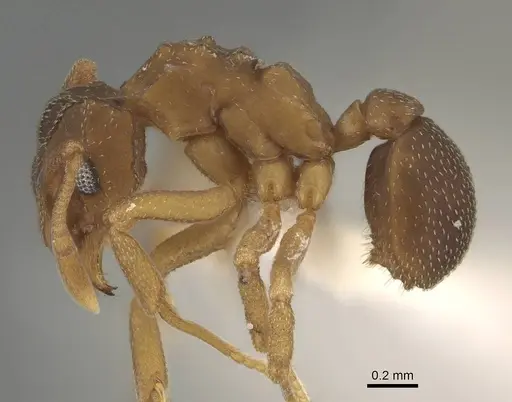
CASENT0923105
View on AntWeb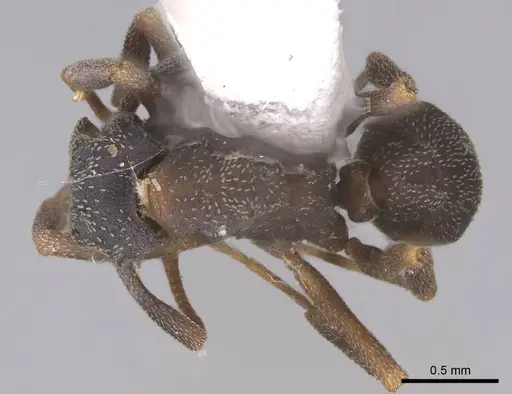
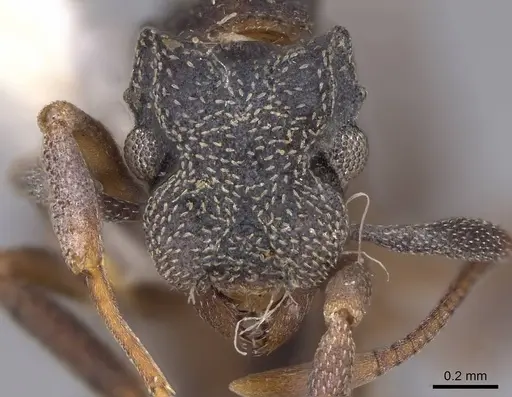
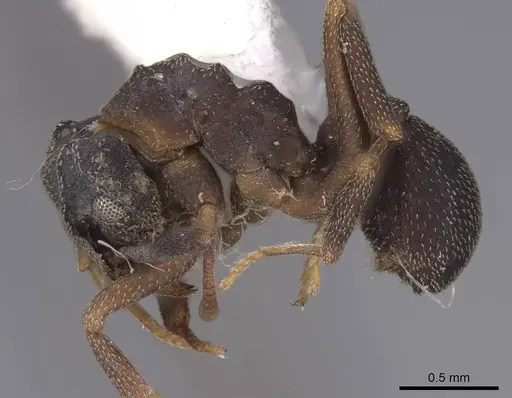
CBUMAGENT41999
View on AntWeb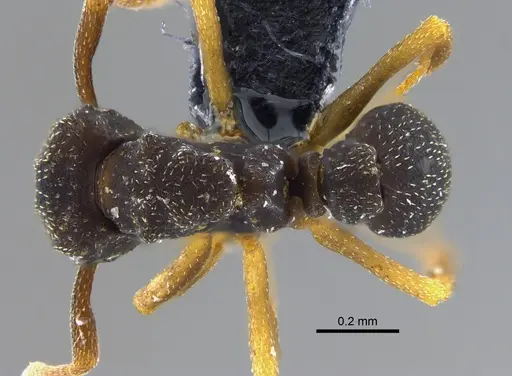
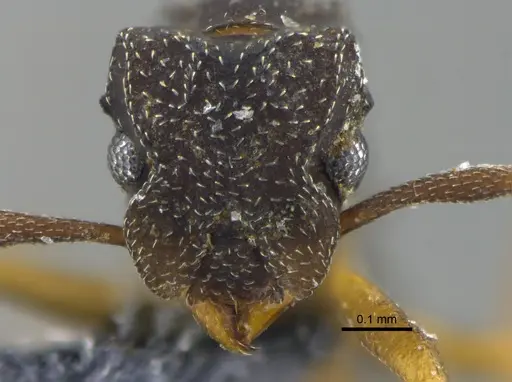
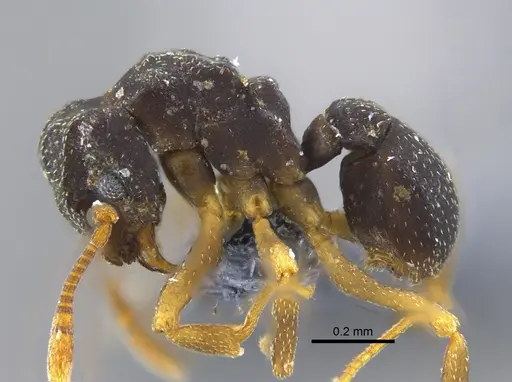
ECOFOG-GRS21-0010-04
View on AntWeb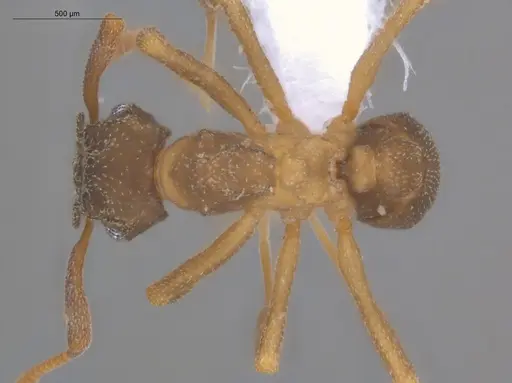
FMNHINS0000046091
View on AntWeb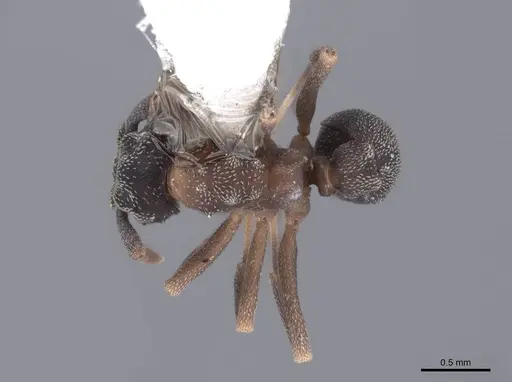
FOCOL1761
View on AntWeb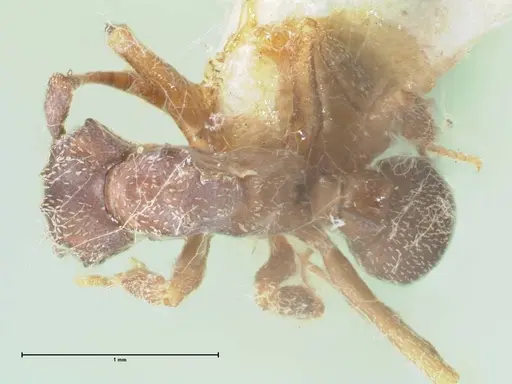
FOCOL1762
View on AntWeb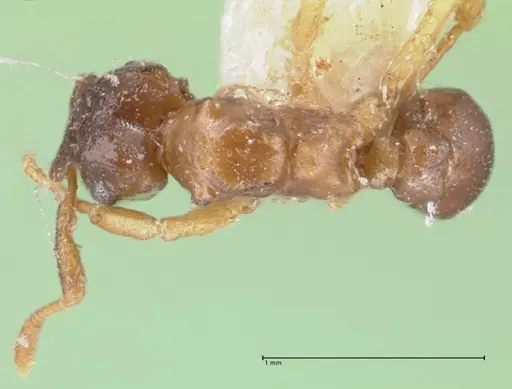
FOCOL1763
View on AntWeb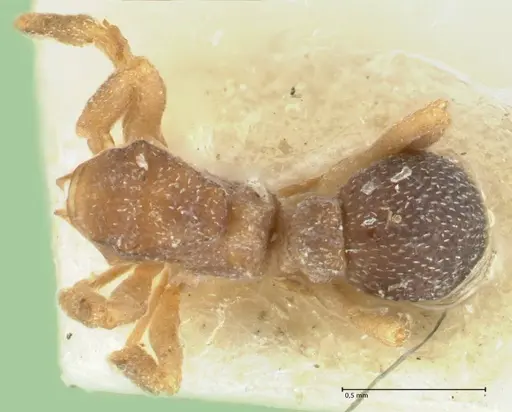
FOCOL1770
View on AntWeb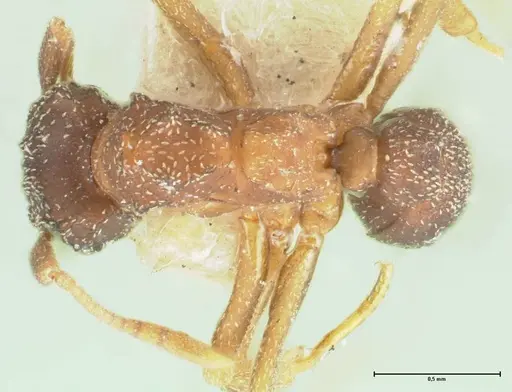
USNMENT00446338
View on AntWeb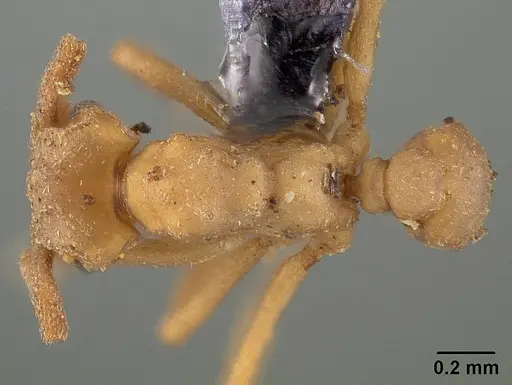
Literature
Loading distribution map...Loading products...