
Cyphomyrmex peltatus
- Sci. Name
- Cyphomyrmex peltatus
- Tribe
- Attini
- Subfamily
- Myrmicinae
- Author
- Kempf, 1966
- Distribution
- Found in 4 countries
Introduction
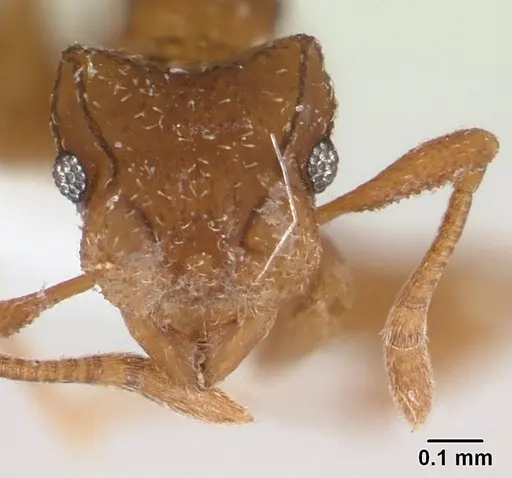
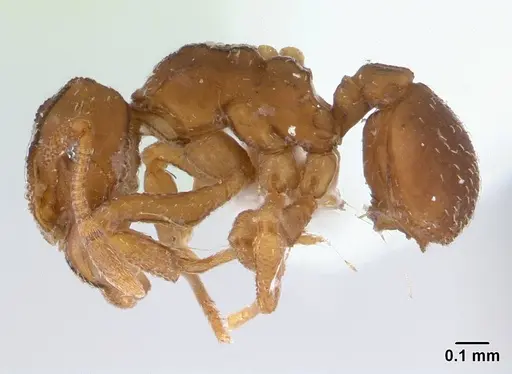
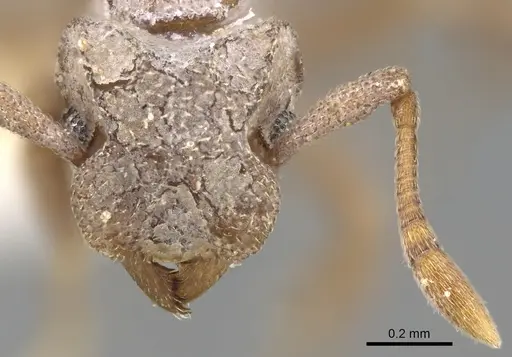
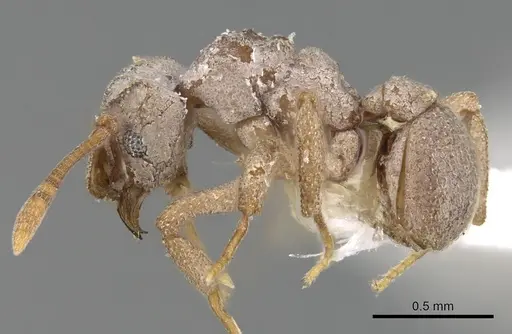
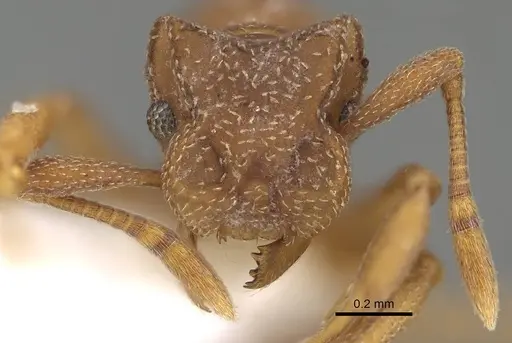
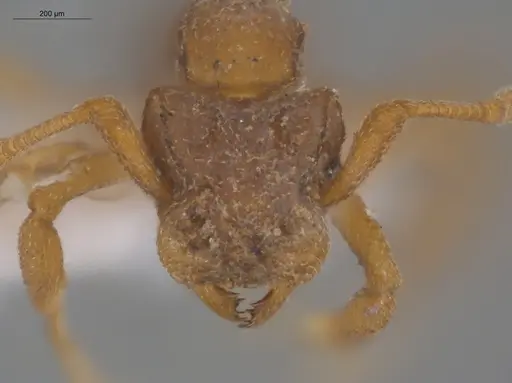
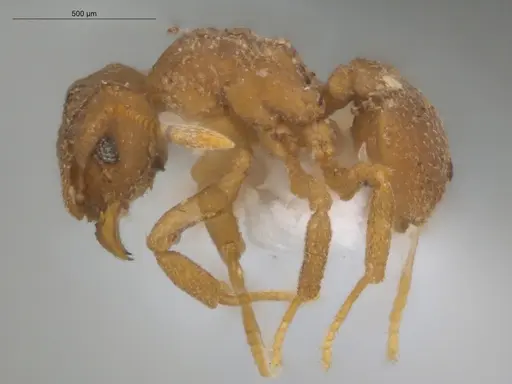
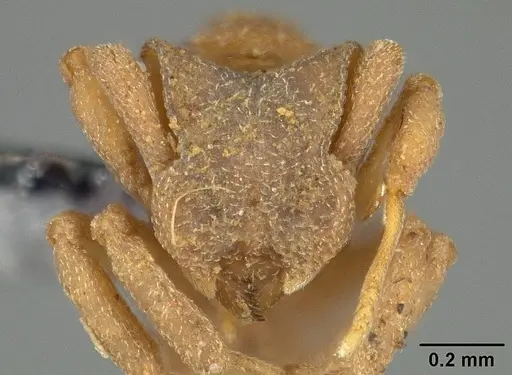
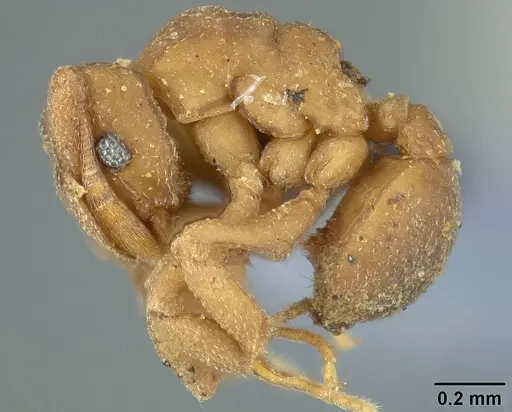
Cyphomyrmex peltatus is a small fungus-growing ant measuring 2.8-3.1mm for workers and 3.6-3.7mm for queens. They have a rusty brown (ferruginous) coloration with darker shading on the head, antennae, legs, and abdomen. This species belongs to the tribe Attini, meaning they cultivate fungus gardens for food - a behavior shared with leafcutter ants. They are closely related to Cyphomyrmex rimosus but can be distinguished by their lack of midpronotal tubercles and epinotal spines. Found across the northern Neotropics from Costa Rica through Brazil to Colombia and French Guiana, they inhabit leaf litter and rotting wood in rainforests and secondary forests [AntWiki].
Quick Summary
- Difficulty: Medium
- Origin & Habitat: Native to the Neotropical region, Brazil, Bolivia, Colombia, Costa Rica, Ecuador, French Guiana, and Suriname. They live in rainforests and secondary forests, typically in leaf litter and rotting wood [1][2].
- Colony Type: Likely single queen (monogyne) based on typical Cyphomyrmex patterns. Colony size is small, likely a few hundred workers given their small body size and litter-dwelling habits.
- Size & Growth:
- Queen: 3.6-3.7mm [1]
- Worker: 2.8-3.1mm [1]
- Colony: Likely a few hundred workers, estimated based on similar litter-dwelling Cyphomyrmex species
- Growth: Moderate, typical for fungus-growing ants which require time to establish their fungal gardens
- Development: Estimated 6-8 weeks at optimal temperature, inferred from typical Attini development patterns (Development is temperature-dependent, warmer conditions within their range accelerate growth. Fungus gardens must be established before workers can be raised.)
- Antkeeping:
- Temperature: Keep at 24-28°C, these are tropical ants requiring warm, stable conditions.
- Humidity: High humidity is essential, aim for 70-80% relative humidity. Keep the nest substrate consistently moist but not waterlogged.
- Diapause: No, as tropical ants from Brazil and surrounding regions, they do not require hibernation. Maintain warm conditions year-round.
- Nesting: Use a naturalistic setup with moist substrate (soil/peat mix) or a Y-tong/plaster nest. They prefer dark, humid conditions and will cultivate fungus in small chambers. Provide rotting wood pieces or organic material for fungus cultivation.
- Behavior: These are shy, non-aggressive ants that spend most of their time tending to fungal gardens. Workers are small and slow-moving, foraging primarily for organic material to feed their fungus. They are not defensive and rarely sting. Escape risk is moderate due to their small size, use fine mesh barriers. They are cryptic and spend much of their time hidden in the nest [1].
- Common Issues: Fungus garden failure is the main killer, without proper fungal substrate, colonies starve., Small size makes escape prevention challenging, use tight-fitting lids and fine mesh., Dry conditions cause colony collapse quickly, monitor humidity closely., Overfeeding can mold the nest, remove uneaten organic matter promptly., Wild-caught colonies may arrive with parasites that can devastate the colony.
Fungus Growing Behavior
Cyphomyrmex peltatus belongs to the tribe Attini, a group of ants that have evolved a unique agricultural symbiosis with fungi. Unlike leafcutter ants that cut fresh vegetation, Cyphomyrmex species typically collect dead organic matter, insect fragments, and feces to cultivate their fungal gardens [3]. The queen carries a small fungal pellet (called a gongylidia) in her mandibles during nuptial flights, this inoculum starts the new garden. The fungus serves as the colony's primary food source, and workers constantly tend to it by cleaning, pruning, and feeding it. In captivity, you must provide organic material for the fungus to grow on, small pieces of dead leaves, insect parts, or specialized fungal substrate. Without a healthy fungus garden, the colony will starve even with abundant other food available [3].
Housing and Nest Setup
These small litter-dwelling ants do best in naturalistic setups that mimic their forest floor habitat. A setup with a moist soil/peat mixture (about 2:1 ratio) works well, with a layer of leaf litter or rotting wood pieces on top. The substrate should remain damp but never waterlogged. You can also use Y-tong nests with plaster or acrylic chambers, keeping one area moist for the fungus garden. Place the nest in a dark location or cover three sides to reduce stress, these ants prefer dim conditions. An outworld with leaf litter and small hiding spots allows natural foraging behavior. Because of their tiny size, ensure all connections and barriers have fine mesh (at least 0.5mm) to prevent escapes.
Feeding and Nutrition
The foundation of their diet is the fungal garden, this must be established and maintained. Offer small pieces of dead organic matter: dried leaves, insect fragments (crushed mealworms, fruit flies), small amounts of bird droppings, or other detritus. Some colonies will accept very small amounts of honey or sugar water, but this should never be the primary food source. The fungus needs time to grow and must be tended by workers. Feed small amounts every few days and remove any uneaten material within 24 hours to prevent mold. Fresh organic matter should be provided regularly, think forest floor compost, not candy. The exact fungal species they cultivate is unknown, but providing diverse organic matter increases success chances.
Temperature and Humidity Management
As tropical ants from Brazil's rainforests, Cyphomyrmex peltatus requires warm and humid conditions year-round. Keep temperatures in the range of 24-28°C, use a heating cable on one side of the nest if room temperature falls below this range. Place the heating on top of the nest to avoid drying it out. Humidity should be high: aim for 70-80% relative humidity in the nest area. The substrate should feel damp to the touch with condensation visible on the nest walls occasionally. Use a water tube or misting to maintain moisture, but avoid standing water. Poor humidity is the most common cause of colony failure, these ants cannot tolerate dry conditions. A digital hygrometer helps monitor conditions accurately.
Behavior and Observation
Cyphomyrmex peltatus is a cryptic, quiet ant that spends much of its time tending the fungal garden. Workers are slow-moving and not aggressive, they will flee rather than defend. You may rarely see them on the outworld as they prefer the dark interior of the nest. When foraging, they collect small pieces of organic material to bring back to the fungus garden. This species is not a stinger and poses no danger to keepers. Their small size and cryptic habits make them a 'watching' ant rather than an 'observing' ant, you appreciate the colony more by knowing what's happening inside the nest. Colonies are relatively slow-growing compared to many common ant species, so patience is required.
Frequently Asked Questions
How long does it take for Cyphomyrmex peltatus to have first workers?
Expect first workers (nanitics) around 6-8 weeks after the queen lays eggs, at optimal temperature (24-28°C). However, this is estimated, the colony must first establish a healthy fungal garden before significant brood development occurs. If the fungus fails, the colony will not produce workers.
What do Cyphomyrmex peltatus eat?
They are fungus-growers, the fungal garden is their primary food. Offer small pieces of dead organic matter like dried leaves, insect fragments, or bird droppings. Some colonies may accept tiny amounts of honey or sugar water occasionally, but this should not be the main food. Never feed them only sugars, they need the fungus.
Can I keep multiple queens together?
Not recommended. This species is likely monogyne (single queen). Combining unrelated foundresses has not been documented and would likely result in fighting. If you obtain multiple queens, house them separately.
What is the best nest type for Cyphomyrmex peltatus?
A naturalistic setup with moist substrate (soil/peat mix) works best, or a Y-tong/plaster nest with a humid chamber for the fungus garden. They prefer dark conditions, so cover the nest or place it in a shaded area.
Do they need hibernation?
No. As tropical ants from Brazil and surrounding regions, they do not require hibernation. Keep them warm (24-28°C) year-round. Temperatures below 20°C can stress and kill the colony.
Why is my colony dying?
The most common causes are: dry conditions (humidity below 60%), fungus garden failure (no fungal growth), mold from overfeeding, or temperatures outside their 24-28°C range. Check these parameters first. Wild-caught colonies may also arrive with internal parasites.
How big do colonies get?
Likely a few hundred workers based on similar litter-dwelling Cyphomyrmex species. They are not large colonies, expect modest growth over many months. Patience is key with this species.
Are Cyphomyrmex peltatus good for beginners?
No, they are considered intermediate to advanced due to their specific fungus-growing requirements. The need to maintain a fungal garden adds complexity not present in typical ant keeping. They require more attention to humidity and specialized feeding.
When should I move them to a formicarium?
Wait until the colony has at least 20-30 workers and a clearly established fungus garden. Moving too early can disrupt the fungal symbiosis. A small outworld connected to a test tube or small nest works well for starting colonies.
Report an Issue
The current care sheet is based fully on literature. See inconsistencies, or something that's incorrect? Please , it will be resolved after review from an admin. Contributing to the blogs tab also helps providing information, to make us be able to further improve the caresheets. Thank you for your support!
References

This caresheet is licensed under CC BY-SA 4.0 .
Community Blogs
CASENT0179470
View on AntWeb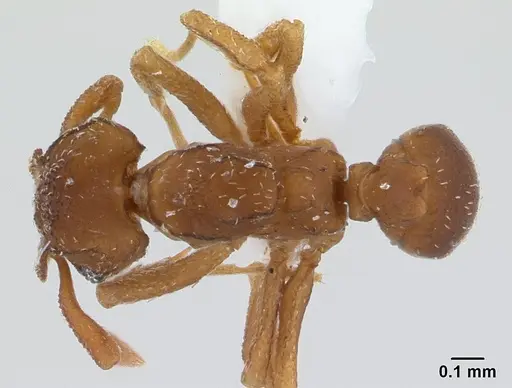
CASENT0281766
View on AntWeb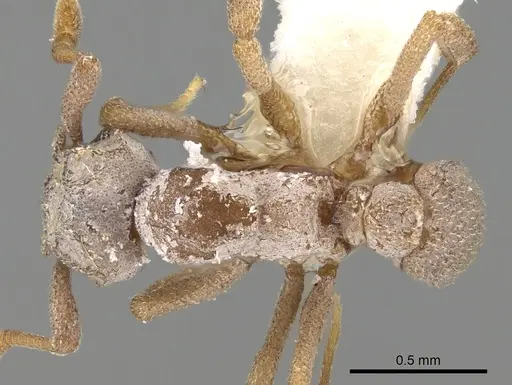
CASENT0922124
View on AntWeb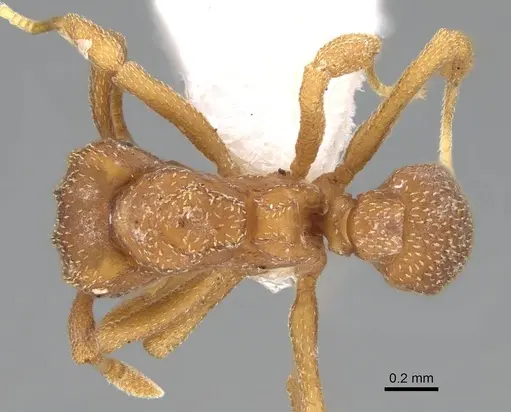
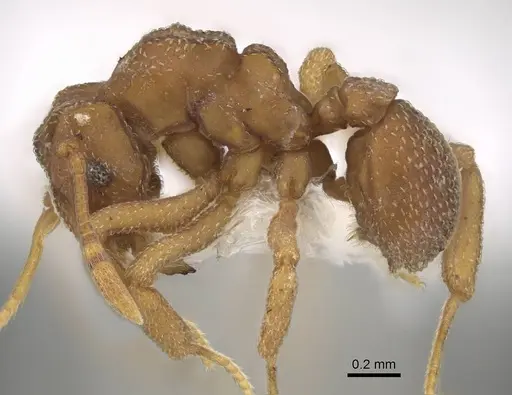
CASENT0923106
View on AntWeb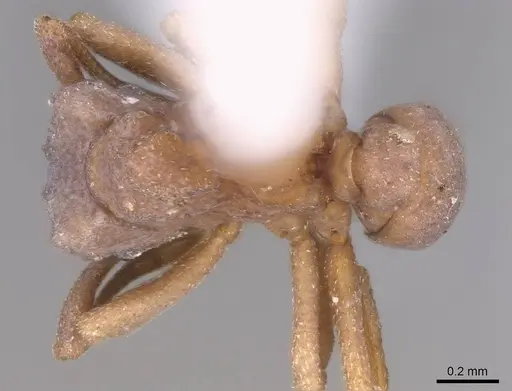
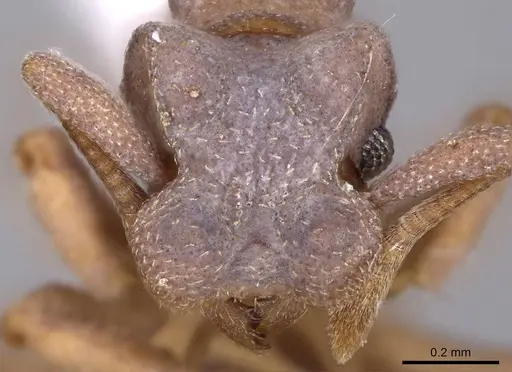
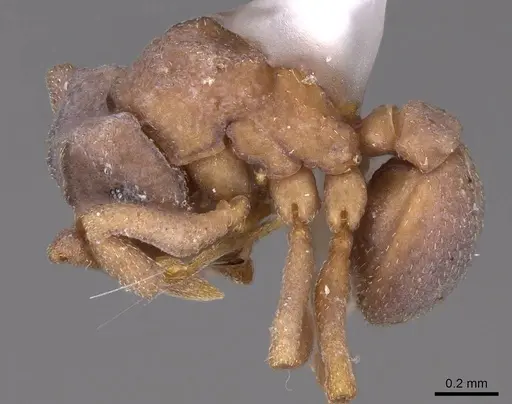
ECOFOG-CNI20-0064-04
View on AntWeb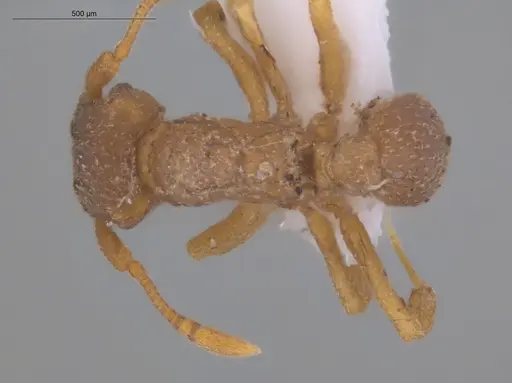
USNMENT00446586
View on AntWeb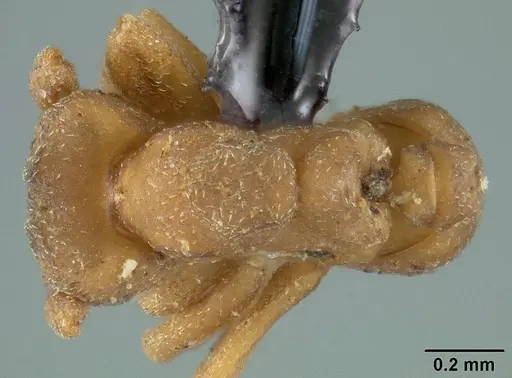
Literature
Loading distribution map...Loading products...