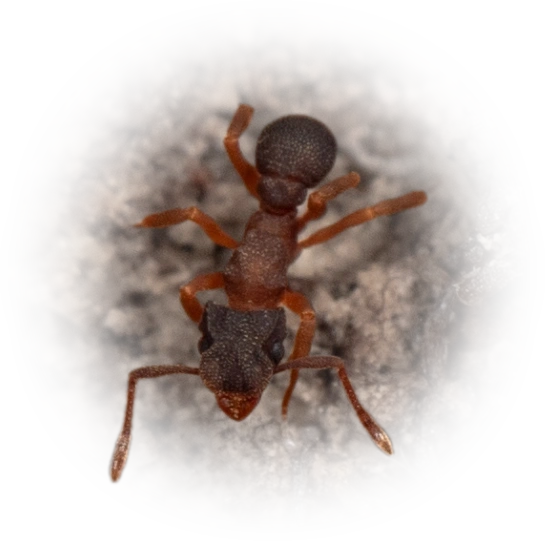
Minute Fungus-farming Ant
Cyphomyrmex minutus
- Sci. Name
- Cyphomyrmex minutus
- Tribe
- Attini
- Subfamily
- Myrmicinae
- Author
- Mayr, 1862
- Common Name
- Minute Fungus-farming Ant
- Distribution
- Found in 21 countries
Introduction
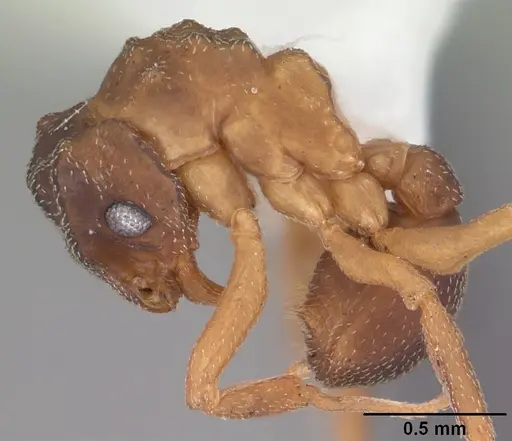
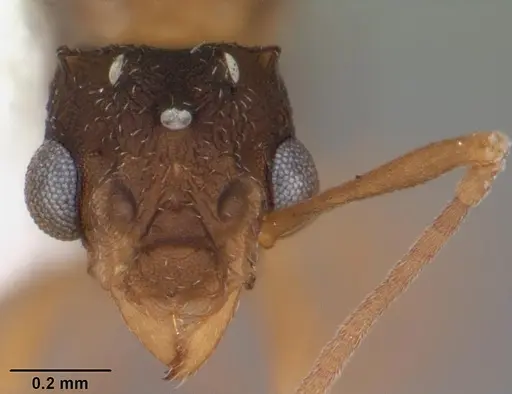
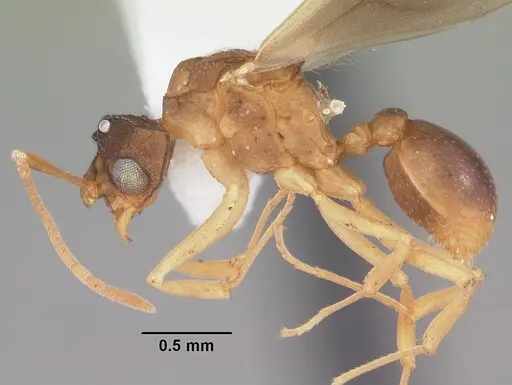
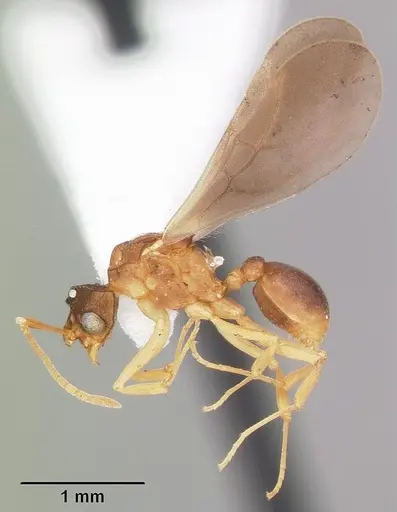
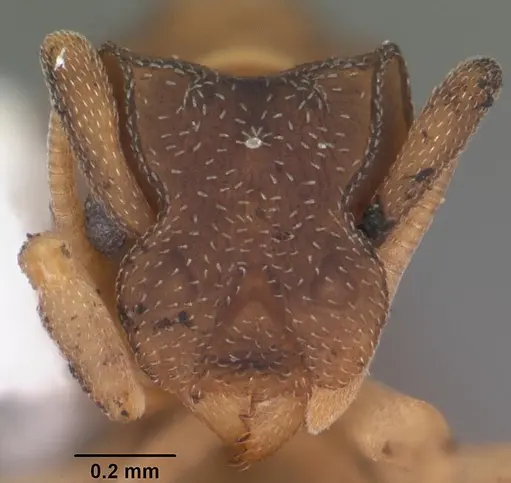
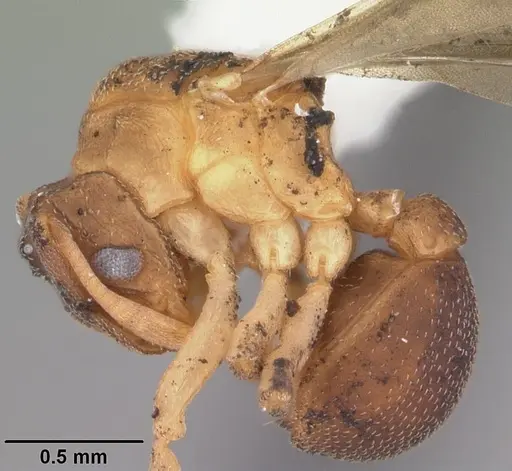
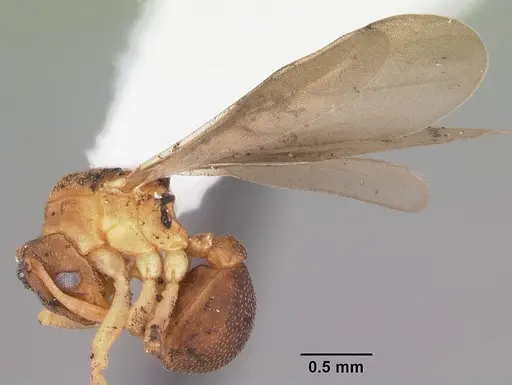
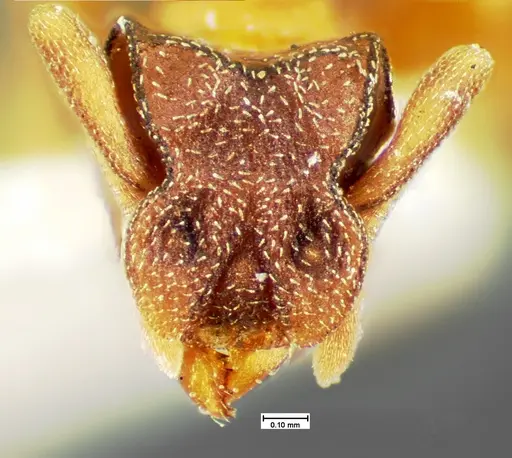
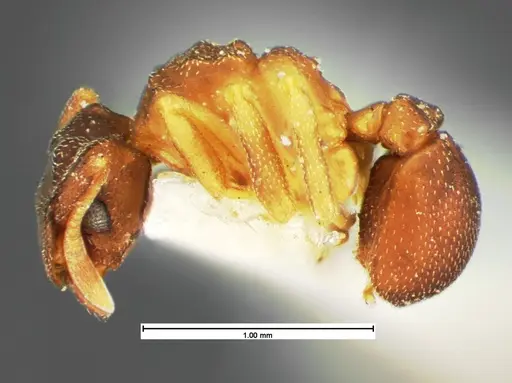
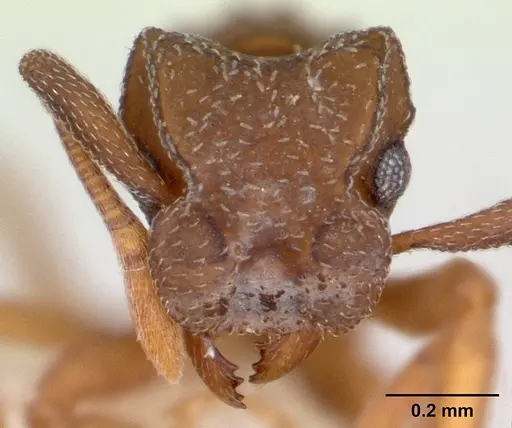
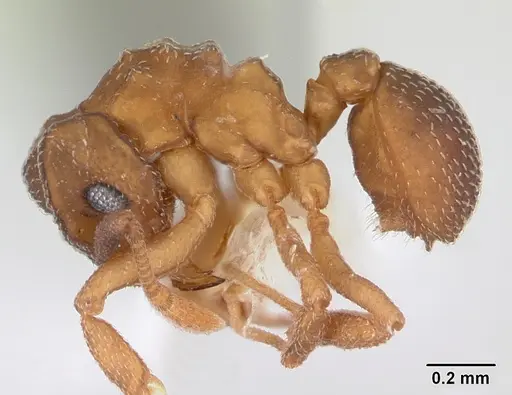
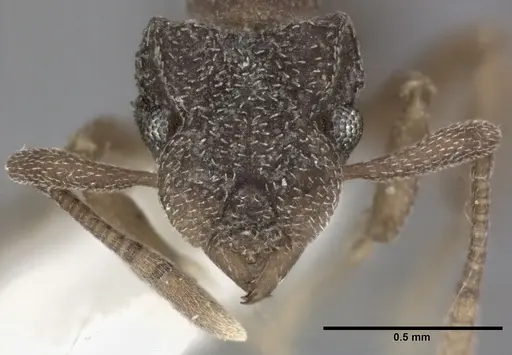
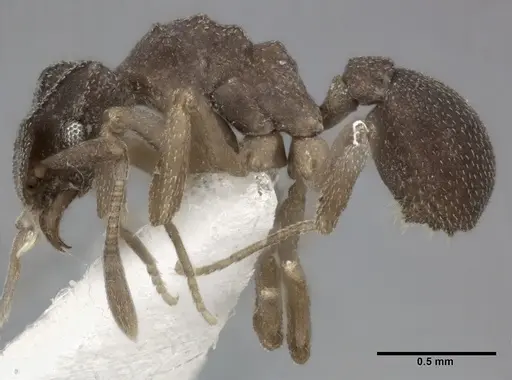
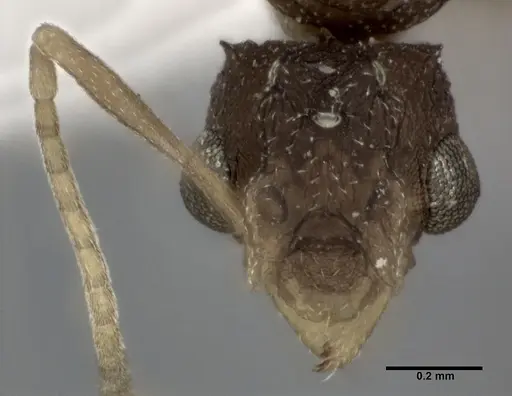
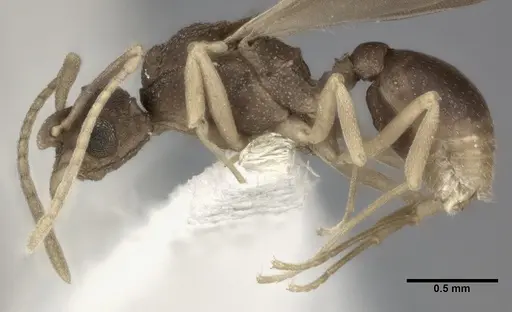
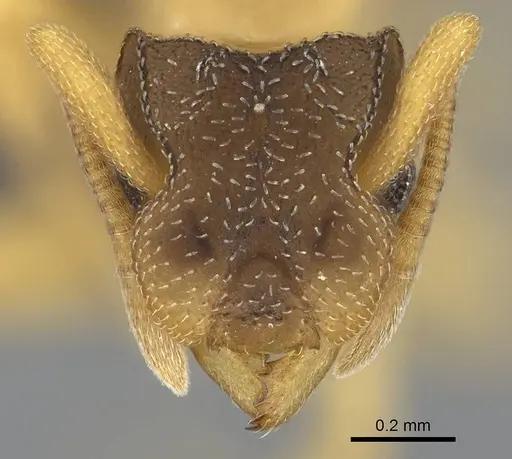
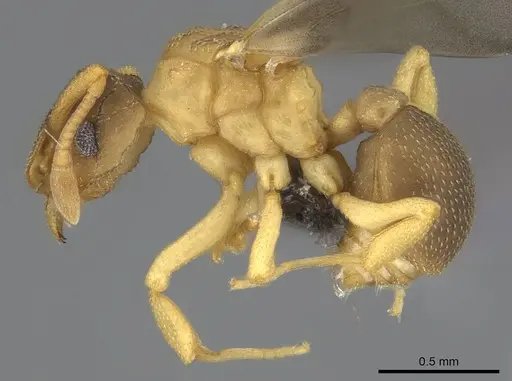
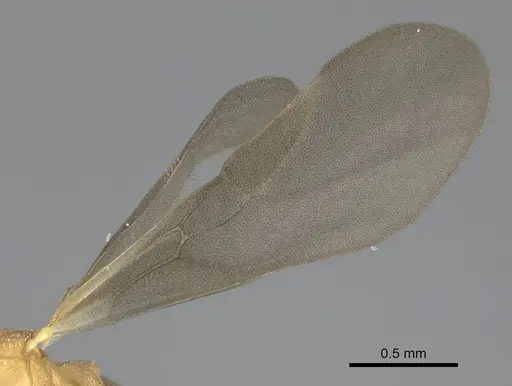
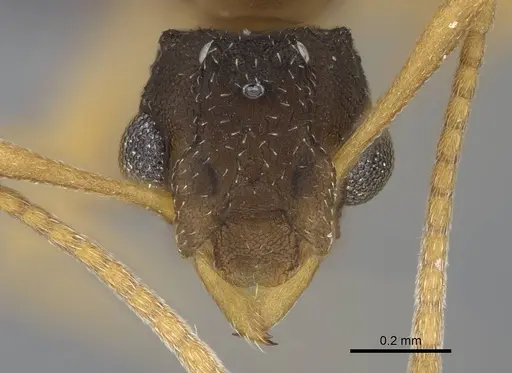
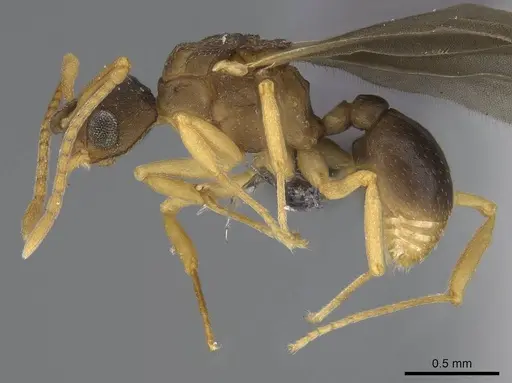
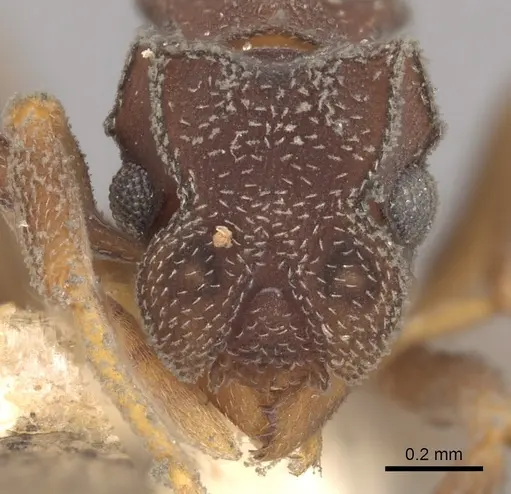
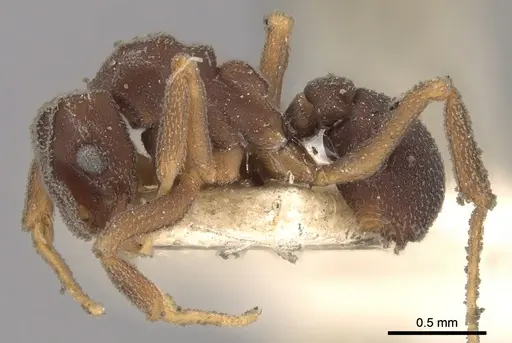
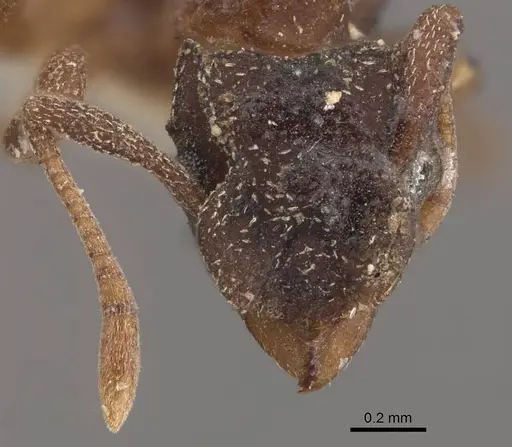
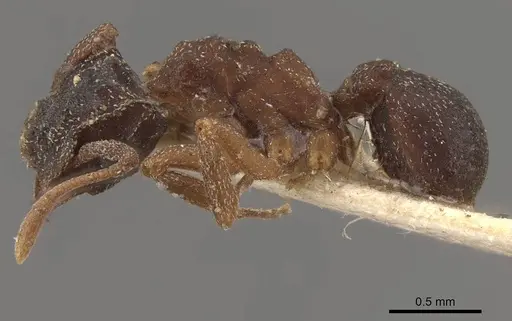
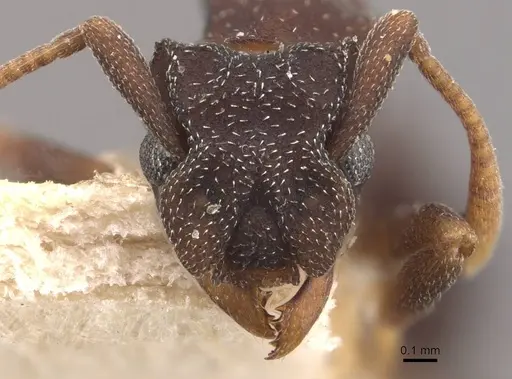
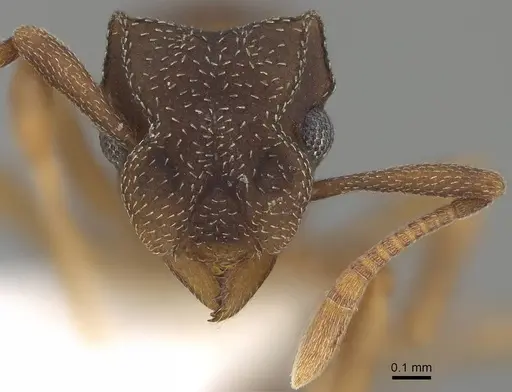
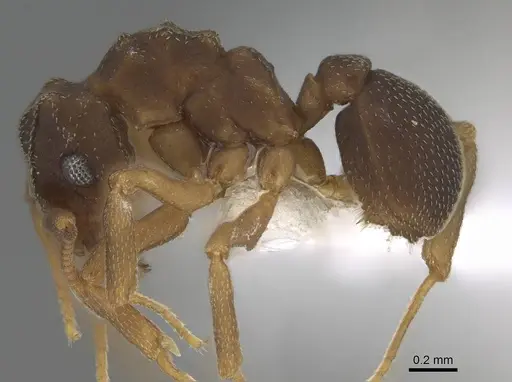
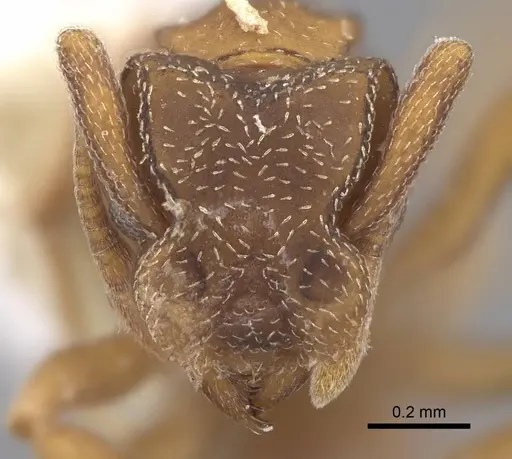
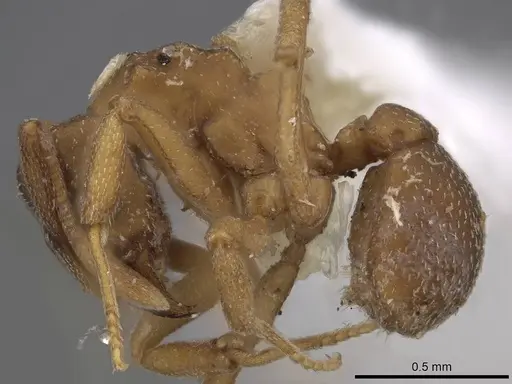
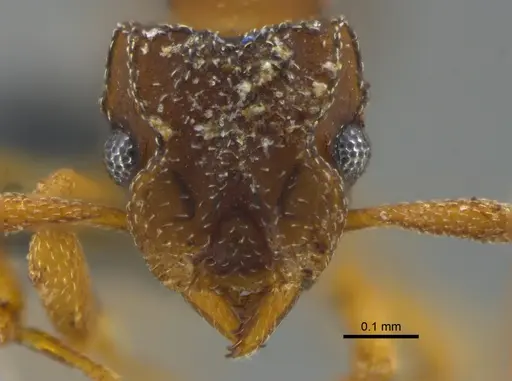
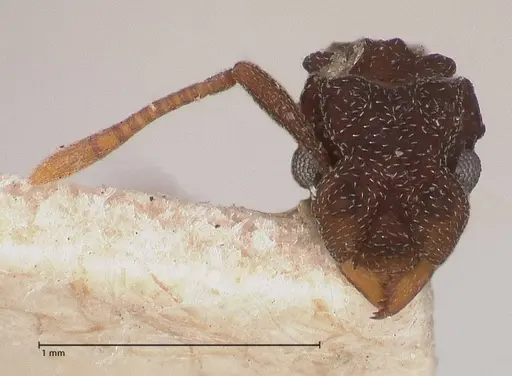
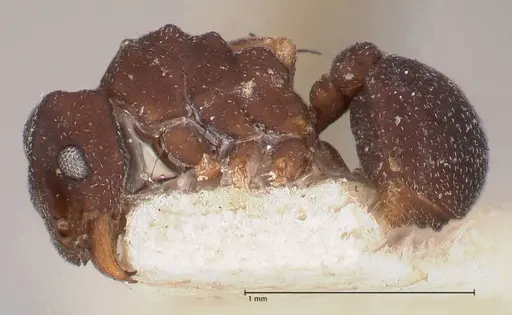
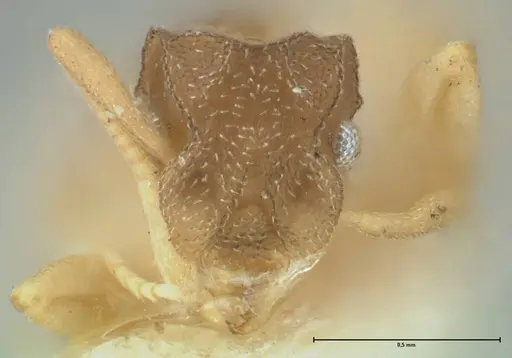
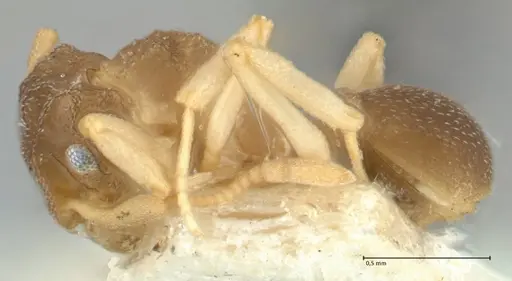
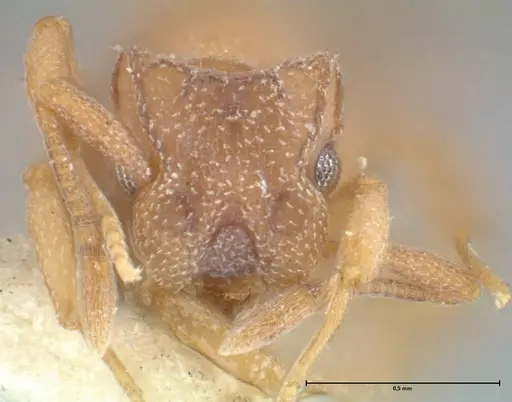
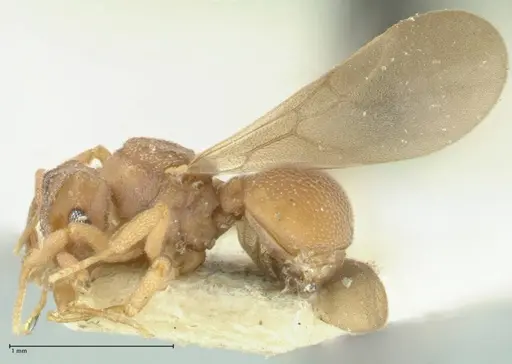
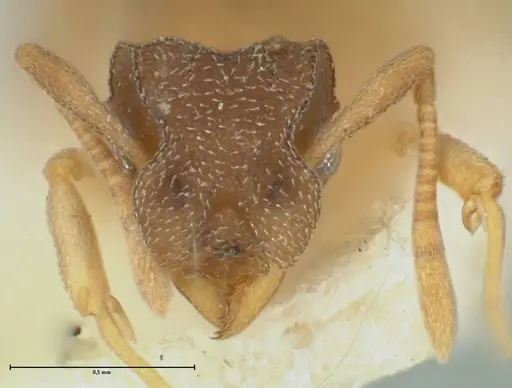
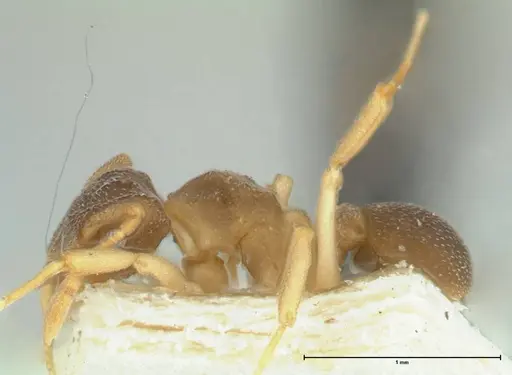
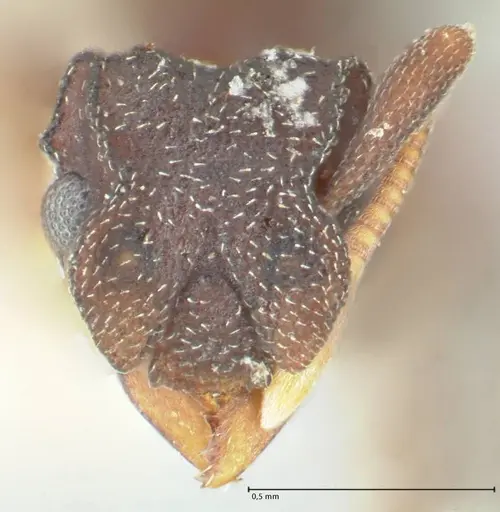
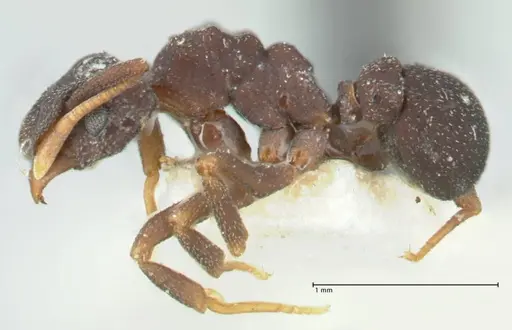
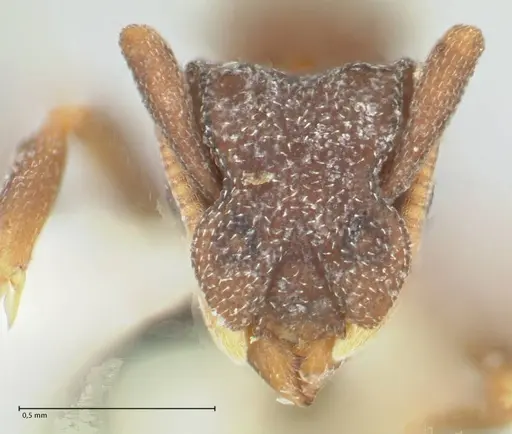
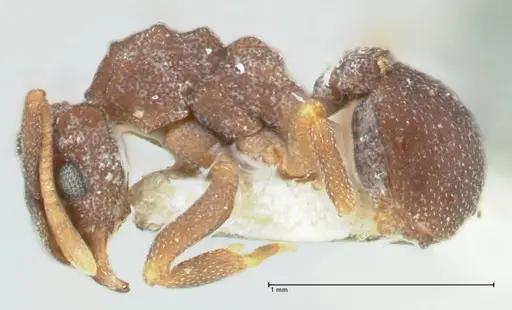
Cyphomyrmex minutus is a tiny fungus-growing ant from the Caribbean and tropical Americas. Workers measure 2.0–2.5 mm and are dark reddish-brown with lighter reddish antennae, legs, and mandibles . These ants belong to the Attini tribe, they cultivate fungus for food. Despite being among the most abundant attines in the Neotropics, they are easily overlooked because of their small size and cryptic behavior. When disturbed, workers freeze completely in a cataleptic state, becoming nearly invisible against the forest floor . Colonies are small, typically containing a few hundred workers that nest in small chambers under rocks, in rotting wood, or within decomposing material on the ground . What makes C. minutus particularly interesting is its fungal cultivation. Unlike leaf-cutter ants that cut fresh vegetation, these ants collect caterpillar droppings, dead insect parts (especially beetle wing casings), and other organic debris to feed their fungus garden . The fungus produces defensive compounds called diketopiperazines that help protect the colony from pathogens . In Florida, this species has been observed sharing its fungal cultivar with the introduced Cyphomyrmex rimosus, demonstrating lateral transfer of cultivars between species .
Quick Summary
- Difficulty: Hard
- Origin & Habitat: Cyphomyrmex minutus ranges from the southern United States (Florida, Texas) through the Caribbean islands and Central America into South America as far as Argentina [11]. It inhabits tropical and subtropical forests including wet forest, dry forest, cloud forest, and also readily colonizes disturbed areas like pastures, gardens, and potted plants [3][12][13]. In the Dominican Republic, colonies have been found from 18–1,070 m elevation in moist forest habitats [4][14]. The species adapts well to human-disturbed sites and is considered one of the most widely distributed fungus-growing ants in the Americas [11].
- Colony Type: Colony structure appears to be polygyne, multiple dealated females can coexist. A study in Puerto Rico found 0–8 dealated females per colony, with an average of 1.9 [15]. Colonies typically contain a few hundred workers, with some reaching up to 1,000 in Florida populations [16][4].
- Size & Growth:
- Queen: Not directly measured, likely around 3–4 mm based on genus patterns (estimated).
- Worker: 2.0–2.5 mm [1][2]
- Colony: A few hundred workers typical, up to ~1,000 in some populations [16][4], one study in Puerto Rico found a mean of 60 workers and a maximum of 172 [15]
- Growth: Moderate, based on typical Attini development patterns
- Development: Estimated 6–10 weeks based on related Attini species at optimal tropical temperatures (Exact development times are not documented for this species, estimates are based on generic Attini patterns.)
- Antkeeping:
- Temperature: Keep at 24–28°C. These are tropical ants that need warm, stable conditions [3]. Use a heating cable on one side of the nest if room temperature is below this range. Avoid temperatures below 20°C.
- Humidity: High humidity is essential, keep the nest substrate consistently moist but not waterlogged. These ants naturally inhabit damp forest floor environments [4]. Provide a water tube for drinking water.
- Diapause: No, as a tropical species, they do not require hibernation. Maintain warm conditions year-round [3].
- Nesting: Use a naturalistic setup with moist substrate (soil/sand mix) or a Y-tong/plaster nest that retains humidity well. They prefer tight chambers and narrow spaces scaled to their tiny size. Provide materials like small pieces of rotting wood, leaf litter, or flat stones for them to nest under or within [4][5].
- Behavior: Cyphomyrmex minutus is calm and non-aggressive with a passive defense strategy. When disturbed, workers freeze completely and become motionless, this catalepsy makes them nearly invisible [3]. They have a mild sting but rarely use it, preferring to remain still or slowly retreat [1]. These ants are primarily nocturnal foragers, though they may be active during the day in shaded areas. Their tiny size means they can slip through very small gaps, use fine mesh barriers. Workers cultivate fungus gardens using caterpillar droppings, dead insects, and other organic debris [6][3].
- Common Issues: tiny size makes escape prevention critical, use fine mesh and tight-fitting lids, parasitoid wasps (Acanthopria) can heavily impact colonies, wild-caught colonies may already be parasitized, with 27–53% of colonies affected in Puerto Rico studies [15], specialized diet means they need fungal substrate, they cannot survive on typical ant food (sugar and protein) alone, slow colony growth can frustrate beginners, colonies remain small for months, humidity control is crucial, too dry and the fungus garden dies, too wet and mold becomes a problem
Fungus Cultivation and Feeding
Cyphomyrmex minutus is a fungus-growing ant (Attini tribe) that cultivates a specialized fungus for food. Unlike leaf-cutter ants that cut fresh plant material, these tiny ants collect unusual substrates: primarily caterpillar droppings (frass), dead insect parts (especially the hard wing casings of beetles), and occasionally flowers and seeds. In the nest, you'll see a small fungus garden built around these materials, with the fungus appearing as tiny yellowish dots or pear-shaped bodies [6][3].
For captive care, you cannot simply feed these ants standard ant foods. They need organic material that supports fungal growth. Offer small amounts of caterpillar droppings (if available from pet stores or butterfly breeders), dead insects (especially beetles), and very small amounts of plant matter. The key is providing substrate for the fungus rather than direct food for the ants. Some keepers have had success offering very small pieces of decaying leaves or cardboard as fungal substrate. The fungus cultivar itself produces defensive compounds (diketopiperazines) that help protect against pathogens, this is a sophisticated mutualism that has evolved over millions of years [7][8].
Do NOT attempt to feed this species like a typical ant. Sugar water and protein foods alone will not sustain them. They need their fungal garden to survive.
Nest Setup and Housing
These tiny ants need appropriately scaled housing. In the wild, they nest in small chambers in the ground, under rocks, within rotting wood, or under bark on the forest floor [4][5]. For captivity, a naturalistic setup works best, a shallow container with moist soil/sand mixture, pieces of rotting wood, leaf litter, and a flat stone or piece of bark on top for them to nest under. Alternatively, a small Y-tong or plaster nest with tight chambers can work if humidity is carefully maintained.
The nest should have high humidity, think damp forest floor. Use a water tube or small reservoir to provide moisture, and mist the area regularly if it appears to be drying out. However, avoid stagnant water and excessive moisture that leads to mold. Provide a small outworld area where you can offer fungal substrate. Because they are so small, escape prevention must be excellent, use fine mesh over any ventilation holes and ensure all connections are tight [4][5].
Lighting is not critical, these ants prefer dim conditions and are naturally cryptic. Keep the setup away from direct sunlight which can dry out the nest and stress the colony.
Temperature and Seasonal Care
As a tropical species, Cyphomyrmex minutus requires warm, stable temperatures year-round. Keep the nest area at 24–28°C (75–82°F). Temperatures below 20°C can slow their metabolism and potentially harm the fungus garden. If your room temperature is below this range, use a low-level heating cable on one side of the nest to create a gentle gradient, never place heat directly on the nest as it can dry out the substrate and kill the fungus [3].
No hibernation or diapause is required, these ants come from tropical environments with minimal seasonal temperature variation [3]. Maintain consistent warmth throughout the year. However, avoid placing the nest near air conditioning vents or in drafty areas. The combination of warmth and high humidity is essential for keeping both the ants and their fungus garden healthy.
Behavior and Defense
Cyphomyrmex minutus has a fascinating defensive behavior: when disturbed, workers freeze completely and enter a cataleptic state. They tuck their legs and become motionless, effectively becoming invisible against the forest floor and fungus garden. This explains why they are often overlooked in the wild, you can break into their nest and initially see only the fungus garden before the workers gradually start moving again [3].
They are not aggressive ants. Their defense is passive, they rely on remaining still and cryptic. If threatened, they may slowly retreat rather than attack. They have a mild sting but rarely use it [1]. In confrontations with other ants like fire ants (Solenopsis invicta), they show a passive response rather than active aggression [16].
Foraging is primarily nocturnal or crepuscular. Workers venture out to collect caterpillar droppings, dead insects, and other organic material to feed their fungus garden. They are not aggressive foragers and won't dominate a food source.
Colony Health and Common Problems
One of the biggest challenges with Cyphomyrmex minutus is parasitoid wasps. Studies in Puerto Rico found that 27–53% of colonies were parasitized by Acanthopria wasps, with an average of 16.6% of larvae per colony being affected. These wasps lay eggs inside the ant larvae, and the wasp larvae consume the ant brood from within. If you collect a wild colony, it may already be parasitized [15].
Other common issues include: the fungus garden dying if humidity drops too low, mold problems if humidity is too high or substrate is contaminated, escape through tiny gaps due to their minute size, and slow growth that can lead to keeper impatience and overfeeding. Unlike typical ants where overfeeding is just a mess, adding too much organic material that decays can harm the fungus garden.
Watch for workers moving slowly, fungus garden appearing discolored or not growing, or brood dying. These are signs of problems that need attention to humidity, temperature, or substrate quality.
Frequently Asked Questions
Can I keep Cyphomyrmex minutus in a test tube?
A test tube alone is not ideal. These ants need to cultivate a fungus garden, which requires space and appropriate substrate. A naturalistic setup with moist soil, rotting wood pieces, and organic material works best. If you must use a small container, use a small plastic tube setup with moist cotton and add small pieces of decaying wood or leaf litter for the fungus to grow on [3].
What do Cyphomyrmex minutus eat?
They do not eat typical ant food. They cultivate fungus using caterpillar droppings, dead insects (especially beetle parts), flowers, and seeds [6][3]. In captivity, offer small amounts of caterpillar frass (available from pet stores), dead small insects, and tiny pieces of decaying plant material. The key is providing substrate for the fungus, not direct food for the ants. Without their fungus garden, they will not survive.
How long until first workers in Cyphomyrmex minutus?
Exact development time is not documented, but based on related Attini species, expect 6–10 weeks from egg to first worker at optimal tropical temperatures (around 26°C). Founding colonies grow slowly, these are not fast-growing ants. Patience is required as the colony establishes its fungus garden before expanding.
Are Cyphomyrmex minutus good for beginners?
No, this is not a beginner species. Their specialized fungal diet, high humidity requirements, and susceptibility to parasitoid wasps make them challenging [15]. They also grow slowly and remain small. If you're interested in fungus-growing ants, start with more documented species like Sericomyrmex or basic Cyphomyrmex that have more established care protocols.
Do Cyphomyrmex minutus need hibernation?
No. As a tropical species from the Caribbean and tropical Americas, they do not require hibernation [3]. Keep them warm year-round at 24–28°C. Temperature drops below 20°C can be harmful to both the ants and their fungus garden.
Why is my Cyphomyrmex minutus colony dying?
Common causes include: too low humidity (fungus garden dies), too high humidity (mold takes over), temperature too cold, parasitoid wasps from wild collection [15], or incorrect food (they need fungal substrate, not typical ant food). Check your humidity levels first, then temperature. If you collected the colony wild, parasitism is likely.
Can I keep multiple queens together?
It is possible, studies in Puerto Rico found multiple dealated females in the same colony (average 1.9,range 0–8) [15]. However, this does not guarantee that unrelated queens will co-found successfully. If you have multiple queens from the same collection, they might be from the same colony. Introducing unrelated queens is not recommended.
When to move to a formicarium?
Move to a larger setup once the colony reaches several dozen workers and you see an established fungus garden. A naturalistic setup with a small outworld for foraging works best from the start. Only upgrade to larger housing when the current setup is clearly too cramped [3].
How big do Cyphomyrmex minutus colonies get?
Colonies typically reach a few hundred workers, rarely exceeding 1,000 [16][4]. This is small compared to many ant species. The colonies remain modest in size throughout their life. Growth is slow, expect many months to reach even 100 workers.
Report an Issue
The current care sheet is based fully on literature. See inconsistencies, or something that's incorrect? Please , it will be resolved after review from an admin. Contributing to the blogs tab also helps providing information, to make us be able to further improve the caresheets. Thank you for your support!
References

This caresheet is licensed under CC BY-SA 4.0 .
Community Blogs
CASENT0103832
View on AntWeb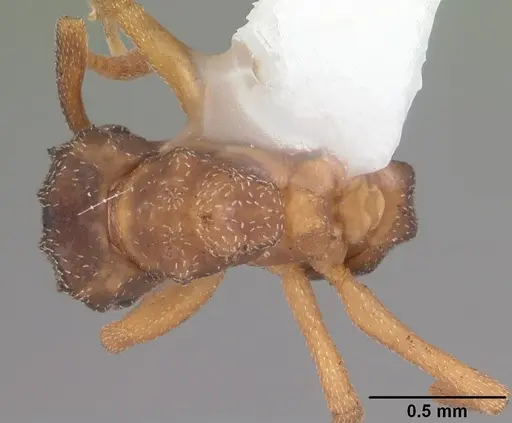
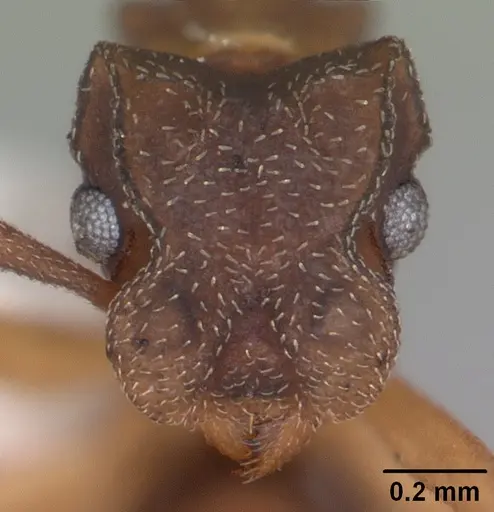
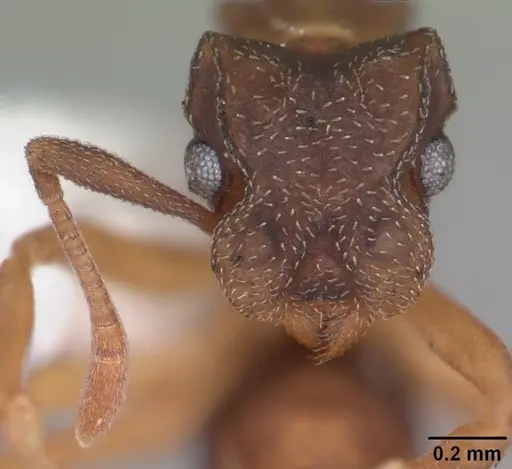
CASENT0103833
View on AntWeb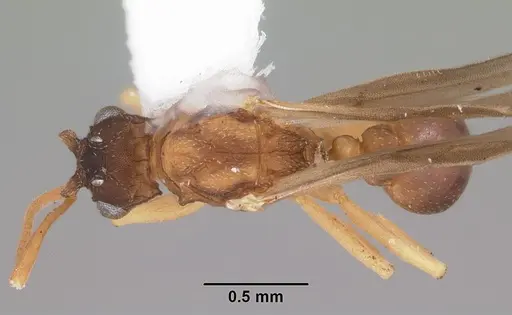
CASENT0103834
View on AntWeb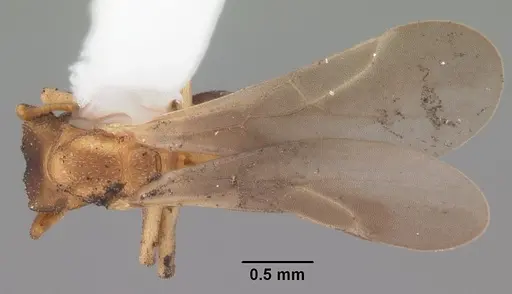
CASENT0105591
View on AntWeb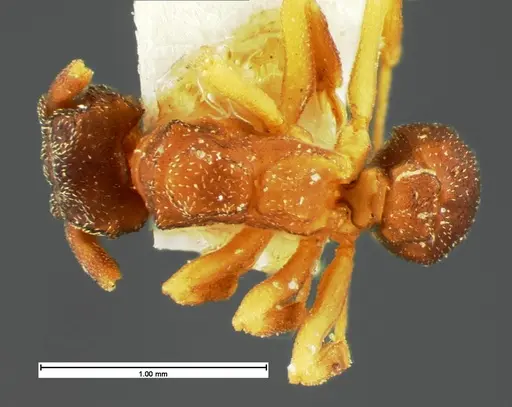
CASENT0173957
View on AntWeb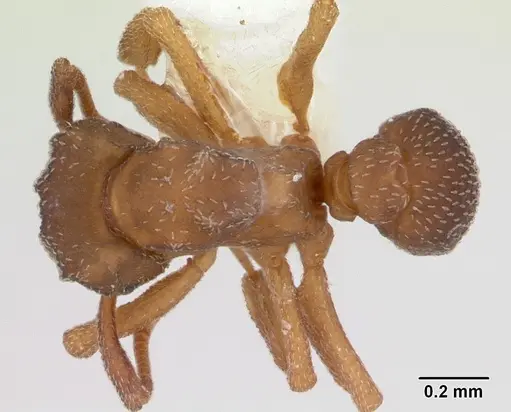
CASENT0246040
View on AntWeb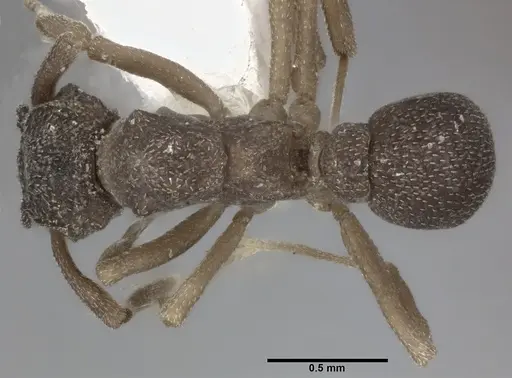
CASENT0246041
View on AntWeb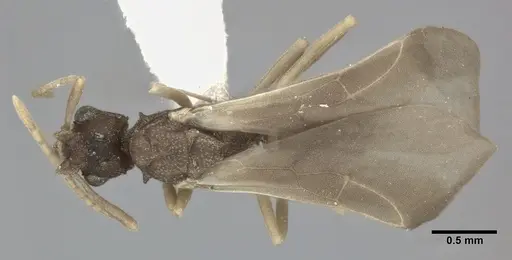
CASENT0264487
View on AntWeb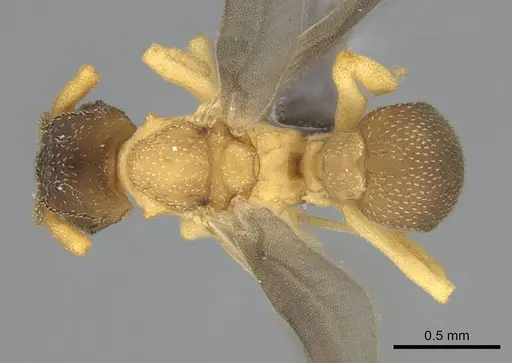
CASENT0264488
View on AntWeb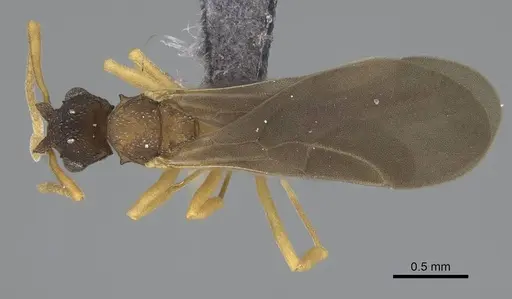
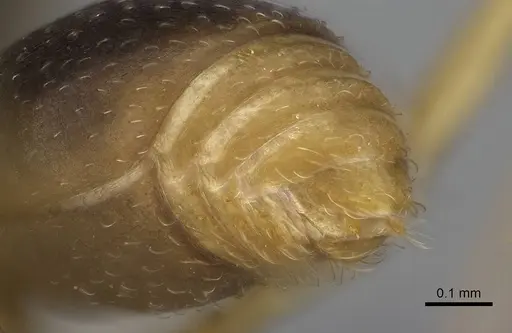
CASENT0264753
View on AntWeb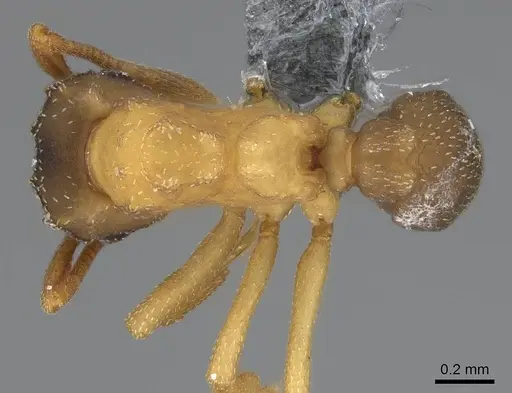
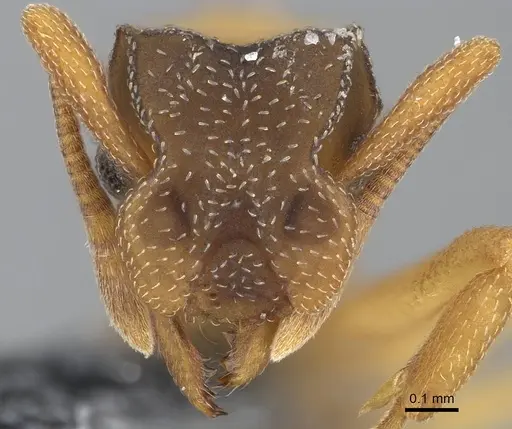
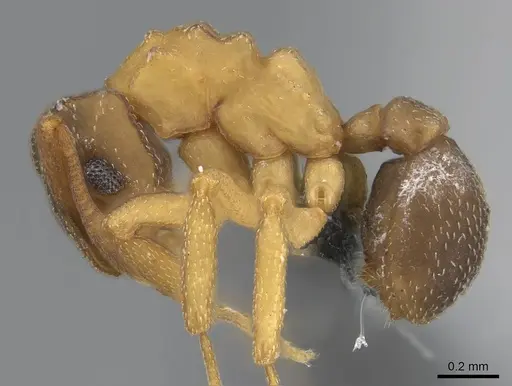
CASENT0901676
View on AntWeb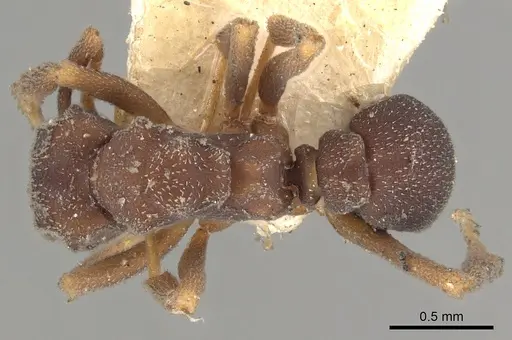
CASENT0909377
View on AntWeb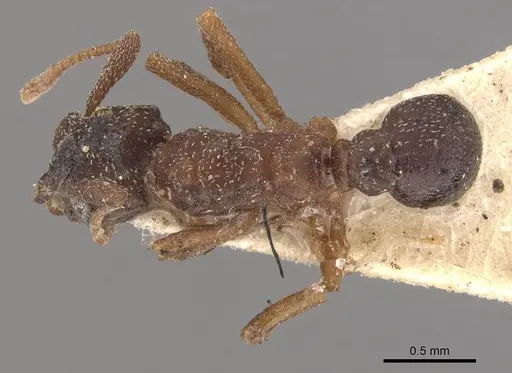
CASENT0909378
View on AntWeb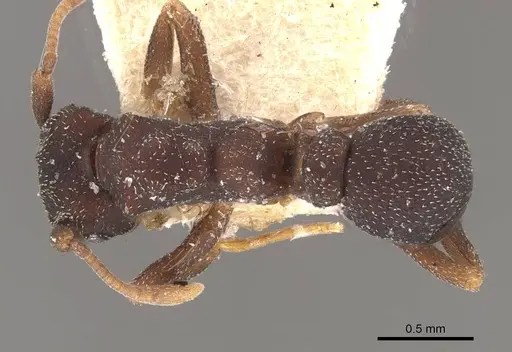
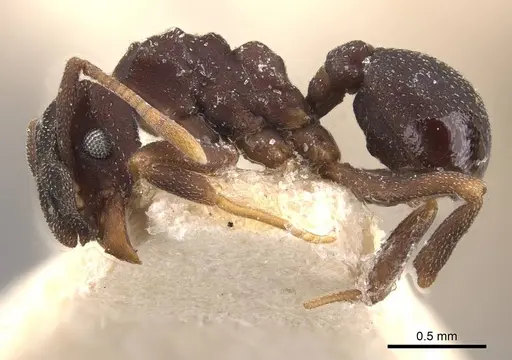
CASENT0919613
View on AntWeb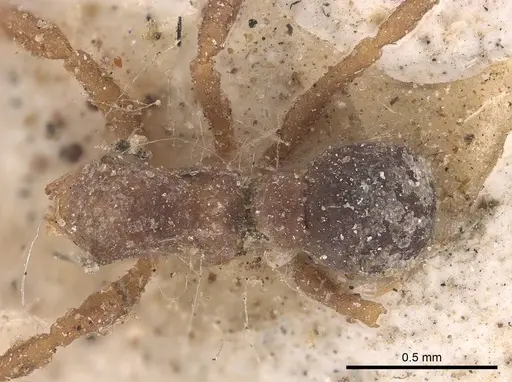
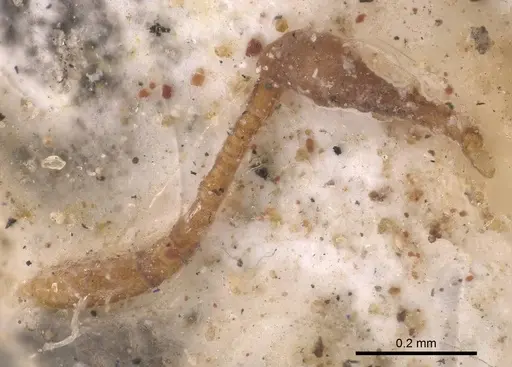
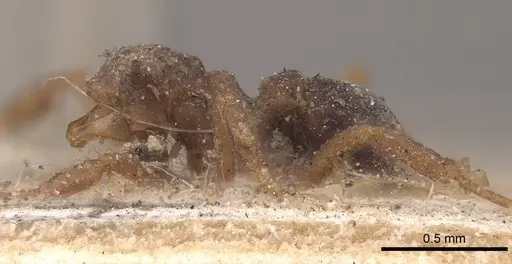
CASENT0922130
View on AntWeb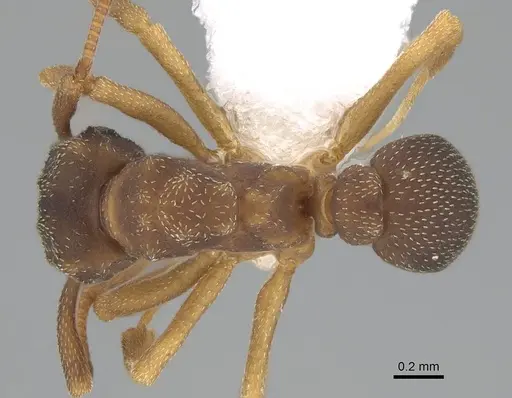
CASENT0923102
View on AntWeb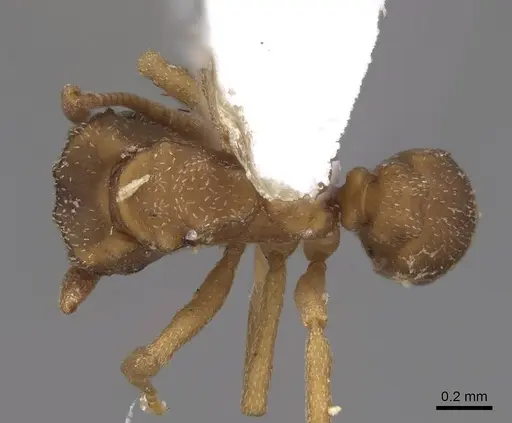
CBUMAGENT41997
View on AntWeb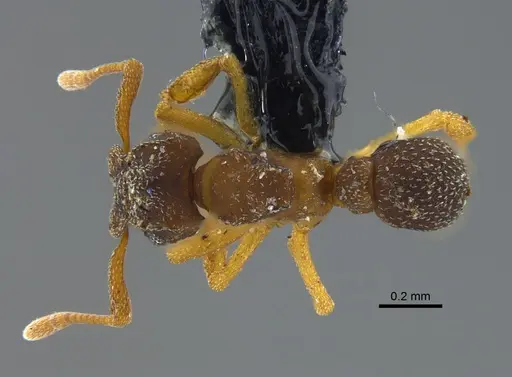
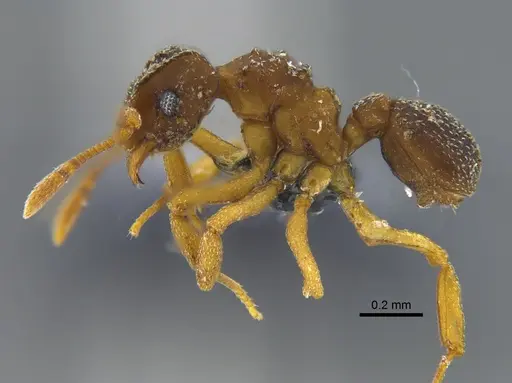
FMNHINS0000062861
View on AntWeb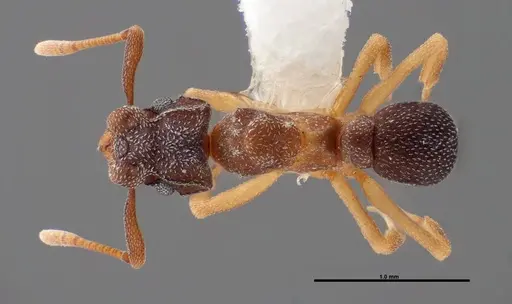
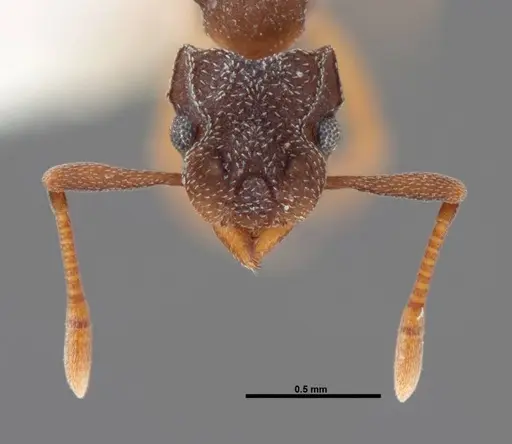
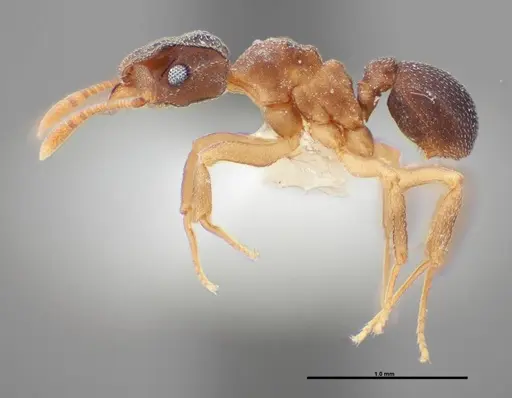
FOCOL0768
View on AntWeb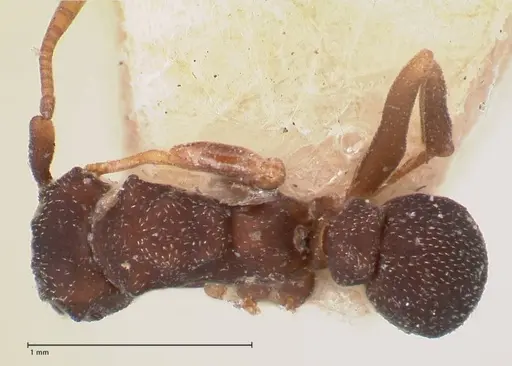
FOCOL1764
View on AntWeb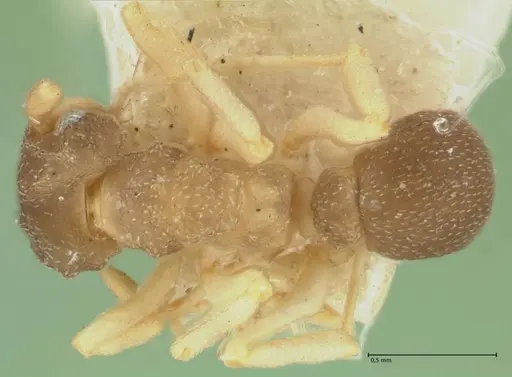
FOCOL1765
View on AntWeb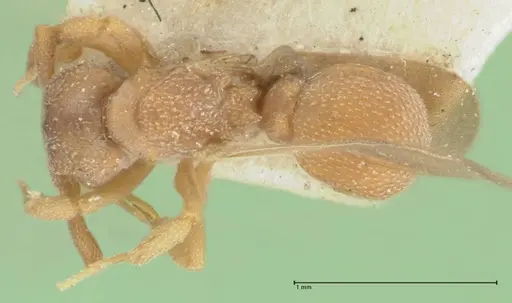
FOCOL1766
View on AntWeb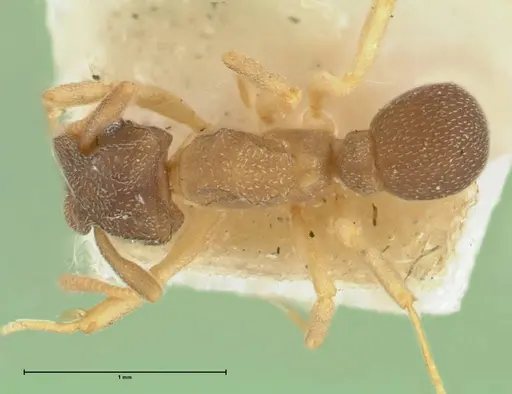
FOCOL1768
View on AntWeb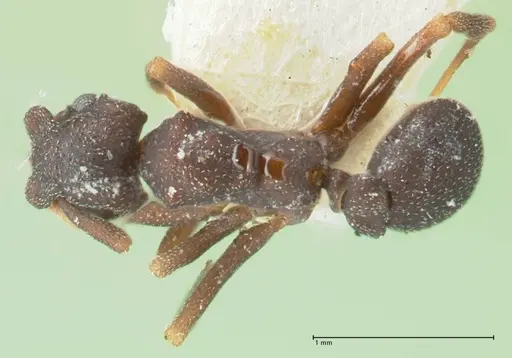
FOCOL1769
View on AntWeb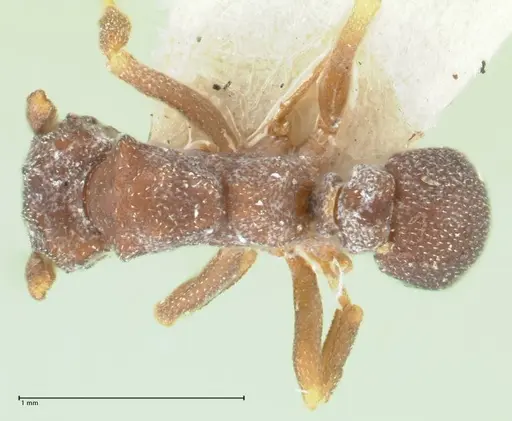
Literature
Loading distribution map...Loading products...