
Cyphomyrmex laevigatus
- Sci. Name
- Cyphomyrmex laevigatus
- Tribe
- Attini
- Subfamily
- Myrmicinae
- Author
- Weber, 1938
- Distribution
- Found in 5 countries
Introduction
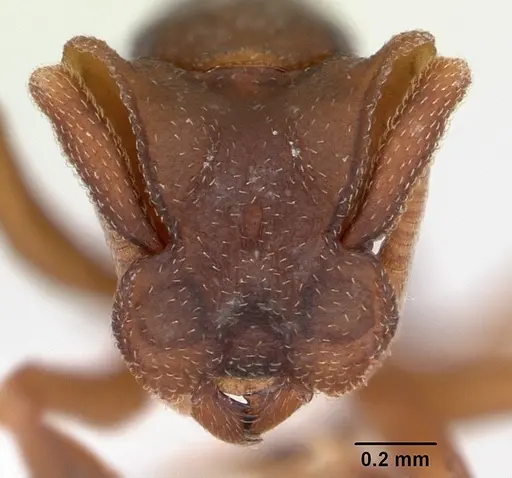
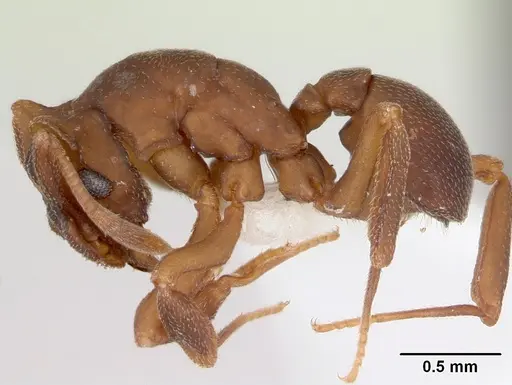
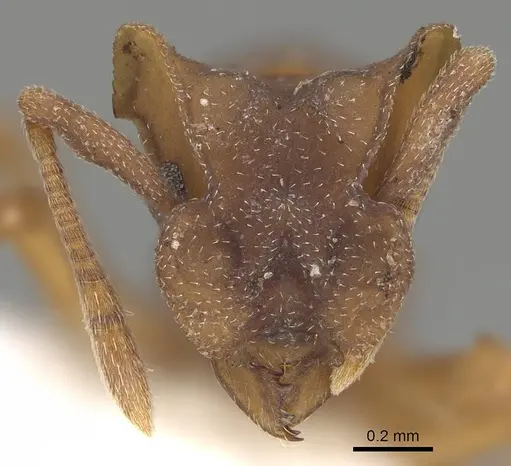
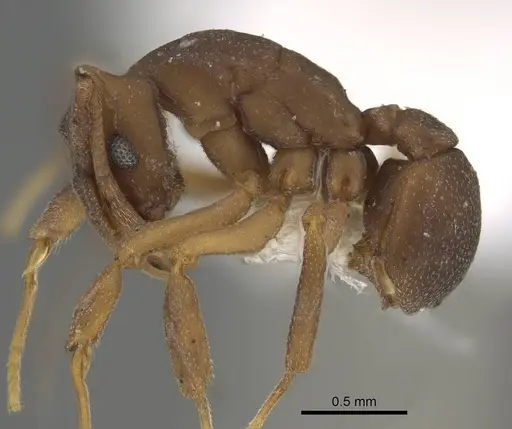
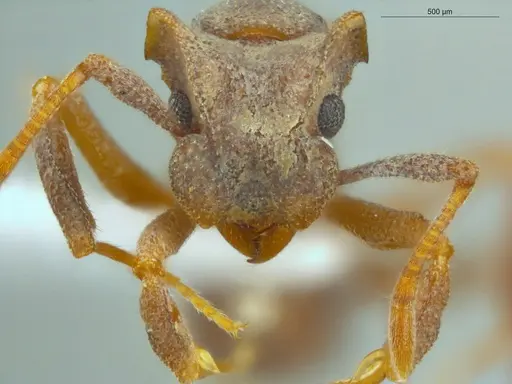
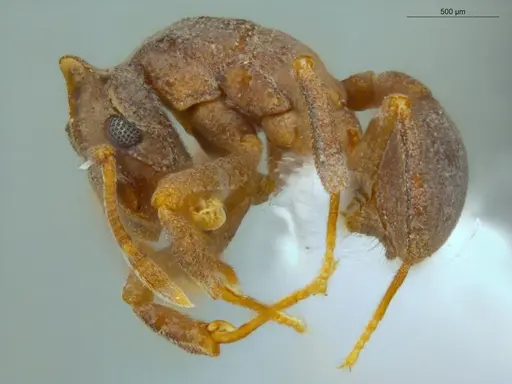
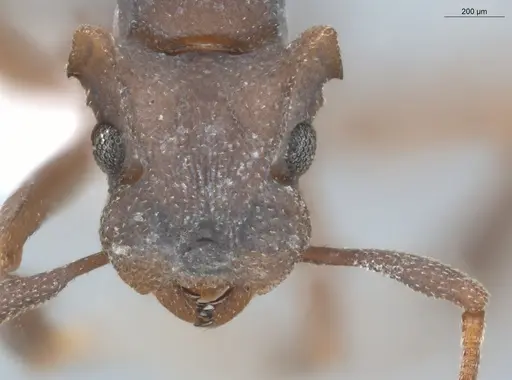
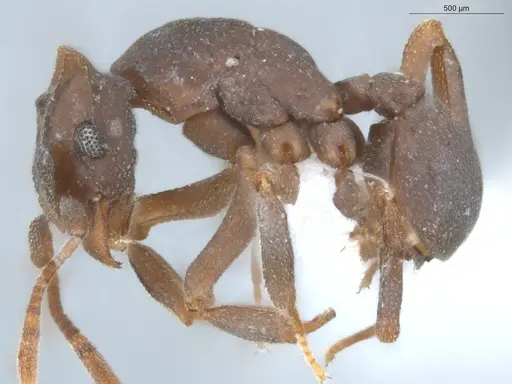
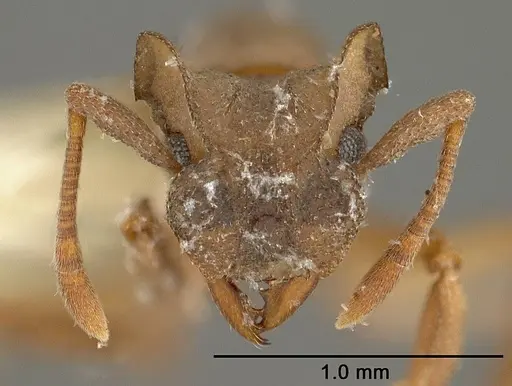
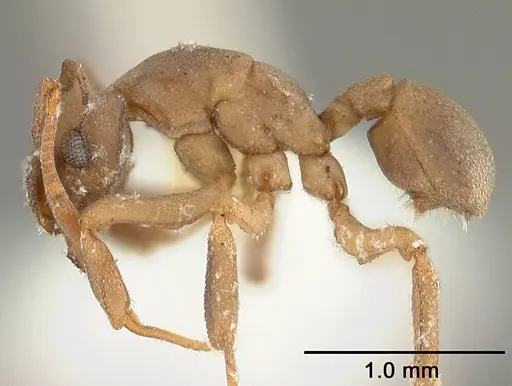
Cyphomyrmex laevigatus is a small Neotropical fungus-growing ant in the tribe Attini. Workers measure 3.3-3.7mm in total length and have a completely unarmed mesosoma with an evenly rounded propodeum when viewed from the side. The petiolar node is distinctive—about three times broader than long when viewed from above. This species belongs to the lower agriculture group, cultivating fungi for food rather than cutting fresh leaves like higher Attines. C. laevigatus is widely distributed across northern South America, from Panama through the Amazon basin to Paraguay and Bolivia, typically found in primary forest environments where it nests in soil beneath leaf litter in shaded, moist microenvironments.
Quick Summary
- Difficulty: Medium
- Origin & Habitat: Native to northern South America (Panama to Paraguay, including Amazon basin countries like Brazil, Colombia, Peru, Ecuador, Bolivia, Venezuela). Found in primary forest and woodland habitats, nesting in soil under leaf litter in shaded, moist microenvironments [1][2][3].
- Colony Type: Colony structure is not documented in scientific literature. As a fungus-growing ant in the Attini tribe, colonies likely establish with a single founding queen.
- Size & Growth:
- Queen: size data unavailable
- Worker: 3.3-3.7 mm total length [3]
- Colony: Unknown, no colony size data available
- Growth: Unknown
- Development: Unknown, no direct development data available for this species (Development has not been studied. Estimates based on related species are unreliable.)
- Antkeeping:
- Temperature: Keep at 22-26°C. This species comes from tropical forests with stable, warm temperatures.
- Humidity: High humidity is essential. These ants live in moist forest floor environments. Keep nesting area consistently moist but not waterlogged. Drying out quickly kills colonies.
- Diapause: No, as a tropical species, they do not require hibernation. Keep temperatures stable year-round.
- Nesting: Use a naturalistic setup with moist substrate (soil or soil/plaster mix) that holds humidity. A Y-tong nest with a soil chamber works well. Provide access to a foraging area with leaf litter or organic debris where they can cultivate their fungus garden. Tight escape prevention is critical due to their small size.
- Behavior: These are docile, non-aggressive ants that focus on cultivating fungi rather than defending territory. Workers are small (3.3-3.7mm) and rely on cryptic nesting in leaf litter. They possess a stinger but it is not medically significant to humans. Escape prevention is important because their small size allows them to slip through small gaps. They are slow-moving and secretive, spending most of their time tending their fungal gardens.
- Common Issues: drying out is the primary killer, their forest floor habitat requires constant moisture, small size means escapes are likely without fine mesh barriers, fungus garden health is critical, if the fungus dies, the colony dies, slow growth can lead to impatient keepers disturbing the nest, wild-caught colonies may have parasites or diseases that cause colony collapse
Fungus-Growing Biology
Cyphomyrmex laevigatus belongs to the Attini tribe, ants that cultivate fungi for food. This species is classified as a lower agriculture ant, meaning it cultivates fungi that grow on more complex organic matter rather than the specialized gardens of higher Attines [4]. Unlike leaf-cutting ants (Atta, Acromyrmex) that cut and process fresh leaves, lower Attine ants like Cyphomyrmex typically cultivate fungi on smaller substrates including dead plant material, insect frass, and organic debris. The ants feed on specialized structures called gongylidia that the fungus produces. In captivity, you must provide an appropriate substrate for the fungus to grow on, this typically includes small pieces of dead leaves, wood fragments, or commercially available fungal substrate. The queen or workers initially inoculate a substrate with fungal spores, and the fungus becomes essential to colony survival. This species does not have foveae, filamentous bacterium grows on porous tubercles that are morphologically similar to tubercles found within foveae of other lower attine ants [5].
Housing and Nest Setup
These ants require a setup that maintains high humidity while providing space for fungus cultivation. A hybrid approach works best: a nest chamber connected to a foraging area. The nest chamber should have moist substrate that holds humidity without becoming waterlogged. Use a substrate mix that retains moisture well, coco fiber, soil, or a plaster/soil blend. The foraging area should contain organic material where the ants can establish their fungus garden. Temperature should be maintained at 22-26°C using a heating cable on one side of the nest if room temperature is insufficient. Avoid direct sunlight, these ants evolved in shaded forest floor environments and can overheat easily. They are typical of natural forested environments and rely on specific conditions of shading, moisture, and temperature, requiring microhabitats provided by native forest litter for nesting and foraging [2].
Feeding and Fungus Care
The most critical aspect of keeping Cyphomyrmex laevigatus is maintaining a healthy fungus garden. Unlike most ants that you feed directly, these ants feed their fungus which then becomes their food. Provide small pieces of dead leaves, grass clippings, flower petals, wood fragments, or insect remains for the fungus to grow on. The quality and variety of organic matter affects fungus health. Some keepers also offer a small amount of sugar water or honey occasionally, though the primary nutrition comes from the fungus. Never feed them large prey items or excessive amounts, the fungus garden is their food source. If the fungus turns black or stops growing, the colony will decline. Fresh organic matter should be added gradually, and old, moldy material should be removed carefully. [4]
Behavior and Temperament
Cyphomyrmex laevigatus workers are small, slow-moving, and docile. They are not aggressive and possess a functional stinger that is less medically significant to humans than fire ants. Colonies are secretive, spending most of their time tending fungus gardens in hidden locations. Workers forage for organic material to feed their fungus rather than hunting prey. They are not territorial in the aggressive sense and will avoid confrontation. Their primary defense is cryptic behavior, staying hidden in leaf litter and soil rather than engaging threats. In captivity, they are fascinating to watch as workers carefully tend their fungus gardens, but they are not particularly active or dramatic.
Seasonal Care
As a tropical species from the Amazon basin, Cyphomyrmex laevigatus does not require hibernation or diapause. Keep temperatures stable throughout the year, avoiding drops below 20°C or spikes above 30°C. The main seasonal concern is maintaining humidity, dry air from heating in winter can quickly kill colonies. Monitor substrate moisture more frequently during winter when indoor air is drier. There is no natural dormancy period, so feeding and colony care remain consistent year-round.
Frequently Asked Questions
How long does it take for Cyphomyrmex laevigatus to produce first workers?
The exact timeline is unknown for this species. Development has not been directly studied, and estimates based on related species would be speculative. The founding queen must establish a fungus garden before she can produce workers, which may extend the timeline compared to non-fungus-growing ants.
What do Cyphomyrmex laevigatus eat?
They do not eat conventional ant food. As fungus-growing ants, they cultivate fungi on organic matter. Feed them small pieces of dead leaves, flower petals, wood fragments, or grass clippings. The fungus grows on this material, and the ants consume the gongylidia that the fungus produces. Some keepers offer occasional sugar water or honey, but this is not required.
Can I keep Cyphomyrmex laevigatus in a test tube?
A test tube alone is not ideal. These ants need space for fungus cultivation and require high humidity that a simple test tube setup struggles to maintain. A hybrid setup with a moist nest chamber connected to a foraging area with organic material works best. If using a test tube, it should be part of a larger setup with access to a fungus cultivation area.
Are Cyphomyrmex laevigatus ants aggressive?
No, they are docile and not aggressive. Workers are small and non-territorial. They possess a stinger but it poses minimal threat to keepers. Their defense strategy is cryptic behavior, hiding in leaf litter, rather than confrontation.
Do Cyphomyrmex laevigatus need hibernation?
No. As a tropical Amazonian species, they do not require hibernation or any cooling period. Keep them at stable tropical temperatures (22-26°C) year-round. Temperature drops below 20°C can be harmful.
How big do Cyphomyrmex laevigatus colonies get?
Colony size is not documented in scientific literature. There is no reliable data on maximum colony size for this species.
Why is my Cyphomyrmex laevigatus colony dying?
The most common cause is drying out. These ants require consistently moist conditions, dry substrate quickly kills both the colony and the fungus garden. Other common issues include: fungus garden death (turns black or stops growing), mold from over-wetting or poor ventilation, and stress from excessive disturbance. Check humidity levels first.
Is Cyphomyrmex laevigatus good for beginners?
They are not ideal for complete beginners due to their specific fungus-cultivation requirements. The biggest challenge is maintaining a healthy fungus garden, which requires understanding of the ant-fungus mutualism. They are better suited for keepers who have kept other ant species first and want to try the unique biology of fungus-growing ants.
When should I move Cyphomyrmex laevigatus to a formicarium?
Move them when the test tube or founding setup becomes too small for the colony. However, they need a setup that allows for fungus cultivation, not just chambers for workers. A naturalistic or hybrid setup with a soil area for the fungus garden is ideal. Wait until you have a healthy colony actively maintaining a fungus.
Do Cyphomyrmex laevigatus ants escape easily?
Yes. Workers are very small (3.3-3.7mm) and can slip through tiny gaps. Use fine mesh on all openings and apply fluon or similar barrier to all edges. Check for gaps in tubing connections and any seams in the setup. Their small size makes escape prevention critical.
Report an Issue
The current care sheet is based fully on literature. See inconsistencies, or something that's incorrect? Please , it will be resolved after review from an admin. Contributing to the blogs tab also helps providing information, to make us be able to further improve the caresheets. Thank you for your support!
References

This caresheet is licensed under CC BY-SA 4.0 .
Community Blogs
CASENT0173956
View on AntWeb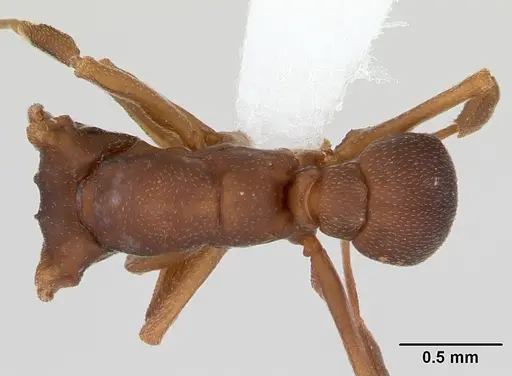
CASENT0922125
View on AntWeb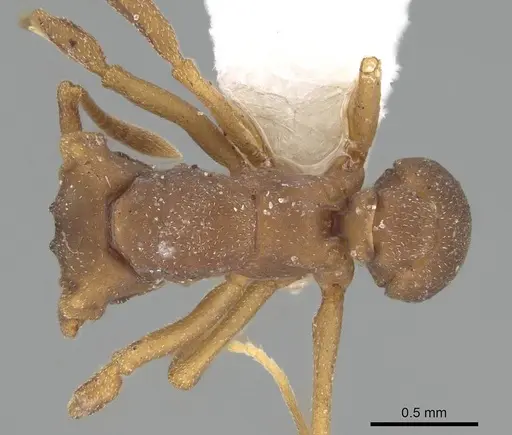
ECOFOG-LA15-0192-03
View on AntWeb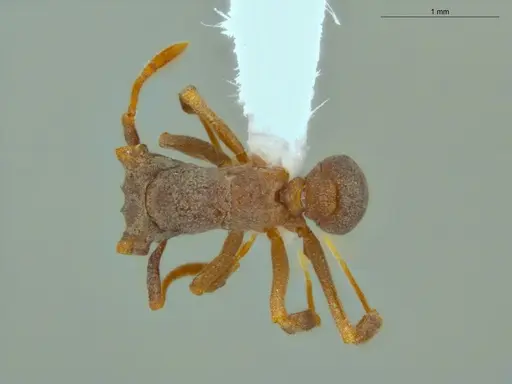
ECOFOG-MAI19-0054-03
View on AntWeb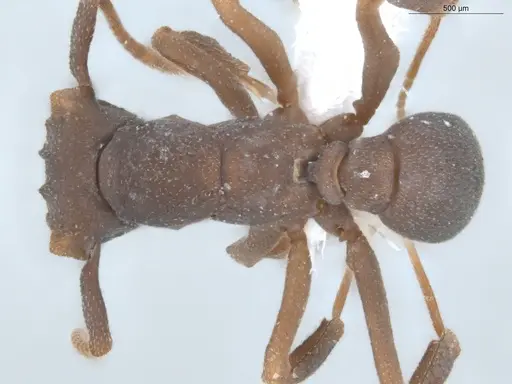
USNMENT00441781
View on AntWeb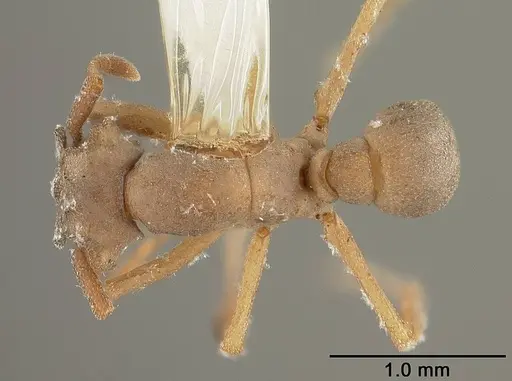
Literature
Loading distribution map...Loading products...