
Cyphomyrmex flavidus
- Sci. Name
- Cyphomyrmex flavidus
- Tribe
- Attini
- Subfamily
- Myrmicinae
- Author
- Pergande, 1896
- Distribution
- Found in 5 countries
Introduction
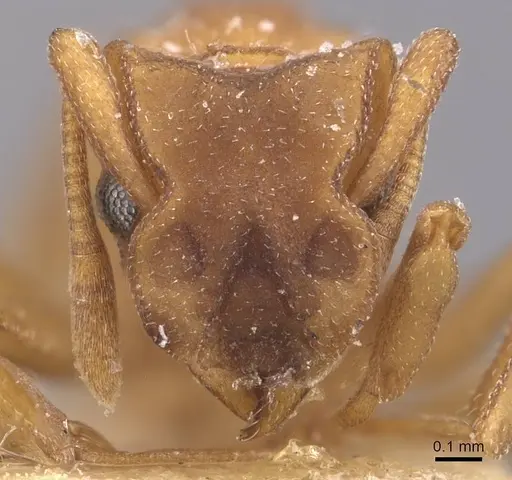
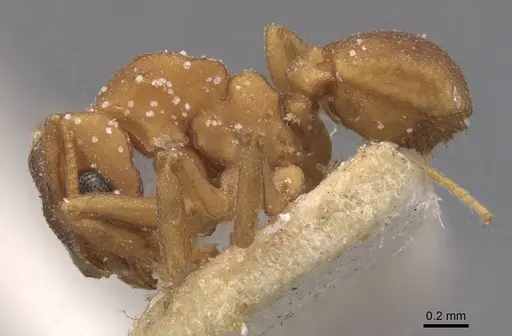
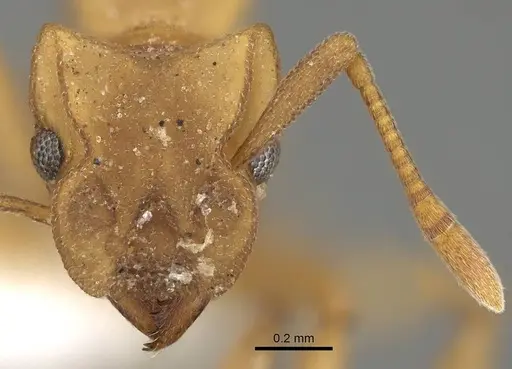
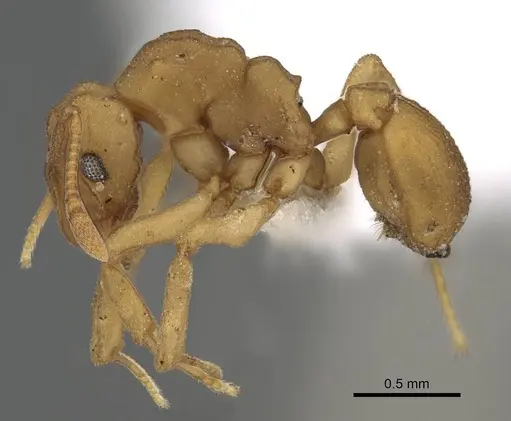
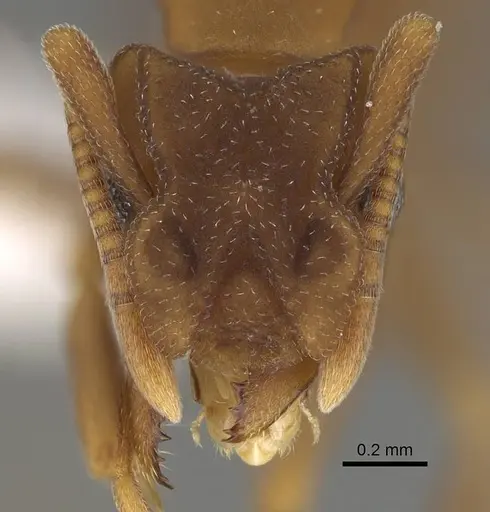
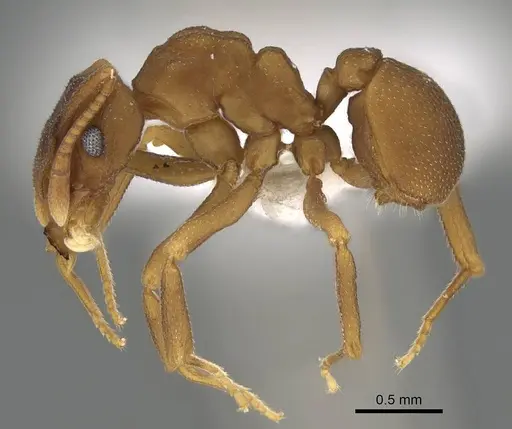
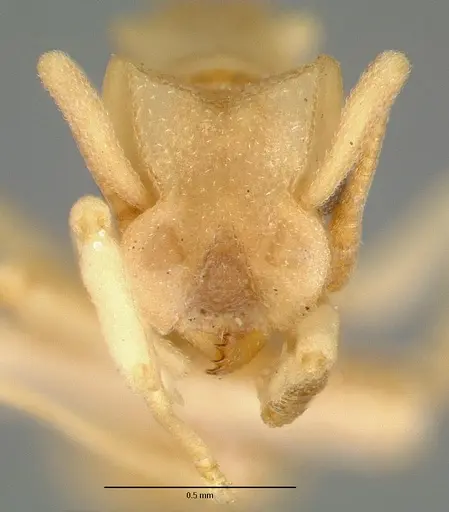
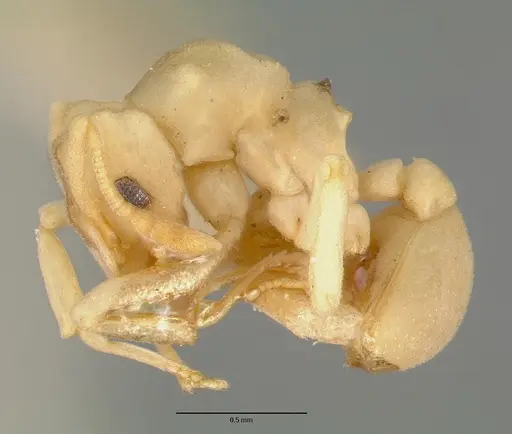
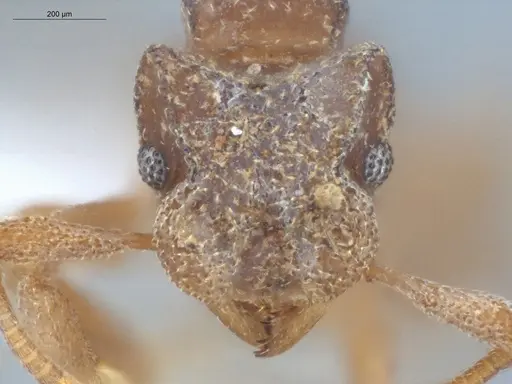
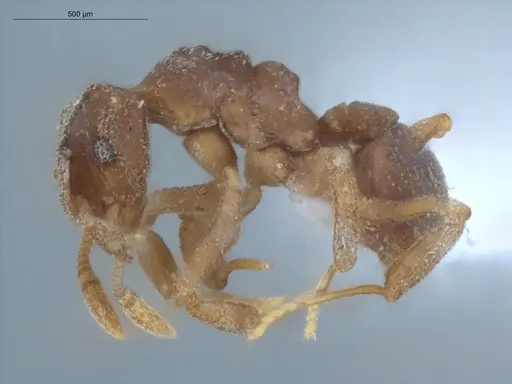
Cyphomyrmex flavidus is a small fungus-growing ant from Mexico and surrounding regions. Workers are 2.2-2.8 mm and ferruginous yellow, while dealated queens are 2.4 mm and dark brown to blackish with a bluish bloom on head and thorax . This ant belongs to the Attini tribe (fungus‑growers), but unlike leaf‑cutters it does not build the typical white mycelium. Instead, it cultivates clusters of tiny orange‑yellow spherical nodules (about 0.5 mm) on a substrate of caterpillar droppings . Nests are found under stones in shallow chambers near grass roots, and sometimes contain two queens . The species ranges from the southern United States (Sonora, Baja California) through Mexico (Morelos, Nayarit, Tamaulipas) to Colombia and French Guiana .
Quick Summary
- Difficulty: Expert
- Origin & Habitat: Nearctic and Neotropical regions: USA (Sonoran desert) to Colombia and French Guiana. Found under stones in damp areas near grass roots in tropical and subtropical forests, sometimes in refuse near Atta nests [2][3][4][5][6][7][1].
- Colony Type: Usually single‑queen, but wild nests occasionally have two queens (facultatively polygyne) [1].
- Size & Growth:
- Antkeeping:
- Temperature: Based on tropical range, keep warm and stable (roughly 24‑28°C). Avoid extremes that could harm the fungus. No precise data exist.
- Humidity: High – nest substrate should be consistently moist but not waterlogged. The ants naturally nest in damp areas under stones [1]. Provide a water tube for drinking and evaporation.
- Diapause: No – tropical/subtropical origin, maintain warmth year‑round.
- Nesting: Naturalistic setup works: a substrate layer (sand/soil mix) with flat stones on top so the ants can dig chambers underneath. Keep the nest dark and humid. Do not use acrylic nests, Y‑tong, plaster, or soil nests are better. Seal all gaps with fine mesh – these tiny ants can escape through very small openings.
- Behavior: Peaceful, non‑aggressive, slow‑moving ants. They have a sting (subfamily Myrmicinae, tribe Attini) but rarely use it on keepers. Primarily nocturnal. Escape risk is high due to their small size, use fine barriers.
- Common Issues: fungus garden collapse – the symbiotic fungus is essential, if it dies the colony starves, drying out – consistently moist conditions are critical for the fungus, escape risk – tiny workers can squeeze through standard barrier gaps, overheating – sustained temperatures above 32°C may harm both ants and fungus (unconfirmed, based on general Attini sensitivity), wrong substrate – the fungus is cultivated on caterpillar droppings in the wild, alternative organic material may not work
The Fungus Garden – Unique Diet
Cyphomyrmex flavidus belongs to the fungus‑growing Attini but has a very unusual feeding habit. Instead of cutting fresh leaves, workers collect caterpillar droppings (caterpillar excrement) as substrate for their fungus [1]. The fungus grows as clusters of orange‑yellow spherical or pear‑shaped nodules about 0.5 mm across. Exhausted droppings are piled on a refuse heap in a corner of the nest [1]. In captivity, you must provide suitable organic material for the fungus, caterpillar droppings are ideal but hard to obtain. Other organic materials may work, but success is uncertain. Without a healthy fungus garden the colony will starve – this is why C. flavidus is an expert‑level species.
Housing and Nest Setup
These ants nest under stones in the wild, so a naturalistic setup works best. Use a container with a layer of moist sand‑soil mix and place flat stones on top for the ants to dig chambers under. Keep the setup dark and humid – cover with a red film or place in a shaded area. Connect an outworld where you can offer water and occasional food items (though they rely mostly on the fungus). Seal all gaps with fine mesh, workers are tiny and can escape through surprisingly small openings. Do not use acrylic nests, Y‑tong (AAC), plaster, or soil nests are safer. [1]
Temperature and Humidity
As a tropical/subtropical species, Cyphomyrmex flavidus needs warmth. Keep temperature around 24‑28°C, but no exact data exist. Use a heating cable on one side of the nest to create a gradient. Avoid extreme temperatures – above 32°C may harm the fungus and the ants (based on general Attini sensitivity). Humidity must be high: the substrate should stay consistently moist but not waterlogged. A water tube helps maintain humidity. Do not let the nest dry out – the fungus is very sensitive to low humidity. [1]
Feeding and Nutrition
The most challenging aspect is providing the right fungus substrate. In the wild, the ants collect caterpillar droppings. In captivity, you may try offering droppings from herbivorous caterpillars (if available) or other fine organic material such as crushed dead leaves or flowers. The fungus will not grow well on standard ant food (sugar water, insects). If the fungus dies, the colony will perish. This is not a species for beginners. Always keep the fungus garden clean and remove any built‑up waste. [1]
Behavior and Colony Dynamics
Cyphomyrmex flavidus is peaceful and not aggressive. Workers are slow‑moving and primarily nocturnal, tending the fungus garden at night. Colonies are usually single‑queen, but occasionally two queens are found in the same nest [1]. Colony growth is slow – many months may pass before the fungus garden and worker population increase. Despite their small size, workers can sting (subfamily Myrmicinae), but they do not pose a threat to keepers. Escape risk is high because of their tiny size, always use escape‑proof barriers. The queen is darker than workers and has a bluish bloom on the head and thorax [1].
Frequently Asked Questions
What do Cyphomyrmex flavidus ants eat?
They eat only the fungus they cultivate, not typical ant food. The fungus grows on caterpillar droppings in the wild. In captivity you must provide suitable organic material for the fungus, this is difficult and makes them an expert‑only species.
How do I set up a nest for Cyphomyrmex flavidus?
Use a naturalistic setup: a moist sand‑soil substrate with flat stones on top for the ants to nest under. Keep it humid and dark. Connect an outworld for feeding. Seal all gaps with fine mesh – they are tiny escape artists.
Do Cyphomyrmex flavidus ants need hibernation?
No. These are tropical/subtropical ants and should be kept warm year‑round (24‑28°C recommended). They do not hibernate.
Are Cyphomyrmex flavidus good for beginners?
No. Their specialised fungus‑farming diet and high humidity needs make them an expert‑level species. Beginners should start with more forgiving ants.
How long does it take for first workers to hatch?
Unknown – no published data for this species. Development times are not documented.
How big do colonies get?
Unknown – no published colony size estimates. Based on related species, they probably stay small, but this is speculation.
Can I keep multiple queens together?
Occasionally two queens are found in the same wild nest [1], but this is not the norm. In captivity, starting with a single queen is safest. Combining unrelated queens is not recommended.
Why is my fungus garden dying?
Common causes: too dry, wrong temperature (too hot or too cold), wrong substrate (not enough organic material), or contamination. Keep the nest moist, warm (24‑28°C), and provide suitable organic material like caterpillar droppings if possible.
Where is Cyphomyrmex flavidus found in the wild?
From southern USA (Sonora, Baja California) through Mexico (Morelos, Nayarit, Tamaulipas) to Colombia and French Guiana. Also recorded in Cundinamarca and Valle del Cauca in Colombia. They nest under stones in damp areas.
When are the ants most active?
They are primarily nocturnal – most active at night when they tend the fungus garden. Daytime activity is low, this is normal.
Report an Issue
The current care sheet is based fully on literature. See inconsistencies, or something that's incorrect? Please , it will be resolved after review from an admin. Contributing to the blogs tab also helps providing information, to make us be able to further improve the caresheets. Thank you for your support!
References

This caresheet is licensed under CC BY-SA 4.0 .
Community Blogs
CASENT0005663
View on AntWeb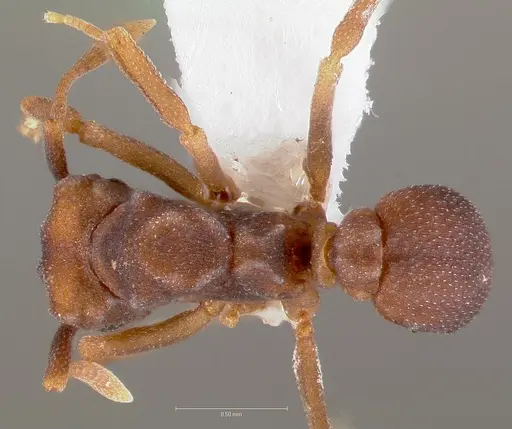
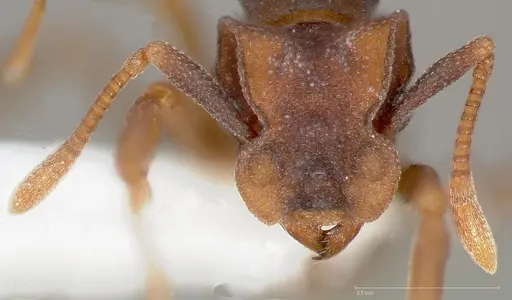
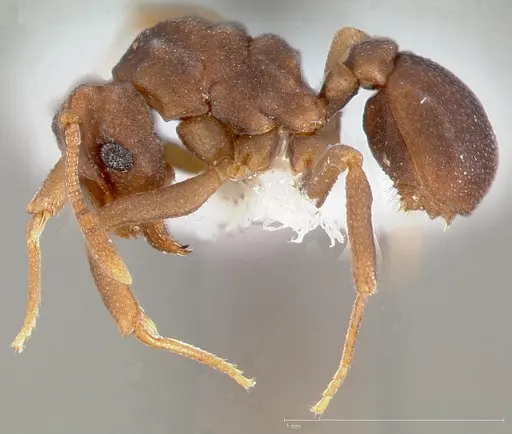
CASENT0909381
View on AntWeb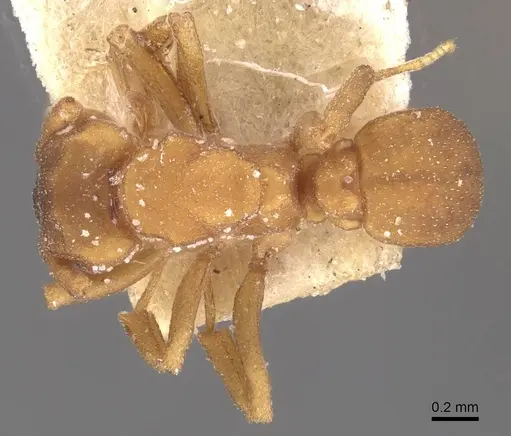
CASENT0922121
View on AntWeb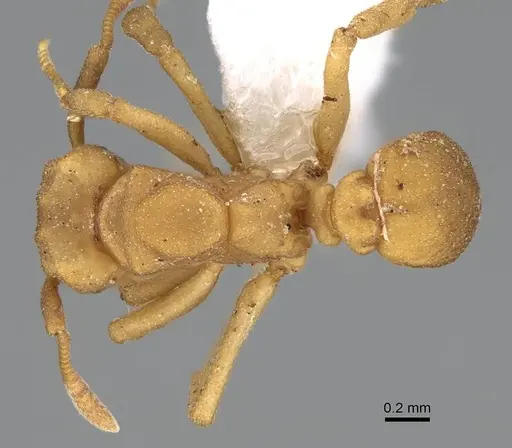
CASENT0922122
View on AntWeb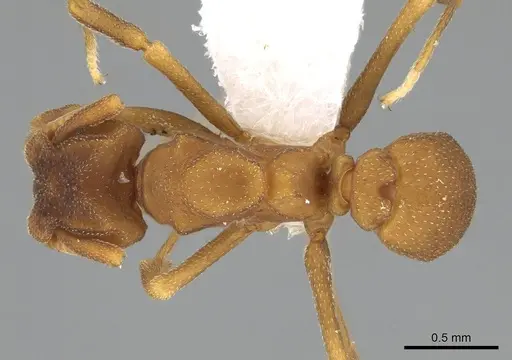
CASTYPE00657
View on AntWeb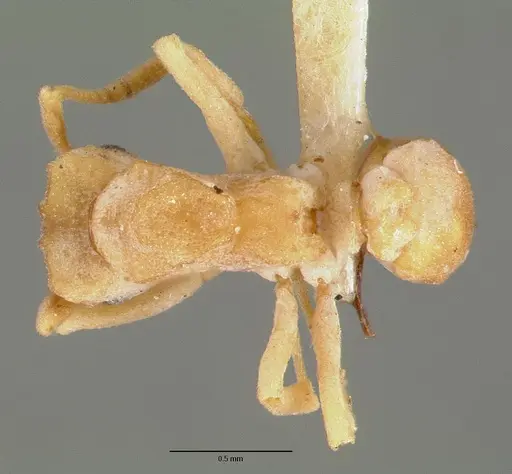
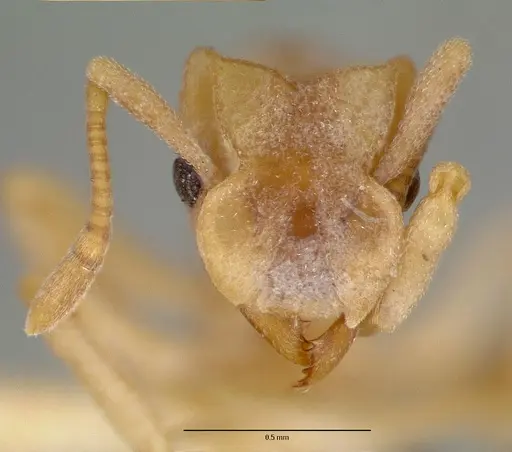
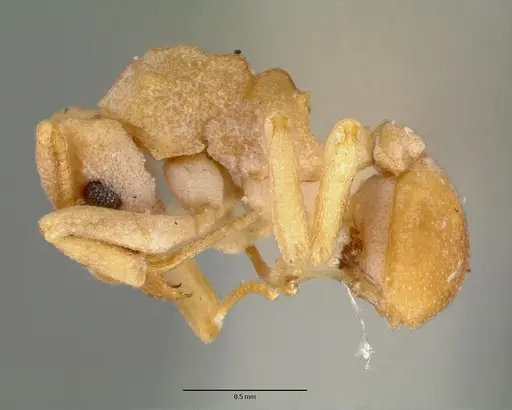
CASTYPE00658
View on AntWeb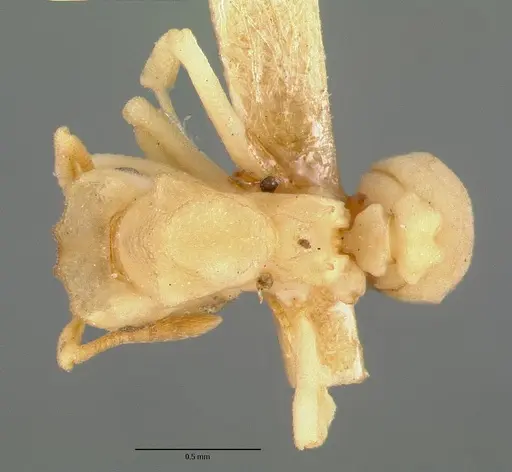
ECOFOG-LA15-0050-05
View on AntWeb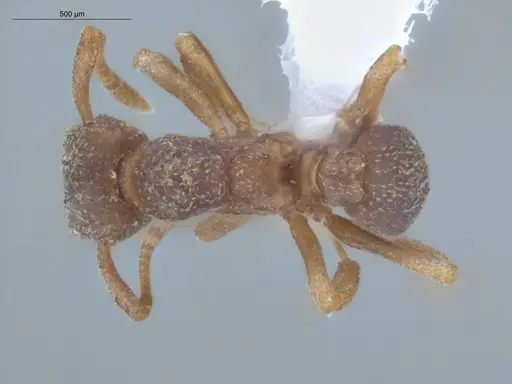
Literature
Loading distribution map...Loading products...